Tag: women’s health

  • From Thin to Thick: How Smoking Affects Cervical Mucus Consistency

    From Thin to Thick: How Smoking Affects Cervical Mucus Consistency

    Cervical mucus is a vital component of a woman’s reproductive health. It plays a crucial role in fertility, as it helps in the transport and nourishment of sperm, as well as in the protection of the sperm from the acidic environment of the vagina. Cervical mucus also serves as a medium for sperm to swim through and reach the egg for fertilization. However, various factors can affect the consistency and quality of cervical mucus, and one of them is smoking.

    Smoking is a prevalent habit among individuals of all ages, and its harmful effects on overall health are well-known. However, many do not realize that smoking also has a significant impact on reproductive health, particularly on cervical mucus consistency. In this blog post, we will explore how smoking affects cervical mucus and its implications for fertility.

    The Link between Smoking and Cervical Mucus

    Before delving into the effects of smoking on cervical mucus, let’s first understand how cervical mucus works. Cervical mucus is produced by the cervix, the narrow passage that connects the vagina to the uterus. Its consistency changes throughout the menstrual cycle, from thick and sticky to thin and watery. These changes are influenced by the levels of estrogen and progesterone in the body, which are hormones responsible for regulating the menstrual cycle.

    Smoking, on the other hand, contains thousands of chemicals that can affect the hormonal balance in the body. Studies have shown that these chemicals can disrupt the normal levels of estrogen and progesterone, leading to changes in cervical mucus consistency. Specifically, smoking can cause the mucus to become thinner and less stretchy, making it difficult for sperm to swim through and reach the egg.

    Impact on Fertility

    The changes in cervical mucus consistency caused by smoking have a significant impact on fertility. As mentioned earlier, cervical mucus plays a crucial role in the transport and protection of sperm. When the mucus becomes thin and less stretchy, it becomes harder for sperm to reach the egg. This can lead to difficulties in conceiving and increase the chances of infertility.

    Additionally, smoking can also affect the quality of cervical mucus, making it more acidic and hostile to sperm. This further decreases the chances of fertilization and pregnancy. Studies have also shown that women who smoke are more likely to experience implantation failure, which is when the fertilized egg fails to attach to the uterine lining.

    at-home insemination kit by Mosie Baby, featuring syringes and containers for comfort and convenience.

    From Thin to Thick: How Smoking Affects Cervical Mucus Consistency

    Furthermore, smoking has been linked to an increased risk of ectopic pregnancy, where the fertilized egg implants outside the uterus, usually in the fallopian tube. This can be a life-threatening condition and can also lead to future fertility issues.

    Other Effects of Smoking on Reproductive Health

    Apart from affecting cervical mucus consistency, smoking has other detrimental effects on reproductive health. It can damage the delicate tissues in the reproductive organs, leading to inflammation and scarring. This can cause blockages in the fallopian tubes, making it difficult for the egg to travel to the uterus for fertilization.

    Smoking has also been linked to a higher risk of miscarriage and pregnancy complications such as preterm birth, low birth weight, and stillbirth. It can also affect the quality of eggs, making it more difficult to conceive as women age.

    Quitting Smoking and Improving Cervical Mucus

    The good news is that the negative effects of smoking on cervical mucus can be reversed. Quitting smoking can improve the consistency and quality of cervical mucus, making it easier for sperm to reach the egg. Studies have shown that within a few months of quitting smoking, the levels of estrogen and progesterone return to normal, resulting in changes in cervical mucus consistency.

    Furthermore, quitting smoking has numerous other benefits for reproductive health, such as improving the overall health of the reproductive organs, reducing the risk of pregnancy complications, and increasing the chances of a successful pregnancy.

    In conclusion, smoking has a significant impact on cervical mucus consistency, which can lead to fertility issues and other reproductive health problems. Quitting smoking can reverse these effects and improve the chances of conception. It is crucial for women who are trying to conceive to quit smoking and make healthy lifestyle choices to optimize their reproductive health.

    Summary:

    Cervical mucus is an essential component of a woman’s reproductive health, as it plays a crucial role in fertility. However, smoking can affect the consistency and quality of cervical mucus, making it thinner and more hostile to sperm. This can lead to difficulties in conceiving and increase the risk of infertility, ectopic pregnancy, and other pregnancy complications. Quitting smoking can reverse these effects and improve the chances of a successful pregnancy. It is crucial for women to prioritize their reproductive health and make healthy lifestyle choices.

  • The Role of Cervical Mucus in Conception: How Smoking Impacts It

    Cervical mucus, also known as cervical fluid, is a crucial component in the process of conception. It plays a vital role in fertility by helping to transport sperm to the egg for fertilization. However, many women may not be aware of the impact that smoking can have on their cervical mucus and overall reproductive health. In this blog post, we will explore the role of cervical mucus in conception and how smoking can affect it.

    What is Cervical Mucus and Its Role in Conception?

    Cervical mucus is a fluid produced by the cells lining the cervix, the lower part of the uterus. It is a natural lubricant that helps to keep the vagina clean and healthy. Cervical mucus also serves as a protective barrier against infections and helps to maintain the pH balance in the vagina.

    But perhaps the most important function of cervical mucus is its role in conception. Throughout a woman’s menstrual cycle, the consistency and amount of cervical mucus changes. During ovulation, the mucus becomes thinner and more stretchy, creating a more hospitable environment for sperm to survive and travel through to reach the egg for fertilization.

    How Does Smoking Affect Cervical Mucus?

    Smoking has been linked to a variety of negative health effects, including infertility. When it comes to cervical mucus, smoking can have a significant impact on its quantity and quality, making it more difficult for sperm to reach the egg.

    Studies have shown that smoking can decrease the amount of cervical mucus produced by the cervix. This decrease in mucus can make it harder for sperm to swim through the cervix and reach the egg for fertilization. Additionally, smoking can also change the texture and consistency of cervical mucus, making it thicker and less hospitable for sperm.

    Smoking can also affect the pH balance of the vagina, making it more acidic. This acidic environment can be detrimental to sperm survival and motility, further hindering the chances of conception.

    The Negative Effects of Smoking on Fertility

    Mosie Baby Kit with a syringe and container, highlighting safety and usability features on a blue background.

    The Role of Cervical Mucus in Conception: How Smoking Impacts It

    Aside from the impact on cervical mucus, smoking can also have negative effects on fertility in general. Smoking has been linked to a higher risk of infertility, as well as increased chances of miscarriage and ectopic pregnancy. It can also decrease the success rates of fertility treatments such as in vitro fertilization (IVF).

    In men, smoking can also affect sperm count, motility, and morphology, making it more difficult for them to fertilize an egg. In addition, exposure to secondhand smoke can also have harmful effects on fertility, highlighting the importance of both partners quitting smoking when trying to conceive.

    Quitting Smoking for Better Reproductive Health

    The good news is that quitting smoking can have positive impacts on fertility and reproductive health. Studies have shown that women who quit smoking experienced improvements in their cervical mucus, making it easier for sperm to reach the egg and increasing their chances of conception.

    Moreover, quitting smoking can also improve the overall health of the reproductive system, leading to a healthier pregnancy and reducing the risk of complications. It can also increase the success rates of fertility treatments, making it a crucial step for couples struggling with infertility.

    Other Ways to Improve Cervical Mucus and Fertility

    Aside from quitting smoking, there are other ways to improve cervical mucus and boost fertility. Staying hydrated and maintaining a healthy diet can help to keep cervical mucus at optimal levels. Certain vitamins, such as vitamin C and zinc, have also been shown to improve cervical mucus production.

    In addition, using lubricants during intercourse may also assist in enhancing cervical mucus and promoting sperm survival. However, it is essential to choose a sperm-friendly lubricant that is free of harmful chemicals and does not disrupt the natural pH balance of the vagina.

    In conclusion, cervical mucus plays a crucial role in conception, and smoking can have a significant impact on its quantity and quality. Quitting smoking is an important step for couples trying to conceive, as it can improve fertility and increase the chances of a healthy pregnancy. By taking care of our reproductive health, we can increase our chances of conceiving and starting a family.

    SEO metadata:

  • Unveiling the Truth: How Smoking Alters Cervical Mucus Texture

    Smoking has long been known to have negative effects on our health, particularly when it comes to our respiratory system. However, the detrimental impact of smoking on other parts of our body, such as our reproductive system, is often overlooked. In recent years, researchers have discovered a link between smoking and changes in cervical mucus texture, which can greatly impact a woman’s fertility and overall health. In this blog post, we will delve deeper into this topic and unveil the truth about how smoking alters cervical mucus texture.

    First, let’s understand the role of cervical mucus in the female reproductive system. Cervical mucus, also known as cervical fluid, is a clear or white substance that is produced by the cervix. It plays a vital role in fertility as it helps sperm travel through the reproductive tract to reach and fertilize the egg. Cervical mucus also acts as a protective barrier against bacteria and other harmful substances. Its texture and consistency change throughout a woman’s menstrual cycle, indicating different stages of fertility.

    Now, let’s discuss how smoking affects cervical mucus. Cigarette smoke contains over 7,000 chemicals, including nicotine, carbon monoxide, and tar. These chemicals can have a profound impact on the female reproductive system, including altering the texture of cervical mucus. Studies have shown that smoking can cause changes in the quantity, quality, and consistency of cervical mucus, making it thicker, stickier, and less conducive to sperm survival. This can greatly reduce a woman’s chances of getting pregnant.

    One of the main ways smoking affects cervical mucus is by reducing its production. The chemicals in cigarette smoke can damage the cells in the cervix that produce mucus, leading to a decrease in its quantity. This can make it difficult for sperm to survive and reach the egg, hindering fertilization. Moreover, the chemicals in cigarettes can also thicken the mucus, making it harder for sperm to penetrate through it. This can further decrease the chances of conception.

    Smoking can also change the consistency of cervical mucus, making it stickier and less slippery. This can make it harder for sperm to swim through the reproductive tract and reach the egg. Additionally, the chemicals in cigarettes can also damage the cilia, tiny hair-like structures that help move the mucus through the reproductive tract. As a result, the mucus can become stagnant, preventing the sperm from reaching the egg.

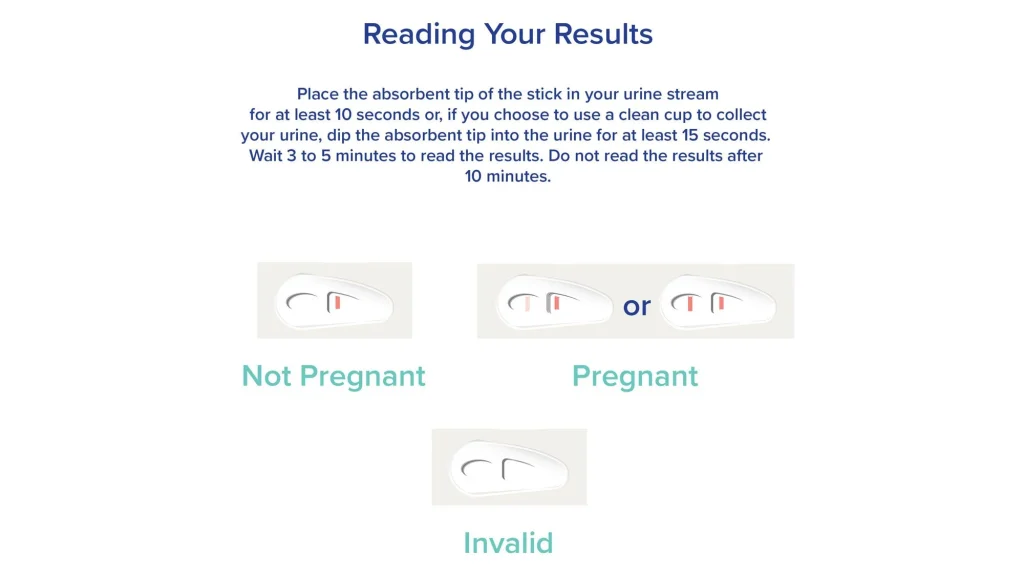
    Instructions for reading pregnancy test results with visual indicators for "Not Pregnant," "Pregnant," and "Invalid.

    Unveiling the Truth: How Smoking Alters Cervical Mucus Texture

    Besides fertility, smoking can also have other negative effects on a woman’s reproductive health. The chemicals in cigarettes can cause inflammation and irritation in the cervix, making it more susceptible to infections. This can lead to conditions like cervicitis, which can cause pain, discomfort, and even scarring of the cervix, making it harder for sperm to enter the uterus. Smoking has also been linked to an increased risk of cervical cancer, which can be exacerbated by changes in cervical mucus texture.

    Moreover, smoking during pregnancy can have severe consequences for both the mother and the baby. It can increase the risk of miscarriage, premature birth, and low birth weight. The chemicals in cigarettes can also pass through the placenta and affect the development of the baby’s reproductive organs, leading to long-term health issues.

    In addition to its impact on fertility and reproductive health, smoking can also have detrimental effects on a woman’s overall health. It can increase the risk of heart disease, stroke, and various types of cancers. Smoking has also been linked to an increased risk of osteoporosis, which can weaken the bones and increase the risk of fractures.

    In conclusion, it is evident that smoking can have a significant impact on cervical mucus texture, which can greatly affect a woman’s fertility and overall health. Quitting smoking is the best way to prevent these negative effects and improve your chances of conceiving. If you are struggling to quit smoking, seek help from a healthcare professional. Remember, by quitting smoking, you are not only improving your own health but also the health of your future offspring.

    In summary, smoking can alter cervical mucus texture by reducing its production, changing its consistency, and causing inflammation and irritation in the cervix. These changes can greatly impact a woman’s fertility and overall health. Quitting smoking is crucial for improving fertility and reducing the risk of other health issues. Seek help from a healthcare professional if needed.

  • Can Smoking Lead to Cervical Mucus Problems?

    Can Smoking Lead to Cervical Mucus Problems?

    Smoking has long been known to have negative effects on overall health, but what many people may not realize is that it can also impact specific areas of the body, including the cervix and cervical mucus. Cervical mucus plays a vital role in reproductive health, and any changes or problems with it can significantly impact a woman’s fertility and overall well-being. In this blog post, we will discuss the potential link between smoking and cervical mucus problems, and the implications it can have for women’s health.

    What is Cervical Mucus?

    Cervical mucus is a fluid produced by the cervix, the lower part of the uterus that connects to the vagina. It serves several essential functions in the female reproductive system, including providing a protective barrier against bacteria and other harmful substances, helping sperm travel through the cervix to reach the egg, and indicating where a woman is in her menstrual cycle. The consistency and quantity of cervical mucus can vary throughout a woman’s cycle, and changes in these can provide valuable information about fertility and ovulation.

    How Does Smoking Affect Cervical Mucus?

    Smoking has been linked to various reproductive problems, including irregular periods, miscarriage, and infertility. One way in which smoking can impact reproductive health is by affecting cervical mucus. The chemicals in cigarette smoke, particularly nicotine and carbon monoxide, can cause damage to the cells in the cervix, leading to changes in the production and quality of cervical mucus.

    Nicotine is a highly addictive substance found in cigarettes that can have a direct impact on cervical mucus. It can cause the blood vessels in the cervix to constrict, reducing blood flow and oxygen supply to the area. This can lead to inflammation and damage to the cells responsible for producing cervical mucus, resulting in a decrease in quantity and quality. Nicotine can also alter the pH levels in the cervix, making it more acidic and hostile to sperm, making it difficult for them to survive and reach the egg.

    Carbon monoxide is another harmful chemical found in cigarette smoke that can have a negative impact on cervical mucus. It binds to red blood cells, reducing their ability to carry oxygen to the cervix and other parts of the body. This can lead to a lack of oxygen in the cervix, causing tissue damage and impaired production of cervical mucus.

    The Link Between Smoking and Fertility

    illustration comparing standard and Mosie syringe openings with text highlighting design benefits for home insemination

    Can Smoking Lead to Cervical Mucus Problems?

    Cervical mucus plays a crucial role in fertility, and any changes or problems with it can significantly impact a woman’s ability to conceive. The acidic and hostile environment created by smoking can make it difficult for sperm to survive and reach the egg. Additionally, the decrease in cervical mucus quantity and quality can make it challenging for sperm to travel through the cervix to reach the egg. This can lead to a reduced chance of fertilization and conception.

    In addition to the effects on cervical mucus, smoking can also have a direct impact on a woman’s fertility. Women who smoke are more likely to experience irregular periods, which can make it difficult to track ovulation and increase the chances of missing the fertile window. Smoking has also been linked to an increased risk of miscarriage, which can be devastating for couples trying to conceive.

    The Impact on Women’s Health

    Aside from the effects on fertility, smoking can also have long-term implications for women’s health. Cervical mucus problems caused by smoking can increase the risk of sexually transmitted infections (STIs). The protective barrier provided by cervical mucus helps prevent bacteria and other harmful substances from entering the reproductive tract. When this barrier is compromised, the risk of developing an STI, such as chlamydia or gonorrhea, increases significantly.

    Smoking has also been linked to an increased risk of cervical cancer. Cervical cancer is caused by the human papillomavirus (HPV), which can be transmitted through sexual contact. Smoking can weaken the immune system, making it more difficult for the body to fight off HPV and increasing the chances of developing cervical cancer. Additionally, the changes in cervical mucus caused by smoking can make it more challenging to detect early signs of cervical cancer, delaying diagnosis and treatment.

    Summary

    In summary, smoking can lead to cervical mucus problems due to the harmful chemicals found in cigarettes, such as nicotine and carbon monoxide. These chemicals can cause damage to the cells in the cervix, leading to changes in the production and quality of cervical mucus. This can have significant implications for fertility, as well as increasing the risk of STIs and cervical cancer. Women who smoke should be aware of the potential impact on their reproductive health and consider quitting to improve their chances of conceiving and maintaining overall health.

    In conclusion, smoking and cervical mucus have a direct correlation, and the negative effects of smoking on cervical mucus can have significant implications for women’s health. Quitting smoking can not only improve fertility and reproductive health but also reduce the risk of serious health conditions such as cervical cancer. Taking care of our bodies, including our reproductive organs, is essential for overall well-being, and quitting smoking is a crucial step towards achieving this.

    SEO metadata:

  • Cervical Mucus: A Potential Predictor of Implantation Success in ART

    Cervical mucus is a natural substance produced by the female body that plays a crucial role in fertility and pregnancy. It is often overlooked, but it can actually be a potential predictor of implantation success in assisted reproductive technology (ART). In this blog post, we will explore the importance of cervical mucus in the context of ART and how understanding it can help improve the chances of a successful pregnancy.

    First, let’s understand what cervical mucus is and its role in the reproductive system. Cervical mucus is a fluid produced by the cervix, the lower part of the uterus. It is a combination of water, proteins, and electrolytes, and its consistency changes throughout a woman’s menstrual cycle. Cervical mucus is essential for fertility because it helps sperm travel through the cervix and reach the egg for fertilization. It also protects the sperm from the acidic environment of the vagina, ensuring their survival and mobility.

    In ART, such as in vitro fertilization (IVF), the goal is to fertilize an egg outside of the woman’s body and then transfer the resulting embryo into the uterus for implantation. This process can be costly and emotionally taxing, so it is crucial to have the best possible chance of success. Cervical mucus can act as a natural indicator of a woman’s fertility window and can help optimize the timing of an embryo transfer.

    During a woman’s menstrual cycle, her cervical mucus goes through different phases, which are associated with changes in its consistency and appearance. These changes are controlled by hormones, primarily estrogen and progesterone. When a woman is about to ovulate, her cervical mucus becomes more transparent, stretchy, and slippery, resembling the consistency of raw egg whites. This type of mucus is known as “fertile” or “egg white” cervical mucus and indicates the most fertile time of the cycle. It is also the best type of mucus for sperm to travel through and reach the egg for fertilization.

    In ART, understanding the changes in cervical mucus can help pinpoint the exact time of ovulation and improve the timing of an embryo transfer. Studies have shown that transferring an embryo during the most fertile cervical mucus phase can significantly increase the chances of implantation and pregnancy. This method, known as “natural cycle embryo transfer,” eliminates the need for hormonal medications to stimulate a woman’s ovaries and can be beneficial for those who are trying to avoid these medications’ side effects.

    at-home insemination kit by Mosie Baby, featuring syringes and containers for comfort and convenience.

    Cervical Mucus: A Potential Predictor of Implantation Success in ART

    Moreover, the quality of cervical mucus can also affect the success of an embryo transfer. Thin or insufficient cervical mucus may not provide enough protection and support for the embryo, leading to a lower chance of implantation. In these cases, doctors may recommend using a technique called intrauterine insemination (IUI) to increase the amount of cervical mucus and improve the chances of a successful pregnancy.

    In addition to its role in predicting ovulation and optimizing embryo transfer, cervical mucus can also provide valuable information about a woman’s overall fertility health. Changes in the quality and quantity of cervical mucus can be an indication of hormonal imbalances, infections, or underlying health issues that may affect fertility. By monitoring their cervical mucus, women can gain insight into their reproductive health and take necessary steps to address any potential issues before starting ART.

    It is essential to note that while cervical mucus can be a useful predictor of implantation success in ART, it is not the only factor that determines the outcome. Other factors, such as the quality of the embryo, the receptivity of the uterus, and the overall health of the woman, also play a significant role. Therefore, cervical mucus should be considered as one aspect of a comprehensive fertility evaluation and treatment plan.

    In conclusion, cervical mucus is a vital and often overlooked factor in ART. Its changes throughout a woman’s menstrual cycle can provide valuable information for optimizing embryo transfer and improving the chances of a successful pregnancy. By understanding the role of cervical mucus, women and their doctors can work together to increase the chances of a successful outcome in ART and achieve their dream of starting a family.

    In summary, cervical mucus plays a crucial role in fertility and pregnancy, and it can be a potential predictor of implantation success in assisted reproductive technology (ART). Its changes throughout a woman’s menstrual cycle can help optimize the timing of embryo transfer and provide valuable information about overall fertility health. Understanding the role of cervical mucus can increase the chances of a successful outcome in ART and help women achieve their dream of starting a family.

  • Cervical Mucus: A Key Indicator of Fertility and Success in ART

    Cervical mucus is a substance secreted by the cervix that plays a crucial role in female fertility and can also be used as an indicator of success in assisted reproductive technology (ART). This often overlooked bodily fluid can provide valuable insights into a woman’s reproductive health and can even help couples achieve their dream of starting a family. In this blog post, we will explore the importance of cervical mucus, its role in fertility and ART, and how to track and interpret changes in cervical mucus for optimal results.

    The Basics of Cervical Mucus

    Cervical mucus is a clear or whitish discharge produced by the cervix, the lower part of the uterus that connects to the vagina. It is primarily made up of water, electrolytes, proteins, and carbohydrates. The amount and consistency of cervical mucus vary throughout a woman’s menstrual cycle, which is influenced by hormones.

    The Role of Cervical Mucus in Fertility

    One of the main functions of cervical mucus is to create a hospitable environment for sperm to survive and reach the egg. During ovulation, the cervix secretes a higher amount of clear, slippery, and stretchy mucus that resembles egg whites. This type of mucus is known as fertile cervical mucus and is considered the most optimal for sperm survival and movement.

    On the other hand, during the non-fertile phases of a woman’s cycle, the cervical mucus is less abundant, thicker, and may have a cloudy or sticky consistency. This type of mucus is not conducive for sperm survival and may hinder their movement towards the egg.

    Tracking and Interpreting Cervical Mucus Changes

    Cervical mucus can be tracked and interpreted to determine a woman’s fertile window, which is the period when she is most likely to conceive. This is particularly helpful for couples who are trying to conceive naturally or for women who are using fertility awareness-based methods of birth control.

    To track cervical mucus, a woman can simply observe the changes in the amount and consistency of her vaginal discharge throughout her cycle. She can also perform a simple finger test by inserting a clean finger into her vagina and checking the sensation of the mucus. Fertile mucus will feel slippery, stretchy, and may even stretch between the fingers, while non-fertile mucus will feel thicker and may break easily.

    The Importance of Cervical Mucus in ART

    hands using a blue syringe to extract contents from a clear container for a home insemination kit

    Cervical Mucus: A Key Indicator of Fertility and Success in ART

    In assisted reproductive technology (ART), cervical mucus plays a crucial role in the success of procedures such as intrauterine insemination (IUI) and in vitro fertilization (IVF). Before undergoing these procedures, women may be prescribed medications to stimulate the production of fertile cervical mucus, which can increase the chances of conception.

    Additionally, during IVF, cervical mucus is used to create an artificial “hostile” environment to prevent sperm from reaching the egg prematurely. This technique, known as cervical mucus removal, involves removing the mucus from the cervix to allow the fertilized egg to develop before being implanted into the uterus.

    Cervical Mucus Abnormalities and Their Impact on Fertility

    Abnormalities in cervical mucus can have a significant impact on a woman’s fertility. Some women may experience chronic dryness, which can be caused by hormonal imbalances, certain medications, or medical conditions such as polycystic ovary syndrome (PCOS). This can make it difficult for sperm to survive and reach the egg, leading to infertility.

    Other women may have cervical mucus that is too thick or too acidic, making it difficult for sperm to move through and reach the egg. In these cases, fertility treatments may be necessary to bypass the cervix and increase the chances of conception.

    In rare cases, women may also have an autoimmune disorder called antisperm antibodies, which causes the body to produce antibodies that attack and destroy sperm. This can also be a contributing factor to infertility and may require specialized treatments.

    In Conclusion

    Cervical mucus is a key indicator of fertility and can provide valuable insights into a woman’s reproductive health. Tracking and interpreting changes in cervical mucus can help couples achieve their dream of starting a family and can also play a crucial role in the success of ART procedures. Any abnormalities in cervical mucus should be discussed with a healthcare provider to determine the best course of action for achieving pregnancy.

    Summary:

    Cervical mucus is a clear or whitish discharge secreted by the cervix that plays a crucial role in female fertility. It creates a hospitable environment for sperm to survive and reach the egg and can be tracked and interpreted to determine a woman’s fertile window. In ART, cervical mucus is important for procedures like IUI and IVF, and abnormalities can impact fertility. It is essential to discuss any abnormalities with a healthcare provider for the best chances of achieving pregnancy.

  • Secrets of Cervical Mucus: What It Can Reveal About Your Fertility

    Cervical mucus, also known as cervical fluid, is a natural bodily fluid produced by the cervix. While it may not seem like a topic of much importance, cervical mucus actually plays a crucial role in a woman’s fertility. In fact, by paying attention to changes in your cervical mucus, you can gain valuable insights into your reproductive health and fertility. In this blog post, we will explore the secrets of cervical mucus and what it can reveal about your fertility.

    What is Cervical Mucus?

    Cervical mucus is a fluid produced by the cells lining the cervix, which is the narrow passage connecting the uterus and the vagina. It is a clear or white color and has a consistency similar to that of raw egg whites. The amount, color, and texture of cervical mucus change throughout a woman’s menstrual cycle, and these changes are closely related to her fertility.

    The Role of Cervical Mucus in Fertility

    One of the primary functions of cervical mucus is to create a hospitable environment for sperm to survive and swim through on their journey to fertilize an egg. The consistency and quality of cervical mucus can greatly affect the chances of conception. During most of the menstrual cycle, the cervix produces thick and sticky mucus that prevents sperm from entering the uterus. However, as ovulation approaches, the cervix starts producing fertile cervical mucus, which is thin, watery, and stretchy. This type of mucus helps sperm to travel easily through the cervix and into the uterus, increasing the chances of fertilization.

    Tracking Changes in Cervical Mucus

    By tracking changes in cervical mucus, women can gain insight into their fertility and identify their most fertile days. This method of fertility tracking is known as the cervical mucus method or cervical mucus monitoring. The key is to pay attention to the appearance and consistency of cervical mucus throughout the menstrual cycle. By doing so, women can identify the fertile window – the days when they are most likely to conceive.

    The Fertile Window and Ovulation

    The fertile window is the period of time when a woman is most likely to get pregnant. It usually lasts for 5-7 days and includes the day of ovulation and the days leading up to it. By tracking changes in cervical mucus, women can pinpoint their fertile window and know when they are most likely to ovulate. This is especially helpful for women who are trying to conceive or those who are trying to avoid pregnancy.

    Changes in Cervical Mucus Throughout the Menstrual Cycle

    The menstrual cycle is divided into different phases, and the appearance and consistency of cervical mucus change accordingly. Let’s take a closer look at these changes and what they can reveal about a woman’s fertility.

    Menstrual Phase: During the menstrual phase, cervical mucus is minimal or absent. This is due to the low levels of estrogen and progesterone in the body.

    home insemination kit components: a syringe and a collection container against a blue background.

    Secrets of Cervical Mucus: What It Can Reveal About Your Fertility

    Follicular Phase: As the follicular phase begins, estrogen levels increase, causing the cervix to produce more mucus. This mucus is thick and sticky, which helps to block sperm from entering the uterus.

    Ovulatory Phase: This is the most fertile phase of the menstrual cycle. As ovulation approaches, the cervix starts producing fertile cervical mucus, which is thin, watery, and stretchy. This type of mucus helps sperm to travel easily through the cervix and into the uterus.

    Luteal Phase: After ovulation, the cervix produces less mucus, and it becomes thick and sticky again. This is due to the increase in progesterone levels, which prepares the uterus for a potential pregnancy.

    What Cervical Mucus Can Reveal About Your Fertility

    By tracking changes in cervical mucus, women can gain valuable insights into their fertility. Here are some things that cervical mucus can reveal about a woman’s reproductive health:

    1. Ovulation: Changes in cervical mucus can help women identify their most fertile days and predict when they are ovulating.

    2. Hormonal Imbalances: Changes in the appearance and consistency of cervical mucus can also indicate hormonal imbalances, which can affect fertility.

    3. Fertile Window: By tracking changes in cervical mucus, women can pinpoint their fertile window and know when they are most likely to conceive.

    4. Infertility: In some cases, abnormalities in cervical mucus can be a sign of infertility. For example, women with certain types of cervical mucus may have difficulty conceiving.

    5. Overall Reproductive Health: Changes in cervical mucus can also indicate overall reproductive health. For instance, women with healthy levels of estrogen and progesterone tend to have fertile cervical mucus.

    In conclusion, cervical mucus plays a crucial role in a woman’s fertility. By tracking changes in cervical mucus, women can gain valuable insights into their reproductive health and identify their most fertile days. This method of fertility tracking is natural, low-cost, and non-invasive, making it a great option for women who are trying to conceive or simply want to learn more about their menstrual cycles.

    In summary, cervical mucus is a natural bodily fluid produced by the cervix that changes throughout a woman’s menstrual cycle. By tracking these changes, women can gain insights into their fertility, identify their most fertile days, and monitor their reproductive health. Cervical mucus can reveal information about ovulation, hormonal imbalances, the fertile window, infertility, and overall reproductive health.

  • The Role of Diet in Fostering Optimal Cervical Mucus Production

    The Role of Diet in Fostering Optimal Cervical Mucus Production

    Cervical mucus, also known as cervical fluid, plays a crucial role in a woman’s reproductive health. It is a clear or slightly white substance produced by the cervix that helps sperm travel through the cervix to reach the egg for fertilization. In addition to its role in fertility, cervical mucus also serves as a barometer for hormonal balance and overall vaginal health.

    Many factors can affect cervical mucus production, including stress, medication, and hormonal imbalances. However, one of the most significant factors that can impact cervical mucus is diet. What we eat can have a profound effect on our hormone levels, which, in turn, can influence cervical mucus production.

    In this blog post, we will dive into the role of diet in fostering optimal cervical mucus production and provide tips on how to make dietary changes to promote healthy cervical mucus.

    Hormonal Balance and Cervical Mucus

    To understand how diet impacts cervical mucus production, we must first understand the role of hormones in this process. The hormones estrogen and progesterone are essential for the production and quality of cervical mucus. During a woman’s menstrual cycle, estrogen levels rise, causing the cervix to produce more mucus. This mucus becomes more watery and stretchy, making it easier for sperm to travel through the cervix and reach the egg.

    On the other hand, progesterone levels increase after ovulation, causing the cervical mucus to thicken and become less hospitable to sperm. This change in cervical mucus is necessary to prevent sperm from reaching the uterus during the non-fertile phase of the menstrual cycle.

    The Role of Diet in Hormonal Balance

    A balanced and nutritious diet is essential for maintaining hormonal balance, which is crucial for optimal cervical mucus production. Certain foods can either help or hinder hormone production and function, affecting the quality and quantity of cervical mucus.

    1. Healthy Fats

    Healthy fats, such as omega-3 fatty acids found in salmon, avocado, and nuts, play a vital role in hormone production and balance. These fats are the building blocks of hormones, and a diet lacking in healthy fats can lead to hormonal imbalances.

    2. Complex Carbohydrates

    Complex carbohydrates, such as whole grains, fruits, and vegetables, are essential for maintaining stable blood sugar levels. When blood sugar levels are unbalanced, it can disrupt hormone production and lead to irregularities in the menstrual cycle.

    3. Protein

    Protein is essential for hormone production and balance, as well as maintaining healthy blood sugar levels. Lean protein sources such as chicken, fish, and legumes should be included in a well-balanced diet.

    4. Zinc

    Zinc is a crucial mineral for reproductive health, as it is involved in the production and function of hormones. Foods rich in zinc include oysters, beef, and pumpkin seeds.

    5. Vitamin B6

    Vitamin B6 is essential for the production of progesterone, a hormone necessary for thickening cervical mucus after ovulation. Foods rich in vitamin B6 include spinach, bananas, and salmon.

    Foods to Avoid for Optimal Cervical Mucus Production

    Smiling baby in a blue onesie with "made with Love" text, lying on a light blue crocheted blanket.

    The Role of Diet in Fostering Optimal Cervical Mucus Production

    In addition to incorporating the above foods into your diet, there are also some foods that you should limit or avoid to promote healthy cervical mucus production.

    1. Processed Foods

    Processed foods, high in sugar, unhealthy fats, and preservatives, can disrupt hormone balance and lead to inflammation in the body. This inflammation can affect the production and quality of cervical mucus.

    2. Caffeine

    Caffeine can disrupt hormonal balance and lead to increased levels of cortisol, a stress hormone. This can negatively affect cervical mucus production and quality.

    3. Alcohol

    Alcohol can also disrupt hormonal balance and lead to inflammation in the body. Excessive alcohol consumption can also affect liver function, which is essential for hormonal balance.

    4. Dairy Products

    Dairy products, particularly those that are high in fat, can contain high levels of estrogen. Consuming excessive amounts of estrogen can disrupt the body’s natural hormone levels and affect cervical mucus production.

    5. High Glycemic Index Foods

    Foods with a high glycemic index, such as white bread, sugary snacks, and processed foods, can cause a spike in blood sugar levels. This can lead to insulin resistance and affect hormone production and balance.

    Making Dietary Changes for Optimal Cervical Mucus Production

    Now that we understand the role of diet in cervical mucus production, here are some tips for making dietary changes to promote healthy cervical mucus:

    1. Incorporate more whole, nutrient-dense foods into your diet, such as fruits, vegetables, lean protein, and healthy fats.

    2. Limit or avoid processed foods, caffeine, alcohol, and high glycemic index foods.

    3. Consider adding supplements such as omega-3 fatty acids, zinc, and vitamin B6 to your diet if you are not getting enough of these nutrients through food.

    4. Stay hydrated by drinking plenty of water throughout the day.

    5. Keep a food journal to track how different foods make you feel and any changes in your cervical mucus.

    Summary:

    Cervical mucus production is influenced by many factors, including diet. Hormonal balance plays a crucial role in the production and quality of cervical mucus, and certain foods can either help or hinder this balance. Incorporating whole, nutrient-dense foods into your diet and avoiding processed foods, caffeine, alcohol, and high glycemic index foods can promote optimal cervical mucus production. Additionally, supplements such as omega-3 fatty acids, zinc, and vitamin B6 can also be beneficial. By making dietary changes and paying attention to your body’s responses, you can foster healthy cervical mucus and promote overall reproductive health.

  • The Surprising Ways Diet Can Affect Cervical Mucus Health

    Cervical mucus is a fluid secreted by the cervix that plays a crucial role in female fertility and reproductive health. It may not be a topic that is frequently discussed, but the health of your cervical mucus can be greatly impacted by your diet. What you eat can affect the quantity, quality, and consistency of your cervical mucus, which in turn can impact your ability to conceive and maintain a healthy reproductive system. In this blog post, we will explore the surprising ways diet can affect cervical mucus health and how making simple dietary changes can have a positive impact on your overall reproductive health.

    1. The Importance of Cervical Mucus

    Before we delve into the ways diet can affect cervical mucus health, let’s first understand the importance of this fluid. Cervical mucus plays a vital role in the process of conception by providing a hospitable environment for sperm to travel through the cervix and reach the egg. It also acts as a barrier, protecting the uterus from harmful bacteria and infections. Additionally, cervical mucus can indicate when a woman is ovulating, making it a crucial factor in natural family planning and fertility tracking.

    2. The Role of Diet in Cervical Mucus Health

    Now that we understand the significance of cervical mucus, let’s explore how diet can affect its health. The quantity, quality, and consistency of cervical mucus are all impacted by the nutrients and vitamins we consume, making it essential to maintain a balanced and healthy diet. Here are some surprising ways diet can affect cervical mucus health:

    – Water Intake: Staying hydrated is crucial for maintaining healthy cervical mucus. Dehydration can lead to thicker and stickier mucus, which can impede sperm movement and reduce fertility. It is recommended to consume at least eight glasses of water a day to keep your body and cervical mucus adequately hydrated.

    – Vitamin C: This essential vitamin plays a significant role in cervical mucus production. It helps to maintain the elasticity and consistency of the mucus, making it easier for sperm to travel through the cervix. Foods rich in vitamin C, such as citrus fruits, berries, and leafy greens, should be included in your diet to promote healthy cervical mucus.

    – Healthy Fats: Consuming healthy fats, such as those found in avocados, nuts, and olive oil, is crucial for maintaining hormonal balance in the body. Hormonal imbalances can affect the quality and quantity of cervical mucus, leading to fertility issues. Including healthy fats in your diet can help support the production of the hormones necessary for healthy cervical mucus.

    – Fiber: A diet high in fiber can also contribute to healthy cervical mucus. Fiber helps to regulate estrogen levels in the body, which can impact cervical mucus production. Foods like whole grains, fruits, and vegetables are excellent sources of fiber and should be included in your daily diet.

    Mosie Baby ovulation test kit with packaging and instructions on a pink background.

    The Surprising Ways Diet Can Affect Cervical Mucus Health

    – Iron: Iron deficiency can lead to anemia, which can affect the consistency of cervical mucus. It is essential to include iron-rich foods in your diet, such as lean meat, leafy greens, and beans, to support healthy cervical mucus production.

    3. Foods to Avoid for Healthy Cervical Mucus

    In addition to including the right foods in your diet, it is equally important to avoid certain foods that can negatively impact cervical mucus health. These include:

    – Processed and Refined Foods: Highly processed and refined foods, such as white bread, sugary snacks, and fast food, can lead to inflammation in the body and disrupt hormonal balance. This can have a direct impact on cervical mucus production and overall reproductive health.

    – Dairy Products: Dairy products, especially those made from cow’s milk, can increase mucus production in the body. This can lead to thicker and stickier cervical mucus, hindering the movement of sperm. It is best to limit dairy consumption or opt for alternatives like almond or coconut milk.

    – Caffeine: Consuming excessive amounts of caffeine can lead to dehydration, which, as mentioned earlier, can affect the quality of cervical mucus. It is recommended to limit caffeine intake to one or two cups a day to maintain proper hydration levels in the body.

    4. The Link Between Diet and Hormonal Balance

    Hormonal balance is crucial for maintaining healthy reproductive health, and diet plays a significant role in this balance. The foods we consume can either promote or disrupt hormonal balance, which can directly impact cervical mucus production. A diet high in processed and refined foods, unhealthy fats, and sugar can lead to an increase in estrogen levels, while a diet rich in whole foods, healthy fats, and fiber can promote a balance of estrogen and progesterone, essential for healthy cervical mucus.

    In summary, the food we eat has a significant influence on the health of our cervical mucus. A diet rich in water, vitamin C, healthy fats, fiber, and iron can support the production of healthy cervical mucus and promote overall reproductive health. On the other hand, consuming processed and refined foods, dairy, and excessive amounts of caffeine can have a negative impact on cervical mucus production and hormonal balance. By making simple changes to our diet, we can help support our reproductive health and increase our chances of conception.

    In conclusion, the health of our cervical mucus is greatly affected by the food we consume. By maintaining a balanced and healthy diet, we can support the production of healthy cervical mucus and promote overall reproductive health. It is essential to stay hydrated, include vitamin C, healthy fats, fiber, and iron in our diet, and limit the consumption of processed and refined foods, dairy, and caffeine. By paying attention to our diet, we can take control of our reproductive health and increase our chances of conception.

  • The Role of Nutrition in Cervical Mucus Production for Conception

    Cervical mucus is an important factor in the process of conception. It plays a crucial role in helping sperm reach and fertilize the egg. However, many women struggle with issues related to their cervical mucus, such as dryness or inconsistency. What many may not realize is that nutrition plays a significant role in the production and quality of cervical mucus. In this blog post, we will explore the link between nutrition and cervical mucus production for conception.

    The Importance of Cervical Mucus in Conception
    Before delving into the role of nutrition, it is essential to understand the importance of cervical mucus in the process of conception. Cervical mucus is a fluid produced by the cervix, located at the entrance of the uterus. It serves as a protective barrier, filtering out harmful bacteria and providing a hospitable environment for sperm to travel through the reproductive tract. Additionally, cervical mucus acts as a conduit for sperm, providing them with the necessary nutrients and pH levels to survive and reach the egg.

    Healthy cervical mucus is essential for conception, as it allows sperm to survive and thrive on their journey to the egg. Without enough cervical mucus, sperm may not be able to reach the egg, leading to difficulties in conception. Therefore, maintaining a healthy production of cervical mucus is crucial for women trying to conceive.

    The Role of Nutrition in Cervical Mucus Production
    Nutrition plays a vital role in the production and quality of cervical mucus. Our bodies require specific nutrients to produce cervical mucus, and deficiencies in these nutrients can lead to issues with cervical mucus production. Here are some essential nutrients that play a role in cervical mucus production:

    1. Water
    Water is essential for maintaining proper hydration and fluid balance in the body. The cervix needs to be adequately hydrated to produce cervical mucus. Dehydration can lead to thicker, stickier cervical mucus, making it difficult for sperm to travel through the reproductive tract. Therefore, it is crucial to stay well-hydrated to maintain a healthy production of cervical mucus.

    2. Vitamin C
    Vitamin C is an essential nutrient for the production of cervical mucus. It helps to maintain a healthy pH level in the reproductive tract, creating an ideal environment for sperm to survive and travel. Vitamin C also helps to prevent the formation of cervical mucus plugs, which can block sperm from reaching the egg.

    3. Omega-3 Fatty Acids
    Omega-3 fatty acids are known for their anti-inflammatory properties and are essential for maintaining a healthy reproductive system. They help to increase blood flow to the reproductive organs, including the cervix, and promote the production of healthy cervical mucus.

    4. Zinc
    Zinc is a crucial mineral for fertility and plays a role in cervical mucus production. It helps to regulate hormone levels, which can affect the quantity and quality of cervical mucus. Zinc also aids in the production of certain enzymes that are necessary for the production of cervical mucus.

    mosie baby logo featuring a heart and leaves in blue, pink, and green colors.

    The Role of Nutrition in Cervical Mucus Production for Conception

    5. L-Arginine
    L-Arginine is an amino acid that plays a vital role in cervical mucus production. It helps to increase blood flow to the reproductive organs, including the cervix, and promotes the production of healthy cervical mucus. Studies have also shown that L-Arginine can improve the quality and quantity of cervical mucus in women with fertility issues.

    How to Improve Cervical Mucus Production through Nutrition
    To improve cervical mucus production, it is essential to maintain a healthy and balanced diet that includes the nutrients mentioned above. Here are some tips to help you incorporate these nutrients into your diet:

    1. Stay Hydrated
    As mentioned earlier, hydration is crucial for maintaining healthy cervical mucus production. Make sure to drink plenty of water throughout the day, and avoid beverages that can dehydrate you, such as caffeine and alcohol.

    2. Eat a Balanced Diet
    Include a variety of fruits, vegetables, whole grains, and lean proteins in your diet to ensure you are getting all the necessary nutrients for cervical mucus production. Foods rich in vitamin C, such as citrus fruits, berries, and leafy greens, are especially crucial.

    3. Consider Supplements
    If you are struggling to get enough of the necessary nutrients through your diet, consider taking supplements. Consult with your doctor before starting any new supplements to determine the right dosage for you.

    4. Avoid Processed Foods
    Processed foods, high in sugar and unhealthy fats, can lead to inflammation in the body, which can affect cervical mucus production. Avoiding these foods and opting for whole, nutrient-dense foods is essential for maintaining a healthy reproductive system.

    5. Reduce Stress
    Stress can negatively impact hormone levels, which can affect cervical mucus production. Incorporate stress-reducing activities into your daily routine, such as exercise, meditation, or yoga, to improve your overall well-being and promote a healthy reproductive system.

    In summary, nutrition plays a crucial role in cervical mucus production for conception. Adequate hydration, along with a balanced diet rich in essential nutrients, can help promote a healthy production of cervical mucus. Additionally, incorporating stress-reducing activities into your daily routine can also have a positive impact on cervical mucus production. By taking care of your body and providing it with the necessary nutrients, you can improve your chances of conception.

    In conclusion, nutrition plays a significant role in cervical mucus production for conception. Ensuring an adequate intake of water, vitamin C, omega-3 fatty acids, zinc, and L-arginine can help improve cervical mucus production. Avoiding processed foods, reducing stress, and staying well-hydrated are also essential for maintaining a healthy reproductive system and promoting the production of healthy cervical mucus. By prioritizing nutrition and making healthy choices, women can increase their chances of conceiving and starting a family.





