Tag: donor sperm

  • Navigating Legalities: Home Insemination Laws You Need to Know

    Navigating Legalities: Home Insemination Laws You Need to Know

    In recent years, home insemination has become a popular method for couples and individuals looking to start a family. With advancements in technology and at-home insemination kits becoming more accessible, many people are turning to this option as a way to conceive. However, with this rise in popularity, it is important to understand the legalities surrounding home insemination and the laws that may impact your journey to parenthood.

    In this blog post, we will discuss the essential home insemination laws that you need to know. From the legality of using donor sperm to the rights of the donor and the potential implications for the child, we will cover all the important aspects to ensure that you are well-informed and prepared before embarking on your home insemination journey.

    The Legality of Using Donor Sperm

    One of the key aspects to consider when it comes to home insemination is the legality of using donor sperm. In most countries, using donor sperm for home insemination is legal as long as certain guidelines are followed. These guidelines may vary from country to country, but generally, they include obtaining written consent from the donor, ensuring that the donor is free from any sexually transmitted diseases, and using donor sperm from a licensed sperm bank.

    It is important to note that in some countries, the law may require that the insemination is performed by a licensed medical professional. This means that home insemination may not be an option for everyone, and it is crucial to research the laws in your country or state before proceeding.

    The Rights of the Donor

    When using donor sperm for home insemination, it is important to consider the rights of the donor. In most cases, the donor will have no legal rights or responsibilities towards the child. However, this may not always be the case. In some countries, if the donor is known to the recipient, they may have some parental rights and could be held responsible for child support.

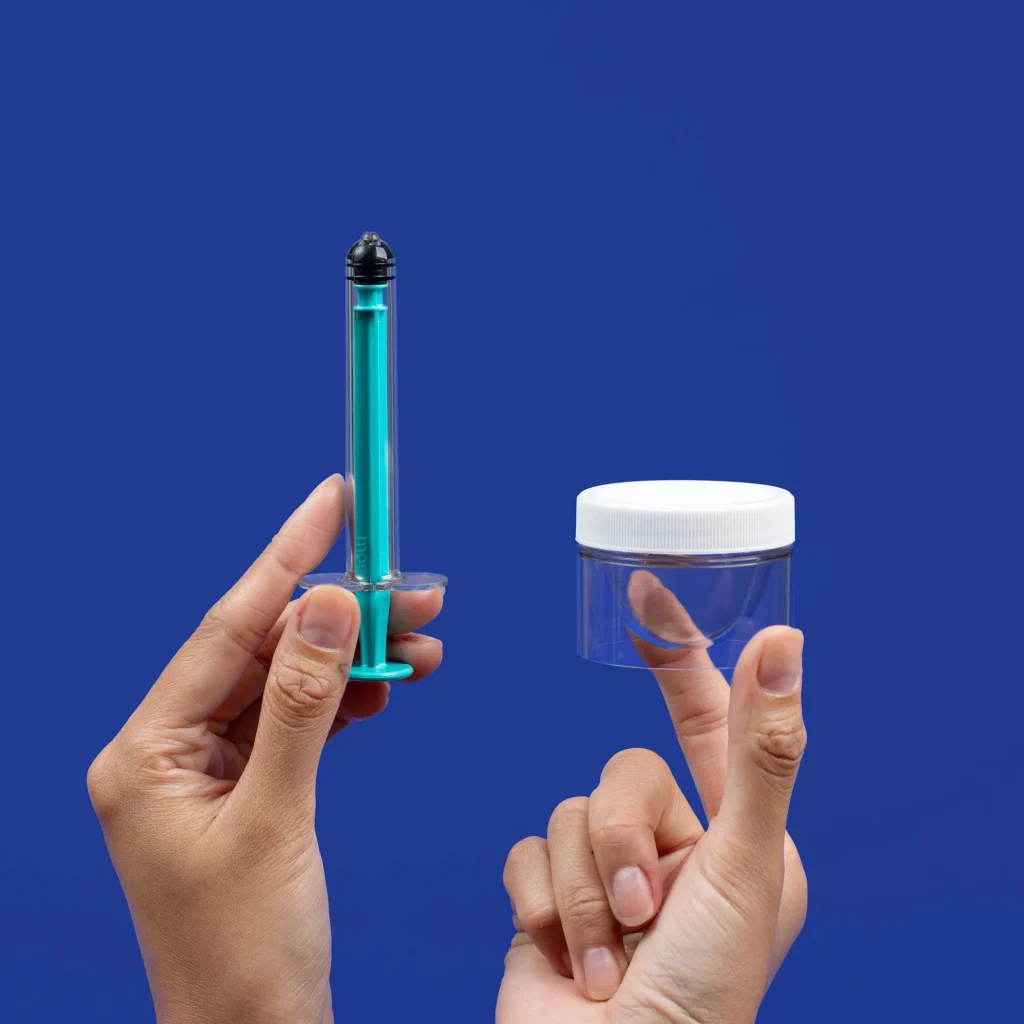
    sperm-ready insemination kit with a syringe and container, featuring a screw top lid and non-tip safety wall

    Navigating Legalities: Home Insemination Laws You Need to Know

    To avoid any legal complications, it is essential to have a written agreement in place between the donor and the recipient. This agreement should clearly outline the rights and responsibilities of the donor and the recipient, and it should be signed by both parties before proceeding with the insemination.

    Potential Implications for the Child

    While home insemination may seem like a straightforward process, it is important to consider the potential implications for the child. The child may have a genetic connection to the donor, and in some cases, they may also have a legal relationship with the donor. This can become complicated, especially if the donor is known to the recipient and has parental rights.

    To avoid any potential legal issues, it is important to have a clear understanding of the laws in your country or state and to have a detailed agreement in place between the donor and the recipient. Additionally, it is crucial to have open and honest communication with the child about their conception and their relationship with the donor.

    Other Legal Considerations

    Aside from the legality of using donor sperm and the rights of the donor, there are other legal considerations that you should be aware of when it comes to home insemination. These may include:

    – Age restrictions: Some countries or states may have age restrictions for individuals seeking to use donor sperm for home insemination. It is important to research these laws before proceeding.
    – Health and safety guidelines: In most countries, there are health and safety guidelines in place for the collection, storage, and use of donor sperm. It is crucial to adhere to these guidelines to ensure the health and well-being of all parties involved.
    – Parental rights of same-sex couples: In some countries, same-sex couples may face legal challenges when it comes to parental rights. It is important to research the laws in your country or state and seek legal advice if necessary.
    – Inheritance and succession: In some countries, the use of donor sperm may impact inheritance and succession laws. It is important to seek legal advice to understand how this may affect your family.

    In summary, home insemination can be a viable option for individuals and couples looking to start a family. However, it is essential to be aware of the legalities surrounding this process to avoid any potential legal complications. By understanding the laws and guidelines in your country or state, having a clear agreement in place with the donor, and keeping the best interests of the child in mind, you can navigate the legalities of home insemination with confidence.

  • Inseminating at Home: A Safe and Effective Method

    Blog Post: Inseminating at Home: A Safe and Effective Method

    There are many reasons why someone may choose to inseminate at home. Whether it’s due to privacy concerns, convenience, or wanting to have more control over the process, home insemination has become a popular option for individuals or couples who are trying to conceive. However, many may still have doubts about the safety and effectiveness of this method. In this blog post, we will delve into the process of home insemination and discuss why it can be a safe and effective option for those looking to start a family.

    What is Home Insemination?

    Home insemination, also known as self-insemination, is the process of using a donor’s sperm to fertilize an egg without the assistance of a medical professional. This can be done in the comfort of one’s own home using a home insemination kit, which typically includes a syringe, specimen cup, and instructions. The process involves collecting the sperm from a donor, either through sexual intercourse or by using a sperm donor, and then using the syringe to insert the sperm into the vagina or cervix. It is important to note that home insemination does not guarantee pregnancy, and it may take multiple attempts before it is successful.

    Is Home Insemination Safe?

    One of the main concerns about home insemination is the safety of the procedure. However, when done correctly, home insemination is considered a safe method of conception. The key to safety lies in following proper hygiene and infection control practices. This includes thoroughly washing hands and sterilizing all equipment before and after use. It is also recommended to use sterile, single-use syringes to avoid any risk of contamination.

    Another safety concern is the potential for sexually transmitted infections (STIs). It is crucial to ensure that the sperm donor is tested for STIs before initiating the insemination process. Additionally, using a sperm donor from a reputable sperm bank can help mitigate any potential risks.

    Effectiveness of Home Insemination

    The effectiveness of home insemination largely depends on factors such as the age and fertility of the person trying to conceive, the quality of the sperm, and the timing of the insemination. According to a study published in the Journal of Assisted Reproduction and Genetics, home insemination using donor sperm has a success rate of 10-15% per cycle. This success rate is similar to that of intrauterine insemination (IUI), a procedure performed by a medical professional.

    Tips for a Successful Home Insemination

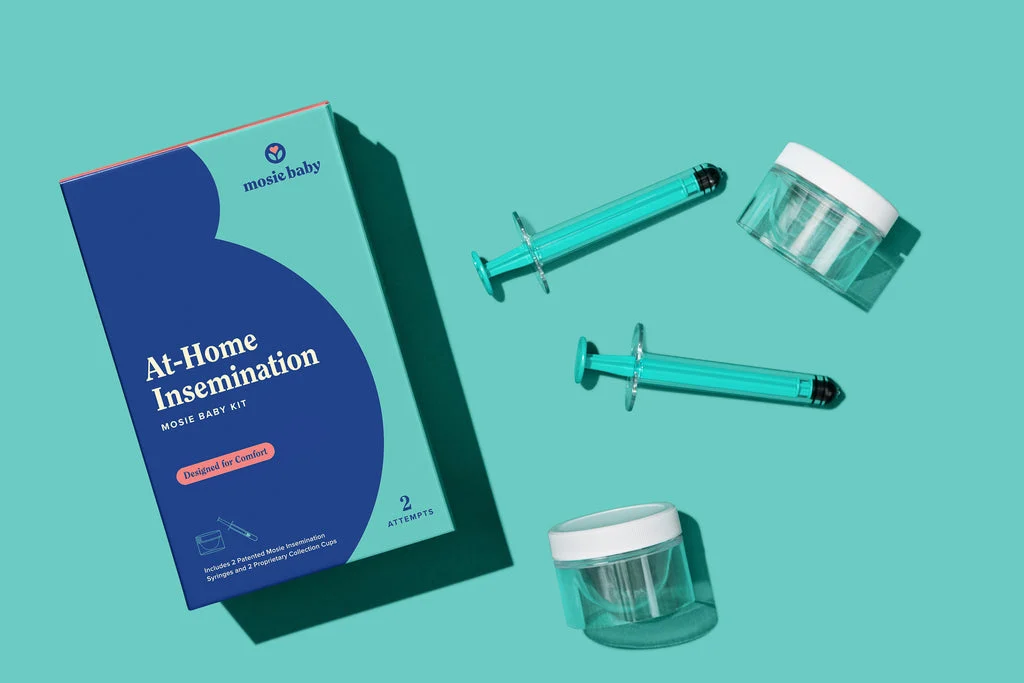
    At-home insemination kit with syringes and collection cups on a teal background.

    Inseminating at Home: A Safe and Effective Method

    1. Use Ovulation Prediction Kits (OPKs): Tracking ovulation is crucial for successful home insemination. OPKs can help determine the best time for insemination by detecting the surge of luteinizing hormone (LH) in urine, which indicates that ovulation is about to occur.

    2. Follow Instructions Carefully: It is essential to follow the instructions provided in the home insemination kit carefully. This includes using the correct amount of sperm, inserting the syringe at the correct angle, and timing the insemination correctly.

    3. Consider Using a Fertility-Friendly Lubricant: Some lubricants can interfere with sperm motility, making it harder for them to reach the egg. Using a fertility-friendly lubricant can help increase the chances of conception.

    4. Relax and Stay Positive: Stress and anxiety can have a negative impact on fertility. It is essential to stay relaxed and positive during the home insemination process. Consider practicing relaxation techniques such as deep breathing or meditation.

    Risks of Home Insemination

    While home insemination is generally considered a safe and effective method, there are some potential risks to be aware of. These include:

    1. Infection: As mentioned earlier, proper hygiene and infection control practices are crucial to avoid any risk of infection.

    2. Allergic Reactions: Some individuals may be allergic to certain materials used in the home insemination kit, such as latex or silicone. It is essential to read the ingredients and check for any allergies before using the kit.

    3. Ectopic Pregnancy: There is a small risk of an ectopic pregnancy, where the fertilized egg implants outside of the uterus, with any type of insemination. It is important to seek medical attention if experiencing any symptoms of an ectopic pregnancy, such as abdominal pain or vaginal bleeding.

    Summary:

    Home insemination can be a safe and effective method for those looking to start a family. It involves using a home insemination kit to insert sperm into the vagina or cervix. While there are some potential risks, following proper hygiene and infection control practices can help mitigate them. Home insemination has a success rate similar to that of IUI and can be a more convenient and private option for those wanting more control over the process. By tracking ovulation, following instructions carefully, and staying relaxed, the chances of a successful home insemination can be increased.

  • Mastering Home Insemination: Tips and Tricks

    Blog Post Title: Mastering Home Insemination: Tips and Tricks for Successful Self-Insemination

    Summary:

    In recent years, more and more individuals and couples have turned to home insemination as a way to start or grow their families. Home insemination, also known as self-insemination, is a process where sperm is manually inserted into the vagina or cervix, bypassing traditional methods such as sexual intercourse or medical procedures. While it may seem daunting at first, with the right knowledge and preparation, home insemination can be a successful and empowering experience. In this blog post, we will discuss the tips and tricks to help you master home insemination.

    1. Understand Your Cycle: The first step to successful home insemination is understanding your menstrual cycle. This will help you determine when you are most fertile and increase your chances of conception. Tracking your cycle using a fertility app or charting your basal body temperature can help you pinpoint your ovulation window and plan for insemination accordingly.

    2. Choose the Right Donor: When it comes to home insemination, choosing the right donor is crucial. Whether you are using donor sperm from a sperm bank or a known donor, it is important to ensure that they have undergone the necessary health screenings and have a good sperm count. You should also consider their physical characteristics, such as height, eye color, and hair color, to increase the chances of your child resembling you or your partner.

    Mosie Baby ovulation test kit with packaging and instructions on a pink background.

    Mastering Home Insemination: Tips and Tricks

    3. Gather the Necessary Supplies: Before attempting home insemination, make sure you have all the necessary supplies on hand. This includes a sterile syringe or insemination kit, ovulation predictor kits, and pre-seed lubricant. It is also a good idea to have a backup plan in case the insemination process doesn’t go as planned.

    4. Create a Comfortable Environment: Home insemination can be an intimate and vulnerable experience, so it is important to create a comfortable environment for yourself. This could mean dimming the lights, playing soothing music, or having your partner or a trusted friend present for emotional support.

    5. Follow Proper Insemination Techniques: There are two main techniques for home insemination – the syringe method and the cervical cap method. The syringe method involves inserting sperm into the vagina using a sterile syringe, while the cervical cap method uses a silicone cap to collect sperm and place it near the cervix. Whichever method you choose, it is important to follow proper hygiene and insertion techniques to minimize the risk of infection.

    6. Use Pre-Seed Lubricant: Pre-seed lubricant is a sperm-friendly lubricant that mimics natural cervical mucus and creates a fertile environment for sperm. Using this lubricant during home insemination can increase the chances of sperm reaching the egg and fertilizing it.

    7. Practice Patience and Persistence: It is important to remember that home insemination may not result in pregnancy on the first try. It may take multiple attempts before achieving success. Be patient and continue to track your cycle, use proper techniques, and stay positive. With persistence, you will increase your chances of a successful home insemination.

    In conclusion, mastering home insemination requires understanding your cycle, choosing the right donor, gathering necessary supplies, creating a comfortable environment, following proper techniques, and practicing patience and persistence. With these tips and tricks, you can increase your chances of successful self-insemination and start or grow your family on your own terms.

  • Simplify Your Fertility Journey with Home Insemination

    Blog Post:

    Trying to conceive can be a long and complicated journey for many couples. From tracking ovulation to undergoing fertility treatments, the process can be overwhelming both emotionally and financially. However, there is a less known option that can simplify the fertility journey for some couples: home insemination.

    Home insemination, also known as artificial insemination, is the process of using a syringe or a specialized cervical cap to deposit sperm into the vagina or cervix in order to facilitate conception. This method can be done at home, eliminating the need for frequent doctor visits and invasive procedures. In this blog post, we will discuss how home insemination can simplify the fertility journey and provide some tips for those considering this option.

    1. Cost-effective

    One of the biggest advantages of home insemination is its cost-effectiveness. Fertility treatments can be expensive and may not be covered by insurance. Home insemination, on the other hand, can be done at a fraction of the cost. The only expenses involved are the purchase of a syringe or cervical cap, and possibly a fertility-friendly lubricant. This makes it a more accessible option for couples who may not have the financial resources for other fertility treatments.

    2. Convenient and Private

    Home insemination can be done in the comfort and privacy of your own home. There is no need for frequent visits to the doctor’s office or to schedule appointments around ovulation. This can be especially beneficial for couples who live in rural areas or have busy schedules. It also allows for a more intimate and less clinical experience, which can be important for some couples.

    3. No Medications or Hormonal Side Effects

    Unlike other fertility treatments, home insemination does not involve the use of medications or hormones. This means there are no potential side effects to worry about. Many women experience uncomfortable side effects from fertility medications, such as mood swings and bloating. With home insemination, there is no need to worry about these potential side effects.

    4. Can Be Used with Donor Sperm

    For couples who are unable to conceive with their own sperm, home insemination can be a great option when using donor sperm. This allows for a wider range of options when it comes to choosing a sperm donor. It also eliminates the need for invasive procedures such as intrauterine insemination or in-vitro fertilization, which can be expensive and emotionally taxing.

    5. Less Stressful

    The fertility journey can be a stressful time for couples, with constant tracking of ovulation, doctor appointments, and the uncertainty of whether or not conception will occur. Home insemination can reduce some of this stress by allowing couples to take control of the process in a more relaxed and private setting. This can also help couples to feel more connected and involved in the conception process.

    Tips for Home Insemination:

    home insemination kit components: a syringe and a collection container against a blue background.

    Simplify Your Fertility Journey with Home Insemination

    1. Consult with a Fertility Specialist

    Before starting home insemination, it is important to consult with a fertility specialist to ensure that there are no underlying fertility issues that may prevent conception. They can also provide guidance on the best methods and timing for home insemination.

    2. Use High-Quality Sperm

    If using donor sperm, it is important to choose a reputable sperm bank that provides high-quality sperm. This can increase the chances of successful conception.

    3. Track Ovulation

    Tracking ovulation is crucial for successful home insemination. There are many methods available, such as ovulation predictor kits or tracking basal body temperature. Knowing when ovulation occurs can help determine the best time for insemination.

    4. Use a Fertility-Friendly Lubricant

    Regular lubricants can hinder sperm movement and decrease the chances of conception. It is important to use a fertility-friendly lubricant, such as Pre-Seed, during home insemination to improve sperm mobility.

    5. Be Patient

    Conceiving through home insemination may take longer than other fertility treatments. It is important to be patient and not get discouraged if conception does not occur right away. It may take a few cycles to achieve pregnancy.

    In conclusion, home insemination can be a cost-effective, convenient, and less stressful option for couples on their fertility journey. It is important to consult with a fertility specialist and follow some tips to increase the chances of successful conception. With its potential benefits, home insemination is definitely worth considering for couples looking to simplify their fertility journey.

    Summary:

    In this blog post, we discussed the benefits of home insemination for couples trying to conceive. We highlighted its cost-effectiveness, convenience, and lack of medications or hormones as advantages over other fertility treatments. We also provided tips for those considering home insemination, such as consulting with a fertility specialist and tracking ovulation. With its potential to simplify the fertility journey and provide a more intimate experience, home insemination is a viable option for couples looking to expand their family.

    SEO metadata:

  • The Power of Home Insemination: A Comprehensive Look

    Blog post:

    For many couples and individuals, the journey to starting a family can be a long and emotional one. Traditional methods of conception such as in-vitro fertilization (IVF) can be costly and invasive, making it difficult for some to pursue. However, with advancements in technology and medical practices, home insemination has become a popular alternative for those looking to conceive. In this comprehensive look, we will explore the power of home insemination and how it can be a game-changer for many aspiring parents.

    Home insemination, also known as at-home insemination or self-insemination, is the process of using a donor’s sperm to fertilize an egg at home. It can be done with a partner or using donor sperm, and can be done either through artificial insemination (placing the sperm directly into the uterus) or through self-insemination (placing the sperm near the cervix). While it may seem like a daunting process, home insemination has many benefits that make it an attractive option for those trying to conceive.

    One of the main advantages of home insemination is its affordability. Traditional methods of conception can cost thousands of dollars, making it inaccessible for many. However, home insemination can be done at a fraction of the cost, with the only expenses being the purchase of a donor sperm and any necessary supplies. Additionally, home insemination can be done in the comfort and privacy of one’s own home, eliminating the need for multiple visits to a clinic.

    Another benefit of home insemination is its convenience. As the process can be done at home, it eliminates the need for scheduling appointments and coordinating with a clinic. This can be especially beneficial for those with busy schedules or for those who live in remote areas with limited access to fertility clinics. Home insemination also allows for more flexibility in terms of timing, as it can be done at any time during a woman’s cycle.

    Aside from its practical advantages, home insemination also offers emotional benefits. Many couples and individuals who are struggling with fertility issues may find the process of going to a clinic and undergoing invasive procedures to be stressful and emotionally taxing. Home insemination can provide a more intimate and comfortable experience, allowing couples to bond and connect during the process.

    Smiling baby in a blue onesie with "made with Love" text, lying on a light blue crocheted blanket.

    The Power of Home Insemination: A Comprehensive Look

    While home insemination can be a viable option for many, it is important to note that it may not be suitable for everyone. It is recommended to consult with a doctor or a fertility specialist before pursuing home insemination, as there may be underlying fertility issues that need to be addressed. Additionally, it is crucial to choose a reputable and trustworthy donor source to ensure the safety and quality of the sperm.

    There are a few methods of home insemination, each with its own set of advantages and disadvantages. The most common method is using a turkey baster or syringe to insert the sperm into the vagina near the cervix. This method is often referred to as the “turkey baster method” and is relatively easy to do at home. Another method is using a cervical cap, which is a small, silicone cup that is inserted into the vagina to hold the sperm near the cervix. This method may require more practice and patience but can be more effective in terms of sperm placement.

    It is important to emphasize that home insemination should not be seen as a replacement for medical advice or fertility treatments. It is always recommended to consult with a doctor or fertility specialist before attempting home insemination, especially for those with underlying fertility issues. Additionally, for those using donor sperm, it is important to follow proper screening and testing procedures to ensure the safety and health of both the donor and the recipient.

    In conclusion, the power of home insemination lies in its affordability, convenience, and emotional benefits. It can be a game-changer for many aspiring parents, providing a more accessible and intimate option for starting a family. However, it is important to approach home insemination with caution and to always seek medical advice before attempting it. With proper precautions and procedures, home insemination can be a successful and fulfilling journey towards parenthood.

    Summary:

    Home insemination, also known as at-home insemination or self-insemination, is the process of using a donor’s sperm to fertilize an egg at home. It offers many benefits such as affordability, convenience, and emotional benefits. However, it is important to consult with a doctor or fertility specialist before attempting home insemination and to choose a reputable donor source. There are various methods of home insemination, but it should not be seen as a replacement for medical advice or fertility treatments.

  • Ways the On Your Own Terms Kit is Revolutionizing the Insemination Process

    Blog Post:

    The process of insemination has long been a challenging and expensive journey for those struggling with fertility issues. However, thanks to advancements in technology and medical research, there are now more options available for individuals and couples looking to expand their families. One of the most revolutionary tools in this process is the On Your Own Terms Kit, which is changing the game for those undergoing insemination. In this blog post, we will explore the ways in which the On Your Own Terms Kit is revolutionizing the insemination process.

    1. Affordable and Accessible
    One of the biggest barriers to undergoing insemination has always been the high cost associated with the procedure. Traditional methods of insemination can cost thousands of dollars, making it out of reach for many individuals and couples. However, the On Your Own Terms Kit is changing this by providing an affordable and accessible option for those looking to conceive. Priced at a fraction of the cost of traditional methods, the kit comes with all the necessary tools and instructions for at-home insemination. This makes it a viable option for those who cannot afford expensive medical procedures or do not have access to fertility clinics.

    2. Privacy and Convenience
    Insemination can be a very intimate and personal process, and many individuals and couples prefer to keep it private. However, traditional methods often require multiple visits to a fertility clinic, which can be inconvenient and uncomfortable for some. The On Your Own Terms Kit eliminates the need for these visits, as it allows individuals to perform insemination in the comfort and privacy of their own homes. This not only makes the process more convenient but also helps to reduce the stress and anxiety that can come with undergoing medical procedures.

    3. No Need for a Partner
    For individuals looking to start a family on their own, traditional methods of insemination can be challenging as they often require a partner or sperm donor. However, the On Your Own Terms Kit eliminates this need, as it comes with donor sperm that has been carefully screened and tested for quality. This provides a safe and reliable option for those who do not have a partner or do not want to involve a third party in the process.

    two teal and clear syringes positioned on a white background

    Ways the On Your Own Terms Kit is Revolutionizing the Insemination Process

    4. Customizable Options
    Every individual and couple’s journey to parenthood is unique, and the On Your Own Terms Kit recognizes this by providing customizable options. The kit comes with different types of donor sperm, including fresh, frozen, and washed, to cater to different needs and preferences. It also offers different sizes of catheters and syringes to accommodate various body types and comfort levels. This level of customization allows individuals and couples to choose the option that works best for them, making the insemination process more comfortable and effective.

    5. Comprehensive Instructions and Support
    The On Your Own Terms Kit not only provides the necessary tools and donor sperm but also comes with comprehensive instructions and support. The kit includes a detailed guide on how to perform at-home insemination, complete with step-by-step instructions and illustrations. It also offers access to a team of fertility experts who are available to answer any questions or concerns that may arise during the process. This level of support ensures that individuals and couples feel confident and informed throughout the insemination journey.

    6. Increased Success Rates
    One of the most significant benefits of the On Your Own Terms Kit is that it has been shown to have increased success rates compared to traditional methods of insemination. This is due to the fact that the kit provides a more natural and less invasive approach to insemination. It also allows individuals to inseminate at the most optimal time, based on their body’s ovulation cycle, increasing the chances of conception. This has been a game-changer for individuals and couples who have been struggling with fertility issues and have not had success with traditional methods.

    In conclusion, the On Your Own Terms Kit is revolutionizing the insemination process in many ways. It has made the journey to parenthood more affordable, accessible, and convenient for individuals and couples. It also provides a customizable and private option for those looking to start a family on their own. With comprehensive instructions and support, as well as increased success rates, the On Your Own Terms Kit is changing the game for those undergoing insemination.

    Summary:

    The On Your Own Terms Kit is a revolutionary tool that is changing the insemination process for individuals and couples struggling with fertility issues. It offers an affordable and accessible option, as well as customizable options to cater to different needs and preferences. The kit also provides comprehensive instructions and support, leading to increased success rates. With the On Your Own Terms Kit, individuals and couples can now undergo insemination in the comfort and privacy of their own homes, making the journey to parenthood a more comfortable and stress-free experience.

  • The Ultimate Guide to Using the Insemination on Your Own Terms Kit

    Blog Post Title: The Ultimate Guide to Using the Insemination on Your Own Terms Kit

    Are you considering using an insemination kit to try and conceive? The Insemination on Your Own Terms Kit may be just what you need. This innovative kit allows individuals and couples to take control of their own fertility journey and increase their chances of success. In this comprehensive guide, we will walk you through everything you need to know about the Insemination on Your Own Terms Kit and how to use it effectively.

    What is the Insemination on Your Own Terms Kit?

    The Insemination on Your Own Terms Kit is a fertility kit designed to help individuals and couples conceive at home. It includes all the necessary tools and instructions for artificial insemination, making it a convenient and cost-effective option for those trying to get pregnant. The kit was created by a team of medical professionals and fertility experts, and it has been rigorously tested and proven to be effective.

    Why Choose the Insemination on Your Own Terms Kit?

    There are several reasons why the Insemination on Your Own Terms Kit stands out among other fertility options. Firstly, it allows individuals and couples to take charge of their own fertility journey. With this kit, there is no need for frequent visits to a doctor’s office or expensive medical procedures. It also eliminates the need for a sperm donor, as the kit comes with a high-quality vial of donor sperm. Additionally, the kit is discreet and can be used in the comfort and privacy of your own home.

    What’s Included in the Kit?

    The Insemination on Your Own Terms Kit comes with all the necessary items for artificial insemination. This includes a sterile speculum, a syringe, a vial of donor sperm, and a detailed instruction manual. The kit also includes ovulation predictor kits and pregnancy tests, so you can track your cycle and determine the best time for insemination.

    Step-by-Step Guide to Using the Insemination on Your Own Terms Kit

    Now that you know what’s included in the kit, here is a step-by-step guide on how to use it:

    Step 1: Familiarize Yourself with the Instructions

    Before using the kit, it is essential to thoroughly read and understand the instructions. The manual provides detailed information on the procedure, safety precautions, and tips for success.

    Step 2: Track Your Ovulation

    Using the included ovulation predictor kits, track your ovulation to determine the best time for insemination. It is crucial to have intercourse or perform the insemination within 24 hours of ovulation to increase your chances of conception.

    At-home insemination kit with syringes and collection cups on a teal background.

    The Ultimate Guide to Using the Insemination on Your Own Terms Kit

    Step 3: Prepare the Materials

    Make sure to wash your hands thoroughly before handling the materials. Open the sterile speculum and syringe and place them on a clean surface. Also, remove the vial of donor sperm from the packaging and allow it to reach room temperature.

    Step 4: Insert the Speculum

    Using the speculum, gently open the vagina to expose the cervix. The cervix will appear as a small, round opening at the end of the vagina.

    Step 5: Insert the Syringe

    Once the cervix is visible, insert the syringe into the vagina and up to the cervix. Slowly push the plunger to deposit the sperm at the opening of the cervix.

    Step 6: Remove the Syringe and Speculum

    After depositing the sperm, remove the syringe and speculum carefully. Dispose of the used materials properly.

    Step 7: Lie Down

    To maximize the chances of conception, it is recommended to lie down for at least 15 minutes after insemination. This will allow the sperm to travel to the uterus and increase the chances of fertilization.

    Step 8: Track Your Cycle and Take a Pregnancy Test

    Use the included pregnancy tests to determine if you have conceived. If you do not get pregnant in the first cycle, you can continue using the kit for subsequent cycles until you achieve pregnancy.

    Benefits of Using the Insemination on Your Own Terms Kit

    Aside from being a cost-effective and convenient option, the Insemination on Your Own Terms Kit has several other benefits. It eliminates the need for a sperm donor, which can be a significant barrier for some individuals and couples. It also allows for more control and privacy in the fertility process, which can be empowering for those struggling with infertility.

    In conclusion, the Insemination on Your Own Terms Kit is a game-changer for those trying to conceive. It offers a safe, effective, and affordable way to take control of your fertility journey. With the step-by-step guide provided in this article, you can confidently use the kit and increase your chances of achieving pregnancy. So why wait? Order your kit today and start your journey towards parenthood.

  • Fertility Support for Same-Sex Couples: The Syringe Method and Donor Sperm

    Blog Post:

    For many same-sex couples, starting a family can be a challenging and emotional journey. Unlike heterosexual couples, they do not have the option of conceiving naturally and may face obstacles in finding fertility support. However, with the advancements in reproductive technology and the growing acceptance of same-sex parenting, there are now more options available for LGBTQ+ individuals and couples who wish to have children. One of these options is the syringe method and donor sperm, which has become a popular choice for same-sex couples seeking fertility support.

    The Syringe Method:

    The syringe method, also known as the “turkey baster” or “home insemination” method, involves the use of a syringe to insert donor sperm into the vagina or cervix of the partner who will carry the pregnancy. This method is a simple and cost-effective way for same-sex couples to inseminate at home without the need for expensive fertility treatments.

    Donor Sperm:

    Many same-sex couples choose to use donor sperm to conceive. Donor sperm can be obtained from sperm banks, fertility clinics, or known donors. Same-sex couples can choose from a variety of donors, including open or anonymous donors, and can also select donors based on physical characteristics, education level, and other preferences.

    The Process:

    The first step for same-sex couples who want to use the syringe method and donor sperm is to identify a reliable sperm donor. This can be done through a sperm bank or fertility clinic, or by finding a known donor who is willing to provide the sperm. It is essential to choose a donor who has undergone thorough medical and genetic screening to ensure the health and safety of the future child.

    Once a donor has been selected, the next step is to purchase a syringe and sterile cup for the insemination process. It is crucial to follow proper hygiene and safety measures during the insemination process to reduce the risk of infection. The partner who will carry the pregnancy should lie on her back with her hips elevated, and the sperm can be inserted into the vagina or cervix using the syringe.

    Success Rates:

    Mosie Baby pregnancy test kit with two tests and packaging, featuring a mint green color scheme.

    Fertility Support for Same-Sex Couples: The Syringe Method and Donor Sperm

    The syringe method and donor sperm have shown to have high success rates for same-sex couples. According to a study published in the journal Fertility and Sterility, the success rate for home insemination using donor sperm was 77.5%, which is comparable to the success rates of other fertility treatments such as intrauterine insemination (IUI).

    Benefits:

    Besides being a cost-effective option, the syringe method and donor sperm also offer other benefits for same-sex couples. It allows them to have more control over the insemination process and can be done in the comfort and privacy of their own home. It also eliminates the need for expensive fertility treatments, which can be a barrier for many same-sex couples.

    Challenges:

    While the syringe method and donor sperm offer many benefits, there are also some challenges that same-sex couples may face. One of the main challenges is finding a suitable sperm donor. Donor sperm can be expensive, and many sperm banks have strict requirements for donors, making it challenging for same-sex couples to find a willing donor. Additionally, some donors may have limitations on the number of children they can father, which can also limit the options for same-sex couples.

    Legal Considerations:

    Before using the syringe method and donor sperm, it is essential for same-sex couples to consider the legal implications. Laws regarding sperm donation and parental rights can vary by state and country, and it is crucial to research and understand the legal rights and responsibilities before starting the process. Many same-sex couples choose to consult with a lawyer to ensure that all legal aspects are properly addressed.

    In conclusion, the syringe method and donor sperm have become a popular option for same-sex couples seeking fertility support. It is a simple and cost-effective way for them to start a family and has shown to have high success rates. However, it is essential to consider the challenges and legal implications before embarking on this journey. With the support of medical professionals and legal experts, same-sex couples can overcome these challenges and fulfill their dream of becoming parents.

    Summary:

    Same-sex couples who wish to have children have a variety of options available to them, including the syringe method and donor sperm. The syringe method involves using a syringe to insert donor sperm into the vagina or cervix, and it is a simple and cost-effective way to inseminate at home. Donor sperm can be obtained from sperm banks, fertility clinics, or known donors, and it is crucial to choose a reliable and healthy donor. The syringe method and donor sperm have shown to have high success rates, but there are also challenges and legal considerations that same-sex couples should be aware of before starting the process. With proper support and guidance, same-sex couples can fulfill their dream of starting a family.

  • Non-Invasive Insemination vs. IVF: Which is Right for You?

    Non-Invasive Insemination vs. IVF: Which is Right for You?

    Choosing the right method of assisted reproductive technology (ART) can be a difficult decision for couples struggling with infertility. Two of the most common options are non-invasive insemination and in vitro fertilization (IVF). While both methods involve the use of donated sperm, they differ in terms of procedure, cost, and success rates. In this blog post, we will discuss the differences between non-invasive insemination and IVF to help you make an informed decision about which option is best for you.

    Non-Invasive Insemination
    Non-invasive insemination, also known as artificial insemination, is a procedure where donor sperm is directly placed into the woman’s uterus during ovulation. This can be done using a variety of methods, including intrauterine insemination (IUI) or intracervical insemination (ICI). Non-invasive insemination is a relatively simple and painless procedure that can be done in a doctor’s office. It is often the first choice for couples with unexplained infertility or those who have difficulty conceiving due to male factor infertility.

    One of the main advantages of non-invasive insemination is that it is less invasive and less expensive than IVF. It also has a lower risk of complications or side effects. In addition, non-invasive insemination can be used with a woman’s natural menstrual cycle or combined with fertility medications to stimulate ovulation, making it a more flexible option for couples.

    However, the success rates of non-invasive insemination are lower compared to IVF. This is because it relies on the natural fertilization process and does not address any underlying fertility issues. In addition, it may not be suitable for couples with certain medical conditions or severe male factor infertility.

    at-home insemination kit with syringes, collection cups, and instructions on a pink background

    Non-Invasive Insemination vs. IVF: Which is Right for You?

    IVF
    IVF involves the fertilization of an egg with donor sperm in a laboratory setting. The fertilized egg is then transferred back into the woman’s uterus in the hopes of pregnancy. This method is more complex and invasive than non-invasive insemination, as it involves multiple steps and requires more medical intervention.

    The main advantage of IVF is that it has a higher success rate compared to non-invasive insemination. It also allows for the use of donated eggs or sperm, making it an option for couples with severe fertility issues or same-sex couples. IVF can also be combined with preimplantation genetic testing, which can help identify and prevent genetic disorders in the embryo.

    However, IVF is a more expensive and time-consuming process. It often requires multiple cycles before successful pregnancy, which can take an emotional and financial toll on couples. In addition, IVF carries a higher risk of complications and side effects, such as multiple pregnancies and ovarian hyperstimulation syndrome.

    Which is Right for You?
    The decision between non-invasive insemination and IVF ultimately depends on your individual circumstances and preferences. Non-invasive insemination may be a good option for couples with unexplained infertility or mild fertility issues, while IVF may be more suitable for those with more severe fertility problems.

    It is important to consult with a fertility specialist to determine the best course of action for your specific situation. They will evaluate your medical history, perform necessary tests, and discuss the potential risks and benefits of each method with you.

    In conclusion, non-invasive insemination and IVF are both effective options for couples struggling with infertility. While non-invasive insemination may be a more affordable and less invasive option, IVF offers higher success rates and more options for couples. Ultimately, the best choice for you will depend on your individual needs and goals.

  • Unlocking the Potential of Non-Invasive Insemination for LGBTQ+ Couples

    Blog Post Title: Unlocking the Potential of Non-Invasive Insemination for LGBTQ+ Couples

    Summary:

    In recent years, there has been a significant increase in awareness and acceptance of the LGBTQ+ community, leading to more couples seeking to start families. However, for same-sex couples, starting a family can be challenging due to the lack of reproductive options available. In the past, adoption and surrogacy were the only options for LGBTQ+ couples, but thanks to advancements in technology, non-invasive insemination has emerged as a viable option. In this blog post, we will explore the potential of non-invasive insemination for LGBTQ+ couples and how it can help them fulfill their dreams of starting a family.

    Firstly, let’s understand what non-invasive insemination is. Non-invasive insemination, also known as intrauterine insemination (IUI), is a fertility treatment that involves placing sperm directly into the uterus using a thin tube. This method is much less invasive and costly than other fertility treatments, such as in vitro fertilization (IVF). IUI is also a preferred method for same-sex couples as it allows them to use donor sperm to conceive.

    One of the significant advantages of non-invasive insemination for LGBTQ+ couples is that it provides them with the opportunity to have a biological connection to their child. In the case of lesbian couples, one partner can provide the egg, while the other can carry the pregnancy through IUI. This allows both partners to have a biological connection to their child, strengthening their bond as a family.

    Baby wearing a blue shirt with "made with Love" text, surrounded by colorful floral and butterfly designs.

    Unlocking the Potential of Non-Invasive Insemination for LGBTQ+ Couples

    For gay couples, non-invasive insemination offers the chance to have a child with their DNA. Donor sperm can be used to fertilize one partner’s egg, and the resulting embryo can be implanted into the other partner’s uterus. This method allows both partners to have a genetic connection to their child, fulfilling their desire to have a biological family.

    Another advantage of non-invasive insemination is that it is a relatively simple and painless procedure. Unlike IVF, which involves extracting eggs from the ovaries and fertilizing them in a lab, IUI only requires a small amount of sperm to be inserted into the uterus. The procedure is usually done in a doctor’s office and does not require any anesthesia. This makes it a less daunting option for LGBTQ+ couples who may already be facing societal challenges and emotional stress while trying to start their family.

    Moreover, non-invasive insemination is a more affordable option compared to other fertility treatments, making it accessible to more LGBTQ+ couples. IVF can cost tens of thousands of dollars, while IUI can range from a few hundred to a few thousand dollars per cycle. This cost difference can be a significant factor for LGBTQ+ couples, who may already be facing financial challenges due to discrimination in the workplace.

    It is also essential to note that non-invasive insemination is not just limited to same-sex couples. It can also be a viable option for single LGBTQ+ individuals who wish to become parents. IUI can be used with donor sperm or even with the sperm from a known donor, giving individuals the opportunity to have a biological child of their own.

    However, despite its many benefits, non-invasive insemination does have some limitations. The success rates of IUI are lower than those of IVF, which involves a more rigorous and controlled fertilization process. The success rates of IUI also decrease with age, making it a less suitable option for older couples or individuals. Additionally, it is essential to consider the legal aspects of using donor sperm and the potential challenges that may arise in the future.

    In conclusion, non-invasive insemination offers a promising solution for LGBTQ+ couples and individuals who wish to start a family. It provides them with the opportunity to have a biological connection to their child, is a less invasive and more affordable option, and can be used by both same-sex and single individuals. However, it is essential to weigh the pros and cons and seek professional guidance when considering this option. With continued advancements in technology and increased awareness and acceptance, non-invasive insemination has the potential to unlock the dreams of many LGBTQ+ couples and individuals who wish to become parents.