Tag: emotional support

  • Fertility Support for Women with Recurrent Miscarriage: A Starter Pack for Healing

    Blog Post Title: Fertility Support for Women with Recurrent Miscarriage: A Starter Pack for Healing

    Summary:

    Recurrent miscarriage, also known as recurrent pregnancy loss, is a heartbreaking and emotionally taxing experience for women who are trying to conceive. It is defined as three or more consecutive pregnancy losses before the 20th week of gestation. This condition affects about 1% of all women and can be caused by a variety of factors such as genetic abnormalities, hormonal imbalances, underlying medical conditions, and lifestyle factors.

    For women who have experienced recurrent miscarriage, the journey towards healing and successfully conceiving can be challenging. Along with medical treatment, it is essential to address the emotional and psychological impact of this condition. In this blog post, we will discuss the importance of fertility support for women with recurrent miscarriage and provide a starter pack for healing.

    1. Seek Emotional Support
    Dealing with recurrent miscarriage can take a toll on a woman’s mental health. It is essential to seek emotional support from loved ones, friends, or a professional therapist. Talking about your feelings and receiving validation and understanding can help you process your emotions and cope with your loss. Joining support groups with other women who have experienced recurrent miscarriage can also be beneficial, as it provides a safe space to share and connect with others who understand your struggles.

    2. Educate Yourself
    Knowledge is power when it comes to dealing with recurrent miscarriage. Educate yourself about the condition, its causes, and treatment options. Ask your doctor questions and do your research to understand your situation better. This can help you make informed decisions and feel more in control of your fertility journey.

    Baby with blue eyes wearing a light blue onesie that says "made with Love" on a soft white background.

    Fertility Support for Women with Recurrent Miscarriage: A Starter Pack for Healing

    3. Address Underlying Medical Conditions
    Recurrent miscarriage can be caused by underlying medical conditions such as uterine abnormalities, hormonal imbalances, and autoimmune disorders. It is crucial to work closely with your doctor to identify and treat any underlying medical conditions that may be contributing to your recurrent miscarriages.

    4. Consider Alternative Therapies
    Complementary and alternative therapies such as acupuncture, massage, and herbal remedies have shown to be beneficial for women with recurrent miscarriage. These therapies can help reduce stress, improve overall well-being, and potentially increase the chances of a successful pregnancy. However, it is essential to consult with your doctor before trying any alternative therapies.

    5. Take Care of Your Physical Health
    Maintaining a healthy lifestyle is crucial for women with recurrent miscarriage. Eat a well-balanced diet, exercise regularly, and avoid smoking, alcohol, and illicit drugs. These lifestyle factors can affect fertility and increase the risk of miscarriage. It is also essential to take any prescribed medications and supplements as directed by your doctor.

    6. Consider Genetic Testing
    In some cases, recurrent miscarriage can be caused by genetic abnormalities in the embryo. If you have experienced two or more miscarriages, your doctor may recommend genetic testing to identify any potential issues. This can help determine the best course of action for future pregnancies.

    7. Seek Professional Help for Infertility
    If you have been trying to conceive for a year or more without success, it is essential to seek professional help for infertility. Fertility treatments such as in vitro fertilization (IVF) or intrauterine insemination (IUI) may be recommended depending on your specific situation.

    In conclusion, recurrent miscarriage can be a challenging and heartbreaking experience for women. It is vital to seek emotional support, educate yourself, address any underlying medical conditions, consider alternative therapies, maintain a healthy lifestyle, and seek professional help for infertility. Remember that everyone’s fertility journey is unique, and it is essential to find the right support and resources that work for you.


  • Fertility Support for Women with Unexplained Infertility: A Starter Pack for Hope

    Blog Post Title: Fertility Support for Women with Unexplained Infertility: A Starter Pack for Hope

    Summary:

    Unexplained infertility affects 10-30% of couples struggling with fertility issues. It is a frustrating and emotionally draining experience for women who are unable to conceive without any known medical cause. However, there is hope for those facing unexplained infertility. With the right support and resources, women can navigate this challenging journey and increase their chances of conceiving. In this blog post, we will discuss the various ways women can find fertility support and tools to help them on their path to motherhood.

    Firstly, it is essential to understand the emotional toll that unexplained infertility can have on women. The inability to conceive can lead to feelings of inadequacy, shame, and guilt. It is crucial to acknowledge these emotions and seek support from a therapist, counselor, or support group. These professionals can provide a safe space to express feelings and offer coping strategies to manage the stress and anxiety that often accompany unexplained infertility.

    Next, it is vital to seek medical support from a fertility specialist. While unexplained infertility does not have a specific cause, it is still a medical condition that requires attention. A fertility specialist can perform various tests to rule out any underlying issues and provide a personalized treatment plan. They can also offer advice on lifestyle changes, such as diet and exercise, which can improve overall health and increase fertility.

    Mosie Baby pregnancy test kit with two tests and packaging, featuring a mint green color scheme.

    Fertility Support for Women with Unexplained Infertility: A Starter Pack for Hope

    In addition to medical support, there are also alternative therapies that can complement traditional fertility treatments. Acupuncture, for example, has been shown to improve fertility outcomes by reducing stress levels and regulating hormones. It can also help women cope with the side effects of fertility medications. Other alternative therapies, such as massage, yoga, and meditation, can also provide relaxation and stress relief, which can be beneficial for women dealing with unexplained infertility.

    One of the most significant challenges for women with unexplained infertility is the financial burden of fertility treatments. Many insurance plans do not cover fertility treatments, making it a costly endeavor. However, there are resources available to help women manage the financial aspect of fertility treatments. Some fertility clinics offer financing options, and there are also grants and scholarships available for those who qualify. It is essential to research and explore all available options to alleviate the financial stress and make fertility treatments more accessible.

    In addition to seeking support and resources outside of themselves, women can also take steps to support their own fertility. This includes making lifestyle changes, such as maintaining a healthy weight, quitting smoking, and reducing alcohol and caffeine intake. It is also crucial to educate oneself about fertility and the various treatment options available. This can help women feel more in control of their journey and make informed decisions about their treatment.

    One valuable resource for women with unexplained infertility is online communities and forums. These platforms provide a sense of community and support for women going through similar experiences. It is a safe space to share thoughts, ask questions, and find encouragement. It is essential to be cautious and discerning when seeking information online, as not all sources may be reputable. However, these online communities can be a great source of emotional support and advice.

    Lastly, it is crucial to stay positive and maintain hope throughout the journey. The road to motherhood may be different for women with unexplained infertility, but it is still possible. It is essential to surround oneself with a supportive network of family and friends and to practice self-care. This can include engaging in hobbies, taking breaks from fertility treatments when needed, and celebrating small victories along the way. Remember that everyone’s journey is unique, and there is no one-size-fits-all solution.

    In conclusion, while unexplained infertility can be a challenging and uncertain road, there is hope for women who dream of becoming mothers. Seeking emotional and medical support, exploring alternative therapies, managing the financial burden, taking care of oneself, and staying positive can all contribute to a more successful fertility journey. Remember to be patient and kind to oneself throughout the process, and never lose hope.

  • The Fertility Support Starter Pack: A Roadmap to Conception

    Summary:

    Trying to conceive can be a challenging and overwhelming journey for many couples. From tracking ovulation to dealing with fertility issues, the process can be emotionally and physically taxing. That’s where the Fertility Support Starter Pack comes in. This comprehensive roadmap is designed to guide individuals and couples through the conception process, providing them with the tools and resources they need to increase their chances of success. In this blog post, we’ll delve into the different components of the Fertility Support Starter Pack and how it can help you on your journey to parenthood.

    The Fertility Support Starter Pack: A Roadmap to Conception

    The Fertility Support Starter Pack was created by fertility expert and coach, Dr. Rachel Gurevich. After struggling with her own fertility issues, Dr. Gurevich wanted to create a resource that would help others facing similar challenges. The result is a comprehensive guide that covers all aspects of fertility and conception, from understanding your menstrual cycle to dealing with infertility.

    Understanding Your Menstrual Cycle

    The first step in the Fertility Support Starter Pack is understanding your menstrual cycle. This includes tracking your ovulation and learning about your fertile window. Dr. Gurevich provides easy-to-follow instructions for using ovulation predictor kits and tracking your basal body temperature. This information is essential for couples trying to conceive, as it can help them pinpoint the best time to have intercourse.

    Dealing with Fertility Issues

    Informative card introducing the Mosie Baby Kit and its mission for at-home insemination.

    The Fertility Support Starter Pack: A Roadmap to Conception

    For couples struggling with fertility issues, the Fertility Support Starter Pack offers valuable information and resources. Dr. Gurevich covers a wide range of topics, from common causes of infertility to treatments such as in-vitro fertilization (IVF) and intrauterine insemination (IUI). The guide also includes tips for coping with the emotional toll of fertility issues and finding support.

    Improving Fertility Naturally

    In addition to medical treatments, the Fertility Support Starter Pack also focuses on natural ways to improve fertility. This includes recommendations for a healthy diet, supplements, and lifestyle changes that can boost fertility. Dr. Gurevich also provides information on alternative therapies such as acupuncture and herbal remedies that have been shown to improve fertility.

    Navigating the Emotional Rollercoaster

    Trying to conceive can be an emotional rollercoaster, and the Fertility Support Starter Pack addresses this aspect as well. Dr. Gurevich discusses common emotions and challenges that couples face during this process, such as anxiety, disappointment, and jealousy. She also offers practical tips for managing these emotions and maintaining a positive mindset.

    Additional Resources and Support

    The Fertility Support Starter Pack goes beyond just providing information and resources. It also offers support and community for those on their fertility journey. The guide includes a private Facebook group where individuals and couples can connect, share their experiences, and support each other. Dr. Gurevich also hosts live Q&A sessions and offers one-on-one coaching for those who need additional support.

    In conclusion, the Fertility Support Starter Pack is a valuable resource for anyone trying to conceive. It covers all aspects of fertility and provides practical tips and resources to increase the chances of success. Whether you are just starting your journey or have been struggling for a while, this roadmap can help you navigate the ups and downs of trying to conceive with confidence and support.

  • From Fertility Struggles to Success: The Power of a Fertility Support Starter Pack

    Blog Post Title: From Fertility Struggles to Success: The Power of a Fertility Support Starter Pack

    Summary:

    Infertility affects millions of people worldwide, and the journey to parenthood can be a difficult and emotional one. For couples struggling with fertility issues, the process of trying to conceive can be overwhelming, both physically and emotionally. It’s a rollercoaster of hope and disappointment, and the constant stress can take a toll on one’s mental and physical well-being.

    Fortunately, there are resources available to support couples on their fertility journey, and one of the most powerful tools is the Fertility Support Starter Pack. This comprehensive pack includes a combination of practical tools and emotional support to help couples navigate the challenges of infertility and increase their chances of success.

    The Fertility Support Starter Pack includes essential items such as an ovulation tracker, fertility-friendly supplements, and a fertility journal. It also provides access to online support groups, counseling services, and educational resources. This pack is designed to address the physical, emotional, and psychological aspects of fertility struggles, providing a holistic approach to fertility support.

    The first step to success is understanding your fertility. With the ovulation tracker included in the pack, couples can track their menstrual cycles and determine their fertile window. This information is crucial for couples trying to conceive, as it helps them identify the best time for intercourse. The pack also includes fertility-friendly supplements, such as prenatal vitamins, which can help boost fertility and support a healthy pregnancy.

    Smiling baby in a blue onesie with "made with Love" text, lying on a light blue crocheted blanket.

    From Fertility Struggles to Success: The Power of a Fertility Support Starter Pack

    In addition to the physical tools, the Fertility Support Starter Pack also offers emotional support through access to online support groups. These groups provide a safe space for couples to connect with others going through similar experiences, share their stories, and receive support and encouragement from others who understand their struggles. This sense of community can be incredibly empowering and uplifting for couples on their fertility journey.

    Furthermore, the pack includes access to counseling services, which can be crucial for couples dealing with the emotional toll of infertility. A fertility counselor can provide valuable guidance and support, helping couples navigate the complex emotions that come with this journey. They can also help couples develop coping strategies and provide a safe space to process their feelings.

    The Fertility Support Starter Pack also includes a fertility journal, which can be a powerful tool for couples trying to conceive. This journal provides a space for couples to track their fertility journey, including their emotions, thoughts, and progress. It can serve as a source of motivation and reflection, helping couples stay positive and focused on their goal of starting a family.

    Moreover, the pack offers access to educational resources, such as webinars and workshops, which provide valuable information on fertility and the various treatments available. This knowledge can empower couples to make informed decisions about their fertility journey and understand their options better.

    The Fertility Support Starter Pack has been proven to be effective in helping couples overcome fertility struggles and achieve their dream of having a child. It provides a comprehensive support system that addresses both the physical and emotional aspects of fertility, giving couples the tools they need to increase their chances of success.

    In conclusion, the journey to parenthood can be a challenging one, especially for couples struggling with fertility issues. However, with the right support and resources, it is possible to overcome these challenges and achieve success. The Fertility Support Starter Pack offers a comprehensive and holistic approach to fertility support, providing essential tools and emotional support to help couples on their journey to parenthood. With this pack, couples can feel empowered, supported, and hopeful as they navigate the ups and downs of infertility.

    SEO metadata:

  • Fertility Support for Every Stage: What to Include in Your Starter Pack

    Blog Post Title: Fertility Support for Every Stage: What to Include in Your Starter Pack

    Fertility is a natural part of life for many individuals and couples. However, for some, it can be a challenging and emotionally taxing journey. Whether you are just starting to try to conceive or have been struggling with infertility, having a support system and resources in place can make a significant difference in your experience. In this blog post, we will discuss the essential items to include in your fertility support starter pack, no matter what stage of your journey you are in.

    1. Informational Resources

    The first and most crucial item to include in your fertility support starter pack is informational resources. These can be in the form of books, websites, or podcasts that provide reliable and evidence-based information on fertility, conception, and pregnancy. It is essential to educate yourself on the process, potential challenges, and available options to make informed decisions and feel empowered throughout your journey. Some recommended resources include “Taking Charge of Your Fertility” by Toni Weschler, the American Society for Reproductive Medicine website, and the Fertility Friday podcast.

    2. Emotional Support

    Dealing with fertility struggles can be an emotionally draining experience. It is essential to have a support system in place to help you navigate the ups and downs of the journey. This can include your partner, family, friends, or a therapist. It is also helpful to connect with others going through a similar experience through support groups or online communities. These resources can provide a safe space to share your feelings, fears, and frustrations, and receive support and understanding from others who can relate to what you are going through.

    3. Nutrition and Supplements

    Maintaining a healthy diet and taking specific supplements can improve your overall fertility and increase your chances of conception. Your fertility support starter pack should include resources on proper nutrition for fertility, such as foods to avoid and foods to incorporate into your diet. It is also important to consult with your doctor or a fertility specialist before starting any supplements to ensure they are safe and appropriate for your specific situation.

    Baby with blue eyes wearing a light blue onesie that says "made with Love" on a soft white background.

    Fertility Support for Every Stage: What to Include in Your Starter Pack

    4. Fertility Tracking Tools

    Tracking your menstrual cycle and ovulation is crucial when trying to conceive. Your fertility support starter pack should include tools to help you do this effectively, such as an ovulation predictor kit, a basal body thermometer, and a fertility tracking app. These tools can help you identify your most fertile days and increase your chances of conception. It is also helpful to learn about different fertility tracking methods, such as the sympto-thermal method or cervical mucus method, to determine which one works best for you.

    5. Stress-Relieving Activities

    Dealing with fertility struggles can be stressful, and it is essential to find healthy ways to cope with this stress. Your fertility support starter pack should include activities that help you relax and reduce stress levels, such as yoga, meditation, acupuncture, or journaling. These activities can also improve your overall well-being, which can positively impact your fertility.

    6. Financial Planning Resources

    Fertility treatments can be expensive, and it is crucial to have a plan in place to manage the financial aspect of your journey. Your starter pack should include resources on fertility treatment costs, insurance coverage, and financial assistance programs. It is also helpful to speak with your doctor or a financial advisor to create a budget and financial plan specific to your situation.

    7. Medical Support

    If you have been trying to conceive for a while without success, it may be time to seek medical support. Your fertility support starter pack should include resources on fertility specialists, fertility clinics, and different treatment options such as intrauterine insemination (IUI) or in vitro fertilization (IVF). It is essential to do your research and choose a reputable and experienced fertility clinic and doctor to increase your chances of success.

    In summary, your fertility support starter pack should include informational resources, emotional support, nutrition and supplement guidance, fertility tracking tools, stress-relieving activities, financial planning resources, and medical support. Remember that every journey is unique, and it is essential to find what works best for you and your partner. With the right support and resources, you can navigate through the challenges of fertility and increase your chances of conceiving a healthy baby.

  • Fertility Support for Him and Her: The Ultimate Starter Pack

    Fertility Support for Him and Her: The Ultimate Starter Pack

    For many couples, starting a family is a dream that they hope will one day come true. However, for some, conceiving a child can be a challenging and emotional journey. Infertility affects approximately 15% of couples worldwide, and it can cause significant stress and strain on a relationship. Fortunately, with advancements in medical technology and a better understanding of fertility, there are various ways to support both him and her on their journey to parenthood. In this blog post, we will discuss the ultimate starter pack for fertility support, covering everything from lifestyle changes to medical treatments.

    Understanding Fertility

    Before diving into fertility support, it is essential to understand the basics of fertility. Fertility is defined as the ability to conceive a child and carry a pregnancy to term successfully. For women, fertility is affected by factors such as age, hormonal imbalances, and underlying medical conditions. For men, sperm quality and quantity play a crucial role in fertility. Understanding these factors can help couples identify potential issues and seek appropriate support.

    Lifestyle Changes for Fertility Support

    The first step in the fertility journey is often making some lifestyle changes. These changes can improve overall health and increase the chances of conceiving. For women, maintaining a healthy weight and regular exercise can help regulate hormones and improve fertility. Additionally, quitting smoking and limiting alcohol and caffeine consumption can also have a positive impact on fertility.

    For men, similar lifestyle changes are recommended. Maintaining a healthy weight, regular exercise, and avoiding smoking and excessive alcohol consumption can improve sperm quality and quantity. Men should also avoid hot tubs and saunas, as high temperatures can affect sperm production.

    Supplements for Fertility Support

    Along with lifestyle changes, taking supplements can also support fertility for both him and her. For women, folic acid, iron, and vitamin D are essential for reproductive health. These supplements can help regulate menstrual cycles and support egg development. For men, zinc, selenium, and vitamin C can improve sperm quality and quantity. It is essential to consult with a doctor or fertility specialist before taking any supplements to ensure they are safe and effective for individual needs.

    Tracking Ovulation for Her

    logo of mosie baby featuring a heart and leaf design in blue, pink, and green colors

    Fertility Support for Him and Her: The Ultimate Starter Pack

    One of the most critical factors in conceiving is timing. Understanding when ovulation occurs and having intercourse during the fertile window can significantly increase the chances of pregnancy. There are various methods for tracking ovulation, including monitoring basal body temperature, tracking cervical mucus, and using ovulation predictor kits. These methods can help couples plan intercourse during the most fertile days of a woman’s cycle.

    Fertility-Friendly Diet for Him and Her

    Another crucial aspect of fertility support is following a fertility-friendly diet. For women, a diet rich in whole grains, fruits, and vegetables can help regulate hormones and support reproductive health. For men, foods high in antioxidants, such as fruits, vegetables, and nuts, can improve sperm quality. It is also essential to limit processed foods and unhealthy fats, as they can negatively impact fertility for both men and women.

    Seeking Medical Assistance for Fertility Support

    If lifestyle changes, supplements, and tracking ovulation do not result in a pregnancy, it may be time to seek medical assistance. Fertility specialists can determine the underlying cause of infertility and provide treatments such as fertility drugs, intrauterine insemination (IUI), and in vitro fertilization (IVF). These treatments have helped many couples achieve their dream of starting a family. However, it is vital to have realistic expectations and understand that these treatments may not work for everyone.

    Emotional Support for Him and Her

    The journey to parenthood can be emotionally draining for both him and her. It is crucial to seek emotional support from friends, family, and even support groups. These support systems can provide a safe space to share feelings and provide encouragement and understanding. It is also essential for couples to communicate openly and support each other throughout the process.

    In conclusion, fertility support for him and her is a comprehensive approach that involves lifestyle changes, supplements, ovulation tracking, a fertility-friendly diet, and seeking medical assistance. Along with these steps, it is crucial to have emotional support and communicate openly as a couple. Remember that every journey to parenthood is unique, and seeking support can help make the process more manageable and less stressful.

    Summary:

    Fertility can be a challenging and emotional journey for couples, but with the right support, it is possible to overcome infertility. Understanding the basics of fertility, making lifestyle changes, taking supplements, tracking ovulation, following a fertility-friendly diet, and seeking medical assistance are essential steps for fertility support. Additionally, having emotional support and communicating openly as a couple can make the journey more manageable. Remember that every journey to parenthood is unique, and seeking support can help make the process less stressful.

  • Maximizing Your Chances of Conception: The Fertility Support Starter Pack

    Maximizing Your Chances of Conception: The Fertility Support Starter Pack

    Conceiving a child is a deeply personal and emotional journey for many couples. While some may be lucky enough to get pregnant easily, others may struggle with fertility issues. In fact, according to the Centers for Disease Control and Prevention, about 12% of women in the United States aged 15-44 have difficulty getting pregnant or carrying a pregnancy to term. This can be a stressful and frustrating experience, but there are steps you can take to improve your chances of conception. In this blog post, we will discuss the fertility support starter pack, a comprehensive guide to maximizing your chances of conceiving a child.

    1. Understand Your Body

    The first step in maximizing your chances of conception is to understand your body and its reproductive cycle. This includes tracking your menstrual cycle, ovulation patterns, and any potential underlying health issues that may affect your fertility. One way to track your menstrual cycle is by using a fertility tracker or app, which can help you identify your most fertile days. You can also use at-home ovulation predictor kits to pinpoint the most fertile time in your cycle. It’s also important to pay attention to any symptoms or irregularities in your cycle and discuss them with your doctor. Understanding your body and its patterns is crucial in determining the best time to try for a baby.

    2. Maintain a Healthy Lifestyle

    Maintaining a healthy lifestyle is crucial for both partners when trying to conceive. This includes eating a balanced diet, exercising regularly, and avoiding unhealthy habits such as smoking and excessive alcohol consumption. Being at a healthy weight is also important, as being overweight or underweight can affect fertility. For women, being overweight can lead to irregular menstrual cycles and for men, it can affect sperm production. Additionally, certain medications and environmental toxins can also impact fertility. Discuss with your doctor any medications you are taking and make sure to limit exposure to harmful chemicals and toxins.

    3. Consider Fertility Supplements

    In addition to maintaining a healthy lifestyle, there are also fertility supplements that can help support conception. These supplements typically contain vitamins, minerals, and herbal ingredients that can help improve overall reproductive health. Some popular fertility supplements include CoQ10, Omega-3 fatty acids, and folic acid. It’s important to consult with your doctor before taking any supplements to ensure they are safe for you and your partner.

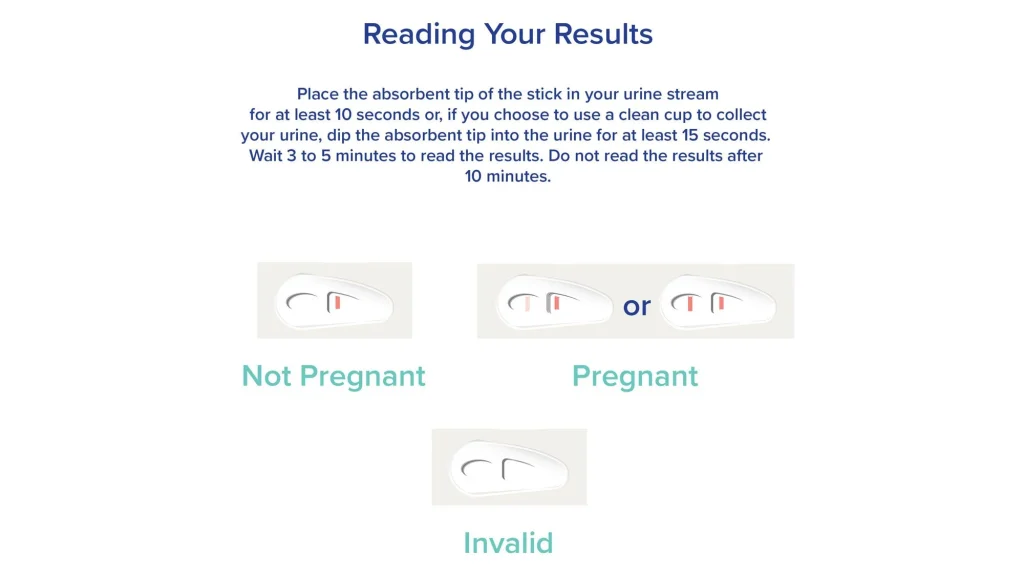
    Instructions for reading pregnancy test results with visual indicators for "Not Pregnant," "Pregnant," and "Invalid.

    Maximizing Your Chances of Conception: The Fertility Support Starter Pack

    4. Seek Emotional Support

    Dealing with fertility struggles can take a toll on a couple’s emotional well-being. It’s important to seek emotional support from loved ones, friends, or a professional therapist. Joining a support group with other couples going through similar experiences can also provide a sense of community and understanding. Taking care of your mental health during this journey is just as important as taking care of your physical health.

    5. Explore Fertility Treatments

    If you have been trying to conceive for a year or more without success, it may be time to explore fertility treatments. These can range from simple procedures such as intrauterine insemination (IUI) to more advanced treatments like in vitro fertilization (IVF). It’s important to discuss these options with your doctor and understand the potential risks and success rates associated with each treatment. It’s also important to keep an open mind and be prepared for the emotional and financial challenges that may come with fertility treatments.

    6. Reduce Stress

    Stress can have a negative impact on fertility by disrupting hormone levels and affecting ovulation. It’s important to find healthy ways to reduce stress, whether it’s through exercise, meditation, or engaging in activities you enjoy. It’s also helpful to have open and honest communication with your partner about your feelings and concerns.

    7. Don’t Give Up Hope

    The journey to conception can be a long and difficult one, but it’s important to not give up hope. Keep a positive attitude and continue to educate yourself about fertility and potential treatments. Remember that everyone’s journey is different and what works for one couple may not work for another. Stay in close communication with your doctor and have faith that your dream of becoming parents will eventually come true.

    In summary, maximizing your chances of conception requires a combination of understanding your body, maintaining a healthy lifestyle, seeking support, exploring treatments, and managing stress. By following these steps and staying patient and positive, you can increase your chances of conceiving a child and make your dream of becoming a parent a reality.

  • Fertility Made Easy: A Starter Pack for First-Time Parents

    Blog Post Title: Fertility Made Easy: A Starter Pack for First-Time Parents

    Becoming a parent for the first time can be an overwhelming experience, filled with excitement, anticipation, and a bit of anxiety. For many couples, the journey to parenthood starts with trying to conceive. However, it’s not always as easy as it seems. Fertility issues can arise, causing stress and frustration for hopeful parents. If you’re a first-time parent-to-be, this blog post is for you. We’ve put together a starter pack to guide you through the process of fertility and help you navigate any obstacles that may come your way.

    Understanding Fertility and the Factors Affecting It

    Before diving into fertility treatments and options, it’s essential to understand what fertility is and how it can be affected. Fertility refers to the ability to conceive and carry a pregnancy to full term. While it may seem like a simple concept, there are many factors that can impact fertility, including age, lifestyle choices, medical conditions, and genetics. It’s crucial to have a clear understanding of your individual fertility factors to determine the best course of action for you and your partner.

    Tracking Ovulation and Timing Intercourse

    One of the first steps in trying to conceive is tracking ovulation. Ovulation is when an egg is released from the ovary and is ready to be fertilized by sperm. This usually occurs around the middle of a woman’s menstrual cycle. There are various methods to track ovulation, such as using ovulation predictor kits, monitoring basal body temperature, or tracking changes in cervical mucus. By understanding when ovulation occurs, you can time intercourse to increase the chances of conception.

    Fertility Treatments: What Are Your Options?

    If you and your partner have been trying to conceive for a while without success, it may be time to explore fertility treatments. These treatments can range from simple procedures like intrauterine insemination (IUI) to more complex procedures like in vitro fertilization (IVF). It’s essential to consult with a fertility specialist to determine the best treatment option for your specific situation. They will take into account factors such as age, medical history, and fertility test results to recommend the most effective treatment.

    Lifestyle Changes to Boost Fertility

    guide and materials for using Mosie Baby fertility kit on a textured surface

    Fertility Made Easy: A Starter Pack for First-Time Parents

    In addition to medical treatments, there are also lifestyle changes that you and your partner can make to boost fertility. These changes include maintaining a healthy weight, quitting smoking, reducing alcohol consumption, and managing stress levels. It’s also essential to have a healthy, balanced diet and to incorporate regular exercise into your routine. These lifestyle changes can not only improve your overall health but can also increase your chances of conceiving.

    The Importance of Emotional Support

    Trying to conceive can be a rollercoaster of emotions, with each month bringing new hopes and disappointments. It’s crucial to have a support system in place, whether it’s your partner, family, friends, or a support group. Talking about your feelings and experiences can help you manage the stress and anxiety that often comes with fertility struggles. It’s also essential to prioritize self-care and seek professional help if needed.

    Preparing for Pregnancy and Parenthood

    Once you’ve successfully conceived, it’s time to prepare for pregnancy and parenthood. This includes taking prenatal vitamins, attending regular check-ups with your doctor, and making necessary lifestyle changes to support a healthy pregnancy. It’s also essential to educate yourself about pregnancy and childbirth, as well as preparing for the arrival of your little one. This can include setting up a nursery, learning about newborn care, and making a birth plan.

    Final Thoughts

    The journey to parenthood can be a challenging one, but with the right knowledge and support, it can also be a rewarding and fulfilling experience. As a first-time parent, it’s essential to understand fertility, track ovulation, consider fertility treatments, make lifestyle changes, and seek emotional support. And once you’ve successfully conceived, it’s crucial to prepare for pregnancy and parenthood. Remember to be patient and kind to yourself throughout this process, and don’t be afraid to seek help when needed. With a little bit of luck and determination, you’ll soon be holding your bundle of joy in your arms.

    Summary:

    Becoming a first-time parent can be an overwhelming experience, especially when it comes to fertility issues. To help navigate this journey, it’s crucial to understand fertility and its factors, track ovulation, consider fertility treatments, make lifestyle changes, and seek emotional support. Once you’ve successfully conceived, it’s important to prepare for pregnancy and parenthood. With patience, support, and determination, you can achieve your dream of becoming a parent.

  • Preparing for Parenthood: A Comprehensive Fertility Support Guide

    Becoming a parent is a life-changing experience that many people dream of. However, for some, the journey towards parenthood can be a challenging and emotional one. From fertility struggles to the physical and emotional demands of pregnancy, preparing for parenthood requires a comprehensive approach that includes fertility support. In this blog post, we will provide a comprehensive fertility support guide to help you prepare for parenthood.

    Firstly, it is important to understand that fertility is a complex and individualized process. It is essential to seek guidance from a healthcare professional if you are struggling to conceive. They can perform fertility tests and provide personalized advice to help you understand your fertility and potential obstacles to conception.

    In addition to seeking medical assistance, there are several lifestyle changes that can improve fertility. A healthy diet, regular exercise, and managing stress can all have a positive impact on your fertility. It is also important to avoid substances that can harm fertility, such as smoking, excessive alcohol consumption, and certain medications.

    Another aspect of preparing for parenthood is understanding the various fertility treatments available. In vitro fertilization (IVF), intrauterine insemination (IUI), and fertility medications are all options for couples struggling to conceive. It is crucial to research and discuss these options with your doctor to determine the best course of action for your specific situation.

    It is also important to address any underlying medical conditions that may be affecting fertility. Conditions such as polycystic ovary syndrome (PCOS) and endometriosis can impact fertility and may require treatment. Seeking medical treatment for these conditions can increase the chances of conception.

    Instructions for reading pregnancy test results with visual indicators for "Not Pregnant," "Pregnant," and "Invalid.

    Preparing for Parenthood: A Comprehensive Fertility Support Guide

    Furthermore, support from loved ones and a strong support system is essential during the journey towards parenthood. It is crucial to communicate openly with your partner and loved ones about your feelings and struggles. Joining a support group or seeking counseling can also provide emotional support and guidance during this challenging time.

    In addition to seeking emotional support, it is essential to prepare for the physical demands of pregnancy. This includes maintaining a healthy lifestyle, taking prenatal vitamins, and attending regular prenatal appointments. It is also crucial to educate yourself about the changes your body will go through during pregnancy and childbirth.

    Preparing for parenthood also involves financial planning. Fertility treatments can be expensive, and it is essential to have a financial plan in place to cover the costs. It is also crucial to consider the costs of prenatal care, childbirth, and raising a child. Creating a budget and saving for these expenses can help alleviate financial stress during pregnancy and parenthood.

    As you prepare for parenthood, it is also important to consider the impact it may have on your relationship. The journey towards parenthood can be stressful and may put a strain on your relationship. It is essential to maintain open and honest communication, seek counseling if needed, and continue to make time for each other during this time.

    Finally, it is crucial to prepare for the emotional journey of parenthood. While having a child is a joyous experience, it can also bring about feelings of anxiety, fear, and overwhelm. It is essential to seek support from loved ones, join parenting groups, and educate yourself about the emotional challenges of parenthood. It is also important to prioritize self-care and make time for activities that bring you joy and relaxation.

    In summary, preparing for parenthood requires a comprehensive approach that includes fertility support, lifestyle changes, medical treatment, emotional support, and financial planning. It is important to seek guidance from healthcare professionals, make healthy lifestyle choices, and address any underlying medical conditions. Additionally, having a strong support system, financial plan, and open communication with your partner can help prepare you for the physical and emotional demands of parenthood. Remember to prioritize self-care and seek support when needed. By following these steps, you can increase your chances of a successful and fulfilling journey towards parenthood.

  • Kickstart Your Fertility Journey: The Ultimate Starter Pack

    Blog Post Title: Kickstart Your Fertility Journey: The Ultimate Starter Pack

    Are you and your partner ready to start a family, but struggling to conceive? You’re not alone. Many couples face challenges when it comes to fertility, but there are steps you can take to increase your chances of getting pregnant. In this blog post, we’ll discuss the ultimate starter pack for kickstarting your fertility journey.

    1. Educate Yourself

    The first step in your fertility journey is to educate yourself. Familiarize yourself with the basics of fertility, such as ovulation, the menstrual cycle, and the best times to try and conceive. There are many resources available, including books, online articles, and even fertility clinics that offer educational seminars. By understanding the fundamentals of fertility, you’ll have a better understanding of your body and how to optimize your chances of getting pregnant.

    2. Track Your Cycle

    One of the most important pieces of the fertility puzzle is tracking your cycle. Knowing when you ovulate is crucial in determining the best time to try and conceive. There are various methods for tracking your cycle, including using a basal body temperature thermometer, ovulation predictor kits, and fertility tracking apps. By tracking your cycle, you can pinpoint your most fertile days and increase your chances of getting pregnant.

    3. Make Healthy Lifestyle Choices

    Your lifestyle choices can have a significant impact on your fertility. Eating a healthy, balanced diet and maintaining a healthy weight can improve your reproductive health. Avoiding alcohol, tobacco, and drugs is also crucial for increasing fertility. Additionally, regular exercise can help regulate hormones and improve overall fertility. Making these healthy lifestyle choices not only increases your chances of getting pregnant but also sets a good foundation for a healthy pregnancy.

    logo of mosie baby featuring a heart and leaf design in blue, pink, and green colors

    Kickstart Your Fertility Journey: The Ultimate Starter Pack

    4. Consider Supplements

    Certain supplements can also aid in boosting fertility. Folic acid, for example, is crucial for preventing birth defects and is recommended for women who are trying to conceive. Other supplements that may help include vitamin D, CoQ10, and omega-3 fatty acids. However, always consult with your doctor before starting any new supplements, as they can interact with other medications or have adverse effects.

    5. Reduce Stress

    Stress can have a significant impact on fertility. High levels of stress can disrupt hormone levels and interfere with ovulation. Finding ways to reduce stress, such as practicing relaxation techniques, exercising, or talking to a therapist, can help improve your chances of getting pregnant. It’s also important to communicate with your partner and support each other through the ups and downs of trying to conceive.

    6. Consider Fertility Treatments

    If you’ve been trying to conceive for a while without success, it may be time to consider fertility treatments. There are various options, including intrauterine insemination (IUI), in vitro fertilization (IVF), and fertility drugs. These treatments can help overcome common fertility issues, such as hormonal imbalances, blocked fallopian tubes, and low sperm count. Be sure to discuss your options with a fertility specialist to determine the best course of action for you and your partner.

    7. Seek Emotional Support

    Going through fertility struggles can be emotionally draining, and it’s essential to seek support. Talk to friends and family, join support groups, or seek counseling to help you cope with the challenges of trying to conceive. Remember that it’s okay to feel frustrated, sad, or angry, and seeking emotional support can help you navigate these emotions in a healthy way.

    In summary, kickstarting your fertility journey requires a combination of education, tracking, healthy lifestyle choices, stress management, and possibly fertility treatments. Remember to stay positive and be patient, as it may take time to conceive. With the right approach and support, you and your partner can increase your chances of starting the family you’ve always dreamed of.