Tag: communication.

  • Supporting Your Partner Through Home Insemination: A Starter Pack for Couples

    Supporting Your Partner Through Home Insemination: A Starter Pack for Couples

    Home insemination, also known as at-home insemination, is becoming a popular method for couples trying to conceive. This process involves using a syringe or a device called an insemination kit to insert sperm into the vagina, cervix, or uterus at home. This can be a more affordable and convenient option for couples who are unable to or prefer not to undergo medical procedures such as intrauterine insemination (IUI) or in vitro fertilization (IVF). While home insemination can be an exciting journey for couples, it can also be a bit daunting and overwhelming. This is especially true for the partner who is not carrying the pregnancy and may feel like they are not as involved in the process. In this blog post, we will discuss ways to support your partner through home insemination and make the experience a positive and fulfilling one for both of you.

    1. Educate Yourself

    The first step in supporting your partner through home insemination is to educate yourself about the process. It is important to understand the basics of how home insemination works, including the best time to inseminate, the different methods of insemination, and how to track ovulation. You can do this by researching online, reading books or articles, or talking to other couples who have gone through the process. By educating yourself, you will not only feel more confident and knowledgeable, but you will also be able to support your partner better by answering any questions they may have and providing them with accurate information.

    2. Be a Team Player

    Home insemination is a team effort, and both partners play an important role in the process. As the partner who is not carrying the pregnancy, you may feel like you have a less active role. However, your support and involvement are crucial in making the process successful. This includes being present during the insemination, helping your partner with any necessary preparations, and providing emotional support throughout the journey. By being a team player, you can make your partner feel more supported and less alone in this process.

    3. Communicate Openly

    Communication is key in any relationship, and it is especially important during something as intimate as home insemination. It is essential to have open and honest conversations with your partner about your feelings, concerns, and expectations. This can help alleviate any anxieties or fears and create a strong foundation for the journey ahead. It is also important to listen to your partner’s thoughts and feelings and validate them. Remember that this is a joint decision, and both of you should feel comfortable and supported throughout the process.

    Colorful promotional image for Mosie Baby, featuring home insemination kit and encouraging text.

    Supporting Your Partner Through Home Insemination: A Starter Pack for Couples

    4. Create a Comfortable Environment

    Home insemination can be a nerve-wracking experience for both partners, so it is essential to create a comfortable and relaxing environment. This can help your partner feel more at ease and increase the chances of success. Some ways to create a comfortable environment include dimming the lights, playing relaxing music, and using scented candles or essential oils. You can also incorporate activities such as a warm bath or a massage to help your partner relax before the insemination process.

    5. Help with Preparations

    There are several preparations that need to be done before home insemination, and you can offer your support by helping your partner with these tasks. This can include tracking your partner’s ovulation using ovulation predictor kits or a fertility tracker app, preparing the insemination equipment, and creating a comfortable space for the insemination. By helping with these preparations, you can show your partner that you are invested in the process and that they do not have to do everything alone.

    6. Be Patient and Understanding

    Home insemination can be a long and emotional journey, and it is essential to be patient and understanding with your partner. There may be times when things do not go as planned, or your partner may experience feelings of disappointment or frustration. It is important to be there for them, listen to their concerns, and provide reassurance. Understand that this process may take time and that it is okay to take breaks or try different methods if needed. Your support and understanding can make a significant difference in your partner’s overall experience.

    7. Celebrate Small Victories

    Home insemination can be a rollercoaster of emotions, and it is important to celebrate every step of the journey, no matter how small. This can include celebrating when your partner successfully tracks their ovulation, when the insemination process goes smoothly, or when you get a positive pregnancy test. These small victories can help keep the spirits high and make the experience more enjoyable for both of you.

    In conclusion, home insemination can be a beautiful and exciting journey for couples trying to conceive. By educating yourself, being a team player, communicating openly, creating a comfortable environment, helping with preparations, being patient and understanding, and celebrating small victories, you can support your partner through this process and make it a positive and fulfilling experience for both of you. Remember to be patient and take care of each other throughout this journey, and with love and support, you can achieve your dream of starting a family together.

  • Creating a Safe and Comfortable Environment for Home Insemination: A Starter Pack

    Creating a Safe and Comfortable Environment for Home Insemination: A Starter Pack

    Home insemination is a popular method for couples and individuals trying to conceive. With the convenience and privacy of being able to perform the insemination in the comfort of your own home, it has become a preferred option for many. However, it is important to ensure that the environment is safe and comfortable for both the inseminator and the recipient. In this blog post, we will discuss the key elements of creating a safe and comfortable environment for home insemination, as well as provide a starter pack of essential items for the process.

    1. Cleanliness is Key

    One of the most important factors to consider when preparing for home insemination is cleanliness. This not only includes the physical cleanliness of the room, but also the cleanliness of the instruments and materials used in the process. It is important to thoroughly clean and sanitize all surfaces, instruments, and hands before and during the insemination process. This will help to reduce the risk of infection and ensure a safe environment for both parties involved.

    2. Privacy and Comfort

    Home insemination can be an intimate and personal process, so it is important to create a private and comfortable space for the insemination to take place. Choose a room in your home that is quiet, private, and comfortable. This could be a bedroom, bathroom, or even a dedicated space for home insemination. Make sure to have soft lighting, comfortable seating, and any other items that can help create a relaxing and comfortable environment.

    3. Essential Items for Home Insemination

    at-home insemination kit by Mosie Baby, featuring syringes, collection cups, and instructions on a pink background.

    Creating a Safe and Comfortable Environment for Home Insemination: A Starter Pack

    To get started with home insemination, there are a few essential items that you will need. These include:

    – Insemination kit: This can be purchased online or at a fertility clinic and usually includes a syringe, catheter, and gloves.
    – Sperm collection cup: This is used to collect the sperm sample from the donor.
    – Lubricant: A water-based lubricant is recommended to help with the insertion of the catheter.
    – Timer: This can be used to track the timing of the insemination process.
    – Towels or pads: These can be used to protect surfaces and clean up any spills.
    – Privacy curtain or sheet: This can be used to create a private space and help with the cleanup process.
    – Music or relaxation aids: As mentioned before, creating a comfortable and relaxing environment is important, so having some soothing music or relaxation aids can help with this.

    4. Communication is Key

    During the home insemination process, it is important to have open and honest communication between the inseminator and the recipient. This includes discussing any concerns, asking for consent before proceeding, and checking in with each other throughout the process. This will help to create a safe and comfortable environment for both parties.

    5. Aftercare and Cleanup

    After the insemination process is complete, it is important to properly clean and disinfect all surfaces and instruments used. It is also recommended to lay down for a short period of time to allow the sperm to travel to the cervix. This will increase the chances of a successful insemination. Make sure to also properly dispose of any used materials and wash your hands thoroughly.

    In summary, creating a safe and comfortable environment for home insemination is crucial for a successful and stress-free experience. This includes ensuring cleanliness, privacy, and having the necessary essentials for the process. Communication and aftercare are also important factors to consider. By following these tips, you can create a safe and comfortable environment for home insemination and increase your chances of a successful conception.

  • The Importance of Communication in Home Insemination: A Starter Pack for Couples

    Blog Post:

    Communication is the cornerstone of any successful relationship, and this is especially true when it comes to home insemination for couples. Whether you are a same-sex couple or a heterosexual couple facing fertility challenges, home insemination can be a daunting process. However, with open and effective communication, it can also be a beautiful and empowering experience. In this blog post, we will explore the importance of communication in home insemination and provide a starter pack for couples embarking on this journey.

    Importance of Communication in Home Insemination:

    1. Building Trust and Understanding: Home insemination involves a great deal of trust and vulnerability between partners. It is essential to have open and honest communication to build a strong foundation of trust and understanding. This includes discussing each other’s fears, concerns, and expectations for the process.

    2. Sharing Responsibilities: Home insemination requires both partners to be actively involved in the process. Effective communication allows for the distribution of responsibilities, making the experience more manageable and less stressful. This can include tasks such as tracking ovulation, purchasing supplies, or handling paperwork.

    3. Discussing Boundaries and Consent: In any fertility journey, it is crucial to discuss and respect each other’s boundaries and consent. This is especially important in home insemination, where intimate procedures are involved. Having open communication about boundaries and consent can help prevent any misunderstandings or discomfort during the process.

    4. Addressing Financial Concerns: Home insemination can be a more affordable option for couples, but it still involves expenses such as purchasing sperm samples and fertility supplies. It is crucial to have open communication about financial concerns and come up with a budget that works for both partners.

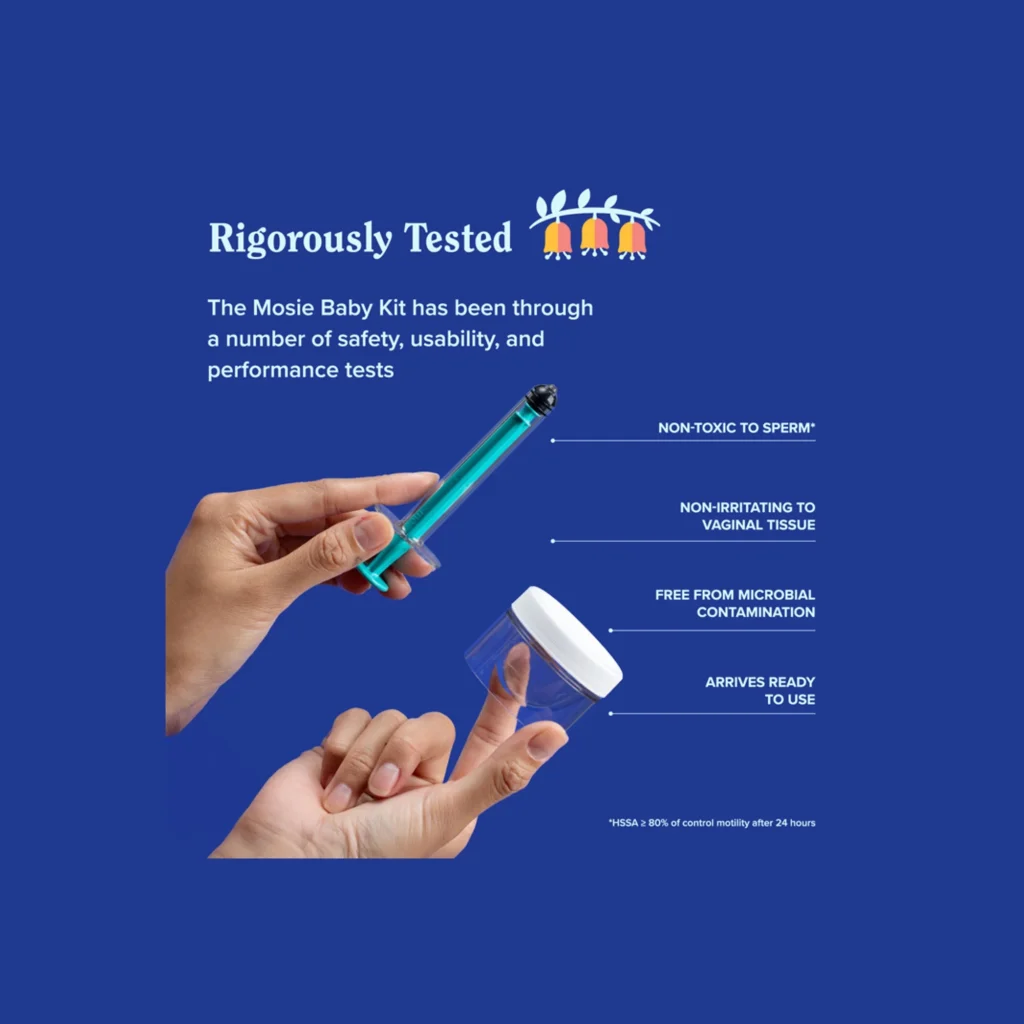
    Mosie Baby Kit features a syringe and container, highlighting safety and usability tests on a blue background.

    The Importance of Communication in Home Insemination: A Starter Pack for Couples

    5. Managing Expectations: As with any fertility journey, it is essential to manage expectations. Home insemination may not always result in a pregnancy, and it is crucial to have open communication about this possibility. This can help alleviate any disappointment or strain on the relationship.

    Starter Pack for Couples:

    1. Research and Education: The first step for any couple considering home insemination is to do thorough research and educate themselves on the process. This can include reading articles, watching videos, and consulting with healthcare professionals. By having a good understanding of the process, couples can have more productive and informed conversations.

    2. Set Up an Action Plan: Once you have done your research, it is time to sit down with your partner and create an action plan. This should include a timeline, responsibilities, and a budget. Having a plan in place can help alleviate any stress and ensure that both partners are on the same page.

    3. Discuss Communication Strategies: Effective communication is not just about talking; it also involves listening and understanding. It can be helpful to discuss communication strategies with your partner, such as using “I” statements, active listening techniques, and taking breaks during difficult conversations.

    4. Establish a Support System: Going through home insemination can be emotionally and physically taxing, and it is crucial to have a support system in place. This can include friends, family, or online support groups. Having someone to talk to and lean on can help make the process more manageable.

    5. Seek Professional Help: Home insemination may not be the right option for every couple, and it is essential to seek professional help if needed. Fertility specialists can provide expert guidance and support throughout the process and address any concerns or issues that may arise.

    In summary, communication is vital in home insemination for couples. It allows for trust, understanding, and sharing of responsibilities, and helps manage expectations and financial concerns. By following the starter pack outlined above and fostering open and effective communication, couples can navigate home insemination with ease and strengthen their relationship in the process.

  • Building Your Own Natural Conception Kit: A Step-by-Step Guide

    Summary:

    Conceiving a child is a natural and beautiful process, but for some couples, it can be a challenging journey. Many couples turn to medical interventions and fertility treatments, but these can be expensive and come with their own set of risks and side effects. However, there are natural ways to boost fertility and increase the chances of conceiving. One such method is using a natural conception kit. In this step-by-step guide, we will discuss how to build your own natural conception kit and use it to support your journey towards parenthood.

    Step 1: Understand Your Cycle

    The first step in building your own natural conception kit is to understand your menstrual cycle. This includes tracking your ovulation and understanding your most fertile days. There are many methods to track ovulation, including using ovulation predictor kits, tracking your basal body temperature, and monitoring changes in cervical mucus. It is essential to understand your cycle to know when the best time for conception is and to plan accordingly.

    Step 2: Focus on Nutrition

    Nutrition plays a vital role in fertility, and it is essential to focus on consuming a balanced and nutritious diet when trying to conceive. Foods that are rich in antioxidants, vitamins, and minerals can help support egg and sperm health. Some fertility-boosting foods include leafy greens, berries, nuts and seeds, and healthy fats like avocado and olive oil. It is also important to limit or avoid processed and sugary foods, as they can negatively impact fertility.

    Step 3: Consider Supplements

    In addition to a healthy diet, certain supplements can also support fertility. These include folic acid, which is crucial for healthy fetal development, and omega-3 fatty acids, which can improve sperm quality. Other supplements that may be beneficial for fertility include CoQ10, vitamin D, and zinc. It is important to consult with a healthcare professional before starting any new supplements to ensure they are safe for you.

    Step 4: Practice Stress Management

    at-home insemination kit featuring a syringe and container for fresh or donor sperm conception

    Building Your Own Natural Conception Kit: A Step-by-Step Guide

    Stress can have a significant impact on fertility, as it can disrupt hormonal balance and ovulation. Therefore, it is important to find ways to manage stress when trying to conceive. This can include practices such as yoga, meditation, deep breathing, or simply taking time for self-care activities. It is also important to communicate openly with your partner and seek support from loved ones during this process.

    Step 5: Use Natural Remedies

    There are many natural remedies that can help boost fertility, including herbs, essential oils, and acupuncture. Some herbs, such as red raspberry leaf and nettle, can help support the reproductive system and balance hormones. Essential oils like clary sage and geranium can also be beneficial for hormonal balance. Acupuncture has been shown to improve fertility by reducing stress and increasing blood flow to the reproductive organs.

    Step 6: Create a Fertility-Friendly Environment

    Creating a fertility-friendly environment in your home can also support your journey towards conception. This includes avoiding exposure to harmful chemicals found in cleaning products, beauty products, and plastics. It is also recommended to limit or avoid alcohol, caffeine, and smoking, as they can negatively impact fertility.

    Step 7: Communicate with Your Partner

    Communication with your partner is crucial when trying to conceive. It is important to be on the same page and support each other throughout the process. This includes discussing any concerns or fears and making decisions together. It is also important to maintain a healthy and loving relationship, as this can positively impact fertility.

    Step 8: Stay Positive and Patient

    Finally, it is important to stay positive and patient during the journey towards conception. It can take time, and there may be setbacks, but it is important to trust in the process and have faith that it will happen. Surround yourself with positive energy and support, and remember to be kind to yourself and your partner throughout the process.

    In conclusion, building your own natural conception kit can be a powerful tool in supporting your journey towards parenthood. By understanding your cycle, focusing on nutrition, using supplements and natural remedies, and creating a supportive environment, you can increase your chances of conceiving. Remember to stay positive, communicate with your partner, and be patient, as conceiving a child is a beautiful and natural process.

  • Tips for Maintaining a Positive Mindset During At-Home Insemination with the Syringe Method

    Summary:

    Maintaining a positive mindset during at-home insemination with the syringe method can be challenging, but it is crucial for the success of the process. In this blog post, we will discuss some tips and strategies for staying positive and reducing stress during this journey.

    1. Educate yourself: The first step to maintaining a positive mindset is to educate yourself about the process of at-home insemination. This includes understanding the anatomy and physiology of conception, the proper techniques for using the syringe method, and any potential complications or risks.

    2. Stay organized: Creating a schedule and staying organized can help reduce stress and anxiety during at-home insemination. This includes keeping track of ovulation dates, medications, and appointments. Having a plan in place can give you a sense of control and reduce uncertainty.

    3. Focus on self-care: Taking care of your physical and mental well-being is crucial during this process. Make sure to eat a balanced diet, exercise regularly, and get enough sleep. Engage in activities that bring you joy and relaxation, such as yoga, meditation, or reading.

    4. Communicate with your partner: At-home insemination can be a team effort, and it is essential to communicate openly with your partner throughout the process. Share your feelings, fears, and hopes with each other. This can help strengthen your relationship and provide emotional support.

    At-home insemination kit with ovulation and pregnancy tests, promoting fertility and family planning.

    Tips for Maintaining a Positive Mindset During At-Home Insemination with the Syringe Method

    5. Seek support: It is normal to experience a range of emotions during at-home insemination, and it is essential to have a support system in place. This can include friends, family, or support groups for individuals going through similar experiences. Don’t be afraid to ask for help or talk to a professional if needed.

    6. Be patient: The journey of at-home insemination can be a long and emotional one, and it is crucial to be patient with yourself and the process. Remember that conception may not occur immediately, and it is normal to experience setbacks. Stay positive and trust in the process.

    7. Don’t obsess over symptoms: During the two-week wait, it is common to analyze every little symptom and try to determine if it is a sign of pregnancy. However, it is essential to remember that many pregnancy symptoms are similar to premenstrual symptoms. Don’t let these symptoms cause unnecessary stress and anxiety.

    8. Practice positive affirmations: Our thoughts have a significant impact on our emotions, so it is crucial to practice positive self-talk and affirmations. Repeat phrases such as “I am capable of conceiving” or “I trust my body to do what it needs to do” to help maintain a positive mindset.

    9. Prepare for different outcomes: As with any fertility journey, it is essential to prepare for different outcomes. While we hope for a positive pregnancy test, it is also important to have a plan in place for a negative result. This can include talking to your doctor about next steps or taking time to process your emotions.

    10. Celebrate the small victories: Lastly, it is crucial to celebrate the small victories throughout the at-home insemination process. This can include successfully tracking ovulation, properly administering the insemination, or simply making it through a particularly challenging day. Remember to acknowledge and celebrate your progress and achievements.

    In conclusion, maintaining a positive mindset during at-home insemination with the syringe method is vital for the success of the process. It is essential to educate yourself, stay organized, practice self-care, communicate with your partner, seek support, be patient, avoid obsessing over symptoms, practice positive affirmations, prepare for different outcomes, and celebrate small victories. Remember to trust in the process and stay positive throughout this journey.

  • The Role of Communication in At-Home Insemination with the Syringe Method

    Title: The Role of Communication in At-Home Insemination with the Syringe Method

    Introduction:

    At-home insemination with the syringe method has become a popular option for couples and individuals who are trying to conceive. This method involves using a syringe to insert semen into the vagina, bypassing the need for traditional intercourse. While this method may seem straightforward, effective communication between partners is crucial for a successful insemination.

    Communication and Consent:

    The first step in the process of at-home insemination with the syringe method is effective communication between partners. Both parties must be on the same page and consent to the process. This includes discussing the decision to try at-home insemination, understanding the risks and potential outcomes, and establishing boundaries and expectations. Without clear and open communication, the process may cause strain and tension in the relationship, which can affect the chances of success. It is also essential to have regular check-ins throughout the process to ensure that both partners are still comfortable and committed to the process.

    Timing and Ovulation Tracking:

    Timing is crucial when it comes to at-home insemination with the syringe method. It is essential to track ovulation accurately to increase the chances of conception. This is where communication plays a significant role. Partners must communicate openly about the ovulation tracking methods they are using, such as ovulation predictor kits or tracking basal body temperature. They must also communicate about the timing of insemination, as it is essential to do it as close to ovulation as possible. Planning and coordinating these factors require communication and teamwork between partners.

    Preparation and Hygiene:

    Before the insemination process, communication is necessary to ensure that both partners are adequately prepared. The donor must follow proper hygiene practices, including washing their hands and genitals before collecting the semen sample. The recipient must also prepare by emptying their bladder and washing their hands and genitals before the process. Effective communication can help prevent any potential discomfort or awkwardness during this preparation stage.

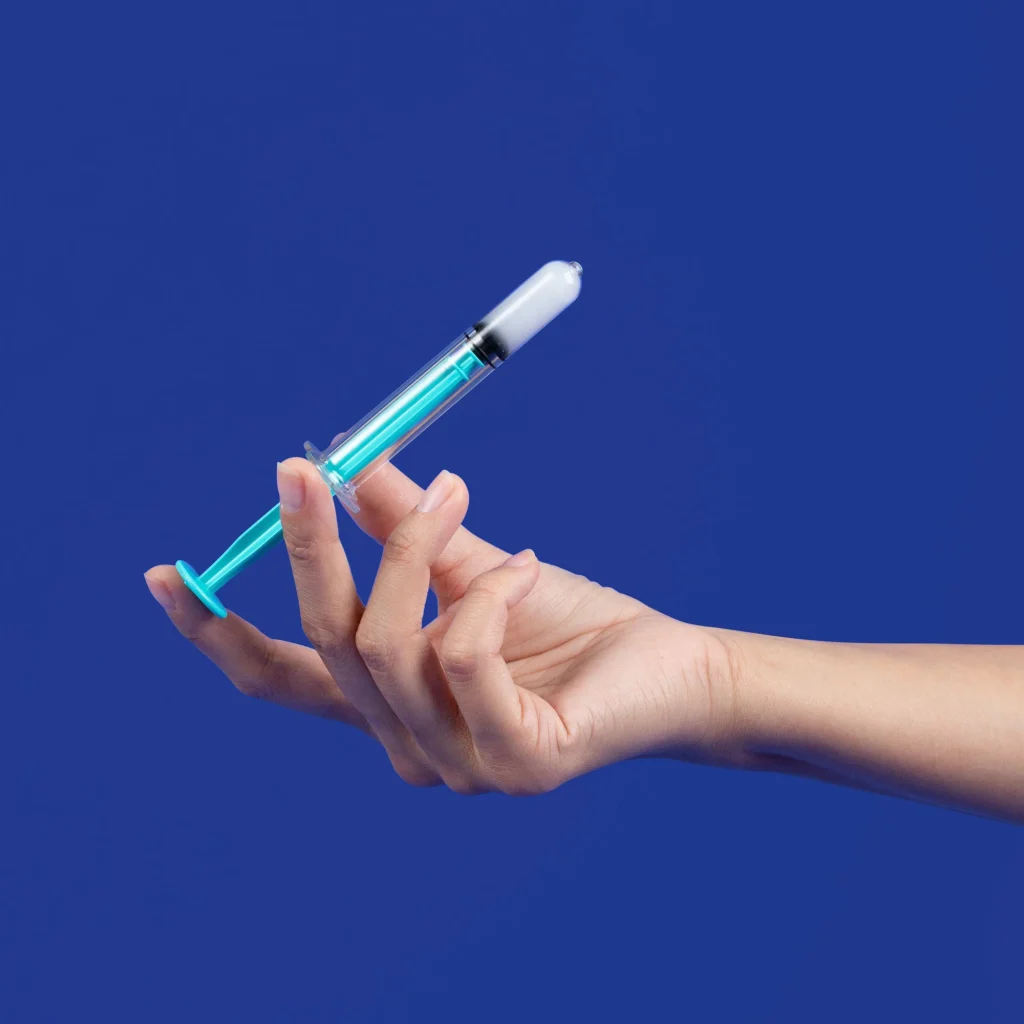
    hand holding a syringe with a blue plunger against a solid blue background

    The Role of Communication in At-Home Insemination with the Syringe Method

    Insemination Process and Technique:

    During the actual insemination process, communication is vital to ensure that both partners are comfortable and understand the technique. The donor must communicate about the method they are using to collect the semen sample, whether it is through masturbation or using a collection cup. They must also communicate about the amount of semen being collected and any potential issues, such as difficulty ejaculating. The recipient must also communicate about their comfort level and any discomfort they may experience during the insertion of the syringe. Both partners must also be aware of the proper technique for inserting the syringe, as this can greatly affect the chances of success.

    Post-Insemination Care:

    After the insemination process, communication is crucial for proper post-insemination care. The recipient must communicate any potential side effects, such as cramping or bleeding, to the donor. They must also communicate about any post-insemination activities or restrictions, such as avoiding vigorous physical activity or abstaining from sex for a certain period. Effective communication is necessary to ensure that both partners are aware of and adhere to these post-insemination guidelines.

    Dealing with Disappointment:

    Despite the best efforts and effective communication between partners, at-home insemination with the syringe method may not always result in a successful pregnancy. It is essential to have open and honest communication about any feelings of disappointment or frustration. This can help prevent any negative impact on the relationship and allow both partners to support each other during this challenging time. It is also essential to communicate openly about the next steps and whether to continue trying at-home insemination or explore other options.

    Conclusion:

    In conclusion, effective communication is crucial for a successful at-home insemination with the syringe method. From the initial decision to try the method to post-insemination care and dealing with disappointment, communication between partners is necessary for a positive experience. It not only increases the chances of success but also strengthens the relationship between partners by promoting trust, understanding, and support.

    Summary:

    At-home insemination with the syringe method offers a viable option for couples and individuals trying to conceive. However, effective communication between partners is crucial for success. Partners must communicate about consent, timing and ovulation tracking, preparation and hygiene, the insemination process and technique, post-insemination care, and dealing with disappointment. This promotes trust, understanding, and support, which can greatly impact the overall experience.

  • The Role of Communication in At-Home Insemination

    Blog Post:

    At-home insemination is the process of using a donor’s sperm to fertilize an egg in the comfort and privacy of one’s own home. This method of conception is becoming increasingly popular due to various reasons such as same-sex couples, single individuals, or those struggling with infertility. While at-home insemination may seem like a straightforward process, effective communication between all parties involved is crucial for its success.

    Communication plays a significant role in at-home insemination, starting from the initial decision to pursue this method of conception. It is essential for all parties involved, including the donor, recipient, and any support individuals, to have open and honest communication about their expectations, boundaries, and concerns. This ensures that everyone is on the same page and helps create a positive and supportive environment for the process.

    One of the most critical aspects of communication in at-home insemination is consent. Prior to starting the process, all parties must give informed consent. This means understanding and agreeing to the risks, responsibilities, and outcomes of the procedure. It is crucial for both the donor and recipient to have a clear understanding of the legal and emotional implications of at-home insemination. This can prevent any future conflicts or misunderstandings.

    Effective communication is also vital during the selection of a donor. Whether the donor is known or anonymous, it is crucial to have an open and honest conversation about their medical history, genetic background, and any potential health risks. This information can greatly impact the health and well-being of the child, and it is essential to have complete transparency in this aspect.

    Once the donor is selected, communication during the actual insemination process is also crucial. The recipient must be able to communicate any changes in their menstrual cycle, ovulation dates, and any potential issues that may arise during the process. This can help the donor time their donation accurately and increase the chances of conception.

    blue box with "mosie" logo, syringes, and informational pamphlet on a pink background

    The Role of Communication in At-Home Insemination

    During the insemination process, there may also be a need for communication between the donor and recipient regarding personal preferences and boundaries. For example, the recipient may have specific requests for the donor’s behavior during the donation, such as using a specific type of container or following a certain protocol. It is essential for both parties to communicate and respect each other’s preferences to ensure a smooth and comfortable process.

    Aside from the donor and recipient, communication with any support individuals, such as a doctor or fertility specialist, is also crucial. These professionals can provide guidance and support throughout the process and help address any concerns or issues that may arise. It is essential to keep them informed and updated on the progress of the at-home insemination to ensure the best possible outcomes.

    In addition to communication during the insemination process, ongoing communication after conception is also important. If the donor is known, it is crucial to have a clear agreement on their involvement in the child’s life, including custody, financial support, and visitation rights. For anonymous donors, it is still essential to have open communication about any potential health issues that may arise in the future.

    Effective communication in at-home insemination can also help build a positive relationship between the donor, recipient, and child. It allows for transparency, respect, and understanding, which are essential for a healthy and supportive environment for the child. It also helps create a sense of co-parenting, where all parties involved have a shared interest in the well-being of the child.

    In conclusion, communication plays a crucial role in at-home insemination. It is essential for all parties involved to have open and honest communication every step of the way, from the initial decision to pursue this method of conception to ongoing communication after conception. Effective communication can help prevent conflicts, build a positive relationship, and ensure the best possible outcomes for all involved.

    Summary:

    At-home insemination is a popular method of conception, but it requires effective communication between all parties involved for its success. Communication plays a crucial role in every step of the process, from the initial decision to pursue at-home insemination to ongoing communication after conception. It is essential for all parties, including the donor, recipient, and any support individuals, to have open and honest communication about their expectations, boundaries, and concerns. This can help prevent conflicts, build a positive relationship, and ensure the best possible outcomes for all involved.

  • The Emotional and Physical Bond of At-Home Insemination

    Blog Post: The Emotional and Physical Bond of At-Home Insemination

    At-home insemination, also known as self-insemination or DIY insemination, is the process of using donor sperm to achieve pregnancy without the assistance of a medical professional. This method has gained popularity in recent years as a more affordable and convenient option for individuals or couples looking to start a family. However, at-home insemination goes beyond just a practical solution. It also offers a unique opportunity for emotional and physical bonding between partners.

    Emotional Bonding

    The decision to start a family is a big one and can bring a range of emotions, including excitement, anxiety, and fear. In traditional methods of conception, couples often rely on medical professionals to handle the process, which can create a sense of detachment from the experience. At-home insemination, on the other hand, allows partners to be more involved in the process from start to finish.

    From choosing a donor to tracking ovulation and performing the insemination itself, at-home insemination requires communication and cooperation between partners. This can strengthen the emotional bond between them as they work together towards a common goal of starting a family. It also allows for open and honest discussions about the expectations and responsibilities of parenthood.

    Moreover, at-home insemination can also be a source of comfort and support for couples struggling with infertility. It eliminates the stress and pressure of timed intercourse and provides a more relaxed and intimate setting for conception. The process can help couples feel more connected and hopeful during what can be a challenging journey.

    Physical Bonding

    The physical aspect of at-home insemination involves the actual process of insemination, which can be a bonding experience for partners. Many couples choose to perform the insemination themselves, which involves one partner injecting the donor sperm into the other partner’s vagina using a syringe or soft cup.

    This intimate act can create a sense of closeness and trust between partners. It also allows for a more natural and relaxed approach to conception, without the clinical settings and procedures of traditional methods. The process can also be an opportunity for partners to explore their bodies and learn more about each other’s needs and preferences.

    For same-sex couples, at-home insemination can also provide a physical connection to the non-pregnant partner. While they may not be carrying the baby, they can still be actively involved in the conception process and feel connected to their partner’s pregnancy journey.

    two teal and clear syringes positioned on a white background

    The Emotional and Physical Bond of At-Home Insemination

    Tips for a Successful At-Home Insemination

    While at-home insemination can be a beautiful and bonding experience, it is essential to approach it with caution and proper preparation. Here are some tips to ensure a successful at-home insemination:

    1. Choose a reputable sperm bank: When using donor sperm, it is crucial to use a reputable sperm bank to ensure the quality and safety of the sperm.

    2. Track ovulation: Timing is crucial when it comes to insemination. Tracking ovulation using ovulation prediction kits or monitoring basal body temperature can help determine the best time for insemination.

    3. Have a backup plan: Insemination may not always be successful on the first try, so it is essential to have a backup plan in case of any setbacks.

    4. Communicate openly with your partner: Open and honest communication is key to a successful at-home insemination. Discuss any concerns or fears and make sure you are both on the same page.

    5. Create a comfortable and relaxed environment: The process of insemination can be nerve-wracking, so it is essential to create a comfortable and relaxed environment for both partners.

    In conclusion, at-home insemination offers more than just a practical solution for starting a family. It can also strengthen the emotional and physical bond between partners. It allows for a more intimate and involved approach to conception, creating a sense of closeness and trust. With proper preparation and communication, at-home insemination can be a beautiful and bonding experience for couples on their journey to parenthood.

    Summary:

    At-home insemination, also known as DIY insemination, is a popular method for individuals or couples to achieve pregnancy using donor sperm without the assistance of a medical professional. This method not only offers a practical solution but also allows for emotional and physical bonding between partners. By involving partners in the entire process, at-home insemination can strengthen the emotional bond and provide a sense of hope and support for couples struggling with infertility. The physical aspect of insemination can also create a sense of closeness and trust between partners, making the journey to parenthood more intimate and relaxed. However, it is essential to approach at-home insemination with caution and preparation for a successful experience.

  • Navigating the Emotional Rollercoaster of At-Home Insemination

    Navigating the Emotional Rollercoaster of At-Home Insemination

    At-home insemination, also known as self-insemination, is a method of conceiving a child without any medical assistance. It involves using a donor’s sperm to fertilize the egg either through intercourse or using a special insemination kit. While this process may be a viable option for many individuals and couples, it can also come with a rollercoaster of emotions. From the excitement and hope of starting a family to the disappointment and frustration of unsuccessful attempts, navigating the emotional journey of at-home insemination can be challenging. In this blog post, we will discuss the various emotions that individuals and couples may experience during this process and provide tips on how to navigate them.

    Emotions During the Preparation Phase

    The first step in at-home insemination is to prepare for the process. This may include researching and selecting a sperm donor, purchasing an insemination kit, and tracking one’s ovulation. This phase can be filled with a mix of emotions, including excitement, anticipation, and nervousness. It is natural to feel excited about the possibility of starting a family, but at the same time, individuals and couples may also experience anxiety and fear of the unknown. This is a significant decision, and it is essential to take the time to process these emotions and discuss them with your partner or a trusted friend or therapist.

    Emotions During the Insemination Process

    The insemination process itself can be a rollercoaster of emotions. For couples, this may be a time of bonding and intimacy as they work together towards their goal of conceiving. However, for individuals, it can be a lonely and emotional experience. It is crucial to communicate openly and honestly with your partner or support system during this time. Talking about your feelings and being vulnerable can help alleviate some of the stress and anxiety that you may be feeling.

    Emotions During the Two-Week Wait

    After the insemination process, the two-week wait begins, which is the time between ovulation and when a pregnancy test can accurately detect if you are pregnant. This phase can be emotionally exhausting as individuals and couples anxiously wait to find out if they were successful. It is common to go through a range of emotions during this time, including hope, fear, and disappointment. It is essential to have a support system in place during this time, whether it’s your partner, friends, or a therapist. Talking about your emotions and finding healthy ways to cope with them can help you navigate this phase.

    Home insemination kit by Mosie Baby with instructions and colorful packaging.

    Navigating the Emotional Rollercoaster of At-Home Insemination

    Dealing with Disappointment and Frustration

    One of the most challenging emotions to deal with during the at-home insemination process is disappointment. After multiple attempts, it can be disheartening to receive a negative pregnancy test result. It is essential to acknowledge and process these feelings and give yourself time to grieve. It is also crucial to remember that at-home insemination is not a guaranteed method of conception, and it may take several attempts before being successful. It is essential to have realistic expectations and not be too hard on yourself or your partner.

    Coping with the Emotional Strain on Relationships

    At-home insemination can put a strain on relationships, whether it is a couple going through the process together or an individual relying on the support of their partner. There may be disagreements and arguments over the process, and it is crucial to communicate openly and honestly with each other. It is also essential to take care of yourself and your partner during this time. Make time for date nights, relax, and do activities that bring you joy and help you connect with each other.

    Support Systems and Seeking Professional Help

    Having a support system in place during the at-home insemination process is crucial. Whether it is your partner, friends, or family, having someone to talk to and lean on can make a significant difference in navigating the emotional rollercoaster. It is also essential to seek professional help if needed. A therapist can provide you with the tools and support to manage your emotions and help you and your partner communicate effectively.

    In conclusion, at-home insemination is a journey that comes with a range of emotions. It is essential to acknowledge and process these feelings, have realistic expectations, and have a support system in place. Communicating openly and seeking professional help when needed can also make a significant difference in navigating the emotional rollercoaster. Remember to take care of yourself and your partner during this process, and have faith that everything will work out in the end.

    Summary:

    At-home insemination, also known as self-insemination, is a method of conceiving a child without any medical assistance. While this process may be a viable option for many individuals and couples, it can also come with a rollercoaster of emotions. From the excitement and hope of starting a family to the disappointment and frustration of unsuccessful attempts, navigating the emotional journey of at-home insemination can be challenging. This blog post discusses the various emotions that individuals and couples may experience during this process and provides tips on how to navigate them. It emphasizes the importance of having a support system in place, communicating openly, and seeking professional help when needed.

  • Bypassing the Obstacles: How the Conception Companion Syringe Kit Can Help You Conceive

    Bypassing the Obstacles: How the Conception Companion Syringe Kit Can Help You Conceive

    Conceiving a child can be one of the most exciting and fulfilling experiences in a person’s life. However, for many couples, it can also be a challenging and frustrating journey. Infertility, irregular ovulation, and other obstacles can make it difficult to conceive naturally, leading many to turn to fertility treatments. But what if there was a simpler, more affordable option that could bypass these obstacles and increase your chances of conceiving? Enter the Conception Companion Syringe Kit.

    In this blog post, we will explore the various obstacles that couples may face when trying to conceive and how the Conception Companion Syringe Kit can help overcome them. We will also dive into the features and benefits of this innovative conception aid and how it has helped countless couples on their journey towards parenthood.

    The Obstacles to Conception

    There are many reasons why a couple may have difficulty conceiving. One of the most common obstacles is infertility, which affects approximately 1 in 8 couples in the United States. Infertility can be caused by a variety of factors, including hormonal imbalances, ovulation disorders, and reproductive organ abnormalities.

    Another significant obstacle to conception is irregular ovulation, which occurs when a woman’s menstrual cycle is not consistent, making it difficult to track and time intercourse during her most fertile days. This can be caused by stress, hormonal imbalances, and certain medical conditions.

    In addition to these obstacles, some couples may also face challenges such as a low sperm count or poor sperm quality, making it more difficult for the sperm to reach and fertilize the egg.

    The Conception Companion Syringe Kit: A Solution for Couples

    The Conception Companion Syringe Kit is a simple and effective solution for couples facing these and other obstacles to conception. This innovative kit includes everything you need to optimize your chances of conceiving, including a syringe, instruction manual, and ovulation test strips.

    sperm-ready insemination kit with a syringe and container, featuring a screw top lid and non-tip safety wall

    Bypassing the Obstacles: How the Conception Companion Syringe Kit Can Help You Conceive

    One of the main features of the Conception Companion Syringe Kit is its ability to bypass obstacles such as irregular ovulation and low sperm count. The kit comes with ovulation test strips that help you accurately track your most fertile days. This allows you to time intercourse more effectively and increase your chances of conceiving.

    The syringe included in the kit also allows for a more direct and targeted approach to sperm delivery. This is especially beneficial for couples with low sperm count or poor sperm quality, as the syringe can help ensure that a sufficient amount of sperm reaches the egg for fertilization.

    Benefits of Using the Conception Companion Syringe Kit

    1. Affordable and Convenient: Fertility treatments such as in vitro fertilization (IVF) can be expensive and time-consuming. The Conception Companion Syringe Kit offers an affordable and convenient alternative for couples looking to conceive. It can be purchased online and used in the comfort of your own home.

    2. Effective: The Conception Companion Syringe Kit has a success rate of over 80%, making it a highly effective method for increasing your chances of conceiving.

    3. Natural: Unlike fertility treatments, the Conception Companion Syringe Kit allows for a more natural approach to conception. It does not involve any medications or invasive procedures, making it a safe and non-invasive option for couples.

    4. Encourages Communication and Intimacy: Using the Conception Companion Syringe Kit requires communication and teamwork between partners, which can strengthen their relationship and increase intimacy during the conception process.

    5. Reusable: The syringe included in the kit is reusable, making it a cost-effective option for couples who may need to use it for multiple cycles.

    In Summary

    Conceiving a child can be a challenging and emotional journey for many couples. The Conception Companion Syringe Kit offers a simple and affordable solution for bypassing obstacles such as infertility and irregular ovulation. With its high success rate and natural approach, it has helped many couples fulfill their dream of starting a family. Whether you are just starting your journey towards parenthood or have been trying for some time, the Conception Companion Syringe Kit may be the missing piece to help you conceive.