Tag: DIY

  • Navigating the Emotional Rollercoaster of DIY Baby-Making with a Syringe Kit

    Blog Post Title: Navigating the Emotional Rollercoaster of DIY Baby-Making with a Syringe Kit

    Summary:

    For many couples and individuals, starting a family is a dream that brings immense joy and excitement. However, for those facing fertility challenges, the journey to parenthood can be filled with emotional ups and downs. In recent years, the rise of at-home insemination with a syringe kit has become a popular option for those trying to conceive. While this method can be a cost-effective and convenient alternative to traditional fertility treatments, it also comes with its own set of emotional challenges. In this blog post, we will explore the emotional rollercoaster that comes with DIY baby-making using a syringe kit and provide tips on how to navigate it.

    The Initial Excitement and Hope

    The decision to start a family is a big one, and the initial excitement and hope that come with it can be overwhelming. This is especially true for those who have been trying to conceive for a while or have gone through multiple failed fertility treatments. The DIY approach using a syringe kit can bring a sense of control and empowerment to those who have felt helpless in their journey. The thought of taking matters into their own hands and potentially achieving their dream of parenthood can be incredibly exciting.

    The Fear and Anxiety

    As with any fertility journey, fear and anxiety are common emotions that arise during the DIY baby-making process. The fear of the unknown and the possibility of another disappointment can be daunting. Additionally, the lack of medical supervision and support can lead to increased anxiety for some individuals. The pressure to get everything right and the fear of making a mistake can also be overwhelming. It is essential to acknowledge and address these fears and anxieties to prevent them from taking over and affecting the overall experience.

    The Highs and Lows of the Two-Week Wait

    After the insemination process, couples and individuals must wait for two weeks to take a pregnancy test to determine if the DIY baby-making was successful. This waiting period, known as the two-week wait, can be an emotional rollercoaster. Each day brings a mix of hope, excitement, and anxiety. The smallest symptoms can be overanalyzed, leading to a constant state of emotional turmoil. As the wait comes to an end, the fear of disappointment and the hope for a positive result intensify, making it challenging to stay calm and positive.

    Dealing with Disappointment
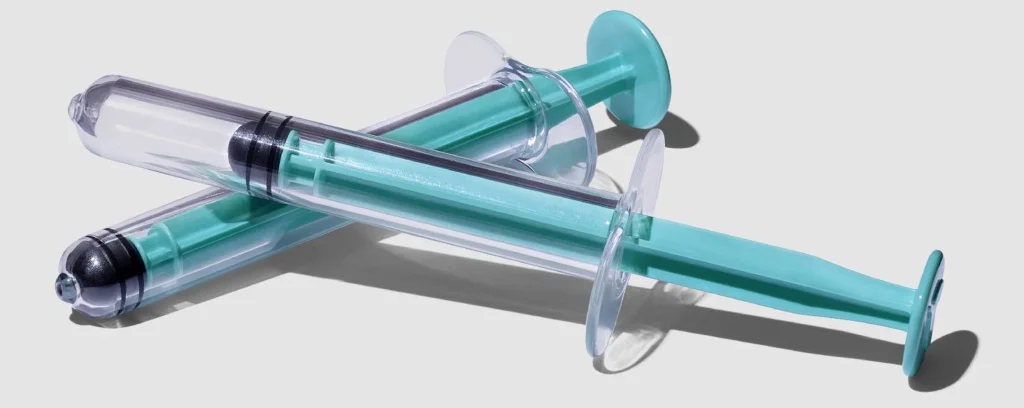
    Two transparent syringes with teal accents positioned diagonally on a light gray background.

    Navigating the Emotional Rollercoaster of DIY Baby-Making with a Syringe Kit

    Unfortunately, not every attempt at DIY baby-making will result in a positive pregnancy test. Dealing with disappointment is an inevitable part of the process, and it can be emotionally draining. For many, each failed attempt brings a wave of sadness, anger, and grief. It can be challenging to remain positive and hopeful after facing disappointment, and it is crucial to take the time to grieve and process these emotions.

    The Joy of Success

    On the other hand, a positive pregnancy test can bring an overwhelming sense of joy and happiness. The DIY approach using a syringe kit can feel like a more personal and intimate journey, making the joy of success even more special. After facing challenges and overcoming obstacles, the joy of a successful pregnancy can feel like a dream come true.

    Tips for Navigating the Emotional Rollercoaster

    1. Communicate with Your Partner: DIY baby-making can be a challenging journey, and it is essential to have open and honest communication with your partner. Share your fears, anxieties, and hopes with each other, and offer support and understanding during the highs and lows.

    2. Seek Support: While the DIY approach may lack medical supervision, it is still crucial to have a support system. Reach out to friends, family, or online communities who have gone through a similar experience. Having a support system can provide a sense of comfort and understanding during the emotional rollercoaster.

    3. Take Care of Yourself: It is essential to prioritize self-care during this process. Take breaks when needed, engage in activities that bring you joy, and practice relaxation techniques to manage stress and anxiety.

    4. Prepare for All Outcomes: While we all hope for a positive outcome, it is essential to be prepared for all possibilities. Have a plan in place to deal with disappointment, and celebrate and enjoy the success if it comes.

    5. Seek Professional Help: If the emotional rollercoaster becomes too overwhelming, do not hesitate to seek professional help. A therapist or counselor can provide support and guidance through this challenging journey.

    In summary, DIY baby-making using a syringe kit can bring a mix of emotions, including excitement, fear, anxiety, disappointment, and joy. It is important to acknowledge and address these emotions to have a positive experience. By communicating with your partner, seeking support, taking care of yourself, and being prepared for all outcomes, you can navigate the emotional rollercoaster and hopefully achieve your dream of parenthood.


  • Breaking the Stigma: Why More Couples Are Turning to Syringe Kits for DIY Baby-Making

    Breaking the Stigma: Why More Couples Are Turning to Syringe Kits for DIY Baby-Making

    In recent years, there has been a growing trend of couples turning to at-home methods for conceiving a child. While assisted reproductive technologies like IVF and IUI have been available for decades, they can be expensive and out of reach for many couples. As a result, more and more couples are opting for a DIY approach using syringe kits to help them conceive. This method, while still somewhat controversial, has gained popularity due to its affordability, accessibility, and success rates. In this blog post, we will dive into the reasons behind this growing trend and address the stigma surrounding DIY baby-making.

    Affordability:
    One of the main reasons why couples are turning to syringe kits for DIY baby-making is due to their affordability. Traditional assisted reproductive technologies can cost thousands of dollars per cycle, making it financially impossible for many couples. In contrast, syringe kits typically cost a few hundred dollars, which includes the necessary supplies and shipping costs. This significant cost difference has made DIY baby-making a viable option for couples who are unable to afford traditional methods.

    Accessibility:
    Another factor contributing to the rise of syringe kits for DIY baby-making is their accessibility. While traditional assisted reproductive technologies often require numerous appointments and procedures at specialized clinics, syringe kits can be purchased online and used in the comfort of one’s home. This makes it a more convenient option, especially for those living in remote areas or for those who have busy schedules. Additionally, the process can be done discreetly, providing privacy for couples who may not want to disclose their fertility journey to others.

    Mosie Baby ovulation test kit with packaging and instructions on a pink background.

    Breaking the Stigma: Why More Couples Are Turning to Syringe Kits for DIY Baby-Making

    Success Rates:
    Despite the initial skepticism surrounding DIY baby-making, the success rates of using syringe kits have been promising. According to a 2018 study published in the Journal of Obstetrics and Gynecology Canada, the success rates for syringe insemination were comparable to those of traditional IUI methods. This study also reported that 40% of participants successfully conceived within the first three cycles of using a syringe kit. These promising success rates have contributed to the growing popularity of this method among couples who are struggling to conceive.

    Breaking the Stigma:
    Despite the affordability, accessibility, and success rates of syringe kits, there is still a stigma surrounding DIY baby-making. Many people view the process as unconventional and unnatural, and some even argue that it goes against the natural order of conception. However, it is essential to understand that for many couples, DIY baby-making is not their first choice. It is their last resort after exhausting all other options. By breaking the stigma surrounding this method, we can create a more inclusive and understanding environment for couples who are trying to conceive.

    Moreover, the stigma surrounding DIY baby-making is often rooted in misconceptions about the process. Some may believe that it is unhygienic or unsafe. However, syringe kits come with detailed instructions on how to use them safely and effectively. Additionally, they are sterile and specifically designed for this purpose, making them a safe option for couples to use at home.

    In conclusion, the rising trend of couples turning to syringe kits for DIY baby-making is driven by factors such as affordability, accessibility, and success rates. While there is still a stigma surrounding this method, it is essential to understand the reasons behind its popularity and to break the misconceptions and stereotypes surrounding it. Every couple deserves the chance to start a family, and by embracing alternative methods like DIY baby-making, we can create a more inclusive and supportive community for those struggling with fertility issues.

  • Syringe Kits and DIY Baby-Making: Finding the Right One for You

    When it comes to starting a family, there are many different paths that couples can take. For some, conception may come naturally, but for others, it may require a little more assistance. This is where syringe kits and DIY baby-making come into play. These methods have become increasingly popular in recent years as a more affordable and accessible option for couples struggling with fertility issues. In this blog post, we will discuss everything you need to know about syringe kits and DIY baby-making, including how they work, the benefits and drawbacks, and how to choose the right one for you.

    What are Syringe Kits and DIY Baby-Making?

    Syringe kits and DIY baby-making refer to the process of using a syringe to artificially inseminate oneself at home. This method involves collecting sperm from a donor, either from a known donor or from a sperm bank, and then using a syringe to insert the sperm into the cervix at the time of ovulation. This technique is commonly used by single women, same-sex couples, and heterosexual couples who are struggling with fertility issues.

    How Do They Work?

    Syringe kits and DIY baby-making work by bypassing the traditional method of conception, which involves sperm being deposited into the vagina during intercourse. Instead, the sperm is directly inserted into the cervix, increasing the chances of conception. This method is similar to intrauterine insemination (IUI), which is a medical procedure performed by a doctor. However, DIY baby-making is a more cost-effective option, as it can be done at home without the need for medical assistance.

    Benefits of Syringe Kits and DIY Baby-Making

    One of the main benefits of using syringe kits and DIY baby-making is the affordability and accessibility of the method. In vitro fertilization (IVF) and IUI can be expensive and are not always covered by insurance, making it difficult for some couples to afford. DIY baby-making, on the other hand, can cost as little as $50, which includes the cost of the syringe kit and sperm from a sperm bank.

    Another advantage of syringe kits and DIY baby-making is the control it gives to the individual or couple. Unlike medical procedures, which may require a doctor’s visit and scheduling around ovulation, DIY baby-making can be done at home and on your own schedule. This can be especially beneficial for couples who have busy work schedules or for those who may not have access to a fertility clinic.

    Drawbacks of Syringe Kits and DIY Baby-Making

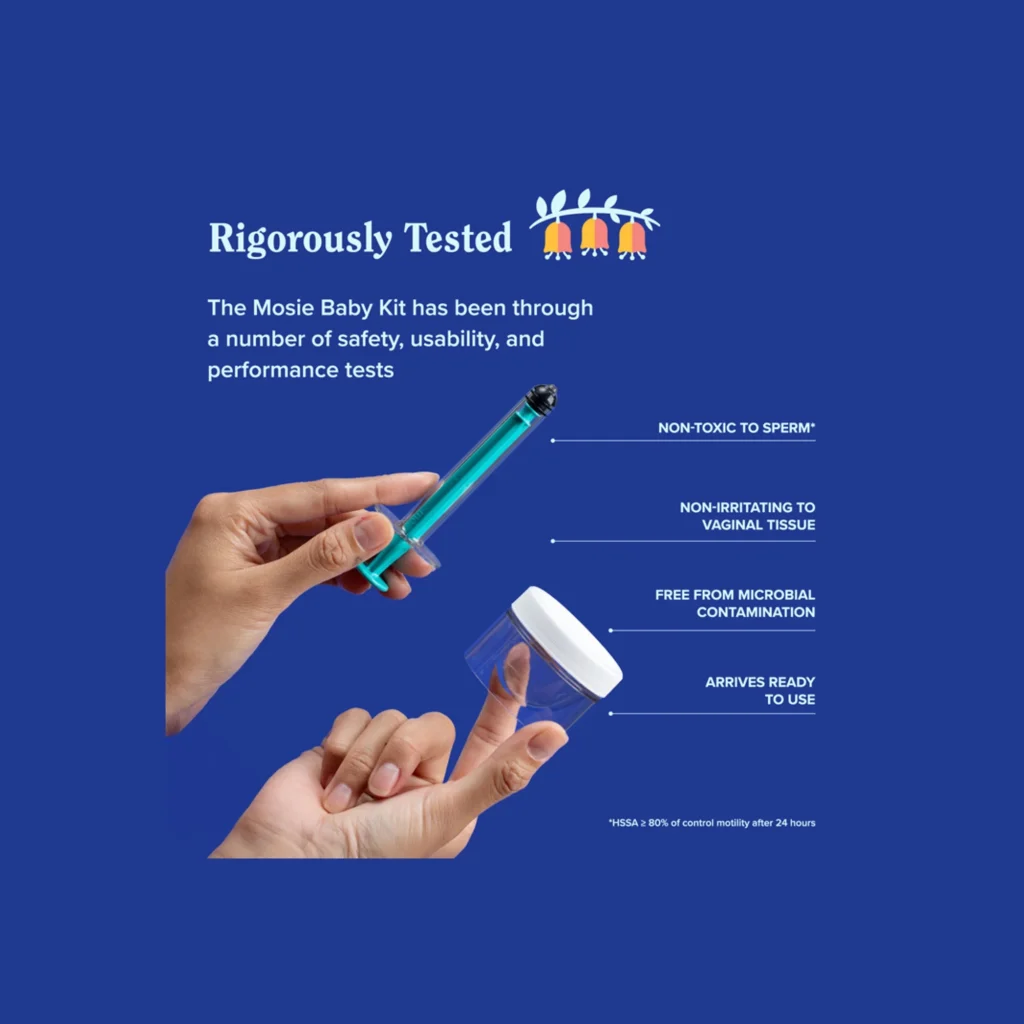
    Hands holding a syringe and a small container against a blue background.

    Syringe Kits and DIY Baby-Making: Finding the Right One for You

    While syringe kits and DIY baby-making have many benefits, there are also some drawbacks to consider. One of the main concerns is the risk of infection if proper sanitation procedures are not followed. It is important to thoroughly clean and sterilize all equipment used in the process to reduce the risk of introducing harmful bacteria into the vagina.

    Another drawback is the lower success rate compared to medical procedures. The success rate of DIY baby-making is estimated to be around 10-15%, while medical procedures such as IVF have a success rate of around 40%. This means that it may take multiple attempts before conception is achieved, which can be emotionally and financially taxing for some couples.

    Choosing the Right Syringe Kit for You

    When it comes to choosing the right syringe kit for DIY baby-making, there are a few things to consider. First, it is important to choose a kit that is specifically designed for artificial insemination. These kits often come with a sterile syringe, a catheter, and a cup for collecting the sperm.

    Next, you will need to decide on the type of syringe you want to use. There are two main options: a needleless syringe or a syringe with a needle. Needleless syringes are often preferred as they are less intimidating and easier to use, but they may not be suitable for thicker sperm samples. Syringes with needles may be necessary for thicker samples, but they require more precision and caution when inserting into the cervix.

    It is also important to consider the size of the syringe. A larger syringe may be necessary for thicker samples, but a smaller syringe may be easier to handle and maneuver. It may be helpful to consult with a healthcare professional or do some research to determine the best size for your specific needs.

    DIY Baby-Making: A Personal Choice

    Ultimately, the decision to use syringe kits and DIY baby-making is a personal one. It is important to carefully consider the benefits and drawbacks, as well as the risks and success rates, before making a decision. Consulting with a healthcare professional can also provide valuable insight and guidance on the process.

    In conclusion, syringe kits and DIY baby-making have become a popular option for couples struggling with fertility issues. This method offers affordability, accessibility, and control, but it also comes with some risks and a lower success rate compared to medical procedures. By carefully considering all factors and choosing the right syringe kit, couples can take a proactive step towards achieving their dream of starting a family.

    SEO metadata:

  • DIY Baby-Making on a Budget: Why a Syringe Kit is the Way to Go

    Blog Post:

    Having a baby is a wonderful and life-changing experience, but it can also come with a hefty price tag. From prenatal care to delivery and beyond, the costs can quickly add up, making it difficult for some couples to afford. However, with a little creativity and some DIY know-how, you can make your dream of starting a family a reality without breaking the bank. In this blog post, we will explore the benefits of using a syringe kit for DIY baby-making on a budget.

    Why DIY?

    Before we dive into the specifics of using a syringe kit, let’s first understand why DIY baby-making is becoming a popular choice for many couples. The main reason is the rising costs of infertility treatments. According to the American Society for Reproductive Medicine, the average cost of an IVF cycle is $12,000, with additional costs for medications, monitoring, and other procedures. For many couples, this is simply not an affordable option.

    Another reason for the DIY trend is the desire for privacy and control over the process. Going through a fertility clinic can feel invasive and impersonal, whereas DIY methods allow couples to have a more intimate and hands-on experience. It also gives them the freedom to choose their own timeline and pace, without the pressure of clinic appointments and procedures.

    Introducing the Syringe Kit

    A syringe kit is a simple and affordable alternative to expensive fertility treatments. It typically consists of a sterile syringe, a catheter, and instructions on how to use it. The concept is straightforward – the sperm is collected and inserted into the woman’s reproductive tract using the syringe and catheter, bypassing the need for intercourse. This method is commonly used by lesbian couples and single women who want to conceive at home.

    Benefits of Using a Syringe Kit

    1. Cost-Effective

    The most significant advantage of using a syringe kit is the cost savings. Depending on where you purchase it, a syringe kit can cost as little as $10-20, making it a fraction of the cost of fertility treatments. It also eliminates additional expenses such as clinic fees, medications, and monitoring.

    2. Easy to Use

    Using a syringe kit is a simple and straightforward process that can be done at home. The instructions provided with the kit are easy to follow, and the materials used are readily available. This makes it a convenient option for those who want to take charge of their fertility journey.

    3. Privacy and Control

    As mentioned earlier, DIY methods allow couples to have more privacy and control over the process. With a syringe kit, there is no need to visit a fertility clinic or involve a third party in the conception process. This can be especially appealing for couples who prefer a more intimate and personal experience.

    Mosie Baby Kit features a syringe and container, highlighting safety and usability tests on a blue background.

    DIY Baby-Making on a Budget: Why a Syringe Kit is the Way to Go

    4. Accessibility

    Syringe kits are widely available online and in stores, making them easily accessible to anyone who wants to use them. This is particularly beneficial for couples who live in remote areas or do not have access to fertility clinics.

    5. Safer Alternative

    When compared to other DIY methods, such as using a turkey baster, a syringe kit is a much safer option. The materials used are sterile, and the instructions provided ensure proper and hygienic use. This reduces the risk of infection and other complications.

    Steps to Using a Syringe Kit

    1. Preparation

    Before using a syringe kit, it is essential to prepare the materials and the environment. The sperm sample should be collected in a sterile container and kept at room temperature until use. The syringe and catheter should also be sterilized according to the instructions provided.

    2. Insertion

    Once the materials are prepared, the woman should lie down with her hips slightly elevated. The syringe should be inserted into the vagina and advanced towards the cervix. Once the cervix is reached, the catheter is slowly inserted, and the sperm is injected into the uterus.

    3. Aftercare

    After the insemination, the woman should continue to lie down for 15-20 minutes, allowing the sperm to reach the fallopian tubes. It is also recommended to stay in a horizontal position for a few hours after the procedure to increase the chances of conception.

    Conclusion

    Starting a family can be an expensive journey, but it doesn’t have to be. With a syringe kit, couples can take control of their fertility journey and achieve their dream of having a baby without breaking the bank. It is a cost-effective, easy to use, and safe alternative to expensive fertility treatments, making it the ideal choice for DIY baby-making on a budget.

    Summary:

    In this blog post, we discussed the rising costs of fertility treatments and the benefits of choosing a DIY approach for baby-making. We then introduced the syringe kit, a simple and affordable alternative that consists of a sterile syringe, a catheter, and instructions on how to use it. We explored the advantages of using a syringe kit, such as cost savings, ease of use, privacy, accessibility, and safety. We also outlined the steps to using a syringe kit for DIY baby-making at home. With a syringe kit, couples can take control of their fertility journey and achieve their dream of starting a family without breaking the bank.

  • Maximizing Your Chances: Tips for Using a Syringe Kit for DIY Baby-Making

    Maximizing Your Chances: Tips for Using a Syringe Kit for DIY Baby-Making

    DIY baby-making, or using a syringe kit for at-home artificial insemination, has become a popular option for couples and individuals looking to start a family. This method allows for more control and privacy, and can also be a more affordable alternative to traditional fertility treatments. However, using a syringe kit for DIY baby-making requires careful planning and execution in order to maximize your chances of success. In this blog post, we will discuss tips for using a syringe kit for DIY baby-making to help you achieve your dream of starting a family.

    1. Familiarize Yourself with the Process

    Before using a syringe kit for DIY baby-making, it is important to familiarize yourself with the process. This includes understanding the different types of syringe kits available, as well as the steps involved in the procedure. There are two main types of syringe kits: oral syringe and catheter syringe. The oral syringe is a simple and inexpensive option, while the catheter syringe allows for more precise placement of the sperm. It is also important to understand the timing of ovulation and how to properly prepare the sperm for insemination. Doing your research and understanding the process will help you feel more confident and prepared.

    2. Choose Quality Sperm

    One of the most crucial factors in DIY baby-making is using quality sperm. If you are using a sperm donor, make sure to thoroughly research and select a reputable sperm bank. Look for donors who have been screened and tested for genetic and infectious diseases. If you are using sperm from a known donor, make sure they have undergone similar testing and have a clean bill of health. It is also important to consider the sperm count and motility of the sperm. A higher sperm count and motility will increase your chances of success.

    3. Create a Comfortable Environment

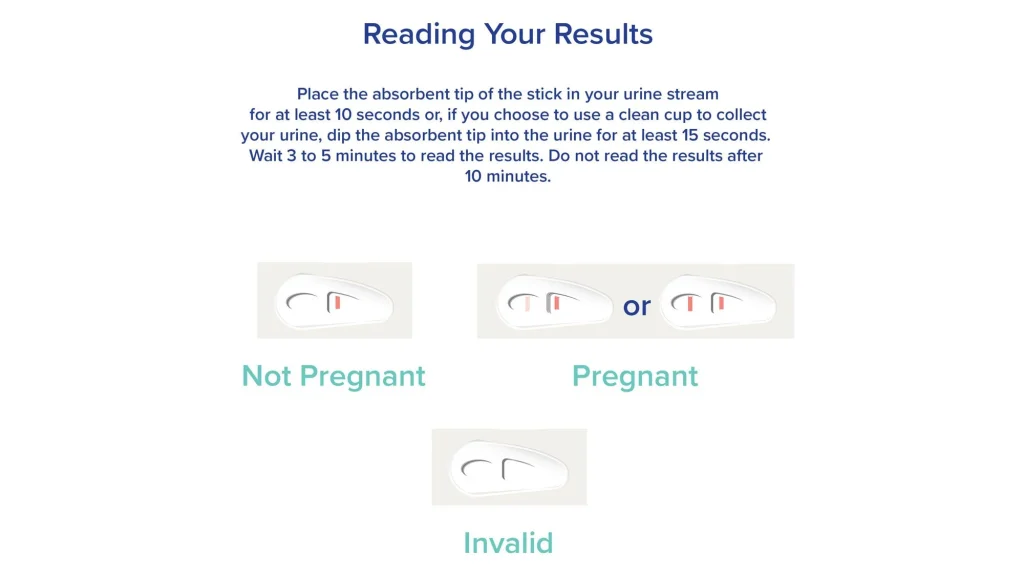
    Instructions for reading pregnancy test results with visual indicators for "Not Pregnant," "Pregnant," and "Invalid.

    Maximizing Your Chances: Tips for Using a Syringe Kit for DIY Baby-Making

    Creating a comfortable environment is key when using a syringe kit for DIY baby-making. Find a quiet and private space where you and your partner can relax and focus on the procedure. Set the mood with soft lighting, calming music, and comfortable seating. This will help reduce stress and improve the chances of success. It is also important to have all the necessary supplies and equipment within reach to avoid any interruptions or distractions.

    4. Follow Proper Hygiene Practices

    Maintaining proper hygiene is crucial when using a syringe kit for DIY baby-making. Make sure to thoroughly wash your hands and the genital area before and after the procedure. Use sterile gloves and clean all equipment before use. This will help reduce the risk of infection and improve the chances of success. It is also important to properly clean and sanitize the work area before and after the procedure.

    5. Find the Right Position

    Finding the right position for insemination can greatly impact the success of DIY baby-making. The most common positions are lying down with legs elevated, or using a pillow under the hips to tilt the pelvis. This allows for the sperm to travel closer to the cervix and increases the chances of fertilization. Experiment with different positions to find what works best for you and your partner.

    6. Be Patient and Positive

    DIY baby-making can be a long and emotional journey, and it is important to stay patient and positive. It may take a few cycles before achieving a successful pregnancy, so do not get discouraged if it does not happen right away. Stay positive and focus on the end goal of starting a family. Surround yourself with a support system of loved ones who can offer encouragement and understanding.

    In summary, using a syringe kit for DIY baby-making can be a successful and rewarding experience with proper planning and execution. Familiarize yourself with the process, choose quality sperm, create a comfortable environment, maintain proper hygiene, find the right position, and stay patient and positive. These tips will help maximize your chances of success and bring you one step closer to starting your own family.

  • The Power of Choice: Using a Syringe Kit for DIY Baby-Making

    Blog Post:

    In today’s society, we are constantly bombarded with the idea that having a baby is something that should be left to medical professionals. However, with the advancements in technology and the availability of resources, many couples are now choosing to take matters into their own hands. DIY baby-making is becoming a popular choice for those who want to start a family on their own terms. One of the key tools in this process is the syringe kit, which allows for at-home insemination. In this blog post, we will explore the power of choice when it comes to using a syringe kit for DIY baby-making.

    Choice is a fundamental human right, and when it comes to creating a family, it should be no different. In traditional methods of conception, couples often have limited options and must rely on the medical system to help them start a family. This can be a daunting and expensive process, with no guarantee of success. By using a syringe kit for DIY baby-making, couples have the power to take control of their fertility journey and make decisions that are best for them.

    One of the main advantages of using a syringe kit for DIY baby-making is the level of privacy it offers. Many couples may feel uncomfortable with the idea of discussing their fertility issues with medical professionals or even family and friends. By using a syringe kit, couples can maintain their privacy and handle the process in the comfort of their own home. This can alleviate a lot of stress and pressure, allowing couples to focus on their goal of starting a family.

    Another benefit of using a syringe kit for DIY baby-making is the cost-effectiveness. Traditional methods of conception can be extremely expensive, with the added costs of doctor’s appointments, tests, and procedures. The cost of a syringe kit is significantly lower, making it a more accessible option for couples who may not have the financial means to pursue other methods of conception. This can also be beneficial for same-sex couples or single individuals who may not have the same financial support as a couple.

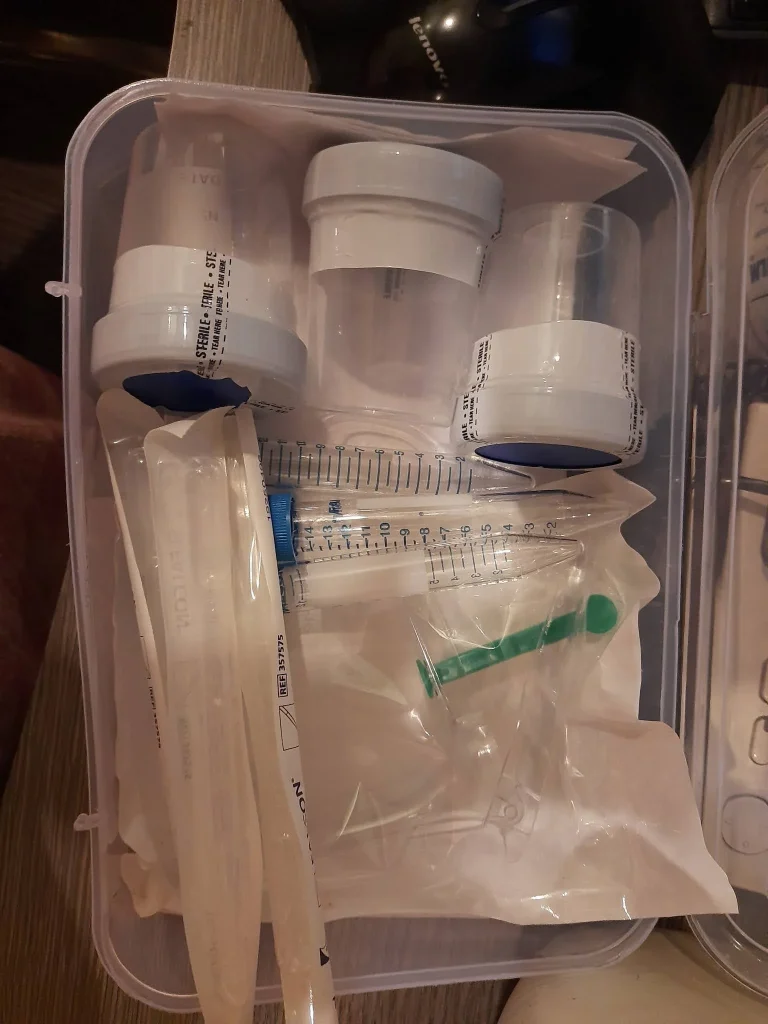
    various medical supplies and containers organized in a clear plastic box on a wooden surface

    The Power of Choice: Using a Syringe Kit for DIY Baby-Making

    Using a syringe kit for DIY baby-making also allows for more flexibility in the process. Traditional methods of conception often require strict timing and scheduling, which can add an extra layer of stress for couples. With a syringe kit, couples can inseminate at home at a time that is convenient for them. This flexibility can also be helpful for couples who have busy schedules or live in remote areas, making it difficult to access medical facilities.

    Of course, the most significant advantage of using a syringe kit for DIY baby-making is the sense of empowerment it gives to couples. Starting a family is a deeply personal and emotional journey, and being able to take control of the process can be incredibly empowering. By using a syringe kit, couples are actively participating in the creation of their family, and this can have a positive impact on their overall well-being.

    It is essential to note that using a syringe kit for DIY baby-making is not a guarantee of success. As with any method of conception, there are risks and factors that can affect the outcome. It is crucial for couples to do their research and understand the process thoroughly before embarking on this journey. Seeking advice from medical professionals and joining support groups can also be beneficial in navigating this process.

    In summary, the power of choice is crucial when it comes to creating a family. By using a syringe kit for DIY baby-making, couples can take control of their fertility journey, maintain their privacy, save costs, and have more flexibility in the process. It also empowers couples to actively participate in the creation of their family, which can have a positive impact on their emotional well-being. However, it is essential to understand that this method is not a guarantee of success and should be approached with careful consideration and research.

    In conclusion, the power of choice is a powerful tool in the process of creating a family. With the availability of resources such as the syringe kit, couples can take control of their fertility journey and make decisions that are best for them. DIY baby-making may not be the right choice for everyone, but it is an option that is worth considering for those who want to start a family on their own terms.

  • DIY Baby-Making Made Easy: Using a Syringe Kit to Conceive

    Blog Post Title: DIY Baby-Making Made Easy: Using a Syringe Kit to Conceive

    Summary:

    Conceiving a child is a beautiful journey, but it can also be a stressful and emotionally draining process for many couples. While there are various methods available to aid in conception, one method that has gained popularity in recent years is using a syringe kit to self-inseminate at home. This DIY approach can be a more affordable and private option for couples who are struggling to conceive. In this blog post, we will discuss everything you need to know about using a syringe kit for at-home insemination, including its benefits, process, and tips for success.

    Benefits of Using a Syringe Kit for Conception:

    1. Affordability: The cost of fertility treatments and procedures can be expensive, making it difficult for some couples to afford. Using a syringe kit for at-home insemination can be a more affordable option, especially for those who do not have insurance coverage for fertility treatments.

    2. Privacy: For couples who prefer to keep their fertility journey private, using a syringe kit at home can provide a sense of privacy and intimacy. It eliminates the need to visit a fertility clinic or have a medical professional involved in the process.

    3. Flexibility: With at-home insemination, couples have the flexibility to choose the timing and frequency of the insemination process. This can be beneficial for couples who have busy schedules or those who want to try multiple times during their fertile window.

    The Process of Using a Syringe Kit for Conception:

    1. Understanding Your Fertile Window: Before attempting at-home insemination, it is important to understand your menstrual cycle and identify your fertile window. This is the time when you are most likely to conceive, and it usually occurs around the time of ovulation.

    logo featuring a pink heart above two teal leaves on a blue circular background

    DIY Baby-Making Made Easy: Using a Syringe Kit to Conceive

    2. Preparing the Syringe Kit: Syringe kits for at-home insemination can be purchased online or at most pharmacies. These kits usually include a syringe, a vial for holding the sperm, and a speculum for inserting the sperm into the cervix. It is important to follow the instructions provided with the kit for proper preparation.

    3. Collecting and Preparing the Sperm: The sperm can be collected from a partner or a sperm donor. If using a donor, it is important to have the sperm tested for any sexually transmitted infections (STIs) before using it for insemination. The sperm can then be placed into the vial and kept at room temperature until insemination.

    4. Inserting the Sperm: Once the sperm is collected and prepared, the next step is to insert it into the cervix using the speculum and syringe provided in the kit. It is important to follow the instructions for proper placement and to ensure that the sperm reaches the cervix.

    Tips for Successful At-Home Insemination:

    1. Track Your Ovulation: It is crucial to track your ovulation using methods such as ovulation predictor kits or tracking your basal body temperature. This will help you determine the best time for insemination.

    2. Stay Relaxed: Stress can have a negative impact on fertility, so it is important to stay relaxed during the insemination process. Consider using relaxation techniques such as deep breathing or meditation.

    3. Have Patience: It is important to remember that it may take several attempts before successfully conceiving with at-home insemination. Be patient and continue to track your ovulation to increase your chances of success.

    4. Seek Professional Help if Needed: If you have been attempting at-home insemination for a while without success, it may be time to seek professional help. A fertility specialist can provide guidance and assistance in achieving pregnancy.

    In conclusion, using a syringe kit for at-home insemination can be a convenient, private, and affordable option for couples struggling to conceive. It is important to understand the process and follow the instructions carefully for the best chances of success. Remember to stay relaxed, be patient, and seek professional help if needed. With a little bit of DIY effort and patience, you may just be able to welcome a new addition to your family.

  • The Science Behind DIY Baby-Making with a Syringe Kit

    The decision to start a family can be an exciting and emotional one, but for some couples, getting pregnant may not come as easily as they had hoped. In these situations, many couples turn to fertility treatments or medical interventions, but there is another option that is gaining popularity among hopeful parents: DIY baby-making with a syringe kit.

    In this blog post, we will explore the science behind DIY baby-making with a syringe kit, including the benefits and risks, the process itself, and the success rates. We will also discuss some important considerations to keep in mind before embarking on this journey.

    The Science Behind DIY Baby-Making
    Before diving into the specifics of DIY baby-making, it’s important to understand the science behind it. The process involves using a syringe to insert sperm into the vagina, either during ovulation or near the time of ovulation, with the goal of achieving pregnancy.

    The key to success with this method lies in the timing. Sperm can survive in the female reproductive tract for up to five days, so it’s important to time the insemination correctly to increase the chances of fertilization. This is where tracking ovulation and understanding the menstrual cycle becomes crucial.

    Benefits of DIY Baby-Making
    One of the main benefits of DIY baby-making is the cost. Fertility treatments and medical interventions can be expensive, and for some couples, it may not be a feasible option. DIY baby-making can be a more affordable alternative, as it only requires purchasing a syringe kit and possibly some ovulation tracking tools.

    Additionally, DIY baby-making can be a more intimate and personal experience for couples. It allows them to be in control of the process and can strengthen their bond as they work towards a shared goal. This method also allows for more privacy, as couples can perform the insemination in the comfort of their own home.

    Risks and Considerations
    While DIY baby-making may seem like a simple and cost-effective option, there are some risks and considerations to keep in mind. First and foremost, it’s important to consult with a healthcare professional before attempting this method. They can provide guidance and ensure that there are no underlying fertility issues that need to be addressed.

    Mosie Baby kit with two jars, a syringe, and a supportive message card inside a colorful box.

    The Science Behind DIY Baby-Making with a Syringe Kit

    There is also a risk of infection if proper hygiene is not followed during the process. It’s crucial to use sterile equipment and follow sterile techniques to minimize the risk of infection. Additionally, there is a small chance of damaging the cervix if the syringe is inserted too forcefully. This can increase the risk of infection and potentially affect fertility in the long run.

    Success Rates
    The success rates of DIY baby-making vary, as there are many factors that can affect the outcome. Timing, sperm quality, and overall fertility health are just a few of the factors that can influence the success of this method.

    Some studies have shown success rates of up to 40% for couples who use this method correctly and have no underlying fertility issues. However, it’s important to note that these success rates are lower than those of medical interventions, such as intrauterine insemination (IUI) or in vitro fertilization (IVF).

    Tips for Success
    For those considering DIY baby-making, there are some tips that can help increase the chances of success. Firstly, it’s important to track ovulation accurately and have a good understanding of the menstrual cycle. This can be done through methods such as tracking basal body temperature or using ovulation predictor kits.

    It’s also crucial to use high-quality sperm from a known and trusted donor. This can increase the chances of fertilization and reduce the risk of any potential genetic or health issues.

    In conclusion, DIY baby-making with a syringe kit is a viable option for couples looking to start a family. While it may not be suitable for everyone, it can be a more affordable and intimate alternative to medical interventions. It’s important to consult with a healthcare professional, understand the process and success rates, and follow proper hygiene and techniques to increase the chances of success.

    SEO metadata:

  • DIY Baby-Making 101: Why a Syringe Kit is Your Best Bet

    DIY Baby-Making 101: Why a Syringe Kit is Your Best Bet

    In recent years, more and more people are turning to alternative methods for conceiving a child. Whether it’s due to infertility, same-sex couples, or simply choosing to be single parents, the DIY baby-making trend has become increasingly popular. And while there are many options available, one of the most effective and cost-efficient methods is using a syringe kit. In this blog post, we will explore why a syringe kit is your best bet for DIY baby-making and provide a comprehensive guide on how to use it.

    What is a Syringe Kit?

    A syringe kit, also known as an artificial insemination kit, is a simple and easy-to-use tool that assists in the process of at-home insemination. It typically includes a sterile syringe, a vial of sperm, and instructions on how to use it. Syringe kits can be purchased online or from a fertility clinic, making them easily accessible to anyone looking to conceive.

    Why Choose a Syringe Kit?

    1. Cost-Effective

    One of the main reasons why a syringe kit is the best option for DIY baby-making is its affordability. Unlike other methods, such as IVF or surrogacy, which can cost thousands of dollars, a syringe kit is relatively inexpensive. This is especially beneficial for those on a tight budget, as it eliminates the need for expensive fertility treatments.

    2. Convenience

    Using a syringe kit allows you to perform insemination in the comfort and privacy of your own home. This eliminates the need for frequent doctor appointments and invasive procedures. Additionally, since kits can be easily purchased online, it saves you time and effort from having to visit a fertility clinic.

    3. Increased Control and Privacy

    For many people, the idea of going through a fertility clinic and having a doctor involved in the process can be intimidating and overwhelming. By using a syringe kit, you have more control over the process and can maintain your privacy. This can be especially important for those who are single and looking to become parents, as it allows them to keep their journey private if they choose to do so.

    4. Safe and Effective

    Syringe kits have been proven to be safe and effective for at-home insemination. They are designed specifically for this purpose and come with detailed instructions, making them easy to use. The risk of infection is also significantly reduced as the kit is sterile and single-use.

    How to Use a Syringe Kit for DIY Baby-Making

    Instructions for reading pregnancy test results with visual indicators for "Not Pregnant," "Pregnant," and "Invalid.

    DIY Baby-Making 101: Why a Syringe Kit is Your Best Bet

    1. Consult with a Fertility Specialist

    Before using a syringe kit, it’s important to consult with a fertility specialist to ensure that you are a good candidate for at-home insemination. They can also provide guidance and answer any questions you may have about the process.

    2. Purchase a Syringe Kit

    Once you have determined that using a syringe kit is the right option for you, it’s time to purchase one. You can purchase kits online or from a fertility clinic. Make sure to follow the instructions carefully when selecting a kit to ensure that it is suitable for at-home insemination.

    3. Collect Sperm

    If you are using donor sperm, you can purchase it from a sperm bank or ask a known donor. If you are using sperm from a known donor, make sure to have them tested for any sexually transmitted infections beforehand. Alternatively, you can also use a sperm collection kit, which allows for the collection of sperm at home.

    4. Prepare the Syringe

    Before using the syringe, make sure to read the instructions carefully. Typically, the sperm vial will need to be attached to the syringe and the plunger pulled back to draw the sperm into the syringe.

    5. Prepare for Insemination

    To prepare for insemination, you will need to lie down with your hips elevated, making it easier for the sperm to reach the cervix. You can also use a pillow or cushion to prop up your hips. Make sure to relax and remain in this position for at least 20 minutes after insemination.

    6. Perform Insemination

    Insert the syringe into the vagina and gently push the plunger to release the sperm near the cervix. Make sure to follow the instructions provided with your kit for the best results.

    7. Rest and Monitor

    After insemination, it’s important to take it easy and avoid any strenuous activities. You can also use an ovulation tracker to monitor your cycle and increase your chances of conception. It’s recommended to perform insemination during your most fertile days.

    In summary, using a syringe kit is a cost-effective, convenient, and safe option for DIY baby-making. It provides increased control and privacy while also being proven to be effective in helping individuals and couples conceive. By following the simple steps outlined above, you can successfully use a syringe kit for at-home insemination and start your journey towards parenthood.

  • From Conception to Birth: Using a Syringe Kit for DIY Baby-Making

    Blog Post: From Conception to Birth: Using a Syringe Kit for DIY Baby-Making

    The journey to parenthood can be a challenging and emotional one, especially for couples struggling with fertility issues. In recent years, there has been a rise in do-it-yourself (DIY) methods for conception, including using a syringe kit for self-insemination. This alternative method allows individuals or couples to take control of their fertility journey and possibly increase their chances of achieving pregnancy. In this blog post, we will explore the process of using a syringe kit for DIY baby-making, from conception to birth.

    Conception

    The first step in using a syringe kit for DIY baby-making is understanding the process of conception. Conception occurs when a sperm fertilizes an egg, resulting in the formation of an embryo. This can happen through sexual intercourse or artificial insemination, where sperm is inserted into the female reproductive tract. With a syringe kit, individuals or couples can perform artificial insemination at home, eliminating the need for a medical professional.

    Choosing a Syringe Kit

    The next step is to choose the right syringe kit for your needs. There are various options available on the market, and it is essential to do thorough research before making a purchase. Some factors to consider include the type of syringe (plastic or glass), the size and shape of the syringe, and the type of needle. It is crucial to select a kit that is specifically designed for artificial insemination, as it will have features that make the process easier and more effective.

    Preparing for Insemination

    Once you have chosen your syringe kit, it is time to prepare for insemination. This involves tracking your ovulation cycle and choosing the right time to inseminate. Ovulation predictor kits or tracking your basal body temperature can help determine when you are most fertile. It is also essential to have a clean and sterile environment for the procedure. This may involve washing your hands, sterilizing the syringe, and preparing a clean surface for the process.

    Informative card introducing the Mosie Baby Kit and its mission for at-home insemination.

    From Conception to Birth: Using a Syringe Kit for DIY Baby-Making

    Performing the Insemination

    The actual insemination process involves inserting the sperm into the cervix using a syringe. The sperm can be obtained from a donor or from the male partner through masturbation. It is crucial to follow the instructions provided with the syringe kit to ensure proper insertion and placement of the sperm. It may be helpful to have a partner assist with the process to make it more comfortable and efficient.

    Post-Insemination Care

    After the insemination, it is essential to take care of your body and give the sperm the best chance of fertilizing the egg. This may involve lying down for 15-20 minutes after the procedure to allow the sperm to travel towards the egg. It is also recommended to avoid activities that may interfere with the sperm’s journey, such as taking a bath or using a tampon. It is crucial to continue tracking your ovulation and possibly perform a second insemination if needed.

    Pregnancy and Birth

    The next step in the journey is to wait for the pregnancy test. If the insemination was successful, the fertilized egg will implant into the uterus, and pregnancy will occur. It is essential to follow the recommended guidelines for pregnancy, such as taking prenatal vitamins, eating a healthy diet, and avoiding harmful substances. As the pregnancy progresses, it is also crucial to seek medical care and monitor the development of the baby.

    In the end, the DIY baby-making journey using a syringe kit is not much different from traditional methods. It still involves the same steps of conception, pregnancy, and birth. However, it offers individuals and couples a sense of control and a more intimate experience. It is essential to remember that not every DIY insemination attempt will be successful, and it is crucial to seek medical help if needed.

    In summary, using a syringe kit for DIY baby-making can be a viable option for those struggling with fertility or for same-sex couples. It involves choosing the right kit, tracking ovulation, performing the insemination, and taking care of your body during the pregnancy. It is essential to do thorough research and consult with a medical professional before embarking on this journey.