Breaking the Taboo: Home Insemination for Same-Sex Couples
In recent years, there has been a significant increase in the number of same-sex couples who are starting families through alternative methods such as adoption, surrogacy, and home insemination. While adoption and surrogacy may be more commonly known, home insemination is a method that is often overlooked and stigmatized. However, with advancements in technology and a growing acceptance of non-traditional families, home insemination is becoming a more viable and popular option for same-sex couples. In this blog post, we will discuss the taboo surrounding home insemination for same-sex couples, its benefits, and how to navigate the process.
The Taboo Surrounding Home Insemination for Same-Sex Couples
One of the main reasons why home insemination for same-sex couples is considered taboo is the lack of understanding and education surrounding the topic. Many people are unaware that it is even possible for same-sex couples to conceive a child at home without the help of a medical professional. As a result, there is a lot of misinformation and stigma surrounding the topic.
Another reason for the taboo is the misconception that home insemination is only for desperate couples who cannot afford other methods of conception. This could not be further from the truth. Home insemination is a well thought out and planned method of conception that many same-sex couples choose due to its affordability, privacy, and convenience.
Benefits of Home Insemination for Same-Sex Couples
Privacy is a significant benefit of home insemination for same-sex couples. Unlike other methods such as IVF or surrogacy, home insemination allows couples to conceive in the comfort and privacy of their own home. This is especially appealing for same-sex couples who may not feel comfortable in a clinical setting or may want to keep their journey to parenthood more private.

Breaking the Taboo: Home Insemination for Same-Sex Couples
Another benefit is the cost. Home insemination is significantly less expensive than other methods of conception, making it more accessible for many same-sex couples. The cost of sperm donation and insemination kits is much lower than the costs associated with adoption or surrogacy. This can be a huge relief for couples who may be struggling with the financial burden of starting a family.
Additionally, home insemination allows for more control over the process. Unlike other methods where couples may have to wait for a donor or surrogate, home insemination allows them to choose the timing and frequency of insemination. This can be especially beneficial for couples who have busy schedules or may have difficulty coordinating with a third party.
Navigating the Process of Home Insemination
While home insemination may seem like a straightforward process, there are still important steps to follow to ensure a safe and successful conception. The first step is to determine the method of insemination, whether it be through a known donor or a sperm bank. It is essential to thoroughly research and understand the legal implications and risks involved with each option.
Next, couples should consult with a medical professional to discuss any potential health concerns and ensure that they are physically ready for the process. It is also crucial to seek legal advice to understand the legal rights and responsibilities of each partner and the donor.
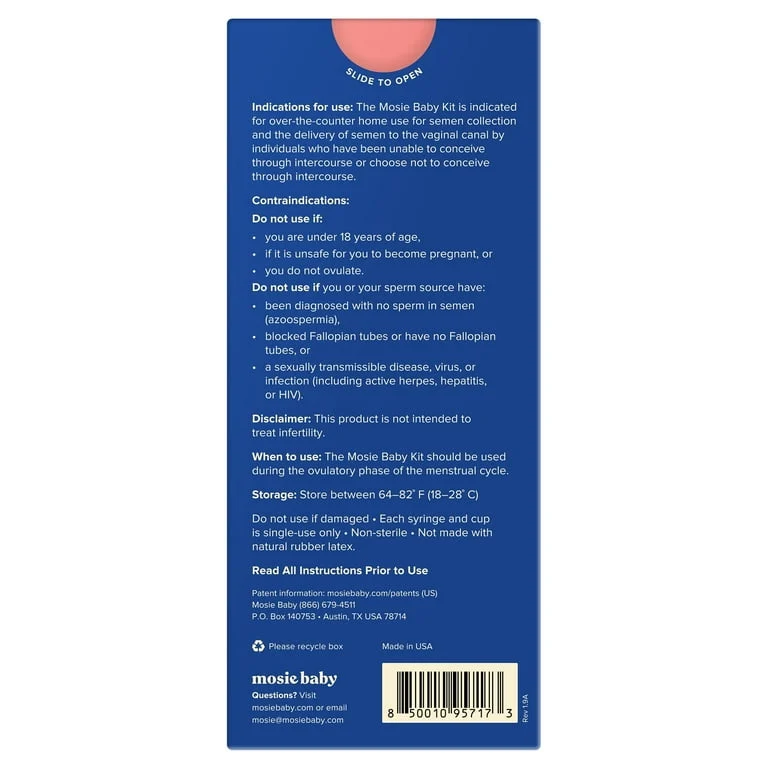
Once the necessary considerations have been made, couples can then purchase an insemination kit and follow the instructions carefully. It is important to note that home insemination does not guarantee pregnancy, and it may take multiple attempts before success is achieved.
Breaking the taboo surrounding home insemination for same-sex couples is crucial in creating a more inclusive and accepting society. By educating ourselves and others about this option, we can help remove the stigma and provide support for those who choose this path to parenthood.
In conclusion, home insemination is a valid and increasingly popular method of conception for same-sex couples. Its benefits of privacy, affordability, and control make it an appealing option for many. As society continues to progress towards acceptance and understanding of non-traditional families, it is essential to break the taboo surrounding home insemination and support all individuals in their journey to parenthood.