DIY Fertility Solutions: Taking Control of Your Reproductive Health
Fertility is a topic that is often surrounded by stigma and secrecy, leaving many individuals feeling isolated and helpless when it comes to their reproductive health. However, with the rise of do-it-yourself (DIY) culture and the accessibility of information online, more and more people are taking control of their fertility and exploring DIY fertility solutions.
In this blog post, we will discuss DIY fertility solutions and how they can empower individuals to take charge of their reproductive health. We will also explore the various methods and techniques that can be used for DIY fertility, as well as the precautions and considerations that should be taken into account.
Understanding Fertility and the Importance of Taking Control
Before we dive into DIY fertility solutions, it is important to have a basic understanding of fertility and its role in our lives. Fertility refers to a person’s ability to conceive and carry a pregnancy to full term. For many individuals, having control over their fertility is a crucial aspect of their lives, whether they are trying to avoid pregnancy or actively trying to conceive.
Taking control of one’s fertility can also have various benefits, including a better understanding of one’s body and reproductive health, as well as the ability to make informed decisions about family planning. Additionally, DIY fertility solutions can provide a sense of empowerment and autonomy, especially for those who have struggled with fertility and have felt out of control in the past.
DIY Fertility Methods and Techniques
There are various methods and techniques that individuals can explore when it comes to DIY fertility. These include tracking ovulation, using natural family planning methods, and using at-home fertility tests and treatments.
Tracking ovulation is a popular DIY fertility method, as it can help individuals identify their most fertile days and increase their chances of conception. This can be done by tracking changes in cervical mucus, taking basal body temperature, and using ovulation predictor kits.

DIY Fertility Solutions: Taking Control of Your Reproductive Health
Natural family planning methods, also known as fertility awareness methods, involve tracking changes in the body to identify fertile and non-fertile days. This can include tracking menstrual cycles, cervical mucus, and basal body temperature. While these methods can be effective, they require consistent tracking and may not be as reliable as other forms of birth control.
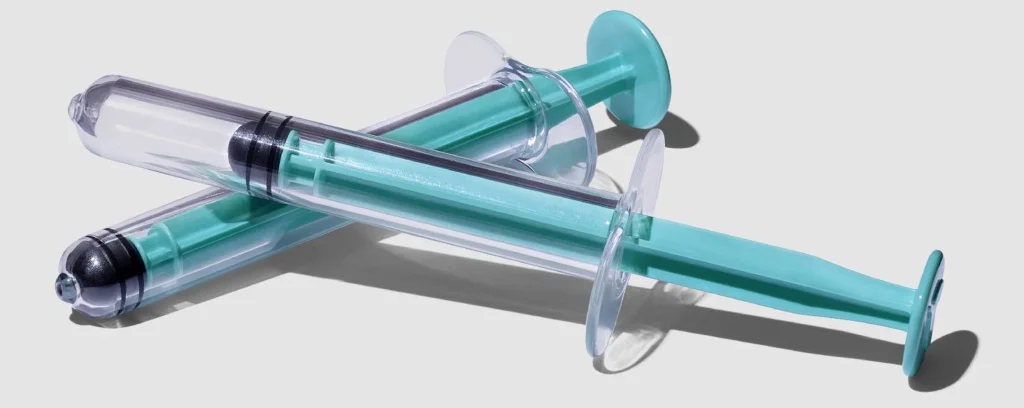
At-home fertility tests and treatments have also become increasingly popular in recent years. These include sperm count tests, hormone level tests, and even at-home insemination kits. While these DIY methods can provide valuable information and may be helpful for some individuals, it is important to consult a healthcare professional for accurate and personalized guidance.
Precautions and Considerations for DIY Fertility Solutions
While DIY fertility solutions can be empowering and effective, it is important to take precautions and consider potential risks. First and foremost, it is crucial to consult with a healthcare professional before embarking on any DIY fertility methods, especially if you have any underlying health conditions or concerns. They can provide personalized guidance and ensure that you are taking the necessary precautions for your specific situation.
It is also important to research and educate yourself on the methods and techniques you are considering. This can help you make informed decisions and avoid any potential risks or complications. Additionally, it is important to be patient and realistic with DIY fertility solutions, as they may not work for everyone and may take time to show results.
In some cases, individuals may also want to consider seeking professional assistance and guidance, such as working with a fertility specialist or attending support groups. These resources can provide valuable information and support, and may be especially helpful for those who are struggling with fertility issues.
In Summary
DIY fertility solutions can be a powerful tool for individuals who want to take control of their reproductive health. By understanding fertility and exploring various methods and techniques, individuals can make informed decisions and feel empowered in their fertility journey. However, it is important to take precautions and consider potential risks, and to consult with a healthcare professional for personalized guidance.
In the end, taking control of one’s fertility is a personal decision, and each individual should do what feels right for them. Whether it is tracking ovulation, using natural family planning methods, or seeking professional assistance, the most important thing is to make informed decisions and prioritize your reproductive health.