Blog Post:
Syringe Method for At-Home Insemination: What to Expect During and After the Process
For many couples who are trying to conceive, the process of insemination can be an overwhelming and expensive experience. However, with the advancement of technology and DIY methods, more and more couples are turning to the syringe method for at-home insemination. This method is not only affordable but also allows couples to have more control over the process. In this blog post, we will discuss what the syringe method for at-home insemination entails, what to expect during and after the process, and some important things to keep in mind before trying it out.
What is the Syringe Method for At-Home Insemination?
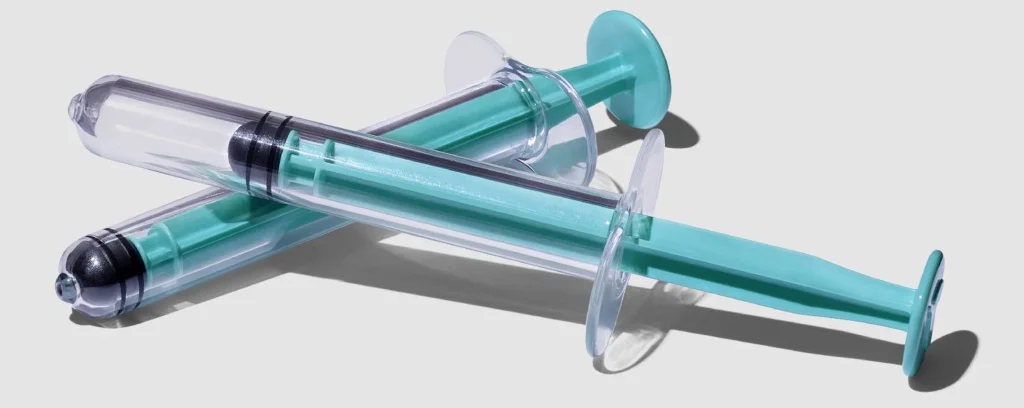
The syringe method for at-home insemination involves using a syringe to inject the sperm into the vagina near the cervix. This method is also known as the “turkey baster” method, as it resembles the process of using a turkey baster to baste a turkey. The basic premise is the same – to introduce the sperm closer to the cervix, increasing the chances of fertilization.
What to Expect During the Process
Before starting the insemination process, it is essential to make sure that both partners are in good health and have undergone fertility testing. This will help determine if there are any underlying issues that may affect the success of the insemination. It is also important to keep track of the woman’s ovulation cycle and perform the insemination during her most fertile days.
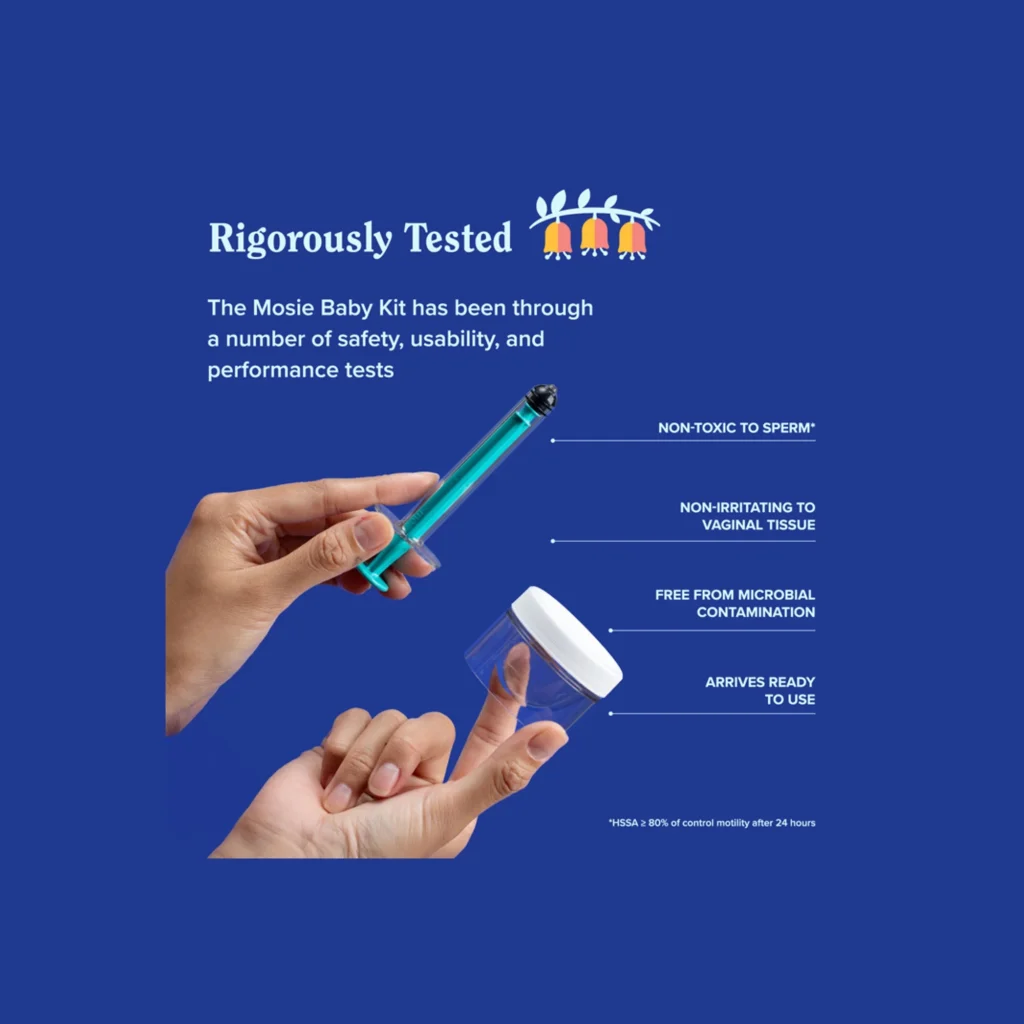
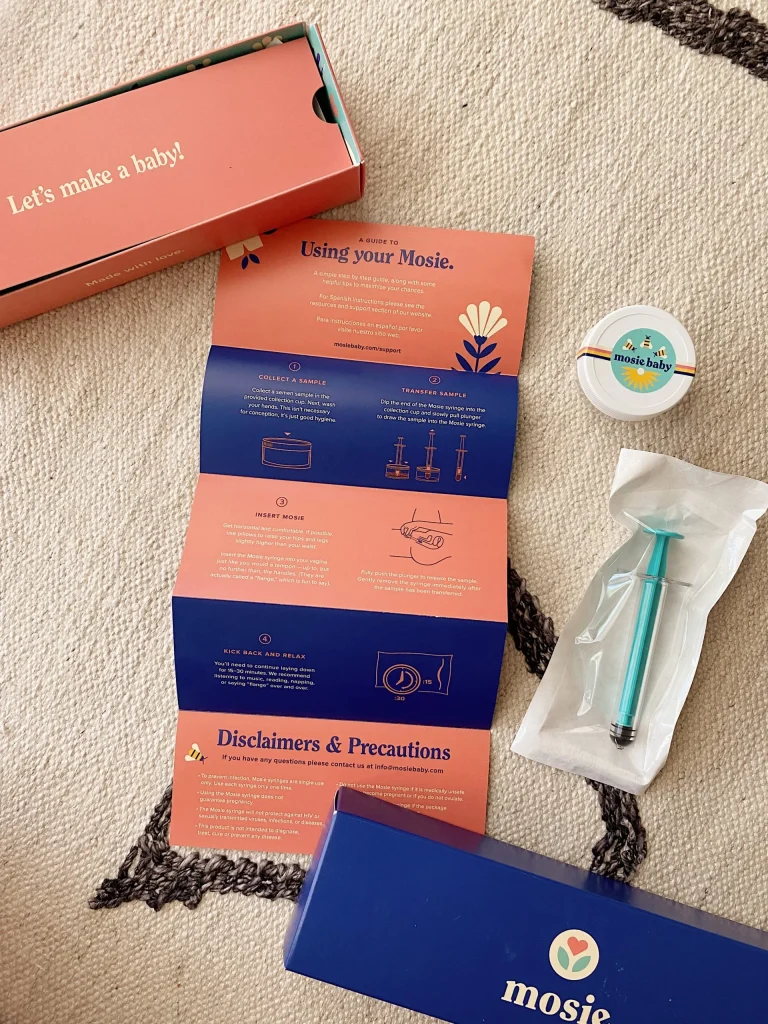
The process itself is relatively simple and can be done at home without any medical assistance. First, the sperm sample is collected and placed into a sterile container. Then, using a sterile syringe, the sperm is drawn into the syringe and inserted into the vagina near the cervix. The syringe should be placed about 2-3 inches inside the vagina and slowly emptied, allowing the sperm to reach the cervix. After the sperm has been deposited, the syringe can be removed, and the woman can remain lying down for 15-20 minutes to allow the sperm to swim towards the cervix.

Syringe Method for At-Home Insemination: What to Expect During and After the Process
What to Expect After the Process
After the insemination process, the woman may experience some mild cramping or discomfort. This is normal and should subside within a few hours. It is also recommended to avoid any strenuous activities or exercise for the rest of the day to increase the chances of the sperm reaching the cervix. It is essential to note that the success rate of at-home insemination is lower than clinical insemination, and it may take a few attempts before achieving a positive result.
Important Things to Keep in Mind
Before trying the syringe method for at-home insemination, there are a few things that couples should keep in mind. Firstly, it is crucial to have open communication with your partner and be on the same page about the process. It may also be helpful to involve a close friend or family member for emotional support and to assist with the process if needed. Additionally, it is important to use sterile equipment and follow proper hygiene practices to prevent any infections.
It is also essential to have realistic expectations and understand that at-home insemination may not work for everyone. It is always recommended to seek medical advice if you have been trying to conceive for a while without success. A doctor can provide further guidance and may suggest alternative methods or treatments.
In conclusion, the syringe method for at-home insemination is a viable option for couples trying to conceive. It is a simple and affordable process that can be done in the comfort of your own home. However, it is essential to have proper knowledge and understanding of the process, as well as realistic expectations. With open communication, proper preparation, and following safety precautions, the syringe method can be an effective way for couples to start their journey towards parenthood.
Summary:
The syringe method for at-home insemination is a simple and affordable process that involves using a sterile syringe to inject the sperm into the vagina near the cervix. It can be done at home without medical assistance but requires open communication, proper preparation, and following safety precautions. During the process, the woman may experience mild discomfort, and it is recommended to avoid strenuous activities afterward. It is important to have realistic expectations and seek medical advice if needed. With proper knowledge and understanding, the syringe method can be an effective way for couples to start their journey towards parenthood.