Tag: Cervical Health

  • The Relationship Between Cervical Mucus and Cervical Position in Different Stages of Life

    Cervical mucus and cervical position are two important factors in a woman’s reproductive health. Both play a crucial role in fertility and the menstrual cycle, but their relationship and characteristics can vary throughout different stages of life. In this blog post, we will explore the connection between cervical mucus and cervical position, and how they change as a woman moves through puberty, pregnancy, and menopause.

    Puberty:

    During puberty, a girl’s body goes through many changes as she transitions into womanhood. One of these changes is the development of the reproductive system, including the cervix. Before puberty, the cervix is small and round, but during this stage, it starts to elongate and become more oval-shaped. This change in shape allows the cervix to produce and release cervical mucus, which is essential for fertility.

    Cervical mucus during puberty is thick and sticky, acting as a barrier to prevent bacteria from entering the vagina. This type of mucus is also known as “infertile mucus” since it does not support sperm survival. However, as a girl approaches ovulation, the cervix starts to produce a different type of mucus, known as “fertile mucus.” This mucus is thin, watery, and slippery, making it easier for sperm to swim through and reach the egg.

    During this stage, the position of the cervix is also lower in the vagina, making it easier to feel and check for changes. It is important to note that every woman’s body is different, and the position of the cervix can vary. However, as a general rule, during puberty, the cervix is lower, softer, and more open.

    Pregnancy:

    Once a woman becomes pregnant, her body goes through significant changes to support the growing baby. The cervix is no exception, and it undergoes several changes to prepare for childbirth. During the first trimester of pregnancy, the cervix becomes softer, and the opening begins to close. This helps protect the growing baby and prevent any bacteria from entering the uterus.

    illustration comparing standard and Mosie syringe openings with text highlighting design benefits for home insemination

    The Relationship Between Cervical Mucus and Cervical Position in Different Stages of Life

    As the pregnancy progresses, the cervix continues to change. The position of the cervix moves higher in the vagina and becomes harder to reach. This change is due to the growth of the uterus and the baby inside. The cervix also produces a thick plug of mucus, known as the “mucus plug,” which acts as a barrier to protect the baby from any infections.

    In the final weeks of pregnancy, the cervix starts to dilate and efface in preparation for childbirth. This process is known as “ripening,” and it is essential for a smooth delivery. Cervical mucus during this stage is thin and watery, helping to lubricate the birth canal and make it easier for the baby to pass through.

    Menopause:

    Menopause marks the end of a woman’s reproductive years, and it is a natural process that occurs in every woman’s life. During this stage, the ovaries stop producing eggs, and the menstrual cycle comes to an end. As a result, the production of cervical mucus also stops, and the cervix becomes smaller and less elastic.

    The position of the cervix also changes during menopause. It becomes higher, similar to its position during pregnancy, and may be more difficult to reach. The cervix also becomes drier, making it harder to detect any changes in the mucus. This change is due to the decrease in estrogen levels, which affects the production of cervical mucus.

    Summary:

    Cervical mucus and cervical position are two essential factors in a woman’s reproductive health. During puberty, the cervix undergoes changes to produce fertile mucus, while during pregnancy, it prepares for childbirth by producing a mucus plug and dilating. Menopause marks the end of reproductive years, and the cervix becomes smaller and less elastic, with a change in mucus production and position. Understanding the relationship between cervical mucus and cervical position at different stages of life can help women track their fertility and overall reproductive health.

    In conclusion, cervical mucus and cervical position play a vital role in a woman’s reproductive health throughout her life. From puberty to pregnancy and menopause, these two factors undergo significant changes that are necessary for fertility and childbirth. It is essential for women to understand and track these changes to maintain their reproductive health and seek medical attention if needed.

  • The Interplay Between Cervical Mucus, Cervical Position, and Cervical Health

    The interplay between cervical mucus, cervical position, and cervical health is an important aspect of a woman’s reproductive health. These three factors work together to provide important clues about a woman’s fertility, menstrual cycle, and overall well-being. Understanding the interplay between them can help women track their cycles, identify potential issues, and take proactive steps towards maintaining optimal cervical health.

    Cervical mucus, also known as cervical fluid, is a natural substance produced by the cervix throughout a woman’s menstrual cycle. Its consistency, color, and amount can vary depending on hormonal fluctuations and other factors. Cervical mucus plays a crucial role in a woman’s reproductive health as it helps sperm travel through the reproductive tract to fertilize an egg. It also acts as a protective barrier against bacteria and other harmful substances, preventing infections and maintaining a healthy balance of bacteria in the vaginal area.

    The quality and quantity of cervical mucus can provide valuable insights into a woman’s fertility. During ovulation, estrogen levels rise, causing the cervical mucus to become thin, stretchy, and clear, resembling the consistency of egg whites. This type of mucus is known as fertile cervical mucus and is essential for sperm survival and mobility. Tracking changes in cervical mucus can help women identify their most fertile days and increase their chances of conceiving. On the other hand, if a woman has poor quality or minimal cervical mucus, it may indicate a hormonal imbalance or potential issues with ovulation.

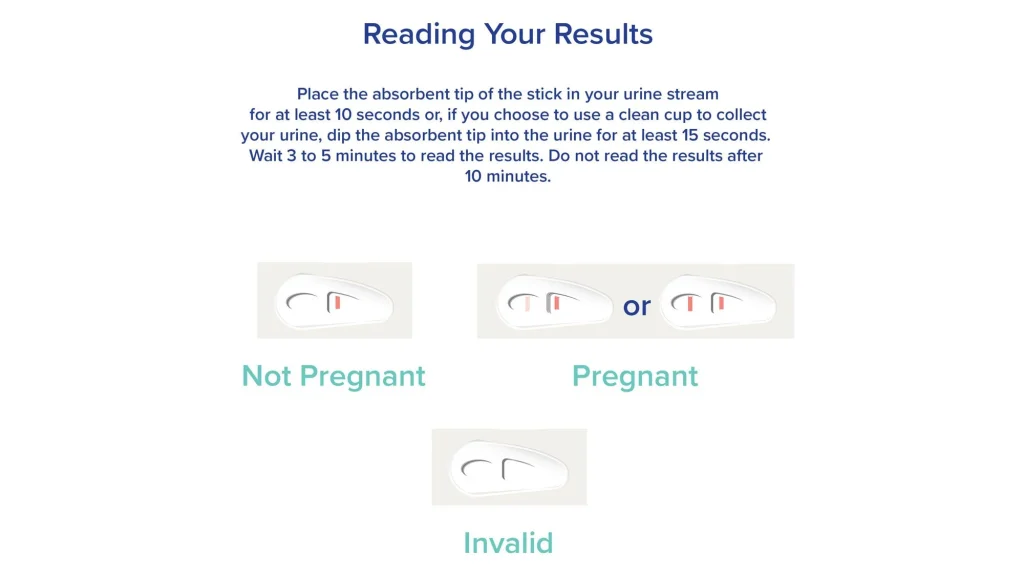
    Instructions for reading pregnancy test results with visual indicators for "Not Pregnant," "Pregnant," and "Invalid.

    The Interplay Between Cervical Mucus, Cervical Position, and Cervical Health

    Another crucial factor in cervical health is the position of the cervix. The cervix is the lower part of the uterus that connects to the vagina. During a woman’s menstrual cycle, the cervix goes through changes in position, texture, and firmness, which can provide important information about fertility and overall health. A woman’s cervix is typically low, firm, and closed during non-fertile times of the cycle, and high, soft, and open during ovulation. Tracking changes in cervical position can help women identify their most fertile days, and also provide insights into potential problems such as cervical infections or abnormalities.

    In addition to fertility, cervical position can also indicate potential issues with cervical health. For example, if the cervix is consistently low and firm throughout the cycle, it may indicate a hormonal imbalance or issues with the cervix itself, such as cervical stenosis, which is a narrowing of the cervix. Alternatively, a consistently high and soft cervix may be a sign of an infection or inflammation.

    Maintaining good cervical health is crucial for a woman’s overall well-being. In addition to tracking changes in cervical mucus and position, regular cervical screenings and Pap smears are important for detecting any abnormalities or potential issues. These screenings can detect cervical cancer, the third most common cancer in women worldwide, and other conditions such as cervical dysplasia, which is the abnormal growth of cells on the cervix. Early detection of these issues can lead to prompt treatment and a higher chance of successful outcomes.

    In conclusion, the interplay between cervical mucus, cervical position, and cervical health is a vital aspect of a woman’s reproductive health. Changes in cervical mucus and position can provide valuable information about fertility, potential issues, and overall well-being. By understanding and tracking these factors, women can take proactive steps towards maintaining optimal cervical health and seek timely medical care if any abnormalities are detected.

  • The Link Between Cervical Mucus and Cervical Position During Different Stages of Your Cycle

    Blog Post:

    Cervical mucus and cervical position are two important factors that can provide valuable insights into a woman’s fertility and menstrual cycle. These changes in the cervix are often overlooked, but they can be a powerful tool in understanding one’s reproductive health. In this blog post, we will explore the link between cervical mucus and cervical position during different stages of your cycle.

    Understanding Cervical Mucus:

    Cervical mucus is a fluid secreted by the cervix that plays a crucial role in fertility. It acts as a natural lubricant for the sperm, helping them reach the egg for fertilization. The consistency, color, and amount of cervical mucus vary throughout a woman’s menstrual cycle, and these changes indicate different stages of fertility.

    During the beginning of the menstrual cycle, after a woman’s period, the cervical mucus is usually dry or non-existent. This is the time when the body is preparing for ovulation. As the follicles in the ovaries start to mature, the estrogen levels rise in the body, leading to an increase in cervical mucus. This mucus is usually thick, sticky, and opaque, making it difficult for sperm to swim through.

    As ovulation approaches, the estrogen levels in the body continue to rise, and so does the amount of cervical mucus. The mucus becomes more watery and slippery, resembling the consistency of egg whites. This type of mucus is known as fertile cervical mucus as it helps the sperm travel through the cervix and into the fallopian tubes, where fertilization takes place.

    After ovulation, the cervical mucus becomes thick and sticky again, making it difficult for sperm to survive. This is due to the decrease in estrogen levels in the body and the rise of progesterone, which prepares the uterus for potential implantation of a fertilized egg.

    Cervical Position During Different Stages of the Cycle:

    Apart from changes in cervical mucus, the cervix itself goes through various changes during a woman’s menstrual cycle. The position, texture, and opening of the cervix can provide valuable information about a woman’s fertility.

    logo of mosie baby featuring a heart and leaf design in blue, pink, and green colors

    The Link Between Cervical Mucus and Cervical Position During Different Stages of Your Cycle

    During the follicular phase, which is the first half of the menstrual cycle, the cervix is usually low, closed, and firm. As ovulation approaches, the cervix starts to soften, and the position changes to high, soft, and open. This is to allow the sperm to enter the cervix and travel towards the egg.

    After ovulation, the cervix returns to its original position, becoming low, firm, and closed. This is due to the surge in progesterone, which causes the cervix to become closed and dry.

    The cervix also goes through changes in position and texture during pregnancy. After conception, the cervix becomes soft, high, and closed, creating a mucus plug to protect the growing embryo. This is known as the “cervical seal,” which prevents bacteria from entering the uterus and causing infections.

    How to Track Cervical Mucus and Cervical Position:

    Tracking cervical mucus and cervical position can help women understand their menstrual cycle better and increase their chances of conceiving. Here are some ways to track these changes:

    1. Observing Cervical Mucus: To track cervical mucus, you can use your fingers to check the consistency and stretchiness of the mucus. Alternatively, you can also use a tissue or toilet paper to observe the mucus after wiping. Tracking the changes in mucus can help you determine your fertile window and time intercourse accordingly.

    2. Checking Cervical Position: To check your cervical position, you can insert one or two fingers into your vagina and feel for the cervix. Note the position, texture, and opening of the cervix and track these changes throughout your cycle.

    3. Using Ovulation Predictor Kits: Ovulation predictor kits (OPKs) are another way to track your fertile window by measuring the levels of luteinizing hormone (LH) in your urine. LH levels surge just before ovulation, and this surge can be detected by an OPK.

    4. Using Fertility Apps: There are various fertility tracking apps available that can help you track your cervical mucus and cervical position. These apps use data input by the user to predict the fertile window and ovulation.

    In summary, cervical mucus and cervical position are closely linked to a woman’s menstrual cycle and fertility. Tracking these changes can help women understand their bodies better and increase their chances of conception. By paying attention to cervical mucus and cervical position, women can take charge of their reproductive health and make informed decisions about contraception and family planning.

  • Unlocking the Mysteries of Cervical Mucus and Cervical Position

    Cervical mucus and cervical position are two important factors in a woman’s fertility and overall reproductive health. They are often overlooked or misunderstood, but can provide valuable insights into a woman’s menstrual cycle and ovulation. In this blog post, we will explore the mysteries of cervical mucus and cervical position, and how understanding them can help you better understand your body and improve your chances of conception.

    What is Cervical Mucus?
    Cervical mucus is a fluid produced by the cervix, the narrow passage at the lower end of the uterus. It plays a vital role in the reproductive process, as it helps sperm travel through the cervix and into the uterus to fertilize an egg. Cervical mucus also provides a protective environment for sperm, helping them survive longer and increasing the chances of conception.

    The amount and consistency of cervical mucus changes throughout a woman’s menstrual cycle. After menstruation, when estrogen levels are low, cervical mucus is usually dry or non-existent. As estrogen levels rise, the mucus becomes thicker and more abundant. This is known as “sticky” or “creamy” cervical mucus, and it helps to prevent bacteria from entering the vagina.

    As ovulation approaches, estrogen levels peak and cervical mucus becomes thinner, clearer, and more slippery. This type of mucus, known as “egg white” cervical mucus, is the most fertile type and can be stretched between the fingers without breaking. It provides an ideal environment for sperm to swim through and reach the egg.

    After ovulation, cervical mucus becomes thicker and less abundant again, as progesterone levels rise. This type of mucus is hostile to sperm and helps to prevent any further fertilization from occurring. If the egg is not fertilized, cervical mucus will dry up and return to a non-fertile state until the next cycle begins.

    What is Cervical Position?
    Cervical position refers to the location and texture of the cervix within the vagina. During a woman’s menstrual cycle, the cervix moves and changes position, depending on hormonal fluctuations. Tracking these changes can provide valuable information about a woman’s fertility and ovulation.

    At the beginning of the menstrual cycle, the cervix is usually low, firm, and closed. As ovulation approaches, the cervix becomes softer and rises higher in the vagina. It also opens slightly to allow sperm to enter. After ovulation, the cervix returns to its original position and becomes firm and closed again.

    How to Track Cervical Mucus and Cervical Position
    Tracking cervical mucus and cervical position can be done through a few simple methods.

    Mosie Baby Kit with a syringe and container, highlighting safety and usability features on a blue background.

    Unlocking the Mysteries of Cervical Mucus and Cervical Position

    Cervical Mucus Observation:
    The most common method is to observe and record the changes in cervical mucus throughout the menstrual cycle. This can be done by checking the toilet paper after wiping, or by inserting a clean finger into the vagina and checking the consistency and color of the mucus.

    Cervical Position Examination:
    To track cervical position, a woman can insert a clean finger into the vagina and feel for the cervix. It may feel like a small, round bump with a slightly firmer texture than the surrounding tissue. By tracking the position and texture of the cervix, a woman can determine where she is in her cycle and whether ovulation is approaching.

    Ovulation Predictor Kits:
    Another option is to use ovulation predictor kits (OPKs), which detect the surge in luteinizing hormone (LH) that occurs just before ovulation. These kits can be helpful in predicting when ovulation will occur, and can be used in conjunction with tracking cervical mucus and cervical position.

    Why Tracking Cervical Mucus and Cervical Position is Important
    Understanding your cervical mucus and cervical position can provide valuable insights into your fertility and menstrual cycle. By tracking these changes, you can determine when you are most fertile and plan intercourse accordingly. This can be especially helpful for women trying to conceive, as it can increase the chances of fertilization.

    Tracking cervical mucus and cervical position can also help to identify any irregularities or abnormalities in your menstrual cycle. Changes in mucus consistency or cervical position can be indicators of hormonal imbalances, infections, or other issues that may need medical attention.

    In addition, tracking cervical mucus and cervical position can also be used as a natural method of birth control. By avoiding intercourse during the fertile phase of the menstrual cycle, a woman can prevent pregnancy without the use of hormonal birth control methods.

    In conclusion, cervical mucus and cervical position are two important aspects of a woman’s reproductive health that should not be overlooked. By tracking these changes, women can gain a better understanding of their menstrual cycle, fertility, and overall reproductive health. Whether trying to conceive or simply wanting to better understand your body, unlocking the mysteries of cervical mucus and cervical position can be a valuable tool in achieving optimal reproductive health.

    SEO metadata:

  • How Cervical Mucus Can Help You Identify and Address Health Issues

    Cervical mucus is a fluid secreted by the cervix, the lower part of the uterus, and plays a crucial role in reproductive health. While most people may only be familiar with cervical mucus as a sign of fertility, it can also serve as an indicator of overall health. By understanding the changes in cervical mucus throughout the menstrual cycle, individuals can identify and address potential health issues.

    The Importance of Cervical Mucus
    Cervical mucus is essential for fertility as it creates a hospitable environment for sperm to survive and travel to the egg. It also helps to filter out any unhealthy or damaged sperm. Without adequate cervical mucus, it can be challenging to conceive. But besides its role in fertility, cervical mucus also protects the reproductive tract from infections and maintains its pH balance.

    The Characteristics of Cervical Mucus
    Cervical mucus changes in consistency, color, and volume throughout the menstrual cycle due to fluctuations in hormones. After menstruation, the cervix produces little to no mucus, making it difficult for sperm to survive. As ovulation approaches, estrogen levels rise, causing the cervix to secrete a clear, slippery, and stretchy mucus that resembles raw egg whites. This type of mucus is fertile and helps sperm reach the egg easily. After ovulation, the mucus becomes thicker and less abundant, acting as a barrier to prevent any unwanted bacteria or sperm from entering the uterus.

    Identifying Health Issues through Cervical Mucus
    Abnormalities in cervical mucus can be signs of underlying health issues. Here are some potential health issues that can be identified through changes in cervical mucus:

    1. Hormonal Imbalance: Hormonal imbalances, such as low estrogen levels, can cause a lack of fertile cervical mucus. This can make it difficult to conceive and may be a sign of polycystic ovary syndrome (PCOS) or thyroid disorders.

    2. Infections: Changes in the color, consistency, or smell of cervical mucus can be indicators of infections. A yellow or greenish mucus can be a sign of a bacterial infection, while a cottage cheese-like discharge can be a symptom of a yeast infection.

    3. Cervical Incompetence: Cervical incompetence is when the cervix is weak and unable to support a pregnancy. This can be caused by damage to the cervix from previous surgeries or infections. Changes in cervical mucus, such as increased watery discharge or a sudden increase in volume, can be potential signs of cervical incompetence.

    4. Cervical Cancer: In rare cases, abnormal cervical mucus can be a sign of cervical cancer. If you notice any unusual changes in your cervical mucus, it is essential to consult your doctor for further evaluation.

    Baby wearing a blue shirt with "made with Love" text, surrounded by colorful floral and butterfly designs.

    How Cervical Mucus Can Help You Identify and Address Health Issues

    How to Address Health Issues
    If you suspect that your cervical mucus may be indicating a potential health issue, it is crucial to seek medical advice. Your doctor can perform tests to diagnose any underlying conditions and provide appropriate treatment. Additionally, maintaining good reproductive health habits, such as practicing safe sex and keeping the vaginal area clean, can help prevent infections and maintain a healthy balance of cervical mucus.

    Tips for Monitoring Cervical Mucus
    Monitoring your cervical mucus can help you understand your menstrual cycle and identify potential health issues. Here are some tips for tracking your cervical mucus:

    1. Observe and record changes in your cervical mucus throughout your menstrual cycle. You can use a fertility tracking app or keep a journal to track changes.

    2. Pay attention to the color, consistency, and volume of your cervical mucus. Fertile mucus is typically clear, stretchy, and abundant.

    3. Check your cervical mucus daily, preferably at the same time, to get a more accurate picture of your cycle.

    4. Wash your hands before checking your cervical mucus to avoid introducing any bacteria into the vagina.

    5. Be aware that factors such as stress, medications, and hormonal birth control can affect cervical mucus production and characteristics.

    In conclusion, cervical mucus is not just a sign of fertility but can also serve as an indicator of overall reproductive health. By monitoring changes in cervical mucus throughout the menstrual cycle, individuals can identify and address potential health issues. If you notice any abnormal changes in your cervical mucus, it is essential to consult your doctor for further evaluation and treatment.

    Summary: Cervical mucus is a fluid secreted by the cervix and plays a crucial role in fertility and reproductive health. Changes in cervical mucus can indicate potential health issues such as hormonal imbalances, infections, cervical incompetence, and even cervical cancer. Monitoring cervical mucus can help individuals understand their menstrual cycle and identify these health concerns. Seeking medical advice and maintaining good reproductive health habits can help address these issues.

  • How Your Cervical Mucus Can Help You Take Control of Your Health

    Summary:

    Cervical mucus, also known as cervical fluid, is a natural bodily fluid that plays a crucial role in reproductive health. While many may view it as an inconvenience or simply ignore it altogether, paying attention to your cervical mucus can actually help you take control of your health in various ways. In this blog post, we will discuss the importance of cervical mucus, how to track and interpret it, and how it can help you identify potential health issues and take preventative measures.

    First and foremost, it is important to understand what cervical mucus is and why it is important. Cervical mucus is produced by the cells of the cervix and helps to keep the vagina clean and healthy. It also plays a crucial role in fertility by helping sperm reach and fertilize an egg. The consistency and amount of cervical mucus can vary throughout the menstrual cycle and can be an indicator of hormonal changes.

    Tracking your cervical mucus can help you identify your most fertile days and increase your chances of conceiving. By paying attention to changes in the consistency and color of your cervical mucus, you can determine when you are most likely to ovulate. This can be especially helpful for those trying to conceive or those using natural family planning methods to avoid pregnancy.

    at-home insemination kit by Mosie Baby, featuring syringes and containers for comfort and convenience.

    How Your Cervical Mucus Can Help You Take Control of Your Health

    In addition to fertility tracking, cervical mucus can also provide valuable insights into your overall health. Changes in the amount, color, and consistency of your cervical mucus can indicate hormonal imbalances, infections, or other health issues. For example, a change in the amount of cervical mucus or a change in its color can be a sign of a vaginal infection. Similarly, if your cervical mucus is consistently dry or sticky, it could be a sign of hormonal imbalances such as low estrogen levels.

    By regularly tracking your cervical mucus and noting any changes, you can bring attention to potential health concerns and take preventative measures. This can include seeking medical advice, adjusting your diet and lifestyle, or using natural remedies to address the issue.

    To track your cervical mucus, you can use methods such as checking for changes in toilet paper after wiping, using a clean finger to check for changes at the opening of the vagina, or using special tools such as ovulation predictor kits. It is important to track your cervical mucus throughout your entire menstrual cycle, as it can vary in consistency and color at different points.

    Interpreting your cervical mucus can be a bit tricky at first, but with practice and attention, you can learn to identify the different types and what they may mean. Generally, cervical mucus can be classified into four types: dry, sticky, creamy, and egg white. Dry and sticky mucus is usually associated with the beginning and end of the menstrual cycle, while creamy and egg white mucus is present during the fertile window.

    In conclusion, paying attention to your cervical mucus can provide valuable insights into your reproductive and overall health. By tracking and interpreting changes in your cervical mucus, you can identify potential issues and take control of your health. Whether you are trying to conceive, practicing natural family planning, or simply want to be in tune with your body, cervical mucus can be a powerful tool in taking control of your health.

  • The Role of Cervical Mucus in Protecting Against Infection

    The Role of Cervical Mucus in Protecting Against Infection

    Cervical mucus, also known as cervical fluid, is a natural secretion produced by the cervix in women of reproductive age. While it may seem like just another bodily fluid, cervical mucus plays a crucial role in protecting against infection. In this blog post, we will explore the importance of cervical mucus in our body’s defense against infection and how it helps maintain our overall health.

    Cervical mucus is a clear or white fluid that is secreted by the cervix throughout a woman’s menstrual cycle. Its consistency and quantity may vary depending on the stage of the cycle and hormone levels. During ovulation, the mucus becomes more slippery and stretchy, resembling egg whites, to aid in sperm movement and fertility. But even outside of this reproductive function, cervical mucus has a vital role in protecting our bodies from infections.

    One of the primary functions of cervical mucus is to act as a physical barrier and prevent bacteria, viruses, and other harmful microorganisms from entering the uterus and reproductive organs. The cervix, the lower part of the uterus, is the gateway to these organs, and cervical mucus acts as a gatekeeper, only allowing certain substances to pass through. It creates a thick plug that blocks the entry of foreign particles, including sperm, bacteria, and viruses. This barrier is especially crucial during pregnancy, as the cervix remains closed to protect the developing fetus from infections.

    Another important role of cervical mucus is to provide a hospitable environment for sperm. During ovulation, the mucus becomes thinner and more alkaline, creating a favorable environment for sperm to survive and travel through the reproductive tract. This helps to increase the chances of fertilization and pregnancy. However, outside of ovulation, the mucus maintains its thick consistency, making it difficult for sperm to reach the egg. This natural mechanism not only helps regulate fertility but also prevents harmful bacteria or viruses from being carried into the uterus by sperm.

    at-home insemination kit by Mosie Baby, featuring syringes, collection cups, and instructions on a pink background.

    The Role of Cervical Mucus in Protecting Against Infection

    Moreover, cervical mucus contains antibodies and immune cells that actively fight against infections. These antibodies act as the first line of defense against pathogens, preventing them from reaching the reproductive organs. The immune cells in the mucus also help to eliminate any foreign particles that may enter the cervix. This makes cervical mucus an essential component of our body’s immune system and plays a crucial role in keeping us healthy.

    Additionally, cervical mucus also helps to maintain the balance of good and bad bacteria in the vaginal microbiome. The vagina is home to a diverse community of bacteria, and a healthy balance is necessary to prevent infections. Cervical mucus contains lactobacilli, a beneficial bacteria that helps to maintain the acidic pH of the vagina, making it a hostile environment for harmful bacteria. The mucus also contains glycogen, a sugar that feeds the good bacteria and helps them thrive. This balance of bacteria is essential in preventing infections such as bacterial vaginosis and yeast infections.

    Cervical mucus also changes in response to hormonal fluctuations and other factors in the body, providing valuable information about our reproductive health. Changes in the mucus may indicate hormonal imbalances, infections, or other underlying health issues. For example, a change in the consistency or amount of mucus can signal an infection, while a lack of mucus can indicate a hormonal issue. By paying attention to these changes, we can catch potential health problems early and seek appropriate treatment.

    In summary, cervical mucus plays a crucial role in protecting against infection in several ways. It acts as a physical barrier, provides a hospitable environment for sperm, contains antibodies and immune cells, helps maintain a healthy vaginal microbiome, and provides valuable information about our reproductive health. By understanding the importance of cervical mucus, we can take better care of our bodies and stay healthy.

    In conclusion, cervical mucus is not just a bodily fluid, but a vital component of our body’s defense against infection. It is essential to maintain a healthy balance of cervical mucus and pay attention to any changes that may indicate underlying health issues. By taking care of our cervical mucus, we can protect ourselves and maintain our overall well-being.

  • The Role of Cervical Mucus in Reproductive Health

    Cervical mucus is a key player in reproductive health that often goes unnoticed and underappreciated. This thick, fluid substance produced by the cervix plays a vital role in the fertility and overall reproductive health of women. In this blog post, we will explore the importance of cervical mucus, its functions, and how it can be used to track fertility and monitor cervical health.

    First, let’s understand what cervical mucus is and where it comes from. The cervix is the narrow passage between the vagina and the uterus, and it produces mucus as a response to hormonal changes in a woman’s body. The mucus is produced by the cells lining the cervix and is affected by estrogen levels, which fluctuate throughout the menstrual cycle.

    Now, let’s dive into the role of cervical mucus in reproductive health. Cervical mucus serves several crucial functions in the female reproductive system. Firstly, it acts as a protective barrier, keeping harmful bacteria and other foreign substances from entering the uterus. This is especially important during ovulation when the cervix is slightly open, making it more vulnerable to infections.

    Secondly, cervical mucus plays a significant role in fertility by creating a hospitable environment for sperm. During ovulation, the mucus becomes thinner and more stretchy, creating a “sperm-friendly” environment. This allows sperm to swim through the cervix and into the uterus, increasing the chances of fertilization.

    Additionally, cervical mucus can also help sperm survive longer. Normally, sperm can only survive for up to five days in the reproductive tract. However, fertile cervical mucus can extend their lifespan by providing nourishment and protection. This is especially helpful for couples trying to conceive, as it gives sperm more time to reach the egg.

    Moreover, cervical mucus can also act as a guide for sperm. The consistency and texture of the mucus can indicate the most fertile days of a woman’s cycle. As mentioned earlier, the mucus becomes thinner and more stretchy during ovulation, creating an ideal environment for sperm. This makes it easier for sperm to reach the egg, increasing the chances of conception.

    two teal and clear syringes positioned on a white background

    The Role of Cervical Mucus in Reproductive Health

    Apart from its role in fertility, cervical mucus also plays a crucial role in monitoring cervical health. Changes in the consistency, color, and smell of cervical mucus can indicate underlying issues such as infections, hormonal imbalances, or even cervical cancer. Regularly checking and tracking cervical mucus can help women identify any potential problems and seek timely medical intervention.

    Now that we understand the importance of cervical mucus let’s explore how it can be used to track fertility and monitor cervical health. Fertility tracking using cervical mucus is a natural and non-invasive method of family planning. By tracking changes in the consistency and texture of cervical mucus, women can identify their most fertile days and plan or avoid pregnancy accordingly.

    There are several methods of fertility tracking using cervical mucus, including the Billings Ovulation Method, the Creighton Model, and the Two-Day Method. These methods involve observing and recording changes in cervical mucus and using this information to determine the most fertile and infertile days of a woman’s cycle. They can be used to achieve or avoid pregnancy, depending on the individual’s goals.

    Additionally, tracking cervical mucus can also help women monitor their cervical health. Any changes in the color, consistency, or smell of cervical mucus can indicate an underlying issue that needs medical attention. By monitoring cervical mucus regularly, women can detect potential problems early on and seek timely treatment.

    In conclusion, cervical mucus plays a crucial role in reproductive health. It acts as a protective barrier, aids in fertility, and can also help monitor cervical health. By understanding the changes in cervical mucus throughout the menstrual cycle, women can track their fertility and monitor their reproductive health. If you are trying to conceive or simply want to keep track of your reproductive health, consider incorporating cervical mucus tracking into your routine.

    Summary:

    Cervical mucus is a thick, fluid substance produced by the cervix that plays a vital role in reproductive health. It acts as a protective barrier, aids in fertility, and can also help monitor cervical health. Changes in the consistency, texture, and color of cervical mucus can indicate underlying issues and can be used to track fertility and monitor reproductive health. By understanding the changes in cervical mucus throughout the menstrual cycle, women can take control of their fertility and reproductive health.

  • The Connection Between Cervical Mucus and Menstrual Cycle: Implications for Cervical Cancer Risk

    Cervical cancer is the fourth most common type of cancer in women worldwide, with an estimated 570,000 new cases diagnosed each year. It is also the fourth leading cause of cancer-related deaths in women. This type of cancer occurs in the cells of the cervix, the lower part of the uterus that connects to the vagina. It is most commonly caused by the human papillomavirus (HPV), a sexually transmitted infection. However, there is a strong connection between cervical mucus and the menstrual cycle that can also affect a woman’s risk of developing cervical cancer.

    The menstrual cycle is the monthly hormonal cycle that prepares a woman’s body for pregnancy. It involves the shedding of the uterine lining, known as menstruation, and the maturation and release of an egg from the ovaries. Throughout this cycle, the cervix produces mucus, which plays a crucial role in fertility and reproductive health. This mucus is produced by the cells of the cervix and changes in consistency, color, and amount throughout the menstrual cycle. Understanding the connection between cervical mucus and the menstrual cycle is essential in understanding the implications for cervical cancer risk.

    Cervical mucus is a clear or white fluid that is secreted by the cervix. It serves as a protective barrier against bacteria and other harmful substances, and it also helps sperm reach the egg for fertilization. The consistency of cervical mucus changes throughout the menstrual cycle due to fluctuations in hormones, particularly estrogen and progesterone. These hormonal changes affect the thickness, acidity, and amount of mucus produced.

    During the first part of the menstrual cycle, known as the follicular phase, estrogen levels increase, leading to the production of thin and stretchy cervical mucus. This type of mucus, known as fertile mucus, helps sperm travel through the cervix and into the uterus. It also provides a nutrient-rich environment that helps sperm survive and reach the egg. As estrogen levels continue to rise, the mucus becomes increasingly thin and watery, providing the ideal environment for sperm to survive for several days.

    As ovulation approaches, estrogen levels peak, and fertile mucus becomes even more abundant and stretchy. This is known as the peak fertile phase, and it is the most fertile time of the menstrual cycle. After ovulation, progesterone levels increase, causing the mucus to become thick and sticky, making it harder for sperm to travel through. This is known as the luteal phase, and it is the least fertile time of the menstrual cycle.

    various medical supplies and containers organized in a clear plastic box on a wooden surface

    The Connection Between Cervical Mucus and Menstrual Cycle: Implications for Cervical Cancer Risk

    The changes in cervical mucus throughout the menstrual cycle are vital for fertility and reproductive health. However, they can also have implications for cervical cancer risk. The presence of fertile mucus can make it easier for HPV to enter the cervix and cause infection. Additionally, the acidic nature of the fertile mucus can help HPV survive and thrive in the cervix, increasing the risk of cervical cancer.

    Furthermore, the changes in cervical mucus can affect the accuracy of cervical cancer screening tests. The most common screening test for cervical cancer is the Pap test, which involves collecting cells from the cervix and examining them for abnormal changes. However, during the fertile phase of the menstrual cycle, the presence of fertile mucus can make it challenging to collect an accurate sample, leading to false-negative results.

    The connection between cervical mucus and the menstrual cycle also has implications for women who have been diagnosed with cervical cancer. Treatment options, such as surgery or radiation therapy, can damage the cells of the cervix, leading to changes in cervical mucus production. This can affect a woman’s fertility and reproductive health, making it harder for her to conceive or carry a pregnancy to term.

    In conclusion, there is a strong connection between cervical mucus and the menstrual cycle, and it has significant implications for cervical cancer risk. Women should be aware of the changes in their cervical mucus throughout their menstrual cycle and how it can affect their overall reproductive health. It is also essential to get regular cervical cancer screenings, regardless of where you are in your monthly cycle. By understanding this connection and taking proactive steps towards cervical health, women can reduce their risk of developing cervical cancer.

    In summary, cervical mucus plays a crucial role in fertility and reproductive health, and changes in consistency and amount throughout the menstrual cycle can affect a woman’s risk of developing cervical cancer. The presence of fertile mucus can make it easier for HPV to cause infection, and it can also affect the accuracy of cervical cancer screening tests. Women should be aware of these implications and take proactive steps towards cervical health. Regular screenings and understanding the changes in cervical mucus throughout the menstrual cycle are crucial in reducing the risk of cervical cancer.

  • Essential Tips for Understanding Your Cervical Mucus and Its Role in Cervical Cancer Prevention

    Cervical mucus is a substance produced by the cervix, the lower part of the uterus, in women of reproductive age. It plays a crucial role in female fertility and overall reproductive health. However, many women are unaware of the importance of cervical mucus and how it can also serve as a key indicator of cervical cancer risk. In this blog post, we will discuss essential tips for understanding your cervical mucus and its role in cervical cancer prevention.

    Tip #1: Know Your Cervical Mucus
    Cervical mucus can vary in consistency, color, and amount throughout a woman’s menstrual cycle. It is typically thin and watery during ovulation, which is the most fertile time of the cycle. As the cycle progresses, the mucus becomes thicker and stickier, making it more difficult for sperm to reach the egg. Knowing the changes in your cervical mucus can help you determine your most fertile days and plan for pregnancy. It is essential to track these changes and observe any irregularities in your mucus.

    Tip #2: Understand the Connection Between Cervical Mucus and Cervical Cancer
    Cervical cancer is the fourth most common cancer in women worldwide, and it is caused by the human papillomavirus (HPV). The cervix is the only part of the body where the virus can cause cancer, making it crucial to understand its role in cervical cancer development. Cervical mucus acts as a barrier, protecting the cervix from harmful bacteria and viruses, including HPV. However, when cervical mucus is not functioning correctly, the risk of HPV infection and cervical cancer increases.

    Tip #3: Pay Attention to Changes in Your Cervical Mucus
    Abnormalities in cervical mucus can be an indicator of cervical health issues, including cervical cancer. If you notice changes in the color, consistency, or amount of your cervical mucus, it is essential to consult your doctor. Discharge that is thick, foul-smelling, or accompanied by itching or burning could be a sign of an infection or other cervical problems. It is crucial to seek medical attention if you experience any of these symptoms.

    Tip #4: Practice Good Hygiene
    Maintaining good hygiene is crucial for overall reproductive health and can also help prevent cervical cancer. The vagina is a self-cleaning organ, and using harsh soaps or douching can disrupt the natural balance of bacteria and affect cervical mucus production. It is recommended to wash the genital area with warm water and mild soap and avoid using scented products. Good hygiene practices can help maintain a healthy balance of bacteria and prevent infections that can affect cervical health.

    Mosie Baby pregnancy test kit with two tests and packaging, featuring a mint green color scheme.

    Essential Tips for Understanding Your Cervical Mucus and Its Role in Cervical Cancer Prevention

    Tip #5: Get Regular Pap Tests
    Pap tests, also known as Pap smears, are a crucial screening tool for cervical cancer. The test involves collecting cells from the cervix and examining them for abnormalities. It can detect precancerous cells and early-stage cervical cancer, making it an essential part of cervical cancer prevention. The American Cancer Society recommends that women aged 21 to 29 should get a Pap test every three years, while women aged 30 to 65 should get a Pap test and HPV test every five years.

    Tip #6: Get Vaccinated Against HPV
    The HPV vaccine is a safe and effective way to protect against the most common types of HPV that can cause cervical cancer. It is recommended for both males and females aged 11 to 26, although it can be given up to age 45. The vaccine can prevent up to 90% of cervical cancers, making it a crucial step in cervical cancer prevention. Talk to your doctor about the HPV vaccine and whether it is right for you.

    Tip #7: Practice Safe Sex
    Practicing safe sex is not only essential for preventing unwanted pregnancies and sexually transmitted infections, but it can also help prevent HPV infection and cervical cancer. HPV is primarily transmitted through sexual contact, so using condoms can reduce the risk of infection. It is also essential to have open and honest communication with your partner about sexual history and any potential risks.

    In conclusion, understanding your cervical mucus is essential for both reproductive health and cervical cancer prevention. By knowing how to track changes in your mucus, practicing good hygiene, getting regular Pap tests, and taking preventative measures such as getting vaccinated against HPV and practicing safe sex, you can reduce your risk of cervical cancer. Remember to consult your doctor if you notice any abnormal changes in your cervical mucus, as early detection and treatment are crucial in preventing cervical cancer.

    SEO metadata: