Tag: Cervical Position

  • The Impact of Age on Cervical Mucus and Cervical Position

    Blog Post Title: The Impact of Age on Cervical Mucus and Cervical Position

    Cervical mucus and cervical position are two important factors that can greatly affect a woman’s fertility and overall reproductive health. These two indicators are closely monitored by women who are trying to conceive or are practicing natural family planning methods. However, what many may not realize is that age can have a significant impact on both cervical mucus and cervical position. In this blog post, we will delve deeper into the changes that occur in these two factors as women age, and how it can affect their fertility and reproductive health.

    Cervical Mucus and Its Role in Fertility

    Cervical mucus is a fluid secreted by the cervix that plays a crucial role in fertility. It serves as a protective barrier for sperm, providing them with the best environment to survive and swim towards the egg for fertilization. The quality and quantity of cervical mucus can vary throughout a woman’s menstrual cycle, and these changes are influenced by hormones.

    In a normal and healthy menstrual cycle, cervical mucus typically changes from dry or sticky to creamy, watery, and finally, to a raw egg white-like consistency, also known as fertile cervical mucus. This fertile mucus is the most favorable for sperm survival and motility, making it the prime time for conception. After ovulation, cervical mucus typically becomes thicker and less hospitable to sperm, acting as a natural barrier to prevent any more sperm from entering the cervix.

    The Impact of Age on Cervical Mucus

    As women age, their bodies go through hormonal changes that can affect the quality and quantity of cervical mucus. One of the most significant changes occurs during perimenopause, which is the transition period before menopause. During this time, estrogen levels fluctuate, and the production of cervical mucus may decrease, making it more difficult for sperm to survive and reach the egg.

    Another factor that can affect cervical mucus as women age is the use of hormonal contraceptives. Birth control pills, patches, and hormonal IUDs work by suppressing ovulation and changing the quality of cervical mucus, making it less hospitable for sperm. This effect can last for a few months after discontinuing hormonal birth control, which can significantly impact a woman’s ability to conceive, especially as she gets older.

    Furthermore, age-related changes in cervical mucus can also be due to certain medical conditions such as polyps, fibroids, infections, and hormonal imbalances. These factors can affect the production and quality of cervical mucus, making it more difficult for sperm to reach the egg and increasing the risk of infertility.

    Cervical Position and Its Role in Fertility
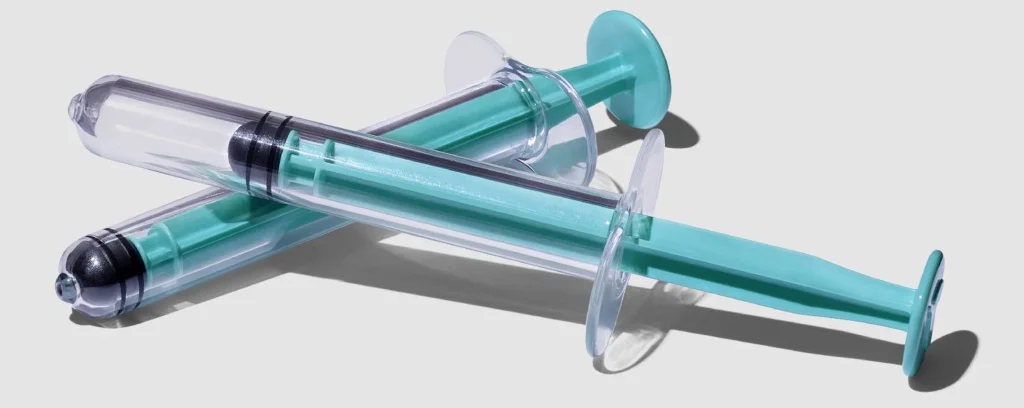
    Two transparent syringes with teal accents positioned diagonally on a light gray background.

    The Impact of Age on Cervical Mucus and Cervical Position

    Aside from cervical mucus, cervical position is another crucial factor that can affect a woman’s fertility. The cervix is the lower part of the uterus that connects to the vagina, and its position changes throughout a woman’s menstrual cycle. During ovulation, the cervix rises, becomes softer, and opens slightly to allow sperm to enter. After ovulation, the cervix returns to its lower, firmer, and closed position, acting as a barrier to prevent sperm from entering.

    The Impact of Age on Cervical Position

    As women age, the position of the cervix also changes. As estrogen levels decrease, the cervix may become firmer and lower, making it more challenging for sperm to reach the egg. This can also be influenced by hormonal birth control use, which can cause the cervix to remain in a lower and firmer position for an extended period.

    Additionally, age-related changes in the cervix can also be due to medical conditions such as cervical stenosis, which is the narrowing of the cervix, or cervical incompetence, which is the inability of the cervix to stay closed during pregnancy. These conditions can increase the risk of infertility or pregnancy complications, especially for women in their late 30s and 40s.

    The Importance of Monitoring Cervical Mucus and Cervical Position

    For women who are trying to conceive or practicing natural family planning methods, monitoring cervical mucus and cervical position can provide valuable insights into their fertility and reproductive health. By paying attention to the changes in these two factors, women can better understand their menstrual cycle and identify the most fertile days for conception.

    Moreover, monitoring cervical mucus and cervical position can also help identify any potential issues or abnormalities that may be affecting fertility. If a woman consistently notices a lack of fertile cervical mucus or a lower and firmer cervix, it may be a sign of hormonal imbalances or other medical conditions that need to be addressed.

    In conclusion, age can have a significant impact on cervical mucus and cervical position, which are crucial factors in a woman’s fertility and reproductive health. As women age, hormonal changes and other factors can affect the production and quality of cervical mucus, as well as the position of the cervix, making it more challenging to conceive. By monitoring these two indicators and seeking medical attention if necessary, women can take control of their reproductive health and make informed decisions about their fertility.

    Summary:

    As women age, their bodies go through hormonal changes that can affect their fertility and reproductive health. Two crucial factors, cervical mucus and cervical position, are greatly impacted by age. Cervical mucus plays a crucial role in fertility by providing a hospitable environment for sperm to survive and reach the egg. Age-related changes, such as perimenopause, hormonal birth control use, and medical conditions, can affect the production and quality of cervical mucus, making it more challenging to conceive. Similarly, the position of the cervix also changes as women age, which can make it more difficult for sperm to enter. Monitoring cervical mucus and cervical position can provide valuable insights into a woman’s fertility and reproductive health, and help identify any potential issues that may need to be addressed.


  • The Role of Cervical Mucus and Cervical Position in Timing Intercourse for Conception

    Blog Post: The Role of Cervical Mucus and Cervical Position in Timing Intercourse for Conception

    When it comes to trying to conceive, timing is everything. Couples often spend a lot of time and effort trying to figure out the best time to have intercourse in order to increase their chances of getting pregnant. While there are many factors that can affect fertility, one of the most important things to consider is the role of cervical mucus and cervical position in timing intercourse for conception.

    What is Cervical Mucus?

    Cervical mucus is a fluid produced by the cervix, the lower part of the uterus that connects to the vagina. This mucus plays a crucial role in the fertility process, as it helps sperm to move through the cervix and into the uterus. Cervical mucus also acts as a protective barrier, helping to filter out abnormal or unhealthy sperm. The quality and quantity of cervical mucus can vary depending on where a woman is in her menstrual cycle. Understanding the changes in cervical mucus can be incredibly helpful when trying to time intercourse for conception.

    The Role of Cervical Mucus in Conception

    During a woman’s menstrual cycle, there are certain times when the cervix produces more fertile cervical mucus. This type of mucus is thin, slippery, and stretchy, often compared to raw egg whites. This fertile cervical mucus creates an ideal environment for sperm, allowing them to easily swim through the cervix and reach the egg. Additionally, fertile cervical mucus helps protect sperm from the acidic environment of the vagina, increasing their chances of survival.

    As ovulation approaches, the amount and quality of cervical mucus increase, reaching its peak around the time of ovulation. This is known as the “fertile window,” which typically lasts for 3-5 days. During this time, the chances of conception are highest, and timing intercourse during this period can greatly increase the chances of getting pregnant.

    Monitoring Cervical Mucus

    In order to accurately track and monitor cervical mucus, it is important for women to become familiar with their own bodies and the changes that occur throughout their menstrual cycle. Using a clean finger, a woman can check her cervical mucus by wiping from front to back. The consistency and color of the mucus can be noted, and this information can then be used to determine the fertile window.

    illustration comparing standard and Mosie syringe openings with text highlighting design benefits for home insemination

    The Role of Cervical Mucus and Cervical Position in Timing Intercourse for Conception

    It is also helpful to keep track of these changes in a fertility chart or app, which can help women identify patterns and predict when ovulation is likely to occur. This can be particularly helpful for women with irregular cycles or those who are actively trying to conceive.

    Cervical Position and Intercourse Timing

    In addition to cervical mucus, the position of the cervix can also play a role in timing intercourse for conception. The cervix moves higher and becomes softer as ovulation approaches, making it easier for sperm to enter the uterus. This can be detected by inserting a clean finger into the vagina and feeling for the cervix. As ovulation approaches, the cervix will feel higher, softer, and more open.

    Using both cervical mucus and cervical position can provide a more accurate prediction of when ovulation is likely to occur and when the fertile window is at its peak. This information can then be used to time intercourse for conception, increasing the chances of getting pregnant.

    Other Factors to Consider

    While cervical mucus and cervical position are important factors to consider when trying to time intercourse for conception, there are other factors that can also affect fertility. For example, age, health conditions, and lifestyle choices can all impact a woman’s ability to conceive. It is important for couples to maintain a healthy lifestyle, including a balanced diet, regular exercise, and managing stress, in order to optimize their chances of getting pregnant.

    In some cases, women may experience issues with cervical mucus production, which can make it more difficult to conceive. In these cases, it is important to consult with a healthcare provider who can provide further guidance and support.

    Summary:

    Timing intercourse for conception can greatly increase the chances of getting pregnant, and understanding the role of cervical mucus and cervical position can be incredibly helpful in this process. Cervical mucus is a fluid produced by the cervix that helps sperm to move through the cervix and into the uterus. Monitoring changes in cervical mucus can help women identify their fertile window and increase their chances of conception. Additionally, changes in cervical position can also signal when ovulation is approaching. While these factors are important, it is also essential for couples to maintain a healthy lifestyle and consult with a healthcare provider if necessary. By understanding and tracking these important fertility factors, couples can improve their chances of achieving their dream of starting a family.

  • The Effect of Medications on Cervical Mucus and Cervical Position

    Medications can have a significant impact on the female reproductive system, including changes in cervical mucus and cervical position. Cervical mucus is a fluid produced by the cervix that helps sperm travel through the reproductive tract and fertilize an egg. Cervical position refers to the placement and texture of the cervix within the vagina, which can also affect fertility. Understanding the effects of medications on these two factors is important for women who are trying to conceive or monitoring their menstrual cycle. In this blog post, we will explore the various medications that can affect cervical mucus and cervical position, and how they can impact fertility.

    Oral Contraceptives:
    Oral contraceptives, also known as birth control pills, are one of the most commonly used forms of contraception. These medications contain synthetic hormones that prevent pregnancy by suppressing ovulation. The hormones in oral contraceptives can also thicken cervical mucus, making it difficult for sperm to reach the egg. This is one of the main ways that oral contraceptives prevent pregnancy. As a result, women taking oral contraceptives may notice a decrease in the amount and quality of their cervical mucus.

    Additionally, oral contraceptives can also cause changes in cervical position. The hormones in these medications can cause the cervix to become softer and higher in the vagina. This makes it harder for women to track their cervical position for fertility monitoring. However, it is important to note that these changes are temporary and will return to normal once the woman stops taking oral contraceptives.

    Fertility Medications:
    For women who are struggling with fertility issues, there are various medications that can be prescribed to help increase the chances of pregnancy. These fertility medications work by stimulating the ovaries to produce more eggs, increasing the chances of successful fertilization. However, these medications can also have an impact on cervical mucus and cervical position.

    One common fertility medication is Clomid, which works by stimulating ovulation. As a result, it can also cause changes in cervical mucus. Some women may experience an increase in cervical mucus while taking Clomid, but the consistency may be thicker and less conducive to sperm travel. Additionally, Clomid can also cause the cervix to become firm and closed, making it difficult for sperm to enter.

    Progesterone is another hormone that is commonly used in fertility treatments. This hormone is essential for maintaining a healthy pregnancy and can be administered through vaginal suppositories or injections. Progesterone can cause changes in cervical mucus, making it thicker and less fertile. It can also cause the cervix to become lower and firmer, making it more difficult for sperm to reach the egg.

    Colorful promotional image for Mosie Baby, featuring home insemination kit and encouraging text.

    The Effect of Medications on Cervical Mucus and Cervical Position

    Antibiotics:
    Antibiotics are commonly prescribed to treat bacterial infections. While they are necessary to fight off infections, they can also have an impact on cervical mucus and cervical position. Antibiotics work by killing off harmful bacteria, but they can also disrupt the natural balance of bacteria in the body. This can lead to a decrease in the amount and quality of cervical mucus.

    Furthermore, antibiotics can also cause the cervix to become inflamed, which can affect its position. Inflammation can cause the cervix to become swollen and closed, making it difficult for sperm to enter. This can also make it harder for women to track their cervical position for fertility monitoring.

    Allergy Medications:
    Allergy medications, such as antihistamines, can also have an impact on cervical mucus and cervical position. These medications are commonly used to treat allergies and colds, but they can also have a drying effect on the body. This can lead to a decrease in cervical mucus, making it harder for sperm to survive and travel through the reproductive tract.

    Moreover, antihistamines can also cause the cervix to become dry and firm, making it more difficult for sperm to enter. This can also result in changes in cervical position, as the cervix may become lower and less open during ovulation. Women who are trying to conceive should be aware of these effects and consider alternative allergy treatments if necessary.

    In conclusion, medications can have a significant impact on cervical mucus and cervical position, which can affect fertility. Oral contraceptives can decrease cervical mucus and cause changes in cervical position, while fertility medications can have varying effects on these factors. Antibiotics and allergy medications can also disrupt cervical mucus and cause changes in cervical position. It is important for women to be aware of these effects and consult with their healthcare provider if they are trying to conceive or monitoring their menstrual cycle.

    Summary: Medications can have an impact on cervical mucus and cervical position, which can affect fertility. Oral contraceptives can decrease cervical mucus and cause changes in cervical position, while fertility medications can have varying effects. Antibiotics and allergy medications can also disrupt cervical mucus and cause changes in cervical position. Women should be aware of these effects and consult with their healthcare provider if trying to conceive or monitoring their cycle.

  • Cervical Mucus and Cervical Position: Indicators of Hormonal Imbalance

    Cervical Mucus and Cervical Position: Indicators of Hormonal Imbalance

    Hormonal balance is crucial for the overall health and well-being of women, and any imbalances in hormones can have a significant impact on their reproductive health. One way to track and monitor hormonal imbalances is through observing changes in cervical mucus and cervical position. These two natural indicators can provide valuable insights into a woman’s hormonal health and help identify any underlying issues that may need attention. In this blog post, we will delve into the importance of cervical mucus and cervical position as indicators of hormonal imbalance and how women can use this information to take charge of their reproductive health.

    Understanding Cervical Mucus

    Cervical mucus is a fluid produced by the cervix, the lower part of the uterus, and plays a crucial role in fertility and reproductive health. The consistency, color, and amount of cervical mucus change throughout a woman’s menstrual cycle, and these changes are influenced by hormones, primarily estrogen and progesterone.

    During the first phase of the menstrual cycle, also known as the follicular phase, estrogen levels rise, causing the cervical mucus to become thin, clear, and stretchy. This type of mucus is known as fertile cervical mucus and is essential for sperm survival and mobility, making it easier for sperm to reach and fertilize an egg.

    As ovulation approaches, estrogen levels peak, causing a surge in luteinizing hormone (LH), which triggers the release of an egg from the ovary. After ovulation, progesterone levels rise, causing the cervical mucus to become thick, sticky, and opaque, making it harder for sperm to travel through the cervix. This type of mucus is known as infertile cervical mucus and serves as a barrier to prevent sperm from entering the uterus during the non-fertile phase of the menstrual cycle.

    Changes in Cervical Position

    Cervical position refers to the position and feel of the cervix, which also changes throughout a woman’s menstrual cycle. During the follicular phase, the cervix is typically low, soft, and open to allow sperm to enter the uterus. As ovulation approaches, the cervix rises, becomes firmer, and the cervical opening narrows. After ovulation, the cervix returns to a low, soft, and open position, making it easier for sperm to enter the uterus during the fertile window.

    Tracking Cervical Mucus and Cervical Position as Indicators of Hormonal Imbalance

    By tracking changes in cervical mucus and cervical position, women can gain valuable insights into their hormonal health. Here are some common indicators of hormonal imbalance that can be observed through these natural indicators:

    1. Lack of Cervical Mucus or Dry Cervical Mucus

    A lack of fertile cervical mucus or dry cervical mucus throughout the menstrual cycle can be a sign of low estrogen levels. Estrogen is responsible for stimulating the production of cervical mucus, and if there is a deficiency in this hormone, it can lead to a lack of fertile mucus, making it challenging for sperm to survive and reach the egg.

    Mosie Baby kit with two jars, a syringe, and a supportive message card inside a colorful box.

    Cervical Mucus and Cervical Position: Indicators of Hormonal Imbalance

    2. Thick or Sticky Cervical Mucus

    Thick or sticky cervical mucus throughout the menstrual cycle can be an indication of high progesterone levels or low estrogen levels. This type of mucus can make it difficult for sperm to travel through the cervix and fertilize an egg, leading to difficulties in conceiving.

    3. Inconsistent or Erratic Changes in Cervical Position

    Inconsistent or erratic changes in cervical position can be a sign of hormonal imbalances, such as irregular ovulation or anovulation (lack of ovulation). These imbalances can affect the release of estrogen and progesterone, leading to changes in cervical position that are not in line with a normal menstrual cycle.

    4. Late or Erratic Ovulation

    Tracking changes in cervical mucus and cervical position can also help identify patterns of late or erratic ovulation. Ovulation should occur around the same time each month, and any significant deviations from this can be a sign of hormonal imbalances.

    5. Infertility

    Persistent hormonal imbalances, as indicated by changes in cervical mucus and cervical position, can also lead to difficulties in conceiving. Hormones play a crucial role in the menstrual cycle and fertility, and any imbalances can disrupt this delicate balance, making it challenging for a woman to get pregnant.

    Taking Charge of Your Reproductive Health

    By tracking changes in cervical mucus and cervical position, women can gain a better understanding of their hormonal health and take proactive steps to address any imbalances. If you notice any irregularities or concerns, it is essential to consult with a healthcare provider who can help identify the root cause of the imbalances and provide appropriate treatment.

    In some cases, lifestyle factors such as stress, diet, and exercise can also affect hormonal balance. Making healthy lifestyle choices, such as managing stress levels, eating a balanced diet, and staying physically active, can also help maintain hormonal balance and promote overall reproductive health.

    In summary, cervical mucus and cervical position are natural indicators of hormonal health and can provide valuable insights into any imbalances. By tracking changes in these indicators, women can take charge of their reproductive health and seek appropriate treatment if needed. Remember to pay attention to any irregularities and consult with a healthcare provider for personalized guidance and solutions.

  • The Connection Between Cervical Mucus, Cervical Position, and Vaginal pH

    Blog Post:

    The human body is a complex and intricate system, and the reproductive system is no exception. When it comes to understanding fertility and ovulation, there are many factors at play, including cervical mucus, cervical position, and vaginal pH. In this blog post, we will explore the connection between these three elements and how they can impact a person’s fertility journey.

    Cervical Mucus:

    Cervical mucus, also known as cervical fluid, plays a crucial role in fertility. It is produced by the cervix and serves as a protective barrier for the reproductive organs. The consistency, texture, and amount of cervical mucus can change throughout the menstrual cycle due to hormonal fluctuations.

    During the beginning of the menstrual cycle, when estrogen levels are low, cervical mucus may be thicker and less abundant. As ovulation approaches, estrogen levels rise, causing the cervical mucus to become thinner, clearer, and more stretchy – resembling egg whites. This type of cervical mucus is known as fertile cervical mucus and is considered a sign of fertility.

    Fertile cervical mucus serves as a sperm-friendly environment, allowing sperm to swim freely towards the egg. It also helps to filter out abnormal or damaged sperm, increasing the chances of fertilization. Tracking changes in cervical mucus can be a useful tool for predicting ovulation and identifying the most fertile days in a person’s cycle.

    Cervical Position:

    The position of the cervix can also provide valuable information about a person’s fertility. The cervix is the lower part of the uterus that connects to the vagina. During ovulation, the cervix moves higher up in the vagina, becomes softer, and opens slightly to allow sperm to enter.

    Tracking changes in cervical position can help identify the fertile window and predict ovulation. To check the position of the cervix, one should first wash their hands and insert a finger into the vagina. The cervix should feel like a firm, rounded bump, similar to the tip of a nose. As ovulation approaches, the cervix will move higher up in the vagina and feel softer to the touch.

    Vaginal pH:

    illustration of Mosie Baby home insemination kit highlighting seamless transfer and size features

    The Connection Between Cervical Mucus, Cervical Position, and Vaginal pH

    The pH level of the vagina is another essential factor in fertility. The pH scale measures the acidity or alkalinity of a substance, and the vagina has a delicate balance of bacteria and acidity. An optimal vaginal pH level is between 3.8 and 4.5, slightly acidic, to maintain a healthy environment and prevent infections.

    During the fertile window, the vaginal pH becomes more alkaline, creating a sperm-friendly environment. This change in pH level is due to the increase in estrogen, which causes the cervical glands to produce more mucus. If the vaginal pH is too acidic, it can hinder sperm motility and decrease the chances of fertilization.

    Monitoring vaginal pH can be done using pH test strips, similar to those used to test pool or spa water. Tracking changes in vaginal pH can provide valuable insight into a person’s fertility and help identify any potential issues.

    The Connection Between Cervical Mucus, Cervical Position, and Vaginal pH:

    Cervical mucus, cervical position, and vaginal pH are all closely interconnected and play a vital role in fertility. Changes in one can affect the others and impact a person’s ability to conceive.

    For example, if a person has a low amount of fertile cervical mucus, sperm may have difficulty reaching the cervix, making it harder to conceive. Similarly, if the cervix is in a low or tilted position, it may be more challenging for sperm to enter the uterus. And if the vaginal pH is too acidic, it can harm sperm and decrease their chances of reaching the egg.

    Understanding the connection between these three elements can help individuals and couples in their fertility journey. By tracking changes in cervical mucus, cervical position, and vaginal pH, individuals can identify their most fertile days and increase their chances of conception.

    In some cases, issues with cervical mucus, cervical position, or vaginal pH can be indications of underlying fertility issues. If someone is having difficulty conceiving, it is essential to consult with a healthcare provider to identify any potential issues and explore treatment options.

    In conclusion, cervical mucus, cervical position, and vaginal pH are crucial factors in fertility and ovulation. By understanding their connection and tracking changes, individuals can identify their most fertile days and increase their chances of conception. However, if there are concerns or difficulties conceiving, it is crucial to seek medical advice for further evaluation and support.

    Summary:

    Cervical mucus, cervical position, and vaginal pH are all interconnected and play a significant role in fertility and ovulation. Changes in these elements can impact a person’s ability to conceive, and tracking them can help identify the most fertile days in a person’s cycle. Understanding the connection between these factors and seeking medical advice if needed can support individuals and couples in their fertility journey.

  • Cervical Mucus and Cervical Position: Key Factors in Female Reproductive Health

    Blog Post: Cervical Mucus and Cervical Position: Key Factors in Female Reproductive Health

    When it comes to reproductive health, many women are familiar with tracking their menstrual cycle and ovulation for the purpose of planning or preventing pregnancy. However, there are two lesser-known factors that play a crucial role in female reproductive health: cervical mucus and cervical position. These two factors can provide valuable insights into a woman’s fertility and overall reproductive health. In this blog post, we will delve into the importance of cervical mucus and cervical position, how they relate to each other, and how they can be used to improve female reproductive health.

    Cervical mucus, also known as cervical fluid, is a clear or slightly white substance produced by the cervix. It is a natural part of a woman’s reproductive cycle and plays a vital role in fertility. The consistency and amount of cervical mucus present at different times of the menstrual cycle can provide valuable information about a woman’s fertility status.

    During the first few days of the menstrual cycle, the cervix is usually dry, and there is little to no cervical mucus present. As the estrogen levels rise, the cervix starts producing more mucus, which becomes more abundant and stretchy, resembling egg whites. This type of cervical mucus is known as fertile cervical mucus and is a sign that ovulation is approaching. This type of cervical mucus is also known as “sperm-friendly” as it helps sperm travel through the cervix and into the uterus.

    After ovulation, the cervical mucus becomes thicker and less abundant, making it more difficult for sperm to pass through. This type of cervical mucus is called infertile cervical mucus, and it is a natural barrier to prevent sperm from entering the cervix and uterus during non-fertile times.

    By tracking changes in cervical mucus, women can determine when they are most fertile and have the best chance of getting pregnant. On the other hand, if a woman is trying to avoid pregnancy, tracking changes in cervical mucus can help her identify the safest times to have sex without the risk of conception.

    pregnancy test kit features labeled for comfort and confidence on a teal background

    Cervical Mucus and Cervical Position: Key Factors in Female Reproductive Health

    In addition to its role in fertility, cervical mucus can also provide valuable insights into a woman’s overall reproductive health. Changes in the amount, color, and consistency of cervical mucus can be an indication of hormonal imbalances, infections, or other health issues. For example, a change in the color of cervical mucus to yellow or green may indicate an infection, while a decrease in cervical mucus production may be a sign of low estrogen levels.

    Another key factor in female reproductive health is cervical position. The cervix is a small, doughnut-shaped opening at the bottom of the uterus that connects to the vagina. Throughout the menstrual cycle, the position of the cervix changes, which can also provide valuable information about a woman’s fertility and overall reproductive health.

    During menstruation, the cervix is usually low and closed, which is why menstrual blood can easily pass through the vagina. After menstruation, the cervix begins to rise and becomes softer, a sign that ovulation is approaching. During ovulation, the cervix is at its highest point, and its position is soft, open, and wet. This allows sperm to enter the cervix and fertilize an egg if present.

    After ovulation, the cervix gradually returns to its low and closed position, indicating that the fertile window has passed. Tracking changes in cervical position can help women determine when they are most fertile and have the best chance of conceiving.

    In addition to fertility, cervical position can also provide insights into other reproductive health issues. For example, a low and closed cervix during ovulation may indicate low levels of estrogen, which can affect fertility. A high and open cervix during non-fertile times may also be a sign of a hormonal imbalance or infection.

    While tracking changes in cervical mucus and cervical position can provide valuable insights into female reproductive health, it is essential to remember that every woman’s body is different. Factors such as age, stress, and medications can affect cervical mucus and position, so it is crucial to track these changes over several menstrual cycles to get an accurate understanding of your body’s patterns.

    In conclusion, cervical mucus and cervical position are two key factors in female reproductive health. Changes in cervical mucus and position can indicate fertility, hormonal imbalances, and other health issues. By tracking these changes, women can better understand their bodies and make informed decisions about their reproductive health.

  • The Role of Cervical Mucus and Cervical Position in Natural Birth Control Methods

    Blog Post: The Role of Cervical Mucus and Cervical Position in Natural Birth Control Methods

    Natural birth control methods, also known as fertility awareness-based methods, have been used by women for centuries to track their fertility and prevent pregnancy. These methods involve understanding and tracking changes in the body that indicate ovulation, such as cervical mucus and cervical position. In this blog post, we will explore the role of cervical mucus and cervical position in natural birth control methods and how they can be used effectively to prevent pregnancy.

    Understanding Cervical Mucus

    Cervical mucus, also known as cervical fluid, is a substance produced by the cervix that helps sperm travel through the reproductive tract and fertilize an egg. The consistency and amount of cervical mucus changes throughout a woman’s menstrual cycle due to hormonal fluctuations. By tracking these changes, women can determine when they are most fertile and avoid intercourse during this time to prevent pregnancy.

    There are different types of cervical mucus that indicate different stages of the menstrual cycle. Just after menstruation, women may experience dryness or have very little cervical mucus. As the body prepares for ovulation, cervical mucus will become more abundant, clear, and stretchy, similar to the consistency of egg whites. This type of mucus is known as fertile cervical mucus and is a sign that ovulation is approaching. After ovulation, cervical mucus will become thicker and less abundant, making it more difficult for sperm to travel through the reproductive tract.

    Tracking Cervical Mucus for Birth Control

    Tracking cervical mucus is a crucial part of natural birth control methods, as it can help women determine their fertile window and avoid intercourse during this time. To track cervical mucus, women can perform a simple finger test. By inserting a clean finger into the vagina and taking out a sample of cervical mucus, women can observe its consistency and stretchiness. They can also record their findings on a fertility chart to track changes throughout their cycle.

    It is essential to note that other factors, such as illness, stress, and certain medications, can affect cervical mucus and make it difficult to accurately track fertility. Therefore, it is crucial to track cervical mucus over several cycles to get a better understanding of one’s unique patterns.

    Two transparent syringes with teal accents positioned diagonally on a light gray background.

    The Role of Cervical Mucus and Cervical Position in Natural Birth Control Methods

    Cervical Position and Birth Control

    In addition to cervical mucus, cervical position can also provide valuable information about a woman’s fertility. The cervix, the opening to the uterus, changes position throughout the menstrual cycle. During the fertile window, the cervix will be higher, softer, and more open to allow sperm to enter the uterus. After ovulation, the cervix will lower, becoming firmer and more closed.

    Tracking cervical position can be challenging for some women, but it can provide additional information to confirm fertile or infertile days. To check cervical position, women can insert a clean finger into the vagina and feel for the cervix. It may take some practice to locate the cervix, but it will feel like a small, round bump with a small opening in the center.

    Combining Cervical Mucus and Cervical Position for Birth Control

    While tracking cervical mucus and cervical position separately can be useful in natural birth control methods, combining them can provide a more accurate picture of a woman’s fertile window. When both indicators point to fertility, it is essential to abstain from intercourse to prevent pregnancy. However, if both indicators show infertility, it is generally safe to have intercourse without the risk of pregnancy.

    Limitations of Natural Birth Control Methods

    While natural birth control methods can be an effective way to prevent pregnancy, they are not foolproof and require careful tracking and understanding of the body’s changes. It is crucial to note that these methods do not protect against sexually transmitted infections (STIs) and should only be used by women in monogamous, long-term relationships.

    It is also essential to have a backup plan, such as using condoms or other barrier methods, in case of any discrepancies or changes in the body’s patterns. Additionally, these methods may not be suitable for women with irregular menstrual cycles or those who are not comfortable with tracking their fertility.

    In summary, cervical mucus and cervical position play a significant role in natural birth control methods. By understanding the changes in these indicators throughout the menstrual cycle, women can effectively prevent pregnancy without the use of hormonal birth control methods. However, it is essential to track these changes carefully and have a backup plan to ensure maximum effectiveness.

  • The Link Between Cervical Mucus, Cervical Position, and Sperm Survival

    The Link Between Cervical Mucus, Cervical Position, and Sperm Survival

    When it comes to fertility and trying to conceive, there are many factors that play a role in the success of conception. One important factor is the quality of cervical mucus, which is a fluid produced by the cervix that helps sperm travel through the reproductive tract to reach and fertilize an egg. Another factor to consider is the position of the cervix, which can also impact sperm survival and the chances of conception. In this blog post, we will explore the link between cervical mucus, cervical position, and sperm survival and how understanding these connections can help increase the chances of conception.

    Cervical mucus is a key component of the female reproductive system. It is a fluid that is produced by the cervix and changes in consistency and quality throughout the menstrual cycle. This mucus plays an important role in fertility as it helps sperm travel through the reproductive tract to reach the egg. It also provides a nourishing environment for sperm to survive and thrive in. The consistency of cervical mucus is influenced by hormones, particularly estrogen and progesterone. As estrogen levels rise, cervical mucus becomes thinner, clearer, and more stretchy, making it easier for sperm to swim through. On the other hand, progesterone thickens cervical mucus, making it more difficult for sperm to reach the egg. Therefore, the quality and quantity of cervical mucus can greatly impact the chances of conception.

    The connection between cervical mucus and sperm survival is crucial for understanding fertility. When sperm enters the vagina, it must navigate through the cervical mucus to reach the egg. The mucus serves as a protective barrier, filtering out abnormal or damaged sperm and allowing healthy sperm to pass through. The consistency and quality of cervical mucus can also affect the lifespan of sperm. In a hostile environment with thick cervical mucus, sperm may only survive for a few hours. However, in a fertile environment with thin and stretchy cervical mucus, sperm can survive for up to five days. This is because the cervical mucus provides nutrients and a controlled pH level that supports the life of sperm. Therefore, the presence of fertile cervical mucus can greatly increase the chances of conception as it allows sperm to survive longer and reach the egg at the right time.

    at-home insemination kit by Mosie Baby, featuring syringes, collection cups, and instructions on a pink background.

    The Link Between Cervical Mucus, Cervical Position, and Sperm Survival

    Another factor to consider when it comes to fertility is the position of the cervix. The cervix is the lower part of the uterus that connects to the vagina. It has a small opening called the cervical os, which allows sperm to enter the uterus during ovulation. The position of the cervix can change throughout the menstrual cycle, and it is influenced by hormones and the stage of the menstrual cycle. During ovulation, the cervix is typically higher, softer, and more open to allow sperm to enter. After ovulation, the cervix becomes lower, firmer, and closed, creating a barrier to prevent sperm from entering.

    The position of the cervix can also affect sperm survival. When the cervix is high and open, sperm can easily enter the uterus and reach the egg. This is why having intercourse in positions that allow for deep penetration, such as missionary or doggy style, can increase the chances of conception. In contrast, if the cervix is low and closed, sperm may have a more difficult time reaching the egg, decreasing the chances of conception. Therefore, understanding the position of the cervix and timing intercourse accordingly can help optimize the chances of conception.

    In addition to cervical mucus and cervical position, other factors can also impact sperm survival and the chances of conception. These include sperm quality, ovulation timing, and overall reproductive health. For example, if sperm quality is poor, even fertile cervical mucus and a favorable cervical position may not be enough to support conception. On the other hand, if ovulation timing is off, sperm may not have the opportunity to fertilize the egg before it dies. Therefore, it is important to consider all these factors together when trying to conceive.

    In summary, cervical mucus, cervical position, and sperm survival are all closely linked and play a crucial role in fertility and conception. Cervical mucus serves as a protective barrier and provides a nourishing environment for sperm to survive and thrive in. The position of the cervix can also impact sperm survival and the chances of conception. Understanding these connections and how they work together can help increase the chances of conception and support a healthy pregnancy.

  • Cervical Mucus and Cervical Position: A Comprehensive Guide for Trying to Conceive

    As couples embark on their journey to start a family, they often turn to various methods and techniques to increase their chances of conception. One aspect that is crucial in understanding fertility is the cervical mucus and cervical position. These two factors play a significant role in a woman’s menstrual cycle and can indicate the most fertile days for conception. In this comprehensive guide, we will delve into the details of cervical mucus and cervical position, and how they can help couples in their quest to conceive.

    Understanding Cervical Mucus

    Cervical mucus, also known as cervical fluid, is a secretion produced by the cervix, the opening of the uterus. Its consistency, color, and amount can vary throughout the menstrual cycle and can be an essential indicator of a woman’s fertility. Cervical mucus is primarily made up of water, electrolytes, proteins, and carbohydrates, and it serves multiple purposes in the reproductive system.

    At the beginning of the menstrual cycle, the cervix produces very little mucus, and it is typically thick and sticky. This type of mucus is not conducive to conception as it acts as a barrier to sperm, making it difficult for them to swim through. As the menstrual cycle progresses, estrogen levels increase, causing the cervix to produce more mucus. This mucus is less thick and sticky, making it easier for sperm to travel through the cervix. It also provides a nourishing environment for sperm, helping them survive longer.

    The most fertile type of cervical mucus is known as “egg white” mucus due to its appearance. It is clear and stretchy, similar to raw egg whites, and it indicates that ovulation is approaching. Sperm can easily swim through this type of mucus, increasing the chances of fertilization. After ovulation, the production of cervical mucus decreases, and it becomes thicker and stickier once again, creating a barrier to sperm.

    Tracking Cervical Mucus for Conception

    For couples trying to conceive, tracking the changes in cervical mucus can be a useful tool. By monitoring the consistency and appearance of cervical mucus, women can determine their most fertile days and time intercourse accordingly. This method is known as the Billings Ovulation Method, and it has been found to be highly accurate in predicting ovulation.

    To track cervical mucus, women can use their fingers to check for any changes in consistency or appearance. Alternatively, they can also use a fertility tracking device, such as a fertility monitor or ovulation predictor kit. By tracking cervical mucus, couples can increase their chances of conception by timing intercourse during the most fertile days of the cycle.

    Cervical Position and Its Role in Conception

    logo featuring a pink heart above two teal leaves on a blue circular background

    Cervical Mucus and Cervical Position: A Comprehensive Guide for Trying to Conceive

    Another crucial aspect of fertility is the position of the cervix. The cervix changes position throughout the menstrual cycle, and it can also provide valuable information about a woman’s fertility. The cervix is usually low and firm during most of the cycle, but as ovulation approaches, it becomes softer and higher up in the vagina. This change in position is due to the release of estrogen, which causes the cervix to open up, allowing sperm to pass through easily.

    After ovulation, the cervix returns to its original position, becoming low and firm once again. By tracking cervical position, women can determine their most fertile days and time intercourse accordingly. However, it is essential to note that cervical position can vary from woman to woman, and it may not be a reliable method for everyone.

    Combining Cervical Mucus and Cervical Position for Conception

    While tracking cervical mucus and cervical position individually can be helpful, combining the two methods can provide a more accurate picture of a woman’s fertility. By monitoring both factors, couples can identify their most fertile days and increase their chances of conception. Additionally, tracking both cervical mucus and cervical position can also help identify any potential fertility issues that may need medical attention.

    Other Factors That Affect Cervical Mucus and Cervical Position

    Several factors can affect the production of cervical mucus and the position of the cervix, such as hormonal imbalances, medication, and certain medical conditions. Stress and lifestyle factors, such as smoking and excessive alcohol consumption, can also impact the quality and quantity of cervical mucus. It is essential to address any underlying issues that may be affecting fertility to increase the chances of conception.

    In Conclusion

    Cervical mucus and cervical position are crucial factors in understanding fertility and increasing the chances of conception. By tracking these two factors, couples can identify their most fertile days and time intercourse accordingly. However, it is essential to note that every woman’s body is unique, and what works for one may not work for another. It is always best to consult with a healthcare professional for personalized advice and guidance on tracking cervical mucus and cervical position for conception.

    Summary:

    Cervical mucus and cervical position play a significant role in a woman’s menstrual cycle and can be essential indicators of fertility. Cervical mucus changes throughout the menstrual cycle, becoming thinner and more conducive to sperm as ovulation approaches. Tracking cervical mucus can aid in determining the most fertile days for conception. Cervical position also changes throughout the cycle, becoming softer and higher up during ovulation. Combining both cervical mucus and cervical position tracking can provide a more accurate picture of fertility and increase the chances of conception. Factors such as hormonal imbalances, medication, and lifestyle habits can affect cervical mucus and cervical position and should be addressed for optimal fertility. It is always best to consult with a healthcare professional for personalized advice on tracking cervical mucus and cervical position for conception.

  • The Impact of Stress on Cervical Mucus and Cervical Position

    Stress is a common and often unavoidable part of life. It can affect our physical, mental, and emotional well-being in various ways. One area that is often overlooked when it comes to the impact of stress is our reproductive health. In particular, stress can have a significant impact on cervical mucus and cervical position, which are important factors in a woman’s fertility and overall reproductive health. In this blog post, we will explore the connection between stress and these two crucial elements of the female reproductive system.

    Understanding Cervical Mucus and Cervical Position

    Before we delve into the effects of stress, let’s first understand what cervical mucus and cervical position are and how they play a role in a woman’s fertility. Cervical mucus is a fluid produced by the cervix, the lower part of the uterus that connects to the vagina. It plays a vital role in fertility as it helps sperm to travel through the cervix and into the uterus to reach the egg. The consistency and amount of cervical mucus change throughout a woman’s menstrual cycle, with the most fertile mucus being clear, slippery, and stretchy, resembling egg whites.

    Cervical position, on the other hand, refers to the position and feel of the cervix in the vagina. During a woman’s menstrual cycle, the cervix moves and changes position, becoming softer, higher, and more open during ovulation to allow sperm to enter. Tracking cervical position can be helpful in determining the most fertile time of the month for women trying to conceive.

    The Impact of Stress on Cervical Mucus

    Stress can have a significant impact on the production and quality of cervical mucus. When a woman is stressed, her body releases the hormone cortisol, also known as the “stress hormone.” Cortisol can interfere with the production of cervical mucus, making it thicker and more acidic, which can hinder sperm movement. This type of mucus is not conducive to sperm survival and can make it difficult for couples trying to conceive.

    Moreover, stress can also disrupt the hormonal balance in the body, leading to changes in the levels of estrogen and progesterone, which are crucial for the production of fertile cervical mucus. This imbalance can result in a decrease in the quantity and quality of cervical mucus, making it challenging for sperm to survive and reach the egg.

    The Impact of Stress on Cervical Position

    Home insemination kit by Mosie Baby with instructions and colorful packaging.

    The Impact of Stress on Cervical Mucus and Cervical Position

    Stress can also affect cervical position, making it difficult for women to accurately track their ovulation. As mentioned earlier, the cervix moves and changes position during a woman’s menstrual cycle, with the most fertile position being high, soft, and open. However, stress can cause the muscles in the pelvic region to tense up, making it harder for the cervix to move and change position. This can lead to an inaccurate interpretation of cervical position, making it challenging to pinpoint the most fertile time of the month for conception.

    Additionally, stress can also cause the cervix to become tight and closed, creating a barrier for sperm to enter the uterus. This can significantly reduce the chances of fertilization and conception.

    Managing Stress for Better Reproductive Health

    The impact of stress on cervical mucus and cervical position highlights the importance of managing stress for better reproductive health. Here are some tips on how to reduce stress in your life:

    1. Practice relaxation techniques such as deep breathing, meditation, or yoga.
    2. Exercise regularly to release tension and boost endorphins, the “feel-good” hormones.
    3. Get enough sleep to help your body and mind recover from daily stressors.
    4. Talk to a therapist or counselor if you feel overwhelmed and need support.
    5. Prioritize self-care and engage in activities that bring you joy and relaxation.

    In addition to managing stress, there are some natural remedies and supplements that can also support healthy cervical mucus and cervical position, such as evening primrose oil, vitamin C, and herbal teas like red raspberry leaf and nettle.

    Summarizing the Impact of Stress on Cervical Mucus and Cervical Position

    Stress can have a significant impact on a woman’s reproductive health, particularly on cervical mucus and cervical position. Stress can interfere with the production and quality of cervical mucus, making it difficult for sperm to survive and reach the egg. It can also affect the position of the cervix, making it challenging to accurately track ovulation. Managing stress through various techniques and natural remedies can help support healthy cervical mucus and cervical position, increasing the chances of successful conception.

    In conclusion, it is essential for women to prioritize stress management, not just for their overall well-being, but also for their reproductive health. By taking care of our mental and emotional health, we can support the proper functioning of our reproductive system and increase the chances of conception.





