Tag: gratitude

  • Self-Care Practices for Mental and Emotional Well-Being

    Self-care is a vital aspect of maintaining mental and emotional well-being. It refers to the activities and practices that individuals engage in to promote their physical, mental, and emotional health. In today’s fast-paced world, it is easy to neglect self-care and focus solely on work and responsibilities. However, neglecting self-care can lead to burnout, stress, and other mental health issues. Therefore, it is crucial to prioritize self-care and incorporate it into our daily routines. In this blog post, we will explore various self-care practices that can help individuals enhance their mental and emotional well-being.

    1. Practice Mindfulness

    Mindfulness is the practice of being present and aware of our thoughts, feelings, and surroundings without judgment. It involves focusing on the present moment and acknowledging our thoughts and emotions without trying to change or suppress them. Mindfulness has been proven to reduce stress, anxiety, and depression, making it an essential self-care practice for mental and emotional well-being. To incorporate mindfulness into your daily routine, you can try meditation, deep breathing exercises, or simply taking a few minutes to observe your surroundings and thoughts without distractions.

    2. Engage in Physical Activity

    Regular physical activity not only benefits our physical health but also has a significant impact on our mental and emotional well-being. Exercise releases endorphins, also known as “feel-good” hormones, which can improve mood, reduce stress and anxiety, and boost self-esteem. Engaging in physical activity can also help individuals cope with symptoms of depression and other mental health issues. It is essential to find an activity that you enjoy and can incorporate into your routine, whether it’s going for a walk, practicing yoga, or joining a sports team.

    3. Prioritize Sleep

    Getting enough quality sleep is crucial for our mental and emotional well-being. Lack of sleep can lead to fatigue, irritability, and difficulty concentrating, which can negatively impact our overall well-being. It is recommended to get between seven to nine hours of sleep each night. To improve sleep quality, individuals can establish a relaxing bedtime routine, limit screen time before bed, and ensure their sleep environment is comfortable and conducive to rest.

    4. Connect with Others

    Maintaining healthy relationships is essential for our mental and emotional well-being. Connecting with others can provide support, reduce feelings of loneliness and isolation, and improve our overall mood. It is crucial to nurture relationships with friends, family, or colleagues, whether it’s through regular catch-ups, phone calls, or spending quality time together. Additionally, individuals can also join support groups or seek therapy to connect with others who may be going through similar experiences.

    Home insemination kit by Mosie Baby with instructions and colorful packaging.

    Self-Care Practices for Mental and Emotional Well-Being

    5. Set Boundaries

    Many of us struggle with saying “no” and setting boundaries, which can lead to feeling overwhelmed, stressed, and burnt out. It is crucial to recognize our limitations and set boundaries to protect our mental and emotional well-being. This may involve learning to say “no” when necessary, delegating tasks, and taking breaks when needed. Setting boundaries can help individuals manage their time and energy better, leading to a more balanced and fulfilling life.

    6. Practice Gratitude

    Practicing gratitude involves consciously focusing on the positive aspects of our lives and being thankful for them. It has been linked to improved mental health, increased happiness, and decreased stress and anxiety. Individuals can incorporate gratitude into their daily routines by keeping a gratitude journal, expressing gratitude to others, or simply taking a moment to reflect on what they are grateful for each day.

    7. Engage in Hobbies and Creative Activities

    Engaging in hobbies and creative activities can be a therapeutic and enjoyable way to improve mental and emotional well-being. Hobbies can provide a sense of accomplishment, reduce stress, and promote relaxation. Whether it’s painting, gardening, or playing an instrument, finding a hobby that brings joy and fulfillment can have a positive impact on overall well-being.

    8. Seek Professional Help

    It is essential to seek professional help when needed. Mental health professionals can provide guidance and support in managing mental health issues and developing self-care practices. Seeking therapy can also provide a safe and non-judgmental space to explore and address any underlying issues that may be affecting mental and emotional well-being.

    In summary, self-care is crucial for maintaining mental and emotional well-being. It involves prioritizing activities and practices that promote physical, mental, and emotional health. Incorporating mindfulness, physical activity, sleep, connection with others, setting boundaries, practicing gratitude, engaging in hobbies and seeking professional help are all effective self-care practices that can help individuals improve their overall well-being.


  • Self-Care Activities for a Balanced and Fulfilling Life

    Blog Post:

    In today’s fast-paced society, it’s easy to get caught up in the hustle and bustle of daily life. We often prioritize our work, responsibilities, and obligations over our own well-being. However, self-care is crucial for maintaining a balanced and fulfilling life. It involves taking care of our physical, mental, and emotional health. Self-care activities can help reduce stress, improve our mood, and increase our overall well-being. In this blog post, we’ll explore some self-care activities that you can incorporate into your daily routine for a more balanced and fulfilling life.

    1. Practice Mindfulness

    Mindfulness is the practice of being present in the moment and paying attention to your thoughts, feelings, and surroundings without judgment. It can help reduce stress and anxiety, increase self-awareness, and improve overall mental well-being. You can incorporate mindfulness into your daily routine by setting aside a few minutes each day to practice deep breathing, meditation, or simply taking a walk and paying attention to your surroundings.

    2. Engage in Physical Activity

    Regular physical activity is not only crucial for our physical health but also for our mental and emotional well-being. Exercise releases endorphins, which are chemicals that boost our mood and reduce stress. You don’t have to engage in rigorous workouts to reap the benefits of physical activity. Simple activities like walking, dancing, or even doing household chores can be beneficial. Find an activity that you enjoy and make it a part of your daily routine.

    3. Eat Nutritious Meals

    Eating a nutritious and balanced diet is essential for our overall health and well-being. Our bodies need a variety of vitamins, minerals, and nutrients to function properly. Incorporate more fruits, vegetables, whole grains, and lean proteins into your meals. Avoid processed and high-fat foods, as they can leave you feeling sluggish and affect your mood. Don’t forget to stay hydrated by drinking plenty of water throughout the day.

    4. Get Enough Sleep

    A good night’s sleep is crucial for our physical and mental health. Lack of sleep can affect our mood, energy levels, and ability to focus. Aim for 7-9 hours of sleep each night and establish a consistent sleep schedule. Avoid electronic devices before bedtime, as they can disrupt your sleep patterns. If you have trouble falling asleep, try relaxation techniques, such as deep breathing or listening to calming music.

    5. Connect with Others

    logo of mosie baby featuring a heart and leaf design in blue, pink, and green colors

    Self-Care Activities for a Balanced and Fulfilling Life

    As humans, we crave social connection and support. Spending time with loved ones, friends, or even pets can have a positive impact on our mental and emotional well-being. Make an effort to connect with others regularly, whether it’s through phone calls, video chats, or in-person interactions. Surround yourself with people who uplift and support you, and don’t be afraid to reach out for help when needed.

    6. Engage in a Hobby or Creative Outlet

    Engaging in a hobby or creative outlet can be a great way to reduce stress and increase happiness. It allows us to express ourselves and engage in activities that bring us joy. Whether it’s painting, writing, gardening, or playing an instrument, find something that you enjoy and make time for it in your daily routine.

    7. Unplug and Take a Break

    In today’s technology-driven world, it’s easy to feel overwhelmed and constantly connected. It’s essential to unplug and take a break from time to time. Set boundaries for yourself and take breaks from social media, emails, and work-related tasks. Use this time to relax, recharge, and engage in self-care activities.

    8. Practice Gratitude

    Practicing gratitude can have a significant impact on our overall well-being. Focusing on the positives in our lives can help shift our mindset and increase feelings of happiness and contentment. Make a habit of listing three things you’re grateful for each day, whether it’s something big or small. You can also start a gratitude journal to reflect on these things regularly.

    9. Seek Professional Help if Needed

    If you’re struggling with your mental or emotional health, it’s essential to seek professional help. Therapy and counseling can provide a safe and supportive space to work through any challenges or issues you may be facing. Don’t be afraid to reach out and ask for help when needed.

    In conclusion, self-care is crucial for maintaining a balanced and fulfilling life. It’s essential to prioritize your physical, mental, and emotional well-being and make time for self-care activities in your daily routine. Remember to practice mindfulness, engage in physical activity, eat nutritious meals, get enough sleep, connect with others, engage in a hobby, unplug and take breaks, practice gratitude, and seek professional help if needed. By incorporating these self-care activities into your life, you can improve your overall well-being and lead a more balanced and fulfilling life.

    Summary:

    Self-care is crucial for maintaining a balanced and fulfilling life. It involves taking care of our physical, mental, and emotional health. Some self-care activities include practicing mindfulness, engaging in physical activity, eating nutritious meals, getting enough sleep, connecting with others, engaging in hobbies, unplugging and taking breaks, practicing gratitude, and seeking professional help if needed.

  • The Power of 22: Self-Care Practices for a Better Mind, Body, and Soul

    Blog Post Title: The Power of 22: Self-Care Practices for a Better Mind, Body, and Soul

    Summary:

    Self-care is an essential aspect of our overall well-being, yet it is often neglected in our fast-paced and busy lives. We often prioritize taking care of others and meeting responsibilities, leaving little time and energy for ourselves. However, neglecting self-care can lead to burnout, stress, and a decline in mental, emotional, and physical health.

    In this blog post, we will explore the power of 22 self-care practices to help you create a better mind, body, and soul. These practices are simple, easy to incorporate into your daily routine, and have numerous benefits for your overall well-being.

    1. Practice Gratitude: Gratitude is a powerful tool that can shift your mindset and bring positivity into your life. Take a few moments each day to reflect on what you are grateful for, whether it’s a loving family, a job you enjoy, or the little things in life.

    2. Prioritize Sleep: Getting enough quality sleep is crucial for our physical and mental health. Aim for 7-9 hours of sleep each night, and establish a relaxing bedtime routine to help you unwind and fall asleep faster.

    3. Move Your Body: Regular physical activity not only benefits our physical health but also has a positive impact on our mental and emotional well-being. Find an activity you enjoy, whether it’s yoga, dancing, or going for a walk, and make it a part of your daily routine.

    4. Eat Nourishing Foods: The food we eat has a direct impact on our physical and mental health. Make sure to fuel your body with nourishing, whole foods that will provide you with the energy and nutrients you need to thrive.

    5. Set Boundaries: Learning to say no and setting boundaries is an essential part of self-care. It’s okay to prioritize your needs and say no to things that don’t align with your values or goals.

    6. Practice Mindfulness: Mindfulness is the practice of being present in the moment without judgment. It can help reduce stress, anxiety, and improve overall well-being. Incorporate mindfulness into your daily life through activities such as meditation, breathing exercises, or mindful walks.

    7. Disconnect from Technology: In today’s digital age, we are constantly connected to technology, which can be overwhelming and draining. Take regular breaks from your devices to disconnect and recharge.

    8. Spend Time in Nature: Being in nature has numerous benefits for our mental and emotional well-being. Take a walk in the park, go for a hike, or simply sit outside and enjoy the fresh air and sunlight.

    9. Learn to Say No: Saying no can be difficult, but it’s necessary to prioritize our well-being. Don’t feel guilty for turning down invitations or commitments that don’t align with your needs or values.

    Hands holding a syringe and a small container against a blue background.

    The Power of 22: Self-Care Practices for a Better Mind, Body, and Soul

    10. Cultivate Positive Relationships: Our relationships have a significant impact on our overall well-being. Surround yourself with positive and supportive people who uplift and inspire you.

    11. Practice Self-Compassion: We are often our harshest critics, but practicing self-compassion can help us be kinder and more understanding towards ourselves. Treat yourself with the same kindness and compassion you would show a friend.

    12. Take Breaks: It’s essential to take breaks throughout the day to rest and recharge. Stepping away from work or other responsibilities can help us come back with renewed energy and focus.

    13. Schedule “Me Time”: Set aside some time each day to do something you enjoy, whether it’s reading a book, taking a bath, or listening to music. This dedicated “me time” can help you relax, recharge, and do something that brings you joy.

    14. Learn a New Skill: Learning something new can be a great form of self-care. It can boost our confidence, provide a sense of accomplishment, and help us expand our knowledge and skills.

    15. Keep a Journal: Writing in a journal can be a therapeutic practice that allows us to reflect, process our thoughts and emotions, and gain clarity.

    16. Declutter Your Space: A cluttered environment can contribute to feelings of stress and overwhelm. Take some time to declutter and organize your space, which can help create a sense of calm and improve your overall well-being.

    17. Take Care of Your Skin: Our skin is our largest organ, and taking care of it is essential for our overall health. Establish a skincare routine that works for you and makes you feel good.

    18. Set Realistic Goals: Setting goals can help us stay motivated and focused, but it’s crucial to set realistic and achievable goals. This can help prevent feelings of disappointment or failure.

    19. Engage in Creative Activities: Engaging in creative activities such as painting, writing, or cooking can be a form of self-care that allows us to express ourselves and tap into our creativity.

    20. Take a Digital Detox: In addition to taking regular breaks from technology, consider taking a longer digital detox. Disconnecting from social media and other digital platforms can help reduce stress and improve your mental well-being.

    21. Seek Support: It’s okay to ask for help and seek support when needed. Whether it’s from a friend, family member, or professional, reaching out for support can be a crucial part of self-care.

    22. Celebrate Your Accomplishments: We often focus on our mistakes and shortcomings, but it’s essential to celebrate our accomplishments, no matter how small they may seem. This can help boost our self-esteem and confidence.

    Incorporating these 22 self-care practices into your daily life can have a significant impact on your overall well-being. Remember, self-care is not selfish but necessary for a healthy and fulfilling life. So take some time for yourself, prioritize your needs, and watch as your mind, body, and soul thrive.

  • Discovering 22 Self-Care Practices That Will Change Your Life

    Title: Discovering 22 Self-Care Practices That Will Change Your Life

    Self-care has become a buzzword in recent years, but what does it really mean? Simply put, self-care is taking care of ourselves physically, mentally, and emotionally. It is about prioritizing our well-being and making sure that we are nurturing ourselves in all aspects of our lives. Many people may think that self-care is selfish or indulgent, but in reality, it is essential for our overall health and happiness. In this blog post, we will explore 22 self-care practices that can truly change your life.

    1. Practice Mindfulness
    Mindfulness is the act of being present in the moment and fully aware of your thoughts and feelings. It can help reduce stress and anxiety, improve focus, and increase self-awareness. You can practice mindfulness through meditation, deep breathing, or simply taking a few minutes to be still and focus on your surroundings.

    2. Get Enough Sleep
    Sleep is crucial for our physical and mental well-being. It allows our bodies to rest and recharge, and it is essential for proper brain function. Make sure to get at least 7-9 hours of sleep each night to feel rejuvenated and ready to take on the day.

    3. Set Boundaries
    Setting boundaries is an important part of self-care. It means knowing your limits and being able to communicate them to others. This can include saying no to things that don’t align with your values, taking breaks when needed, and not overextending yourself.

    4. Practice Gratitude
    Gratitude is a powerful tool for improving our overall well-being. By focusing on the things we are thankful for, we can shift our mindset to a more positive one. Make a habit of writing down three things you are grateful for each day to cultivate a grateful mindset.

    5. Move Your Body
    Exercise is not only beneficial for our physical health but also our mental health. It can boost our mood, reduce stress, and improve sleep. Find a form of movement that you enjoy, whether it’s going for a walk, dancing, or practicing yoga.

    6. Eat Nourishing Foods
    The food we put into our bodies has a significant impact on how we feel. Make sure to nourish yourself with whole, nutritious foods that will fuel your body and mind. Eating a well-balanced diet can help improve energy levels, mood, and overall health.

    7. Connect with Nature
    Spending time in nature has been shown to reduce stress, improve mood, and increase creativity. Take a walk in a park, go for a hike, or simply sit outside and enjoy the fresh air. Disconnecting from technology and connecting with nature can be incredibly therapeutic.

    8. Learn to Say No
    Saying yes to things we don’t want to do or don’t have time for can lead to burnout and resentment. Learning to say no can be challenging but is an essential part of self-care. Remember that it is okay to prioritize your needs and say no to things that don’t align with them.

    9. Take Breaks
    In our fast-paced world, it can be easy to feel like we always need to be doing something. However, taking breaks is essential for our well-being. Allow yourself to take breaks throughout the day to rest and recharge.

    10. Unplug from Technology
    Technology is a significant part of our lives, but it can also be a source of stress and anxiety. Make a conscious effort to unplug from technology for a set amount of time each day. This can help reduce distractions and allow you to be more present in the moment.

    home insemination kit components: a syringe and a collection container against a blue background.

    Discovering 22 Self-Care Practices That Will Change Your Life

    11. Learn to Manage Stress
    Stress is a part of life, but it is essential to learn how to manage it effectively. This can include deep breathing, exercise, journaling, or talking to a trusted friend or therapist. Find what works best for you and incorporate it into your routine.

    12. Find a Creative Outlet
    Engaging in a creative activity, such as painting, writing, or playing an instrument, can be an excellent way to express yourself and relieve stress. It allows you to disconnect from the outside world and focus on something that brings you joy.

    13. Practice Self-Compassion
    We are often our harshest critics, which can take a toll on our self-esteem and well-being. Practicing self-compassion means treating yourself with kindness and understanding, just as you would a friend. Be gentle with yourself and remember that it is okay to make mistakes.

    14. Surround Yourself with Positive People
    The people we surround ourselves with can have a significant impact on our well-being. Make sure to spend time with people who uplift and support you. Distance yourself from those who bring negativity into your life.

    15. Take a Mental Health Day
    Just like we take sick days when we are physically unwell, it is essential to take a mental health day when needed. This can be a day to rest, do activities that bring you joy, and recharge.

    16. Set Realistic Goals
    Setting goals is essential for personal growth, but they must be realistic. Unrealistic goals can lead to disappointment and a feeling of failure. Set smaller, achievable goals that will help you reach your bigger goals over time.

    17. Learn to Manage Your Finances
    Financial stress can take a toll on our mental and emotional well-being. Take the time to learn how to manage your finances effectively, create a budget, and save for the future. This can help reduce stress and allow you to feel more in control of your life.

    18. Practice Self-Care Rituals
    Self-care rituals are small acts that we can incorporate into our daily routine to nourish ourselves. This can include taking a bath, reading a book, or listening to calming music. Find what brings you peace and make it a part of your daily routine.

    19. Set Realistic Expectations
    Having unrealistic expectations for ourselves can lead to feelings of overwhelm and burnout. Set realistic expectations and know that it is okay to take breaks and not be perfect.

    20. Practice Forgiveness
    Holding onto grudges and past mistakes can weigh us down and prevent us from moving forward. Practice forgiveness, both for yourself and others, to let go of negative feelings and make room for positivity.

    21. Seek Help When Needed
    Remember that it is okay to ask for help when you need it. Seeking therapy or talking to a trusted friend or family member can be beneficial for our mental health. Don’t be afraid to reach out for support when you need it.

    22. Celebrate Your Achievements
    Finally, take the time to celebrate your achievements, big or small. Acknowledge your hard work and be proud of what you have accomplished. This can boost your self-confidence and motivate you to keep moving forward.

    In conclusion, self-care is crucial for our overall well-being. By incorporating these 22 self-care practices into your life, you can improve your physical, mental, and emotional health. Remember to prioritize yourself and make self-care a part of your daily routine.

  • Self-Care Habits to Incorporate into Your Daily Routine

    Self-care has become a hot topic in recent years, and for good reason. In today’s fast-paced world, it’s easy to get caught up in the hustle and bustle, neglecting our own well-being in the process. However, taking care of ourselves should be a top priority, as it allows us to better handle the challenges and demands of daily life. Incorporating self-care habits into our daily routine is essential for maintaining both physical and mental health. In this blog post, we will discuss 10 self-care habits that you can easily incorporate into your daily routine and reap the benefits of a healthier and happier you.

    1. Start Your Day with Mindfulness
    The way we start our day sets the tone for the rest of it. Instead of rushing through your morning routine, take a few moments to practice mindfulness. This can involve deep breathing, meditation, or simply focusing on the present moment. Starting your day with a calm and positive mindset can help you stay centered and focused throughout the day.

    2. Get Moving
    Exercise is not only beneficial for our physical health but also for our mental well-being. Incorporating some form of physical activity into your daily routine, whether it’s going for a walk, hitting the gym, or practicing yoga, can significantly improve your mood and reduce stress and anxiety levels. Plus, exercise releases endorphins, also known as the “feel-good” hormones, making you feel happier and more energized.

    3. Prioritize Sleep
    In today’s society, sleep is often seen as a luxury rather than a necessity. However, getting enough quality sleep is crucial for our overall well-being. Lack of sleep can lead to a range of issues, including fatigue, irritability, and a weakened immune system. Make it a priority to get 7-9 hours of sleep each night, and establish a bedtime routine to help you relax and unwind before hitting the pillow.

    4. Unplug and Disconnect
    In the age of technology, it’s easy to constantly be connected and plugged in. However, this can be overwhelming and draining for our minds and bodies. Make it a habit to unplug and disconnect for at least an hour each day. Put your phone on silent, turn off the TV, and engage in activities that don’t involve screens, such as reading, journaling, or spending time in nature.

    5. Nourish Your Body
    The food we put into our bodies plays a significant role in our physical and mental health. Incorporate nourishing and healthy foods into your daily routine, such as fruits, vegetables, whole grains, and lean proteins. Avoid processed and sugary foods, as they can negatively impact our mood and energy levels. Don’t forget to stay hydrated by drinking plenty of water throughout the day.

    Baby wearing a blue shirt with "made with Love" text, surrounded by colorful floral and butterfly designs.

    Self-Care Habits to Incorporate into Your Daily Routine

    6. Practice Gratitude
    It’s easy to get caught up in the negativity and stress of daily life. Taking a few moments each day to practice gratitude can shift our mindset and help us appreciate the good things in our lives. This can be as simple as writing down three things you are grateful for each day or expressing gratitude to others.

    7. Set Boundaries
    In today’s society, it’s common to feel pressure to constantly be available and say yes to everything. However, this can lead to burnout and neglecting our own needs. It’s important to set boundaries and learn to say no when necessary. This will help you prioritize your well-being and prevent feelings of overwhelm and exhaustion.

    8. Engage in Hobbies
    Having hobbies and activities that we enjoy is essential for our mental health. Make time each day for activities that bring you joy, whether it’s painting, playing an instrument, or simply reading a book. Engaging in these activities can help reduce stress and boost creativity and overall happiness.

    9. Connect with Others
    Human connection is a fundamental need, and it’s important to make time for it in our daily routines. This can involve spending quality time with friends and family, joining a club or group with similar interests, or volunteering in your community. These interactions can help boost our mood, reduce stress, and provide a sense of belonging.

    10. Practice Self-Compassion
    Lastly, it’s crucial to be kind to ourselves and practice self-compassion. We are often our own worst critic, which can lead to negative self-talk and feelings of inadequacy. Instead, practice speaking to yourself with kindness and understanding, and forgive yourself for mistakes or setbacks. This will help improve self-esteem and overall well-being.

    Incorporating these self-care habits into your daily routine may seem overwhelming at first, but remember that self-care is not a one-size-fits-all approach. Find what works for you and make it a priority to take care of yourself each day. By doing so, you will not only improve your own well-being but also be better equipped to handle the challenges and demands of daily life.

    Summary: Self-care is essential for maintaining physical and mental health in today’s fast-paced world. In this blog post, we discussed 10 self-care habits that can easily be incorporated into daily routines, including mindfulness, exercise, prioritizing sleep, unplugging and disconnecting, nourishing the body, practicing gratitude, setting boundaries, engaging in hobbies, connecting with others, and practicing self-compassion.

  • Mindfulness Techniques for Balancing Hormones and Cervical Mucus

    Mindfulness is a powerful tool for managing stress, improving emotional well-being, and promoting overall balance in the body. But did you know that it can also have a significant impact on your hormone levels and cervical mucus? In this blog post, we will explore the connection between mindfulness and reproductive health and share some techniques that can help you balance your hormones and promote healthy cervical mucus.

    Understanding Hormones and Cervical Mucus

    Before we dive into mindfulness techniques, let’s first understand the role of hormones and cervical mucus in the reproductive process. Hormones are chemical messengers that regulate various functions in our body, including our reproductive cycle. They play a crucial role in regulating ovulation and preparing the uterus for pregnancy.

    Cervical mucus, on the other hand, is a fluid produced by the cervix that helps sperm travel through the reproductive tract and reach the egg. It also acts as a protective barrier, preventing harmful bacteria from entering the uterus.

    The quality and quantity of cervical mucus can be affected by various factors, including stress, hormonal imbalances, and certain medications. And when there is an imbalance in hormones or a lack of healthy cervical mucus, it can make it challenging to conceive.

    This is where mindfulness comes in. By reducing stress levels and promoting hormonal balance, mindfulness can improve the quality and quantity of cervical mucus, making it easier for sperm to reach the egg and increasing the chances of conception.

    Mindfulness Techniques for Balancing Hormones and Cervical Mucus

    1. Meditation

    Meditation is a powerful mindfulness technique that involves focusing your attention on the present moment. It can help reduce stress, promote relaxation, and improve emotional well-being. Research has also shown that meditation can have a positive impact on hormone levels, including reducing cortisol (the stress hormone) and increasing levels of oxytocin (the love hormone).

    To practice meditation, find a quiet and comfortable place to sit, close your eyes, and focus on your breath. When your mind wanders, gently bring your attention back to your breath. You can also use guided meditation apps or videos to help you get started.

    2. Yoga

    Yoga is a mind-body practice that combines physical postures, breathing techniques, and meditation. It has been shown to have a positive effect on hormonal balance and can also help reduce stress levels. Certain yoga poses, such as the seated forward bend and the child’s pose, can also improve blood flow to the reproductive organs and promote healthy cervical mucus.

    Smiling baby in a blue onesie with "made with Love" text, lying on a light blue crocheted blanket.

    Mindfulness Techniques for Balancing Hormones and Cervical Mucus

    3. Mindful Eating

    What we eat can also have a significant impact on our hormone levels. Incorporating mindful eating practices can help you make healthier food choices and improve your overall well-being. Try to eat slowly, savoring each bite, and pay attention to how your body feels before and after a meal. This can help you tune into your body’s natural hunger and fullness cues and make more nourishing food choices.

    4. Gratitude Practice

    Practicing gratitude is a simple yet powerful mindfulness technique that involves focusing on the things we are thankful for in our lives. Research has shown that gratitude can help reduce stress and promote positive emotions. By cultivating a sense of gratitude, we can also shift our focus from what we lack to what we have, promoting a more positive outlook on life.

    5. Body Scan Meditation

    A body scan meditation involves bringing your attention to different parts of your body, starting from your toes and moving upwards. It can help you become more aware of any tension or discomfort in your body, and by consciously releasing it, you can promote relaxation and reduce stress levels. This can also have a positive impact on your hormone levels and reproductive health.

    6. Journaling

    Journaling is a great way to process and release any emotions or thoughts that may be causing stress or anxiety. It can also help you become more aware of patterns in your thoughts and behaviors. By identifying these patterns, you can better understand your triggers and find healthy ways to cope with them. Regularly journaling can also help you track your emotions and identify any changes in your hormone levels.

    7. Mindful Breathing

    Deep breathing exercises can help reduce stress and promote relaxation. By focusing on your breath, you can calm your mind and body and bring your attention back to the present moment. You can try different breathing techniques, such as the 4-7-8 technique, where you inhale for four counts, hold for seven counts, and exhale for eight counts.

    Summary:

    Mindfulness techniques can have a significant impact on hormone levels and cervical mucus. By reducing stress and promoting hormonal balance, practices such as meditation, yoga, mindful eating, gratitude, journaling, and mindful breathing can improve the quality and quantity of cervical mucus, making it easier to conceive. Incorporating these techniques into your daily routine can also have a positive impact on your overall well-being and emotional health.

  • The Power of Positivity: Jenna and Tyler’s Mosiebaby Miracle

    The Power of Positivity: Jenna and Tyler’s Mosiebaby Miracle

    Positivity is a powerful force that can bring about incredible changes in our lives. It can help us overcome challenges, achieve our goals, and even create miracles. One such miracle is the story of Jenna and Tyler, who turned to the power of positivity and the use of a fertility device called Mosiebaby to fulfill their dream of starting a family. In this blog post, we will dive into their inspiring journey and explore the incredible power of positivity.

    Jenna and Tyler met in college and fell in love instantly. They knew from the beginning that they wanted to have children, and they often talked about their future family. However, after a few years of trying to conceive, they realized that it wasn’t going to be as easy as they thought. They tried various fertility treatments, but nothing seemed to work, and they were starting to lose hope.

    After a particularly difficult appointment with their fertility specialist, Jenna and Tyler decided to take a break from treatments and focus on their mental and emotional well-being. They started practicing daily affirmations and incorporating positive thinking into their daily routine. They also discovered the Mosiebaby device, a simple, at-home insemination kit designed to help couples conceive.

    With renewed optimism and the Mosiebaby device in hand, Jenna and Tyler decided to give it one last try. They followed the instructions carefully and remained positive throughout the process. And to their amazement, they finally got their positive pregnancy test. After years of disappointment and heartache, Jenna and Tyler were finally going to be parents.

    Throughout their pregnancy, Jenna and Tyler continued to practice positivity and gratitude. They believed that their baby would be healthy and happy, and they refused to let any negative thoughts creep into their minds. Their positive mindset not only helped them cope with the physical challenges of pregnancy but also created a beautiful and peaceful environment for their baby to grow in.

    Nine months later, Jenna gave birth to a healthy baby boy, and they named him Mosie, in honor of the device that helped them conceive. Looking back on their journey, Jenna and Tyler credit their positive mindset and the use of Mosiebaby for their miracle baby. They truly believe that without positivity, they would not have been able to overcome their struggles and achieve their dream of becoming parents.

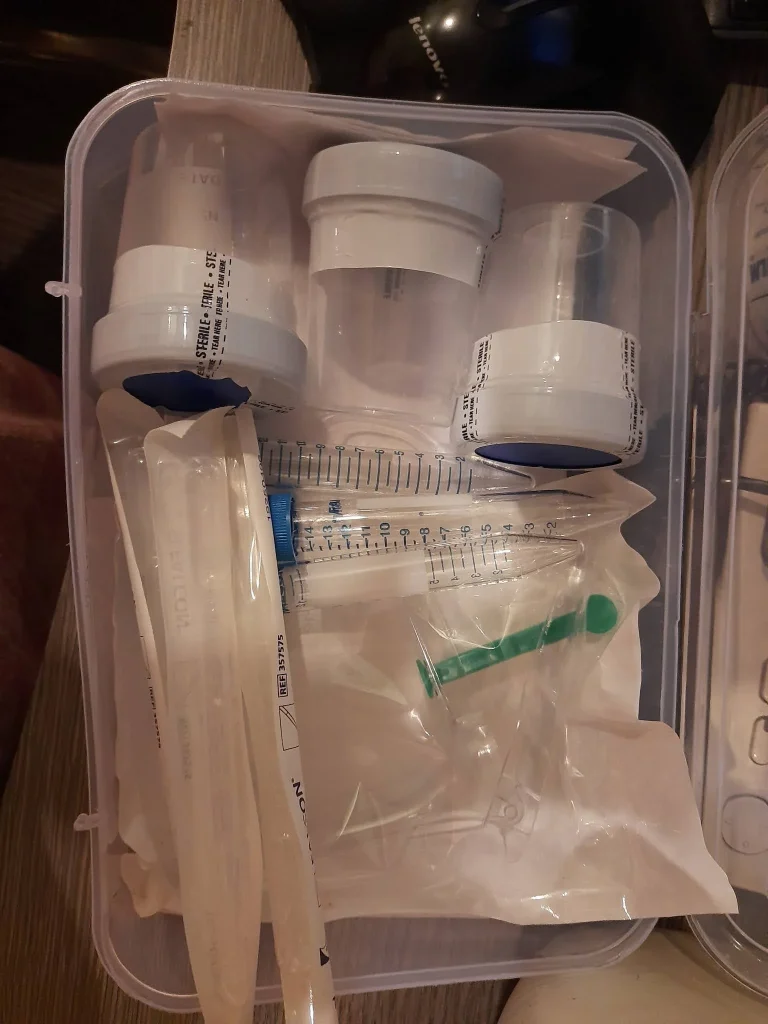
    various medical supplies and containers organized in a clear plastic box on a wooden surface

    The Power of Positivity: Jenna and Tyler's Mosiebaby Miracle

    Jenna and Tyler’s story is a testament to the incredible power of positivity. It is a reminder that when we focus on the good and maintain a positive attitude, we can conquer even the most challenging obstacles. Here are a few key takeaways from their journey that can help anyone harness the power of positivity in their own lives:

    1. Practice daily affirmations: Affirmations are positive statements that help reprogram our minds and change our thought patterns. By repeating affirmations such as “I am strong,” “I am capable,” and “I am worthy,” we can boost our confidence and maintain a positive mindset.

    2. Surround yourself with positivity: Our environment plays a significant role in our thoughts and emotions. Surrounding ourselves with positive people, things, and experiences can help us maintain a positive outlook on life.

    3. Gratitude is key: Gratitude is a powerful tool that can shift our focus from what we lack to what we have. By practicing gratitude daily, we can train our minds to see the good in every situation, no matter how challenging.

    4. Believe in the power of your thoughts: Our thoughts have a significant impact on our reality. By believing in the power of our thoughts, we can manifest our desires and create the life we want.

    5. Never lose hope: Jenna and Tyler’s story is proof that miracles can happen when we never lose hope and stay positive. Even when things seem impossible, keep believing in the power of positivity.

    In conclusion, Jenna and Tyler’s Mosiebaby miracle is a beautiful example of the incredible power of positivity. It shows us that with the right mindset and a little bit of help, we can overcome any challenge and achieve our dreams. So let us all remember the power of positivity and use it to create miracles in our own lives.

  • The Power of Positivity: How Mary and John Stayed Strong During their Insemination Journey

    Blog Post Title: The Power of Positivity: How Mary and John Stayed Strong During their Insemination Journey

    Mary and John had been trying to conceive a child for years, but without any success. After numerous doctor appointments and tests, they were told that insemination was their best option. This news was both exciting and scary for the couple. However, they made a conscious decision to approach this journey with positivity and it made all the difference. In this blog post, we will explore the power of positivity and how it helped Mary and John stay strong during their insemination journey.

    Introduction to Mary and John’s Insemination Journey

    Mary and John had been married for five years and were eager to start a family. However, after several years of trying to conceive naturally, they were faced with the reality that it may not be possible. After consulting with a fertility specialist, they were told that insemination was their best option. Although they were grateful for this option, they were also overwhelmed with emotions of fear, uncertainty, and doubts. But instead of letting these negative emotions consume them, they made a conscious decision to approach this journey with a positive mindset.

    The Power of Positive Thinking

    Positive thinking is the practice of focusing on the good in any situation and believing that things will work out for the best. It is not about ignoring the negative aspects of a situation, but rather choosing to focus on the positive aspects. Numerous studies have shown that positive thinking can have a significant impact on one’s mental and physical well-being. It can help reduce stress, improve overall health, and increase resilience.

    Mary and John understood the power of positive thinking and decided to apply it to their insemination journey. Instead of dwelling on the potential challenges and setbacks, they focused on the possibility of finally having a child. They believed that this was their best chance and remained optimistic throughout the process.

    Creating a Positive Support System

    Mary and John realized that they couldn’t go through this journey alone. They needed a strong support system to lean on during the tough times. They reached out to their families and close friends and shared their insemination journey with them. They were met with overwhelming love and support, which helped them stay positive and motivated. Having a positive support system can make a significant difference in one’s outlook and can provide the necessary emotional support during difficult times.

    Mosie Baby Kit features a syringe and container, highlighting safety and usability tests on a blue background.

    The Power of Positivity: How Mary and John Stayed Strong During their Insemination Journey

    Staying Grateful and Mindful

    Another important aspect of staying positive is practicing gratitude and mindfulness. Mary and John made a habit of expressing gratitude for everything they had in their lives, including each other. They also practiced mindfulness, which helped them stay in the present moment and not worry about the future. By focusing on the here and now, they were able to appreciate the small moments and milestones in their insemination journey.

    Dealing with Setbacks and Negative Thoughts

    Despite their positive attitude, Mary and John faced some setbacks during their insemination journey. There were moments of disappointment, frustration, and doubt. However, instead of letting these negative thoughts take over, they acknowledged them and then refocused on the positive aspects of their journey. They reminded each other of their goal and the progress they had made so far. By not dwelling on the setbacks, they were able to stay strong and motivated.

    The Impact of Positivity on Their Journey

    Mary and John’s positive mindset had a significant impact on their insemination journey. Instead of feeling overwhelmed and stressed, they were able to approach each step with a sense of hope and confidence. This not only helped them stay strong and resilient, but it also had a positive impact on their physical and emotional well-being. They were able to handle the hormonal changes and side effects of the treatments better, and their relationship grew stronger as they faced this journey together.

    The Joyful Outcome

    Finally, after months of insemination treatments, Mary and John received the news they had been waiting for – they were pregnant. The joy and excitement they felt were indescribable. Looking back, they realized that their positive attitude and mindset had played a crucial role in their journey. They were grateful for each other, their support system, and the power of positivity that helped them stay strong and hopeful throughout the process.

    Summary:

    Mary and John’s insemination journey was filled with challenges, setbacks, and uncertainties. However, they chose to approach it with a positive mindset, which made all the difference. The power of positive thinking, creating a strong support system, practicing gratitude and mindfulness, and dealing with setbacks and negative thoughts helped them stay strong and hopeful throughout the journey. In the end, their positivity paid off, and they were blessed with the joy of pregnancy.

  • The Influence of Positive Thinking and Visualization in Jessica and Adam’s Mosiebaby Success

    The Influence of Positive Thinking and Visualization in Jessica and Adam’s Mosiebaby Success

    Jessica and Adam had been trying to conceive a child for over two years without any success. They had gone through numerous doctors’ appointments, fertility treatments, and even considered adoption, but nothing seemed to work. With their hopes dwindling and their frustration growing, they stumbled upon Mosiebaby, a revolutionary at-home insemination kit. But what truly set Jessica and Adam apart from others who had tried Mosiebaby was their unwavering belief in the power of positive thinking and visualization.

    Positive thinking and visualization are often dismissed as mere self-help jargon, but in the case of Jessica and Adam, it played a crucial role in their Mosiebaby success. Let’s explore how these practices influenced their journey and how they can impact our lives as well.

    The Power of Positive Thinking

    At the core of positive thinking is the belief that our thoughts and attitudes can directly influence our experiences and outcomes. In other words, what we think and believe can shape our reality. This concept is not new and has been studied and practiced for centuries, with the popular phrase “mind over matter” being a testament to its power.

    For Jessica and Adam, positive thinking was a way to stay hopeful and optimistic throughout their fertility journey. Instead of dwelling on their past failures, they focused on the potential success of Mosiebaby. They visualized themselves holding a newborn baby and used positive affirmations to reinforce their belief in the process.

    This positive mindset not only helped them stay emotionally stable during the ups and downs of trying to conceive but also had a physical impact on their bodies. Studies have shown that positive thinking can reduce stress, boost the immune system, and even improve fertility. By staying positive, Jessica and Adam were creating a healthy and welcoming environment for a potential pregnancy.

    The Power of Visualization

    Visualization is the practice of creating vivid mental images of our desired outcomes. It is often used as a tool for goal-setting and manifesting our dreams into reality. For Jessica and Adam, visualization was a way to keep their minds focused on their goal of starting a family.

    home insemination kit components: a syringe and a collection container against a blue background.

    The Influence of Positive Thinking and Visualization in Jessica and Adam's Mosiebaby Success

    Before each insemination, they would spend a few minutes visualizing the sperm and egg meeting, the embryo implanting in the uterus, and the growth of their baby. They would picture themselves as parents, holding their child and experiencing all the joys of parenthood. This practice not only gave them a sense of control over their situation but also helped them stay connected to their goal and motivated to achieve it.

    But the power of visualization goes beyond just mental imagery. Studies have shown that our brains cannot differentiate between a real and imagined experience. By visualizing a successful pregnancy, Jessica and Adam were essentially training their brains to believe it was already happening, making it more likely to become a reality.

    The Role of Faith and Gratitude

    Another important aspect of Jessica and Adam’s journey was their faith and gratitude. They strongly believed that everything happens for a reason and that Mosiebaby was part of their path to parenthood. They also expressed gratitude for each step of their journey, even the difficult ones, recognizing that they were all leading them closer to their dream of having a child.

    Faith and gratitude are powerful tools that can help us stay positive and focused on our goals. By having faith in the process and being grateful for every step, Jessica and Adam were able to let go of any doubts or fears and fully embrace the journey.

    Final Thoughts

    After just two cycles of using Mosiebaby, Jessica and Adam were overjoyed to find out that they were pregnant. They credit their unwavering belief in positive thinking, visualization, faith, and gratitude as the key factors in their success. While their journey may have been unique, the principles behind it can be applied to any aspect of our lives.

    Whether it’s trying to conceive, pursuing a career goal, or simply living a happier life, the power of positive thinking and visualization can have a significant impact. By staying positive, visualizing our desired outcomes, and having faith and gratitude, we can create a more positive and fulfilling reality for ourselves.

    In conclusion, Jessica and Adam’s story is a testament to the influence of positive thinking and visualization in achieving success and manifesting our dreams. By incorporating these practices into our own lives, we can create a more positive and fulfilling journey towards our goals.

  • The Power of Gratitude: Lauren and Adam’s Mosiebaby Success Story

    Blog post:

    Gratitude is a powerful emotion that has the ability to transform our lives in ways we never thought possible. It is the act of being thankful and appreciative for what we have, rather than focusing on what we lack. When we practice gratitude, we open ourselves up to more abundance, happiness, and success. This is exactly what Lauren and Adam experienced when they decided to start their journey to parenthood with the help of Mosiebaby.

    Lauren and Adam had been trying to conceive for over two years without any success. They had visited countless doctors and fertility specialists, but all the tests came back normal. They were frustrated, confused, and losing hope. That’s when they stumbled upon Mosiebaby, a new at-home insemination kit created by a husband and wife team, Maureen and Marc Brown.

    As they read about Mosiebaby, they were drawn to the company’s mission to help couples conceive at home, in a stress-free and affordable way. They decided to give it a try, and little did they know that their journey with Mosiebaby would not only lead them to conceive, but also change their lives in unexpected ways.

    Lauren and Adam’s first experience with Mosiebaby was positive, but unfortunately, they did not conceive. However, instead of feeling discouraged, they were grateful for the ease and comfort of using the kit. They were also grateful for the support and guidance they received from the Mosiebaby team, who were always there to answer their questions and offer words of encouragement.

    The couple continued to use Mosiebaby for the next few months, and their gratitude only grew stronger with each cycle. They were thankful for the opportunity to try at home, without the stress and expense of traditional fertility treatments. They were grateful for the hope and excitement that Mosiebaby brought into their lives, and most importantly, they were grateful for the bond and connection that grew between them as they embarked on this journey together.

    at-home insemination kit with syringes, collection cups, and instructions on a pink background

    The Power of Gratitude: Lauren and Adam's Mosiebaby Success Story

    Their patience and gratitude paid off when they finally received the news they had been waiting for – they were pregnant! Lauren and Adam were overjoyed and couldn’t believe that their dream of starting a family was finally coming true. They were also grateful for the role that Mosiebaby played in their success. The couple believes that their positive mindset and gratitude throughout the process played a significant role in their conception.

    As they continued their pregnancy journey, Lauren and Adam continued to practice gratitude. They were thankful for the little things, like being able to sleep through the night without getting up for fertility treatments, and the big things, like the health of their baby. They also found that practicing gratitude helped them to stay positive and enjoy the journey, even during the challenging moments.

    Finally, the day arrived, and Lauren and Adam welcomed their beautiful baby boy into the world. They were filled with gratitude for the gift of parenthood and the journey that led them to this moment. They were also grateful for Mosiebaby, which not only helped them conceive but also brought them closer as a couple and taught them the power of gratitude.

    Lauren and Adam’s story is a testament to the power of gratitude and how it can transform our lives. By focusing on what they had, rather than what they lacked, they were able to manifest their dream of starting a family. Their journey with Mosiebaby not only led them to conceive but also taught them valuable lessons about gratitude, patience, and perseverance.

    In conclusion, the power of gratitude is undeniable. When we practice gratitude, we shift our focus from lack to abundance, from fear to hope, and from stress to peace. It opens us up to more joy, success, and love in our lives. Lauren and Adam’s story is a beautiful reminder of this, and how a simple act of being thankful can change our lives in ways we never thought possible.

    Summary:

    Lauren and Adam’s journey to parenthood was filled with frustration and disappointment until they discovered Mosiebaby, an at-home insemination kit. Their experience with Mosiebaby not only helped them conceive, but also taught them the power of gratitude. By focusing on what they had, rather than what they lacked, they were able to manifest their dream of starting a family. Their journey is a testament to the transformative power of gratitude in our lives.