Tag: Mental Health

  • Proven Mental Health Practices Recommended by Experts

    Blog Post: Proven Mental Health Practices Recommended by Experts

    Mental health has become an increasingly important topic in recent years, as more and more people are opening up about their struggles and seeking help. In fact, according to the World Health Organization, one in four people worldwide will experience a mental health issue at some point in their lives. With this statistic in mind, it’s crucial to prioritize our mental well-being and seek out proven practices that can help us maintain a healthy mind.

    In this blog post, we will discuss some of the top mental health practices recommended by experts. These practices have been proven to be effective in promoting mental wellness and can be incorporated into our daily lives to improve our overall well-being.

    1. Practice Mindfulness

    Mindfulness is the practice of being fully present in the moment, without judgment or distraction. It involves paying attention to your thoughts, feelings, and surroundings, and accepting them without trying to change or control them. This practice has been shown to reduce stress, anxiety, and depression, and improve overall mental well-being.

    To incorporate mindfulness into your daily routine, you can try activities such as meditation, yoga, or simply taking a few minutes each day to focus on your breath and the present moment. It’s essential to set aside time for mindfulness, especially when life gets busy and overwhelming.

    2. Get Regular Exercise

    Regular exercise is not only good for our physical health but also has significant benefits for our mental health. Exercise releases endorphins, which are chemicals in our brain that promote feelings of happiness and reduce stress. It can also help improve sleep, boost self-esteem, and reduce symptoms of anxiety and depression.

    Experts recommend getting at least 30 minutes of moderate to intense physical activity per day. This can include activities such as running, swimming, dancing, or even taking a brisk walk. Find an exercise routine that you enjoy and make it a regular part of your week.

    3. Prioritize Quality Sleep

    Sleep plays a crucial role in our mental health. It allows our bodies and minds to rest and recharge, and lack of sleep can lead to increased stress, anxiety, and depression. On the other hand, getting enough quality sleep can help improve our mood, energy levels, and overall mental well-being.

    Mosie Baby Kit with a syringe and container, highlighting safety and usability features on a blue background.

    Proven Mental Health Practices Recommended by Experts

    To ensure a good night’s sleep, it’s essential to establish a consistent sleep routine. This includes going to bed and waking up at the same time each day, avoiding screens and stimulating activities before bedtime, and creating a comfortable sleep environment.

    4. Connect with Others

    Human connection is vital for our mental health. Studies have shown that having strong relationships with friends, family, and community can help reduce the risk of mental health issues and promote resilience. It’s essential to make an effort to connect with others, especially during times of stress or isolation.

    This can include joining a club or group with similar interests, volunteering in your community, or simply reaching out to friends and family for support. Even small acts of kindness, such as a phone call or text, can help strengthen our relationships and improve our mental well-being.

    5. Seek Professional Help

    If you’re struggling with your mental health, it’s essential to seek professional help. Mental health professionals, such as therapists and counselors, are trained to provide support and guidance in managing mental health issues. They can also offer strategies and tools to help improve your mental well-being.

    There is no shame in seeking help for mental health concerns, and it’s vital to remember that asking for help is a sign of strength. If you’re not sure where to start, talk to your primary care physician, or reach out to a mental health hotline for guidance and resources.

    Conclusion

    In conclusion, our mental health is just as important as our physical health, and it’s crucial to prioritize it in our daily lives. By practicing mindfulness, getting regular exercise, prioritizing quality sleep, connecting with others, and seeking professional help when needed, we can promote and maintain our mental well-being.

    Remember, everyone’s journey to mental wellness is unique, and what works for one person may not work for another. It’s important to find the practices that work best for you and make them a regular part of your routine. By incorporating these proven mental health practices into our lives, we can improve our overall well-being and live happier, healthier lives.

    Summary:

    Mental health is a crucial aspect of our overall well-being, and it’s essential to prioritize it in our daily lives. In this blog post, we discussed five proven mental health practices recommended by experts: practicing mindfulness, getting regular exercise, prioritizing quality sleep, connecting with others, and seeking professional help. Each of these practices has been shown to improve mental well-being and can be incorporated into our daily routine for maximum benefits.

  • The Best Parenting Books for Teens: 45 Top-rated Picks

    Blog Post:

    As a parent of a teenager, it can be challenging to navigate the ever-changing landscape of parenting. With technology, social media, and peer pressure influencing our teens, it’s essential to stay informed and equipped with the best strategies to help guide them through these formative years. One valuable resource for parents is parenting books specifically tailored for teens. These books offer insights, advice, and practical tips to help parents build healthy relationships, communicate effectively, and support their teens’ growth and development. In this blog post, we have compiled a list of the top-rated parenting books for teens, divided into different categories to help you find the perfect fit for your family.

    1. For Communication and Relationships:
    – “How to Talk So Teens Will Listen and Listen So Teens Will Talk” by Adele Faber and Elaine Mazlish
    – “The 7 Habits of Highly Effective Teens” by Sean Covey
    – “The 5 Love Languages of Teenagers” by Gary Chapman
    – “Parenting a Teen Girl: A Crash Course on Conflict, Communication and Connection with Your Teenage Daughter” by Lucie Hemmen
    – “Parenting a Teen Who Has Intense Emotions: DBT Skills to Help Your Teen Navigate Emotional and Behavioral Challenges” by Pat Harvey and Britt H. Rathbone

    2. For Mental Health and Well-Being:
    – “The Anxiety Survival Guide for Teens” by Jennifer Shannon
    – “The Self-Esteem Workbook for Teens: Activities to Help You Build Confidence and Achieve Your Goals” by Lisa M. Schab
    – “The Mindful Teen: Powerful Skills to Help You Handle Stress One Moment at a Time” by Dzung X. Vo
    – “The Depression Workbook for Teens: Tools to Improve Your Mood, Build Self-Esteem, and Stay Motivated” by Katie Hurley
    – “The Teenage Brain: A Neuroscientist’s Survival Guide to Raising Adolescents and Young Adults” by Frances E. Jensen

    3. For Digital Parenting:
    – “The Tech-Wise Family: Everyday Steps for Putting Technology in Its Proper Place” by Andy Crouch
    – “Screenwise: Helping Kids Thrive (and Survive) in Their Digital World” by Devorah Heitner
    – “Glow Kids: How Screen Addiction Is Hijacking Our Kids-and How to Break the Trance” by Nicholas Kardaras
    – “The Social Media Workbook for Teens: Skills to Help You Balance Screen Time, Manage Stress, and Take Charge of Your Life” by Goali Saedi Bocci
    – “UnSelfie: Why Empathetic Kids Succeed in Our All-About-Me World” by Michele Borba

    4. For Financial Literacy:
    – “The Teen Money Manual: A Guide to Cash, Credit, Spending, Saving, Work, Wealth, and More” by Kara McGuire
    – “The Total Money Makeover for Teens: A Proven Plan for Financial Success” by Dave Ramsey
    – “Raising Financially Confident Kids” by Mary Hunt
    – “The Teen’s Guide to Personal Finance: Basic Concepts in Personal Finance that Every Teen Should Know” by Joshua Holmberg
    – “The Opposite of Spoiled: Raising Kids Who Are Grounded, Generous, and Smart About Money” by Ron Lieber

    illustration of Mosie Baby home insemination kit highlighting seamless transfer and size features

    The Best Parenting Books for Teens: 45 Top-rated Picks

    5. For Identity and Self-Discovery:
    – “The 7 Habits of Highly Effective Teens Workbook” by Sean Covey
    – “This Book Is Gay” by Juno Dawson
    – “The Teen Girl’s Survival Guide: Ten Tips for Making Friends, Avoiding Drama, and Coping with Social Stress” by Lucie Hemmen
    – “The Confidence Code for Girls: Taking Risks, Messing Up, and Becoming Your Amazingly Imperfect, Totally Powerful Self” by Katty Kay and Claire Shipman
    – “The 6 Most Important Decisions You’ll Ever Make: A Guide for Teens” by Sean Covey

    6. For Parenting Strategies and Tips:
    – “Parenting Teens with Love and Logic: Preparing Adolescents for Responsible Adulthood” by Foster Cline and Jim Fay
    – “How to Hug a Porcupine: Dealing with Toxic and Difficult to Love Personalities” by John Lund
    – “The Grown-Up’s Guide to Teenage Humans: How to Decode Their Behavior, Develop Unshakable Trust, and Raise a Respectable Adult” by Josh Shipp
    – “The Teenage Brain: A Neuroscientist’s Survival Guide to Raising Adolescents and Young Adults” by Frances E. Jensen
    – “Positive Parenting for Teenagers: How to Create a Culture of Mutual Respect” by Jane Nelsen, Lynn Lott, and H. Stephen Glenn

    7. For Special Situations:
    – “The Transgender Teen: A Handbook for Parents and Professionals Supporting Transgender and Non-Binary Teens” by Stephanie Brill and Lisa Kenney
    – “The Essential Guide to Raising Complex Kids with ADHD, Anxiety, and More” by Elaine Taylor-Klaus and Diane Dempster
    – “Parenting a Teen Who Has Intense Emotions: DBT Skills to Help Your Teen Navigate Emotional and Behavioral Challenges” by Pat Harvey and Britt H. Rathbone
    – “The Bipolar Teen: What You Can Do to Help Your Child and Your Family” by David J. Miklowitz
    – “Parenting Your Out-of-Control Teenager: 7 Steps to Reestablish Authority and Reclaim Love” by Scott P. Sells

    8. For Diversity and Inclusion:
    – “The Skin I’m In: A First Look at Racism” by Pat Thomas
    – “Queer: The Ultimate LGBTQ Guide for Teens” by Kathy Belge and Marke Bieschke
    – “The Conscious Parent’s Guide to Gender Identity: A Mindful Approach to Embracing Your Child’s Authentic Self” by Darlene Tando
    – “The Teen’s Guide to World Domination: Advice on Life, Liberty, and the Pursuit of Awesomeness” by Josh Shipp
    – “The ABC’s of LGBT+: Understanding and Embracing Your Identity” by Ashley Mardell

    Parenting is a journey that comes with many challenges, and parenting a teen is no exception. These books offer valuable insights, practical tips, and strategies to help parents build strong relationships with their teens, navigate mental health and technology issues, and support their teens’ growth and development. Whether you’re looking for communication techniques, financial literacy, or advice on handling special situations, these top-rated parenting books for teens have got you covered.

    Summary:

    Parenting a teenager can be challenging, but having the right resources can make a significant difference. In this blog post, we have compiled a list of the best parenting books for teens, divided into different categories to help parents find the perfect fit for their family. These books offer valuable insights, practical tips, and strategies to help parents build strong relationships with their teens, navigate mental health and technology issues, and support their teens’ growth and development. Whether you’re looking for communication techniques, financial literacy, or advice on handling special situations, these top-rated parenting books for teens have got you covered.

  • Parenting Books That Will Teach You How to Nurture Your Child’s Mental Health

    Blog post title: Parenting Books That Will Teach You How to Nurture Your Child’s Mental Health

    As parents, we all want our children to be happy and healthy. We take care of their physical needs, but often overlook their mental well-being. However, in today’s fast-paced and competitive world, it’s more important than ever to prioritize our children’s mental health. As parents, we may not have all the answers, but there are many books available that can guide us in nurturing our child’s mental health. In this blog post, we will discuss some of the best parenting books that will teach you how to nurture your child’s mental health.

    1. “The Whole-Brain Child” by Daniel J. Siegel and Tina Payne Bryson

    In this book, renowned neuropsychiatrist Dr. Daniel Siegel and parenting expert Tina Payne Bryson explain how a child’s brain develops and what parents can do to foster healthy brain development. The book offers practical strategies for helping children deal with emotional challenges, build resilience, and develop self-control. It also teaches parents how to communicate effectively with their children, understand their emotions, and help them navigate through difficult situations. “The Whole-Brain Child” is a must-read for any parent who wants to raise emotionally intelligent and mentally healthy children.

    2. “How to Talk So Kids Will Listen & Listen So Kids Will Talk” by Adele Faber and Elaine Mazlish

    Communication is key in any relationship, including the one between parents and children. This book offers practical and effective tips for communicating with children of all ages. It teaches parents how to listen to their children, validate their feelings, and avoid common communication pitfalls. The authors also provide strategies for dealing with conflicts, setting limits, and building a strong emotional connection with your child. “How to Talk So Kids Will Listen & Listen So Kids Will Talk” is a valuable resource for any parent looking to improve their communication with their child and promote their mental well-being.

    3. “The Conscious Parent” by Shefali Tsabary

    In this book, clinical psychologist and parenting expert Shefali Tsabary explains how our own childhood experiences and beliefs can impact our parenting style. She encourages parents to become more mindful and conscious of their actions and reactions towards their children. The book also delves into the importance of understanding our children’s true nature and allowing them to grow and develop at their own pace. “The Conscious Parent” challenges traditional parenting methods and offers a fresh perspective on raising happy and emotionally healthy children.

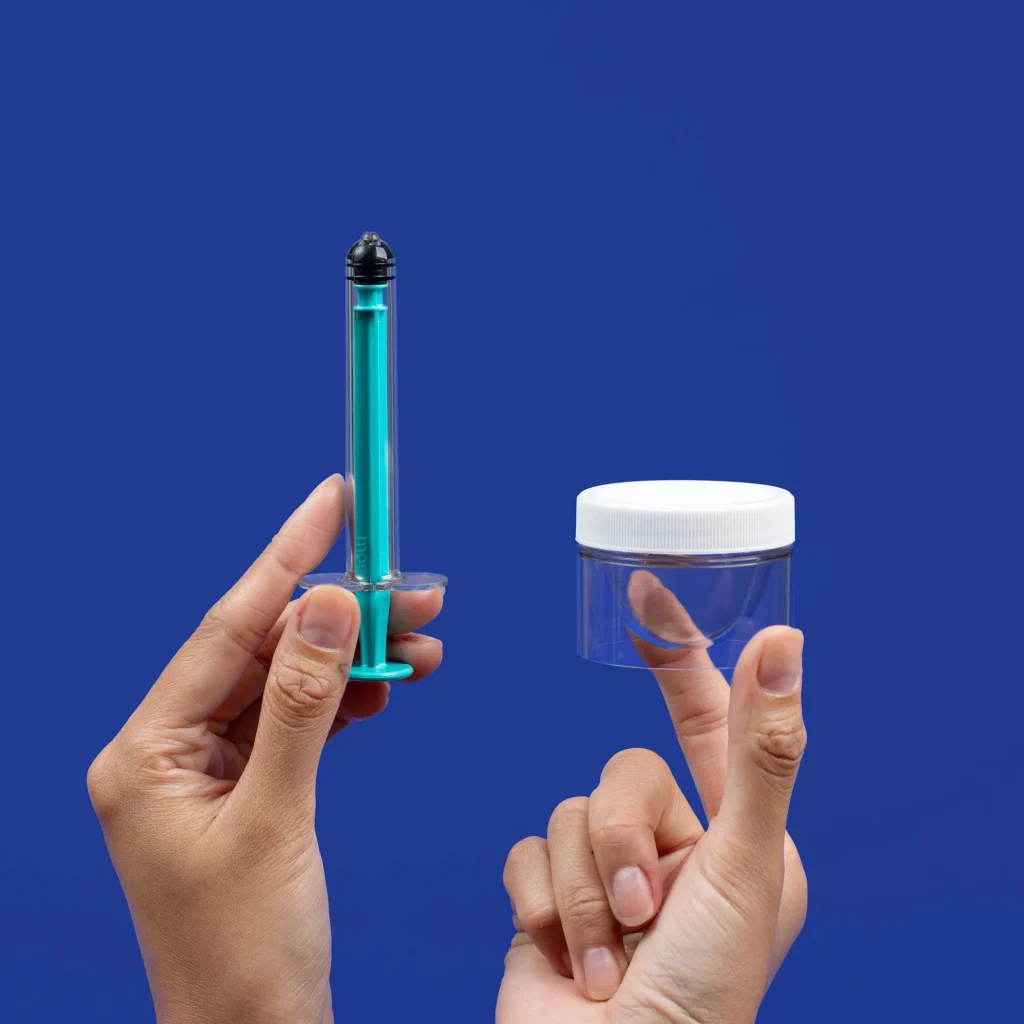
    home insemination kit components: a syringe and a collection container against a blue background.

    Parenting Books That Will Teach You How to Nurture Your Child's Mental Health

    4. “Raising an Emotionally Intelligent Child” by John Gottman and Joan Declaire

    Emotional intelligence is a crucial skill that can help children thrive in all areas of their lives. In this book, renowned relationship expert John Gottman and psychotherapist Joan Declaire provide parents with practical tools for raising emotionally intelligent children. The book teaches parents how to recognize and respond to their child’s emotions, foster empathy and self-awareness, and build strong relationships with their children. It also addresses common parenting challenges, such as discipline and sibling rivalry. “Raising an Emotionally Intelligent Child” is a valuable resource for parents who want to help their children develop essential emotional skills.

    5. “The Explosive Child” by Ross W. Greene

    Some children may struggle with emotional regulation and have frequent outbursts or meltdowns. “The Explosive Child” offers a compassionate and effective approach for parents of children with explosive behavior. The book teaches parents how to identify the underlying causes of their child’s explosive behavior and work together with their child to find solutions. It also provides strategies for managing conflicts and promoting positive behaviors. “The Explosive Child” is a valuable resource for parents who want to help their child learn to manage their emotions and improve their overall mental well-being.

    6. “The Power of Showing Up” by Daniel J. Siegel and Tina Payne Bryson

    In this book, the authors emphasize the importance of being present and emotionally available for our children. They explain the four essential elements of showing up: providing safety, being seen, tuning in, and following through. The book also discusses the impact of attachment on a child’s emotional well-being and how parents can cultivate a secure attachment with their child. “The Power of Showing Up” provides parents with practical tools for nurturing their child’s emotional health and building a strong parent-child relationship.

    7. “The Self-Driven Child” by William Stixrud and Ned Johnson

    As parents, we often want to control every aspect of our child’s life, including their academic and extracurricular activities. However, this can lead to stress and burnout for both parents and children. In this book, neuropsychologist William Stixrud and educator Ned Johnson explain the importance of giving children autonomy and control over their lives. They discuss the impact of stress on a child’s mental health and offer strategies for promoting a sense of control and autonomy in children. “The Self-Driven Child” is a valuable resource for parents who want to raise self-motivated and emotionally resilient children.

    In summary, parenting books can be valuable resources for learning how to nurture your child’s mental health. They provide practical strategies for promoting emotional intelligence, effective communication, and a strong parent-child relationship. These books also challenge traditional parenting methods and offer fresh perspectives on raising happy and healthy children. By reading and implementing the tips from these books, you can become a more mindful and conscious parent and help your child thrive both mentally and emotionally.

  • Beauty Influencers on the Importance of Self-Care

    Blog Post:

    In today’s social media-driven world, beauty influencers have become an integral part of our daily lives. They are not just there to showcase makeup tutorials and product reviews, but they have also become a source of inspiration for many, especially when it comes to self-care. With their perfectly curated feeds and flawless looks, beauty influencers have created a standard of beauty that can often be unattainable and overwhelming. However, amidst all the glam and glitz, there is one message that they consistently promote – the importance of self-care.

    Self-care is all about taking care of oneself both physically and mentally. It involves setting aside time to prioritize our well-being and nurturing our mind, body, and soul. In a world that is constantly moving, self-care is often seen as a luxury rather than a necessity. Many of us tend to put our needs last, and in the process, we neglect our well-being. This is where beauty influencers come in. With their huge following and influence, they have the power to spread awareness about the importance of self-care and inspire their audience to prioritize it in their daily lives.

    One way beauty influencers promote self-care is by sharing their personal self-care routines. From skincare rituals to mental health practices, they show their followers that taking care of oneself is not selfish, but rather necessary. By giving a glimpse into their self-care routines, they encourage their audience to find what works for them and incorporate it into their daily lives.

    Moreover, beauty influencers have also been open about their struggles with mental health issues, such as anxiety and depression. By sharing their own experiences and coping mechanisms, they break the stigma surrounding mental health and encourage their followers to prioritize their mental well-being. This has been especially crucial during the pandemic, where many people have been struggling with their mental health due to isolation and uncertainty. Beauty influencers have used their platform to spread positivity and promote self-care practices that can help in managing mental health.

    at-home insemination kit with syringes, collection cups, and instructions on a pink background

    Beauty Influencers on the Importance of Self-Care

    In addition to personal routines, beauty influencers also collaborate with brands to create self-care products and collections. From face masks to bath salts, these products are not just about enhancing one’s physical appearance but also about taking a moment to relax and pamper oneself. By promoting such products, beauty influencers remind their audience that self-care can be simple and accessible to everyone. It doesn’t have to be an expensive spa day, but can be as simple as taking a few minutes to indulge in a face mask or a soothing bath.

    Furthermore, beauty influencers also use their platform to advocate for self-love and body positivity. In a world where we are bombarded with images of unrealistic beauty standards, these influencers remind us that beauty comes in all shapes and sizes. They encourage their audience to embrace their flaws and imperfections, and to love themselves for who they are. By promoting self-love and body positivity, they not only promote self-care but also help in building a more inclusive and diverse beauty industry.

    Apart from promoting self-care through their content, beauty influencers also actively engage with their followers and create a community that supports and uplifts each other. They encourage their followers to share their self-care routines and tips, creating a space where people can learn from each other and find inspiration. This sense of community is particularly important, especially during these uncertain times, as it provides a support system and a safe space for people to express themselves.

    In conclusion, beauty influencers have a significant impact on promoting the importance of self-care. With their huge following and influence, they have the power to spread awareness and inspire their audience to prioritize their well-being. Through their personal routines, collaborations with brands, and advocacy for self-love and body positivity, beauty influencers are not just promoting beauty, but also promoting self-care, which is essential for our overall health and well-being.

    Summary:

    Beauty influencers have become a major influence in today’s society, not just for makeup and beauty, but also for promoting the importance of self-care. Through their personal routines, collaborations with brands, and advocacy for self-love and body positivity, these influencers have a significant impact on spreading awareness and inspiring their audience to prioritize self-care. They also create a sense of community where people can learn from each other and find support. In a world that is constantly moving, beauty influencers remind us that self-care is not a luxury but a necessity for our overall health and well-being.

  • Behind the Filter: The Real Life of a Top Beauty Influencer

    Behind the Filter: The Real Life of a Top Beauty Influencer

    Beauty influencers have become a major force in the world of social media, with millions of followers and lucrative brand partnerships. They seem to have the perfect life, with flawless skin, gorgeous makeup, and seemingly endless free products to try. But what many people don’t see is the hard work, dedication, and behind-the-scenes reality of being a top beauty influencer. In this blog post, we will take an in-depth look at the real life of a top beauty influencer, going beyond the filters and perfectly curated posts to uncover the truth behind their glamorous facade.

    The Rise of Beauty Influencers

    The rise of social media platforms like Instagram and YouTube has revolutionized the beauty industry. With the ability to connect directly with their audience, beauty influencers have quickly gained popularity and influence. These individuals have amassed millions of followers who look to them for beauty tips, product recommendations, and inspiration. Their impact on the beauty industry cannot be ignored, with many brands now prioritizing influencer partnerships over traditional advertising methods.

    Behind the Scenes of a Top Beauty Influencer

    From the outside, it may seem like the life of a top beauty influencer is nothing but photo shoots, glamorous events, and free products. But the reality is far from that. Behind the filters and perfectly posed photos, there is a lot of hard work, dedication, and hustle that goes into maintaining a successful beauty influencer career.

    Creating Content

    One of the biggest misconceptions about beauty influencers is that they simply take pretty pictures and post them online. In reality, creating high-quality content is a full-time job. From planning and executing photoshoots to editing and writing captions, influencers put in hours of work to produce the perfect post. And with constantly changing algorithms and trends, they must always stay on top of their game to remain relevant and engaging to their audience.

    Testing Products

    Smiling baby in a blue onesie with "made with Love" text, lying on a light blue crocheted blanket.

    Behind the Filter: The Real Life of a Top Beauty Influencer

    Another important aspect of a beauty influencer’s job is testing products and providing honest reviews to their followers. While receiving free products may seem like a dream, it also means trying out a wide range of products and being able to give an informed and unbiased opinion on each one. This can be a time-consuming and overwhelming process, especially with the constant influx of new products in the beauty industry. Influencers must carefully select which products to feature on their platforms, ensuring that they align with their personal brand and values.

    Building a Brand

    A top beauty influencer not only has a large following, but also a strong personal brand. This requires a lot of thought and effort, as influencers must carefully curate their content to appeal to their target audience. They must also stay true to their values and beliefs, while also adapting to the ever-changing trends and demands of the beauty industry. Building a brand takes time and consistency, and influencers must constantly evolve to stay relevant and stand out in a saturated market.

    Managing Partnerships

    One of the main sources of income for beauty influencers is brand partnerships. However, these collaborations require a lot of negotiation, planning, and execution. Influencers must carefully select which brands to work with, ensuring that their values align and that the partnership will benefit their audience. They must also negotiate fair compensation and clearly communicate their expectations to the brand. Once a partnership is established, influencers must then create content that seamlessly integrates the brand’s products, while still maintaining their own personal style and voice.

    Navigating the Pressure

    With millions of followers comes a lot of pressure. Beauty influencers are constantly under scrutiny and are expected to always look flawless and on-trend. This pressure can take a toll on their mental and emotional well-being, as they are constantly comparing themselves to other influencers and facing criticism from their followers. Additionally, influencers must always be mindful of their online presence and the potential backlash that could come from any mistake or misstep. This constant pressure to maintain a perfect image can be exhausting and overwhelming, and many influencers struggle with burnout and mental health issues as a result.

    The Reality of the Beauty Industry

    While being a top beauty influencer may seem like a dream job, it’s important to acknowledge the realities of the beauty industry. Influencers often face criticism for promoting unrealistic beauty standards and perpetuating consumerism. They also have to deal with the constant pressure to look perfect and the toxic culture of comparison and competition within the industry. Additionally, influencers are often not compensated fairly for their work, with brands expecting them to promote products for free in exchange for exposure.

    In conclusion, being a top beauty influencer is far from the glamorous and effortless lifestyle it may seem to be. These individuals work tirelessly to create high-quality content, build a brand, and maintain partnerships, all while navigating the pressures and realities of the beauty industry. Behind the filters and perfectly curated posts, there is a lot of hard work, dedication, and hustle that goes into being a successful beauty influencer. So the next time you see a flawless photo on your feed, remember that there is more to the story than meets the eye.

  • The Role of Self-Care in Overall Health: How This Trend is Changing the Wellness Industry

    Summary:

    Self-care has become a popular trend in the wellness industry, with more and more people recognizing the importance of taking care of themselves for overall health. In this blog post, we will explore the role of self-care in overall health, and how this trend is changing the wellness industry.

    We will start by defining self-care and discussing its different aspects, including physical, emotional, and mental well-being. We will then delve into the benefits of self-care, such as reducing stress, improving productivity, and boosting self-esteem. Additionally, we will discuss how self-care can positively impact relationships and contribute to a better work-life balance.

    home insemination kit components: a syringe and a collection container against a blue background.

    The Role of Self-Care in Overall Health: How This Trend is Changing the Wellness Industry

    Next, we will look at the ways in which self-care has become a trend in the wellness industry, from the rise of self-care apps and products to the incorporation of self-care practices in spas and retreats. We will also touch on the role of social media in promoting self-care and its impact on consumer behavior.

    Furthermore, we will address the criticisms surrounding the self-care trend, such as its potential to become a form of consumerism and the pressure to constantly engage in self-care activities. We will also discuss the importance of finding a balance between self-care and self-indulgence.

    Lastly, we will provide practical tips for incorporating self-care into daily life, including setting boundaries, prioritizing self-care activities, and finding what works best for each individual.

    In conclusion, self-care is not just a trend, but a crucial aspect of overall health and well-being. As the wellness industry continues to evolve, the role of self-care will only become more prominent, emphasizing the importance of taking care of oneself for a healthier and happier life.

  • The Surprising Benefits of Red Light Therapy: A Trend That’s Gaining Traction

    Blog Post: The Surprising Benefits of Red Light Therapy: A Trend That’s Gaining Traction

    Red light therapy, also known as photobiomodulation, is a non-invasive therapeutic technique that uses red and near-infrared light to promote healing and improve overall well-being. Originally developed by NASA to help astronauts in space, red light therapy has gained popularity in recent years as a natural and effective way to treat a variety of health conditions. In this blog post, we’ll dive into the surprising benefits of red light therapy and why it’s becoming a popular trend.

    Improved Skin Health

    One of the most well-known benefits of red light therapy is its ability to improve skin health. It works by stimulating collagen production, which helps to reduce the appearance of fine lines and wrinkles. Red light therapy also helps to increase blood flow and promote healing, making it a great treatment option for acne, rosacea, and other skin conditions. It has also been shown to reduce inflammation, making it beneficial for those with eczema or psoriasis.

    Reduced Pain and Inflammation

    Red light therapy has been shown to be effective in reducing pain and inflammation in a variety of conditions. It works by increasing blood flow and reducing oxidative stress, which can lead to pain and inflammation. Studies have shown that red light therapy can be beneficial for those with arthritis, fibromyalgia, and other chronic pain conditions. It has also been shown to be effective in reducing pain and speeding up recovery time for athletes and those who have suffered injuries.

    Improved Mood and Mental Health

    Another surprising benefit of red light therapy is its ability to improve mood and mental health. The red and near-infrared light used in this therapy has been shown to increase the production of serotonin and dopamine, which are neurotransmitters that play a role in regulating mood and emotions. This makes red light therapy a great treatment option for those struggling with depression, anxiety, and seasonal affective disorder (SAD). It has also been shown to improve cognitive function, making it beneficial for those with Alzheimer’s or dementia.

    Faster Wound Healing

    Baby wearing a blue shirt with "made with Love" text, surrounded by colorful floral and butterfly designs.

    The Surprising Benefits of Red Light Therapy: A Trend That's Gaining Traction

    Red light therapy has been used for decades to help speed up the healing process of wounds. It works by increasing blood flow to the affected area, which delivers oxygen and nutrients necessary for healing. Red light therapy also helps to stimulate the production of collagen, which is essential for tissue repair. This makes it a great treatment option for those with chronic wounds, burns, and other injuries.

    Improved Hair Growth

    Hair loss is a common issue that can affect both men and women. Red light therapy has been shown to be an effective treatment for hair loss, as it helps to stimulate the hair follicles and increase blood flow to the scalp. This can lead to thicker, healthier hair and may even help to prevent future hair loss. Red light therapy has also been shown to be beneficial for those with alopecia areata, a condition that causes patchy hair loss.

    Boosted Immune System

    The red and near-infrared light used in red light therapy has been shown to have a positive effect on the immune system. It works by stimulating the production of white blood cells, which are responsible for fighting off infections and diseases. This makes red light therapy a great option for those with weakened immune systems, as well as for those looking to prevent illness and boost their overall health.

    Improved Sleep

    Sleep is essential for maintaining overall health and well-being, but many people struggle with getting enough quality sleep. Red light therapy has been shown to improve the quality of sleep by increasing the production of melatonin, a hormone that helps regulate sleep cycles. It can also help to reduce stress and anxiety, which are common causes of sleep disturbances.

    Summary:

    Red light therapy is a non-invasive therapeutic technique that uses red and near-infrared light to promote healing and improve overall well-being. It has been shown to improve skin health, reduce pain and inflammation, boost mood and mental health, speed up wound healing, promote hair growth, boost the immune system, and improve sleep. With its wide range of benefits and minimal side effects, it’s no surprise that red light therapy is gaining traction as a popular trend in the health and wellness industry.

  • The Health Benefits of Spending Time in Nature: How Ecotherapy is Becoming a Trend

    Blog Post:

    In today’s fast-paced and technology-driven world, it’s easy to get caught up in the hustle and bustle of daily life. We often find ourselves spending majority of our time indoors, whether it be at work, school, or even at home. However, research has shown that spending time in nature, also known as ecotherapy, has numerous health benefits for both our physical and mental well-being. In fact, ecotherapy is becoming a growing trend as more and more people are recognizing the importance of reconnecting with nature. In this blog post, we will explore the various health benefits of spending time in nature and how ecotherapy is becoming a popular form of self-care.

    Improved Mental Health:

    One of the most well-known benefits of spending time in nature is its positive impact on mental health. Studies have shown that spending time in natural surroundings can reduce symptoms of depression, anxiety, and stress. A study conducted by researchers at Stanford University found that participants who walked for 90 minutes in a natural environment showed decreased activity in the part of the brain associated with depression compared to those who walked in an urban setting. Nature has a calming effect on our minds, allowing us to disconnect from our daily stressors and focus on the present moment.

    Enhanced Physical Health:

    Aside from improving mental health, spending time in nature also has several physical health benefits. Being outdoors exposes us to natural sunlight, which is a great source of vitamin D. Vitamin D is essential for maintaining strong bones and a healthy immune system. Additionally, spending time in nature has been linked to lower blood pressure, improved cardiovascular health, and reduced inflammation. Moreover, engaging in physical activities in natural settings, such as hiking or gardening, can also improve our overall physical fitness.

    Boosted Immunity:

    Exposure to nature has been found to strengthen our immune system. The Japanese practice of “forest bathing”, which involves spending time in a forest and breathing in the natural aromas of trees, has been shown to increase the production of natural killer cells, which help fight off infections and diseases. Furthermore, being in nature exposes us to a variety of bacteria and microbes that can help build our immunity and protect us from illnesses.

    Stress Reduction:

    Baby wearing a blue shirt with "made with Love" text, surrounded by colorful floral and butterfly designs.

    The Health Benefits of Spending Time in Nature: How Ecotherapy is Becoming a Trend

    In today’s fast-paced world, stress has become a common part of our lives. However, spending time in nature can significantly reduce stress levels. The quiet and peaceful environment of natural surroundings allows our minds to relax and let go of any tension and worries. This is why many people turn to nature as a form of therapy to alleviate stress and improve their overall well-being.

    Improved Cognitive Function:

    In addition to its mental and physical health benefits, spending time in nature can also improve our cognitive function. A study conducted by the University of Michigan found that spending time in nature can improve our memory and attention span by 20%. The researchers also found that being outdoors can decrease symptoms of ADHD in children. The calm and natural environment of nature allows our minds to rest and recharge, leading to improved concentration and productivity.

    Ecotherapy as a Trend:

    With the increasing awareness of the benefits of spending time in nature, ecotherapy has become a growing trend in the field of mental health and wellness. Ecotherapy involves a range of activities, such as gardening, hiking, and animal-assisted therapy, all of which take place in natural settings. These activities are designed to help individuals connect with nature and promote healing and self-care.

    Ecotherapy has also gained popularity due to its accessibility. Unlike traditional therapy, which can be expensive and time-consuming, ecotherapy can be practiced by anyone, anytime, and anywhere. It doesn’t require any special equipment or training, making it a more affordable and convenient option for those seeking mental and physical health benefits.

    Moreover, ecotherapy has also been recognized as an effective form of therapy for individuals struggling with addiction, PTSD, and other mental health issues. Being in nature allows individuals to reflect, heal, and gain a sense of peace and clarity.

    In conclusion, spending time in nature has numerous health benefits for both our physical and mental well-being. From improved mental health and physical fitness to reduced stress and enhanced cognitive function, reconnecting with nature has become a popular form of self-care. So the next time you feel overwhelmed or stressed, take a break and spend some time outdoors. Your mind and body will thank you.

    Summary:

    In today’s fast-paced world, spending time in nature, also known as ecotherapy, has become a growing trend as more and more people recognize its health benefits. Reconnecting with nature can improve mental health by reducing symptoms of depression, anxiety, and stress. It also has physical health benefits, such as boosting immunity and improving cardiovascular health. Spending time in nature also leads to stress reduction, improved cognitive function, and serves as an effective form of therapy for various mental health issues. With its accessibility and affordability, ecotherapy has gained popularity as a convenient form of self-care.

  • The Power of Acupuncture: How This Ancient Practice is Gaining Popularity in the Health World

    Acupuncture has been used for thousands of years in China as a form of traditional medicine, but in recent years it has gained popularity in the Western world as well. This ancient practice involves the insertion of thin needles into specific points on the body to stimulate and balance the flow of energy. While some may view it as a mystical or unconventional treatment, the power of acupuncture has been backed by scientific research and continues to be embraced by the health community. In this blog post, we will explore the history and principles of acupuncture, its effectiveness in treating various health conditions, and its growing popularity in the modern world.

    The Origins of Acupuncture

    Acupuncture is believed to have originated in China over 3,000 years ago, making it one of the oldest forms of medicine in the world. It is based on the principles of traditional Chinese medicine, which views the body as a complex system of interconnected energies. According to this philosophy, the body has a life force or energy called qi (pronounced “chee”) that flows through channels or meridians. When this energy is blocked or imbalanced, it can cause illness or pain. Acupuncture aims to restore the balance of qi by stimulating specific points along the meridians.

    The Practice of Acupuncture

    The practice of acupuncture involves the insertion of thin needles (about the width of a human hair) into specific points on the body. These points are determined by the acupuncturist based on the patient’s symptoms and the principles of traditional Chinese medicine. The needles are left in place for a certain amount of time, typically 15-30 minutes, and may be gently manipulated or stimulated by the acupuncturist. The sensation of acupuncture varies from person to person, but most describe it as a tingling or dull ache. Some may also experience a sense of relaxation and well-being during the treatment.

    The Power of Acupuncture for Health

    Acupuncture has been used to treat a wide range of health conditions, from chronic pain and digestive issues to mental health concerns. While some may still view it as a placebo or pseudoscience, there is a growing body of research that supports its effectiveness. In fact, the National Institutes of Health has recognized acupuncture as a safe and effective treatment for a variety of conditions, including:

    1. Chronic Pain: Acupuncture has been found to be effective in reducing pain and inflammation in conditions such as arthritis, fibromyalgia, and migraines. It is believed to work by stimulating the release of endorphins, the body’s natural painkillers.

    two teal and clear syringes positioned on a white background

    The Power of Acupuncture: How This Ancient Practice is Gaining Popularity in the Health World

    2. Mental Health: Studies have shown that acupuncture can be beneficial in treating anxiety, depression, and other mental health disorders. It is thought to regulate the levels of neurotransmitters in the brain, promoting a sense of calm and well-being.

    3. Digestive Issues: Acupuncture has been used to treat various digestive disorders, including irritable bowel syndrome (IBS), acid reflux, and constipation. It is believed to stimulate digestion and regulate the movement of food through the digestive tract.

    4. Infertility: Acupuncture has been found to improve fertility in both men and women by increasing blood flow to the reproductive organs and regulating hormone levels.

    5. Insomnia: Many people have found relief from insomnia and other sleep disorders through acupuncture. It is thought to calm the mind, reduce stress, and promote relaxation, making it easier to fall and stay asleep.

    The Growing Popularity of Acupuncture

    As more and more people turn to alternative and complementary forms of medicine, acupuncture has gained popularity in the Western world. In the United States, the number of acupuncture practitioners has doubled in the last decade, and it is estimated that over 10 million Americans have tried acupuncture at least once. This growth can be attributed to several factors, including the increasing acceptance of traditional Chinese medicine, the rise of integrative medicine, and the effectiveness of acupuncture in treating various health conditions.

    In addition, the accessibility of acupuncture has also contributed to its popularity. It is now covered by many health insurance plans, making it more affordable for those seeking treatment. Acupuncture clinics and wellness centers have also become more prevalent, making it easier for people to access this ancient practice.

    Conclusion

    In conclusion, the power of acupuncture cannot be denied. With its long history and growing body of research, this ancient practice continues to gain popularity in the health world. Its effectiveness in treating various health conditions, from chronic pain to mental health disorders, makes it a valuable tool in promoting overall well-being and balance. As the popularity of acupuncture continues to grow, it is clear that this ancient practice will remain a powerful and relevant form of medicine for years to come.

  • The Surprising Health Benefits of Cold Showers: A Trend You Need to Try

    Blog Post:

    When it comes to daily routines, most people tend to opt for warm or hot showers. The idea of taking a cold shower may seem unappealing and uncomfortable. However, recent trends in health and wellness have brought attention to the numerous benefits of incorporating cold showers into your routine. From improving physical and mental health to boosting your immune system, cold showers may just be the surprising addition your routine needs. In this blog post, we will dive into the surprising health benefits of cold showers and why you should give this trend a try.

    1. Boosts Immune System

    One of the most significant benefits of taking cold showers is its ability to boost your immune system. Cold water has been proven to stimulate the production of white blood cells, which are essential for fighting off infections and diseases. Additionally, cold showers can increase your body’s levels of glutathione, a natural antioxidant that helps protect the body from free radicals. This boost in immunity can help prevent common illnesses such as colds and flu, as well as more serious conditions like cancer.

    2. Improves Circulation

    Cold showers also have a positive effect on blood circulation. When exposed to cold water, your blood vessels constrict, which forces the blood to circulate at a faster rate. This increased circulation can have numerous benefits, including reducing inflammation, improving overall cardiovascular health, and aiding in post-workout recovery. Cold showers have also been shown to improve blood flow to the brain, which can help improve focus and mental clarity.

    3. Relieves Muscle Soreness

    For athletes and fitness enthusiasts, cold showers can be a game-changer. After a strenuous workout, your muscles may feel sore and tight. Taking a cold shower can help reduce inflammation and relieve muscle soreness by constricting your blood vessels and reducing lactic acid build-up. This can also aid in post-workout recovery, allowing you to get back to your workouts quicker.

    4. Boosts Mood and Mental Health

    hand holding a pregnancy test with instructions on a colorful background

    The Surprising Health Benefits of Cold Showers: A Trend You Need to Try

    Cold showers have been linked to improved mental health and mood. The shock of cold water on your body triggers the release of endorphins, also known as the “feel-good” hormones. This can have a positive impact on your overall mood, reducing feelings of stress and anxiety. Taking cold showers has also been shown to increase levels of norepinephrine, a hormone that can improve focus and concentration. It may also be beneficial for those struggling with depression, as it can act as a natural mood booster.

    5. Increases Energy and Alertness

    If you struggle with feeling groggy or sluggish in the morning, a cold shower may be just what you need. The shock of cold water on your body can help increase your heart rate and oxygen intake, leading to a boost in energy and alertness. Cold showers have also been shown to improve the quality of sleep, helping you wake up feeling more refreshed and energized.

    6. Promotes Healthy Skin and Hair

    While hot showers may feel more relaxing, they can actually be damaging to your skin and hair. The hot water can strip your skin and hair of natural oils, leading to dryness and irritation. In contrast, cold water can help tighten skin and close pores, reducing the risk of acne and other skin conditions. It can also help improve the overall health and shine of your hair by sealing the cuticles and preventing moisture loss.

    7. Increases Resilience to Stress

    Taking cold showers can also have a positive impact on your body’s response to stress. The exposure to cold water can act as a form of controlled stress, allowing your body to adapt and become more resilient to stressors in daily life. This can lead to better stress management and improved overall well-being.

    Summary:

    In summary, while the idea of taking a cold shower may seem unappealing, the numerous health benefits it offers make it a trend worth trying. From boosting your immune system and improving circulation to promoting healthy skin and hair, cold showers can have a positive impact on both your physical and mental health. Additionally, the increased energy and alertness, as well as the resilience to stress, are just added bonuses. So, next time you hop in the shower, turn the temperature down a few degrees and reap the benefits of a refreshing and invigorating cold shower.




