Tag: artificial insemination

  • Making It Happen: The Role of Syringe Kits in DIY Conception Success Stories

    Blog Post: Making It Happen: The Role of Syringe Kits in DIY Conception Success Stories

    In recent years, there has been a rise in the number of couples and individuals who are turning to do-it-yourself (DIY) methods for conception. These individuals often face a variety of challenges, including financial limitations, lack of access to medical services, and discrimination based on sexual orientation or identity. Despite these obstacles, many couples and individuals have found success in their DIY conception journeys, thanks in part to the use of syringe kits. In this blog post, we will explore the role of syringe kits in DIY conception success stories and how they have helped individuals and couples achieve their dreams of starting a family.

    What are Syringe Kits?

    Syringe kits, also known as insemination kits, are a set of tools and supplies that are used for artificial insemination. These kits typically include a syringe, a catheter or plastic tube for insertion, and a collection cup. Some kits may also come with additional accessories such as ovulation strips or pregnancy tests. Syringe kits can be purchased online or from specialty stores and are often more affordable and accessible than other fertility treatments.

    The DIY Conception Journey

    For many couples and individuals, the journey to parenthood can be a long and emotionally taxing process. Traditional methods of conception, such as in vitro fertilization (IVF) or intrauterine insemination (IUI), can be expensive and may not be covered by insurance. This can make it difficult for some couples and individuals to access these treatments, leaving them feeling discouraged and hopeless.

    In recent years, many have turned to DIY methods for conception as a more affordable and accessible option. DIY conception methods involve using at-home insemination kits, such as syringe kits, to increase the chances of pregnancy. These methods have gained popularity among the LGBTQ+ community, single individuals, and couples facing fertility challenges.

    The Role of Syringe Kits in DIY Conception Success Stories

    Syringe kits have played a crucial role in many DIY conception success stories. These kits offer a simple and affordable way to perform artificial insemination at home, without the need for medical assistance. This allows individuals and couples to take control of their fertility journey and increase their chances of conceiving.

    At-home insemination kit with syringes and collection cups on a teal background.

    Making It Happen: The Role of Syringe Kits in DIY Conception Success Stories

    One of the main advantages of syringe kits is that they can be used in the comfort and privacy of one’s own home. This can be especially beneficial for individuals and couples who may feel uncomfortable or stigmatized by seeking medical assistance for conception. By using a syringe kit, they can avoid any potential discrimination or judgment and have a more intimate and personal experience.

    Syringe kits also offer a more affordable option for conception compared to traditional medical treatments. This is especially helpful for those facing financial limitations or lack of insurance coverage. By using a syringe kit, individuals and couples can save thousands of dollars while still increasing their chances of pregnancy.

    Additionally, syringe kits can be used in conjunction with other DIY conception methods, such as tracking ovulation and using donor sperm. This allows for a more personalized and comprehensive approach to conception, increasing the chances of success.

    Success Stories

    The use of syringe kits has helped many individuals and couples achieve their dreams of starting a family. One such success story is that of Sarah and Emily, a lesbian couple who were struggling to conceive through traditional methods. After multiple failed attempts of IUI, they decided to try using a syringe kit at home. To their delight, Sarah became pregnant after just one try, and they welcomed their daughter into the world nine months later.

    Another success story is that of John and David, a gay couple who had always dreamed of having a child together. After facing numerous obstacles and discrimination while seeking medical assistance, they turned to DIY methods. Thanks to the use of a syringe kit and tracking ovulation, they were able to successfully conceive and are now proud parents to a baby boy.

    The use of syringe kits has also been beneficial for single individuals who wish to become parents. Lisa, a single woman, had been trying to conceive for years through IVF but was unable to afford the expensive treatments. With the help of a syringe kit and donor sperm, she was able to successfully conceive and is now a proud mother to a beautiful baby girl.

    Conclusion

    DIY conception methods, such as the use of syringe kits, have given hope to many individuals and couples who face challenges in starting a family. These kits offer an affordable and accessible option for artificial insemination, allowing individuals and couples to take control of their fertility journeys. With the increasing popularity and success of DIY conception, it is clear that syringe kits have a crucial role to play in helping people make their dreams of parenthood a reality.

    In summary, syringe kits have become a popular option for individuals and couples seeking DIY conception methods. These kits offer a more affordable and accessible option for artificial insemination, allowing individuals and couples to take control of their fertility journey and increase their chances of success. With numerous success stories, it is clear that syringe kits play a crucial role in making DIY conception a viable option for many people.

  • Syringe Kits for DIY Conception: A Guide for Single Parents

    Blog Post: Syringe Kits for DIY Conception: A Guide for Single Parents

    Parenthood is a dream for many people, but the journey to get there can be challenging. For single parents, this journey can be even more daunting. However, with advancements in technology and the rise of DIY conception methods, single parents now have more options to start a family on their own. One such method is using syringe kits for DIY conception. In this blog post, we will explore the ins and outs of syringe kits for DIY conception and how they can be a helpful tool for single parents.

    What are Syringe Kits for DIY Conception?

    Syringe kits for DIY conception, also known as artificial insemination kits, are a collection of tools that allow individuals to perform artificial insemination at home. The kits typically include a syringe, a collection cup, and sometimes a speculum or other tools to aid in the process. These kits are designed to be used by single individuals or couples who are trying to conceive without the aid of a medical professional.

    Why Choose Syringe Kits for DIY Conception?

    There are several reasons why someone may choose syringe kits for DIY conception. For single parents, it offers a more affordable and convenient option compared to traditional methods such as in vitro fertilization (IVF) or intrauterine insemination (IUI). These kits can also be a more private option for those who may not want to involve a medical professional in their conception journey.

    Additionally, using syringe kits for DIY conception allows individuals to have more control over the process. They can choose the donor, the timing of the insemination, and perform the procedure in the comfort of their own home. This can be especially appealing for single parents who may not have a partner to go through the process with them.

    How to Use Syringe Kits for DIY Conception

    Using syringe kits for DIY conception may seem intimidating at first, but with the right knowledge and tools, it can be a straightforward and effective process. Here are the steps to follow when using a syringe kit for DIY conception:

    1. Choose a Donor

    The first step in using a syringe kit for DIY conception is to choose a donor. This can be a known donor, such as a friend or family member, or an anonymous donor from a sperm bank. It is crucial to research and consider all factors when choosing a donor, such as medical history, physical characteristics, and personal preferences.

    2. Prepare the Kit

    Before starting the insemination process, it is essential to prepare the kit. This includes sterilizing all the tools included in the kit, such as the syringe, cup, and speculum. It is also recommended to wash your hands thoroughly before handling the kit.

    at-home insemination kit by Mosie Baby, featuring syringes and containers for comfort and convenience.

    Syringe Kits for DIY Conception: A Guide for Single Parents

    3. Collect the Semen

    The next step is to collect the semen from the donor. This can be done either through intercourse using a collection condom or through masturbation into the collection cup. It is important to follow the instructions provided with the kit to ensure the correct amount of semen is collected.

    4. Load the Syringe

    Once the semen is collected, it should be transferred into the syringe provided in the kit. The syringe should be filled to the recommended level, usually between 2-5 milliliters.

    5. Insert the Syringe

    Using the speculum, insert the syringe into the vagina, aiming towards the cervix. Slowly push the plunger to release the semen into the cervix.

    6. Wait and Repeat

    After the insemination, it is recommended to remain lying down for 20-30 minutes to allow the sperm to travel towards the egg. If desired, the process can be repeated the following day to increase the chances of conception.

    7. Take a Pregnancy Test

    After two weeks, take a pregnancy test to see if the insemination was successful. If not, the process can be repeated in the next ovulation cycle.

    Safety Precautions and Risks

    While syringe kits for DIY conception can be an effective and affordable method for single parents, it is essential to take necessary safety precautions. It is crucial to follow the instructions provided with the kit and maintain proper hygiene to avoid any potential risks of infection. It is also recommended to consult with a doctor before starting the process to ensure there are no underlying health concerns that may affect the success of the insemination.

    Summary

    Syringe kits for DIY conception can be a helpful tool for single parents who are looking to start a family on their own. These kits offer a more affordable and private option compared to traditional methods and allow individuals to have more control over the process. By following the proper steps and taking necessary safety precautions, syringe kits for DIY conception can be a successful and empowering way for single parents to conceive.

  • Navigating the World of DIY Conception: Tips for Using a Syringe Kit Successfully

    Navigating the World of DIY Conception: Tips for Using a Syringe Kit Successfully

    In recent years, there has been a rise in the number of couples and individuals turning to DIY methods for conception. This can be due to various reasons such as financial constraints, privacy concerns, or personal preferences. One popular method is using a syringe kit for artificial insemination. However, it is important to understand the proper techniques and precautions when using a syringe kit for DIY conception. In this blog post, we will discuss some essential tips for successfully using a syringe kit for conception.

    1. Consult with a Medical Professional First

    Before embarking on any DIY conception method, it is crucial to consult with a medical professional, especially if you have any underlying health conditions. They can provide you with important information and guidance on the proper use of a syringe kit and any potential risks involved. Additionally, they can also conduct tests to ensure that you are ovulating and your partner’s sperm count is healthy.

    2. Purchase a High-Quality Syringe Kit

    When purchasing a syringe kit for DIY conception, it is essential to invest in a high-quality one. This will ensure that the materials used are safe for use and the measurements are accurate. It is recommended to buy a syringe kit from a reputable medical supplier or a fertility clinic. Avoid using homemade or low-quality kits, as they may not be sterile or calibrated correctly, which can affect the success of the insemination.

    3. Understand Your Menstrual Cycle

    To increase the chances of success, it is necessary to understand your menstrual cycle and ovulation period. This can help you determine the best time to use the syringe kit for insemination. You can track your cycle using various methods, such as using an ovulation predictor kit, monitoring your basal body temperature, or observing changes in cervical mucus. It is also helpful to keep a record of your cycle to identify patterns and predict when you are most likely to ovulate.

    4. Prepare the Sperm Sample Properly

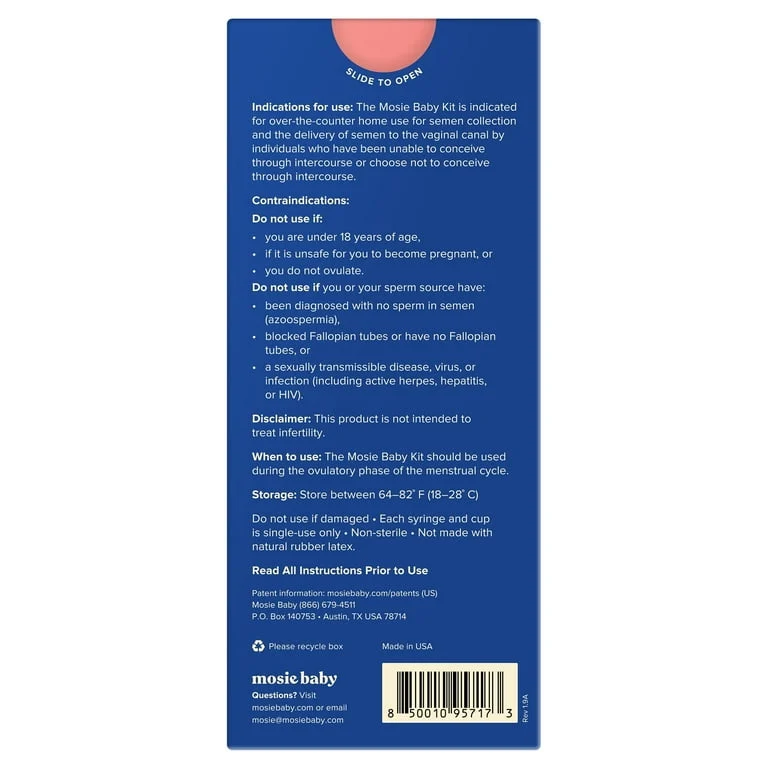
    Mosie Baby At-Home Insemination Kit instructions and storage guidelines on a blue background.

    Navigating the World of DIY Conception: Tips for Using a Syringe Kit Successfully

    Before using a syringe kit for insemination, it is vital to prepare the sperm sample correctly. This involves collecting the semen sample in a sterile container and allowing it to liquefy for 20-30 minutes. Then, using a sterile syringe, transfer the sample into the syringe kit’s container and secure the cap. It is crucial to handle the sample with clean hands and avoid contaminating it.

    5. Practice Proper Hygiene

    Maintaining proper hygiene is crucial when using a syringe kit for conception. Before handling the kit, make sure to wash your hands thoroughly with soap and warm water. Additionally, it is recommended to clean the vaginal area with a mild soap and water before insemination. This will help reduce the risk of infections and increase the chances of success.

    6. Choose the Right Position

    The position during insemination can also affect the success rate. It is recommended to elevate your hips or lie on your back with your hips raised for 15-20 minutes after insemination. This will allow the sperm to travel towards the cervix and increase the chances of fertilization. It is also essential to relax and avoid any physical activities that may interfere with the sperm’s journey.

    7. Be Patient and Positive

    DIY conception using a syringe kit may not be successful on the first try. It is essential to be patient and not get discouraged. It may take several attempts before achieving a successful pregnancy. It is also important to maintain a positive attitude and stay hopeful throughout the process. Seek support from your partner, friends, or a support group if needed.

    In conclusion, using a syringe kit for DIY conception can be a cost-effective and convenient option for those trying to conceive. However, it is crucial to follow these tips and guidelines to increase the chances of success and ensure the process is safe and hygienic. Remember to consult with a medical professional and be patient and positive throughout the journey.

    Summary:

    – Consult with a medical professional before using a syringe kit for conception.
    – Purchase a high-quality syringe kit from a reputable source.
    – Understand your menstrual cycle and ovulation period.
    – Prepare the sperm sample properly and practice proper hygiene.
    – Choose the right position during insemination.
    – Be patient and positive throughout the process.

  • Innovative Solutions: How Syringe Kits are Revolutionizing the Conception Process

    Innovative Solutions: How Syringe Kits are Revolutionizing the Conception Process

    Conception, the process of becoming pregnant, has been a natural and instinctive part of human life for centuries. However, with advancements in medical technology and the changing dynamics of modern society, the traditional methods of conception are no longer the only option for those seeking to start a family. In recent years, there has been a surge in the use of syringe kits as an innovative solution to aid in the conception process. These kits, which were once only used in medical settings, are now being utilized by individuals and couples in the comfort of their own homes. This shift in the use of syringe kits has revolutionized the conception process, providing a safe, affordable, and convenient option for those struggling with infertility or simply looking for an alternative method of conception. In this blog post, we will explore the benefits and implications of using syringe kits for conception, and how they are changing the way we think about starting a family.

    What are Syringe Kits?

    Syringe kits, also known as artificial insemination (AI) kits, consist of a sterile syringe, a catheter, and a collection cup. These kits are used to deliver semen directly into the cervix or uterus, bypassing the need for sexual intercourse. The sperm can either be collected from a partner or a donor, and the process can be done at home or in a medical setting. While syringe kits have been used for many years in fertility clinics, they have recently gained popularity among individuals and couples who are trying to conceive at home.

    Benefits of Syringe Kits

    One of the major benefits of using syringe kits for conception is the ability to control the timing and frequency of insemination. Unlike traditional methods of conception, where timing is based on ovulation and sexual intercourse, syringe kits allow for a more precise delivery of sperm. This can be especially helpful for those who have irregular ovulation cycles or fertility issues. Additionally, using syringe kits can also increase the chances of conception as the sperm is directly delivered to the cervix or uterus, bypassing any potential obstacles in the reproductive system.

    Another advantage of using syringe kits is the cost-effectiveness. In vitro fertilization (IVF) and other assisted reproductive technologies can be expensive, making it inaccessible for many couples. Syringe kits, on the other hand, are a much more affordable option, with prices ranging from $30 to $100. This makes it a viable choice for those who are struggling with infertility but cannot afford expensive medical procedures.

    Syringe kits also offer a discreet and private option for conception. The process can be done at home, eliminating the need for invasive and uncomfortable procedures in a clinical setting. This is particularly appealing to same-sex couples and single individuals who may face judgment or discrimination in a medical setting. With syringe kits, they can have more control over the conception process and maintain their privacy.

    Impact on the Conception Process

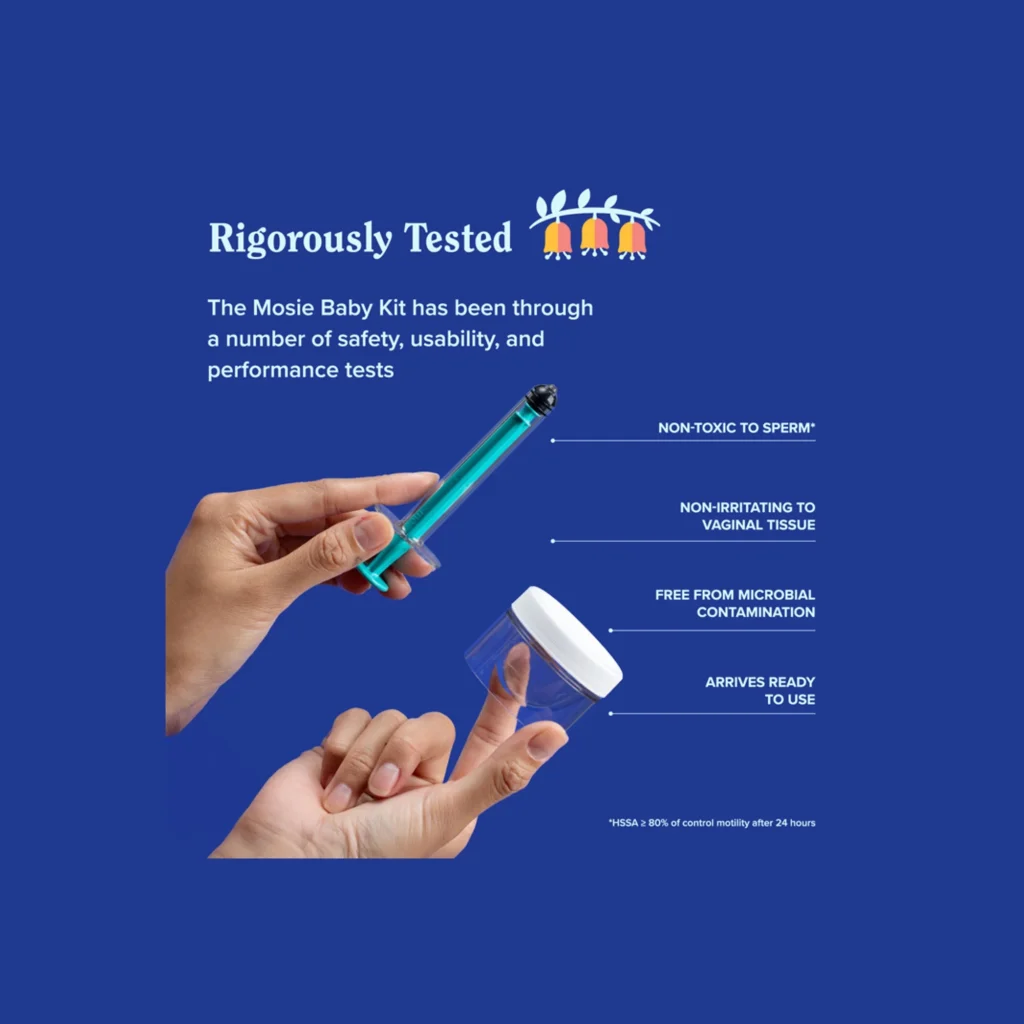
    Mosie Baby Kit features a syringe and container, highlighting safety and usability tests on a blue background.

    Innovative Solutions: How Syringe Kits are Revolutionizing the Conception Process

    The use of syringe kits for conception has had a significant impact on the traditional view of conception. It has challenged the notion that conception can only occur through sexual intercourse and has opened up possibilities for individuals and couples who may not be able to conceive naturally. This has also led to a shift in societal attitudes towards same-sex couples and single individuals who are starting a family through unconventional means.

    Furthermore, the availability and accessibility of syringe kits have also played a crucial role in changing the dynamics of the conception process. With the rise of the internet and online marketplaces, it has become easier for individuals to purchase syringe kits without a prescription. This has given people more control over their reproductive choices and has reduced the stigma surrounding assisted reproductive technologies.

    Challenges and Controversies

    While syringe kits have proven to be a game-changer for many individuals and couples, there are still some challenges and controversies surrounding their use. One of the main concerns is the lack of regulation and oversight in the production and distribution of these kits. This can lead to issues with quality control and safety, as well as potential legal and ethical complications.

    There is also a divide within the medical community regarding the use of syringe kits for conception. While some doctors view it as a safe and effective option, others argue that it should only be used under the supervision of a medical professional. This raises questions about the potential risks and complications that may arise from using syringe kits without proper medical guidance.

    The Future of Conception: Syringe Kits as a Step Towards Innovation

    The rising use of syringe kits for conception is just one example of how advancements in medical technology are changing the way we think about starting a family. It has opened up possibilities for individuals and couples who may have faced barriers in traditional methods of conception. However, it also raises important questions about the future of reproduction and the role of technology in shaping it.

    In conclusion, syringe kits have revolutionized the conception process by providing a safe, affordable, and convenient option for individuals and couples seeking to start a family. While there are still challenges and controversies surrounding their use, it is clear that they have had a significant impact on the traditional view of conception and have opened up new possibilities for the future of reproduction.

    Summary:

    The traditional methods of conception are no longer the only option for those seeking to start a family, as syringe kits have emerged as an innovative solution to aid in the conception process. These kits, which were once only used in medical settings, are now being utilized by individuals and couples in the comfort of their own homes. The benefits of using syringe kits include precise timing of insemination, increased chances of conception, affordability, and privacy. It has also challenged societal attitudes towards unconventional methods of starting a family and has given individuals more control over their reproductive choices. However, there are also challenges and controversies surrounding their use, including lack of regulation and divided opinions within the medical community. The rise of syringe kits is just one example of how advancements in medical technology are changing the future of reproduction.

  • Syringe Kits and DIY Conception: An Empowering Choice for Modern Families

    Summary:

    In recent years, the concept of DIY conception has been gaining popularity as an empowering choice for modern families. One of the key tools in this process is the use of syringe kits, which allow individuals and couples to perform artificial insemination at home. This blog post will delve into the reasons why syringe kits and DIY conception have become a preferred option for many people, including the rising cost of fertility treatments, the desire for more control and privacy, and the increasing acceptance of non-traditional family structures. We will also discuss the various types of syringe kits available, how to use them, and the potential risks and precautions to consider. Ultimately, this post aims to shed light on the benefits and possibilities of DIY conception, and why it can be a powerful and fulfilling choice for those seeking to start a family.

    Introduction:

    Starting a family is a dream for many people, but for some, the traditional methods of conception may not be feasible or desirable. This is where DIY conception, also known as at-home insemination, comes into play. DIY conception involves using at-home methods to achieve pregnancy, without the need for medical intervention. One of the most popular tools for this process is a syringe kit, which allows individuals and couples to perform artificial insemination with ease and privacy. This option has become increasingly popular in recent years, and for good reason. Let’s explore why syringe kits and DIY conception have become a preferred choice for many modern families.

    Rising Cost of Fertility Treatments:

    The cost of fertility treatments, such as in-vitro fertilization (IVF), can be a significant barrier for many people looking to start a family. According to the American Society for Reproductive Medicine, the average cost of one IVF cycle in the United States is around $12,000, and this does not include the cost of medications or additional procedures that may be needed. For those without insurance coverage or with limited financial resources, this can be a daunting and unattainable expense. DIY conception, on the other hand, can be a much more affordable option, with syringe kits costing as little as $20. This significant cost difference has made DIY conception a more feasible choice for many individuals and couples.

    Desire for More Control and Privacy:

    Another reason why syringe kits and DIY conception have become popular is the desire for more control and privacy in the conception process. Many people feel uncomfortable with the idea of going through fertility treatments in a clinical setting, where there may be a lack of personal connection and privacy. DIY conception allows individuals and couples to have more control over the process, as they can choose the timing, location, and method of insemination. It also offers a more intimate and personal experience, as the procedure can be performed in the comfort of one’s own home, with a partner or support person present if desired.

    Mosie Baby Kit with a syringe and container, highlighting safety and usability features on a blue background.

    Syringe Kits and DIY Conception: An Empowering Choice for Modern Families

    Acceptance of Non-Traditional Family Structures:

    In the past, traditional nuclear families were the norm, with a mother, father, and children. However, in recent years, there has been a significant shift in societal attitudes towards non-traditional family structures. Same-sex couples, single parents, and individuals choosing to co-parent outside of a romantic relationship are becoming more widely accepted. DIY conception allows these individuals and couples to start a family on their terms, without the need for a sperm donor or medical intervention. Syringe kits provide a practical and accessible method for achieving pregnancy, regardless of one’s relationship status or sexual orientation.

    Types of Syringe Kits and How to Use Them:

    There are various types of syringe kits available on the market, each with its own unique features and benefits. The most common type is the needleless syringe, which is designed specifically for at-home insemination. These syringes have a bulb at the end, which is used to suck up the semen, and a soft tip for easy insertion. Another option is the needle syringe, which is typically used for medical procedures but can also be used for DIY conception. These syringes have a needle at the end, which is used to inject the semen into the cervix. It is essential to carefully read and follow the instructions included with the syringe kit to ensure proper usage and avoid any potential risks.

    Risks and Precautions:

    While DIY conception with syringe kits may seem like a simple and safe process, it is essential to understand and take precautions to avoid potential risks. One of the main risks is the transmission of sexually transmitted infections (STIs), which can occur when using semen from an infected donor. To minimize this risk, it is crucial to use semen from a known and tested donor, or to undergo STI testing before insemination. It is also important to follow proper hygiene practices, such as washing hands and sterilizing the syringe before use. Additionally, it is recommended to consult with a healthcare provider before attempting DIY conception, to ensure that there are no underlying medical conditions that may affect the process.

    Conclusion:

    Syringe kits and DIY conception have become a popular and empowering choice for many modern families. The rising cost of fertility treatments, the desire for more control and privacy, and the acceptance of non-traditional family structures are all contributing factors to this trend. With various types of syringe kits available and proper precautions taken, this option provides a practical and affordable way for individuals and couples to achieve their dream of starting a family. DIY conception with syringe kits allows individuals to take control of their reproductive choices and create a family on their terms, making it a powerful and empowering choice for modern families.

  • Home Insemination and Genetics: Understanding Your Family History

    Blog Post:

    Home insemination is a method of artificial insemination that can be done in the comfort of one’s own home. This process involves using a donor’s sperm to fertilize a woman’s egg, either through sexual intercourse or by using a syringe to inject the sperm into the vagina. While this method may seem unconventional to some, it can be a viable option for same-sex couples, single individuals, and those struggling with fertility. However, before embarking on this journey, it is important to understand the role of genetics and your family history in the process of home insemination.

    Genetics play a crucial role in determining the characteristics and traits of an individual. From physical features to predispositions to certain diseases, our genetic makeup is a result of the combination of genes from our biological parents. This makes it essential to have a thorough understanding of your family history before considering home insemination.

    The first step in understanding your family history is to gather information. This can include details about your immediate family, such as parents and siblings, as well as extended family members like grandparents, aunts, and uncles. It is important to note any genetic disorders or conditions that run in the family, as well as any fertility issues that may have occurred.

    Next, it is crucial to understand how genetics and inheritance work. Each person has two copies of each gene, one inherited from their mother and one from their father. These genes can either be dominant or recessive. A dominant gene will always be expressed, while a recessive gene will only be expressed if both copies are recessive. This means that if a parent carries a recessive gene for a certain condition, their child may inherit the condition if the other parent also carries the same recessive gene.

    at-home insemination kit featuring a syringe and container for fresh or donor sperm conception

    Home Insemination and Genetics: Understanding Your Family History

    In the case of home insemination, understanding your family’s genetic history can help determine the risk of passing on any genetic disorders to the child. If you or your partner have a family history of a particular genetic condition, it is important to consult with a genetic counselor before proceeding with home insemination. A genetic counselor can help assess the risk and provide guidance on the best course of action.

    In addition to genetic disorders, it is also important to consider genetic traits and characteristics that may be inherited. These can include physical features such as eye color, hair color, and height. While these traits may seem trivial, they can play a significant role in shaping a child’s identity and sense of belonging within their family. If using a known donor for home insemination, it is important to discuss these potential traits with the donor to ensure that everyone is on the same page.

    Another aspect to consider when it comes to genetics and home insemination is the use of donor sperm. In the case of a known donor, it is important to understand their family history and potential genetic risks. However, if using a donor from a sperm bank, it is crucial to thoroughly research the bank’s policies and procedures for screening donors. This should include screening for genetic disorders and any other potential health risks.

    It is also worth noting that while genetics play a significant role in determining a child’s characteristics, environmental factors also play a part. This means that even if a child is genetically predisposed to a certain trait or condition, it may not necessarily manifest in them. Therefore, it is important not to solely rely on genetics when making decisions about home insemination.

    In summary, home insemination can be a life-changing experience for individuals and couples looking to start a family. However, it is crucial to have a thorough understanding of your family history and genetics before proceeding with this method. Consultation with a genetic counselor and open communication with potential donors can help mitigate any potential risks and ensure a smooth journey towards parenthood.

    In conclusion, home insemination and genetics go hand in hand when it comes to starting a family. By understanding your family history and the role of genetics in the process, you can make informed decisions and ensure the best possible outcome for you and your future child.

  • Home Insemination vs. Medical Procedures: Which is Right for You?

    Home insemination and medical procedures are two options for couples or individuals who are looking to start a family. With advancements in technology and medicine, there are now more options than ever before for conceiving a child. However, it can be overwhelming to navigate through the different methods and decide which one is right for you. In this blog post, we will discuss the differences between home insemination and medical procedures, the pros and cons of each, and how to determine which option is best for you.

    Home insemination, also known as artificial insemination at home, is the process of inserting semen into the vagina or uterus at home in order to fertilize an egg. There are various methods of home insemination, including using a syringe, cervical cap, or a special device called an insemination kit. This method is often chosen by couples who want to have a more private and intimate experience, as well as those who may have difficulty conceiving through traditional methods.

    One of the main benefits of home insemination is that it can be done in the comfort of your own home, without the need for medical intervention. This can be especially appealing for those who may have a fear of medical procedures or feel more comfortable in a familiar environment. Home insemination also tends to be more affordable than medical procedures, making it a viable option for those on a budget.

    However, there are also some downsides to home insemination. The success rates can vary and may be lower than medical procedures, as there is no medical supervision or testing involved. Additionally, there is a risk of infection if proper sanitation and hygiene measures are not followed. It is important to note that home insemination is not suitable for everyone, as it may not be effective for those with certain fertility issues.

    On the other hand, medical procedures for fertility, such as in vitro fertilization (IVF) and intrauterine insemination (IUI), involve more extensive medical intervention and are typically performed in a clinic or hospital setting. These procedures can be more expensive than home insemination, but they also tend to have higher success rates. Medical procedures are often recommended for individuals or couples who have been struggling with infertility or have certain medical conditions that make natural conception difficult.

    IVF is a process where eggs are retrieved from a woman’s ovaries and fertilized with sperm in a laboratory. The fertilized eggs are then transferred back into the woman’s uterus, where they can hopefully implant and result in a successful pregnancy. This procedure is commonly used for those with severe fertility issues, such as blocked fallopian tubes or low sperm count.

    Mosie Baby kit with two jars, a syringe, and a supportive message card inside a colorful box.

    Home Insemination vs. Medical Procedures: Which is Right for You?

    IUI, on the other hand, is a less invasive procedure where sperm is placed directly into the uterus during ovulation. This increases the chances of sperm reaching the egg and fertilizing it. IUI is often recommended for those with unexplained infertility or mild fertility issues.

    One of the major benefits of medical procedures is the higher success rates, especially for those with fertility issues. They also offer a more thorough and controlled process, as the fertility specialist can monitor and adjust the treatment plan as needed. Additionally, medical procedures often involve testing and screening for both partners, which can help identify any potential issues that may affect fertility.

    However, medical procedures can also come with their own set of challenges and drawbacks. They can be expensive, with multiple rounds of IVF or IUI often needed for success. These procedures also require a significant amount of time and commitment, with frequent appointments and hormone injections. There is also a risk of multiple pregnancies with IVF, which can lead to complications and health risks for both the mother and babies.

    So, which option is right for you? Ultimately, the decision will depend on your personal circumstances and preferences. If you and your partner have no known fertility issues and want to have a more natural and private experience, home insemination may be a good option for you. On the other hand, if you have been struggling with infertility or have certain medical conditions, medical procedures may offer a higher chance of success.

    It is important to consult with a fertility specialist to discuss your options and determine the best course of action for your individual situation. They can evaluate your medical history and perform any necessary tests to help you make an informed decision.

    In conclusion, both home insemination and medical procedures have their own advantages and disadvantages. Home insemination offers a more intimate and affordable option, while medical procedures have higher success rates but can be more expensive and time-consuming. Ultimately, the choice will depend on your personal circumstances and what you feel most comfortable with. Consulting with a fertility specialist is crucial in making the best decision for you and your family.

  • Simplify Your Fertility Journey with Home Insemination

    Blog Post:

    Trying to conceive can be a long and complicated journey for many couples. From tracking ovulation to undergoing fertility treatments, the process can be overwhelming both emotionally and financially. However, there is a less known option that can simplify the fertility journey for some couples: home insemination.

    Home insemination, also known as artificial insemination, is the process of using a syringe or a specialized cervical cap to deposit sperm into the vagina or cervix in order to facilitate conception. This method can be done at home, eliminating the need for frequent doctor visits and invasive procedures. In this blog post, we will discuss how home insemination can simplify the fertility journey and provide some tips for those considering this option.

    1. Cost-effective

    One of the biggest advantages of home insemination is its cost-effectiveness. Fertility treatments can be expensive and may not be covered by insurance. Home insemination, on the other hand, can be done at a fraction of the cost. The only expenses involved are the purchase of a syringe or cervical cap, and possibly a fertility-friendly lubricant. This makes it a more accessible option for couples who may not have the financial resources for other fertility treatments.

    2. Convenient and Private

    Home insemination can be done in the comfort and privacy of your own home. There is no need for frequent visits to the doctor’s office or to schedule appointments around ovulation. This can be especially beneficial for couples who live in rural areas or have busy schedules. It also allows for a more intimate and less clinical experience, which can be important for some couples.

    3. No Medications or Hormonal Side Effects

    Unlike other fertility treatments, home insemination does not involve the use of medications or hormones. This means there are no potential side effects to worry about. Many women experience uncomfortable side effects from fertility medications, such as mood swings and bloating. With home insemination, there is no need to worry about these potential side effects.

    4. Can Be Used with Donor Sperm

    For couples who are unable to conceive with their own sperm, home insemination can be a great option when using donor sperm. This allows for a wider range of options when it comes to choosing a sperm donor. It also eliminates the need for invasive procedures such as intrauterine insemination or in-vitro fertilization, which can be expensive and emotionally taxing.

    5. Less Stressful

    The fertility journey can be a stressful time for couples, with constant tracking of ovulation, doctor appointments, and the uncertainty of whether or not conception will occur. Home insemination can reduce some of this stress by allowing couples to take control of the process in a more relaxed and private setting. This can also help couples to feel more connected and involved in the conception process.

    Tips for Home Insemination:

    home insemination kit components: a syringe and a collection container against a blue background.

    Simplify Your Fertility Journey with Home Insemination

    1. Consult with a Fertility Specialist

    Before starting home insemination, it is important to consult with a fertility specialist to ensure that there are no underlying fertility issues that may prevent conception. They can also provide guidance on the best methods and timing for home insemination.

    2. Use High-Quality Sperm

    If using donor sperm, it is important to choose a reputable sperm bank that provides high-quality sperm. This can increase the chances of successful conception.

    3. Track Ovulation

    Tracking ovulation is crucial for successful home insemination. There are many methods available, such as ovulation predictor kits or tracking basal body temperature. Knowing when ovulation occurs can help determine the best time for insemination.

    4. Use a Fertility-Friendly Lubricant

    Regular lubricants can hinder sperm movement and decrease the chances of conception. It is important to use a fertility-friendly lubricant, such as Pre-Seed, during home insemination to improve sperm mobility.

    5. Be Patient

    Conceiving through home insemination may take longer than other fertility treatments. It is important to be patient and not get discouraged if conception does not occur right away. It may take a few cycles to achieve pregnancy.

    In conclusion, home insemination can be a cost-effective, convenient, and less stressful option for couples on their fertility journey. It is important to consult with a fertility specialist and follow some tips to increase the chances of successful conception. With its potential benefits, home insemination is definitely worth considering for couples looking to simplify their fertility journey.

    Summary:

    In this blog post, we discussed the benefits of home insemination for couples trying to conceive. We highlighted its cost-effectiveness, convenience, and lack of medications or hormones as advantages over other fertility treatments. We also provided tips for those considering home insemination, such as consulting with a fertility specialist and tracking ovulation. With its potential to simplify the fertility journey and provide a more intimate experience, home insemination is a viable option for couples looking to expand their family.

    SEO metadata:

  • Home Insemination 101: Everything You Need to Know

    Home insemination is a method of artificial insemination that can be done in the comfort of your own home. It involves the insertion of sperm into the cervix or uterus to increase the chances of conception. It is a popular option for couples who are trying to get pregnant, same-sex couples, and single women who want to start a family, as it is a less expensive and more private alternative to traditional fertility treatments.

    In this blog post, we will discuss everything you need to know about home insemination, including the benefits, the process, the equipment needed, and some tips for success.

    Benefits of Home Insemination
    One of the main benefits of home insemination is the cost. Traditional fertility treatments can cost thousands of dollars, making it inaccessible for many couples. Home insemination, on the other hand, is a more affordable option, with the cost of equipment and supplies being much lower.

    Another benefit is the privacy and comfort of being able to perform the insemination in your own home. This can be a more relaxed and intimate experience for couples, as they can choose their own setting and have more control over the process.

    Home insemination also allows for more flexibility in timing. Unlike traditional fertility treatments, which require strict schedules and appointments, home insemination can be done at any time during a woman’s ovulation cycle, increasing the chances of success.

    The Process of Home Insemination
    The first step in home insemination is to track ovulation. This can be done through various methods, such as tracking basal body temperature or using ovulation predictor kits. Once ovulation is detected, the insemination can take place.

    There are two main methods of home insemination: the cervical cap method and the syringe method. The cervical cap method involves using a soft cup or cervical cap to hold the sperm near the cervix, while the syringe method involves using a sterile syringe to deposit the sperm directly into the cervix or uterus.

    blue box with "mosie" logo, syringes, and informational pamphlet on a pink background

    Home Insemination 101: Everything You Need to Know

    Before attempting home insemination, it is important to have a discussion with your partner or sperm donor about the process and any potential risks or concerns. It is also recommended to consult with a healthcare provider for guidance and to ensure that both partners are healthy and fertile.

    Equipment Needed for Home Insemination
    To perform home insemination, you will need some basic equipment and supplies. These include ovulation tracking tools, a sterile collection cup, a sterile syringe or cervical cap, and a speculum (optional).

    It is important to use sterile equipment to reduce the risk of infection. The collection cup and syringe can be purchased at a pharmacy, while cervical caps can be ordered online. It is also recommended to have some water-based lubricant on hand to aid in the process.

    Tips for Success
    While home insemination can be an effective method for achieving pregnancy, there are a few tips that can increase the chances of success.

    Timing is crucial in home insemination, so it is important to track ovulation accurately. Having intercourse in the days leading up to ovulation can also improve the chances of fertilization.

    Using a speculum to help visualize the cervix and guide the syringe or cervical cap can also increase accuracy and success rates. It is also important to remain relaxed and comfortable during the process, as stress can affect fertility.

    In addition, it is recommended to have a follow-up appointment with a healthcare provider to confirm pregnancy and monitor the progress.

    In conclusion, home insemination can be a viable option for couples and individuals looking to start a family. It is a more affordable, private, and flexible alternative to traditional fertility treatments. By tracking ovulation, using the proper equipment, and following some tips for success, home insemination can increase the chances of conception and bring joy to those wanting to become parents.

  • Fertility at Home: A Beginner’s Guide to Insemination

    Blog Post: Fertility at Home: A Beginner’s Guide to Insemination

    The journey to starting a family can be a challenging one, especially for couples struggling with fertility issues. Insemination, also known as artificial insemination, is a popular fertility treatment that involves placing sperm directly into a woman’s cervix or uterus. While this procedure is commonly done in a medical setting, many couples are now opting for at-home insemination as a more convenient and affordable option. In this blog post, we will dive into the basics of fertility at home and provide a beginner’s guide to insemination.

    What is Insemination?

    Insemination is a fertility treatment that involves the placement of sperm into a woman’s reproductive tract to increase the chances of pregnancy. This can be done through various methods such as intrauterine insemination (IUI), intracervical insemination (ICI), or intravaginal insemination (IVI).

    IUI is the most common method and involves placing washed and prepared sperm into the uterus using a catheter. ICI and IVI are similar procedures that involve placing unwashed sperm into the cervix or vagina, respectively. These procedures can be done with fresh, frozen, or donor sperm, depending on the individual’s needs.

    Why Choose At-Home Insemination?

    At-home insemination is becoming a popular choice for couples for several reasons. Firstly, it provides a more comfortable and private setting for the procedure, which can be a less stressful experience for the individual undergoing insemination. Additionally, it is a more affordable option compared to undergoing insemination in a medical facility.

    At-home insemination also gives couples more control over the process, as they can choose their preferred method and timing for the procedure. This can be especially beneficial for same-sex couples or single individuals who may not have access to a sperm donor or a fertility clinic.

    Preparing for At-Home Insemination

    Before starting the insemination process, it’s essential to prepare both physically and emotionally. It’s crucial to track ovulation using methods such as ovulation predictor kits or monitoring basal body temperature to determine the most fertile days for insemination.

    It’s also essential to consult a doctor or fertility specialist before starting the process to ensure that there are no underlying fertility issues that could affect the success of at-home insemination. They can also provide guidance on the best type of insemination method and any necessary medications or supplements.

    Steps for At-Home Insemination

    Step 1: Collecting and Preparing Sperm

    The first step in at-home insemination is to collect the sperm. If using fresh sperm from a partner, it’s essential to collect it in a sterile container and keep it at room temperature until the procedure. If using frozen or donor sperm, follow the instructions provided by the sperm bank or fertility clinic.

    blue box with "mosie" logo, syringes, and informational pamphlet on a pink background

    Fertility at Home: A Beginner's Guide to Insemination

    Once the sperm is collected, it’s crucial to prepare it by washing it with a special solution to remove any impurities and increase the chances of conception. If using frozen sperm, it’s best to thaw it according to the instructions provided and then wash it.

    Step 2: Preparing the Body

    Before the insemination procedure, it’s essential to prepare the body by emptying the bladder and thoroughly washing the hands and genital area. It’s also recommended to use a sterile speculum to help visualize the cervix and a lubricant that is sperm-friendly to aid in the insertion of the sperm.

    Step 3: Placing the Sperm

    The next step is to place the prepared sperm into the cervix, uterus, or vagina, depending on the chosen method. This can be done with a syringe or a special device called an insemination cap. It’s essential to follow the instructions provided by the doctor or fertility specialist carefully.

    Step 4: Resting and Monitoring

    After the sperm has been placed, it’s recommended to rest for at least 30 minutes to allow the sperm to reach the egg. It’s also essential to avoid any strenuous activities or standing for long periods during this time. Additionally, tracking symptoms such as cramping or spotting can help determine if insemination was successful.

    Risks and Success Rates of At-Home Insemination

    At-home insemination carries some risks, such as infection and possible injury from improper insertion of devices. It’s crucial to follow all instructions carefully and consult a doctor if any concerns arise.

    The success rate of at-home insemination varies depending on factors such as the individual’s age, fertility history, and the chosen method. On average, the success rate of at-home insemination is between 10-15%, which is lower than the success rate of IUI done in a medical setting. However, with proper preparation and timing, at-home insemination can be a successful option for many couples.

    Conclusion

    At-home insemination is a convenient and affordable option for couples struggling with fertility issues. While it may not be suitable for everyone, it can be a successful method for many individuals. It’s crucial to consult a doctor and follow all instructions carefully to ensure the best chances of success. With proper preparation and timing, at-home insemination can be an effective way to start a family.

    Summary:

    Insemination is a popular fertility treatment that involves placing sperm directly into a woman’s cervix or uterus. At-home insemination is becoming a popular choice for couples due to its convenience, privacy, and affordability. Before starting the process, it’s essential to track ovulation, consult a doctor, and prepare both physically and emotionally. The steps for at-home insemination include collecting and preparing sperm, preparing the body, placing the sperm, and resting and monitoring. It’s crucial to follow all instructions carefully and consult a doctor if any concerns arise. The success rate of at-home insemination is lower than IUI done in a medical setting, but with proper preparation and timing, it can be a successful option for starting a family.