Tag: fertility treatments

  • Syringe Kit vs. Traditional Fertility Treatments: Which is Better?

    Infertility is a common issue that affects many couples around the world. In fact, according to the World Health Organization, approximately 15% of couples struggle with infertility. For these couples, seeking fertility treatments is often a necessary step in their journey towards starting a family. However, with advancements in technology and medicine, there are now various options available for fertility treatments, including traditional methods and the use of syringe kits. In this blog post, we will discuss the differences between these two options and evaluate which one may be better for individuals or couples dealing with infertility.

    Traditional fertility treatments refer to methods that have been used for many years to help individuals or couples achieve pregnancy. These methods include medications, intrauterine insemination (IUI), and in vitro fertilization (IVF). On the other hand, the use of syringe kits is a relatively new method of assisted reproductive technology (ART) that involves a non-invasive and less expensive approach to fertility treatments.

    One of the main differences between traditional fertility treatments and syringe kits is the process involved. Traditional treatments often require multiple visits to a fertility clinic and involve various procedures such as blood tests, ultrasounds, and injections. This can be a time-consuming and stressful process for individuals or couples, especially if they live far from a fertility clinic. In contrast, syringe kits can be used in the comfort of one’s home, eliminating the need for frequent visits to a clinic. This can be particularly beneficial for individuals or couples who have busy schedules or live in remote areas.

    Another significant difference between traditional fertility treatments and syringe kits is the cost. Traditional treatments can be quite expensive, with the average cost of IVF in the United States ranging from $12,000 to $15,000 per cycle. This cost does not include additional expenses such as medications and diagnostic tests. On the other hand, syringe kits are significantly more affordable, with prices ranging from $250 to $500 per cycle. This makes syringe kits a more accessible option for individuals or couples who may not be able to afford traditional fertility treatments.

    In terms of success rates, traditional fertility treatments have been proven to be more effective compared to syringe kits. IVF, for example, has a success rate of around 30% per cycle for women under 35 years old. In contrast, syringe kits have a success rate of around 12% per cycle. However, it is important to note that success rates can vary depending on various factors such as age, overall health, and the cause of infertility. It is always best to consult with a fertility specialist to determine the most suitable option for an individual or couple’s specific situation.

    hand holding a pregnancy test with instructions on a colorful background

    Syringe Kit vs. Traditional Fertility Treatments: Which is Better?

    One of the benefits of using syringe kits is the lack of side effects. Traditional fertility treatments often involve the use of medications such as hormone injections, which can cause side effects such as mood swings, bloating, and fatigue. These side effects can be challenging to deal with, especially for individuals or couples who are already dealing with the emotional stress of infertility. Syringe kits, on the other hand, do not involve the use of medications, making it a more natural and less intrusive option.

    Another factor to consider when comparing traditional fertility treatments and syringe kits is the level of involvement required from the individuals or couples. Traditional treatments often require a significant amount of time and effort, including regular clinic visits, monitoring, and following a strict medication schedule. This can be overwhelming for some individuals or couples, especially if they have other responsibilities such as work or childcare. In contrast, syringe kits require less involvement, and individuals or couples can easily incorporate it into their daily routine.

    While traditional fertility treatments have been around for many years and have helped numerous couples achieve pregnancy, the use of syringe kits is gaining popularity due to its convenience and affordability. However, it is essential to note that syringe kits may not be suitable for everyone, and traditional treatments may still be the best option for some individuals or couples. It is crucial to consult with a fertility specialist to determine the most appropriate treatment plan.

    In conclusion, when it comes to choosing between syringe kits and traditional fertility treatments, there is no one right answer. Each option has its own set of pros and cons, and the best choice will vary depending on an individual or couple’s specific situation. While traditional treatments have higher success rates, they can be costly, time-consuming, and involve various side effects. On the other hand, syringe kits offer a more affordable, less invasive, and convenient option. Ultimately, the decision should be made after careful consideration and consultation with a fertility specialist.

    In summary, infertility can be a challenging and emotional journey for couples, and choosing the right fertility treatment can be overwhelming. In this blog post, we discussed the differences between syringe kits and traditional fertility treatments and evaluated which option may be better for individuals or couples dealing with infertility. While there is no one-size-fits-all solution, understanding the pros and cons of each option can help individuals or couples make an informed decision about their fertility journey.


  • A Comprehensive Guide to Using the 27 Syringe Kit for Fertility Support

    Fertility support is a complex and emotional journey for many individuals and couples. In recent years, advancements in technology and medicine have made fertility treatments more accessible and effective. One tool that has become increasingly popular among those seeking fertility support is the 27 syringe kit. This comprehensive guide will provide you with all the information you need to understand and use the 27 syringe kit for your fertility journey.

    What is the 27 Syringe Kit?

    The 27 syringe kit is a collection of syringes and needles that are specifically designed for fertility treatments. It contains 27 syringes in different sizes, ranging from 0.5ml to 5ml, and 27 needles in various lengths. The kit also includes alcohol wipes and a sharps container for safe disposal of used needles.

    How to Use the 27 Syringe Kit

    Step 1: Prepare the Syringe

    Before using the syringe, make sure to wash your hands thoroughly. Then, remove the syringe from its packaging and attach the needle to the syringe. Gently push the needle onto the syringe until it is secure.

    Step 2: Draw Up Medication

    Once the syringe is prepared, you can draw up your medication. Ensure that you follow the instructions provided by your doctor or fertility specialist carefully. The amount of medication you need to draw up will depend on your treatment plan.

    Step 3: Expel Air Bubbles

    After drawing up the medication, gently tap the syringe to remove any air bubbles. Then, push the plunger slightly to expel any remaining air bubbles. This step is crucial to ensure accurate dosing.

    Mosie Baby Kit features a syringe and container, highlighting safety and usability tests on a blue background.

    A Comprehensive Guide to Using the 27 Syringe Kit for Fertility Support

    Step 4: Administer the Medication

    There are two main methods for administering fertility medication – subcutaneous (under the skin) or intramuscular (into the muscle). Depending on your treatment plan, your doctor will advise which method to use. The 27 syringe kit is suitable for both methods, as it contains needles of different lengths.

    Step 5: Dispose of Used Needles

    After administering the medication, it is essential to dispose of used needles safely. The 27 syringe kit includes a sharps container, which is specifically designed for the disposal of used needles. Make sure to place the used needles in the sharps container immediately after use to prevent any accidental injuries.

    Tips for Using the 27 Syringe Kit

    – Always follow the instructions provided by your doctor or fertility specialist.
    – Make sure to use a different needle for each injection.
    – Do not reuse needles or share them with others.
    – Keep the syringe kit out of reach of children and pets.
    – Do not dispose of used needles in regular household waste.

    Benefits of Using the 27 Syringe Kit

    The 27 syringe kit offers many benefits for those seeking fertility support. Some of these include:

    – Convenience: The kit contains all the necessary syringes and needles in one package, making it convenient for individuals undergoing fertility treatments.
    – Versatility: The kit includes needles of different lengths, making it suitable for both subcutaneous and intramuscular injections.
    – Accuracy: The syringes are marked with clear measurement lines, ensuring accurate dosing.
    – Safety: The 27 syringe kit includes a sharps container, ensuring safe disposal of used needles.
    – Cost-effective: Buying the kit in bulk can be more cost-effective than purchasing individual syringes and needles.

    In conclusion, the 27 syringe kit is a valuable tool for those seeking fertility support. It provides convenience, versatility, accuracy, and safety, all in one package. By following the steps outlined in this comprehensive guide, you can use the 27 syringe kit correctly and safely for your fertility treatments.

  • Breaking Barriers: Overcoming Infertility with the 27 Syringe Kit

    Blog Post: Breaking Barriers: Overcoming Infertility with the 27 Syringe Kit

    Infertility is a common struggle for many couples, affecting approximately 1 in 8 couples worldwide. It can be a heartbreaking and frustrating journey, as couples face numerous obstacles and challenges in their quest to conceive a child. For many, the process of fertility treatments can be overwhelming, both emotionally and financially. However, a revolutionary product, the 27 Syringe Kit, is breaking barriers and providing hope for couples struggling with infertility.

    The 27 Syringe Kit is a comprehensive at-home fertility treatment kit that includes all the necessary tools and medications for a complete IVF (in vitro fertilization) cycle. Developed by Dr. Paul Magarelli, a leading fertility specialist, the kit aims to make fertility treatments more accessible and affordable for couples. This innovative kit has already helped numerous couples overcome infertility and achieve their dream of having a child.

    So, what exactly is the 27 Syringe Kit, and how does it work? Let’s dive into the details.

    What is the 27 Syringe Kit?

    The 27 Syringe Kit is a self-administered IVF kit that includes all the necessary medications and tools for a complete IVF cycle. The kit contains 27 syringes, each labeled and numbered for easy use, along with all the necessary medications, including follicle-stimulating hormone (FSH), human chorionic gonadotropin (hCG), and progesterone. The kit also comes with detailed instructions and a video tutorial, making it easy for couples to administer the medications at home.

    How Does it Work?

    The 27 Syringe Kit follows the same process as a standard IVF cycle, where the woman takes fertility medications to stimulate the production of multiple eggs. The eggs are then retrieved and fertilized in a laboratory, and the resulting embryos are transferred back into the woman’s uterus.

    The kit’s unique feature is the use of a low-cost, FDA-approved medication, called clomiphene citrate, instead of the more expensive FSH medication usually used in IVF. This medication helps to stimulate the ovaries to produce multiple eggs, making the IVF cycle more effective. The 27 Syringe Kit also includes a special syringe for hCG injection, which is crucial for triggering ovulation.

    at-home insemination kit with syringes, collection cups, and instructions on a pink background

    Breaking Barriers: Overcoming Infertility with the 27 Syringe Kit

    Benefits of the 27 Syringe Kit

    The 27 Syringe Kit offers numerous benefits to couples struggling with infertility. First and foremost, it provides an affordable option for IVF treatments, which can often cost tens of thousands of dollars. With the kit, couples can save thousands of dollars without compromising on the quality of treatment.

    The kit also allows for a more convenient and comfortable IVF experience. Many couples have to travel long distances to fertility clinics, which can be stressful and time-consuming. With the 27 Syringe Kit, couples can undergo the entire IVF process in the comfort of their own home. This reduces the stress and anxiety associated with fertility treatments and allows for a more relaxed and positive experience.

    Moreover, the 27 Syringe Kit has a high success rate, with a pregnancy success rate of over 60%. This is comparable to traditional IVF methods, making it a viable option for couples looking to overcome infertility. The kit also eliminates the need for multiple appointments and invasive procedures, making it a less invasive and more natural option for fertility treatments.

    Success Stories with the 27 Syringe Kit

    The 27 Syringe Kit has already helped numerous couples achieve their dream of having a child. One of the most notable success stories is that of Dr. Magarelli himself, who used the kit to conceive his own child at the age of 59. Other couples have also shared their experiences, with many praising the kit for its convenience, affordability, and success rate.

    Summary

    Infertility is a common struggle for many couples, but the 27 Syringe Kit is breaking barriers and providing hope. Developed by fertility specialist Dr. Paul Magarelli, the kit is an affordable and convenient option for couples looking to undergo IVF treatments. The kit includes all the necessary medications and tools for a complete IVF cycle, and its unique features, such as the use of a low-cost medication and the ability to administer treatments at home, make it a game-changer in the world of fertility treatments.

    SEO metadata:

  • The Power of Precision: How the 27 Syringe Kit Can Enhance Your Fertility Journey

    Blog Post Title: The Power of Precision: How the 27 Syringe Kit Can Enhance Your Fertility Journey

    Summary:

    Fertility is a journey that can be filled with ups and downs, but with the right tools and resources, it can also be a rewarding and successful experience. One such tool that has been gaining popularity in the fertility community is the 27 syringe kit. This kit offers a precise and convenient way to administer fertility medications, making the process smoother and more effective. In this blog post, we will explore the power of precision that the 27 syringe kit provides and how it can enhance your fertility journey.

    Key Points:

    1. The Importance of Precision in Fertility Treatments
    2. The 27 Syringe Kit: What is it and How Does it Work?
    3. Benefits of Using the 27 Syringe Kit
    4. Tips for Using the 27 Syringe Kit
    5. Real Stories: Success with the 27 Syringe Kit
    6. Conclusion: Empowering Your Fertility Journey with Precision

    The journey of trying to conceive can be emotionally and physically taxing, which is why precision is crucial in fertility treatments. Medications need to be administered at specific times and dosages in order to achieve the desired results. Any errors or inconsistencies in the process can have a significant impact on the success of the treatment. This is where the 27 syringe kit comes in.

    Home insemination kit by Mosie Baby with instructions and colorful packaging.

    The Power of Precision: How the 27 Syringe Kit Can Enhance Your Fertility Journey

    The 27 syringe kit is a complete set of syringes, needles, and vials that are specifically designed for fertility treatments. The kit includes 27 syringes, each with a unique color and number, making it easy to track and administer the correct medication at the right time. It also comes with vials that have been pre-filled with the exact dosage of medication needed for each day of your cycle.

    One of the main benefits of using the 27 syringe kit is its precision. The syringes are designed to hold the exact dosage of medication, eliminating the need for any calculations or guesswork. This ensures that you are getting the right amount of medication every time, increasing the chances of a successful treatment. The pre-filled vials also eliminate the need for measuring and mixing medications, saving time and reducing the risk of errors.

    Another advantage of the 27 syringe kit is its convenience. The kit comes with a storage box that is compact and easy to carry, making it perfect for travel. This eliminates the stress of having to pack and carry multiple medication vials and syringes. The pre-filled vials also have a longer shelf life compared to traditional medication vials, reducing the need for frequent refills and pickups from the pharmacy.

    To make the most out of the 27 syringe kit, there are a few tips to keep in mind. It is important to follow the instructions provided and use the designated syringe and vial for each medication. It is also recommended to rotate injection sites to avoid any discomfort or irritation. Additionally, keeping the syringes and vials in a cool, dry place can help maintain their efficacy.

    Real stories of successful pregnancies and births with the help of the 27 syringe kit are a testament to its effectiveness. Many users have reported a smoother and more precise medication administration process, leading to successful outcomes. The convenience and ease of use have also helped to reduce the stress and anxiety associated with fertility treatments.

    In conclusion, the 27 syringe kit offers a powerful tool for precision in fertility treatments. Its ease of use, convenience, and accuracy make it a valuable asset in any fertility journey. By eliminating the potential for errors and providing a hassle-free experience, this kit can help empower individuals and couples on their path to parenthood.

  • The Impact of Previous Fertility Treatments on Home Insemination

    Title: The Impact of Previous Fertility Treatments on Home Insemination

    Introduction:
    In recent years, home insemination has become a popular method for couples trying to conceive. This method involves using a donor sperm to fertilize the egg at home, without the assistance of a medical professional. However, for many couples, the decision to try home insemination is often influenced by previous fertility treatments they have undergone. In this blog post, we will explore the impact of previous fertility treatments on home insemination and how it can affect the success of this method.

    History of Fertility Treatments:
    Fertility treatments have been around for centuries, with the earliest documented case of artificial insemination dating back to the 18th century. However, it wasn’t until the 20th century that these treatments saw significant advancements, such as the development of in vitro fertilization (IVF) in the 1970s. Since then, the use of fertility treatments has become more common, with millions of couples around the world seeking help to conceive.

    Causes of Infertility:
    Infertility affects approximately 1 in 8 couples worldwide, and there are numerous factors that can contribute to this condition. Some of the most common causes of infertility include hormonal imbalances, ovulation disorders, structural problems, and sperm abnormalities. These issues can make it difficult for couples to conceive naturally, leading them to seek fertility treatments.

    Previous Fertility Treatments and Home Insemination:
    For couples who have undergone previous fertility treatments, the decision to try home insemination may be a result of various factors. One of the primary reasons is the high cost of fertility treatments, which can be a significant financial burden for many couples. Additionally, some couples may have had negative experiences with medical procedures, leading them to explore alternative methods for conceiving.

    pregnancy test kit with instructions, test device, and packaging on a white background

    The Impact of Previous Fertility Treatments on Home Insemination

    Impact of Previous Treatments on Fertility:
    The impact of previous fertility treatments on home insemination can vary depending on the type of treatment and the individual’s specific circumstances. In some cases, fertility treatments may have been successful in addressing the underlying cause of infertility, making home insemination unnecessary. However, in other cases, previous treatments may not have been successful, and couples may turn to home insemination as a last resort.

    Potential Challenges:
    While home insemination may seem like a convenient and cost-effective option for couples, there are potential challenges that those with previous fertility treatments may face. For instance, if a woman has undergone multiple rounds of IVF, it can affect her ovarian reserve, making it more challenging to produce viable eggs for home insemination. In addition, hormonal imbalances caused by previous treatments may also affect the success of home insemination.

    Success Rates:
    The success rates of home insemination are difficult to determine as it largely depends on various factors such as age, health, and fertility history. However, for couples who have undergone previous fertility treatments, the success rate may be lower compared to those who have not. This is because fertility treatments can have a significant impact on a woman’s reproductive system, making it more challenging to conceive through home insemination.

    Considerations:
    Before attempting home insemination, it is crucial for couples to discuss their fertility history with a medical professional. This will help them understand any potential challenges they may face and make an informed decision. It is also essential to discuss any potential risks and complications that may arise from previous treatments.

    Conclusion:
    In conclusion, the impact of previous fertility treatments on home insemination can be significant. While it may be a viable option for some couples, those with a history of fertility treatments should carefully consider the potential challenges and success rates before attempting this method. It is always best to consult with a medical professional to understand the individual’s specific circumstances and make an informed decision.

    Summary:
    Home insemination has become a popular method for couples trying to conceive, but for many, the decision to try this method is influenced by previous fertility treatments. These treatments can have a significant impact on a woman’s reproductive system, making it more challenging to conceive through home insemination. Factors such as age, health, and fertility history can also affect the success rates. It is crucial to discuss these considerations with a medical professional before attempting home insemination.

  • The Role of Hormone Testing in Home Insemination

    Home insemination is a method of conception that involves placing sperm inside the vagina or cervix in order for fertilization to occur. This can be done at home with the use of a sperm donor or through a medical professional. While many people associate hormone testing with traditional fertility treatments such as in vitro fertilization, it can also play a crucial role in home insemination. In this blog post, we will explore the importance of hormone testing in home insemination and how it can increase the chances of a successful pregnancy.

    Hormone testing is the process of measuring the levels of hormones in the body. This can be done through blood tests, urine tests, or saliva tests. Hormones are chemical messengers that regulate various bodily functions, including fertility. In the context of home insemination, hormone testing is used to track the menstrual cycle and determine the most fertile days for insemination.

    One of the key hormones involved in fertility is luteinizing hormone (LH). This hormone is responsible for triggering ovulation, the release of an egg from the ovary. LH levels rise dramatically just before ovulation, making it a crucial hormone to track for home insemination. By using an ovulation predictor kit or tracking LH levels through hormone testing, individuals or couples can determine the best time for insemination to occur.

    Another important hormone to consider in home insemination is progesterone. This hormone is produced by the ovaries after ovulation and helps to prepare the uterus for implantation of a fertilized egg. Progesterone levels can be tested through blood or saliva tests and can give insight into the quality of ovulation and the likelihood of pregnancy.

    In addition to LH and progesterone, estrogen levels also play a role in fertility. This hormone helps to thicken the uterine lining to prepare for implantation. It is important to maintain a balance of estrogen and progesterone for successful pregnancy. Hormone testing can help to identify any hormonal imbalances that may be impacting fertility and guide treatment plans.

    Hormone testing can also be used to track the effectiveness of fertility treatments, such as ovulation induction or hormone therapy. By regularly monitoring hormone levels, doctors can adjust treatment plans and dosages to optimize results.

    logo featuring a pink heart above two teal leaves on a blue circular background

    The Role of Hormone Testing in Home Insemination

    In some cases, hormone testing may also be used to diagnose underlying fertility issues. For example, abnormally high levels of luteinizing hormone can indicate a condition called polycystic ovary syndrome (PCOS), which can affect ovulation and fertility. Identifying and addressing these issues through hormone testing can greatly improve the chances of a successful pregnancy.

    There are several methods of hormone testing that can be used in home insemination. The most common is the use of ovulation predictor kits, which can be purchased over-the-counter and measure LH levels in urine. These kits are relatively inexpensive and easy to use, making them a popular choice for tracking ovulation at home.

    Another option is at-home hormone testing kits, which allow individuals to track their hormone levels through blood or saliva samples. These kits can provide more detailed information about hormone levels and can be helpful in identifying any imbalances or issues. However, they are usually more expensive than ovulation predictor kits.

    It is important to note that hormone testing is just one aspect of fertility tracking in home insemination. Other methods, such as tracking basal body temperature and cervical mucus, can also provide valuable information about ovulation and fertility. It is recommended to use a combination of methods for the most accurate results.

    In conclusion, hormone testing plays a crucial role in home insemination. By tracking hormone levels, individuals or couples can determine the best time for insemination and identify any underlying fertility issues that may be impacting their chances of pregnancy. Whether using ovulation predictor kits or at-home hormone testing kits, regular monitoring of hormone levels can greatly increase the chances of a successful home insemination.

    Summary:

    Hormone testing is the process of measuring hormone levels in the body and plays an important role in home insemination. By tracking hormones such as luteinizing hormone (LH), progesterone, and estrogen, individuals or couples can determine the most fertile days for insemination and identify any underlying fertility issues. Ovulation predictor kits and at-home hormone testing kits are commonly used methods for hormone testing in home insemination. By regularly monitoring hormone levels, the chances of a successful pregnancy can greatly increase.

  • The Importance of Communication in Home Insemination

    Blog Post:

    Home insemination is a method of artificial insemination that involves the process of placing sperm inside a woman’s uterus in order to achieve pregnancy. This method has become increasingly popular in recent years, as it provides a more affordable and convenient alternative to expensive fertility treatments. However, in order for home insemination to be successful, communication between partners is crucial.

    Communication is the foundation of any successful relationship, and this is especially true when it comes to home insemination. This is because the process requires both partners to be actively involved and informed. In this blog post, we will discuss the importance of communication in home insemination and how it can lead to a successful and positive experience for both partners.

    1. Setting Expectations and Goals

    The first step in home insemination is to set clear expectations and goals for both partners. This includes discussing the reasons for choosing this method, the timeline for trying, and any potential challenges that may arise. By openly communicating these expectations and goals, both partners can be on the same page and work towards a common goal.

    2. Understanding the Process

    Home insemination involves several steps, such as tracking ovulation, collecting and preparing sperm, and inseminating at the right time. It is important for both partners to have a thorough understanding of these steps and how they contribute to the success of the process. This can help alleviate any anxieties or uncertainties and allow both partners to feel more in control of the situation.

    3. Discussing Health and Medical History

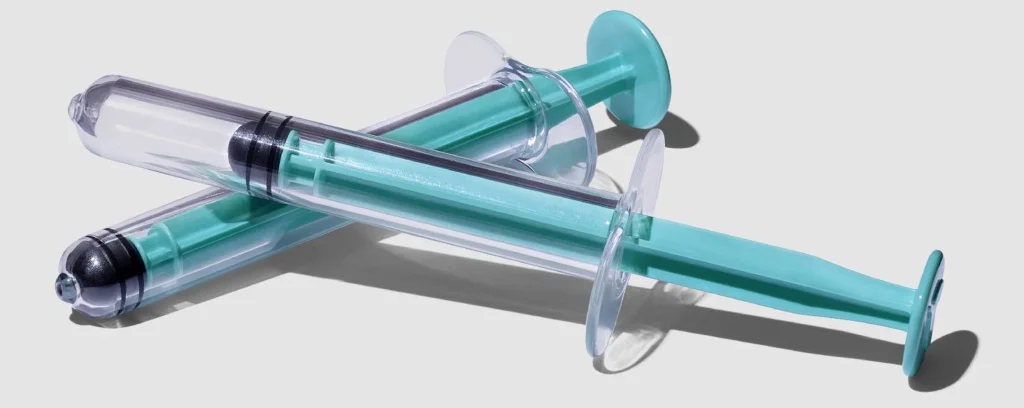
    Two transparent syringes with teal accents positioned diagonally on a light gray background.

    The Importance of Communication in Home Insemination

    Before attempting home insemination, it is important for both partners to discuss their health and medical history. This includes any underlying health conditions, medications, or allergies that may affect the process. By openly communicating this information, both partners can make informed decisions and take necessary precautions to ensure a safe and successful home insemination.

    4. Sharing Responsibilities

    Home insemination requires both partners to take on specific responsibilities. This can include tracking ovulation, purchasing supplies, preparing the sperm, and performing the insemination. By communicating and sharing these responsibilities, both partners can feel involved and invested in the process. This can also help to reduce any feelings of pressure or burden on one partner.

    5. Providing Emotional Support

    Home insemination can be an emotionally charged experience, and it is important for partners to provide emotional support for each other. This can involve being understanding and patient during the process, offering words of encouragement, and being there to comfort each other during any setbacks. Effective communication can help to strengthen the emotional bond between partners and make the experience more positive and fulfilling.

    6. Addressing Potential Challenges

    Despite the careful planning and preparation, home insemination may not always be successful on the first try. This can be a difficult and emotional experience for both partners. However, by openly communicating and addressing potential challenges, both partners can work together to find solutions and continue to support each other throughout the process.

    Summary:

    Communication is essential in home insemination as it helps to set expectations and goals, understand the process, discuss health and medical history, share responsibilities, provide emotional support, and address potential challenges. By openly communicating throughout the process, partners can work together towards a common goal, alleviate anxieties, and strengthen their emotional bond. This can ultimately lead to a successful and positive home insemination experience.

  • Maximizing Your Fertility Potential with an Insemination Made Easy Starter Pack

    Maximizing Your Fertility Potential with an Insemination Made Easy Starter Pack

    For couples who are struggling to conceive, the journey towards starting a family can be emotionally and physically exhausting. While there are many different fertility treatments available, some couples may prefer a more natural and less invasive approach. This is where an insemination made easy starter pack can be a game-changer. In this blog post, we will explore what an insemination made easy starter pack is, how it works, and how it can help couples maximize their fertility potential.

    What is an Insemination Made Easy Starter Pack?
    An insemination made easy starter pack is a complete kit that contains all the necessary tools and supplies for self-insemination at home. It typically includes a cervical cap, a syringe, a donor sperm sample, and instructions on how to perform the insemination. Some starter packs may also include ovulation predictor kits and pre-seed lubricant, which can further increase the chances of successful conception.

    How Does it Work?
    The concept of self-insemination may seem daunting at first, but with the right tools and guidance, it can be a simple and effective way to boost fertility potential. The first step is to track ovulation using an ovulation predictor kit or by monitoring basal body temperature and cervical mucus. Once ovulation is detected, the cervical cap is placed over the cervix to create a barrier and hold the sperm in place. The syringe is then used to insert the donor sperm through the cervical cap and into the cervix. The couple can then continue with their normal activities while the sperm travels up to the fallopian tubes to fertilize the egg.

    Benefits of Using an Insemination Made Easy Starter Pack
    1. Cost-Effective: Traditional fertility treatments such as in vitro fertilization (IVF) can be quite expensive, making it inaccessible for many couples. An insemination made easy starter pack is a much more affordable option and can save couples thousands of dollars in fertility treatments.

    2. Privacy: For some couples, the thought of undergoing fertility treatments at a clinic can be uncomfortable and invasive. With an insemination made easy starter pack, the entire process can be done in the comfort and privacy of their own home.

    3. More Natural Approach: Insemination made easy starter packs use the couple’s own sperm and do not involve any hormonal treatments or invasive procedures. This makes it a more natural and less intrusive way to boost fertility potential.

    home insemination kit components: a syringe and a collection container against a blue background.

    Maximizing Your Fertility Potential with an Insemination Made Easy Starter Pack

    4. Convenience: With a starter pack, couples have all the necessary tools and instructions at their disposal, eliminating the need to make frequent trips to a clinic. This can be especially beneficial for couples who have busy schedules or live in remote areas.

    5. Increased Chances of Success: By tracking ovulation and using a cervical cap, the insemination made easy starter pack can significantly increase the chances of successful conception. Additionally, some starter packs also include pre-seed lubricant, which mimics natural cervical mucus and can help sperm swim more easily.

    Tips for Maximizing Fertility Potential with an Insemination Made Easy Starter Pack
    1. Follow the Instructions: It is crucial to carefully follow the instructions provided with the starter pack to ensure the best chances of success. This includes tracking ovulation accurately and performing the insemination correctly.

    2. Stay Positive: Trying to conceive can be a rollercoaster of emotions, but it is important to stay positive and have faith in the process. Stress and negativity can impact fertility, so it is essential to maintain a positive mindset.

    3. Consider Consulting a Professional: While an insemination made easy starter pack is designed for home use, some couples may feel more comfortable seeking guidance from a fertility specialist. They can provide additional tips and support to maximize fertility potential.

    4. Be Patient: Conception may not happen right away, and it is essential to be patient and keep trying. It may take a few cycles before achieving a successful pregnancy, so it is important not to lose hope.

    In conclusion, an insemination made easy starter pack can be a valuable tool for couples looking to maximize their fertility potential. It offers a more natural, cost-effective, and private approach to fertility treatments, and with proper use, it can significantly increase the chances of conception. By following the tips mentioned above and staying positive, couples can embark on their journey towards parenthood with confidence and hope.

  • A Natural Solution to Infertility: The Syringe Method for Conception

    Blog Post:

    Infertility is a heartbreaking struggle faced by many couples who dream of starting a family. The emotional and physical toll of fertility treatments can be overwhelming, not to mention the financial burden. However, there may be a natural solution that can help couples achieve their dream of conception – the syringe method.

    The syringe method is a simple, non-invasive technique that has been gaining popularity in recent years as a natural alternative to assisted reproductive technologies. It involves using a syringe to inject sperm directly into the cervix, bypassing any potential barriers in the reproductive system and increasing the chances of fertilization.

    So how exactly does the syringe method work? Let’s take a closer look at the process and its potential benefits.

    Understanding Female Infertility:

    Before delving into the syringe method, it’s important to understand the common causes of female infertility. These can include hormonal imbalances, ovulation disorders, blocked fallopian tubes, and uterine abnormalities. In some cases, the cause may be unknown.

    Conventional fertility treatments often address these issues by stimulating the ovaries to produce more eggs, retrieving eggs for in vitro fertilization, or bypassing any blockages in the reproductive system. However, these methods can be expensive and come with their own set of risks and side effects.

    The Syringe Method:

    The syringe method, on the other hand, offers a more natural approach to conception. It involves using a sterile syringe to collect semen from the male partner and then injecting it into the cervix of the female partner. This can be done at home or under the supervision of a healthcare professional.

    Baby with blue eyes wearing a light blue onesie that says "made with Love" on a soft white background.

    A Natural Solution to Infertility: The Syringe Method for Conception

    The key to success with this method is timing. It should be performed during the woman’s fertile window, which is typically 2-3 days before ovulation. This increases the chances of the sperm reaching the egg and fertilizing it.

    Benefits of the Syringe Method:

    One of the main benefits of the syringe method is its cost-effectiveness. Fertility treatments can be expensive, and the cost can add up quickly. The syringe method, on the other hand, only requires a sterile syringe and can be done at home, saving couples a significant amount of money.

    Additionally, the syringe method is non-invasive and has minimal risks and side effects compared to conventional fertility treatments. It also allows couples to take control of their own fertility journey and perform the procedure in the comfort of their own home.

    Is the Syringe Method Right for You?

    While the syringe method may seem like a simple and natural solution to infertility, it may not be suitable for everyone. It is important to consult with a healthcare professional before trying this method, as they can help determine if it is the right option for you.

    It is also important to note that the syringe method may not be effective for certain fertility issues such as severe male factor infertility or structural abnormalities in the reproductive system. In these cases, a more conventional approach may be necessary.

    In Conclusion:

    Infertility can be a difficult and emotional journey for couples, but the syringe method offers a natural and cost-effective solution that may help them achieve their dream of starting a family. While it may not be suitable for everyone, it is definitely worth considering as an alternative to more invasive and costly fertility treatments.

    So if you are struggling with infertility, don’t lose hope. The syringe method may just be the solution you’ve been looking for.

  • Syringe Method Success: How One Couple Overcame Infertility and Conceived Naturally

    Blog Post Title: Syringe Method Success: How One Couple Overcame Infertility and Conceived Naturally

    Summary:

    Infertility is a common struggle for many couples, with approximately 1 in 8 couples facing challenges when trying to conceive. For some, the journey to parenthood may involve fertility treatments and assisted reproductive technologies. However, for one couple, the solution came in the form of a simple method known as the “syringe method.”

    After years of trying to conceive through traditional methods and undergoing multiple fertility treatments, Sarah and Mark were still unable to get pregnant. They were diagnosed with unexplained infertility, which means there was no identifiable medical reason for their inability to conceive. Feeling defeated and hopeless, they began to explore alternative methods and came across the syringe method.

    The syringe method, also known as the “turkey baster method,” involves using a syringe to deposit semen directly into the cervix during ovulation. This method has been used by same-sex couples and single women for insemination, but Sarah and Mark decided to give it a try in hopes of conceiving naturally.

    The couple followed the steps outlined by online resources and fertility experts, which included tracking Sarah’s ovulation using ovulation predictor kits and depositing semen during her fertile window. To their surprise, after just a few months of trying the syringe method, Sarah became pregnant.

    Sarah and Mark’s success with the syringe method is not an isolated incident. Many other couples have also shared their success stories after using this method. Some experts believe that the direct deposit of sperm into the cervix increases the chances of conception as it bypasses any potential barriers in the vagina.

    At-home insemination kit with ovulation and pregnancy tests, promoting fertility and family planning.

    Syringe Method Success: How One Couple Overcame Infertility and Conceived Naturally

    One of the main reasons why the syringe method is gaining popularity among couples struggling with infertility is its affordability. Fertility treatments can be expensive, and insurance coverage may be limited. The syringe method is a low-cost alternative that can be done at home without the need for medical assistance.

    Another benefit of the syringe method is that it can be done in the comfort and privacy of one’s own home. For couples who may feel uncomfortable or overwhelmed with the process of fertility treatments, the syringe method provides a more intimate and personal approach to conception.

    However, it is essential to note that the syringe method may not be suitable for everyone. Couples should consult with their doctor before trying this method and ensure that there are no underlying medical issues that may affect their chances of conception.

    In addition, the syringe method may not be successful for couples who have more severe fertility issues, such as blocked fallopian tubes or low sperm count. It is crucial to understand the underlying cause of infertility before trying any alternative methods.

    For Sarah and Mark, the syringe method was the solution they had been searching for. They welcomed their first child, a healthy baby girl, nine months after they started using the method. The couple has since shared their story and encouraged other couples struggling with infertility to consider the syringe method as an option.

    In conclusion, the syringe method has shown promising results for couples struggling with infertility. It offers an affordable and intimate approach to conception and has helped many couples achieve their dream of starting a family. While it may not be suitable for everyone, it is worth considering as an alternative to more invasive and expensive fertility treatments.

    SEO Metadata: