Tag: artificial insemination

  • From TTC to BFP: How the Syringe Method Can Help You Conceive

    Summary:

    For couples struggling to conceive, the journey can be long and emotionally draining. Traditional methods of trying to conceive (TTC) may not always work and can lead to feelings of frustration and disappointment. However, there is a lesser-known method that has been gaining popularity among couples trying to conceive – the syringe method.

    The syringe method, also known as self-insemination or home insemination, involves using a syringe to deposit semen into the vagina at the time of ovulation. This method is commonly used by same-sex couples, single women, and heterosexual couples facing infertility issues. In this blog post, we will delve into the details of the syringe method and how it can increase your chances of a successful pregnancy.

    Understanding the Basics of the Syringe Method:

    Before diving into the specifics of the syringe method, it is essential to understand the basics of fertility and conception. For conception to occur, sperm needs to reach the egg during the fertile window of a woman’s menstrual cycle. The fertile window is the period of a few days leading up to and including ovulation, when a mature egg is released from the ovary.

    The syringe method involves collecting semen from the male partner or a sperm donor and inserting it into the vagina using a syringe. This method helps bypass any potential barriers that may prevent sperm from reaching the egg, such as cervical mucus or a tilted uterus. It also allows for more control over the timing of insemination, making it easier to target the fertile window.

    How to Use the Syringe Method:

    The first step in using the syringe method is to determine the woman’s ovulation window. This can be done by tracking basal body temperature, using ovulation predictor kits, or monitoring changes in cervical mucus. Once the ovulation window has been identified, the next step is to collect the semen.

    Semen can be collected from the male partner or a sperm donor and can be done through masturbation or using a special collection device. The semen is then transferred into a clean, sterile syringe. It is essential to use a new and sterile syringe for each attempt to reduce the risk of infection.

    pregnancy test kit with instructions, test device, and packaging on a white background

    From TTC to BFP: How the Syringe Method Can Help You Conceive

    To use the syringe method, the woman should lie down with her hips elevated, either using pillows or a tilted position. The syringe should be inserted into the vagina and the plunger slowly pushed to deposit the semen near the cervix. After insemination, it is recommended to remain in a reclined position for at least 15-20 minutes to allow the sperm to swim towards the egg.

    Benefits of the Syringe Method:

    One of the main advantages of the syringe method is that it can be done at home, eliminating the need for a medical professional or fertility clinic. This makes it a more affordable option for couples who may be facing financial constraints. It also allows for more privacy and control over the process.

    Additionally, the syringe method can be used in conjunction with other fertility treatments, such as intrauterine insemination (IUI) or in vitro fertilization (IVF). It can also be used by women with irregular cycles or those who are not ovulating regularly.

    Risks and Considerations:

    While the syringe method may seem like a simple and safe option, there are still some risks and considerations to keep in mind. It is essential to ensure that the syringe and semen used are sterile to reduce the risk of infection. It is also essential to use a fresh syringe for each attempt to avoid contamination.

    Using the syringe method also does not guarantee pregnancy. It may take several attempts before conception occurs, and it is crucial to have realistic expectations and not get discouraged if it does not work right away.

    Conclusion:

    The syringe method is a viable option for couples trying to conceive, especially those facing fertility challenges. It provides a more affordable and private alternative to traditional fertility treatments and allows for more control over the process. However, it is essential to consult with a healthcare professional before trying the syringe method and to ensure that all necessary precautions are taken to reduce any potential risks.

    In conclusion, for couples struggling to conceive, the syringe method offers a ray of hope. It allows for more control, privacy, and affordability, making it a popular choice among couples trying to conceive. By understanding the basics, following proper procedures, and seeking medical guidance, the syringe method can increase the chances of a successful pregnancy and help turn the journey from TTC to BFP (big fat positive) into a reality.


  • The Syringe Method: A Game-Changer for Couples Struggling with Infertility

    Summary:

    Infertility is a common struggle for many couples, affecting about 1 in 8 couples worldwide. It can be a physically, emotionally, and financially draining experience, causing significant stress and strain on a relationship. Despite the advancements in medical technology, many couples still struggle to conceive and carry a pregnancy to term. However, there is a new technique that has been gaining popularity in the world of fertility treatments – the Syringe Method.

    The Syringe Method is a simple and cost-effective technique that can significantly improve a couple’s chances of conceiving. It involves using a syringe to deliver the sperm directly into the cervix, bypassing any potential obstacles in the reproductive system. This method has proven to be a game-changer for many couples struggling with infertility, providing them with a glimmer of hope in their journey towards parenthood.

    In this blog post, we will delve into the details of the Syringe Method, how it works, and why it may be a viable option for couples facing fertility challenges.

    Understanding Infertility:

    Before we dive into the Syringe Method, it is essential to understand what infertility is and how it affects couples. Infertility is defined as the inability to conceive after one year of actively trying to get pregnant. It can be caused by various factors, such as hormonal imbalances, reproductive issues, or lifestyle choices.

    For many couples, infertility can be a frustrating and emotionally taxing experience. The constant disappointment and the pressure to conceive can take a toll on a relationship. Moreover, fertility treatments can be expensive and may not always guarantee success. This is where the Syringe Method comes in as a more affordable and straightforward alternative.

    What is the Syringe Method?

    The Syringe Method, also known as intracervical insemination (ICI), is a form of artificial insemination that involves inserting sperm into the cervix using a syringe. It is a non-invasive and relatively simple procedure that can be done at home or in a fertility clinic.

    How does it work?

    The Syringe Method works by bypassing any potential obstacles in the reproductive system and delivering the sperm directly into the cervix. This increases the chances of the sperm reaching the egg, thus increasing the likelihood of conception.

    The process begins by collecting the sperm sample from the male partner. The sperm is then placed into a syringe, which is then inserted into the cervix. The sperm is then slowly released into the cervix, where it can travel to the fallopian tubes and fertilize the egg.

    Why is it a game-changer for couples struggling with infertility?

    at-home insemination kit by Mosie Baby, featuring syringes and containers for comfort and convenience.

    The Syringe Method: A Game-Changer for Couples Struggling with Infertility

    There are several reasons why the Syringe Method has been a game-changer for many couples struggling with infertility.

    1. Cost-effective:

    Compared to other fertility treatments, the Syringe Method is relatively affordable, making it a more accessible option for couples on a budget. The procedure can be done at home with a sterile syringe, or at a fertility clinic at a lower cost compared to other treatments.

    2. Non-invasive:

    Unlike other fertility treatments that involve invasive procedures, the Syringe Method is a non-invasive and painless option. It does not require any drugs or surgery, making it a less intimidating choice for many couples.

    3. Increased chances of conception:

    The Syringe Method has been shown to have a higher success rate compared to other artificial insemination methods. By bypassing any potential obstacles in the reproductive system, the sperm has a better chance of reaching the egg and fertilizing it.

    4. Can be done at home:

    For couples who prefer a more private and intimate approach, the Syringe Method can be done in the comfort of their own home. This eliminates the need for frequent visits to a fertility clinic, reducing the stress and inconvenience of the process.

    5. Can be used for various fertility issues:

    The Syringe Method can be used for couples facing various fertility issues, such as low sperm count, unexplained infertility, or cervical mucus issues. It is also a viable option for same-sex couples or single women looking to conceive.

    In conclusion, the Syringe Method has been a game-changer for couples struggling with infertility. Its affordability, non-invasive nature, and increased chances of conception make it a popular choice for many couples. However, it is essential to consult with a fertility specialist to determine if this method is suitable for your specific situation.

    SEO Metadata:

  • Say Goodbye to Expensive Fertility Treatments: Try the Syringe Method

    Say Goodbye to Expensive Fertility Treatments: Try the Syringe Method

    Infertility affects millions of couples worldwide, causing emotional, physical, and financial strain. Traditional fertility treatments, such as in vitro fertilization (IVF), can cost tens of thousands of dollars and come with no guarantee of success. These expensive and invasive procedures often leave couples feeling frustrated and hopeless. However, there is a lesser-known method that has been gaining popularity among couples struggling with infertility – the syringe method. In this blog post, we will explore what the syringe method is, how it works, and why it may be a more affordable and effective alternative to traditional fertility treatments.

    What is the Syringe Method?

    The syringe method, also known as the “turkey baster method,” is a form of at-home artificial insemination. It involves using a sterile syringe to inject semen directly into the cervix, bypassing the vagina and increasing the chances of fertilization. This method is often used by same-sex couples or individuals who are trying to conceive without a partner, but it can also be used by heterosexual couples struggling with male infertility.

    How Does it Work?

    The syringe method works by mimicking the process of natural conception. During intercourse, semen is deposited near the cervix, where it can swim up to the fallopian tubes and fertilize the egg. However, in cases of male infertility, the sperm may not be able to reach the cervix naturally. By using a syringe to inject the semen directly into the cervix, the sperm has a better chance of reaching the egg and fertilizing it.

    The process of the syringe method is relatively simple. The couple or individual collects the semen in a sterile container, either through intercourse or masturbation. The semen is then drawn into a sterile syringe and inserted into the cervix. Some couples prefer to use a menstrual cup or soft cup to hold the semen close to the cervix for a longer period, increasing the chances of fertilization.

    Why Choose the Syringe Method?

    1. Cost-Effective

    One of the primary reasons couples choose the syringe method is that it is significantly more affordable than traditional fertility treatments. Traditional treatments such as IVF can cost tens of thousands of dollars per cycle, with no guarantee of success. On the other hand, the syringe method only requires the cost of a sterile syringe and possibly a menstrual cup, making it a much more cost-effective option.

    2. Convenient and Private

    logo of mosie baby featuring a heart and leaf design in blue, pink, and green colors

    Say Goodbye to Expensive Fertility Treatments: Try the Syringe Method

    The syringe method can be done in the comfort and privacy of your own home. This is especially beneficial for couples who may feel uncomfortable with the invasive nature of traditional fertility treatments. It also allows couples to try multiple times without the added stress and pressure of appointments and clinic visits.

    3. No Medication or Hormone Injections

    Traditional fertility treatments often involve the use of medications and hormone injections, which can come with unpleasant side effects. The syringe method does not require any medication, making it a more natural and less invasive option.

    4. Positive Success Rates

    While there is limited research on the success rates of the syringe method, many couples have reported positive results. Some studies have shown success rates of up to 40%, which is comparable to the success rates of traditional fertility treatments.

    Things to Consider

    Before trying the syringe method, it is essential to consult with a medical professional, especially if you have underlying medical conditions or a history of fertility issues. They can provide guidance and ensure that you are using the method safely and effectively.

    It is also crucial to note that the syringe method may not be suitable for everyone. It may not be as effective for couples with severe male infertility or other underlying fertility issues. In these cases, traditional fertility treatments may still be the best option.

    In Conclusion

    Infertility can be a challenging and emotional journey for couples, but the syringe method offers a more affordable and accessible option for those struggling to conceive. While it may not be suitable for everyone, it is worth considering for those looking for a less invasive and more natural approach to fertility treatments. Consult with a medical professional and do your research to determine if the syringe method is the right choice for you.

    In summary, the syringe method is an at-home artificial insemination technique that involves using a sterile syringe to inject semen directly into the cervix. It is more affordable, convenient, and less invasive than traditional fertility treatments, making it an attractive option for couples struggling with infertility. However, it is essential to consult with a medical professional and consider individual circumstances before trying the syringe method.

  • Understanding the Syringe Method for Fertility Support

    Blog Post: Understanding the Syringe Method for Fertility Support

    Infertility is a growing concern for many couples around the world. According to the World Health Organization, approximately 15% of couples worldwide are affected by infertility. This can be a challenging and emotional journey for those struggling to conceive. Fortunately, there are various fertility treatment options available, and one of them is the Syringe Method.

    The Syringe Method is a fertility support technique that has gained popularity in recent years. It involves using a syringe to introduce semen into the vagina during ovulation. This method is also known as the “turkey baster method” or “artificial insemination at home.” In this blog post, we will delve deeper into the Syringe Method and understand how it can help couples struggling with infertility.

    What is the Syringe Method?

    The Syringe Method is a simple and non-invasive fertility support technique that can be done at home. It involves using a syringe to introduce semen into the vagina during the woman’s fertile window. This method can be used for both artificial insemination with donated semen and for couples where the male partner has a low sperm count.

    How does it work?

    Before attempting the Syringe Method, it is essential to track the woman’s menstrual cycle to determine the fertile window accurately. This can be done by using ovulation predictor kits or tracking basal body temperature. The fertile window is the time when a woman is most likely to conceive, and it usually occurs around 12-16 days before the next period.

    Once the fertile window is identified, the next step is to collect semen from the male partner or use donated semen. The semen is then transferred into a sterile syringe, and the air is pushed out to avoid any air bubbles. The woman then lies down with her legs up, and the syringe is inserted into the vagina, aiming towards the cervix. The plunger is pushed slowly to release the semen into the vagina, and the syringe is removed after a few seconds.

    Why choose the Syringe Method?

    The Syringe Method is a popular choice for couples trying to conceive because it is relatively simple, cost-effective, and can be done at home. Unlike other fertility treatments, it does not involve any medical procedures or medications. It also allows couples to be actively involved in the conception process, which can be a significant emotional boost for many.

    Baby wearing a blue shirt with "made with Love" text, surrounded by colorful floral and butterfly designs.

    Understanding the Syringe Method for Fertility Support

    Additionally, the Syringe Method is a viable option for couples where the male partner has a low sperm count or has difficulty ejaculating during intercourse. It also eliminates the need for sperm to travel through the cervix, which can be a barrier for some couples.

    Precautions and tips for using the Syringe Method

    While the Syringe Method is generally considered safe, there are some precautions and tips to keep in mind:

    1. Use a sterile syringe: It is essential to use a new, sterile syringe for each attempt to avoid any risk of infection.

    2. Timing is crucial: It is crucial to time the insemination correctly during the fertile window to increase the chances of conception.

    3. Elevate hips: After insemination, it is recommended to elevate the hips for 15-20 minutes to allow the sperm to travel towards the cervix.

    4. Avoid lubricants: Lubricants can be harmful to sperm, so it is best to avoid using them during the Syringe Method.

    5. Seek medical advice: If you have been trying to conceive for more than a year without success, it is best to seek medical advice for further fertility support options.

    Summarizing the Syringe Method

    The Syringe Method is a simple and effective fertility support technique that can be done at home. It involves using a syringe to introduce semen into the vagina during the woman’s fertile window. This method is suitable for couples where the male partner has a low sperm count or difficulty ejaculating during intercourse. It is also a popular choice because it is non-invasive, cost-effective, and allows couples to be actively involved in the conception process.

    However, it is essential to keep in mind that the Syringe Method may not work for everyone, and seeking medical advice is recommended if you have been trying to conceive for more than a year. With that said, the Syringe Method has helped many couples achieve their dream of starting a family, and it may be the right choice for you.

  • Fertility Support Made Easy with the Syringe Method

    Title: Fertility Support Made Easy with the Syringe Method

    Introduction:
    Struggling with infertility can be a difficult and emotional journey for many couples. It can be overwhelming to navigate through various fertility treatments and options, while also dealing with the stress and disappointment of unsuccessful attempts. However, there is a simple yet effective method that can help increase the chances of conception – the syringe method.

    What is the Syringe Method?
    The syringe method, also known as the cervical insemination method, is a fertility support technique that involves inserting semen directly into the cervix using a syringe. This method is commonly used by couples who are trying to conceive at home or by women undergoing artificial insemination.

    How Does it Work?
    The syringe method works by bypassing the natural barriers and increasing the chances of the sperm reaching the egg. During intercourse, most of the sperm is lost in the vagina or does not make it to the cervix. With the syringe method, the semen is placed directly into the cervix, increasing the chances of sperm reaching the egg and fertilizing it.

    Benefits of Using the Syringe Method:
    1. Increased Chances of Conception: As mentioned earlier, by placing the semen directly into the cervix, the chances of sperm reaching the egg are significantly increased. This can be especially beneficial for couples who have been struggling with fertility issues.

    2. Cost-Effective: The syringe method is a cost-effective alternative to other fertility treatments such as intrauterine insemination (IUI) or in vitro fertilization (IVF). It can be done at home, eliminating the need for expensive medical procedures.

    3. Convenient: Unlike other fertility treatments that require multiple visits to a doctor’s office, the syringe method can be done at home, making it more convenient for couples.

    4. Privacy: Many couples prefer the privacy of their own home when trying to conceive. The syringe method allows for a more intimate and private experience.

    Two transparent syringes with teal accents positioned diagonally on a light gray background.

    Fertility Support Made Easy with the Syringe Method

    5. Reduced Stress: The process of trying to conceive can be emotionally and physically draining for couples. With the syringe method, couples can avoid the added stress of scheduling and traveling to doctor’s appointments.

    How to Use the Syringe Method:
    1. Timing is Key: The best time to perform the syringe method is around the time of ovulation. It is essential to track ovulation using methods such as ovulation predictor kits or basal body temperature charting.

    2. Collecting the Semen: The semen can be collected through intercourse, or it can be obtained through masturbation. If using intercourse, it is important to use a condom to collect the semen and avoid any contamination.

    3. Preparing the Syringe: Before using the syringe, it is crucial to clean it thoroughly with warm, soapy water. Rinse it well and let it dry completely.

    4. Inserting the Semen: Once the semen is collected, it can be transferred into the syringe. The woman can either lie down or stand with one foot elevated to make it easier to insert the syringe into the cervix. Slowly push the plunger to release the semen into the cervix.

    5. Rest Afterward: It is recommended to stay in a reclined position for about 15-20 minutes after the insemination to allow the sperm time to reach the egg.

    Possible Risks and Precautions:
    Like any fertility treatment, there are potential risks and precautions to consider when using the syringe method. It is essential to use a clean and sterile syringe to avoid any infections. It is also crucial to make sure the semen is free from any sexually transmitted diseases or infections. If you have any concerns or underlying health conditions, it is best to consult with a doctor before using this method.

    In conclusion, the syringe method is a simple yet effective way to support fertility. It offers many benefits, such as increased chances of conception, convenience, and privacy, while also being cost-effective. However, it is essential to use this method responsibly and take necessary precautions to avoid any risks.

    Summary:
    The syringe method is a fertility support technique that involves inserting semen directly into the cervix using a syringe. It works by increasing the chances of sperm reaching the egg, making it a popular choice for couples struggling with fertility issues. This method is cost-effective, convenient, and offers privacy, making it an attractive option for couples trying to conceive. It is crucial to take necessary precautions and consult with a doctor if needed before using this method.

  • Breaking Down the Syringe Method: How It Can Help with Fertility

    Breaking Down the Syringe Method: How It Can Help with Fertility

    Infertility affects millions of couples worldwide and can be a challenging and emotional journey. In recent years, there has been a rise in alternative methods to assist with fertility, and one of the most popular is the syringe method. This method involves using a syringe to manually inseminate the vagina with sperm, bypassing the need for traditional intercourse. In this blog post, we will break down the syringe method and how it can help with fertility.

    What is the Syringe Method?

    The syringe method, also known as artificial insemination or home insemination, is a simple and effective way to get sperm into the cervix and increase the chances of conception. It involves using a sterile syringe to collect semen from the male partner and then inserting it into the vagina. This method is often used by couples who have difficulty conceiving due to issues such as low sperm count, hostile cervical mucus, or other fertility problems.

    How to Use the Syringe Method

    The first step in using the syringe method is to ensure that both partners are comfortable and relaxed. The male partner will need to produce a semen sample by masturbating into a sterile cup or container. Once the sample is collected, the syringe is inserted into the semen and pulled back to collect the desired amount. It is essential to use a sterile syringe and avoid touching the tip to prevent any contamination.

    Next, the female partner should lie on her back with her hips slightly elevated. The syringe is then inserted into the vagina and placed near the cervix. Gently push the plunger to release the sperm into the cervix. It is recommended to remain in this position for at least 15-20 minutes to allow the sperm to reach the cervix and increase the chances of conception.

    Benefits of the Syringe Method

    There are several benefits to using the syringe method for fertility. One of the main advantages is that it can help couples who have difficulty with traditional intercourse due to medical conditions, disabilities, or other reasons. It is also a more affordable option compared to other fertility treatments such as intrauterine insemination (IUI) or in vitro fertilization (IVF).

    The syringe method also allows couples to have more control over the timing of insemination, making it easier to track ovulation and increase the chances of conception. It also eliminates the need for a third party, making the process more intimate and personal for the couple.

    Potential Risks and Precautions

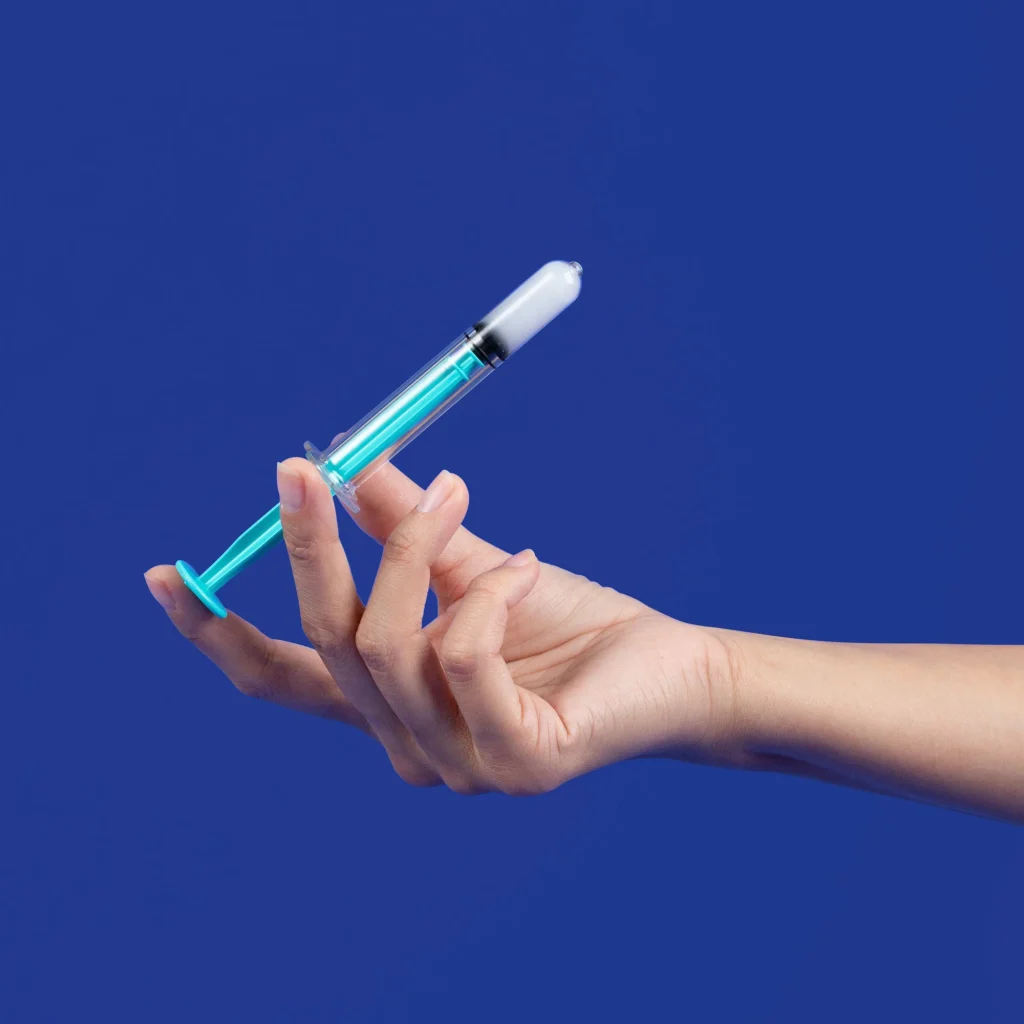
    hand holding a syringe with a blue plunger against a solid blue background

    Breaking Down the Syringe Method: How It Can Help with Fertility

    While the syringe method is generally safe and effective, there are some potential risks and precautions to consider. It is crucial to use a sterile syringe and avoid any contamination to prevent infections. It is also essential to ensure that both partners are tested for sexually transmitted infections (STIs) before attempting the syringe method.

    Additionally, it is essential to note that the syringe method does not guarantee conception and may not be suitable for couples with severe fertility issues. It is always recommended to consult with a healthcare professional before trying any alternative fertility methods.

    Tips for a Successful Syringe Method

    To increase the chances of success with the syringe method, here are some helpful tips to keep in mind:

    – Track ovulation: It is essential to track ovulation to determine the best time for insemination. This can be done through ovulation predictor kits or by monitoring basal body temperature.

    – Use fresh semen: It is recommended to use fresh semen for the syringe method rather than frozen sperm, as frozen sperm may not survive the thawing process.

    – Be patient: It may take several attempts before successful conception occurs, so it is essential to be patient and not give up after one try.

    – Consider fertility supplements: There are several fertility supplements available in the market that can help improve sperm quality and increase the chances of conception.

    In conclusion, the syringe method is a simple and affordable option for couples struggling with fertility issues. It allows for more control over the timing of insemination and eliminates the need for traditional intercourse. While there are risks and precautions to consider, with proper preparation and patience, the syringe method can be an effective tool in helping couples achieve their dream of starting a family.

    Summary:

    The syringe method, also known as artificial insemination or home insemination, is a simple and effective way to increase the chances of conception for couples struggling with fertility issues. It involves using a sterile syringe to manually inseminate the vagina with sperm, bypassing the need for traditional intercourse. The process includes collecting a semen sample from the male partner and inserting it into the vagina near the cervix using a syringe. This method has several benefits, including being a more affordable option compared to other fertility treatments and allowing for more control over the timing of insemination. However, there are also potential risks and precautions to consider, such as using a sterile syringe and ensuring both partners are tested for STIs. With proper preparation and patience, the syringe method can be an effective tool in helping couples achieve their dream of starting a family.

  • Breaking the Taboo: Talking About Non-Invasive Insemination and Fertility

    Blog Post:

    Breaking the Taboo: Talking About Non-Invasive Insemination and Fertility

    The topic of fertility and reproduction can often be a sensitive and taboo subject. Many people struggle with fertility issues and the journey to parenthood can be a difficult and emotional one. However, there is one method of assisted reproduction that is often overlooked and not discussed enough – non-invasive insemination.

    Non-invasive insemination, also known as artificial insemination, is a type of assisted reproduction that involves placing sperm directly into a woman’s reproductive tract, bypassing the cervix. This method is often used by couples who have difficulty conceiving due to male factor infertility, same-sex couples, and single individuals who want to become parents.

    Despite its effectiveness and accessibility, non-invasive insemination is still surrounded by misconceptions and stigma. In this blog post, we will break the taboo and talk about non-invasive insemination and fertility, shedding light on this important topic.

    The Basics of Non-Invasive Insemination

    Non-invasive insemination can be performed using two different methods – intrauterine insemination (IUI) and intracervical insemination (ICI). IUI involves placing washed and concentrated sperm directly into the uterus through a thin catheter. On the other hand, ICI involves placing unwashed sperm into the cervix using a syringe or soft cup.

    Both methods are minimally invasive and are usually painless. They can be performed in a doctor’s office or at home with the help of a donor or partner. Non-invasive insemination is a much simpler and less invasive process compared to other assisted reproduction techniques such as in vitro fertilization (IVF).

    Who Can Benefit from Non-Invasive Insemination?

    Non-invasive insemination can be a viable option for various groups of people, including heterosexual couples with male factor infertility, same-sex couples, and single individuals. It is also often recommended for women with certain medical conditions, such as hostile cervical mucus or endometriosis, which can make it difficult for sperm to reach the egg.

    For heterosexual couples with male factor infertility, non-invasive insemination can be a more affordable and less invasive option compared to other assisted reproduction techniques. It also allows the couple to use the male partner’s sperm, maintaining a genetic connection to the child.

    Same-sex couples and single individuals can also benefit from non-invasive insemination as it allows them to have a child without the need for a sexual partner. They can either use donor sperm from a sperm bank or choose a known donor, such as a friend or family member.

    Breaking the Stigma and Misconceptions

    Despite its benefits, non-invasive insemination is often surrounded by stigma and misconceptions. Many people still view it as a “last resort” option for couples who cannot conceive naturally. This can lead to feelings of shame and inadequacy for those who choose to use this method.

    mosie baby logo featuring a heart and leaves in blue, pink, and green colors.

    Breaking the Taboo: Talking About Non-Invasive Insemination and Fertility

    Additionally, there is often a lack of understanding about the process and its success rates. Some people believe that non-invasive insemination is not an effective method and that it only has a low chance of success. However, the success rates of non-invasive insemination can be as high as 20% per cycle, depending on factors such as age and the reason for infertility.

    Another misconception is that non-invasive insemination is only for same-sex couples or single individuals. This is not true as many heterosexual couples also use this method due to male factor infertility or other medical reasons.

    Breaking the taboo and talking openly about non-invasive insemination can help to dispel these myths and misconceptions. It is important to educate ourselves and others about the process and its benefits, so that people can make informed decisions about their reproductive choices.

    The Emotional and Psychological Impact

    The journey to parenthood can be a rollercoaster of emotions for anyone, regardless of the method of conception. For those who choose non-invasive insemination, there may be additional emotional and psychological factors to consider.

    For heterosexual couples, the male partner may experience feelings of inadequacy or frustration due to their infertility. This can also put a strain on the relationship, which is why it is important for both partners to have open and honest communication about their emotions and feelings.

    For same-sex couples and single individuals, there may be feelings of loss and longing for a genetic connection to the child. This is where the use of a known donor can be beneficial, as it allows the child to have a connection to their biological family.

    Support and Counseling

    It is important for individuals and couples considering non-invasive insemination to seek support and counseling throughout the process. This can help to address any emotional and psychological issues that may arise and provide a safe space to talk about fears and concerns.

    There are also support groups and online communities specifically for those who have used or are considering non-invasive insemination. These can be valuable resources for individuals and couples to connect with others who have gone through a similar experience.

    In conclusion, non-invasive insemination is a viable and accessible option for individuals and couples who are struggling with fertility issues. By breaking the taboo and openly discussing this topic, we can help to reduce the stigma and misconceptions surrounding non-invasive insemination. It is important to educate ourselves and others about this method of assisted reproduction and provide support for those who choose to use it.

    Summary:

    Non-invasive insemination, also known as artificial insemination, is a type of assisted reproduction that is often overlooked and surrounded by stigma and misconceptions. This method involves placing sperm directly into a woman’s reproductive tract and can be performed at a doctor’s office or at home. Non-invasive insemination can benefit heterosexual couples with male factor infertility, same-sex couples, and single individuals. However, there is still a lack of understanding and support for those who choose this method. By breaking the taboo and openly discussing non-invasive insemination, we can help to reduce the stigma and provide support for those who choose to use it.

    SEO metadata:

  • Non-Invasive Insemination: A Natural and Intimate Way to Start Your Family

    Blog Post:

    Starting a family is a significant milestone in many people’s lives. For some, it comes easily, while for others, it may require more thought and planning. As technology advances, there are now various options for individuals or couples who want to conceive. One of these options is non-invasive insemination, which offers a natural and intimate way to start a family.

    Non-invasive insemination, also known as natural insemination or at-home insemination, is a type of artificial insemination that does not involve any medical procedures or interventions. It is a safe and effective method for people who want to conceive without the need for medical assistance or fertility treatments.

    So, how does non-invasive insemination work? It involves the collection of semen from a partner or a sperm donor and then inserting it into the vagina using a syringe or a specially designed device. This process mimics the natural way of conception, where sperm travels through the vagina and into the cervix to fertilize an egg.

    One of the main advantages of non-invasive insemination is its simplicity. Unlike other fertility treatments such as in vitro fertilization (IVF), it does not require any invasive procedures or medications. This makes it a less stressful and more affordable option for those who want to conceive.

    Moreover, non-invasive insemination allows for a more intimate and personal experience for both partners. The process can be done at home, giving couples the privacy and comfort of their own space. It also allows for more control over the timing and process of conception, making it a more natural and relaxed approach.

    Non-invasive insemination is also a viable option for same-sex couples and single individuals who want to have a child. With the help of a sperm donor, they can experience the joy of parenthood without the need for a sexual partner or complicated medical procedures.

    logo featuring a pink heart above two teal leaves on a blue circular background

    Non-Invasive Insemination: A Natural and Intimate Way to Start Your Family

    Another significant advantage of non-invasive insemination is its high success rate. Studies have shown that it has a similar success rate as other fertility treatments, with some even reporting higher pregnancy rates. This is because the sperm is placed directly into the cervix, increasing the chances of fertilization.

    Aside from being a natural and intimate method, non-invasive insemination also offers a range of benefits for the resulting child. As the process does not involve any medical interventions, it eliminates the risk of genetic or hereditary disorders that may be passed down from the donor or the parent.

    Non-invasive insemination also allows for a more open and transparent process for the child. They can have the option to know their biological father and have a relationship with them, unlike traditional sperm donation where the donor’s identity is often kept anonymous.

    However, it is essential to note that non-invasive insemination may not be suitable for everyone. It is essential to consult with a doctor or a fertility specialist to determine the best course of action for your specific situation. They can also provide guidance and support throughout the process and ensure that all necessary precautions are taken.

    In conclusion, non-invasive insemination is a natural and intimate way to start a family. It offers a simpler, more affordable, and more personal approach to conception, making it a popular choice for many individuals and couples. With its high success rates and various benefits for both parents and children, it is a viable option for those looking to create a family in a more natural and intimate way.

    Summary:

    Non-invasive insemination is a type of artificial insemination that offers a natural and intimate way to start a family. It involves the insertion of semen into the vagina using a syringe or a specially designed device, mimicking the natural process of conception. This method is simple, less invasive, and more affordable compared to other fertility treatments. It also allows for a more intimate experience for both partners and has a high success rate. Non-invasive insemination is a viable option for same-sex couples, single individuals, and those looking for a more open and transparent process for their child. However, it is essential to consult with a doctor to determine if it is suitable for your specific situation.

  • Maximizing Your Chances of Success with the Non-Invasive Insemination Kit

    Maximizing Your Chances of Success with the Non-Invasive Insemination Kit

    When it comes to starting a family, many couples face challenges and obstacles that can make the process of conception difficult. For those who are struggling with fertility issues, the use of a non-invasive insemination kit may offer a simpler and more affordable alternative to traditional fertility treatments. However, as with any medical procedure, there are steps that can be taken to maximize the chances of success. In this blog post, we will discuss the key factors that can influence the success of using a non-invasive insemination kit and provide tips on how to maximize your chances of success.

    What is a Non-Invasive Insemination Kit?

    A non-invasive insemination kit, also known as a home insemination kit, is a DIY approach to artificial insemination. It typically includes a soft silicone cup, a syringe, and a step-by-step guide for the process. The kit is designed to be used at home without the need for medical assistance, making it a more accessible and affordable option for couples struggling with fertility issues.

    Factors That Can Influence the Success of a Non-Invasive Insemination

    1. Timing

    One of the most crucial factors that can impact the success of a non-invasive insemination is timing. Ovulation, which is the release of an egg from the ovary, occurs once a month and usually lasts for 12 to 24 hours. The sperm needs to be present in the fallopian tubes during this time to fertilize the egg. Therefore, it is essential to track your menstrual cycle and pinpoint your ovulation window for the best chances of success.

    2. Sperm Quality

    Another critical factor that can affect the success of a non-invasive insemination is the quality of sperm. The sperm used in the insemination process should be healthy, motile, and have a high sperm count. It is recommended to get a semen analysis done to ensure that the sperm meets these criteria. If the sperm quality is not adequate, it may be necessary to explore other fertility treatment options.

    3. Proper Technique

    Using a non-invasive insemination kit requires following the proper technique for the best chances of success. The kit usually comes with a detailed guide on how to use it correctly. It is essential to read and understand the instructions carefully and follow them precisely. Any deviation from the recommended technique can significantly reduce the chances of success.

    4. Age

    Age can also play a significant role in the success of a non-invasive insemination. Women over the age of 35 may have a lower chance of conceiving using this method due to a decline in fertility as they age. It is recommended to consult with a doctor before using the kit, especially for women over the age of 35.

    5. Lifestyle Factors

    hand holding a syringe with a blue plunger against a solid blue background

    Maximizing Your Chances of Success with the Non-Invasive Insemination Kit

    Certain lifestyle factors can also impact the success of a non-invasive insemination. Smoking, excessive alcohol consumption, and being overweight can all reduce fertility and decrease the chances of success. It is crucial to maintain a healthy lifestyle and make any necessary lifestyle changes to optimize your chances of conceiving.

    Tips for Maximizing Your Chances of Success with a Non-Invasive Insemination Kit

    1. Chart Your Menstrual Cycle

    As mentioned earlier, timing is crucial when it comes to using a non-invasive insemination kit. Keep track of your menstrual cycle and use ovulation predictor kits to pinpoint your ovulation window. This will help you determine the best time to use the kit for the highest chances of success.

    2. Optimize Sperm Quality

    To ensure that the sperm used in the insemination process is of high quality, it is essential to take steps to optimize sperm health. This includes maintaining a healthy diet, exercising regularly, and avoiding harmful substances such as cigarettes and excessive alcohol consumption.

    3. Use the Insemination Kit Correctly

    Following the proper technique for using the non-invasive insemination kit is crucial for success. Make sure to read and understand the instructions carefully, and if necessary, seek guidance from a healthcare professional.

    4. Consider Supplemental Techniques

    Some couples may choose to combine the use of a non-invasive insemination kit with other techniques, such as fertility supplements or acupuncture, to further increase their chances of success. It is essential to consult with a doctor before trying any supplemental techniques.

    5. Stay Positive and Relaxed

    The process of trying to conceive can be stressful, but it is crucial to stay positive and relaxed throughout the process. Stress can negatively impact fertility and decrease the chances of success. Consider practicing relaxation techniques, such as yoga or meditation, to keep stress levels under control.

    In conclusion, using a non-invasive insemination kit can be an accessible and affordable option for couples struggling with fertility issues. By considering the factors that can influence success and following the tips provided, you can increase your chances of success with this method. Remember to consult with a healthcare professional for personalized advice and support throughout the process.

    SEO metadata:

  • The Non-Invasive Insemination Kit: Making Fertility Treatments More Comfortable

    Summary:

    Infertility affects millions of couples worldwide, and many turn to fertility treatments to help them conceive. However, these treatments can often be invasive and uncomfortable, adding to the already stressful experience of trying to get pregnant. That’s where the Non-Invasive Insemination Kit comes in – a revolutionary device that aims to make fertility treatments more comfortable and less invasive. In this blog post, we will explore the benefits of this kit, how it works, and why it’s becoming a popular choice for couples struggling with infertility.

    First, let’s discuss what the Non-Invasive Insemination Kit is and how it differs from traditional fertility treatments. This kit consists of a small, soft catheter that is inserted into the vagina, making it non-invasive and painless. This is a significant difference from procedures like intrauterine insemination (IUI), which involves inserting a catheter through the cervix and into the uterus. Not only is this invasive, but it can also be uncomfortable and even painful for some women.

    So, how does the Non-Invasive Insemination Kit work? The process is simple and can be done at home, eliminating the need for multiple visits to a clinic. The kit includes a syringe that is filled with the sperm sample, which can be obtained from a sperm bank or a partner. The catheter is then attached to the syringe, and the sperm is gently inserted into the vagina. The catheter is specifically designed to reach the cervix, ensuring that the sperm is deposited in the ideal location for conception.

    One of the most significant advantages of the Non-Invasive Insemination Kit is the comfort it provides. As mentioned earlier, traditional fertility treatments can be uncomfortable and even painful. This can add to the already stressful experience of trying to conceive. With this kit, women can avoid the discomfort and anxiety of invasive procedures, making the whole process more pleasant and less daunting.

    Mosie Baby kit with two jars, a syringe, and a supportive message card inside a colorful box.

    The Non-Invasive Insemination Kit: Making Fertility Treatments More Comfortable

    Another benefit of the kit is its affordability. Traditional fertility treatments can be costly, and many couples struggle with the financial burden. The Non-Invasive Insemination Kit, on the other hand, is significantly more affordable. It can be purchased online and used at home, eliminating the need for expensive clinic visits. This makes it a more accessible option for couples who are struggling with infertility.

    Additionally, the Non-Invasive Insemination Kit can increase the chances of conception. The catheter is designed to deposit the sperm directly at the cervix, making it more likely to reach the egg. This method can also be used in conjunction with other fertility treatments, such as in vitro fertilization (IVF), to increase the chances of success.

    It’s also worth mentioning that the Non-Invasive Insemination Kit is a discreet option for couples. Many people prefer to keep their fertility struggles private, and going to a clinic for treatment can be uncomfortable and invasive. With this kit, couples can perform the procedure in the privacy of their own home, without the need for doctor visits or invasive procedures.

    Of course, like any medical procedure, the Non-Invasive Insemination Kit does have its limitations. It may not be suitable for all couples, and it’s essential to consult with a doctor before using it. It’s also worth noting that this kit should not be used as a replacement for medical advice or treatment. It’s always best to seek the guidance of a medical professional when dealing with fertility issues.

    In conclusion, the Non-Invasive Insemination Kit is a game-changer for couples struggling with infertility. It offers a comfortable, affordable, and convenient alternative to traditional fertility treatments. With its promising success rates and ease of use, it’s no wonder that this kit is becoming a popular choice for couples looking to expand their family. If you’re considering fertility treatments, be sure to research and consider the Non-Invasive Insemination Kit as an option.

    SEO metadata: