Tag: women’s health

  • The Benefits of Using Cervical Mucus as a Contraceptive Method

    Cervical mucus is a natural and often overlooked method of contraception that has been used by women for centuries. It involves tracking and observing changes in the consistency and quality of cervical mucus to determine the most fertile and infertile days of a woman’s menstrual cycle. While it may not be as widely known or used as hormonal or barrier methods of contraception, it offers many benefits that make it a valuable option for women who are looking for a natural and non-invasive form of birth control.

    In this blog post, we will explore the benefits of using cervical mucus as a method of contraception, how it works, and what you need to know to use it effectively.

    1. It is natural and hormone-free
    One of the main advantages of using cervical mucus as a contraceptive method is that it does not involve the use of artificial hormones. Hormonal contraceptives, such as the pill, patch, or implant, can have many side effects, including weight gain, mood changes, and decreased libido. By using cervical mucus, women can avoid these side effects and choose a method that is more in line with their natural bodily functions.

    2. It is cost-effective
    Cervical mucus is a highly cost-effective method of contraception. Unlike hormonal methods, which require a prescription and can be quite expensive, cervical mucus can be used for free. Women only need to observe and track their mucus changes, which can easily be done at home without any additional equipment or expenses.

    3. It can be used to achieve or avoid pregnancy
    Unlike some contraceptive methods that only prevent pregnancy, cervical mucus can be used both to prevent or achieve pregnancy. By tracking and understanding their mucus changes, women can determine when they are most fertile and use this information to either avoid or plan for pregnancy. This makes it a versatile method that can be used at different stages of a woman’s reproductive life.

    Colorful promotional image for Mosie Baby, featuring home insemination kit and encouraging text.

    The Benefits of Using Cervical Mucus as a Contraceptive Method

    4. It is non-invasive and does not interfere with sex
    Cervical mucus as a contraceptive method does not require any physical barriers or devices, such as condoms or diaphragms, which can sometimes interfere with sexual pleasure. It also does not involve any invasive procedures, making it a more comfortable and natural option for many women.

    5. It promotes body awareness and empowers women
    Using cervical mucus as a contraceptive method requires women to become more in tune with their bodies and their menstrual cycles. This can lead to a better understanding of their fertility and overall health. By tracking mucus changes, women can also identify any irregularities in their cycle, which can be an early indication of potential health issues. This knowledge empowers women to take control of their reproductive health.

    6. It has no long-term effects on fertility
    Unlike some hormonal contraceptives, which can have long-term effects on fertility, using cervical mucus as a method of contraception does not impact a woman’s ability to conceive in the future. This makes it a suitable option for women who are planning to have children in the future.

    7. It is environmentally friendly
    Cervical mucus is a completely natural and environmentally friendly method of contraception. Unlike hormonal methods, which can release synthetic hormones into the environment, cervical mucus does not harm the planet in any way.

    In summary, using cervical mucus as a contraceptive method offers many benefits, including being natural, hormone-free, cost-effective, versatile, non-invasive, and environmentally friendly. It also promotes body awareness and empowers women to take control of their reproductive health. While it may not be the right choice for everyone, it is a viable option for women who are looking for a natural and non-invasive form of birth control.

    In conclusion, while hormonal and barrier methods of contraception may be more widely known and used, cervical mucus offers a natural and effective alternative for women who want to avoid the potential side effects and long-term effects of artificial hormones. By becoming more knowledgeable about their bodies and menstrual cycles, women can make informed decisions about their reproductive health and choose the contraceptive method that is best for them.


  • Natural Ways to Boost Cervical Mucus Production

    Blog Post Title: Natural Ways to Boost Cervical Mucus Production

    Cervical mucus, also known as cervical fluid, plays a crucial role in a woman’s reproductive health. It serves as a natural lubricant and helps sperm reach the egg for fertilization. However, some women may experience low cervical mucus production, which can make it difficult to conceive. While there are medical treatments available, there are also natural ways to boost cervical mucus production. In this blog post, we will discuss these natural methods and how they can help increase cervical mucus for improved fertility.

    1. Stay Hydrated

    One of the simplest ways to boost cervical mucus production is by staying hydrated. When the body is dehydrated, it reduces the amount of fluid available to produce cervical mucus. This can result in thicker and stickier mucus, making it harder for sperm to swim through. It is recommended to drink at least eight glasses of water a day to maintain proper hydration levels and promote the production of healthy cervical mucus.

    2. Consume Foods Rich in Vitamin C

    Vitamin C is known to improve the production and quality of cervical mucus. This essential vitamin helps to increase the production of estrogen, which is responsible for thickening the cervical mucus. Foods such as oranges, strawberries, kiwi, and broccoli are excellent sources of vitamin C and can help to boost cervical mucus production.

    3. Include Healthy Fats in Your Diet

    Healthy fats, such as omega-3 fatty acids, are essential for hormone production and can help to increase cervical mucus production. These fats can be found in foods such as salmon, avocado, olive oil, and nuts. Including these healthy fats in your diet can help to regulate hormone levels, which in turn will improve cervical mucus production.

    4. Try Herbal Supplements

    There are several herbal supplements that can help to increase cervical mucus production. These include evening primrose oil, red raspberry leaf, and chasteberry. Evening primrose oil is known to improve the quality of cervical mucus by making it more alkaline and less acidic, which is conducive to sperm survival. Red raspberry leaf is rich in vitamins and minerals that help to regulate hormones and improve cervical mucus production. Chasteberry, also known as Vitex, helps to promote ovulation and increase cervical mucus production.

    5. Avoid Caffeine and Alcohol

    blue box with "mosie" logo, syringes, and informational pamphlet on a pink background

    Natural Ways to Boost Cervical Mucus Production

    Both caffeine and alcohol can have a negative effect on cervical mucus production. Caffeine can dehydrate the body and make cervical mucus thicker, while alcohol can disrupt hormone levels and reduce cervical mucus production. It is best to limit or avoid these substances if you are trying to boost cervical mucus for fertility.

    6. Consider Acupuncture

    Acupuncture has been used for centuries to treat various health conditions, including fertility issues. Studies have shown that acupuncture can help to regulate hormones and increase cervical mucus production. It is believed that acupuncture helps to improve blood flow to the reproductive organs, which can enhance cervical mucus production.

    7. Use a Humidifier

    Dry air can contribute to low cervical mucus production. Using a humidifier in your bedroom while you sleep can help to keep the air moist and promote the production of cervical mucus. This is especially helpful during the colder months when the air tends to be drier.

    8. Practice Good Timing

    Timing is crucial when trying to conceive. It is recommended to have intercourse around the time of ovulation, which is when cervical mucus production is at its peak. By tracking your menstrual cycle and monitoring changes in your cervical mucus, you can determine the best time to have intercourse for optimal fertility.

    9. Reduce Stress

    Stress can have a significant impact on hormone levels and fertility. When the body is under stress, it produces cortisol, which can disrupt the production of estrogen and progesterone, two hormones essential for cervical mucus production. Finding ways to manage stress, such as yoga, meditation, or deep breathing exercises, can help to regulate hormone levels and improve cervical mucus production.

    10. Consider Fertility Massage

    Fertility massage is a technique that involves massaging the abdomen and reproductive organs to improve fertility. This type of massage can help to increase blood flow to the reproductive organs, regulate hormone levels, and promote cervical mucus production. It is recommended to seek a certified fertility massage therapist for optimal results.

    In conclusion, there are several natural ways to boost cervical mucus production, which can improve fertility and increase the chances of conception. By staying hydrated, consuming foods rich in vitamin C and healthy fats, trying herbal supplements, avoiding caffeine and alcohol, considering acupuncture and fertility massage, and managing stress, women can improve their cervical mucus production and enhance their reproductive health.

  • Common Misconceptions About Cervical Mucus

    Cervical mucus, also known as cervical fluid, is a natural bodily secretion that plays a vital role in women’s reproductive health. However, it is often misunderstood and surrounded by numerous misconceptions. In this blog post, we will debunk some common misconceptions about cervical mucus and shed light on its importance in fertility and overall health.

    Myth 1: Cervical mucus is the same as vaginal discharge.

    Many people use the terms cervical mucus and vaginal discharge interchangeably, assuming that they are the same thing. However, these two substances are different and serve different purposes in the body. Vaginal discharge is produced by the vaginal walls and helps to keep the vagina clean and free from infections. On the other hand, cervical mucus is produced by the cervix and plays a crucial role in fertility and ovulation.

    Myth 2: Cervical mucus is always present in the vagina.

    It is a common misconception that cervical mucus is always present in the vagina. In reality, the amount and consistency of cervical mucus vary throughout a woman’s menstrual cycle. During the beginning and end of the menstrual cycle, there may be little to no cervical mucus present. As a woman approaches ovulation, the amount of cervical mucus increases and becomes more stretchy and clear, resembling the consistency of egg whites. This is known as fertile cervical mucus and indicates the most fertile time of a woman’s cycle.

    Myth 3: Cervical mucus is dirty and should be avoided.

    Many women are taught to associate vaginal secretions with dirtiness, leading them to believe that cervical mucus is something to be avoided or wiped away. However, cervical mucus is a natural and essential part of a woman’s reproductive system. It acts as a protective barrier against infections and helps sperm to survive and swim towards the egg for fertilization. Therefore, it is important to embrace cervical mucus and understand its role in reproductive health.

    Myth 4: Cervical mucus is only present during ovulation.

    illustration comparing standard and Mosie syringe openings with text highlighting design benefits for home insemination

    Common Misconceptions About Cervical Mucus

    While fertile cervical mucus is a clear indication of ovulation, it is not the only time that cervical mucus is present. Cervical mucus is also present during other phases of the menstrual cycle, although its consistency and amount may vary. After ovulation, cervical mucus becomes thick and sticky, making it less conducive for sperm survival. This change in cervical mucus is a sign that the fertile window has closed.

    Myth 5: Women with irregular cycles do not produce cervical mucus.

    Some women with irregular menstrual cycles may believe that they do not produce cervical mucus. However, this is not true. While women with irregular cycles may not experience the same predictable pattern of cervical mucus as women with regular cycles, they still produce cervical mucus throughout their cycle. Understanding the changes in cervical mucus can be particularly beneficial for women with irregular cycles as it can help them identify when they may be ovulating.

    Myth 6: Cervical mucus can be used as a reliable form of birth control.

    There is a common misconception that tracking cervical mucus can be used as a form of birth control. While cervical mucus can be an indicator of fertility, it should not be used as the sole method of birth control. It is essential to use a reliable form of birth control to prevent unwanted pregnancies.

    Myth 7: Cervical mucus is only relevant for women trying to conceive.

    While cervical mucus is crucial for women trying to conceive, it is also essential for all women to understand their cervical mucus and menstrual cycle. Changes in cervical mucus can indicate hormonal imbalances or infections, making it a valuable tool for monitoring overall reproductive health. Additionally, tracking cervical mucus can be an effective way to plan or avoid pregnancy.

    In conclusion, cervical mucus is a vital aspect of women’s reproductive health and should not be shrouded in misconceptions. It is essential to understand the role of cervical mucus in fertility and overall health and to embrace it as a natural and necessary bodily secretion. By debunking these common misconceptions, we hope to encourage women to learn more about their cervical mucus and its importance in their reproductive journey.

    In summary, cervical mucus is often misunderstood and surrounded by misconceptions. It is not the same as vaginal discharge and is not always present in the vagina. Cervical mucus is essential for fertility and overall reproductive health and should not be avoided or seen as dirty. It is present throughout the menstrual cycle and can be a valuable tool for tracking ovulation and monitoring overall health. Cervical mucus should not be used as a form of birth control, and understanding its role is beneficial for all women, not just those trying to conceive.

  • Cervical Mucus and Pregnancy: The Symbiotic Relationship

    Blog Post:

    Cervical mucus is a crucial element in the reproductive cycle of women. It plays a significant role in fertility and pregnancy. Many people may not realize the importance of cervical mucus and its relationship with pregnancy. In this blog post, we will explore the symbiotic relationship between cervical mucus and pregnancy and how it affects a woman’s ability to conceive.

    What is Cervical Mucus?

    Cervical mucus is a fluid produced by the cervix, the lower part of the uterus. It is a natural lubricant that helps sperm travel through the female reproductive tract to reach the egg. The consistency, texture, and color of cervical mucus change throughout a woman’s menstrual cycle due to hormonal fluctuations. These changes are essential for conception to occur.

    The Role of Cervical Mucus in Pregnancy

    Cervical mucus plays a vital role in pregnancy. During ovulation, the cervix produces a large amount of watery and stretchy cervical mucus, also known as “egg white cervical mucus.” This type of mucus is the most fertile and provides the ideal environment for sperm to survive and swim through to reach the egg. Without this fertile cervical mucus, sperm would not be able to survive long enough to fertilize the egg.

    As a woman approaches ovulation, the amount of cervical mucus increases, and it becomes thinner and more elastic, allowing sperm to move more freely. This type of cervical mucus also contains important nutrients and chemicals that nourish and protect sperm, increasing the chances of fertilization.

    The Role of Cervical Mucus in Identifying Fertile Days

    Cervical mucus not only aids in conception but also helps women identify their most fertile days. By tracking the changes in cervical mucus, women can determine when they are most likely to conceive. This method is known as the cervical mucus method or the Billings method.

    Mosie Baby ovulation test kit with packaging and instructions on a pink background.

    Cervical Mucus and Pregnancy: The Symbiotic Relationship

    By observing the color, texture, and consistency of cervical mucus, women can identify when they are most fertile and plan intercourse accordingly. This method is an effective and natural way to track ovulation and increase the chances of pregnancy.

    Cervical Mucus Changes During Pregnancy

    After conception, cervical mucus continues to play a significant role in pregnancy. During the early stages of pregnancy, the cervix produces a thick and sticky type of mucus that creates a barrier to prevent bacteria from entering the uterus. This mucus also protects the developing fetus from potential infections.

    As the pregnancy progresses, the amount of cervical mucus increases, and it becomes thinner and more watery. This change is necessary for the cervix to dilate during labor and for the baby to pass through the birth canal. Without this change in cervical mucus, the process of labor and delivery would be much more difficult.

    Abnormal Cervical Mucus and Its Effects on Pregnancy

    Having abnormal cervical mucus can affect a woman’s ability to get pregnant and have a healthy pregnancy. If a woman’s cervical mucus is too thick, it can prevent sperm from reaching the egg, resulting in infertility. On the other hand, if the cervical mucus is too thin or watery, it can make it difficult for the fertilized egg to implant in the uterus, leading to a higher risk of miscarriage.

    Abnormal cervical mucus can also be a symptom of an underlying medical condition, such as hormonal imbalances, infections, or cervical issues. It is essential to consult a doctor if you notice any changes in your cervical mucus to rule out any potential issues and ensure a healthy pregnancy.

    In conclusion, cervical mucus plays a vital role in pregnancy. It not only aids in conception but also helps women identify their most fertile days. Cervical mucus changes throughout the menstrual cycle and during pregnancy, providing the ideal environment for sperm to fertilize the egg and protecting the developing fetus. Any abnormalities in cervical mucus can affect a woman’s ability to conceive and have a healthy pregnancy. Therefore, it is crucial to understand the importance of cervical mucus and its relationship with pregnancy.

    Summary:

    Cervical mucus is a fluid produced by the cervix that plays a crucial role in pregnancy. It aids in conception by providing a fertile environment for sperm and helps women identify their most fertile days. Cervical mucus changes in consistency and amount throughout the menstrual cycle and during pregnancy. Abnormal cervical mucus can affect a woman’s ability to conceive and have a healthy pregnancy. It is important to understand the significance of cervical mucus and its relationship with pregnancy to increase the chances of successful conception and a healthy pregnancy.

  • Cervical Mucus and Pregnancy: Dispelling Common Misconceptions

    Cervical mucus and pregnancy are two topics that often go hand in hand, yet there are many misconceptions surrounding them. Cervical mucus, also known as cervical fluid, is a natural substance produced by the cervix that plays a crucial role in fertility and pregnancy. However, there is a lot of confusion and misinformation about cervical mucus and its relationship to pregnancy. In this blog post, we will dispel some of the most common misconceptions about cervical mucus and pregnancy and provide accurate information based on scientific evidence.

    Myth #1: Cervical mucus is the same as vaginal discharge.

    One of the most common misconceptions about cervical mucus is that it is the same as vaginal discharge. While both are natural bodily fluids, they serve different purposes. Vaginal discharge is produced by the vagina and helps to keep the vaginal environment clean and healthy. On the other hand, cervical mucus is produced by the cervix and is responsible for helping sperm travel through the reproductive tract to fertilize an egg.

    Cervical mucus is a clear, stretchy, and slippery fluid that changes in consistency and texture throughout the menstrual cycle. It is thickest and most abundant around the time of ovulation, which is when an egg is released from the ovary. This fertile cervical mucus is often referred to as “egg white cervical mucus” due to its resemblance to raw egg whites. It is important to note that not all vaginal discharge is cervical mucus, and not all cervical mucus is fertile.

    Myth #2: You can only get pregnant during ovulation.

    While ovulation is the most fertile time of the menstrual cycle, it is not the only time when pregnancy can occur. Sperm can survive in the female reproductive tract for up to five days, and cervical mucus plays a crucial role in keeping them alive and healthy. Therefore, if you have intercourse a few days before ovulation, the sperm can still be present in the reproductive tract when the egg is released, resulting in fertilization.

    Additionally, some women may experience a phenomenon known as “secondary fertility,” where they ovulate more than once in a menstrual cycle. This can happen due to hormonal imbalances or other factors, and it means that pregnancy can occur at unexpected times in the cycle.

    Myth #3: The presence of cervical mucus means you are ovulating.

    As mentioned earlier, cervical mucus changes in consistency and texture throughout the menstrual cycle. Many women assume that the presence of cervical mucus automatically means they are ovulating. However, this is not always the case. Cervical mucus can be influenced by various factors, including hormonal fluctuations, medications, and stress. Therefore, it is not a reliable indicator of ovulation on its own.

    At-home insemination kit with ovulation and pregnancy tests, promoting fertility and family planning.

    Cervical Mucus and Pregnancy: Dispelling Common Misconceptions

    The most reliable ways to determine ovulation are by tracking basal body temperature, using ovulation predictor kits, or monitoring changes in cervical position and firmness. It is essential to remember that these methods can also be affected by external factors, and it is best to use them in combination for the most accurate results.

    Myth #4: Cervical mucus can prevent pregnancy.

    Some women believe that having a thick layer of cervical mucus can act as a barrier to prevent sperm from reaching the egg, thus preventing pregnancy. However, this is not entirely true. While cervical mucus can act as a physical barrier, it is not impenetrable, and sperm can still pass through it. Additionally, the consistency of cervical mucus is not the only factor that affects sperm survival. Other factors such as the acidity of the vagina, the presence of antibodies, and the number of sperm present also play a role.

    Myth #5: Cervical mucus can predict the gender of the baby.

    There is a common belief that the type of cervical mucus present during ovulation can determine the gender of the baby. For example, some say that if you have a lot of fertile cervical mucus, you are more likely to conceive a boy, while a lack of fertile cervical mucus means you will have a girl. However, there is no scientific evidence to support this claim.

    The gender of a baby is determined by the sperm that fertilizes the egg, not by the type of cervical mucus present. While some studies have shown a slightly higher chance of conceiving a boy during certain times in the menstrual cycle, it is not a reliable method for gender selection.

    Myth #6: Cervical mucus can diagnose pregnancy.

    Another common misconception is that the presence or absence of cervical mucus can determine if a woman is pregnant. However, cervical mucus cannot diagnose pregnancy. While some women may experience changes in cervical mucus during pregnancy, it is not a reliable indicator on its own. The only way to confirm pregnancy is through a pregnancy test or a visit to a healthcare provider.

    In conclusion, cervical mucus is a vital aspect of fertility and plays a crucial role in pregnancy. However, there are many myths and misconceptions surrounding it that can lead to confusion and misinformation. It is essential to understand the facts about cervical mucus and its relationship to pregnancy to make informed decisions about fertility and family planning.

    In summary, cervical mucus is a natural substance produced by the cervix that helps sperm travel through the reproductive tract to fertilize an egg. It is not the same as vaginal discharge, and its presence does not always mean ovulation is occurring. Cervical mucus cannot prevent pregnancy, determine the gender of a baby, or diagnose pregnancy. The most reliable ways to determine ovulation are by tracking basal body temperature, using ovulation predictor kits, or monitoring changes in cervical position and firmness. Accurate information and understanding of cervical mucus can help individuals make informed decisions about fertility and pregnancy.

  • The Role of Cervical Mucus in Supporting a Viable Pregnancy

    Blog Post Title: The Importance of Cervical Mucus in Ensuring a Successful Pregnancy

    Cervical mucus, also known as cervical fluid, is a natural substance produced by the cervix that plays a crucial role in supporting a viable pregnancy. It may not be something that women often think about, but the quality and quantity of cervical mucus can greatly impact their fertility and chances of conceiving. In this blog post, we will discuss the role of cervical mucus in pregnancy and how to optimize it for better chances of a successful conception.

    What is Cervical Mucus?

    Cervical mucus is a fluid secreted by the cells of the cervix, the lower part of the uterus that connects to the vagina. It is made up of water, proteins, electrolytes, and other substances that are essential for the survival and transport of sperm. The consistency and thickness of cervical mucus change throughout the menstrual cycle, which is influenced by hormones such as estrogen and progesterone.

    The Role of Cervical Mucus in Pregnancy

    Cervical mucus serves multiple important purposes in supporting a viable pregnancy:

    1. Facilitates Sperm Transport

    One of the key roles of cervical mucus is to provide a hospitable environment for sperm to travel through the female reproductive system. During ovulation, the consistency of cervical mucus becomes thinner and stretchier, creating a pathway for sperm to swim through and reach the egg. Without this cervical mucus, sperm would not be able to survive and reach the egg for fertilization.

    2. Protects Sperm from the Vaginal Environment

    The vagina has an acidic environment that can be harmful to sperm, but cervical mucus acts as a protective barrier. It has a higher pH level, which helps neutralize the acidity of the vagina and creates a more suitable environment for sperm survival. This is especially important for couples trying to conceive through intercourse as it increases the chances of sperm reaching the egg successfully.

    3. Nourishes Sperm

    Cervical mucus also contains nutrients and ions that nourish and sustain sperm. These nutrients are crucial for sperm survival and motility, enabling them to reach the egg and fertilize it. Without these nutrients, sperm may not be able to survive long enough to fertilize the egg.

    4. Indicates Fertile Window

    The quality and consistency of cervical mucus can also act as an indicator of a woman’s fertile window. As mentioned earlier, cervical mucus becomes thinner and stretchier during ovulation, which is the most fertile time of the menstrual cycle. By tracking changes in cervical mucus, women can predict their most fertile days and increase their chances of conception.

    5. Supports Implantation

    pregnancy test kit with instructions, test device, and packaging on a white background

    The Role of Cervical Mucus in Supporting a Viable Pregnancy

    After fertilization, the fertilized egg travels down the fallopian tubes and implants itself in the lining of the uterus. Cervical mucus plays a crucial role in this process by providing a nourishing and supportive environment for the fertilized egg to implant and grow. Without enough cervical mucus, the fertilized egg may not be able to attach to the uterine lining, resulting in a failed pregnancy.

    How to Optimize Cervical Mucus for Pregnancy

    Now that we understand the importance of cervical mucus in supporting a viable pregnancy, here are some tips to optimize it for better chances of conception:

    1. Stay Hydrated

    Cervical mucus is made up of mostly water, so it is essential to stay hydrated to ensure there is enough mucus production. Women should aim to drink at least 8-10 glasses of water a day to maintain proper hydration levels.

    2. Avoid Certain Medications

    Some medications, such as antihistamines and decongestants, can dry up cervical mucus. If you are trying to conceive, it is best to avoid these medications or consult with your doctor for alternatives.

    3. Use Pre-Seed Lubricant

    Regular lubricants can interfere with the sperm’s ability to swim through cervical mucus. Pre-Seed lubricant is specifically designed to mimic the consistency of cervical mucus and create a more sperm-friendly environment.

    4. Consider Fertility Supplements

    Certain supplements, such as evening primrose oil and guaifenesin, can help improve the quality and quantity of cervical mucus. However, it is essential to consult with your doctor before taking any supplements.

    5. Track Changes in Cervical Mucus

    By tracking changes in cervical mucus, women can determine their most fertile days and time intercourse accordingly. There are various methods for tracking cervical mucus, including observing changes in its consistency and using ovulation predictor kits.

    In conclusion, cervical mucus plays a vital role in supporting a viable pregnancy. By understanding its functions and learning how to optimize it, women can increase their chances of conceiving and starting a family. Remember to consult with your doctor if you have any concerns about your cervical mucus or fertility.

    Summary:

    Cervical mucus, a fluid produced by the cervix, plays a crucial role in supporting a viable pregnancy. It facilitates sperm transport, protects sperm from the vaginal environment, nourishes sperm, indicates the fertile window, and supports implantation. To optimize cervical mucus for pregnancy, women should stay hydrated, avoid certain medications, use Pre-Seed lubricant, consider fertility supplements, and track changes in cervical mucus. Consult with a doctor for any concerns about cervical mucus or fertility.

  • How Cervical Mucus Can Indicate a Healthy Pregnancy

    Cervical mucus is a natural bodily fluid produced by the cervix, the lower part of the uterus, which plays a crucial role in the female reproductive system. It helps sperm travel through the reproductive tract to fertilize an egg, and also acts as a protective barrier against bacteria and other harmful substances. However, cervical mucus can also serve as a powerful indicator of a healthy pregnancy. In this blog post, we will explore the different types of cervical mucus and how they can indicate a healthy pregnancy.

    Types of Cervical Mucus

    Cervical mucus goes through various changes throughout the menstrual cycle, and these changes are closely linked to fertility and pregnancy. The consistency, color, and amount of cervical mucus can vary from woman to woman, but there are generally four main types:

    1. Dry or Sticky Mucus: This type of mucus is typically thick and sticky, making it difficult for sperm to swim through. It is often present in the days following menstruation and indicates a low fertility window.

    2. Creamy Mucus: Creamy mucus is thicker and slightly more opaque than dry mucus. It is a sign that ovulation is approaching and can be a fertile window for conception.

    3. Egg White Mucus: This type of mucus is the most fertile and is often described as clear and stretchy, similar to raw egg whites. It allows sperm to easily travel through the cervix and into the uterus, increasing the chances of fertilization.

    4. Watery Mucus: Watery mucus is clear and runny, and it is a sign that ovulation has occurred. It is also a fertile window for conception, as sperm can easily swim through it.

    Cervical Mucus and Healthy Pregnancy

    The changes in cervical mucus during pregnancy can provide valuable insights into the health and progression of a pregnancy. Here are some ways in which cervical mucus can indicate a healthy pregnancy:

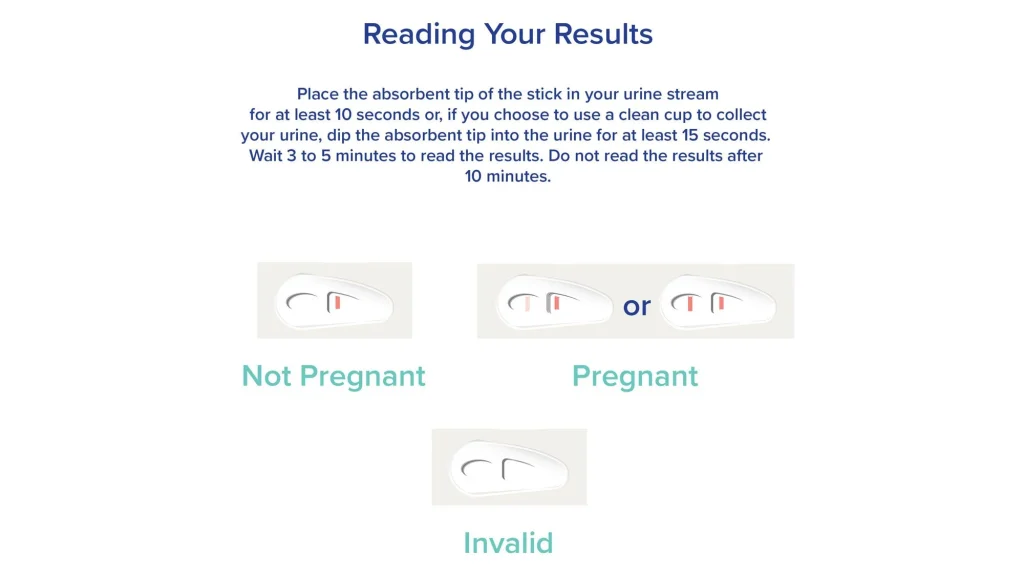
    Instructions for reading pregnancy test results with visual indicators for "Not Pregnant," "Pregnant," and "Invalid.

    How Cervical Mucus Can Indicate a Healthy Pregnancy

    1. Increased Cervical Mucus: During early pregnancy, the body produces increased levels of estrogen and progesterone, which can lead to an increase in cervical mucus. This is often one of the first signs of pregnancy, and the mucus may appear thicker and more abundant than usual.

    2. Changes in Color: The color of cervical mucus can also change during pregnancy. It may appear milky, creamy, or yellowish, which is completely normal. However, if the mucus is pink or red, it could be a sign of implantation bleeding, which occurs when the fertilized egg implants into the uterine lining.

    3. Consistency and Texture: As the pregnancy progresses, cervical mucus may become thicker and more gel-like. This is known as the mucus plug, and it helps to seal the cervix and protect the developing baby from bacteria and other harmful substances.

    4. Changes in Amount: Pregnant women may also notice an increase in the amount of cervical mucus they produce. This is due to the increased blood flow to the cervix and can also be a sign of a healthy pregnancy.

    5. Lack of Cervical Mucus: On the other hand, a decrease in cervical mucus may also indicate a healthy pregnancy. This is because the hormone progesterone, which is essential for maintaining a pregnancy, can cause the cervix to produce less mucus.

    6. Changes in Cervical Mucus after Pregnancy: After giving birth, the body goes through many changes, including hormonal fluctuations. This can cause changes in the consistency and amount of cervical mucus. It is common for women to experience a dry or sticky mucus in the first few weeks postpartum, as the body adjusts to its non-pregnant state.

    7. Monitoring Cervical Mucus for Ovulation: In addition to indicating a healthy pregnancy, cervical mucus can also be helpful in tracking ovulation and fertility. By monitoring changes in cervical mucus, women can determine their most fertile days and increase their chances of conception.

    Conclusion

    In conclusion, cervical mucus is an essential part of a woman’s reproductive system, and it can serve as a valuable indicator of a healthy pregnancy. By understanding the different types of cervical mucus and their changes during pregnancy, women can gain insights into the health and progression of their pregnancy. It is always important to consult with a healthcare provider if there are any concerns about the quality or amount of cervical mucus during pregnancy.

  • How to Improve Your Cervical Mucus for a Successful Pregnancy

    Summary:

    Cervical mucus is a crucial factor in a woman’s fertility and chances of getting pregnant. It is a fluid produced by the cervix that helps sperm reach the egg and protects them on their journey. Having the right consistency and quality of cervical mucus can greatly increase the chances of conception and a successful pregnancy. In this blog post, we will discuss how to improve your cervical mucus for a successful pregnancy.

    Firstly, understanding your menstrual cycle is essential. Cervical mucus changes throughout the cycle and can be an indicator of ovulation. During the beginning of the cycle, after menstruation, the mucus is usually dry and sticky. As ovulation approaches, it becomes more abundant, slippery, and stretchy, resembling the consistency of egg whites. This is the most fertile type of cervical mucus and indicates that ovulation is near. After ovulation, the mucus may become dry and sticky again, making it more difficult for sperm to survive.

    To improve your cervical mucus, it is important to stay hydrated. Drinking plenty of water and staying well-hydrated can help increase cervical mucus production and improve its quality. Additionally, consuming foods rich in essential fatty acids, such as avocados, nuts, and salmon, can also help improve cervical mucus.

    Another way to improve cervical mucus is by taking supplements. Supplements such as evening primrose oil, vitamin C, and mucolytic agents can help increase the amount and quality of cervical mucus. Evening primrose oil contains essential fatty acids that can help thin out cervical mucus, making it easier for sperm to swim through. Vitamin C is known to improve the quality of cervical mucus and support ovulation. Mucolytic agents, such as guaifenesin, can also help thin out cervical mucus, making it easier for sperm to reach the egg.

    pregnancy test kit with instructions, test device, and packaging on a white background

    How to Improve Your Cervical Mucus for a Successful Pregnancy

    Maintaining a healthy weight and exercising regularly can also improve cervical mucus. Being overweight or underweight can disrupt hormonal balance and affect cervical mucus production. Regular exercise can help regulate hormones and improve blood flow to the reproductive organs, including the cervix. However, it is important not to over-exercise as it can have the opposite effect and reduce cervical mucus production.

    Avoiding certain substances can also improve cervical mucus. Smoking, alcohol, and caffeine can all have a negative impact on cervical mucus. Smoking can decrease cervical mucus production and impair its quality. Alcohol and caffeine can also dehydrate the body and reduce cervical mucus production. Therefore, it is best to limit or avoid these substances when trying to improve cervical mucus for pregnancy.

    In addition to these tips, it is crucial to pay attention to your vaginal health. Using scented products, douching, and certain lubricants can all disrupt the balance of vaginal flora and affect cervical mucus production. It is important to use unscented, gentle products and avoid douching. When using lubricants, it is best to choose ones that are fertility-friendly and do not harm sperm.

    Lastly, tracking your cervical mucus and fertility signs can greatly increase your chances of getting pregnant. Keeping a fertility journal and tracking the changes in your cervical mucus and other fertility signs, such as basal body temperature and cervical position, can help you determine your most fertile days and time intercourse accordingly.

    In conclusion, improving cervical mucus for a successful pregnancy involves staying hydrated, consuming essential fatty acids and supplements, maintaining a healthy weight, avoiding certain substances, and paying attention to vaginal health. By understanding your menstrual cycle and tracking your fertility signs, you can increase your chances of getting pregnant. It is important to consult with a healthcare provider if you have any concerns about your cervical mucus or fertility.

  • Exploring the Relationship Between Cervical Mucus and Pregnancy Symptoms

    Exploring the Relationship Between Cervical Mucus and Pregnancy Symptoms

    Pregnancy is a beautiful and miraculous experience for many women, but it can also be a confusing and overwhelming time, especially for first-time mothers. From missed periods to morning sickness, there are various signs and symptoms that can indicate pregnancy. However, one lesser-known indicator of pregnancy is cervical mucus. In this blog post, we will delve into the relationship between cervical mucus and pregnancy symptoms, and how understanding this connection can help women better understand their bodies and potential pregnancies.

    What is Cervical Mucus?

    Cervical mucus, also known as cervical fluid, is a natural secretion from the cervix that changes in consistency and appearance throughout a woman’s menstrual cycle. It is produced by the cervix to help facilitate the movement of sperm towards the egg during ovulation. Thus, it plays a crucial role in fertility and pregnancy.

    The Importance of Cervical Mucus in Pregnancy

    Cervical mucus is an essential factor in getting pregnant, as it helps sperm survive and swim towards the egg. During ovulation, the cervical mucus becomes thin and slippery, creating a more hospitable environment for sperm. This is known as “fertile mucus” and is a sign that a woman is ovulating and most likely to conceive.

    However, cervical mucus can also be an indicator of pregnancy. After ovulation, the cervical mucus becomes thicker and stickier, forming a barrier to prevent sperm from entering the cervix. If a woman becomes pregnant, the cervical mucus will continue to remain thick and sticky, forming a plug to protect the developing fetus and preventing any other sperm from entering the cervix.

    How Cervical Mucus Changes Throughout Pregnancy

    During the first few weeks of pregnancy, cervical mucus may continue to be thick and sticky, as the body is still producing progesterone, which maintains the mucus plug. As the pregnancy progresses, the cervical mucus may increase in volume and become thinner and more watery. This is due to the increased levels of estrogen in the body, which helps to prepare the body for childbirth.

    Towards the end of pregnancy, the cervical mucus may become even thinner and more abundant, and may even have small streaks of blood. This is a sign that the cervix is starting to soften and dilate in preparation for labor and delivery. Therefore, changes in cervical mucus throughout pregnancy can provide valuable information about the progress and health of the pregnancy.

    at-home insemination kit by Mosie Baby, featuring syringes and containers for comfort and convenience.

    Exploring the Relationship Between Cervical Mucus and Pregnancy Symptoms

    Other Pregnancy Symptoms Related to Cervical Mucus

    Apart from changes in cervical mucus, there are other pregnancy symptoms that may be related to cervical mucus. These include:

    1. Implantation bleeding: A small amount of bleeding or spotting that occurs when the fertilized egg implants itself into the lining of the uterus. This can cause small amounts of blood to mix with the cervical mucus, resulting in pink or brown discharge.

    2. Increased vaginal discharge: During pregnancy, the body produces more estrogen, which can lead to an increase in vaginal discharge. This discharge may be thicker and have a milky appearance and is completely normal during pregnancy.

    3. Leukorrhea: This is a type of discharge that is more common in the second and third trimesters of pregnancy. It is thin, white, and has a mild odor, and is often caused by the increased levels of estrogen in the body.

    4. Changes in smell and color: Pregnant women may experience changes in the smell and color of their cervical mucus. This is due to the hormonal changes in the body and is usually nothing to worry about, unless it is accompanied by itching, burning, or a foul odor.

    5. Cervical mucus as an early pregnancy indicator: Some women may experience an increase in cervical mucus even before a missed period or any other pregnancy symptoms. This is known as leukorrhea gravidarum and is often a sign of early pregnancy.

    Understanding the changes in cervical mucus and how they relate to pregnancy symptoms can help women better understand their bodies and potential pregnancies. However, it is essential to note that every woman’s body is different, and not all women will experience the same changes in cervical mucus during pregnancy. It is always best to consult a doctor for a proper diagnosis and confirmation of pregnancy.

    In conclusion, cervical mucus plays a vital role in both fertility and pregnancy. Its changes throughout a woman’s menstrual cycle and during pregnancy can provide valuable information about the body’s reproductive system and the health of the pregnancy. By understanding the relationship between cervical mucus and pregnancy symptoms, women can gain a better understanding of their bodies and potential pregnancies.

    Summary:

    In this blog post, we explored the relationship between cervical mucus and pregnancy symptoms. Cervical mucus is a natural secretion from the cervix that changes in consistency and appearance throughout a woman’s menstrual cycle. It is crucial in both fertility and pregnancy, as it helps sperm reach the egg and protects the developing fetus. Changes in cervical mucus during pregnancy can also provide valuable information about the health and progress of the pregnancy. Other pregnancy symptoms related to cervical mucus include implantation bleeding, increased vaginal discharge, leukorrhea, changes in smell and color, and cervical mucus as an early pregnancy indicator. While the changes in cervical mucus can provide valuable insights, it is essential to consult a doctor for a proper diagnosis and confirmation of pregnancy.

  • The Impact of Cervical Mucus on Fertility and Pregnancy

    Blog Post Title: The Role of Cervical Mucus in Fertility and Pregnancy

    Cervical mucus is a natural substance produced by the cervix that plays a crucial role in fertility and pregnancy. This clear, slippery fluid may not seem significant, but it actually has a significant impact on a woman’s reproductive health. In this blog post, we will explore the functions of cervical mucus, how it affects fertility and pregnancy, and ways to track and improve its quality.

    Functions of Cervical Mucus

    Cervical mucus serves several important functions in a woman’s reproductive system. Firstly, it acts as a barrier, protecting the uterus from harmful bacteria and other foreign substances that may enter the vagina. This makes it a vital defense mechanism against infections and diseases.

    Secondly, cervical mucus plays a crucial role in sperm transport. The consistency and quality of cervical mucus changes throughout a woman’s menstrual cycle, becoming more fertile and conducive to sperm survival during ovulation. It creates a pathway for sperm to travel through the cervix and into the uterus to fertilize an egg.

    Lastly, cervical mucus helps to sustain a developing pregnancy. After fertilization, the mucus thickens to form a plug, sealing the cervix and preventing any other sperm from entering. It also continues to provide a safe and nourishing environment for the growing embryo.

    Impact on Fertility

    Cervical mucus is a key factor in a woman’s fertility. The changes in its quality and consistency throughout the menstrual cycle directly affect the chances of conception. During the first half of the cycle, the mucus is thick and sticky, making it difficult for sperm to penetrate and survive. This creates a natural barrier, preventing pregnancy from occurring at the wrong time.

    As ovulation approaches, the mucus becomes more watery and stretchy, resembling the consistency of egg whites. This fertile cervical mucus is essential for sperm survival and helps them to swim through the cervix and reach the egg. It also provides a hospitable environment for the sperm, protecting them from the acidic environment of the vagina.

    Hands holding a syringe and a small container against a blue background.

    The Impact of Cervical Mucus on Fertility and Pregnancy

    For couples trying to conceive, tracking the changes in cervical mucus can be an effective way to determine the most fertile days of the menstrual cycle. By paying attention to the texture and consistency, women can pinpoint their ovulation window and time intercourse accordingly, increasing the chances of pregnancy.

    Impact on Pregnancy

    After fertilization, cervical mucus continues to play a vital role in supporting pregnancy. As mentioned earlier, it thickens to form a plug, protecting the growing embryo from potential infections. It also provides nourishment and moisture, creating a conducive environment for the embryo to develop.

    In some cases, the quality or quantity of cervical mucus may impact the success of pregnancy. Insufficient or poor-quality mucus can make it difficult for sperm to reach the egg, leading to fertility issues. Additionally, low levels of mucus may indicate hormonal imbalances or other underlying health conditions that can affect the ability to conceive and sustain a pregnancy.

    How to Track and Improve Cervical Mucus

    There are several methods women can use to track and improve their cervical mucus. The most common way is by performing a “cervical mucus check.” This involves checking the consistency and color of the mucus on a daily basis and recording any changes in a fertility chart. This can help women identify their most fertile days and increase their chances of pregnancy.

    Some factors can affect the quality and quantity of cervical mucus, such as hormonal imbalances, dehydration, and certain medications. To improve cervical mucus, women can try increasing their water intake and incorporating more foods rich in vitamins A, C, and E into their diet. Certain supplements, such as evening primrose oil, can also help to improve the quality of cervical mucus.

    In some cases, underlying health issues may be the cause of poor cervical mucus quality. It is essential to consult a healthcare provider if tracking or improving cervical mucus does not result in a successful pregnancy.

    In summary, cervical mucus plays a crucial role in a woman’s reproductive health and pregnancy. Its functions include protecting the uterus, aiding sperm transport, and sustaining a developing pregnancy. Tracking and improving cervical mucus can be beneficial for couples trying to conceive, and any concerns should be discussed with a healthcare provider.