Tag: women’s health

  • Empowering Women: The Syringe Method and Fertility Enhancement

    Empowering Women: The Syringe Method and Fertility Enhancement

    Empowering women has been a topic of discussion for decades, with various movements and initiatives aimed at promoting gender equality and female empowerment. While there have been significant strides made in this area, there is still much work to be done, particularly when it comes to reproductive health and fertility. Many women face challenges when trying to conceive and build a family, and this can be a source of emotional and physical distress. However, there is a method called the syringe method that has been gaining popularity as a fertility enhancement technique, giving hope to countless women struggling to conceive.

    The syringe method involves using a simple plastic syringe to insert semen into the vagina, near the cervix, during ovulation. This technique has been used by many couples who are trying to get pregnant, and it has proven to be effective in enhancing fertility. This method not only empowers women to take control of their own fertility but also eliminates the need for expensive medical procedures such as intrauterine insemination (IUI) or in-vitro fertilization (IVF). In this blog post, we will dive deeper into the syringe method and how it can empower women by giving them more control over their reproductive health.

    Understanding the Syringe Method

    The syringe method, also known as intracervical insemination (ICI), is a relatively simple and low-cost technique that can be done at home. It involves using a sterile plastic syringe, without a needle, to deposit semen into the vagina, closer to the cervix, during ovulation. This method is similar to IUI, where the sperm is injected directly into the uterus, but without the need for medical intervention.

    The process of using the syringe method begins with the male partner producing semen through masturbation or using a sterile collection cup. The semen is then drawn into the syringe and inserted into the vagina, as close to the cervix as possible. This technique should be done during ovulation, which is when the female partner’s body releases an egg from the ovary. The timing of ovulation can be tracked through various methods, such as ovulation predictor kits or tracking basal body temperature.

    Empowering Women through the Syringe Method

    One of the main ways the syringe method empowers women is by giving them more control over their reproductive health. With this method, women do not have to rely on medical professionals to help them conceive. They can easily perform the procedure at home, without the need for expensive treatments or appointments. This not only saves them time and money but also gives them a sense of ownership and empowerment over their own bodies.

    Baby wearing a blue shirt with "made with Love" text, surrounded by colorful floral and butterfly designs.

    Empowering Women: The Syringe Method and Fertility Enhancement

    Additionally, the syringe method allows women to involve their partners in the process of trying to conceive. This can strengthen the bond between the couple and create a more intimate and supportive environment for conception. It also eliminates the need for invasive procedures, which can be uncomfortable and stressful for both partners.

    Another way the syringe method empowers women is by providing them with more options. Many women may face fertility challenges, and the syringe method offers an alternative to medical procedures that may not be accessible or affordable for everyone. It also gives women the opportunity to try a more natural and less invasive method before moving on to more intensive treatments.

    The Benefits of the Syringe Method

    Aside from empowering women, the syringe method offers various benefits that make it a popular fertility enhancement technique. Firstly, it is a low-cost option compared to medical procedures such as IUI or IVF. This makes it accessible to more couples who may not have the financial means to pursue expensive treatments.

    Secondly, the syringe method is a more natural option, as it does not involve any drugs or hormonal treatments. This can be appealing to women who prefer a more holistic approach to fertility enhancement. Additionally, it eliminates the risk of multiple births, which is a common concern with procedures like IVF.

    Furthermore, the syringe method can be done in the comfort and privacy of one’s own home, reducing the stress and anxiety that often comes with medical procedures. It also allows couples to try different positions and techniques to increase the chances of conception, which can be more difficult with medical interventions.

    In conclusion, the syringe method is a simple yet effective way to empower women by giving them more control over their reproductive health. It offers a low-cost and more natural alternative to medical procedures, making it accessible to more couples. With its many benefits and empowering nature, the syringe method has the potential to change the lives of many women struggling to conceive.

    Summary:

    Empowering women has been a long-standing goal, and the syringe method is a technique that has been gaining popularity as a fertility enhancement method. This method involves using a plastic syringe to deposit semen into the vagina during ovulation and has proven to be effective in empowering women by giving them more control over their reproductive health. The syringe method is a low-cost, natural, and private option that eliminates the need for expensive medical procedures. It also allows couples to involve each other in the process of trying to conceive and offers an alternative to traditional treatments. With its numerous benefits, the syringe method has the potential to change the lives of many women struggling with fertility issues.


  • and Fertile: Exploring Insemination on Your Own Terms for Women with Medical Conditions

    Blog Post Title: Fertile: Exploring Insemination on Your Own Terms for Women with Medical Conditions

    Summary:

    For many women, the journey to motherhood can be filled with challenges and obstacles. This is especially true for women with medical conditions that affect their fertility. However, with advancements in medical technology and a growing understanding of reproductive health, there are now more options available for women who want to conceive on their own terms. One of these options is insemination, a process that involves inserting sperm into a woman’s reproductive tract to facilitate fertilization.

    In this blog post, we will explore the topic of insemination for women with medical conditions. We will discuss the various types of insemination, the benefits and risks, and how women can navigate this process with their unique medical needs in mind. Through this, we hope to empower women with medical conditions to make informed decisions about their fertility and achieve their dream of motherhood.

    Types of Insemination:

    There are two main types of insemination – intrauterine insemination (IUI) and intracervical insemination (ICI). IUI involves placing washed and concentrated sperm directly into a woman’s uterus, while ICI involves placing the sperm near the cervix. Both procedures are relatively quick and painless, and can be done at a doctor’s office or at home.

    Benefits of Insemination:

    Insemination can be a beneficial option for women with medical conditions who are looking to conceive. This is because it bypasses any potential issues with ovulation or the fallopian tubes, which may be affected by certain conditions. It also allows for a more controlled and timed approach to conception, increasing the chances of success.

    Additionally, insemination can be a more affordable option compared to other fertility treatments such as in vitro fertilization (IVF). It also allows women to use their partner’s or a donor’s sperm, giving them the opportunity to have a biological connection to their child.

    Baby with blue eyes wearing a light blue onesie that says "made with Love" on a soft white background.

    and Fertile: Exploring Insemination on Your Own Terms for Women with Medical Conditions

    Risks of Insemination:

    While insemination is generally a safe procedure, there are some risks involved. The most common risk is infection, which can be minimized by following proper hygiene and using sterile equipment. There is also a small chance of multiple pregnancies, which can be managed through careful monitoring and adjusting the number of sperm used in the insemination.

    Navigating Insemination with Medical Conditions:

    Before considering insemination, it is important for women with medical conditions to consult with their doctor. They will be able to assess the individual’s medical history and determine if insemination is a safe and viable option. It is also important to discuss any medications or treatments that may impact fertility, and make any necessary adjustments.

    Women should also consider their emotional and mental well-being before embarking on insemination. It can be a stressful and emotional process, and it is important to have a supportive network and coping mechanisms in place. Seeking counseling or joining support groups can also be beneficial.

    For women who have conditions that may affect their ability to carry a pregnancy to full term, it is important to discuss the possibility of surrogacy or adoption with their doctor. While insemination can assist with conception, it may not address underlying issues that could cause complications during pregnancy.

    Insemination for Women with Medical Conditions: A Personal Choice

    Ultimately, the decision to undergo insemination is a personal one. Women should feel empowered to make choices that align with their values and medical needs. It is important to have open and honest communication with partners, doctors, and other support systems throughout the process.

    In conclusion, for women with medical conditions, insemination can be a viable option for achieving motherhood. It offers a more controlled and affordable approach to conception, and can be tailored to individual medical needs. By considering the different types of insemination, understanding the benefits and risks, and navigating the process with the guidance of a doctor, women can make informed decisions about their fertility and embark on their journey to motherhood on their own terms.

  • Crafting Your Own Fertility Journey: DIY Support Tools for Women

    Crafting Your Own Fertility Journey: DIY Support Tools for Women

    Fertility is a deeply personal and emotional journey for women. Whether you are trying to conceive naturally or undergoing fertility treatments, it can be a challenging and overwhelming experience. While seeking professional help is important, there are also many DIY support tools that women can use to empower themselves and take control of their fertility journey. In this blog post, we will explore some of these tools and how they can help women on their path to motherhood.

    1. Tracking Your Menstrual Cycle

    The first step in understanding your fertility is to track your menstrual cycle. There are many apps and websites available that make this process easy and convenient. By logging your period and other fertility signs such as cervical mucus and basal body temperature, you can get a better understanding of your ovulation and fertile window. This information can be helpful in timing intercourse for conception and identifying any irregularities in your cycle.

    2. Nutrition and Supplements

    Eating a healthy and balanced diet is crucial for overall health and fertility. There are specific foods and supplements that can support your reproductive health and boost fertility. Some key nutrients for fertility include folic acid, iron, and omega-3 fatty acids. It is important to consult with a healthcare professional before starting any supplements, as they can recommend the right dosage for your individual needs.

    3. Stress Management

    Stress can have a significant impact on fertility. It can disrupt hormone levels and interfere with ovulation. By implementing stress management techniques such as yoga, meditation, and mindfulness, women can reduce their stress levels and improve their chances of conceiving. These tools can also help in coping with the emotional rollercoaster of fertility struggles.

    4. Acupuncture

    illustration of Mosie Baby home insemination kit highlighting seamless transfer and size features

    Crafting Your Own Fertility Journey: DIY Support Tools for Women

    Acupuncture is an ancient Chinese practice that involves inserting thin needles into specific points on the body. It has been found to be effective in regulating the menstrual cycle and improving fertility. Some studies have shown that acupuncture can increase blood flow to the reproductive organs and balance hormones, which can enhance fertility. It can also help in reducing stress and anxiety, making it a valuable tool for women on their fertility journey.

    5. Fertility Massage

    Fertility massage is a gentle and non-invasive technique that can help in improving reproductive health. It involves massaging the abdomen, lower back, and pelvic area, which can increase blood flow to the reproductive organs and promote hormonal balance. It can also help in breaking up scar tissue and adhesions that may be hindering fertility. Fertility massage can be done at home with the help of instructional videos or by seeking out a certified fertility massage therapist.

    6. Herbal Remedies

    There are many herbs and herbal supplements that have been used for centuries to boost fertility. Some common herbs for fertility include red raspberry leaf, maca root, and vitex. These herbs can help in regulating the menstrual cycle, balancing hormones, and improving overall reproductive health. It is important to consult with a healthcare professional before using any herbal remedies, as they may interact with other medications or have side effects.

    7. Support Groups

    Fertility struggles can be isolating and emotionally draining. Joining a support group can provide much-needed emotional support and a safe space to share your journey with others who understand. There are many online and in-person support groups available for women experiencing fertility challenges. Connecting with others who are going through a similar experience can be empowering and uplifting.

    8. Visualization and Affirmations

    Visualization and affirmations are powerful tools that can help in manifesting your desires. By visualizing yourself as a mother and using positive affirmations, you can shift your mindset and believe that you are capable of becoming pregnant. These tools can also help in managing stress and anxiety and promoting a more positive outlook on your fertility journey.

    In conclusion, while seeking professional help is essential, there are many DIY support tools that women can use to enhance their fertility journey. By tracking your menstrual cycle, focusing on nutrition and supplements, managing stress, and incorporating alternative therapies, women can take control of their fertility journey and increase their chances of conceiving. Remember, every woman’s journey is unique, and what works for one may not work for another. It is important to listen to your body and intuition and choose the tools that feel right for you.

  • Empowering Women with the Conception Catalyst Syringe Set

    Empowering Women with the Conception Catalyst Syringe Set: Revolutionizing Fertility

    In today’s fast-paced world, women are constantly juggling various roles and responsibilities, often leaving little time to plan for starting a family. The pressure to balance career and personal life can sometimes lead to postponing motherhood, which can have a significant impact on a woman’s fertility. This is where the Conception Catalyst Syringe Set comes in, a revolutionary product that empowers women to take control of their fertility and conceive on their own terms.

    What is the Conception Catalyst Syringe Set?

    The Conception Catalyst Syringe Set is a fertility aid designed to make the process of conception easier and more convenient for women. It consists of a set of syringes that are specifically designed to be used at home, eliminating the need for costly and time-consuming visits to fertility clinics. With this revolutionary product, women can now take charge of their fertility journey in the comfort and privacy of their own home.

    How Does it Work?

    The Conception Catalyst Syringe Set is designed to work in tandem with ovulation predictor kits, which help women track their fertile window. Once a woman knows when she is most likely to conceive, the syringe set comes into play. The set includes a special syringe that is designed to be inserted into the vagina, allowing for easy and precise delivery of sperm to the cervix. This method of sperm delivery has been proven to be more effective than traditional methods, as it bypasses the acidic environment of the vagina and directly deposits sperm at the entrance of the cervix, increasing the chances of conception.

    Empowering Women to Take Charge of Their Fertility

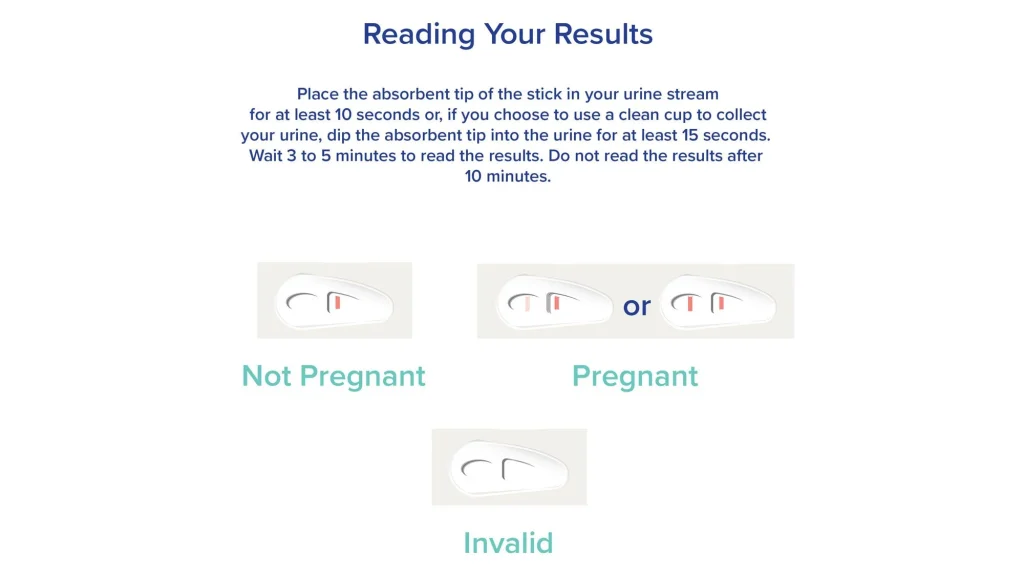
    Instructions for reading pregnancy test results with visual indicators for "Not Pregnant," "Pregnant," and "Invalid.

    Empowering Women with the Conception Catalyst Syringe Set

    One of the main benefits of the Conception Catalyst Syringe Set is that it gives women more control over their fertility journey. With this product, women no longer have to rely solely on fertility clinics or doctors to help them conceive. They can take an active role in the process and make informed decisions about their own bodies and reproductive health. This level of empowerment is crucial in a society where women’s choices are often limited and decisions about their bodies are often made by others.

    In addition to empowering women to take charge of their own fertility, the Conception Catalyst Syringe Set also promotes inclusivity and diversity in the world of fertility. This product is suitable for all women, regardless of their sexual orientation or relationship status. It allows women to choose their own path to motherhood, whether it be through traditional conception methods or assisted reproductive technologies such as donor sperm. This inclusivity and flexibility make the Conception Catalyst Syringe Set a game-changer in the world of fertility.

    Breaking Barriers and Redefining Conception

    The Conception Catalyst Syringe Set also breaks down barriers and challenges societal norms surrounding conception and motherhood. In many cultures, there is still a stigma attached to women who choose to conceive without a partner or through alternative methods. This product challenges these norms and gives women the freedom to make their own choices without judgment or societal pressure. It also allows women to redefine what it means to be a mother and challenges the traditional nuclear family structure.

    The Importance of Mental and Emotional Well-Being in the Fertility Journey

    The journey to conception can be emotionally and mentally taxing for many women. The pressure to conceive, coupled with societal expectations and personal struggles, can take a toll on a woman’s mental and emotional well-being. The Conception Catalyst Syringe Set recognizes the importance of addressing these issues and provides a solution that can alleviate some of the stress and anxiety associated with trying to conceive. By allowing women to take control of their fertility journey, this product can help promote a more positive and empowering experience for women.

    In Conclusion

    The Conception Catalyst Syringe Set is not just a fertility aid; it is a symbol of empowerment and inclusivity for women. By giving women the tools to take charge of their fertility journey, this product is revolutionizing the way we approach conception and motherhood. It breaks down barriers, challenges societal norms, and promotes inclusivity and diversity in the world of fertility. Most importantly, it empowers women to make their own choices and take control of their reproductive health. With the Conception Catalyst Syringe Set, women can redefine what it means to be a mother and pave the way for a more inclusive and empowering future.

  • Empowering Your Fertility: The Benefits of an At-Home Conception Kit for Women’s Health

    Empowering Your Fertility: The Benefits of an At-Home Conception Kit for Women’s Health

    For many couples, starting a family is a dream come true. However, for some women, getting pregnant can be a challenging and stressful process. From tracking ovulation to trying different fertility treatments, the journey to conception can be overwhelming. But what if there was a way to make the process easier and more empowering? Enter the at-home conception kit, a revolutionary tool that can help women take charge of their fertility and improve their overall health. In this blog post, we will explore the benefits of an at-home conception kit for women’s health and how it can change the game for those trying to conceive.

    What is an At-Home Conception Kit?

    An at-home conception kit is a non-invasive and convenient way to monitor fertility and increase the chances of conception. It typically includes ovulation prediction tests, pregnancy tests, and a basal body thermometer. Some kits may also include supplements and informational materials to guide users through the process.

    Benefits of Using an At-Home Conception Kit

    1. Empowers Women to Take Control of their Fertility

    One of the most significant benefits of using an at-home conception kit is that it puts the power back in the hands of women. Instead of relying on doctors or fertility clinics, women can take charge of their reproductive health from the comfort of their own homes. This sense of empowerment can be incredibly beneficial for women who may feel out of control during the conception process.

    2. Helps Identify the Most Fertile Days

    Tracking ovulation is crucial when trying to conceive. An at-home conception kit can help women determine the most fertile days of their cycle by using ovulation prediction tests. These tests detect the surge in luteinizing hormone (LH) that occurs 24-36 hours before ovulation. By knowing the most fertile days, couples can time intercourse and increase their chances of pregnancy.

    3. Saves Time and Money

    various medical supplies and containers organized in a clear plastic box on a wooden surface

    Empowering Your Fertility: The Benefits of an At-Home Conception Kit for Women's Health

    Visiting a doctor or a fertility clinic can be time-consuming and expensive. With an at-home conception kit, women can skip the appointments and costly treatments and monitor their fertility at their convenience. This can be especially beneficial for those with busy schedules or limited access to healthcare.

    4. Provides Information and Support

    Many at-home conception kits come with informational materials and resources to help users understand their fertility and the conception process better. These materials can be a valuable source of information and support for women, especially those who may feel overwhelmed or anxious about trying to conceive.

    5. Promotes Overall Health and Wellness

    Using an at-home conception kit is not just about getting pregnant. It also encourages women to pay attention to their overall health and wellness. By tracking their ovulation and menstrual cycle, women can identify any potential issues or irregularities that may need further medical attention. Additionally, some kits may include supplements that can support reproductive health and boost fertility.

    6. Can Be Used Anytime, Anywhere

    Another significant advantage of an at-home conception kit is its convenience. Women can use the kit in the privacy of their own home, at any time of the day. This can be especially helpful for those who may feel uncomfortable or embarrassed discussing fertility and reproductive health with others.

    7. Encourages Communication and Teamwork with Partner

    Trying to conceive can be a stressful and emotional journey for both partners. An at-home conception kit can help foster communication and teamwork between couples. By tracking fertility and planning intercourse together, couples can feel more connected and involved in the process.

    In summary, an at-home conception kit can be a game-changer for women’s health and fertility. It empowers women to take control of their reproductive health, saves time and money, provides information and support, promotes overall wellness, and encourages communication and teamwork with their partner. With the convenience and effectiveness of an at-home conception kit, women can feel more confident and in charge of their journey to conception.

  • The Science of Conception: The Role of an At-Home Support Kit in Understanding Your Body

    Summary:

    Conception is a complex and miraculous process that allows for new life to be created. While it may seem like a simple act of intimacy, there is actually a lot of science and biology involved in the process. Understanding the science of conception can be beneficial for anyone trying to conceive, and an at-home support kit can play a crucial role in this understanding.

    The first step in understanding the science of conception is to have a basic knowledge of the female reproductive system. Each month, a woman’s body goes through a series of changes in preparation for potential pregnancy. These changes are regulated by hormones and involve the ovaries, fallopian tubes, uterus, and cervix.

    Ovulation, the release of an egg from the ovaries, is a key event in the conception process. It usually occurs around day 14 of a woman’s menstrual cycle and is the most fertile time for conception. However, not all women have a regular menstrual cycle, and tracking ovulation can be challenging. This is where an at-home support kit can be beneficial.

    An at-home support kit typically includes tools such as ovulation predictor kits, basal body temperature thermometers, and fertility tracking apps. These tools can help women determine when they are ovulating and, therefore, most likely to conceive. Ovulation predictor kits detect the surge of luteinizing hormone (LH) that occurs 24-36 hours before ovulation. Basal body temperature thermometers track changes in body temperature that occur during ovulation. Fertility tracking apps use a combination of methods, including tracking menstrual cycles and basal body temperature, to predict ovulation.

    Baby wearing a blue shirt with "made with Love" text, surrounded by colorful floral and butterfly designs.

    The Science of Conception: The Role of an At-Home Support Kit in Understanding Your Body

    In addition to tracking ovulation, an at-home support kit can also help women understand their menstrual cycles and identify any irregularities. This information can be valuable when discussing fertility concerns with a doctor. The kit can also provide insight into potential fertility issues, such as polycystic ovary syndrome (PCOS) or endometriosis, which can affect a woman’s ability to conceive.

    Apart from tracking ovulation and menstrual cycles, an at-home support kit can also provide valuable information about a woman’s overall reproductive health. This includes monitoring changes in cervical mucus, which can indicate the presence of fertile cervical fluid, and tracking changes in the cervix position, which can also signal ovulation.

    The use of an at-home support kit can also help couples trying to conceive to time intercourse more effectively. By tracking ovulation and understanding the fertile window, couples can increase their chances of conception. This can be especially helpful for couples who may have fertility issues and need to optimize their chances of pregnancy.

    Moreover, using an at-home support kit can also help alleviate the stress and pressure that often comes with trying to conceive. By having a better understanding of their body and reproductive health, women can feel more in control of their fertility journey. This can reduce anxiety and improve overall emotional well-being while trying to conceive.

    In conclusion, the science of conception is a complex and fascinating process. By understanding the workings of the female reproductive system and tracking ovulation, women can increase their chances of conception. An at-home support kit can play a vital role in this understanding by providing valuable tools for tracking ovulation, monitoring menstrual cycles, and identifying potential fertility issues. It can also help reduce stress and improve overall emotional well-being while trying to conceive. With the help of an at-home support kit, couples can navigate the journey of conception with more confidence and knowledge.

    Metadata:

  • The Role of Non-Invasive Insemination in Family Building for Women Over 30

    Blog Post:

    As women reach their thirties, they may start to feel the pressure of their biological clock ticking. Many women in this age group may also be considering starting a family, but may face challenges when it comes to conceiving naturally. In the past, options for women over 30 who wanted to have a child included adoption or expensive and invasive fertility treatments. However, with advances in technology and medical procedures, non-invasive insemination has become a viable and popular option for family building for women over 30.

    Non-invasive insemination, also known as artificial insemination or intrauterine insemination (IUI), is a fertility treatment that involves placing sperm directly into a woman’s uterus to increase the chances of fertilization. Unlike other fertility treatments, such as in vitro fertilization (IVF), IUI does not require the removal of eggs from the woman’s body. Instead, the sperm is placed directly into the uterus during the woman’s ovulation period, increasing the chances of fertilization and pregnancy.

    While IUI can be used for women of any age, it has become a popular option for women over 30 who are looking to start a family. This is due to a variety of factors, including the decline in fertility as women age and the potential for underlying fertility issues as women get older. Non-invasive insemination offers a less invasive and less expensive option compared to other fertility treatments, making it an attractive choice for many women.

    One of the main benefits of non-invasive insemination for women over 30 is its success rate. According to the American Pregnancy Association, the success rate for IUI is between 10-20%, depending on factors such as age, overall health, and the cause of infertility. While this may seem low, it is still a viable option for many women who may not have had success with natural conception or who may not be ready for more invasive fertility treatments.

    Another advantage of non-invasive insemination is its affordability. Compared to other fertility treatments, IUI is relatively inexpensive. The cost of IUI can range from $300 to $1000 per cycle, which is significantly less than the cost of IVF, which can be upwards of $10,000 per cycle. This makes IUI a more accessible option for women over 30 who may not have the financial means for more expensive treatments.

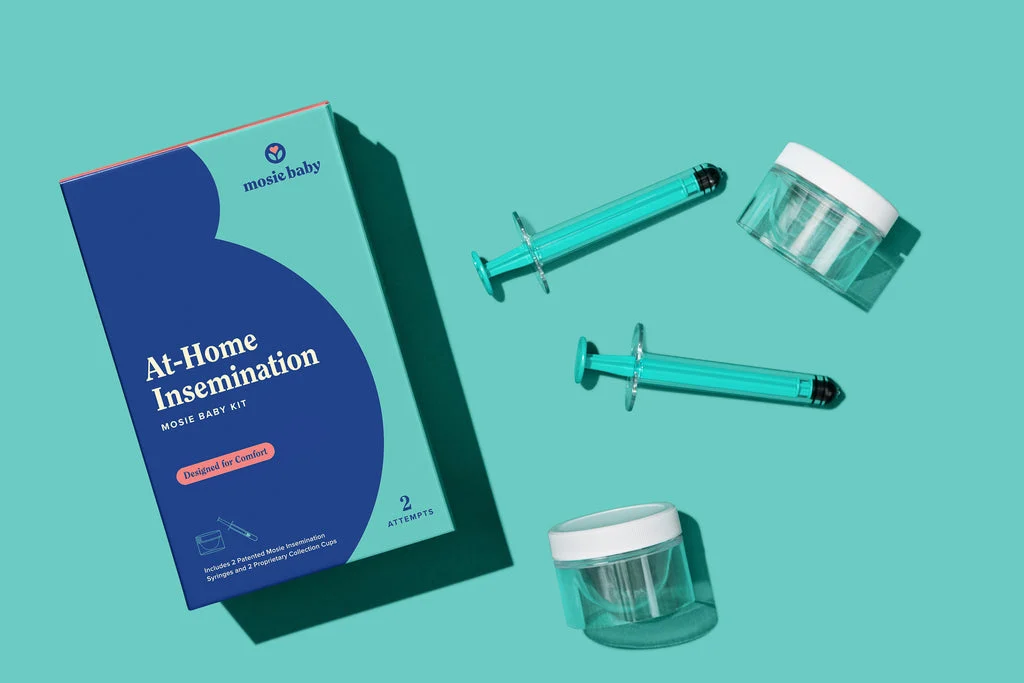
    At-home insemination kit with syringes and collection cups on a teal background.

    The Role of Non-Invasive Insemination in Family Building for Women Over 30

    Non-invasive insemination also offers a more natural approach to fertility treatment. Unlike IVF, which involves the use of hormones and the removal of eggs from the woman’s body, IUI does not involve any medication or invasive procedures. This can be a more attractive option for women who prefer a more natural approach to family building.

    For women over 30, non-invasive insemination can also address any underlying fertility issues that may be present. As women age, their egg quality and quantity may decrease, which can make it more difficult to conceive naturally. With IUI, the sperm is placed directly into the uterus, increasing the chances of fertilization and potentially bypassing any fertility issues.

    Non-invasive insemination also offers options for single women or LGBTQ+ couples who are looking to start a family. With IUI, donor sperm can be used, allowing for biological parenthood for individuals or couples who may not have other options.

    However, it is important to note that non-invasive insemination may not be the best option for everyone. It is not recommended for women with severe fertility issues or for those with blocked fallopian tubes. It is also important for women to undergo thorough testing and consultation with a fertility specialist before deciding on IUI as a treatment option.

    In conclusion, non-invasive insemination has become a popular and successful option for family building for women over 30. Its affordability, success rate, and more natural approach make it an attractive choice for many women who may be facing challenges with natural conception. While it may not be the best option for everyone, it offers a viable alternative for women who are looking to start a family later in life.

    Summary:

    As women over 30 face challenges with natural conception, non-invasive insemination has become a popular and successful option for family building. This fertility treatment involves placing sperm directly into a woman’s uterus during ovulation, increasing the chances of fertilization. It is a less invasive and more affordable option compared to other treatments, making it an attractive choice for many women. Non-invasive insemination also offers a more natural approach to fertility treatment and can address underlying fertility issues. However, it may not be suitable for women with severe fertility issues or blocked fallopian tubes. Overall, non-invasive insemination provides a viable option for women over 30 who are looking to start a family.

  • Maximizing Your Chances of Success with Non-Invasive Insemination in Your 30s

    Blog Post Title: Maximizing Your Chances of Success with Non-Invasive Insemination in Your 30s

    In recent years, there has been a growing trend of women in their 30s choosing to delay starting a family. This decision may be due to various reasons such as career advancement, financial stability, or simply not finding the right partner. However, as women age, their fertility declines, and getting pregnant can become more challenging. As a result, many women in their 30s are turning to non-invasive insemination as a way to increase their chances of conceiving. In this blog post, we will discuss how women in their 30s can maximize their chances of success with non-invasive insemination.

    What is Non-Invasive Insemination?
    Non-invasive insemination is a method of assisted reproduction that involves inserting sperm into a woman’s reproductive tract without the need for surgery. It is a less invasive and more affordable option compared to other assisted reproductive techniques such as in vitro fertilization (IVF). Non-invasive insemination can be done through two methods: intrauterine insemination (IUI) and intracervical insemination (ICI). IUI involves placing sperm directly into the uterus, while ICI involves placing sperm near the cervix.

    Factors Affecting Fertility in Your 30s
    Before we dive into how to maximize your chances of success with non-invasive insemination, it is essential to understand the factors that can affect fertility in your 30s. As women age, the number and quality of their eggs decrease, making it harder to conceive. Other factors that may affect fertility include hormonal imbalances, health conditions, and lifestyle choices such as smoking and excessive alcohol consumption. It is crucial to consult with a fertility specialist to identify any underlying issues that may affect your chances of getting pregnant.

    Steps to Maximize Your Chances of Success with Non-Invasive Insemination
    1. Start Early
    One of the most critical factors in maximizing your chances of success with non-invasive insemination is starting early. As mentioned earlier, fertility declines with age, and the success rates of non-invasive insemination decrease after the age of 35. Therefore, it is advisable to start the process as soon as possible, ideally in your early 30s.

    2. Consult with a Fertility Specialist
    Before undergoing non-invasive insemination, it is crucial to consult with a fertility specialist. They will conduct a series of tests to assess your fertility and identify any underlying issues that may affect the success of the procedure. The specialist will also guide you on the best treatment plan based on your individual circumstances.

    Colorful promotional image for Mosie Baby, featuring home insemination kit and encouraging text.

    Maximizing Your Chances of Success with Non-Invasive Insemination in Your 30s

    3. Optimize Your Health
    Having a healthy body is crucial for increasing your chances of success with non-invasive insemination. It is essential to maintain a healthy weight, eat a balanced diet, and exercise regularly. It is also vital to quit smoking and limit alcohol consumption to improve your overall health and fertility.

    4. Consider Supplements
    Certain supplements can help improve fertility and increase your chances of success with non-invasive insemination. These include folic acid, which can boost egg quality, and Coenzyme Q10, which can improve sperm quality. It is essential to consult with your fertility specialist before taking any supplements.

    5. Choose the Right Sperm Donor
    If you are using donor sperm for non-invasive insemination, it is crucial to choose the right sperm donor. You should consider factors such as the donor’s age, physical characteristics, and medical history. It is also essential to use a reputable sperm bank to ensure that the sperm is of good quality and free from any genetic disorders.

    6. Track Your Ovulation
    Timing is crucial when it comes to non-invasive insemination. It is essential to keep track of your ovulation and schedule the procedure accordingly. This can be done through methods such as tracking your menstrual cycle, using ovulation predictor kits, or monitoring your basal body temperature.

    7. Follow Post-Insemination Guidelines
    After the insemination procedure, it is crucial to follow your fertility specialist’s post-insemination guidelines. This may include avoiding strenuous activities, abstaining from intercourse, and taking prescribed medications. These guidelines can help increase your chances of success and reduce the risk of complications.

    Conclusion
    Non-invasive insemination can be an effective option for women in their 30s who are struggling to conceive. By following the steps mentioned above, you can maximize your chances of success with this procedure. It is also essential to remember that every woman’s fertility journey is unique, and it is essential to consult with a fertility specialist for personalized advice.

    In summary, women in their 30s can maximize their chances of success with non-invasive insemination by starting early, consulting with a fertility specialist, optimizing their health, considering supplements, choosing the right sperm donor, tracking ovulation, and following post-insemination guidelines.

  • and Wanting to Preserve Your Fertility? Consider Non-Invasive Insemination

    Summary:

    In today’s society, more and more individuals are choosing to delay starting a family due to various reasons such as career goals, financial stability, or simply not finding the right partner. However, as age can greatly impact fertility, many individuals, especially women, are concerned about their ability to conceive later in life. Fortunately, advances in technology have made it possible for individuals to preserve their fertility through non-invasive insemination methods.

    Non-invasive insemination, also known as artificial insemination, is a procedure that involves placing sperm directly into the reproductive tract of a woman in order to facilitate fertilization. Unlike traditional methods of insemination, which require surgical procedures or invasive techniques, non-invasive insemination is a safe and minimally invasive option that can be done in the comfort of a doctor’s office.

    There are several reasons why individuals may choose non-invasive insemination as a means of preserving their fertility. One of the main reasons is age. As women age, their egg quality and quantity decrease, making it more difficult to conceive naturally. By preserving their fertility through non-invasive insemination, women can increase their chances of getting pregnant later in life.

    Another reason for choosing non-invasive insemination is medical conditions that may impact fertility. For example, individuals with endometriosis, a condition where tissue similar to the lining of the uterus grows outside of it, may experience difficulty getting pregnant. Non-invasive insemination can help bypass the affected areas and increase the chances of fertilization.

    Baby wearing a blue shirt with "made with Love" text, surrounded by colorful floral and butterfly designs.

    and Wanting to Preserve Your Fertility? Consider Non-Invasive Insemination

    Furthermore, non-invasive insemination can also be a viable option for same-sex couples and single individuals who wish to start a family. In these cases, donor sperm can be used in the insemination process, allowing individuals to have a biological connection to their child.

    One of the main benefits of non-invasive insemination is its simplicity and convenience. The procedure does not require anesthesia or any surgical incisions, making it less invasive and more comfortable for the patient. In addition, the procedure can be done quickly and does not require a long recovery time, allowing individuals to resume their daily activities shortly after the procedure.

    Moreover, non-invasive insemination is a cost-effective option compared to other fertility preservation methods such as in vitro fertilization (IVF). IVF involves retrieving eggs, fertilizing them in a laboratory, and then transferring them into the uterus, which can be a lengthy and expensive process. Non-invasive insemination, on the other hand, is a simpler and more affordable option for those looking to preserve their fertility.

    However, it is important to note that non-invasive insemination may not be suitable for everyone. It is best to consult with a fertility specialist to determine if this method is the right option for your individual situation.

    In conclusion, non-invasive insemination is a safe, convenient, and affordable method for preserving fertility. Whether you are looking to delay starting a family, have a medical condition that impacts fertility, or are a same-sex couple or single individual, non-invasive insemination can help increase your chances of conceiving. Consult with a fertility specialist to see if this method is right for you and take a step towards preserving your fertility.

  • and Beyond: Non-Invasive Insemination for Women in Their 40s and 50s

    Summary:

    In today’s society, women are choosing to have children later in life for various reasons such as career advancement, financial stability, and personal choice. However, as women age, their fertility declines, making it more difficult to conceive naturally. This has led to an increase in the use of assisted reproduction techniques, one of which is non-invasive insemination.

    Non-invasive insemination, also known as intrauterine insemination (IUI), is a procedure where sperm is placed directly into a woman’s uterus during ovulation. This method is less invasive and less expensive than other assisted reproductive techniques such as in-vitro fertilization (IVF). It has been a popular choice for women in their 40s and 50s who are trying to conceive.

    The main reason for the popularity of non-invasive insemination among women in their 40s and 50s is that it can help overcome age-related fertility issues. As women age, their ovarian reserve decreases, and the quality of their eggs declines, making it harder to conceive naturally. Non-invasive insemination bypasses the need for fertilization to happen in the fallopian tubes, where many age-related fertility issues arise. This increases the chances of successful fertilization and pregnancy.

    Moreover, non-invasive insemination is a less stressful and more comfortable option for women who have been trying to conceive for a long time. Many women in their 40s and 50s may have undergone several unsuccessful fertility treatments, causing physical and emotional strain. Non-invasive insemination offers a less invasive and more relaxed procedure, making it a more appealing option for women in their advanced maternal age.

    Mosie Baby kit with two jars, a syringe, and a supportive message card inside a colorful box.

    and Beyond: Non-Invasive Insemination for Women in Their 40s and 50s

    Another advantage of non-invasive insemination is that it allows women to use donor sperm if necessary. As women reach their 40s and 50s, their partners may also be in the same age bracket, and their sperm quality may have declined. In such cases, using donor sperm can increase the chances of successful fertilization and pregnancy. Non-invasive insemination allows for the use of donor sperm, making it a viable option for women who want to conceive later in life.

    Non-invasive insemination also has a higher success rate compared to natural conception in women over 40. According to the American Society for Reproductive Medicine, the success rate for non-invasive insemination in women aged 41-42 is around 6-8% per cycle, which is higher than the 3-5% chance of conceiving naturally. This success rate increases to 10-20% for women aged 43-44 and up to 30-40% for women aged 45-49.

    While non-invasive insemination has its advantages, it is not suitable for everyone. Women who have blocked fallopian tubes, severe endometriosis, or a history of pelvic infections may not benefit from this procedure. Also, women with a low ovarian reserve or those who have experienced early menopause may not be good candidates for non-invasive insemination.

    It is essential to consult with a fertility specialist to determine if non-invasive insemination is the right option for you. The specialist will assess your medical history, perform a fertility evaluation, and discuss the potential risks and success rates of the procedure. They will also provide guidance on how to increase your chances of success, such as tracking ovulation and following a healthy lifestyle.

    In conclusion, non-invasive insemination is a viable option for women in their 40s and 50s who are trying to conceive. It offers a less invasive and more comfortable procedure, increases the chances of successful fertilization, and allows for the use of donor sperm. However, it is essential to understand that each woman’s fertility journey is unique, and what may work for one may not work for another. Consulting with a fertility specialist is crucial in making an informed decision about the best treatment option for you.

    In summary, non-invasive insemination is a popular option for women in their 40s and 50s who are trying to conceive. It offers numerous advantages, including overcoming age-related fertility issues, being less invasive and more comfortable, and allowing for the use of donor sperm. However, it is not suitable for everyone, and consulting with a fertility specialist is crucial in determining if it is the right treatment option for you.