The Ultimate Guide to Insemination: How Syringe Kits Make It Possible
Insemination, also known as artificial insemination, is a method of assisted reproduction that has been gaining popularity in recent years. It involves the insertion of sperm into a woman’s reproductive tract in order to facilitate fertilization and pregnancy. While traditionally done in a clinical setting, advances in technology have made it possible for individuals and couples to perform insemination at home using syringe kits. In this ultimate guide, we will explore the process of insemination, the benefits and risks, and how syringe kits have made it more accessible and convenient for people to start or expand their families.
Understanding Insemination
Insemination is a form of assisted reproductive technology (ART) that has been used for decades to help individuals and couples with fertility issues conceive. It is typically recommended for those with low sperm count, poor sperm motility, or unexplained infertility. Insemination involves the placement of washed and concentrated sperm into the uterus or the cervix, which increases the chances of fertilization by bringing the sperm closer to the egg.
Insemination can be done using either the partner’s sperm or donor sperm. In cases where the partner’s sperm is used, it is collected through masturbation and then washed and prepared in a laboratory before being inserted into the woman’s reproductive tract. Donor sperm, on the other hand, can be obtained from a sperm bank and is also washed and prepared before being used for insemination.
The Insemination Process
Insemination can be done at home or in a clinical setting, depending on personal preferences and medical recommendations. The process typically involves tracking a woman’s ovulation cycle to determine the best time for insemination. This can be done through fertility tracking methods such as tracking basal body temperature, cervical mucus changes, or using ovulation predictor kits.
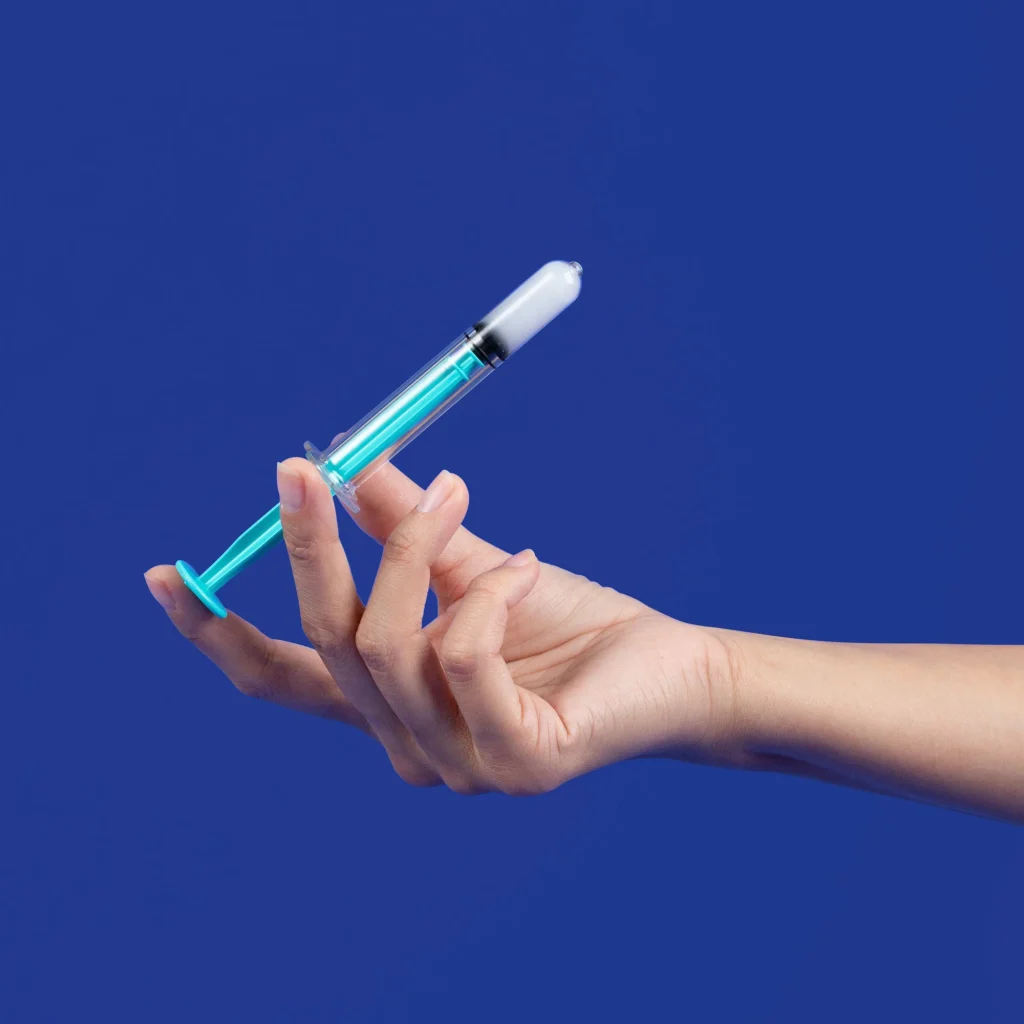
Once the optimal time for insemination is identified, the sperm is inserted into the woman’s reproductive tract using a catheter or a syringe. If done at home, a syringe kit is used to collect the prepared sperm and then inserted into the vagina or cervix. The woman is then advised to lie down for about 15-20 minutes to allow the sperm to reach the uterus.

The Ultimate Guide to Insemination: How Syringe Kits Make It Possible
Benefits of Using Syringe Kits for Insemination
In the past, insemination could only be done in a clinical setting, which could be inconvenient and expensive for some individuals and couples. However, with the introduction of syringe kits, insemination has become more accessible and affordable. These kits include all the necessary tools and instructions for performing insemination at home, making it a more private and comfortable experience.
Another benefit of using syringe kits for insemination is that it allows for more control and involvement in the process. Many people find it empowering to be able to perform insemination at home and be more involved in the conception of their child. It also eliminates the need for frequent trips to a clinic, which can be stressful and time-consuming.
Risks and Considerations
As with any medical procedure, there are some risks and considerations to keep in mind when considering insemination. While the risks are minimal, they may include infection, cramping, and slight bleeding. It is important to follow the instructions provided in the syringe kit carefully and to ensure that the sperm used is from a reputable source to minimize any potential risks.
It is also important to note that insemination does not guarantee pregnancy. Success rates vary depending on factors such as age, overall health, and the quality of the sperm used. It may take multiple attempts before a successful pregnancy is achieved.
In conclusion, insemination is a safe and effective method of assisted reproduction that has helped many individuals and couples conceive. With the advent of syringe kits, it has become more accessible and convenient for people to perform insemination at home. However, it is important to carefully consider the risks and seek medical advice before embarking on this journey.
Summary:
Insemination, also known as artificial insemination, is a method of assisted reproduction that involves the insertion of sperm into a woman’s reproductive tract to facilitate fertilization and pregnancy. Traditionally done in a clinical setting, advancements in technology have made it possible for individuals and couples to perform insemination at home using syringe kits. This guide explains the process of insemination, its benefits and risks, and how syringe kits have made it more accessible and convenient for people to start or expand their families. It also highlights the importance of careful consideration and seeking medical advice before embarking on the insemination journey.