Tag: home insemination

  • Creating a Positive Mindset for Home Insemination

    Creating a Positive Mindset for Home Insemination: A Guide to Overcoming Fear and Embracing the Journey

    Home insemination is an increasingly popular option for couples and individuals looking to start a family. It offers a more intimate and personalized approach to conception, as well as a cost-effective alternative to traditional fertility treatments. However, the process of home insemination can also bring up feelings of fear, anxiety, and self-doubt. This is where the power of a positive mindset comes into play. In this blog post, we will explore the importance of creating a positive mindset for home insemination and how to overcome any negative thoughts or emotions that may arise.

    Understanding the Power of the Mind

    Before diving into the specifics of creating a positive mindset for home insemination, it’s important to understand the power of the mind. Our thoughts and beliefs have a direct impact on our emotions, actions, and outcomes. This is known as the mind-body connection, where our mental state can greatly influence our physical well-being.

    When it comes to home insemination, having a positive mindset can make a huge difference in the success of the process. Research has shown that stress, anxiety, and negative thoughts can have a detrimental effect on fertility. On the other hand, a positive mindset can help to reduce stress and increase feelings of well-being, which can improve the chances of conception.

    Identify and Address Your Fears

    One of the first steps in creating a positive mindset for home insemination is to identify and address any fears or concerns you may have. It’s natural to feel nervous or apprehensive about the process, especially if it’s your first time. Some common fears that may arise include fear of failure, fear of needles, or fear of the unknown.

    To overcome these fears, it’s important to acknowledge and validate them. Talk to your partner or a trusted friend about your concerns and seek support from others who have gone through the same experience. Educate yourself about the home insemination process and the steps involved, so you feel more prepared and in control.

    Practice Relaxation Techniques

    Stress and anxiety can have a negative impact on both our mental and physical health. To combat these feelings, it’s important to incorporate relaxation techniques into your daily routine. This can include deep breathing exercises, yoga, meditation, or any other activity that helps you to unwind and clear your mind.

    Baby wearing a blue shirt with "made with Love" text, surrounded by colorful floral and butterfly designs.

    Creating a Positive Mindset for Home Insemination

    By practicing relaxation techniques, you can reduce stress and anxiety, which can improve your overall well-being and increase your chances of conception. It can also help to create a more positive and calm mindset, which is crucial for the home insemination process.

    Visualize Success

    Visualization is a powerful tool that can help you to create a positive mindset for home insemination. By visualizing yourself successfully conceiving and carrying a healthy baby, you are sending positive messages to your subconscious mind. This can help to boost your confidence, reduce fears and doubts, and increase your chances of success.

    To practice visualization, find a quiet and comfortable space, close your eyes, and imagine yourself going through the home insemination process. Visualize each step going smoothly and see yourself achieving your desired outcome. You can also use positive affirmations during this exercise, such as “I am capable of conceiving a child” or “I trust my body to do what it needs to do.”

    Surround Yourself with Positivity

    The people we surround ourselves with can greatly influence our thoughts and emotions. During the home insemination process, it’s important to surround yourself with positivity and support. Avoid negative or unsupportive individuals who may bring you down or make you doubt yourself.

    Instead, seek out friends and family who uplift and encourage you. You can also join online support groups or forums where you can connect with others going through the same experience. By surrounding yourself with positivity, you can create a more optimistic mindset and increase your chances of success.

    Celebrate Small Victories

    Home insemination can be a rollercoaster of emotions, and it’s important to celebrate even the smallest victories along the way. Whether it’s successfully completing a step in the process or simply taking care of yourself during this time, it’s important to acknowledge and celebrate these achievements.

    By celebrating small victories, you are reinforcing positive thoughts and emotions, which can help to create a more positive mindset overall. It can also help to shift your focus from any negative aspects of the process to the progress and successes you have made.

    In summary, creating a positive mindset for home insemination is crucial for both your mental and physical well-being, as well as the success of the process. By understanding the power of the mind and taking proactive steps to overcome fears and doubts, you can cultivate a more positive and optimistic mindset. Remember to surround yourself with positivity, practice relaxation techniques, and celebrate small victories along the way. With a positive mindset, you can embrace the journey of home insemination with confidence and hope.

  • The Importance of Communication in Home Insemination

    Blog Post:

    Home insemination is a method of artificial insemination that involves the process of placing sperm inside a woman’s uterus in order to achieve pregnancy. This method has become increasingly popular in recent years, as it provides a more affordable and convenient alternative to expensive fertility treatments. However, in order for home insemination to be successful, communication between partners is crucial.

    Communication is the foundation of any successful relationship, and this is especially true when it comes to home insemination. This is because the process requires both partners to be actively involved and informed. In this blog post, we will discuss the importance of communication in home insemination and how it can lead to a successful and positive experience for both partners.

    1. Setting Expectations and Goals

    The first step in home insemination is to set clear expectations and goals for both partners. This includes discussing the reasons for choosing this method, the timeline for trying, and any potential challenges that may arise. By openly communicating these expectations and goals, both partners can be on the same page and work towards a common goal.

    2. Understanding the Process

    Home insemination involves several steps, such as tracking ovulation, collecting and preparing sperm, and inseminating at the right time. It is important for both partners to have a thorough understanding of these steps and how they contribute to the success of the process. This can help alleviate any anxieties or uncertainties and allow both partners to feel more in control of the situation.

    3. Discussing Health and Medical History

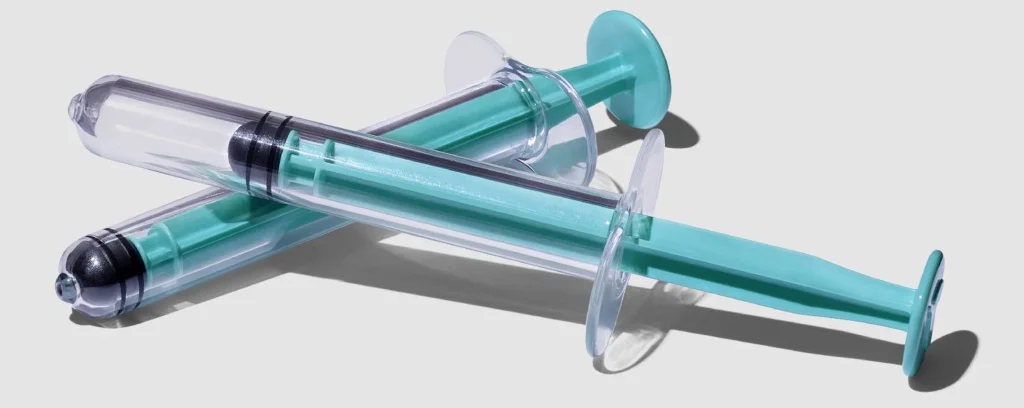
    Two transparent syringes with teal accents positioned diagonally on a light gray background.

    The Importance of Communication in Home Insemination

    Before attempting home insemination, it is important for both partners to discuss their health and medical history. This includes any underlying health conditions, medications, or allergies that may affect the process. By openly communicating this information, both partners can make informed decisions and take necessary precautions to ensure a safe and successful home insemination.

    4. Sharing Responsibilities

    Home insemination requires both partners to take on specific responsibilities. This can include tracking ovulation, purchasing supplies, preparing the sperm, and performing the insemination. By communicating and sharing these responsibilities, both partners can feel involved and invested in the process. This can also help to reduce any feelings of pressure or burden on one partner.

    5. Providing Emotional Support

    Home insemination can be an emotionally charged experience, and it is important for partners to provide emotional support for each other. This can involve being understanding and patient during the process, offering words of encouragement, and being there to comfort each other during any setbacks. Effective communication can help to strengthen the emotional bond between partners and make the experience more positive and fulfilling.

    6. Addressing Potential Challenges

    Despite the careful planning and preparation, home insemination may not always be successful on the first try. This can be a difficult and emotional experience for both partners. However, by openly communicating and addressing potential challenges, both partners can work together to find solutions and continue to support each other throughout the process.

    Summary:

    Communication is essential in home insemination as it helps to set expectations and goals, understand the process, discuss health and medical history, share responsibilities, provide emotional support, and address potential challenges. By openly communicating throughout the process, partners can work together towards a common goal, alleviate anxieties, and strengthen their emotional bond. This can ultimately lead to a successful and positive home insemination experience.

  • Breaking the Stigma: Home Insemination and LGBTQ+ Families

    Breaking the Stigma: Home Insemination and LGBTQ+ Families

    In recent years, there has been a significant increase in LGBTQ+ families. With the growing acceptance and visibility of the LGBTQ+ community, more and more same-sex couples and individuals are choosing to start families. However, for many LGBTQ+ individuals and couples, the traditional methods of conceiving a child may not be an option. This is where home insemination comes in, providing an alternative and accessible path to parenthood for LGBTQ+ families. Despite its growing popularity, home insemination is still surrounded by stigma and misconceptions. In this blog post, we will explore the topic of home insemination and break down the stigma associated with it in the LGBTQ+ community.

    What is Home Insemination?

    Home insemination, also known as self-insemination or at-home insemination, is the process of using a syringe or turkey baster to insert sperm into the vagina or cervix in hopes of fertilization. This method can be used by individuals or couples who are trying to conceive without the aid of a medical professional. Home insemination is a popular option for LGBTQ+ families as it allows them to conceive in the comfort of their own home and without the high costs associated with medical procedures.

    Breaking Down Stigma and Misconceptions

    Unfortunately, home insemination is still met with stigma, particularly in the LGBTQ+ community. Some of the common misconceptions surrounding home insemination include the belief that it is not a legitimate way to conceive a child, that it is only for same-sex couples, and that it is not as effective as medical procedures. These misconceptions are not only false but also harmful as they perpetuate the stigma surrounding home insemination and discourage LGBTQ+ individuals and couples from exploring this option.

    Firstly, home insemination is a legitimate and safe way to conceive a child. While it may not be the traditional method, it has been proven to be an effective method of conception for many families. According to a study published in the Journal of Obstetrics and Gynaecology Canada, home insemination has a success rate of around 20% per cycle. This success rate is comparable to other methods of conception such as intrauterine insemination (IUI) and in vitro fertilization (IVF).

    Secondly, home insemination is not just for same-sex couples. While it is a popular option for LGBTQ+ families, it can also be used by heterosexual couples who are struggling with fertility issues or for personal reasons. The misconception that home insemination is only for same-sex couples further isolates and stigmatizes LGBTQ+ families and creates a divide within the community.

    Lastly, home insemination should not be seen as a less effective option compared to medical procedures. It is a personal and accessible choice for individuals and couples who may not have access to or prefer not to undergo medical treatments. Additionally, home insemination can also be combined with medical procedures to increase the chances of conception, making it a versatile and valuable option for LGBTQ+ families.

    pregnancy test kit with instructions, test device, and packaging on a white background

    Breaking the Stigma: Home Insemination and LGBTQ+ Families

    The Importance of Representation

    One of the reasons why home insemination is still met with stigma is due to the lack of representation in mainstream media. The majority of depictions of LGBTQ+ families in media are through adoption, surrogacy, or medical procedures. This narrow representation not only erases the experiences of LGBTQ+ families who have used home insemination but also reinforces the idea that it is not a valid way to start a family. It is crucial for the media to portray the diverse experiences and paths to parenthood within the LGBTQ+ community, including home insemination, to break down the stigma and provide visibility to families who have used this method.

    Home Insemination and Legal Implications

    It is important to note that home insemination may have legal implications, depending on the laws and regulations of the country or state. In some places, the donor may have parental rights and responsibilities, even if they are not biologically related to the child. Therefore, it is essential for individuals and couples considering home insemination to research and understand their legal rights and responsibilities beforehand.

    Support and Resources for LGBTQ+ Families

    Fortunately, there are numerous resources and support systems available for LGBTQ+ families who are considering or have used home insemination. Online communities, such as Queer Conception and Lesbian Moms, provide a space for individuals and couples to connect and share their experiences. There are also non-profit organizations, such as The LGBTQ+ Family Building Project, that provide education, support, and resources for LGBTQ+ families looking to start a family through alternative methods.

    In conclusion, home insemination is a legitimate, safe, and accessible option for LGBTQ+ families looking to start a family. It is essential to break down the stigma and misconceptions surrounding this method and provide representation and support for those who have chosen this path to parenthood. With growing acceptance and visibility, it is crucial for the LGBTQ+ community to support and celebrate the diverse ways in which families are created, including home insemination.

    Summary:

    The topic of home insemination is explored in this blog post, specifically its role in LGBTQ+ families. Home insemination involves the use of a syringe or turkey baster to insert sperm into the vagina or cervix in hopes of fertilization, and it has become a popular option for LGBTQ+ individuals and couples looking to conceive. However, it is still met with stigma and misconceptions, such as it being an illegitimate method, only for same-sex couples, and less effective than medical procedures. These misconceptions are debunked, and the importance of representation and support for LGBTQ+ families using home insemination is highlighted. It is also important to consider the legal implications and access resources and support when considering home insemination.

  • The Role of Nutrition in Preparing for Home Insemination

    Blog Post:

    The decision to start a family is an exciting and life-changing one. For many couples, one of the first steps in this journey is preparing for home insemination. This process involves using a donor’s sperm to fertilize the partner’s egg, either through self-insemination or with the help of a medical professional. Regardless of the method chosen, proper nutrition plays a crucial role in preparing the body for successful home insemination. In this blog post, we will explore the importance of nutrition in this process and provide tips for creating a healthy and supportive environment for conception.

    Importance of Nutrition in Preparing for Home Insemination:

    Nutrition is the foundation of a healthy body and plays a vital role in the reproductive system. A balanced and nutritious diet can improve fertility and increase the chances of successful home insemination. Here are some reasons why proper nutrition is essential for preparing for home insemination:

    1. Improves Egg Quality:

    Egg quality is crucial for successful conception, and nutrition plays a significant role in this. A diet rich in antioxidants, vitamins, and minerals can help improve the quality of eggs. Antioxidants help protect the eggs from damage caused by free radicals, while vitamins and minerals provide the necessary nutrients for healthy egg development.

    2. Regulates Hormones:

    Hormonal balance is essential for a healthy reproductive system, and nutrition can help achieve this. Foods rich in healthy fats, such as avocados, nuts, and olive oil, can help regulate hormone production. Omega-3 fatty acids, found in fish and flaxseeds, can also help balance hormones and improve fertility.

    3. Boosts Sperm Health:

    For couples using donor sperm for home insemination, the quality of the sperm is crucial. A diet rich in antioxidants, vitamins, and minerals can improve sperm health and increase the chances of successful conception. Foods such as walnuts, dark chocolate, and citrus fruits are known to boost sperm quality and motility.

    4. Supports Overall Health:

    Eating a nutritious and balanced diet can improve overall health and well-being, which is essential for preparing the body for home insemination. A healthy body is better equipped to handle the physical and emotional demands of pregnancy and childbirth.

    Tips for Creating a Nutritious Diet for Home Insemination:

    logo of mosie baby featuring a heart and leaf design in blue, pink, and green colors

    The Role of Nutrition in Preparing for Home Insemination

    Now that we have established the importance of nutrition in preparing for home insemination, here are some tips for creating a healthy and supportive diet:

    1. Focus on Whole Foods:

    Aim to include a variety of whole foods in your diet, such as fruits, vegetables, whole grains, lean proteins, and healthy fats. These foods are rich in essential nutrients and antioxidants, which can improve fertility and overall health.

    2. Include Fertility-Boosting Foods:

    Certain foods are known for their fertility-boosting properties and should be included in your diet. These include leafy greens, berries, nuts, seeds, and fatty fish. These foods provide essential nutrients, antioxidants, and healthy fats that are beneficial for preparing the body for home insemination.

    3. Stay Hydrated:

    Drinking enough water is crucial for maintaining overall health, and it is especially important for fertility. Water helps the body flush out toxins and keeps the reproductive system functioning optimally. Aim for at least 8-10 glasses of water per day.

    4. Limit Processed Foods:

    Processed foods are often high in unhealthy fats, sugar, and preservatives, which can negatively impact fertility. Limiting processed foods and opting for whole, nutrient-dense foods is essential for preparing the body for home insemination.

    5. Consult with a Nutritionist:

    If you are unsure about your nutritional needs or have specific dietary restrictions, consider consulting with a nutritionist. They can help create a personalized plan that meets your nutritional needs and supports your fertility goals.

    Conclusion:

    Home insemination is an intimate and exciting journey, and proper nutrition plays a crucial role in this process. By following a nutritious diet, you can improve egg and sperm quality, regulate hormones, and support overall health, increasing the chances of successful conception. Remember to consult with a medical professional and a nutritionist for personalized advice and support on your journey towards starting a family.

    In summary, proper nutrition is essential for preparing the body for home insemination. A balanced and nutritious diet can improve egg and sperm quality, regulate hormones, and support overall health, increasing the chances of successful conception. Tips for creating a healthy diet include focusing on whole foods, including fertility-boosting foods, staying hydrated, and limiting processed foods. Consulting with a nutritionist can also provide personalized support and guidance.

  • Maximizing Success Rates in Home Insemination

    Home insemination, also known as artificial insemination, is a method used by many couples and individuals to conceive a child without the help of a medical professional. This process involves the insertion of sperm into the female reproductive system at home, rather than in a clinic setting. While home insemination can be a more convenient and affordable option for some, it is important to understand the factors that can affect success rates. In this blog post, we will explore tips and strategies for maximizing success rates in home insemination.

    1. Understand Your Fertility Window
    One of the most crucial factors in achieving a successful home insemination is timing. It is important to have a good understanding of your menstrual cycle and when you are most fertile. Typically, the best time for insemination is during ovulation, which occurs around day 14 of a 28-day cycle. However, this can vary from person to person, so it is important to track your cycle and use ovulation prediction kits to determine the best time for insemination.

    2. Use High-Quality Sperm
    The quality of the sperm used in home insemination is another important factor to consider. It is recommended to use fresh sperm from a known and healthy sperm donor. This can be a partner, friend, or a donor from a reputable sperm bank. The sperm should be collected and used within an hour for the best chances of success. It is also important to ensure that the sperm is free from any sexually transmitted infections or genetic diseases.

    3. Prepare the Body
    Both the person providing the egg and the person receiving the sperm should prepare their bodies for home insemination. This includes eating a healthy and balanced diet, staying hydrated, and avoiding alcohol and tobacco, which can affect fertility. Additionally, certain supplements such as folic acid and zinc can help improve sperm and egg quality. It is also important to have a healthy BMI as being under or overweight can also impact fertility.

    logo featuring a pink heart above two teal leaves on a blue circular background

    Maximizing Success Rates in Home Insemination

    4. Create a Comfortable Environment
    The environment in which home insemination takes place can also play a role in its success. It is important to create a comfortable and relaxing atmosphere, free from distractions and stress. This can help increase the chances of successful insemination by allowing both parties to feel more at ease and in the mood for intimacy.

    5. Use Proper Techniques
    Proper techniques are essential for successful home insemination. It is important to follow instructions carefully and use sterile equipment to avoid any infections. The sperm should be inserted into the vagina using a syringe or a soft cup, and then the person receiving the sperm should lie down for at least 30 minutes to allow the sperm to travel towards the egg.

    6. Consider Alternative Methods
    If home insemination is not successful after a few attempts, it may be worth considering alternative methods such as intrauterine insemination (IUI) or in vitro fertilization (IVF). These methods involve professional medical assistance and are more invasive and expensive, but they also have higher success rates.

    7. Seek Professional Guidance
    Lastly, it is important to seek professional guidance if you are struggling to achieve a successful home insemination. A fertility specialist can provide personalized advice and help identify any underlying factors that may be affecting your chances of conception. They can also offer alternative solutions and treatments if necessary.

    In conclusion, maximizing success rates in home insemination requires careful planning, proper techniques, and a healthy lifestyle. Understanding your fertility window, using high-quality sperm, preparing the body, creating a comfortable environment, and seeking professional guidance can all help increase the chances of successful home insemination. By following these tips, you can increase your chances of conceiving a child through home insemination and start your journey towards parenthood.

  • Incorporating Alternative Medicine into Home Insemination

    Incorporating Alternative Medicine into Home Insemination: A Comprehensive Guide

    In recent years, there has been a growing interest in alternative medicine, especially among those trying to conceive. With the rise in popularity of home insemination, many people are now wondering if there are alternative medicine practices that can help enhance their chances of success. While there is no guarantee that alternative medicine will lead to a successful pregnancy, incorporating certain practices and techniques into home insemination may provide some benefits. In this blog post, we will discuss the different ways to incorporate alternative medicine into home insemination and how it can potentially improve the chances of conception.

    Understanding Alternative Medicine

    Before delving into how alternative medicine can be incorporated into home insemination, it is important to understand what it is. Alternative medicine refers to any medical practice or treatment that is not considered a part of traditional medicine. It includes a wide range of practices such as acupuncture, herbal medicine, meditation, and chiropractic care. These practices are often used as a complementary or alternative approach to conventional medicine.

    Benefits of Alternative Medicine in Home Insemination

    Many people turn to alternative medicine in hopes of improving their overall health and wellbeing. When it comes to home insemination, some alternative medicine practices may have specific benefits that can aid in the process. These include:

    1. Reducing Stress and Anxiety

    Trying to conceive can be a stressful and emotional journey for many individuals. Stress and anxiety can have a negative impact on fertility by disrupting hormone levels and ovulation. Incorporating relaxation techniques such as yoga, meditation, and acupuncture into the home insemination process can help reduce stress and promote a relaxed state of mind. This, in turn, can improve the chances of successful insemination.

    2. Balancing Hormones

    Hormonal imbalances are one of the leading causes of infertility. Alternative medicine practices such as herbal remedies and acupuncture have been shown to help regulate hormone levels and improve fertility. For example, certain herbs like black cohosh and chasteberry have been used for centuries to balance hormones and promote ovulation.

    3. Improving Blood Flow to Reproductive Organs

    Proper blood flow to the reproductive organs is crucial for successful conception. Alternative medicine practices like acupuncture, massage therapy, and reflexology can help improve blood flow to the reproductive organs, thereby increasing the chances of successful insemination.

    4. Boosting the Immune System

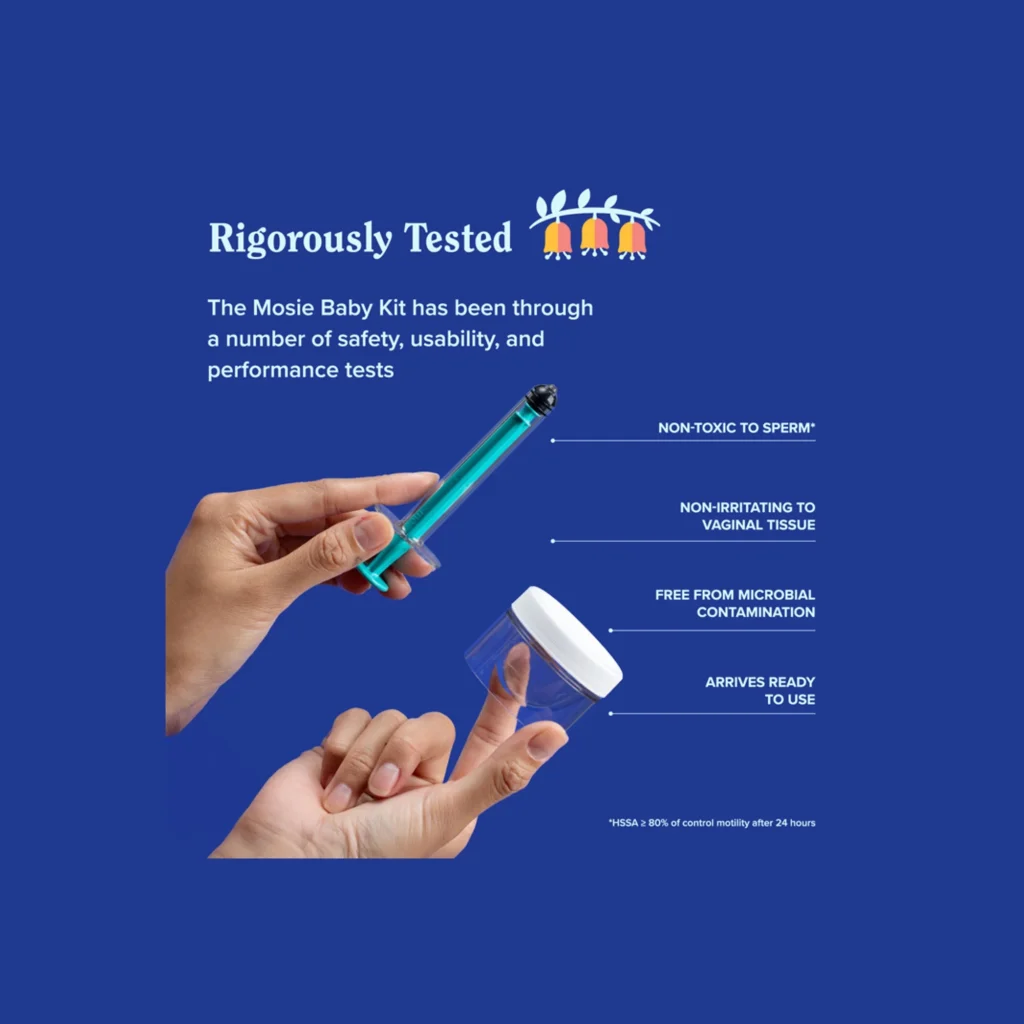
    Mosie Baby Kit features a syringe and container, highlighting safety and usability tests on a blue background.

    Incorporating Alternative Medicine into Home Insemination

    A strong immune system is essential for a healthy pregnancy. Alternative medicine practices like herbal supplements and acupuncture can help boost the immune system, making the body more receptive to pregnancy.

    Incorporating Alternative Medicine into Home Insemination

    Now that we have discussed the potential benefits of alternative medicine in home insemination, let’s look at some specific ways to incorporate these practices into the process.

    1. Consult with a Professional

    Before incorporating any alternative medicine practices into home insemination, it is important to consult with a professional. A licensed acupuncturist or herbalist can provide guidance on which practices and remedies are safe and most beneficial for your specific situation.

    2. Use Herbal Remedies

    Certain herbs have been used for centuries to aid in fertility and conception. Some of the most commonly used herbs for home insemination include black cohosh, chasteberry, red raspberry leaf, and maca root. However, it is important to consult with a professional before using any herbal remedies, as some may have side effects or interact with other medications.

    3. Try Acupuncture

    Acupuncture is a traditional Chinese medicine practice that involves inserting thin needles into specific points on the body to promote healing. Studies have shown that acupuncture can help improve fertility by reducing stress, balancing hormones, and improving blood flow to the reproductive organs. Many acupuncturists also offer specialized treatments for those undergoing fertility treatments like home insemination.

    4. Practice Relaxation Techniques

    As mentioned earlier, stress and anxiety can have a negative impact on fertility. Incorporating relaxation techniques like yoga, meditation, and deep breathing into the home insemination process can help reduce stress and promote a relaxed state of mind.

    5. Consider Chiropractic Care

    Chiropractic care involves the manipulation of the spine and other joints to improve overall health and wellbeing. Some studies have shown that chiropractic adjustments can help improve fertility by promoting proper nerve function and balancing hormones.

    In summary, alternative medicine practices can potentially enhance the chances of successful home insemination by reducing stress, balancing hormones, improving blood flow, and boosting the immune system. However, it is important to consult with a professional before incorporating any alternative medicine practices into the process.

  • The Role of Support Systems in Home Insemination

    Blog Post: The Role of Support Systems in Home Insemination

    In the past few years, more and more couples and individuals have turned to home insemination as a way to start or expand their families. With advancements in technology and the availability of at-home insemination kits, this option has become a popular choice for those struggling with fertility issues or looking for a more intimate and affordable way to conceive. However, home insemination can also come with its own set of challenges and risks, which is why having a strong support system is crucial for those embarking on this journey.

    In this blog post, we will discuss the role of support systems in home insemination and how they can help individuals and couples navigate through this process with confidence and success.

    What is Home Insemination?

    First, let’s clarify what home insemination is. Home insemination is the process of using a medical device, such as a syringe or a cervical cap, to insert sperm into the vagina or cervix in order to fertilize an egg. This method is commonly used by same-sex couples, single women, and heterosexual couples struggling with fertility issues.

    The Role of Support Systems in Home Insemination

    Embarking on the journey of home insemination can bring up a lot of emotions and challenges. Having a strong support system can make all the difference in navigating through these challenges and achieving a successful pregnancy. Here are some ways in which a support system can play a vital role in home insemination:

    1. Emotional Support

    Home insemination can be an emotional rollercoaster, especially for those who have been struggling with fertility issues. Having a support system in the form of a partner, friend, or family member can provide much-needed emotional support during this process. They can offer a listening ear, provide reassurance and encouragement, and be a source of comfort during the highs and lows of home insemination.

    2. Practical Support

    The process of home insemination can be overwhelming, with many steps involved and specific timing requirements. Having a support system that can offer practical support, such as helping with the insemination process, tracking ovulation, and reminding about important steps, can make the experience less stressful and more manageable.

    3. Financial Support

    Home insemination can also come with a financial burden, especially for those who are using donor sperm or undergoing fertility treatments. A support system can help ease this burden by offering financial support, whether it’s through donations or helping with the costs of sperm, fertility treatments, or at-home insemination kits.

    4. Moral Support

    At-home insemination kit with ovulation and pregnancy tests, promoting fertility and family planning.

    The Role of Support Systems in Home Insemination

    One of the biggest challenges of home insemination is dealing with societal stigma and judgement. Having a strong support system that believes in and supports your decision can help combat these negative attitudes and provide moral support. They can also help educate others and spread awareness about home insemination, reducing the stigma surrounding it.

    5. Sharing the Journey

    Going through home insemination alone can feel isolating and lonely. Having a support system that is going through a similar journey or has gone through it in the past can provide a sense of community and understanding. They can offer advice, share their experiences, and provide a safe space to talk about the challenges and joys of home insemination.

    Tips for Building a Support System for Home Insemination

    Now that we have established the importance of having a support system in home insemination, here are some tips for building and maintaining a strong support system:

    1. Communicate Openly and Honestly

    It’s essential to communicate openly and honestly with your support system about your feelings, needs, and expectations. This will help them understand how they can best support you and avoid any misunderstandings.

    2. Choose Supportive and Understanding People

    When building a support system, it’s crucial to choose people who are supportive and understanding of your decision to use home insemination. Avoid judgmental or unsupportive individuals who may not be able to provide the support and understanding you need.

    3. Educate Your Support System

    Take the time to educate your support system about home insemination, its processes, and potential challenges. This will help them understand your journey better and be better equipped to support you.

    4. Seek Professional Support

    While having a personal support system is essential, it’s also crucial to seek professional support. Consider joining support groups or seeking therapy to help you navigate through the emotional and practical challenges of home insemination.

    In summary, the role of support systems in home insemination cannot be overstated. From emotional and practical support to spreading awareness and reducing stigma, a strong support system can make all the difference in achieving a successful pregnancy through home insemination. By following the tips mentioned above and building a supportive network, individuals and couples can embark on this journey with confidence and achieve their dream of starting or expanding their family.

  • How to Make Home Insemination More Affordable

    As the cost of fertility treatments continues to rise, many couples and individuals are turning to home insemination as a more affordable option. However, even this method can come with a hefty price tag. In this blog post, we will discuss ways to make home insemination more affordable.

    1. Use Fresh or Frozen Donor Sperm

    The most significant expense in home insemination is often the cost of donor sperm. However, there are ways to make this more affordable. First, consider using fresh donor sperm instead of frozen. Fresh sperm is typically cheaper and has a higher success rate. You can find fresh donor sperm through sperm banks, fertility clinics, or online communities.

    Another option is to use frozen donor sperm, which is often more affordable than fresh. You can purchase frozen donor sperm from sperm banks or through online sperm donation websites. It is essential to research and compare prices from different sources to find the best deal.

    2. Consider Using Known Donors

    Using a known donor, such as a friend or family member, can also be a more affordable option. This eliminates the cost of purchasing donor sperm altogether. However, using a known donor comes with its own set of challenges and considerations, so it is crucial to do thorough research and consult with a fertility specialist before moving forward.

    3. DIY Insemination Kits

    Instead of purchasing expensive home insemination kits, consider creating your own DIY kit. You can purchase sterile syringes and cups from a pharmacy or medical supply store. You can also use a menstrual cup or turkey baster as a substitute for a syringe. DIY kits are a more cost-effective option and allow you to customize the process to your specific needs.

    at-home insemination kit by Mosie Baby, featuring syringes, collection cups, and instructions on a pink background.

    How to Make Home Insemination More Affordable

    4. Track Your Ovulation Cycle

    Timing is key in home insemination, and tracking your ovulation cycle can increase your chances of success and potentially save you money. There are various methods for tracking ovulation, such as using ovulation predictor kits, tracking basal body temperature, or monitoring cervical mucus changes. By understanding your body’s natural fertility cycle, you can time insemination more accurately and potentially reduce the number of attempts needed.

    5. Don’t Overspend on Fertility Supplements

    Fertility supplements can be pricey, and there is little evidence to support their effectiveness. Instead of spending money on expensive supplements, focus on maintaining a healthy lifestyle. Eating a balanced diet, exercising regularly, and managing stress can all contribute to better reproductive health and increase your chances of success with home insemination.

    6. Explore Insurance Coverage and Discounts

    Although it is not common, some insurance plans may cover fertility treatments, including home insemination. It is worth researching your insurance coverage to see if you are eligible for any discounts or reimbursements. Additionally, some fertility clinics and sperm banks offer discounts or payment plans to make treatments more affordable. Be sure to inquire about any available options.

    7. Consider Intrauterine Insemination (IUI)

    If you are struggling with fertility issues, you may want to consider intrauterine insemination (IUI) instead of home insemination. IUI is a more effective method of insemination and is performed by a medical professional in a clinic or doctor’s office. It may be more expensive than home insemination, but it may also increase your chances of success and reduce the number of attempts needed.

    In summary, there are various ways to make home insemination more affordable, including using fresh or frozen donor sperm, considering known donors, creating DIY insemination kits, tracking your ovulation cycle, and exploring insurance coverage and discounts. By researching and considering these options, you can save money and increase your chances of success with home insemination.

  • Understanding the Risks of Home Insemination

    Understanding the Risks of Home Insemination: A Comprehensive Guide

    Home insemination, also known as self-insemination or DIY insemination, is the process of using at-home methods to achieve pregnancy without medical assistance. It has become a popular option for couples who are struggling with fertility issues, same-sex couples, and single individuals who want to start a family. While home insemination may seem like a convenient and cost-effective solution, it is important to understand the risks involved before embarking on this journey.

    In this blog post, we will explore the various risks associated with home insemination and provide important information to help you make an informed decision.

    1. Inaccurate Timing and Techniques
    One of the biggest risks of home insemination is inaccurate timing and techniques. In order for insemination to be successful, it is crucial to time it correctly with ovulation. This requires tracking ovulation through methods such as ovulation predictor kits or basal body temperature charting. If the timing is off, the chances of conception decrease significantly.

    In addition, the technique used for insemination is also important. It requires precise placement of sperm near the cervix for optimal chances of fertilization. Without proper knowledge and training, it can be challenging to achieve the right placement, which can lead to unsuccessful insemination attempts.

    2. Risk of Infection
    Another risk of home insemination is the potential for infection. The process involves introducing foreign objects, such as syringes or catheters, into the reproductive system. If these tools are not properly sterilized or if the environment is not kept clean, there is a risk of introducing bacteria or other pathogens into the body, which can lead to infections.

    home insemination kit components: a syringe and a collection container against a blue background.

    Understanding the Risks of Home Insemination

    3. Lack of Legal Protection
    In many countries, home insemination is not regulated or legally recognized. This lack of legal protection can leave both the donor and the recipient vulnerable. For instance, in the case of a sperm donor, there may be no legal agreement in place to protect them from any future legal or financial responsibilities towards the child. On the other hand, the recipient may not have any legal rights to the child if the donor decides to revoke consent or if the relationship between the donor and the recipient deteriorates.

    4. Emotional and Psychological Impact
    Home insemination can also have a significant emotional and psychological impact on both the donor and the recipient. For the donor, there may be feelings of attachment or responsibility towards the child, which can be challenging to navigate without proper legal protection. For the recipient, there may be feelings of anxiety, stress, or disappointment if insemination attempts are unsuccessful, which can take a toll on their mental health.

    5. Risk of Multiple Pregnancies
    When using a fertility clinic for insemination, the process is closely monitored to ensure that only one embryo is implanted to reduce the risk of multiple pregnancies. However, with home insemination, there is a higher chance of multiple pregnancies since there is no way to control the number of sperm introduced into the body. This can lead to complications during pregnancy and childbirth, as well as increase the risk of preterm labor and other pregnancy-related complications.

    6. Lack of Medical Support
    In a clinical setting, medical professionals are available to provide support and guidance throughout the insemination process. However, with home insemination, there is no medical support available, and any complications or concerns may go unnoticed or untreated. This can be particularly risky for individuals with underlying medical conditions or those who may require additional medical intervention during the insemination process.

    7. Limited Success Rates
    While home insemination may seem like a more convenient and affordable option, the success rates are significantly lower compared to clinical insemination. This is due to the various factors mentioned above, such as inaccurate timing and techniques, lack of medical support, and risk of infection. It is essential to understand that the success rates of home insemination are not guaranteed and may require multiple attempts before achieving pregnancy.

    In summary, home insemination may seem like an attractive option for individuals or couples looking to start a family, but it is crucial to understand the potential risks involved. Inaccurate timing and techniques, risk of infection, lack of legal protection, emotional and psychological impact, risk of multiple pregnancies, lack of medical support, and limited success rates are all important factors to consider before deciding to pursue home insemination.

    Before embarking on this journey, it is highly recommended to consult with a fertility specialist to understand the potential risks and to ensure that all necessary precautions are taken to increase the chances of a successful pregnancy.

  • The Emotional Aspects of Home Insemination

    Blog Post:

    The process of home insemination can be an emotional journey for many individuals and couples. There are a variety of reasons why someone may choose to pursue this method of conception, whether it be due to fertility issues, same-sex relationships, or simply a desire for a more intimate and personal experience. While home insemination may seem like a simple and straightforward process, the emotional aspects involved should not be overlooked. In this blog post, we will explore the different emotional aspects of home insemination and how they can impact individuals and relationships.

    1. Hope and Excitement

    For many, the decision to pursue home insemination comes with a sense of hope and excitement. This could be the hope of starting a family, the excitement of trying a new method of conception, or the potential for a successful pregnancy. This initial feeling of hope and excitement can be a powerful motivator and can help individuals and couples stay positive throughout the process.

    2. Anxiety and Stress

    As with any form of fertility treatment, home insemination can also bring about feelings of anxiety and stress. The uncertainty of whether or not the insemination will be successful, the fear of potential complications, and the pressure of timing everything correctly can all contribute to these emotions. It’s important for individuals and couples to recognize and address these feelings in order to manage them effectively.

    3. Disappointment and Frustration

    Unfortunately, not all attempts at home insemination will result in a pregnancy. This can lead to feelings of disappointment and frustration, especially for those who have been trying for a long time. It’s important to acknowledge and process these emotions, as they are a natural part of the journey. Seeking support from a therapist or a support group can also be beneficial in coping with these feelings.

    4. Intimacy and Connection

    Baby with blue eyes wearing a light blue onesie that says "made with Love" on a soft white background.

    The Emotional Aspects of Home Insemination

    One of the unique aspects of home insemination is the opportunity for intimacy and connection between partners. Unlike other forms of fertility treatments, home insemination allows for a more personal and intimate experience. This can strengthen the bond between partners and create a deeper sense of connection.

    5. Insecurity and Self-Doubt

    For some individuals, home insemination may bring about feelings of insecurity and self-doubt. This could be due to a variety of factors such as struggling with fertility, concerns about parenting, or societal pressures. It’s important for individuals to address these feelings and remind themselves of their reasons for pursuing home insemination.

    6. Joy and Gratitude

    If the home insemination is successful, it can bring about feelings of pure joy and gratitude. The journey to conception may have been a challenging one, making the end result even more special. It’s important for individuals and couples to celebrate this milestone and acknowledge the hard work and perseverance it took to get there.

    7. Communication and Support

    The emotional aspects of home insemination can have a significant impact on individuals and relationships. It’s crucial for partners to communicate openly and support each other throughout the process. This could mean having honest discussions about feelings, seeking professional help, or finding a support network of others who have gone through a similar experience.

    Summary:

    Home insemination is a unique and personal method of conception that can bring about a range of emotions for individuals and couples. The decision to pursue this form of fertility treatment can bring about feelings of hope and excitement, but can also lead to anxiety and stress. The potential for disappointment and frustration is also a reality, but successful insemination can bring about feelings of joy and gratitude. The opportunity for intimacy and connection between partners is a significant aspect of home insemination, but it can also bring up feelings of insecurity and self-doubt. Communication and support are crucial in managing the emotional aspects of home insemination and creating a positive experience for all involved.