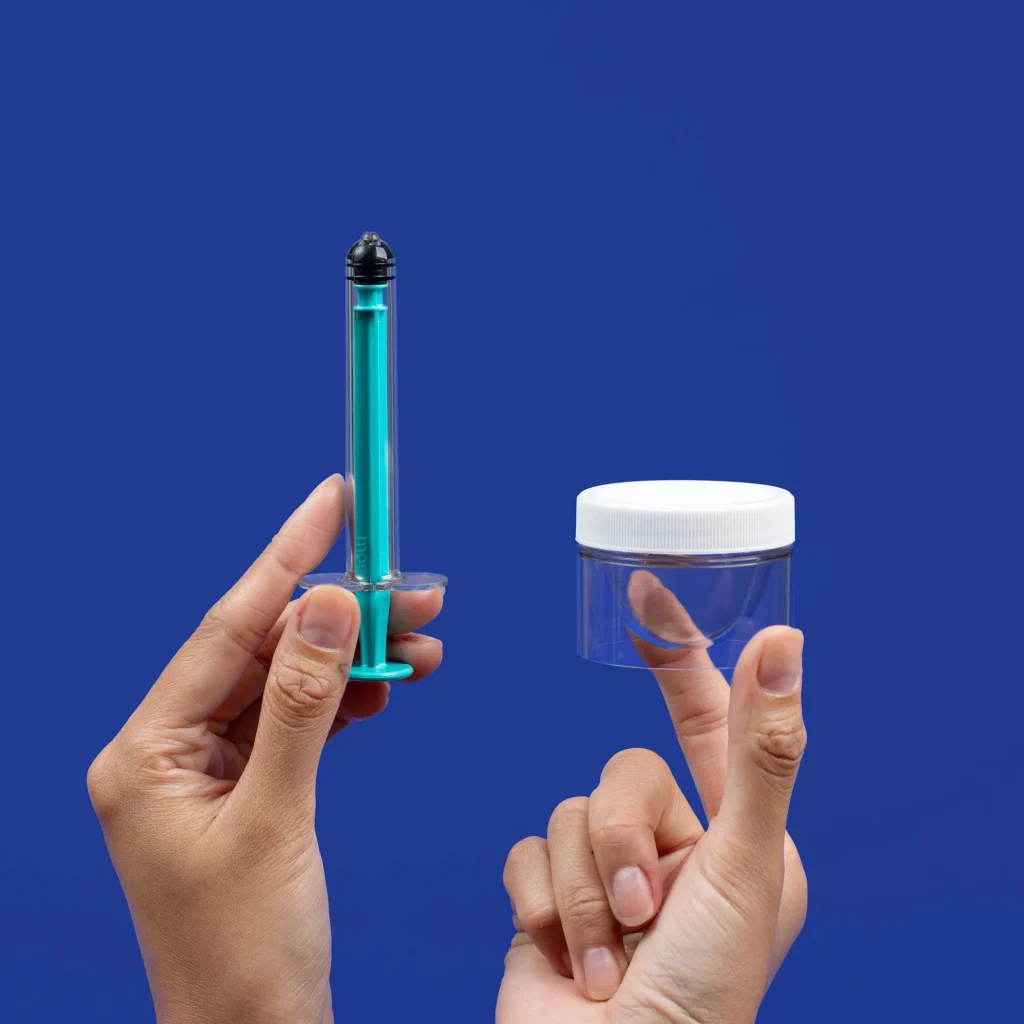
Blog Post: The Science Behind the Syringe Insemination System
In today’s world, with advancements in technology and science, there are many options available for couples struggling to conceive. One such option is the syringe insemination system, also known as artificial insemination. This method involves inserting sperm directly into the female’s reproductive system using a syringe. While it may seem like a simple process, there is a lot of science behind the syringe insemination system that makes it a viable option for couples trying to conceive. In this blog post, we will delve into the science behind this procedure and how it has helped many couples fulfill their dream of parenthood.
The Basics of Syringe Insemination:
Syringe insemination involves collecting sperm from the male partner or a donor and placing it directly into the female’s reproductive system. This process can be done at home or in a medical setting, and is often used by couples who are having difficulty conceiving due to male fertility issues, unexplained infertility, or same-sex couples. The sperm can be inserted either through the vagina or directly into the uterus, depending on the specific needs of the couple.
The Science Behind the Success of Syringe Insemination:
The success of syringe insemination lies in its ability to bypass the barriers that prevent sperm from reaching the egg naturally. In a typical sexual encounter, only a small percentage of sperm make it through the cervix and into the uterus. From there, only a few will reach the fallopian tubes where fertilization takes place. With syringe insemination, the sperm is placed directly in the reproductive system, increasing the chances of fertilization.
Timing is key when it comes to syringe insemination. Sperm can survive in the female reproductive system for up to five days, while an egg is only viable for about 24 hours after ovulation. By tracking ovulation and timing the insemination accordingly, the chances of success are significantly increased.
The Role of Ovulation Induction:

The Science Behind the Syringe Insemination System
For some couples, natural ovulation may not occur regularly, making it difficult to time the insemination correctly. In these cases, ovulation induction may be used to stimulate the ovaries and increase the chances of ovulation. This process involves taking medication to induce ovulation, which can be monitored through various methods such as ultrasound and hormone tests. By controlling ovulation, the timing of syringe insemination can be more accurately determined.
The Importance of Sperm Quality:
The success of syringe insemination also depends on the quality of the sperm being used. The sperm sample must have a high concentration of healthy, motile sperm in order to increase the chances of fertilization. The quality of sperm can be affected by various factors such as age, lifestyle, and underlying health conditions. In some cases, sperm may need to be washed and prepared in a laboratory before being used in syringe insemination to ensure its quality.
The Role of the Cervix:
The cervix plays a crucial role in fertility and is the gateway for sperm to enter the uterus. In some cases, the cervix may have a hostile environment that can prevent the sperm from reaching the egg. This can be due to conditions such as cervical mucus abnormalities or cervical infections. In these cases, a procedure called cervical dilation may be performed to widen the cervix and create a more hospitable environment for the sperm to pass through.
Possible Risks and Complications:
As with any medical procedure, there are potential risks and complications associated with syringe insemination. These may include infection, allergic reactions, and discomfort during or after the procedure. It is important to discuss these risks with a healthcare professional before undergoing syringe insemination.
In conclusion, the science behind the syringe insemination system is what makes it a viable option for couples struggling to conceive. By bypassing the barriers that prevent sperm from reaching the egg and controlling ovulation, the chances of successful fertilization are significantly increased. However, it is important to consult with a healthcare professional to determine if this method is the right option for you and your partner.
SEO Metadata: