Tag: pregnancy

  • Syringe Method vs. Intrauterine Insemination: Which is the Better Option for Natural Conception?

    When it comes to starting a family, many couples may face challenges with natural conception. In such cases, assisted reproductive technology (ART) can be a viable option. Two popular techniques for ART are the syringe method and intrauterine insemination (IUI). Both methods involve inserting sperm directly into the uterus, but they have different processes and success rates. In this blog post, we will discuss the differences between the syringe method and IUI and which one may be the better option for natural conception.

    The Syringe Method:
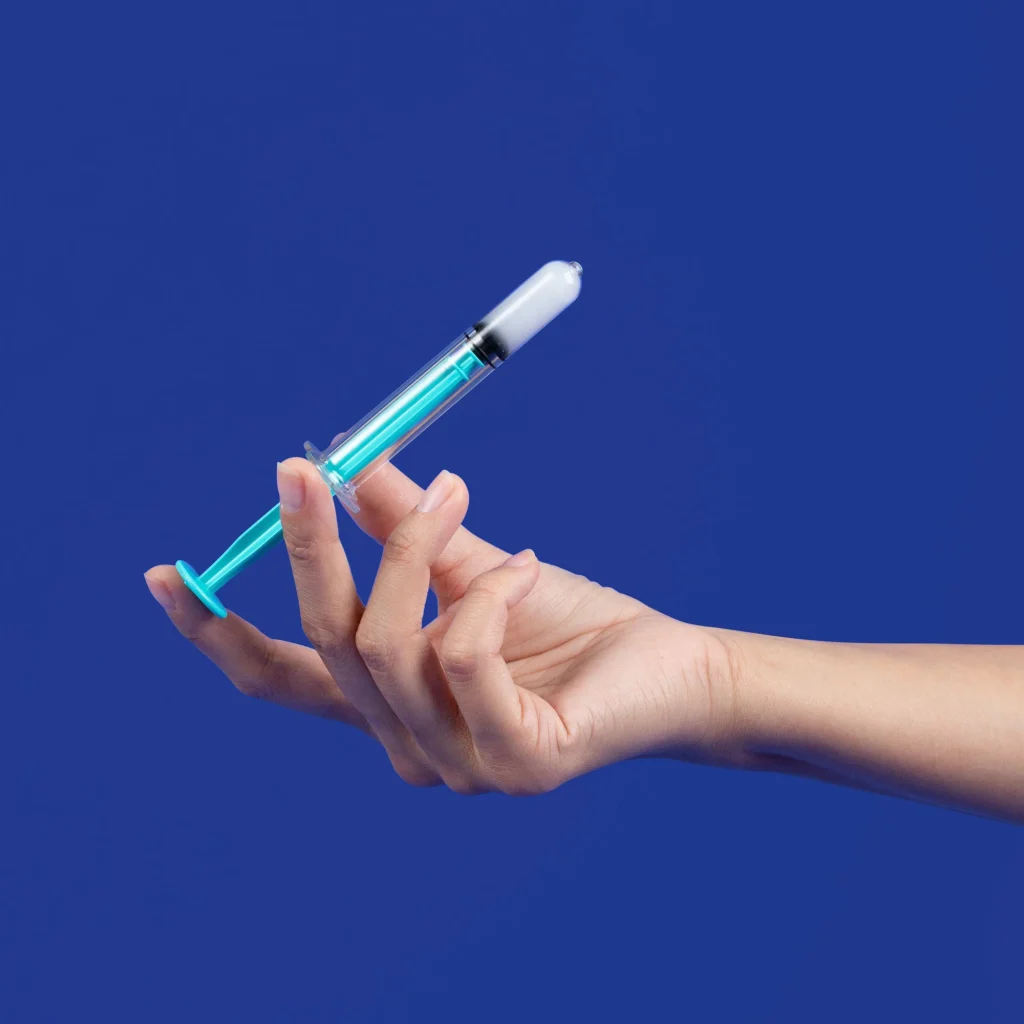
    The syringe method, also known as the “turkey baster” method, involves collecting semen from the male partner and inserting it into the female partner’s vagina using a syringe. This can be done at home, eliminating the need for a doctor’s visit. The semen is usually collected through masturbation and then transferred into the syringe. The female partner may use a menstrual cup or lie down with her hips elevated for 15-20 minutes to increase the chances of conception.

    Intrauterine Insemination:
    IUI is a medical procedure that involves inserting washed and concentrated sperm into the uterus through a thin catheter. The sperm is washed to remove any impurities and concentrated to increase the chances of fertilization. This procedure is usually performed by a doctor in a clinic or fertility center. It is also timed with the female partner’s ovulation cycle to maximize the chances of conception.

    Success Rates:
    One of the significant differences between the syringe method and IUI is their success rates. While the success rate of the syringe method is not well documented, studies have shown that IUI has a higher success rate. According to the American Society for Reproductive Medicine, the success rate for IUI ranges from 10-20% per cycle. However, it should be noted that the success rate may vary based on factors such as the age of the female partner and the cause of infertility.

    Cost:
    The cost of the syringe method is significantly lower than IUI. Since the syringe method can be done at home, there are no medical fees involved. The only cost would be for purchasing the syringe, which is relatively inexpensive. On the other hand, IUI can cost anywhere from $300 to $1000 per cycle, depending on the location and clinic.

    comparison of Mosie syringe opening versus standard syringe opening with text highlighting benefits

    Syringe Method vs. Intrauterine Insemination: Which is the Better Option for Natural Conception?

    Risks:
    Both the syringe method and IUI carry some risks. In the syringe method, there is a risk of infection if proper hygiene measures are not followed. Additionally, since the sperm is not washed or concentrated, the chances of fertilization may be lower. In IUI, there is a risk of infection, and in rare cases, it may cause damage to the uterus. However, these risks can be minimized by choosing a reputable and experienced fertility clinic.

    Which One is the Better Option?
    The answer to this question may vary for each couple, as it depends on factors such as their budget, comfort level, and the cause of infertility. The syringe method may be a more accessible and affordable option for couples who are not comfortable with medical procedures or have a tight budget. However, IUI has a higher success rate and is a more controlled and monitored procedure.

    It is essential to consult with a doctor or fertility specialist to determine the best option for natural conception. They can evaluate the couple’s medical history, perform necessary tests, and provide guidance on the most suitable method.

    In conclusion, both the syringe method and IUI are viable options for natural conception, and the choice ultimately depends on the couple’s individual preferences and needs. While the syringe method may be more accessible and affordable, IUI has a higher success rate and is a more monitored process. Couples should consult with a medical professional to determine the best option for their specific situation.

    SEO metadata:

  • The Power of the Syringe Method: A Natural Way to Conceive

    The journey to conceive can be an emotional rollercoaster for many couples. In today’s society, assisted reproductive technologies such as in vitro fertilization (IVF) have become increasingly popular. However, these methods can be expensive and come with their own set of risks and side effects. Many couples are now turning to a more natural approach to conception – the Syringe Method. This method has gained popularity in recent years and has shown promising results for couples trying to conceive. In this blog post, we will explore the power of the Syringe Method and how it can be a safe and effective way to conceive.

    What is the Syringe Method?

    The Syringe Method, also known as the “turkey baster” method, involves using a syringe to manually insert semen into the vagina during ovulation. This method is similar to intrauterine insemination (IUI), a medical procedure where sperm is placed directly into the uterus. However, the Syringe Method can be done at home without the need for medical intervention.

    How does it work?

    The Syringe Method works by bypassing the cervical mucus, which can sometimes act as a barrier for sperm. By placing the sperm directly into the vagina, it increases the chances of the sperm reaching the egg and fertilizing it. This method is most effective when done during the woman’s ovulation period, which is when the egg is released from the ovary and is most receptive to fertilization.

    Benefits of the Syringe Method

    1. Cost-effective

    One of the main benefits of the Syringe Method is its cost-effectiveness. IVF can cost thousands of dollars and may not be covered by insurance. On the other hand, the Syringe Method only requires a syringe and can be done at home, making it a more affordable option for couples trying to conceive.

    2. No side effects

    Unlike assisted reproductive technologies, the Syringe Method has no known side effects. IVF, for example, has been associated with side effects such as bloating, mood swings, and even ovarian hyperstimulation syndrome. The Syringe Method eliminates the risk of these side effects, making it a safer option for couples.

    3. Can be done at home

    The Syringe Method can be done at home, giving couples more control and privacy over the process. This can also reduce stress and anxiety, which can have a negative impact on fertility.

    pregnancy test kit with instructions, test device, and packaging on a white background

    The Power of the Syringe Method: A Natural Way to Conceive

    4. Natural and non-invasive

    The Syringe Method is a natural and non-invasive way to conceive. It does not involve any medications or medical procedures, making it a more holistic approach to fertility. This can be appealing to couples who prefer a more natural approach to conception.

    Tips for using the Syringe Method

    1. Track ovulation

    To increase the chances of success with the Syringe Method, it is important to track ovulation. This can be done through ovulation predictor kits, which detect the surge in luteinizing hormone (LH) that occurs before ovulation. Another option is to track basal body temperature, which rises after ovulation.

    2. Use fresh semen

    For the Syringe Method to be effective, it is recommended to use fresh semen. Semen can survive outside of the body for a short period, so it is important to use it immediately after ejaculation.

    3. Elevate hips

    After inserting the semen with the syringe, it is recommended to elevate the hips for about 20 minutes. This can help the sperm travel towards the cervix and increase the chances of fertilization.

    4. Be patient

    It is important to remember that the Syringe Method, like any method of conception, may not work on the first try. It may take multiple attempts before achieving pregnancy. It is important to be patient and not get discouraged.

    In conclusion, the Syringe Method is a natural and cost-effective way to conceive that has shown promising results for many couples. Its non-invasive nature and lack of side effects make it a safe option for those trying to conceive. By following the tips mentioned above and being patient, this method can increase the chances of a successful pregnancy. However, it is always recommended to consult with a healthcare professional before trying any new method of conception.

  • DIY Tools for Improving Fertility and Preparing for a Successful Pregnancy

    Becoming pregnant and starting a family is a dream for many individuals or couples. However, it is not always easy and sometimes requires some extra effort and preparation. While there are medical interventions available, there are also many DIY tools and natural remedies that can help improve fertility and increase the chances of a successful pregnancy. In this blog post, we will discuss some of the top DIY tools for improving fertility and preparing for a successful pregnancy.

    1. Fertility Diet
    The food we eat plays a crucial role in our overall health and well-being, including fertility. A fertility diet focuses on eating whole, nutrient-dense foods that support reproductive health. Some foods that are considered beneficial for fertility include leafy greens, healthy fats, lean protein, and whole grains. On the other hand, processed and sugary foods should be limited or avoided. Incorporating a fertility diet into your lifestyle can help regulate hormones, improve egg and sperm quality, and increase fertility.

    2. Fertility Tracking
    Tracking your menstrual cycle and ovulation can significantly increase your chances of getting pregnant. There are various methods for fertility tracking, such as using ovulation predictor kits, tracking basal body temperature, and monitoring cervical mucus. With these tools, you can determine the most fertile days in your cycle and plan to have intercourse during that time. Fertility tracking is especially beneficial for those with irregular cycles or who are trying to conceive naturally.

    3. Stress Management
    Stress can have a significant impact on fertility, and it is essential to find ways to manage and reduce stress levels. High levels of stress can disrupt hormones and ovulation, making it more challenging to get pregnant. Some useful stress management techniques include yoga, meditation, deep breathing, and regular exercise. It is also crucial to prioritize self-care and take breaks when needed.

    4. Natural Remedies
    There are many natural remedies that can help improve fertility and increase the chances of a successful pregnancy. These include herbs, supplements, and essential oils. Some herbs that are known to support fertility include red raspberry leaf, nettle leaf, and maca root. Supplements like folic acid, CoQ10, and vitamin D can also be beneficial for fertility. Essential oils such as lavender, rose, and geranium can help reduce stress and promote hormone balance.

    hands using a blue syringe to extract contents from a clear container for a home insemination kit

    DIY Tools for Improving Fertility and Preparing for a Successful Pregnancy

    5. Acupuncture
    Acupuncture is an ancient Chinese medicine practice that involves inserting thin needles into specific points on the body. It is believed to help regulate the flow of energy and promote overall health and well-being. Studies have shown that acupuncture can be beneficial for fertility by improving blood flow to the reproductive organs, regulating hormones, and reducing stress and anxiety.

    6. Environmental Factors
    There are many environmental factors that can affect fertility, and it is important to be aware of them and take necessary precautions. Some of these factors include exposure to toxins and chemicals, such as BPA, phthalates, and pesticides. These can disrupt hormones and affect fertility. Limiting exposure to these toxins and choosing natural and organic products can help improve fertility.

    7. Lifestyle Changes
    Certain lifestyle habits can also have a significant impact on fertility. These include smoking, excessive alcohol consumption, and being overweight or underweight. Quitting smoking and reducing alcohol intake can help improve fertility. Maintaining a healthy weight through a balanced diet and regular exercise can also increase the chances of getting pregnant.

    In conclusion, while there are medical interventions available, there are many DIY tools and natural remedies that can help improve fertility and increase the chances of a successful pregnancy. By incorporating a fertility diet, tracking ovulation, managing stress, using natural remedies, considering acupuncture, being aware of environmental factors, and making lifestyle changes, you can take control of your fertility journey and increase your chances of starting a family.

    SEO metadata:

  • DIY Fertility Boosting: 23 Essential Tools for a Stronger and More Fertile Body

    Summary:

    Fertility is a topic that affects many individuals and couples around the world. While some may struggle with fertility issues due to medical reasons, others may simply want to boost their fertility for a better chance at conceiving. In this blog post, we will explore 23 essential tools for DIY fertility boosting that can help strengthen and prepare your body for pregnancy.

    1. Healthy Diet: A well-balanced and nutritious diet is crucial for fertility. Make sure to include plenty of fruits, vegetables, whole grains, and lean proteins in your meals. Avoid processed foods and excessive sugar and caffeine.

    2. Exercise: Regular physical activity can improve blood flow and hormone balance, both of which are important for fertility. Aim for at least 30 minutes of exercise per day.

    3. Stress Management: Stress can have a negative impact on fertility, so it’s important to find healthy ways to manage it. This can include meditation, yoga, or simply taking time for yourself to relax.

    4. Folate: Folate is a crucial nutrient for fertility and fetal development. Make sure to include foods rich in folate, such as leafy greens, beans, and citrus fruits, in your diet.

    5. Zinc: Zinc is essential for sperm production and ovulation. Foods like oysters, beef, and pumpkin seeds are good sources of zinc.

    6. Omega-3 Fatty Acids: These healthy fats can help improve fertility by reducing inflammation and regulating hormones. Include foods like salmon, chia seeds, and walnuts in your diet.

    7. Vitamin D: Low levels of vitamin D have been linked to infertility. Get some sun exposure or take a vitamin D supplement to ensure adequate levels.

    8. Maca Root: This adaptogenic herb has been used for centuries to boost fertility and improve hormone balance. It can be taken in supplement form or added to smoothies.

    9. Red Raspberry Leaf: This herb is known for its ability to tone the uterus and regulate menstrual cycles, making it helpful for fertility. It can be consumed as a tea or taken in supplement form.

    10. Dong Quai: This traditional Chinese herb has been used for centuries to enhance fertility. It can help improve blood flow to the reproductive organs and regulate hormones.

    11. Ashwagandha: This adaptogenic herb can help reduce stress and regulate hormones, making it beneficial for fertility. It can be taken in supplement form.

    at-home insemination kit featuring a syringe and container for fresh or donor sperm conception

    DIY Fertility Boosting: 23 Essential Tools for a Stronger and More Fertile Body

    12. Acupuncture: This ancient Chinese practice involves the insertion of thin needles into specific points on the body to improve energy flow. It has been shown to help regulate hormones and improve fertility.

    13. Yoga: This mind-body practice can help reduce stress and improve blood flow to the reproductive organs, making it beneficial for fertility.

    14. Meditation: Taking time to quiet the mind and focus on your breathing can help reduce stress and improve fertility.

    15. Chasteberry: This herb has been used for centuries to regulate hormones and improve fertility. It can be taken in supplement form.

    16. Saw Palmetto: This herb is often used to improve prostate health, but it can also help regulate hormones and improve fertility.

    17. Coenzyme Q10: This antioxidant can help improve egg quality and sperm motility. It can be taken in supplement form.

    18. Royal Jelly: This nutrient-rich substance produced by bees can help improve egg quality and regulate hormones. It can be taken in supplement form.

    19. L-arginine: This amino acid can improve blood flow to the reproductive organs and enhance sperm production. It can be taken in supplement form.

    20. Vitex: Also known as chaste tree berry, this herb can help regulate hormones and improve fertility. It can be taken in supplement form.

    21. Fertility Massage: This type of massage focuses on the reproductive organs and can help improve blood flow and hormone balance.

    22. Castor Oil Packs: Applying a castor oil pack to the lower abdomen can help improve blood flow to the reproductive organs and reduce inflammation.

    23. Inositol: This B-vitamin can help improve insulin sensitivity and regulate hormones, making it helpful for fertility. It can be taken in supplement form.

    By incorporating these 23 essential tools into your routine, you can create a DIY fertility boosting plan that is tailored to your needs and preferences. Remember to always consult with your healthcare provider before adding any new supplements or herbs to your routine.

  • DIY Tools for Boosting Fertility and Achieving a Happy and Healthy Pregnancy

    Blog Post:

    Fertility and pregnancy are two of the most precious and life-changing moments in a person’s life. However, for some, conceiving and carrying a healthy pregnancy can be a challenge. This is where DIY tools for boosting fertility and achieving a happy and healthy pregnancy come into play. These tools are not only cost-effective but also empower individuals and couples to take control of their fertility journey. In this blog post, we will discuss some of the most effective DIY tools for boosting fertility and achieving a happy and healthy pregnancy.

    1. Tracking Ovulation:

    Tracking ovulation is one of the most crucial steps in boosting fertility and increasing the chances of pregnancy. By knowing when you are ovulating, you can time intercourse to increase the chances of conception. There are various tools available for tracking ovulation, such as ovulation predictor kits, basal body temperature charts, and fertility tracking apps. These tools help to pinpoint your most fertile days, making it easier to plan intercourse accordingly.

    2. Fertility-Boosting Foods:

    Diet plays a significant role in fertility and pregnancy. Including fertility-boosting foods in your diet can improve your chances of conception and a healthy pregnancy. Some of the foods known to boost fertility include leafy greens, avocados, nuts and seeds, whole grains, and healthy fats. These foods contain essential vitamins and minerals that support reproductive health and hormone balance. Incorporating these foods into your diet can be a simple yet effective DIY tool for boosting fertility.

    3. Yoga and Meditation:

    Stress can have a significant impact on fertility. Therefore, incorporating relaxation techniques such as yoga and meditation can be beneficial for those trying to conceive. These practices help to reduce stress levels, improve blood flow to the reproductive organs, and balance hormones. Additionally, yoga and meditation can also improve overall physical and mental well-being, making it a great tool for achieving a happy and healthy pregnancy.

    4. Acupuncture:

    Acupuncture is an ancient Chinese practice that involves inserting thin needles into specific points on the body to stimulate energy flow. It is believed to help balance hormones, improve blood flow to the reproductive organs, and reduce stress. Several studies have shown that acupuncture can increase the chances of pregnancy in women undergoing fertility treatments. However, it is essential to consult a licensed acupuncturist before trying this DIY tool for boosting fertility.

    5. Herbal Remedies:

    hand holding a syringe with a blue plunger against a solid blue background

    DIY Tools for Boosting Fertility and Achieving a Happy and Healthy Pregnancy

    Herbs have been used for centuries to treat various health conditions, including fertility issues. Some of the herbs known to boost fertility include red raspberry leaf, nettle leaf, and chasteberry. These herbs are believed to regulate hormones, improve blood flow to the reproductive organs, and support a healthy uterus. However, it is crucial to consult with a healthcare professional before using any herbal remedies, as some may interfere with fertility medications or have side effects.

    6. Exercise:

    Regular physical activity is vital for overall health and can also be beneficial for fertility. Exercise helps to maintain a healthy weight, reduce stress, and improve blood flow to the reproductive organs. However, it is essential to find a balance and not over-exercise, as excessive exercise can have a negative impact on fertility. It is best to consult with a healthcare professional for personalized exercise recommendations.

    7. Essential Oils:

    Essential oils have gained popularity in recent years for their various health benefits, including boosting fertility. Some of the essential oils known to support fertility include clary sage, geranium, and ylang-ylang. These oils can be used in diffusers, added to bath water, or diluted with a carrier oil and applied topically. However, it is crucial to use high-quality essential oils and consult with a healthcare professional before using them, especially during pregnancy.

    8. Avoid Harmful Substances:

    Avoiding harmful substances is crucial for boosting fertility and achieving a healthy pregnancy. Substances such as tobacco, alcohol, and recreational drugs can negatively impact fertility and increase the risk of pregnancy complications. It is also essential to limit caffeine intake and avoid exposure to environmental toxins. Making these lifestyle changes can be a simple yet effective DIY tool for increasing fertility and ensuring a healthy pregnancy.

    9. Mindset and Support:

    The fertility journey can be emotionally and mentally challenging, and having a positive mindset and support system is crucial. Surrounding yourself with a supportive partner, family, and friends can help you stay positive and motivated. Additionally, seeking support from a therapist or joining a support group can also be beneficial. Having a positive mindset and a strong support system can make a significant difference in boosting fertility and achieving a happy and healthy pregnancy.

    In conclusion, there are various DIY tools available for boosting fertility and achieving a happy and healthy pregnancy. From tracking ovulation and incorporating fertility-boosting foods to practicing yoga and acupuncture, these tools can be easily incorporated into your daily routine. However, it is essential to remember that every person’s fertility journey is unique, and it is essential to consult with a healthcare professional for personalized advice and guidance.

    Summary:

    Conceiving and carrying a healthy pregnancy can be a challenge for some, but there are various DIY tools available to boost fertility and achieve a happy and healthy pregnancy. Tracking ovulation, incorporating fertility-boosting foods, practicing yoga and meditation, and using acupuncture and herbal remedies are some of the effective tools for boosting fertility. Additionally, avoiding harmful substances, maintaining a healthy mindset, and seeking support are also crucial in the fertility journey. It is essential to consult with a healthcare professional for personalized advice and guidance.

  • DIY Tools for Enhancing Fertility and Preparing for a Healthy Pregnancy

    DIY Tools for Enhancing Fertility and Preparing for a Healthy Pregnancy: A Comprehensive Guide

    Becoming pregnant and starting a family is a dream for many people. However, for some, conceiving a child may not come as easily as they had hoped. Infertility affects approximately 12% of couples worldwide, and the numbers are only increasing. While there are various medical treatments available for infertility, many people are turning to DIY tools to enhance their fertility and prepare their bodies for a healthy pregnancy.

    From lifestyle changes to natural remedies, there are several DIY tools that can help boost fertility and increase the chances of a successful pregnancy. In this blog post, we will delve into the top DIY tools for enhancing fertility and preparing for a healthy pregnancy.

    1. Diet and Nutrition

    The food we eat plays a crucial role in our overall health, including fertility. A healthy and balanced diet is essential for both men and women who are trying to conceive. For women, maintaining a healthy weight is crucial as being underweight or overweight can affect ovulation and hormone levels. Including fertility-boosting foods such as leafy greens, whole grains, and healthy fats like avocado and olive oil can also help improve fertility.

    In addition to a healthy diet, certain supplements can also help boost fertility. Folic acid, iron, and vitamin D are especially important for women trying to conceive. For men, zinc and selenium have been linked to improved sperm quality. However, it is important to consult with a healthcare professional before taking any supplements, as some may interfere with prescription medications.

    2. Exercise

    Regular physical activity can also play a significant role in enhancing fertility. Exercise can help regulate hormones, improve blood flow to the reproductive organs, and reduce stress levels, all of which can contribute to a healthy pregnancy. However, it is essential to find a balance as excessive exercise can hinder ovulation in women and lower sperm count in men. It is recommended to aim for 30 minutes of moderate exercise, such as brisk walking or swimming, four to five times a week.

    3. Stress Management

    Stress is a significant factor that can affect fertility. High levels of stress can disrupt hormone levels and interfere with ovulation and sperm production. Therefore, it is crucial to find effective ways to manage stress, especially when trying to conceive. Some useful DIY tools for stress management include meditation, yoga, deep breathing exercises, and mindfulness techniques. Talking to a therapist or joining a support group can also help alleviate stress and provide emotional support during the fertility journey.

    Mosie Baby kit with two jars, a syringe, and a supportive message card inside a colorful box.

    DIY Tools for Enhancing Fertility and Preparing for a Healthy Pregnancy

    4. Acupuncture

    Acupuncture is an ancient Chinese medicine practice that involves inserting thin needles into specific points on the body. It has been used to treat various health conditions, including infertility. Studies have shown that acupuncture can help regulate hormones, improve blood flow to the reproductive organs, and reduce stress and anxiety levels, all of which can increase the chances of conceiving. Many fertility clinics now offer acupuncture as an adjunct therapy to traditional treatments.

    5. Herbal Remedies

    Herbal remedies have been used for centuries to enhance fertility and treat various reproductive issues. Some popular herbs for fertility include chasteberry, maca root, and red raspberry leaf. These herbs can help regulate hormones, improve egg quality, and increase sperm count and motility. However, it is essential to consult with a healthcare professional before using any herbal remedies, as they may interact with other medications or have side effects.

    6. Tracking Ovulation

    Knowing when ovulation occurs is crucial when trying to conceive. There are various DIY tools available to track ovulation, such as ovulation predictor kits, basal body temperature charting, and cervical mucus monitoring. These methods can help pinpoint the most fertile days in a woman’s cycle, increasing the chances of conception.

    7. Environmental Changes

    Our environment can also have a significant impact on fertility. Exposure to toxins and chemicals, such as BPA and phthalates, can affect hormone levels and reproductive health. Making simple changes like switching to natural cleaning products, avoiding plastic containers, and using natural or organic personal care products can help reduce exposure to these harmful chemicals.

    Summary:

    For couples struggling with infertility, there are various DIY tools available to enhance fertility and increase the chances of a healthy pregnancy. These tools include diet and nutrition, exercise, stress management techniques, acupuncture, herbal remedies, tracking ovulation, and making environmental changes. It is essential to consult with a healthcare professional before using any of these tools and to find a balance that works for each individual’s unique needs.

  • DIY Fertility Boosting: 23 Tools for a Healthier and More Successful Pregnancy

    Summary:

    Are you and your partner trying to conceive but having trouble getting pregnant? Fertility issues can be frustrating and disheartening, but there are many simple and natural ways to boost your fertility and increase your chances of a successful pregnancy. In this blog post, we will discuss 23 tools for enhancing fertility and improving overall reproductive health. From diet and exercise to stress management and supplements, these DIY fertility boosting tools can help you and your partner on your journey towards parenthood.

    1. Establish a Healthy Diet: The food we eat plays a crucial role in our overall health, including our reproductive health. Make sure to include plenty of fresh fruits and vegetables, lean proteins, and healthy fats in your diet. Avoid processed foods, excessive sugar and caffeine, and alcohol.

    2. Manage Your Weight: Being either underweight or overweight can affect fertility. Aim for a healthy weight by maintaining a balanced diet and incorporating regular exercise into your routine.

    3. Exercise Regularly: Regular physical activity not only helps with weight management but also improves blood flow and reduces stress levels, all of which can contribute to better fertility.

    4. Quit Smoking: Smoking has been linked to reduced fertility in both men and women. If you or your partner smokes, consider quitting to increase your chances of getting pregnant.

    5. Reduce Stress Levels: Stress can have a negative impact on fertility. Find ways to manage stress, such as yoga, meditation, or spending time outdoors.

    6. Track Your Cycle: Knowing your menstrual cycle can help you determine your most fertile days and increase your chances of conception. There are many apps and tools available to help you track your cycle.

    7. Use Ovulation Predictor Kits: These kits can help you pinpoint when you are ovulating, making it easier to time intercourse for optimal chances of conception.

    8. Address Any Underlying Health Issues: Certain health conditions, such as polycystic ovary syndrome (PCOS) or thyroid problems, can affect fertility. Consult with your doctor to address any underlying issues.

    9. Consider Acupuncture: Acupuncture has been shown to improve fertility by reducing stress, improving blood flow to the reproductive organs, and regulating hormones.

    10. Try Fertility Massage: Fertility massage can help improve blood flow to the reproductive organs, reduce stress, and improve hormonal balance.

    11. Incorporate Fertility-Boosting Foods: Certain foods, such as dark leafy greens, whole grains, and healthy fats, have been shown to boost fertility. Include these in your diet for optimal results.

    home insemination kit components: a syringe and a collection container against a blue background.

    DIY Fertility Boosting: 23 Tools for a Healthier and More Successful Pregnancy

    12. Stay Hydrated: Drinking enough water is essential for overall health and can also help with fertility. Aim for at least 8 glasses of water per day.

    13. Consider Supplements: Certain supplements, such as folic acid, vitamin D, and CoQ10, have been shown to improve fertility. Consult with your doctor before adding any supplements to your routine.

    14. Use Natural Lubricants: Some lubricants can actually hinder sperm movement, so consider using natural options such as coconut oil or fertility-friendly lubricants.

    15. Get Enough Sleep: Getting enough quality sleep is crucial for reproductive health. Aim for 7-9 hours of sleep per night.

    16. Avoid Exposure to Harmful Chemicals: Certain chemicals found in everyday products, such as BPA and phthalates, can disrupt hormones and affect fertility. Choose natural and organic options when possible.

    17. Try Herbal Remedies: Some herbs, such as red clover and chasteberry, have been used for centuries to boost fertility. Consult with a trained herbalist before using any herbal remedies.

    18. Consider Traditional Chinese Medicine: Traditional Chinese Medicine, including acupuncture and herbal remedies, has been shown to improve fertility and regulate menstrual cycles.

    19. Get Regular Check-Ups: Regular visits to your doctor can help identify any potential fertility issues and address them early on.

    20. Use Essential Oils: Certain essential oils, such as clary sage and geranium, can help balance hormones and improve fertility. Use caution and consult with a trained aromatherapist before using essential oils.

    21. Practice Self-Care: Taking care of yourself and prioritizing your mental and emotional well-being can have a positive impact on fertility. Make time for activities you enjoy and surround yourself with supportive and positive people.

    22. Consider Alternative Therapies: Some alternative therapies, such as chiropractic care and naturopathy, can help improve fertility by addressing underlying issues and promoting overall wellness.

    23. Communicate with Your Partner: Open and honest communication with your partner is essential when trying to conceive. Discuss your feelings, support each other, and work together towards your goal of starting a family.

    In conclusion, boosting fertility and increasing the chances of a successful pregnancy can be achieved through simple and natural methods. By incorporating these 23 tools into your routine, you and your partner can improve your overall reproductive health and increase your chances of conceiving. Remember to consult with your doctor before making any significant changes to your diet or lifestyle, and always listen to your body’s needs.

  • DIY Fertility Boosting: 23 Natural Tools for Enhancing Your Reproductive Health

    Are you struggling to conceive and looking for natural ways to boost your fertility? Look no further! In this blog post, we will discuss 23 DIY tools that can enhance your reproductive health and increase your chances of getting pregnant.

    1. Eat a Balanced and Nutritious Diet: A healthy and balanced diet is essential for overall health, including reproductive health. Make sure to include plenty of fruits, vegetables, whole grains, lean proteins, and healthy fats in your diet.

    2. Stay Hydrated: Drinking enough water is crucial for maintaining reproductive health. It helps in regulating hormones and increasing cervical mucus, which is important for conception.

    3. Exercise Regularly: Regular physical activity can help improve blood flow to the reproductive organs and regulate hormones. It can also reduce stress and promote overall well-being.

    4. Maintain a Healthy Weight: Being underweight or overweight can affect your fertility. Aim to maintain a healthy weight through a balanced diet and regular exercise.

    5. Avoid Smoking, Alcohol, and Drugs: These substances can have a negative impact on fertility and can also harm a developing baby. Avoid them completely to increase your chances of conception.

    6. Reduce Stress: Stress can interfere with ovulation and affect hormone levels. Practice relaxation techniques like meditation, yoga, or deep breathing to reduce stress.

    7. Get Enough Sleep: Getting adequate sleep is important for hormone production and regulation. Aim for 7-8 hours of sleep every night.

    8. Use Natural Lubricants: Commercial lubricants can hinder sperm movement and decrease fertility. Instead, use natural alternatives like coconut oil or egg whites.

    9. Consider Acupuncture: Acupuncture has been found to improve fertility by reducing stress and balancing hormones.

    10. Try Traditional Herbs: Certain herbs like red raspberry leaf, nettle leaf, and maca root have been traditionally used to boost fertility. Consult a herbalist before incorporating them into your routine.

    11. Take a Multivitamin: A good quality multivitamin can provide essential nutrients that may be lacking in your diet. Look for one specifically designed for reproductive health.

    logo featuring a pink heart above two teal leaves on a blue circular background

    DIY Fertility Boosting: 23 Natural Tools for Enhancing Your Reproductive Health

    12. Consume Fertility-Boosting Foods: Certain foods like avocado, almonds, spinach, and salmon are known to improve fertility. Incorporate them into your diet to increase your chances of conception.

    13. Use Essential Oils: Essential oils like lavender, clary sage, and geranium have been found to balance hormones and improve fertility. Dilute them with a carrier oil and use them in a massage or diffuser.

    14. Practice Yoga: Yoga has been found to improve reproductive health by reducing stress and increasing blood flow to the reproductive organs.

    15. Try Fertility Massage: Fertility massages can help improve blood flow to the reproductive organs and promote the removal of toxins from the body.

    16. Use Castor Oil Packs: Castor oil packs can help improve blood flow to the reproductive organs and promote detoxification.

    17. Consider Chiropractic Care: Chiropractic adjustments can help improve nervous system function, which can have a positive impact on fertility.

    18. Use Progesterone Cream: Progesterone cream can help balance hormones and improve fertility in women with low progesterone levels.

    19. Take Omega-3 Fatty Acid Supplements: Omega-3 fatty acids have been found to improve fertility by promoting healthy hormone levels and regulating ovulation.

    20. Try Fertility Yoga Poses: Certain yoga poses, like butterfly pose and legs-up-the-wall pose, can help improve blood flow to the reproductive organs and promote relaxation.

    21. Consider Herbal Supplements: Supplements like evening primrose oil, chasteberry, and bee pollen have been found to improve fertility. Consult a healthcare provider before taking them.

    22. Use a Fertility Tracker: Tracking your menstrual cycle can help you identify your fertile days and increase your chances of conception.

    23. Consult a Healthcare Provider: If you have been trying to conceive for a while without success, it is important to consult a healthcare provider to rule out any underlying health issues.

    In conclusion, there are many natural tools that can help boost your fertility and increase your chances of conceiving. By incorporating these DIY methods into your routine, you can improve your reproductive health and achieve your dream of having a baby.

  • Boosting Fertility at Home: 23 DIY Tools You Need to Know

    Boosting Fertility at Home: 23 DIY Tools You Need to Know

    Trying to conceive can be a challenging process for many couples. While there may be underlying medical conditions that affect fertility, there are also many lifestyle changes and DIY tools that can help boost fertility at home. In this blog post, we will discuss 23 DIY tools that can help increase fertility and improve your chances of getting pregnant naturally.

    1. Yoga and Meditation
    Stress can greatly affect fertility, so incorporating yoga and meditation into your daily routine can be beneficial. These practices can help reduce stress and improve blood flow to the reproductive organs, making it easier for conception to occur.

    2. Acupuncture
    Acupuncture is an ancient Chinese practice that involves inserting thin needles into specific points on the body. It has been proven to help regulate hormones, improve blood flow, and reduce stress, all of which can increase fertility.

    3. Fertility Massage
    Fertility massages involve using specific techniques to increase blood flow to the reproductive organs and help break up any blockages in the fallopian tubes. This can improve the chances of a successful pregnancy.

    4. Essential Oils
    Certain essential oils, such as clary sage and geranium, have been shown to help regulate hormones and improve fertility. It is important to consult with a certified aromatherapist before using essential oils for fertility purposes.

    5. Herbal Supplements
    There are many herbal supplements that claim to boost fertility. Some of the most commonly used ones include maca, red raspberry leaf, and chasteberry. It is important to consult with a healthcare professional before taking any herbal supplements.

    6. Diet and Nutrition
    Eating a well-balanced diet that includes plenty of fruits, vegetables, whole grains, and lean proteins can improve overall health and fertility. It is also important to avoid foods that are high in sugar and unhealthy fats.

    7. Exercise
    Regular exercise is important for maintaining a healthy weight and reducing stress, both of which can affect fertility. However, it is important not to overdo it, as excessive exercise can also negatively impact fertility.

    8. Fertility-Boosting Foods
    There are certain foods that are believed to increase fertility, such as oysters, avocado, and pomegranate. These foods are rich in nutrients that can improve reproductive health.

    9. Cervical Mucus Monitoring
    Tracking changes in cervical mucus can help determine the most fertile days of your cycle. This method involves checking the consistency and color of your cervical mucus to predict ovulation.

    10. Basal Body Temperature Charting
    Basal body temperature charting involves taking your temperature every morning before getting out of bed. A slight increase in temperature can indicate ovulation and the most fertile days of your cycle.

    11. Ovulation Predictor Kits
    Ovulation predictor kits are an easy and convenient way to determine ovulation. These kits detect the surge of luteinizing hormone, which occurs right before ovulation.

    illustration of Mosie Baby home insemination kit highlighting seamless transfer and size features

    Boosting Fertility at Home: 23 DIY Tools You Need to Know

    12. Fertility Apps
    There are many fertility apps available that can help track your menstrual cycle, ovulation, and fertile days. These apps can also provide helpful tips and reminders to increase your chances of getting pregnant.

    13. Pre-Seed Lubricant
    Traditional lubricants can hinder sperm motility, making it more difficult for them to reach the egg. Pre-Seed lubricant is specifically designed for couples trying to conceive and is sperm-friendly.

    14. Fertility-Friendly Diet
    Some experts recommend following a fertility-friendly diet that includes foods like salmon, chickpeas, and leafy greens. These foods are rich in nutrients that can support reproductive health.

    15. Fertility Tea
    Fertility tea is a blend of herbs that are believed to improve fertility, regulate hormones, and support reproductive health. It is important to consult with a healthcare professional before trying any fertility tea.

    16. Castor Oil Packs
    Castor oil packs are a traditional remedy that involves applying a cloth soaked in castor oil to the lower abdomen. This can help promote blood flow to the reproductive organs and improve fertility.

    17. Fertility Yoga Poses
    There are certain yoga poses that are specifically designed to improve fertility. These poses can help reduce stress, increase blood flow, and support reproductive health.

    18. Fertility Visualization
    Visualization involves creating a mental image of yourself getting pregnant and carrying a healthy baby. This technique can help reduce stress and increase feelings of positivity and hope.

    19. Fertility Crystals
    Some believe that certain crystals have properties that can increase fertility. Some of the most commonly used crystals for fertility include rose quartz, moonstone, and carnelian.

    20. Relaxation Techniques
    Stress can greatly affect fertility, so incorporating relaxation techniques such as deep breathing, progressive muscle relaxation, and guided imagery can be beneficial.

    21. Sunlight and Vitamin D
    Exposure to sunlight can help increase levels of vitamin D, which is important for reproductive health. If you live in an area with limited sun exposure, consider taking a vitamin D supplement.

    22. Fertility-Friendly Sex Positions
    Certain sex positions can help increase the chances of conception. Positions that allow for deeper penetration can help sperm reach the cervix more easily.

    23. Positive Mindset
    Having a positive mindset and staying optimistic can greatly impact fertility. It is important to have faith in your body and the process of trying to conceive.

    In conclusion, while there may be underlying medical conditions that affect fertility, there are also many DIY tools and lifestyle changes that can help boost fertility at home. From yoga and meditation to fertility-friendly foods and supplements, these 23 tools can help increase your chances of getting pregnant naturally.

  • DIY Fertility Boosting: 23 Tools for a Stronger and More Fertile Body

    Summary:

    Fertility is a topic that affects many individuals and couples, and for those struggling to conceive, it can be a frustrating and emotional journey. While there are medical treatments available, there are also many DIY fertility boosting tools that can help improve your chances of conceiving naturally. In this blog post, we will discuss 23 tools that can help strengthen and support your body for optimal fertility.

    1. Balanced Diet: A healthy and balanced diet is essential for overall health and fertility. Aim to include a variety of fruits, vegetables, whole grains, lean proteins, and healthy fats in your diet.

    2. Fertility-Supporting Foods: Certain foods are known for their fertility-boosting properties. These include avocados, leafy greens, berries, nuts, and seeds.

    3. Herbal Teas: Herbal teas can be beneficial for fertility, as they contain antioxidants and other nutrients that support reproductive health. Some good options include red raspberry leaf, nettle, and ginger tea.

    4. Vitamin D: Vitamin D is essential for hormone balance and reproductive health. Spending time in the sun or taking a vitamin D supplement can help boost your levels.

    5. Exercise: Regular physical activity can help improve fertility by reducing stress and maintaining a healthy weight. Aim for at least 30 minutes of moderate exercise each day.

    6. Yoga: Yoga is a great way to reduce stress and improve flexibility, both of which can benefit fertility. Certain poses, such as the butterfly pose and the seated forward fold, are particularly helpful for reproductive health.

    7. Acupuncture: This traditional Chinese medicine practice has been shown to improve fertility by reducing stress, balancing hormones, and increasing blood flow to the reproductive organs.

    8. Massage: Fertility massage techniques can help improve blood flow to the reproductive organs and reduce muscle tension, promoting a healthy uterus and ovaries.

    9. Chiropractic Care: Chiropractic adjustments can help optimize the function of the nervous system and improve blood flow to the reproductive organs, supporting fertility.

    10. Meditation: Stress can have a negative impact on fertility, and meditation is a great way to reduce stress and promote relaxation.

    11. Essential Oils: Some essential oils, such as lavender and clary sage, have been shown to support reproductive health and balance hormones. Use them in a diffuser, or dilute with a carrier oil and apply topically.

    hand holding a syringe with a blue plunger against a solid blue background

    DIY Fertility Boosting: 23 Tools for a Stronger and More Fertile Body

    12. Castor Oil Packs: Castor oil packs can help improve circulation to the reproductive organs and support detoxification, promoting a healthy uterus and ovaries.

    13. Fertility Supplements: There are many supplements that can support fertility, including CoQ10, omega-3 fatty acids, and vitamin E. Consult with your doctor before adding any supplements to your routine.

    14. Stress Management: Stress can have a significant impact on fertility, so finding ways to manage it is crucial. Some options include yoga, meditation, journaling, and therapy.

    15. Sleep: Getting enough quality sleep is essential for overall health and fertility. Aim for 7-9 hours of sleep each night, and establish a bedtime routine to help you relax and wind down.

    16. Avoid Toxins: Exposure to toxins and chemicals can have a negative impact on fertility. Try to avoid products with harmful ingredients, and opt for natural cleaning and personal care products.

    17. Limit Caffeine: While moderate caffeine consumption is generally fine, too much can interfere with fertility. Aim to limit your caffeine intake to no more than 200 mg per day.

    18. Quit Smoking: Smoking can have a detrimental effect on fertility, so if you are a smoker, it is essential to quit. Seek support from a healthcare professional if needed.

    19. Limit Alcohol: Excessive alcohol consumption has been linked to decreased fertility in both men and women. If you choose to drink, do so in moderation.

    20. Check for Food Sensitivities: Undiagnosed food sensitivities can lead to inflammation in the body, which can affect fertility. Consider getting tested for food sensitivities or try an elimination diet to see if any foods are causing issues.

    21. Maintain a Healthy Weight: Being underweight or overweight can both have a negative impact on fertility. Aim for a healthy weight through a balanced diet and regular exercise.

    22. Track Your Menstrual Cycle: Tracking your menstrual cycle can help you understand your body better and identify the most fertile days for conception.

    23. Seek Support: Fertility struggles can be emotionally draining, so it is essential to seek support from loved ones, a therapist, or a support group.

    In conclusion, while fertility can be a complex issue, there are many DIY tools and techniques that can help boost your chances of conceiving naturally. It is essential to take a holistic approach to fertility, focusing on both physical and emotional well-being. By incorporating these tools into your routine, you can support your body for optimal fertility and increase your chances of conceiving.