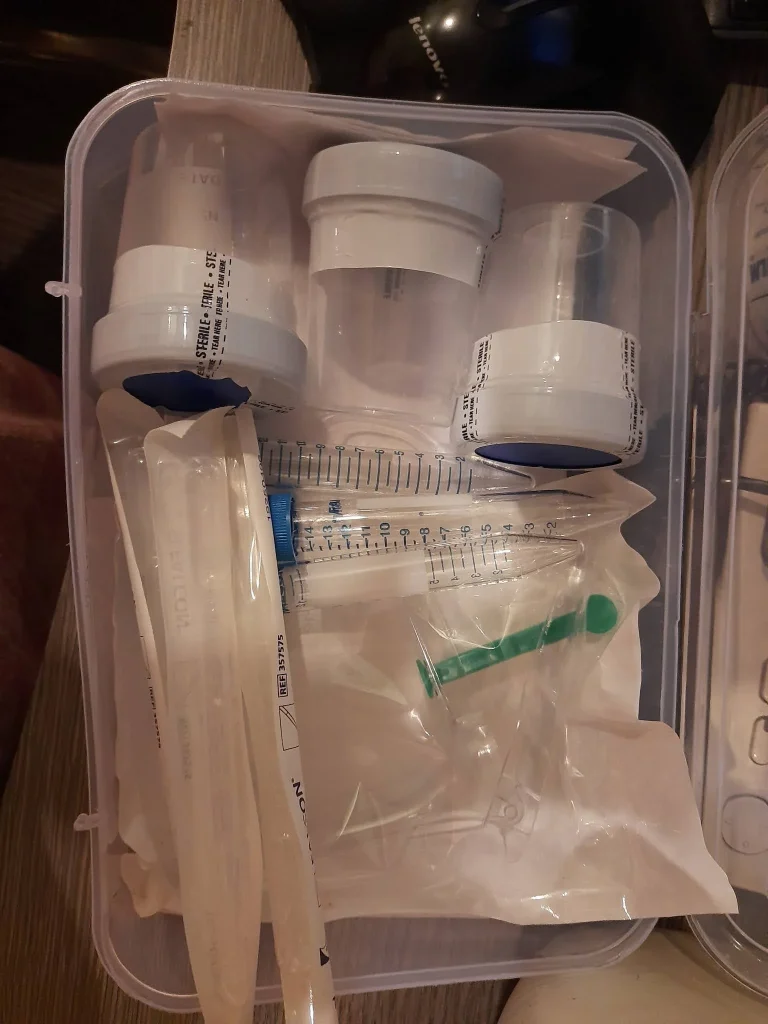
At-Home Conception and Cultural Perspectives: Breaking Down Barriers
The topic of fertility and family planning has always been a sensitive and complex issue, especially in different cultural contexts. In many societies, the concept of having children is deeply ingrained in social norms and expectations, and any deviation from the traditional path of conception can be met with skepticism or even disapproval. However, with the advancement of technology and the changing attitudes towards parenthood, at-home conception has become a viable option for many couples. In this blog post, we will explore the cultural perspectives surrounding at-home conception and how breaking down these barriers can lead to a more inclusive and informed approach to reproductive health.
Understanding At-Home Conception
At-home conception, also known as natural or home insemination, is the process of trying to conceive a child outside of a clinical setting. This method involves using a donor’s sperm, either from a known or anonymous source, and self-inseminating at home. While this may sound unconventional to some, at-home conception has become a popular choice for many couples and individuals, especially those from the LGBTQ+ community or those who struggle with infertility.
Breaking Down Cultural Barriers
In many cultures, the idea of at-home conception is met with resistance and stigma. This is due to various reasons, such as religious beliefs, societal expectations, and lack of education on the topic. In some cultures, the pressure to have children within a certain timeframe or through traditional means can be overwhelming, making at-home conception seem like a taboo or even a forbidden act. This can lead to couples and individuals feeling isolated and judged for their choices, which can have a negative impact on their mental health and well-being.
However, by breaking down these cultural barriers, we can create a more inclusive and accepting environment for at-home conception. It is essential to challenge the traditional notions of parenthood and recognize that there is no one right way to build a family. By educating ourselves and others, we can promote a more open-minded and respectful attitude towards at-home conception.
At-Home Conception and Cultural Perspectives: Breaking Down Barriers
Challenging Misconceptions
One of the biggest barriers to at-home conception is the lack of understanding and knowledge surrounding the process. Many misconceptions and myths surround this method, which can lead to fear and hesitation. For example, some people believe that at-home conception is not as effective as clinical insemination or that it is only for same-sex couples. However, the truth is that at-home conception has a high success rate, and it is a viable option for any individual or couple looking to start a family.
Furthermore, it is crucial to address the misconception that at-home conception is not as safe or regulated as clinical insemination. While it is true that at-home conception is not subjected to the same strict regulations as clinical settings, there are still safety measures and guidelines in place to ensure the well-being of all parties involved. It is essential to consult with a healthcare professional and follow the recommended safety protocols when considering at-home conception.
Promoting Informed Decision-Making
At the core of breaking down cultural barriers towards at-home conception is promoting informed decision-making. This means providing individuals and couples with accurate information and resources to make educated choices about their reproductive health. It is essential to encourage open and honest conversations about at-home conception and to provide a safe space for people to ask questions and voice their concerns.
Moreover, it is crucial to recognize that at-home conception is not a decision made lightly. It requires careful consideration and planning, and it is not suitable for everyone. By promoting informed decision-making, we can ensure that individuals and couples have all the necessary information to make the best choice for themselves and their families.
Conclusion
In conclusion, at-home conception is a viable and increasingly popular option for individuals and couples looking to start a family. However, cultural perspectives and misconceptions surrounding this method can create barriers and lead to stigma and judgment. By breaking down these barriers, challenging misconceptions, and promoting informed decision-making, we can create a more inclusive and accepting environment for at-home conception. It is essential to recognize that there is no one right way to build a family, and everyone deserves the right to make their own choices when it comes to their reproductive health.