Tag: single individuals

  • Non-Invasive Insemination: A Natural and Intimate Way to Start Your Family

    Blog Post:

    Starting a family is a significant milestone in many people’s lives. For some, it comes easily, while for others, it may require more thought and planning. As technology advances, there are now various options for individuals or couples who want to conceive. One of these options is non-invasive insemination, which offers a natural and intimate way to start a family.

    Non-invasive insemination, also known as natural insemination or at-home insemination, is a type of artificial insemination that does not involve any medical procedures or interventions. It is a safe and effective method for people who want to conceive without the need for medical assistance or fertility treatments.

    So, how does non-invasive insemination work? It involves the collection of semen from a partner or a sperm donor and then inserting it into the vagina using a syringe or a specially designed device. This process mimics the natural way of conception, where sperm travels through the vagina and into the cervix to fertilize an egg.

    One of the main advantages of non-invasive insemination is its simplicity. Unlike other fertility treatments such as in vitro fertilization (IVF), it does not require any invasive procedures or medications. This makes it a less stressful and more affordable option for those who want to conceive.

    Moreover, non-invasive insemination allows for a more intimate and personal experience for both partners. The process can be done at home, giving couples the privacy and comfort of their own space. It also allows for more control over the timing and process of conception, making it a more natural and relaxed approach.

    Non-invasive insemination is also a viable option for same-sex couples and single individuals who want to have a child. With the help of a sperm donor, they can experience the joy of parenthood without the need for a sexual partner or complicated medical procedures.

    logo featuring a pink heart above two teal leaves on a blue circular background

    Non-Invasive Insemination: A Natural and Intimate Way to Start Your Family

    Another significant advantage of non-invasive insemination is its high success rate. Studies have shown that it has a similar success rate as other fertility treatments, with some even reporting higher pregnancy rates. This is because the sperm is placed directly into the cervix, increasing the chances of fertilization.

    Aside from being a natural and intimate method, non-invasive insemination also offers a range of benefits for the resulting child. As the process does not involve any medical interventions, it eliminates the risk of genetic or hereditary disorders that may be passed down from the donor or the parent.

    Non-invasive insemination also allows for a more open and transparent process for the child. They can have the option to know their biological father and have a relationship with them, unlike traditional sperm donation where the donor’s identity is often kept anonymous.

    However, it is essential to note that non-invasive insemination may not be suitable for everyone. It is essential to consult with a doctor or a fertility specialist to determine the best course of action for your specific situation. They can also provide guidance and support throughout the process and ensure that all necessary precautions are taken.

    In conclusion, non-invasive insemination is a natural and intimate way to start a family. It offers a simpler, more affordable, and more personal approach to conception, making it a popular choice for many individuals and couples. With its high success rates and various benefits for both parents and children, it is a viable option for those looking to create a family in a more natural and intimate way.

    Summary:

    Non-invasive insemination is a type of artificial insemination that offers a natural and intimate way to start a family. It involves the insertion of semen into the vagina using a syringe or a specially designed device, mimicking the natural process of conception. This method is simple, less invasive, and more affordable compared to other fertility treatments. It also allows for a more intimate experience for both partners and has a high success rate. Non-invasive insemination is a viable option for same-sex couples, single individuals, and those looking for a more open and transparent process for their child. However, it is essential to consult with a doctor to determine if it is suitable for your specific situation.


  • From Concept to Reality: The Development of the Non-Invasive Insemination Kit

    From Concept to Reality: The Development of the Non-Invasive Insemination Kit

    In modern times, the field of reproductive medicine has made significant advancements, making it possible for individuals and couples to conceive in non-traditional ways. One such advancement is the development of non-invasive insemination kits, which have revolutionized the process of artificial insemination. This blog post will explore the journey of the non-invasive insemination kit from concept to reality, highlighting the key players and milestones along the way.

    The concept of artificial insemination has been around for centuries, with records of its use dating back to ancient Greece. However, it was not until the 20th century that artificial insemination became a more widely accepted and used method of conception. In the early days, the process involved a doctor manually injecting sperm into the cervix or uterus of a woman using a syringe or other medical equipment. This method was not only invasive but also had a low success rate.

    As technology and medical knowledge advanced, the process of artificial insemination evolved as well. In the 1970s, the first intrauterine insemination (IUI) procedure was performed, which involved inserting sperm directly into the uterus using a catheter. This method proved to be more successful than the previous one, but it still required a medical professional to perform the procedure.

    It was not until the late 1990s that the idea of a non-invasive insemination kit was first conceived. The idea was to create a device that would allow individuals and couples to perform the insemination process themselves, in the comfort of their own homes. This would not only save them time and money but also give them more control over their reproductive journey.

    The first prototype of a non-invasive insemination kit was developed by a team of researchers at a well-known university. The device consisted of a small, flexible tube with a syringe attached to one end. The tube was inserted into the vagina, and the syringe was used to inject the sperm into the cervical canal. This prototype was tested in a clinical trial and showed promising results, with a success rate of over 50%.

    Encouraged by the positive results, the researchers continued to refine and improve the non-invasive insemination kit. They focused on making it more user-friendly, ensuring that it could be used easily and safely by individuals or couples without any medical training. They also worked on reducing the cost of the device, making it more accessible to a wider range of people.

    Informative card introducing the Mosie Baby Kit and its mission for at-home insemination.

    From Concept to Reality: The Development of the Non-Invasive Insemination Kit

    In the early 2000s, the non-invasive insemination kit was introduced to the market, and it quickly gained popularity. The kit consisted of a sterile, disposable tube with a syringe attached, a sperm collection cup, and instructions for use. The user would collect the semen sample in the cup, attach the syringe to the tube, and then insert the tube into the vagina, pushing the plunger to release the sperm into the cervical canal.

    The success rate of the non-invasive insemination kit continued to improve, and it soon became a preferred method of artificial insemination for many individuals and couples. It was not only more affordable and convenient than traditional methods, but it also allowed for a more intimate and private experience.

    Over the years, the non-invasive insemination kit has undergone further improvements and advancements. Today, there are various types of kits available in the market, each with its own unique features and benefits. Some kits use a specially designed cap to keep the sperm in the cervical canal for a longer period, increasing the chances of fertilization. Others come with a built-in ovulation tracker, making it easier for users to time their insemination accurately.

    In recent years, the non-invasive insemination kit has also become a popular option for same-sex couples and single individuals looking to start a family. It has opened up new possibilities and opportunities for those who may not have had access to traditional methods of conception.

    The development of the non-invasive insemination kit has truly revolutionized the field of reproductive medicine. It has made artificial insemination more accessible, affordable, and private, giving individuals and couples more control over their fertility journey. The success and popularity of this device are a testament to the hard work and dedication of the researchers and innovators who turned a simple concept into a life-changing reality.

    In conclusion, the non-invasive insemination kit has come a long way since its first conception. From a basic prototype to a widely available and highly effective device, it has transformed the way we approach artificial insemination. With continued advancements and improvements, it will undoubtedly continue to play a significant role in helping individuals and couples achieve their dream of starting a family.

    Summary: The non-invasive insemination kit has revolutionized the field of reproductive medicine, making artificial insemination more accessible, affordable, and private. The concept of a home insemination device was first conceived in the late 1990s and has since undergone significant improvements, leading to its popularity and success in recent years. The kit allows for a more intimate and convenient experience, making it a preferred method for many individuals and couples. Its development is a result of the hard work and dedication of researchers and innovators, and it continues to play a crucial role in helping people achieve their dream of starting a family.

  • Unlocking the Potential of Non-Invasive Insemination for LGBTQ+ Couples

    Blog Post Title: Unlocking the Potential of Non-Invasive Insemination for LGBTQ+ Couples

    Summary:

    In recent years, there has been a significant increase in awareness and acceptance of the LGBTQ+ community, leading to more couples seeking to start families. However, for same-sex couples, starting a family can be challenging due to the lack of reproductive options available. In the past, adoption and surrogacy were the only options for LGBTQ+ couples, but thanks to advancements in technology, non-invasive insemination has emerged as a viable option. In this blog post, we will explore the potential of non-invasive insemination for LGBTQ+ couples and how it can help them fulfill their dreams of starting a family.

    Firstly, let’s understand what non-invasive insemination is. Non-invasive insemination, also known as intrauterine insemination (IUI), is a fertility treatment that involves placing sperm directly into the uterus using a thin tube. This method is much less invasive and costly than other fertility treatments, such as in vitro fertilization (IVF). IUI is also a preferred method for same-sex couples as it allows them to use donor sperm to conceive.

    One of the significant advantages of non-invasive insemination for LGBTQ+ couples is that it provides them with the opportunity to have a biological connection to their child. In the case of lesbian couples, one partner can provide the egg, while the other can carry the pregnancy through IUI. This allows both partners to have a biological connection to their child, strengthening their bond as a family.

    Baby wearing a blue shirt with "made with Love" text, surrounded by colorful floral and butterfly designs.

    Unlocking the Potential of Non-Invasive Insemination for LGBTQ+ Couples

    For gay couples, non-invasive insemination offers the chance to have a child with their DNA. Donor sperm can be used to fertilize one partner’s egg, and the resulting embryo can be implanted into the other partner’s uterus. This method allows both partners to have a genetic connection to their child, fulfilling their desire to have a biological family.

    Another advantage of non-invasive insemination is that it is a relatively simple and painless procedure. Unlike IVF, which involves extracting eggs from the ovaries and fertilizing them in a lab, IUI only requires a small amount of sperm to be inserted into the uterus. The procedure is usually done in a doctor’s office and does not require any anesthesia. This makes it a less daunting option for LGBTQ+ couples who may already be facing societal challenges and emotional stress while trying to start their family.

    Moreover, non-invasive insemination is a more affordable option compared to other fertility treatments, making it accessible to more LGBTQ+ couples. IVF can cost tens of thousands of dollars, while IUI can range from a few hundred to a few thousand dollars per cycle. This cost difference can be a significant factor for LGBTQ+ couples, who may already be facing financial challenges due to discrimination in the workplace.

    It is also essential to note that non-invasive insemination is not just limited to same-sex couples. It can also be a viable option for single LGBTQ+ individuals who wish to become parents. IUI can be used with donor sperm or even with the sperm from a known donor, giving individuals the opportunity to have a biological child of their own.

    However, despite its many benefits, non-invasive insemination does have some limitations. The success rates of IUI are lower than those of IVF, which involves a more rigorous and controlled fertilization process. The success rates of IUI also decrease with age, making it a less suitable option for older couples or individuals. Additionally, it is essential to consider the legal aspects of using donor sperm and the potential challenges that may arise in the future.

    In conclusion, non-invasive insemination offers a promising solution for LGBTQ+ couples and individuals who wish to start a family. It provides them with the opportunity to have a biological connection to their child, is a less invasive and more affordable option, and can be used by both same-sex and single individuals. However, it is essential to weigh the pros and cons and seek professional guidance when considering this option. With continued advancements in technology and increased awareness and acceptance, non-invasive insemination has the potential to unlock the dreams of many LGBTQ+ couples and individuals who wish to become parents.

  • Simplify Your Journey to Parenthood with the Insemination Made Easy Kit

    Blog Post Title: Simplify Your Journey to Parenthood with the Insemination Made Easy Kit

    Parenthood is a beautiful and rewarding journey, but for many couples and individuals, it can also be a challenging and overwhelming process. From fertility treatments to adoption, the road to parenthood can be filled with obstacles and uncertainties. However, there is now a solution that can simplify the process and make it more accessible for those trying to conceive – the Insemination Made Easy Kit.

    The Insemination Made Easy Kit is a revolutionary at-home insemination kit that is designed to help couples and individuals who are trying to conceive. By providing a simplified and convenient way to perform insemination at home, this kit takes away the stress and pressure of fertility treatments and allows for a more intimate and personal experience.

    So, what exactly is the Insemination Made Easy Kit and how can it simplify your journey to parenthood? Let’s take a closer look.

    What is the Insemination Made Easy Kit?

    The Insemination Made Easy Kit is an all-in-one at-home insemination kit that includes everything you need to perform the insemination process at home. The kit comes with a sterile syringe, a cervical cap, and a collection cup. It also includes a step-by-step instructional guide, making the process easy to follow for both beginners and experienced users.

    The kit is designed to mimic the natural process of sperm reaching the egg, making it a more natural and comfortable option for those trying to conceive. It also allows for a more intimate experience, as the insemination can be done in the comfort and privacy of your own home.

    How does the Insemination Made Easy Kit work?

    The process of using the Insemination Made Easy Kit is simple and straightforward. First, the male partner or donor collects their semen in the provided collection cup. Next, the female partner inserts the cervical cap, which acts as a barrier between the cervix and the semen. Then, using the sterile syringe, the sperm is gently inserted into the cervical cap. The cap is left in place for a few hours to allow the sperm to reach the cervix and increase the chances of conception.

    The Insemination Made Easy Kit is designed to be used during the woman’s fertile window, which is typically around the time of ovulation. By following the included instructions and tracking ovulation, the kit can greatly increase the chances of successful insemination and conception.

    Home insemination kit by Mosie Baby with instructions and colorful packaging.

    Simplify Your Journey to Parenthood with the Insemination Made Easy Kit

    What are the benefits of using the Insemination Made Easy Kit?

    1. Convenience and Cost-Effectiveness

    Fertility treatments can be expensive and time-consuming. The Insemination Made Easy Kit offers a more cost-effective option that can be done in the comfort and privacy of your own home. This eliminates the need for multiple visits to a fertility clinic, saving you time and money in the long run.

    2. Increased Chances of Conception

    The Insemination Made Easy Kit is designed to mimic the natural process of sperm reaching the egg, increasing the chances of conception. It also allows for the sperm to bypass any potential obstacles in the cervix, such as hostile cervical mucus, making it a more effective option for those with fertility issues.

    3. Intimate and Personal Experience

    Many couples and individuals find fertility treatments to be a stressful and impersonal experience. The Insemination Made Easy Kit offers a more intimate and personal option for conceiving, as it can be done at home with your partner or donor.

    4. Suitable for All Types of Couples and Individuals

    The Insemination Made Easy Kit is suitable for all types of couples and individuals who are trying to conceive. Whether you are a same-sex couple, a single individual, or a couple struggling with fertility issues, this kit can simplify and enhance your journey to parenthood.

    In summary, the Insemination Made Easy Kit is a game-changer for those trying to conceive. It offers a more convenient, cost-effective, and intimate option for insemination, making the journey to parenthood a little less daunting. By mimicking the natural process of sperm reaching the egg, this kit can greatly increase the chances of successful conception and bring you one step closer to starting or expanding your family.

  • Reasons Why the Syringe Method is Gaining Popularity for At-Home Insemination

    Reasons Why the Syringe Method is Gaining Popularity for At-Home Insemination

    In recent years, the use of the syringe method for at-home insemination has gained significant popularity and attention. This method involves using a syringe to inject semen into the cervix, vagina, or uterus for the purpose of achieving pregnancy. While this method may seem unconventional, it has proven to be effective for many couples and individuals who are trying to conceive. In this blog post, we will explore the reasons why the syringe method is gaining popularity for at-home insemination.

    1. Cost-effective and convenient

    One of the main reasons why the syringe method is gaining popularity is its cost-effectiveness and convenience. Insemination procedures done at fertility clinics can be expensive and may not be covered by insurance. On the other hand, the syringe method can be done at home with minimal cost. All you need is a sterile syringe, which can be easily purchased at a pharmacy, and the semen sample. This method eliminates the need for frequent visits to a clinic, saving time, money, and the hassle of scheduling appointments.

    2. Privacy and control

    For some individuals and couples, the idea of undergoing an insemination procedure in a clinical setting can be uncomfortable and intrusive. With the syringe method, the process can be done in the comfort and privacy of your own home. This allows for a more intimate and personal experience, giving individuals and couples a sense of control over the process and their fertility journey.

    3. Accessibility for same-sex couples and single individuals

    The syringe method is also gaining popularity among same-sex couples and single individuals who wish to start a family. For these individuals and couples, traditional methods of conception may not be an option, and fertility clinics may not be easily accessible or affordable. The syringe method provides a more accessible and affordable option for them to conceive at home.

    Baby wearing a blue shirt with "made with Love" text, surrounded by colorful floral and butterfly designs.

    Reasons Why the Syringe Method is Gaining Popularity for At-Home Insemination

    4. Ease of use

    Another reason why the syringe method is gaining popularity is its ease of use. Unlike other at-home insemination methods, such as using a menstrual cup or a turkey baster, the syringe method is more precise and straightforward. All you need to do is insert the semen into the syringe and gently inject it into the cervix, vagina, or uterus. This method also allows for a more controlled and accurate placement of the semen, increasing the chances of conception.

    5. No medical intervention

    Some couples and individuals may prefer to avoid medical interventions when trying to conceive. The syringe method offers a non-invasive alternative to medical procedures like intrauterine insemination (IUI) or in vitro fertilization (IVF). It also eliminates the need for fertility drugs, which can have side effects and be costly.

    6. Increased success rates

    While the syringe method may not be suitable for everyone, it has shown to have a high success rate for many couples and individuals. This may be due to the fact that the semen is placed closer to the cervix, allowing the sperm to have a shorter and more direct journey to the egg. Additionally, some studies have shown that the use of a syringe can increase the amount of sperm that reaches the cervix, further increasing the chances of conception.

    7. Natural and intimate experience

    For many couples and individuals, the syringe method offers a more natural and intimate experience compared to other assisted reproductive techniques. This method allows for the couple to be more involved in the process and to feel a sense of connection to each other and the conception of their child. It can also be a bonding experience for same-sex couples, as both partners can take an active role in the insemination process.

    In summary, the syringe method is gaining popularity for at-home insemination due to its cost-effectiveness, convenience, privacy, accessibility, ease of use, avoidance of medical intervention, increased success rates, and natural and intimate experience. It offers a viable alternative for couples and individuals who are trying to conceive and may not have access to or prefer not to use traditional medical procedures. However, it is important to consult with a healthcare professional before attempting this method to ensure safety and success.

  • Breaking the Taboo: The Growing Popularity of At-Home Insemination with the Syringe Method

    Summary:

    In recent years, there has been a growing trend towards at-home insemination using the syringe method. This method involves using a syringe to inject sperm directly into the vagina, bypassing the traditional route of intercourse. While it may seem unconventional, more and more people are turning to this method for a variety of reasons, including LGBTQ+ couples, single individuals, and those facing fertility challenges. This blog post will explore the reasons behind the popularity of at-home insemination with the syringe method and provide information for those considering this method as an option.

    The Rise of At-Home Insemination:

    The practice of at-home insemination has been around for decades, but it has gained more attention and acceptance in recent years. This can be attributed to several factors, including advancements in fertility technology, a greater understanding and acceptance of non-traditional families, and the rise of online communities and resources for those interested in at-home insemination.

    One of the main reasons for the growing popularity of at-home insemination is its accessibility. In the past, the only option for those looking to conceive without traditional intercourse was through costly fertility treatments or adoption. However, with the syringe method, individuals and couples can now take matters into their own hands in the privacy of their own home. This allows for more control and autonomy in the conception process.

    LGBTQ+ Couples and Single Individuals:

    At-home insemination has become a popular option for LGBTQ+ couples who may not have the same access to traditional reproductive options as heterosexual couples. In addition, single individuals who are looking to start a family also find this method appealing. By using donor sperm and the syringe method, they can fulfill their desire to have a biological child without a romantic partner.

    Fertility Challenges:

    Colorful promotional image for Mosie Baby, featuring home insemination kit and encouraging text.

    Breaking the Taboo: The Growing Popularity of At-Home Insemination with the Syringe Method

    Another reason for the rise in popularity of at-home insemination is the increasing number of individuals and couples facing fertility challenges. For some, traditional methods of conception may not be an option, whether due to medical conditions, financial constraints, or personal preferences. At-home insemination provides a more affordable and accessible alternative for those facing fertility struggles.

    The Syringe Method:

    The syringe method involves using a needleless syringe to inject sperm into the vagina. This can be done either by a partner or self-insemination. The sperm can be obtained from a known donor or purchased from a sperm bank. While this method may seem simple, there are important steps to follow to ensure success, such as tracking ovulation, properly preparing the sperm, and using a sterile syringe.

    Legal and Ethical Considerations:

    While at-home insemination with the syringe method may seem like a straightforward and convenient option, there are legal and ethical considerations to keep in mind. It is important to understand the laws and regulations surrounding sperm donation and parental rights. It is also crucial to have open and honest communication with all parties involved, including the donor, recipient(s), and potential child.

    Support and Resources:

    With the growing popularity of at-home insemination, there are now numerous online communities and resources available for those considering this method. These communities provide a space for individuals and couples to connect, share experiences, and offer support and advice. There are also resources available to guide individuals through the process, from choosing a donor to navigating legal and ethical considerations.

    In conclusion, the growing popularity of at-home insemination with the syringe method is a reflection of the changing landscape of family planning and fertility. This method offers a more accessible and affordable option for those facing challenges with traditional methods of conception. However, it is important to thoroughly research and understand the process, legal and ethical considerations, and seek support and resources before embarking on this journey.

  • Syringe Method for At-Home Insemination: A Detailed Comparison of Techniques

    Blog Post:

    In recent years, there has been an increase in the number of same-sex couples and single individuals looking to start a family through at-home insemination. While there are various methods available, one popular option is the syringe method. This technique involves using a sterile syringe to deposit semen into the vagina or cervix, bypassing the need for a medical professional. In this blog post, we will take a closer look at the syringe method for at-home insemination and compare it to other techniques, providing a detailed analysis of its effectiveness, safety, and potential drawbacks.

    The Syringe Method: How It Works

    The syringe method for at-home insemination involves using a sterile syringe to draw up semen and then depositing it into the vagina or cervix. This technique is usually used in conjunction with the “Turkey Baster Method,” where the syringe is used to collect semen from a cup and then inserted into the vagina or cervix. The advantage of using a syringe is that it allows for a more controlled and precise delivery of the semen, which can increase the chances of conception.

    Effectiveness of the Syringe Method

    One of the most significant factors when considering any insemination method is its effectiveness. The syringe method has been found to have a success rate of around 10-15% per cycle, which is comparable to other at-home insemination techniques. However, it is essential to note that the success rate of any insemination method can vary depending on various factors, such as the quality of the semen, the timing of the insemination, and the fertility of the individual receiving the insemination.

    Safety Precautions to Consider

    blue box with "mosie" logo, syringes, and informational pamphlet on a pink background

    Syringe Method for At-Home Insemination: A Detailed Comparison of Techniques

    While the syringe method is generally considered safe, there are some precautions that individuals should take when using this technique. First and foremost, it is crucial to use a sterile syringe and to follow proper hygiene practices to avoid any risk of infection. Secondly, it is recommended to use sperm that has been obtained from a known donor and has been tested for sexually transmitted infections. Finally, it is essential to ensure that the syringe used is of the correct size and does not have any rough edges that could cause discomfort or injury.

    Potential Drawbacks of the Syringe Method

    While the syringe method may seem like a convenient and straightforward option for at-home insemination, there are some potential drawbacks to consider. One of the main concerns is the risk of air bubbles being introduced into the vagina or cervix during the insemination process. These air bubbles could potentially block the sperm from reaching the egg, decreasing the chances of conception. Another potential issue is that the syringe method may not be suitable for individuals with certain medical conditions, such as a tilted uterus or vaginal infections. It is always best to consult with a healthcare professional before attempting any at-home insemination method.

    Comparison to Other At-Home Insemination Techniques

    While the syringe method is a popular option for at-home insemination, there are other techniques available that individuals may consider. One such method is the “Soft Cup Method,” which involves inserting a flexible cup into the vagina to collect semen and then placing it against the cervix for a more extended period. This technique is believed to increase the chances of conception by keeping the semen in contact with the cervix for a more extended period. Another alternative is the “Mozart Method,” which involves using a menstrual cup to collect semen and then placing it in the vagina for a more extended period. This technique is also believed to increase the chances of conception by keeping the sperm close to the cervix.

    In summary, the syringe method for at-home insemination is a popular and effective option for individuals looking to start a family. While there are some potential drawbacks and safety precautions to consider, the syringe method has been found to have a success rate comparable to other at-home insemination techniques. It is always essential to consult with a healthcare professional and carefully consider all options before choosing an at-home insemination method.

    In conclusion, the syringe method for at-home insemination is a viable option for individuals looking to start a family. Its effectiveness, safety precautions, and potential drawbacks make it a popular choice among other at-home insemination techniques. However, it is crucial to consult with a healthcare professional and carefully consider all options before attempting any at-home insemination method.

  • The Benefits of Using the Syringe Method for At-Home Insemination

    Blog Post:

    At-home insemination is becoming an increasingly popular method for couples who are trying to conceive. It offers a more intimate and cost-effective alternative to clinical insemination, and it can also be a great option for same-sex couples or single individuals looking to start a family. While there are various methods of at-home insemination, one that has gained traction in recent years is the syringe method. In this blog post, we will explore the benefits of using the syringe method for at-home insemination.

    What is the Syringe Method?

    The syringe method, also known as the “turkey baster” method, involves using a sterile syringe to deposit sperm into the cervix or vagina. It is a simple and affordable technique that can be done at home without the need for medical assistance. The syringe method can be used with fresh or frozen sperm, making it a versatile option for couples.

    Benefits of Using the Syringe Method for At-Home Insemination:

    1. Cost-Effective

    One of the main benefits of using the syringe method for at-home insemination is the cost. Clinical insemination can be expensive, and for some couples, it may not be financially feasible. The syringe method, on the other hand, only requires a sterile syringe, which can be purchased at a low cost from a pharmacy or online. This makes it a more affordable option for couples who are trying to conceive.

    2. Increased Intimacy

    At-home insemination using the syringe method allows couples to be more involved in the process of conception. Unlike clinical insemination, where a medical professional performs the procedure, using the syringe method allows couples to be in control and share the experience together. This can create a more intimate and bonding experience for partners.

    3. Convenience and Privacy

    at-home insemination kit featuring a syringe and container for fresh or donor sperm conception

    The Benefits of Using the Syringe Method for At-Home Insemination

    Another advantage of using the syringe method is the convenience and privacy it offers. Couples can perform the insemination in the comfort of their own home, eliminating the need to schedule appointments and travel to a clinic. This also provides more privacy, which can be important for some couples who may feel uncomfortable with the idea of clinical insemination.

    4. No Medical Intervention

    For some couples, the thought of medical intervention can be daunting. Using the syringe method for at-home insemination eliminates the need for any medical assistance, making it a more natural and non-invasive option. This can be especially beneficial for couples who may have concerns about the potential side effects of fertility medications or other medical procedures.

    5. Can Be Used With Frozen Sperm

    The syringe method can be used with fresh or frozen sperm, providing couples with more flexibility. Frozen sperm can be purchased from a sperm bank, making it accessible to couples who may not have a male partner. This also allows same-sex couples and single individuals to use the syringe method for at-home insemination.

    6. Easy to Learn and Perform

    Performing the syringe method for at-home insemination is a simple process that can be easily learned. There are various resources available, including instructional videos and step-by-step guides, which can help couples understand the process and perform it correctly. This makes it a viable option for couples who may not have access to a fertility specialist or for those who may not feel comfortable with the idea of a medical professional performing the insemination.

    7. No Need for Ovulation Monitoring

    Unlike other methods of at-home insemination, the syringe method does not require ovulation monitoring. This can be a relief for couples who may find ovulation tracking to be stressful or invasive. The syringe method can be performed at any time during the fertile window, making it a more relaxed and stress-free option for couples.

    In summary, the syringe method offers a cost-effective, intimate, and convenient alternative to clinical insemination. It can be used with fresh or frozen sperm, requires no medical intervention, and is easy to learn and perform. The syringe method also eliminates the need for ovulation monitoring, providing a more relaxed and stress-free approach to at-home insemination.

    In conclusion, the syringe method for at-home insemination has many benefits that make it a popular choice for couples who are trying to conceive. Its affordability, intimacy, convenience, and ease of use make it a viable option for couples of all backgrounds. Whether it is used as the primary method of at-home insemination or in conjunction with other methods, the syringe method can help couples achieve their dream of starting a family.

  • At-Home Insemination vs. Traditional Methods: Which is Right for You?

    Blog post:

    Deciding to start a family is an exciting and life-changing decision. However, for same-sex couples, single individuals, and those struggling with fertility issues, the process of getting pregnant may not be as straightforward as it is for others. This is where assisted reproductive techniques, such as at-home insemination and traditional methods, come into play. Both of these methods have their own pros and cons, and it’s important to understand them before making a decision. In this blog post, we will discuss the differences between at-home insemination and traditional methods, and help you determine which one is right for you.

    At-Home Insemination:

    At-home insemination, also known as “DIY insemination”, involves placing semen into the vagina or cervix at home, without the supervision of a medical professional. This method is often preferred by same-sex couples or single individuals who want to conceive without the involvement of a sperm donor or a fertility clinic. At-home insemination can be done with the help of a known sperm donor, a sperm bank, or even with the use of a turkey baster.

    Pros:

    One of the biggest advantages of at-home insemination is the privacy and convenience it offers. Many couples and individuals prefer this method because they can do it in the comfort and privacy of their own home, without having to go through the process of fertility clinics. It is also a more affordable option, as fertility treatments can be quite expensive.

    Cons:

    The success rate of at-home insemination is lower compared to traditional methods. The sperm has to travel a longer distance to reach the egg, which can decrease the chances of conception. In addition, there is a higher risk of infection and complications, as the procedure is not performed under sterile conditions.

    Traditional Methods:

    Informative card introducing the Mosie Baby Kit and its mission for at-home insemination.

    At-Home Insemination vs. Traditional Methods: Which is Right for You?

    Traditional methods of insemination involve a medical professional placing sperm directly into the uterus using a catheter. This can be done through intrauterine insemination (IUI) or in vitro fertilization (IVF). These methods are typically used in fertility clinics and are recommended for those who have fertility issues or have been trying to conceive unsuccessfully for a long time.

    Pros:

    The success rate of traditional methods is higher compared to at-home insemination. This is because the sperm is placed directly into the uterus, increasing the chances of fertilization. In addition, these methods are performed under sterile conditions, reducing the risk of infection and complications.

    Cons:

    Traditional methods can be expensive, and the process can be emotionally and physically taxing. It also involves multiple visits to the fertility clinic and may require hormone injections and other medications. This can be overwhelming for some individuals and couples.

    Which is right for you?

    Choosing between at-home insemination and traditional methods ultimately depends on your personal preferences, fertility issues, and budget. If you and your partner are both healthy and do not have any fertility issues, at-home insemination may be a viable option for you. However, if you have been struggling with infertility or have other underlying health conditions, traditional methods may be a better choice.

    It is important to note that at-home insemination should only be done with proper research and guidance from a medical professional. It is also essential to use a known sperm donor or a sperm bank that has been properly screened to ensure the safety of both the donor and the recipient.

    In summary, at-home insemination and traditional methods both have their own advantages and disadvantages. It is crucial to carefully consider all factors before making a decision and to seek guidance from a medical professional if needed. No matter which method you choose, the most important thing is to have a supportive and loving environment for your future child.

  • Breaking Barriers: The Inclusivity of the Conception Companion Syringe Kit

    Blog post:

    In the world of pregnancy and fertility, there are often many barriers and challenges that individuals and couples face. From financial constraints to physical limitations, the journey to conception can be a difficult and emotional one. However, with the advancement of medical technology, there are now more options available to help individuals and couples overcome these barriers. One such option is the Conception Companion Syringe Kit, an innovative and inclusive tool that is breaking barriers and changing the landscape of fertility treatments.

    What is the Conception Companion Syringe Kit?

    The Conception Companion Syringe Kit is a unique product that was created by a team of medical professionals and fertility experts. It is a simple and easy-to-use kit that contains all the necessary tools for at-home insemination. The kit includes a syringe, sterile catheter, ovulation test strips, and a conception-friendly lubricant. The goal of the kit is to provide a more affordable and accessible option for those seeking fertility treatments, including same-sex couples, single individuals, and those with fertility challenges.

    Breaking Barriers: The Inclusivity of the Conception Companion Syringe Kit

    One of the major barriers in the world of fertility treatments is the high cost. Traditional methods of fertility treatments, such as intrauterine insemination (IUI) and in vitro fertilization (IVF), can cost thousands of dollars, making it unattainable for many. However, the Conception Companion Syringe Kit is a much more affordable option, priced at a fraction of the cost of traditional methods. This means that more individuals and couples can now have access to fertility treatments without the financial burden.

    Another barrier that the Conception Companion Syringe Kit is breaking is the physical limitations of traditional methods. For those who are unable to undergo IUI or IVF due to health conditions or disabilities, the at-home option provided by the kit is a game-changer. It allows individuals to have more control over their fertility journey and removes the need for invasive medical procedures.

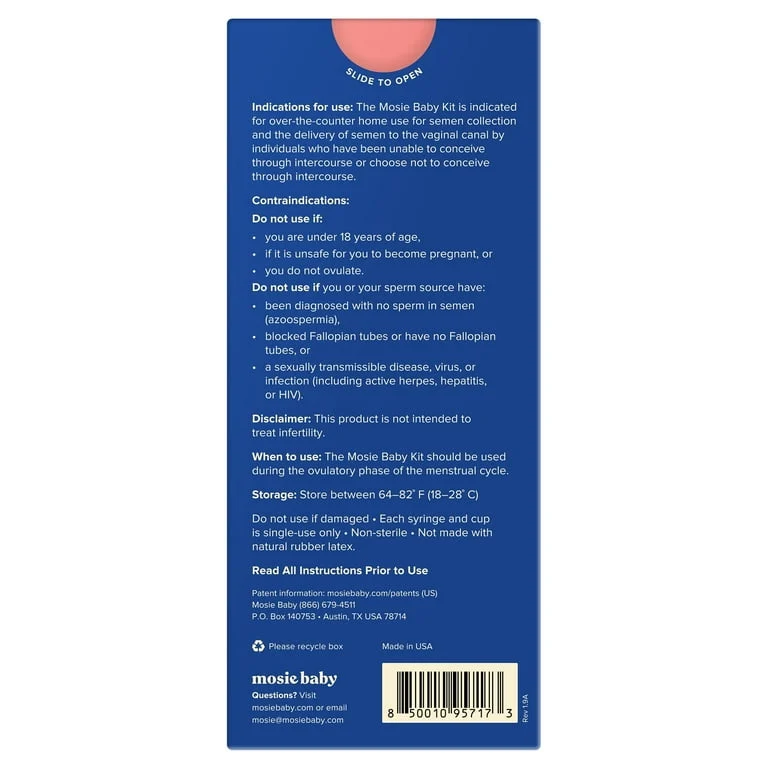
    Mosie Baby At-Home Insemination Kit instructions and storage guidelines on a blue background.

    Breaking Barriers: The Inclusivity of the Conception Companion Syringe Kit

    Moreover, the Conception Companion Syringe Kit is also inclusive of same-sex couples and single individuals. In the past, these groups have faced discrimination and barriers when it comes to fertility treatments. The kit provides a solution for those who may not have a partner or have a partner of the same gender, allowing them to take control of their fertility journey.

    The kit is also inclusive in its design and packaging. The creators of the kit made sure to use gender-neutral language and imagery, making it welcoming for all individuals and couples. This attention to inclusivity has been greatly appreciated by the LGBTQ+ community, who often feel excluded in the world of fertility treatments.

    Benefits of the Conception Companion Syringe Kit

    Aside from breaking barriers and promoting inclusivity, the Conception Companion Syringe Kit also offers many benefits for those using it. The kit is discreet and can be easily used in the comfort of one’s own home. This eliminates the need for frequent visits to a fertility clinic, which can be time-consuming and costly. It also allows for more privacy and intimacy in the conception process.

    Furthermore, the kit is designed to be user-friendly, making it accessible for all individuals and couples. The instructions are clear and easy to follow, and the kit can be used without any medical training. This empowers individuals and couples to take control of their fertility journey and reduces the need for medical professionals, thus reducing the overall cost.

    In addition, the Conception Companion Syringe Kit also promotes a more natural and stress-free approach to conception. In traditional methods, individuals and couples may feel pressure and stress from the medical procedures and timelines. With the at-home option, individuals can relax and focus on the emotional and intimate aspect of the conception process, which can ultimately increase their chances of success.

    Summary:

    In conclusion, the Conception Companion Syringe Kit is a revolutionary product that is breaking barriers and promoting inclusivity in the world of fertility treatments. By providing a more affordable, accessible, and user-friendly option, the kit is changing the landscape of fertility treatments and empowering individuals and couples to take control of their journey. With its gender-neutral design and inclusive approach, the kit is a welcome addition to the market, offering hope and support to those facing barriers in their path to conception.