Tag: fertility

  • The Science of the Syringe Method: How It Boosts Fertility

    The Science of the Syringe Method: How It Boosts Fertility

    When it comes to trying to conceive, couples often turn to various methods and techniques in order to increase their chances of success. One method that has gained popularity in recent years is the syringe method. This method involves collecting the sperm from the male partner and then using a syringe to insert it directly into the cervix or vagina of the female partner. While it may seem unconventional, there is actually a scientific basis for why this method can boost fertility. In this blog post, we will explore the science behind the syringe method and how it can help couples achieve their dream of starting a family.

    Understanding Sperm and Fertility

    Before diving into the specifics of the syringe method, it is important to understand the basics of sperm and fertility. Sperm is the male reproductive cell that is necessary for fertilizing the female egg. It is produced in the testicles and contains genetic material that will ultimately determine the characteristics of the baby. In order for pregnancy to occur, the sperm must successfully reach and fertilize the egg, which is typically released from the ovaries during ovulation.

    However, the path that sperm must take to reach the egg is not an easy one. Sperm must navigate through the female reproductive tract, which is filled with various obstacles such as acidic vaginal secretions and the cervix, which acts as a barrier to prevent unwanted bacteria from entering the uterus. Additionally, sperm must also contend with the female immune system, which can view sperm as foreign invaders and attack them.

    How the Syringe Method Works

    The syringe method involves bypassing some of these obstacles and delivering the sperm directly into the cervix or vagina. By doing so, the sperm has a greater chance of reaching the egg and fertilizing it. This method is typically used in cases where the male partner has a low sperm count or the female partner has an issue with her cervical mucus, which can make it difficult for sperm to travel through.

    To perform the syringe method, the male partner will collect his sperm through masturbation and then insert it into a sterile syringe. The female partner will then lie down with her hips elevated and the syringe will be inserted into her cervix or vagina, depending on the preference of the couple. The sperm is then released into the reproductive tract, giving it a better chance of reaching the egg.

    Baby with blue eyes wearing a light blue onesie that says "made with Love" on a soft white background.

    The Science of the Syringe Method: How It Boosts Fertility

    The Science Behind the Syringe Method

    There are several scientific reasons why the syringe method can boost fertility. First and foremost, it helps to overcome any potential issues with the male’s sperm. By inserting the sperm directly into the reproductive tract, it bypasses any potential problems with the sperm’s motility or shape, which can affect its ability to successfully fertilize the egg.

    Additionally, the syringe method can also help to overcome any issues with the female’s cervical mucus. Cervical mucus plays an important role in fertility as it helps to create a hospitable environment for sperm to travel through. However, some women may have issues with their cervical mucus, making it difficult for sperm to reach the egg. By using the syringe method, the sperm can be delivered directly into the reproductive tract without needing to travel through the cervical mucus.

    Moreover, the syringe method also helps to increase the chances of sperm surviving the journey to the egg. As mentioned earlier, the female immune system can view sperm as foreign invaders and attack them. By bypassing the cervix and vaginal environment, the sperm has a greater chance of surviving and reaching the egg before being attacked by the immune system.

    Risks and Considerations

    While the syringe method can be an effective way to boost fertility, it is important to note that there are some risks and considerations to keep in mind. First of all, it is important to ensure that the syringe used is sterile and that the sperm is collected and handled in a hygienic manner to avoid any potential infections. Additionally, this method should only be used with the guidance of a fertility specialist to ensure that it is performed correctly.

    Furthermore, the syringe method may not be suitable for all couples. It is typically recommended for couples who have been trying to conceive for some time without success or for those who have specific fertility issues. It is always important to consult with a medical professional before trying any fertility methods.

    In conclusion, the syringe method may seem unconventional, but it has a scientific basis for boosting fertility. By bypassing obstacles and delivering sperm directly into the reproductive tract, it can increase the chances of successful fertilization. However, it is important to use this method under the guidance of a medical professional and to understand the potential risks and considerations involved.


  • Syringe Method for Fertility: Debunking Common Myths and Misconceptions

    Summary:

    The Syringe Method for fertility, also known as the “Turkey Baster Method,” has gained popularity in recent years as an alternative way for couples to conceive at home. However, there are many myths and misconceptions surrounding this method that may cause confusion and skepticism. In this blog post, we will debunk these common myths and misconceptions and provide accurate information about the Syringe Method for fertility.

    Firstly, it is important to understand what the Syringe Method entails. This method involves using a sterile syringe to deposit semen into the vagina, close to the cervix, in hopes of fertilizing an egg. It is typically used by couples who are trying to conceive at home, either due to financial constraints or personal preferences.

    One of the most common myths about the Syringe Method is that it is not effective. This is not true. Studies have shown that the success rate of this method is comparable to that of intrauterine insemination (IUI), which is a common fertility treatment performed in a clinic setting. However, it is important to note that the success of this method depends on various factors such as the quality of the semen, timing of the insemination, and the woman’s fertility levels.

    Another misconception about the Syringe Method is that it is only suitable for heterosexual couples. This is not true. The Syringe Method can be used by same-sex couples or single women who are trying to conceive. It is also a viable option for couples who are facing male infertility issues, as the sperm can be obtained from a sperm bank or a donor.

    At-home insemination kit with syringes and collection cups on a teal background.

    Syringe Method for Fertility: Debunking Common Myths and Misconceptions

    Some people may also believe that the Syringe Method is unsafe or unhygienic. However, as long as proper precautions are taken, this method is completely safe. It is important to use a sterile, disposable syringe and to wash your hands before and after the insemination. Additionally, using fresh or frozen semen from a reputable source is crucial to ensure the safety of both the woman and potential baby.

    Another myth surrounding the Syringe Method is that it is a painful or uncomfortable process for the woman. This is not true. The syringe used for this method is small and painless, and the insemination process is similar to inserting a tampon. Some women even find it less invasive and more comfortable than other fertility treatments such as IUI or in-vitro fertilization (IVF).

    There is also a misconception that the Syringe Method can only be used by women who have a regular menstrual cycle. This is not entirely true. While timing the insemination around ovulation may increase the chances of success, this method can still be used by women with irregular periods. It is recommended to track ovulation using methods such as basal body temperature charting or ovulation predictor kits to increase the chances of success.

    Lastly, there is a belief that using the Syringe Method is less romantic or intimate compared to traditional methods of conception. However, many couples who have successfully used this method have reported feeling a strong emotional connection and increased intimacy with their partner throughout the process. The shared responsibility of trying to conceive and the potential for success together can bring couples closer and strengthen their bond.

    In conclusion, the Syringe Method for fertility is a safe, effective, and viable option for couples who are trying to conceive at home. It is important to do thorough research and consult with a healthcare provider before attempting this method. By debunking these common myths and misconceptions, we hope to provide accurate information and support for those considering the Syringe Method for fertility.

  • Natural Remedies to Enhance the Syringe Method for Fertility Support

    Natural Remedies to Enhance the Syringe Method for Fertility Support

    Fertility is a topic that is often surrounded by misconceptions and stigmas. While medical intervention and treatments can be helpful, many couples are turning to more natural methods to support their fertility. One such method is the syringe method, which involves using a syringe to deposit sperm directly into the cervix during ovulation. This technique has gained popularity due to its simplicity and low cost compared to other fertility treatments. However, pairing the syringe method with natural remedies can further enhance its effectiveness and increase the chances of conception. In this blog post, we will explore some natural remedies that can be used in conjunction with the syringe method for fertility support.

    1. Acupuncture

    Acupuncture has been used for centuries to improve overall health and well-being. In recent years, it has also gained recognition as a natural fertility treatment. Acupuncture can help regulate hormonal imbalances, improve blood flow to the reproductive organs, and reduce stress levels, which can all contribute to fertility issues. When combined with the syringe method, acupuncture can increase the chances of conception by improving the conditions in the uterus and cervix for the sperm to travel and fertilize the egg.

    2. Herbal Supplements

    There are various herbal supplements that have been traditionally used to support fertility. Some of the most commonly used herbs for fertility include chasteberry, maca root, and red raspberry leaf. These herbs can help regulate hormones, improve egg quality, and increase libido. When taken in conjunction with the syringe method, these supplements can help prepare the body for conception and increase the chances of fertilization.

    3. Yoga and Meditation

    The mind-body connection plays a crucial role in fertility. Stress, anxiety, and negative emotions can all have a significant impact on reproductive health. Yoga and meditation are powerful tools for managing stress and promoting relaxation. Studies have shown that regular yoga practice can improve fertility by balancing hormones and reducing stress levels. By incorporating yoga and meditation into your fertility journey, you can enhance the effectiveness of the syringe method and increase your chances of conceiving.

    4. Diet and Nutrition

    pregnancy test kit features labeled for comfort and confidence on a teal background

    Natural Remedies to Enhance the Syringe Method for Fertility Support

    Eating a healthy and balanced diet is essential for overall health, but it can also impact fertility. A diet rich in whole foods, fruits, and vegetables can provide the body with the necessary nutrients to support reproductive health. Specific foods such as dark leafy greens, berries, and nuts have been shown to have fertility-boosting properties. Additionally, avoiding processed foods and excessive sugar and caffeine consumption can also improve fertility. When combined with the syringe method, a healthy diet can create a fertile environment for conception to occur.

    5. Essential Oils

    Essential oils have been used for centuries for their therapeutic properties. When it comes to fertility support, some essential oils can be beneficial. Clary sage, geranium, and lavender are known for their hormone-balancing properties and can be used to support the reproductive system. Peppermint and eucalyptus can also be used to improve blood flow to the reproductive organs. When using essential oils for fertility, it is important to dilute them properly and consult a certified aromatherapist for guidance.

    6. Traditional Chinese Medicine (TCM)

    TCM is a holistic approach to health that has been used for centuries in China. It involves the use of acupuncture, herbal medicine, and dietary therapy to balance the body’s energy and promote overall well-being. TCM can be highly beneficial for fertility support, as it can help regulate menstrual cycles, improve egg quality, and increase libido. When paired with the syringe method, TCM can enhance the body’s receptivity to conception and increase the chances of pregnancy.

    7. Mindfulness and Positive Affirmations

    The journey towards conception can be emotionally taxing, and negative thoughts and emotions can hinder fertility. Practicing mindfulness and positive affirmations can help shift your mindset and create a more positive and receptive environment for conception. By focusing on the present moment and using affirmations such as “My body is capable of conceiving,” you can improve your overall well-being and increase the chances of a successful pregnancy.

    In conclusion, the syringe method is a simple and cost-effective fertility treatment that can be enhanced by incorporating natural remedies into your routine. Acupuncture, herbal supplements, yoga and meditation, a healthy diet, essential oils, TCM, and mindfulness can all work together to support your body’s natural fertility and increase the chances of conception. Remember to consult with your healthcare provider before trying any new natural remedies, and trust in your body’s ability to conceive.

    Summary:

    The syringe method is a popular and inexpensive fertility treatment that involves depositing sperm directly into the cervix during ovulation. By pairing the syringe method with natural remedies such as acupuncture, herbal supplements, yoga and meditation, a healthy diet, essential oils, TCM, and mindfulness, couples can enhance the effectiveness of the treatment and increase their chances of conceiving. These natural remedies can help regulate hormones, improve blood flow to the reproductive organs, reduce stress levels, and create a fertile environment for conception to occur. It is essential to consult with a healthcare provider before trying any new natural remedies and trust in the body’s ability to conceive.

  • The Syringe Method for Fertility: A Step-by-Step Guide

    The Syringe Method for Fertility: A Step-by-Step Guide

    Many couples struggle with fertility issues and often turn to expensive and invasive medical procedures to try and conceive. However, there are natural and affordable methods that can be used to increase the chances of conception. One such method is the syringe method, which involves using a syringe to inseminate during ovulation. In this blog post, we will discuss the syringe method for fertility and provide a step-by-step guide on how to perform it.

    What is the Syringe Method for Fertility?

    The syringe method for fertility, also known as intracervical insemination (ICI), is a technique that involves depositing semen directly into the cervix during ovulation. This method is often used by couples who are trying to conceive at home without medical intervention. It is a simple and cost-effective way to increase the chances of pregnancy.

    How Does it Work?

    During ovulation, the cervix produces a thin and slippery mucus that helps the sperm to travel through the cervix and into the uterus. By depositing the semen directly into the cervix, the sperm has a shorter distance to travel, increasing the chances of fertilization. The syringe method also ensures that the sperm is placed close to the cervix, where it can survive longer and have a better chance of reaching the egg.

    Step-by-Step Guide to the Syringe Method for Fertility

    Step 1: Determine Your Fertile Window

    The first step in the syringe method is to determine your fertile window. This is the time of the month when you are most likely to conceive. Ovulation usually occurs around day 14 of a 28-day menstrual cycle. However, it can vary from person to person. There are several methods to determine your fertile window, such as tracking your basal body temperature, using ovulation predictor kits, or monitoring changes in your cervical mucus.

    Step 2: Collect the Semen

    The next step is to collect the semen. This can be done either through masturbation or by using a clean condom during intercourse. It is important to collect the semen in a sterile container and to avoid using lubricants as they can damage the sperm.

    Step 3: Prepare the Syringe

    Use a small plastic syringe with a rounded tip for the insemination. The syringe should be sterile, so make sure to clean it with warm soapy water and rinse well before use. Avoid using a needle for the insemination as it can cause injury to the cervix.

    Step 4: Position Yourself

    hand holding a pregnancy test with instructions on a colorful background

    The Syringe Method for Fertility: A Step-by-Step Guide

    Choose a comfortable position to perform the insemination. Some women prefer to lie on their backs with their hips elevated, while others prefer to stand and lean against a wall. Find a position that works best for you and your partner.

    Step 5: Insert the Syringe

    Gently insert the syringe into the vagina, aiming for the cervix. Slowly release the semen into the cervix, making sure to avoid too much pressure. Once the syringe is empty, slowly remove it from the vagina.

    Step 6: Stay Lying Down

    After the insemination, it is recommended to stay lying down for 10 to 15 minutes. This will allow the sperm to reach the cervix and increase the chances of fertilization.

    Step 7: Clean Up

    Dispose of the syringe and any other materials used in the insemination. It is also important to clean the genital area and wash your hands thoroughly.

    Step 8: Repeat the Process

    The syringe method can be repeated multiple times during the fertile window to increase the chances of conception. It is recommended to wait at least 24 hours before repeating the process.

    Tips for a Successful Insemination

    – Make sure to have a relaxed and comfortable environment.
    – Use a sterile syringe and clean hands.
    – Avoid using lubricants or spermicides.
    – Do not use a needle for the insemination.
    – Stay lying down for at least 10 to 15 minutes after the insemination.
    – Repeat the process multiple times during the fertile window.

    Summary

    The syringe method for fertility, also known as intracervical insemination, is a simple and cost-effective way for couples to increase their chances of conception. It involves depositing semen directly into the cervix during ovulation, reducing the distance the sperm has to travel. By following a step-by-step guide, couples can easily perform the syringe method at home. It is important to remember to determine your fertile window, use a sterile syringe, and stay lying down after the insemination for the best chances of success.

    In conclusion, the syringe method for fertility is a natural and affordable option for couples who are trying to conceive. It is a simple process that can be performed at home and can greatly increase the chances of pregnancy. By following the steps outlined in this guide and being patient, couples can increase their likelihood of starting a family.

  • From TTC to BFP: How the Syringe Method Can Help You Conceive

    Summary:

    For couples struggling to conceive, the journey can be long and emotionally draining. Traditional methods of trying to conceive (TTC) may not always work and can lead to feelings of frustration and disappointment. However, there is a lesser-known method that has been gaining popularity among couples trying to conceive – the syringe method.

    The syringe method, also known as self-insemination or home insemination, involves using a syringe to deposit semen into the vagina at the time of ovulation. This method is commonly used by same-sex couples, single women, and heterosexual couples facing infertility issues. In this blog post, we will delve into the details of the syringe method and how it can increase your chances of a successful pregnancy.

    Understanding the Basics of the Syringe Method:

    Before diving into the specifics of the syringe method, it is essential to understand the basics of fertility and conception. For conception to occur, sperm needs to reach the egg during the fertile window of a woman’s menstrual cycle. The fertile window is the period of a few days leading up to and including ovulation, when a mature egg is released from the ovary.

    The syringe method involves collecting semen from the male partner or a sperm donor and inserting it into the vagina using a syringe. This method helps bypass any potential barriers that may prevent sperm from reaching the egg, such as cervical mucus or a tilted uterus. It also allows for more control over the timing of insemination, making it easier to target the fertile window.

    How to Use the Syringe Method:

    The first step in using the syringe method is to determine the woman’s ovulation window. This can be done by tracking basal body temperature, using ovulation predictor kits, or monitoring changes in cervical mucus. Once the ovulation window has been identified, the next step is to collect the semen.

    Semen can be collected from the male partner or a sperm donor and can be done through masturbation or using a special collection device. The semen is then transferred into a clean, sterile syringe. It is essential to use a new and sterile syringe for each attempt to reduce the risk of infection.

    pregnancy test kit with instructions, test device, and packaging on a white background

    From TTC to BFP: How the Syringe Method Can Help You Conceive

    To use the syringe method, the woman should lie down with her hips elevated, either using pillows or a tilted position. The syringe should be inserted into the vagina and the plunger slowly pushed to deposit the semen near the cervix. After insemination, it is recommended to remain in a reclined position for at least 15-20 minutes to allow the sperm to swim towards the egg.

    Benefits of the Syringe Method:

    One of the main advantages of the syringe method is that it can be done at home, eliminating the need for a medical professional or fertility clinic. This makes it a more affordable option for couples who may be facing financial constraints. It also allows for more privacy and control over the process.

    Additionally, the syringe method can be used in conjunction with other fertility treatments, such as intrauterine insemination (IUI) or in vitro fertilization (IVF). It can also be used by women with irregular cycles or those who are not ovulating regularly.

    Risks and Considerations:

    While the syringe method may seem like a simple and safe option, there are still some risks and considerations to keep in mind. It is essential to ensure that the syringe and semen used are sterile to reduce the risk of infection. It is also essential to use a fresh syringe for each attempt to avoid contamination.

    Using the syringe method also does not guarantee pregnancy. It may take several attempts before conception occurs, and it is crucial to have realistic expectations and not get discouraged if it does not work right away.

    Conclusion:

    The syringe method is a viable option for couples trying to conceive, especially those facing fertility challenges. It provides a more affordable and private alternative to traditional fertility treatments and allows for more control over the process. However, it is essential to consult with a healthcare professional before trying the syringe method and to ensure that all necessary precautions are taken to reduce any potential risks.

    In conclusion, for couples struggling to conceive, the syringe method offers a ray of hope. It allows for more control, privacy, and affordability, making it a popular choice among couples trying to conceive. By understanding the basics, following proper procedures, and seeking medical guidance, the syringe method can increase the chances of a successful pregnancy and help turn the journey from TTC to BFP (big fat positive) into a reality.

  • Syringe Method for Fertility: How It Works and Why It’s Effective

    Blog Post:

    In recent years, there has been a significant rise in the use of assisted reproductive techniques to help couples struggling with fertility. One such method that has gained popularity is the syringe method. This technique involves using a syringe to deposit sperm directly into the cervix, bypassing the need for traditional sexual intercourse. In this blog post, we will take a closer look at the syringe method for fertility, how it works, and why it has become an effective option for couples trying to conceive.

    What is the Syringe Method for Fertility?

    The syringe method, also known as the “turkey baster” method, is a simple yet effective way to deposit sperm directly into the cervix. It involves using a sterile syringe to collect semen and then gently inserting it into the cervix. This technique is often used by same-sex female couples, single women, or heterosexual couples facing male infertility issues.

    How Does the Syringe Method Work?

    The syringe method is based on the principle of intrauterine insemination (IUI), where sperm is placed directly into the uterus to increase the chances of fertilization. However, unlike IUI, the syringe method does not require medical assistance or equipment, making it a more accessible and affordable option for couples.

    To perform the syringe method, the couple will need a sterile syringe, a sterile container to collect semen, and a sterile saline solution or sperm-friendly lubricant. The process usually involves the following steps:

    1. Collect the semen: The male partner will need to ejaculate into a sterile container. It is important to avoid any contact with the skin to maintain the sterility of the semen.

    2. Load the syringe: Once the semen is collected, the sterile syringe is used to draw the semen into the barrel. If the semen is thick, a small amount of sterile saline solution or sperm-friendly lubricant can be added to make it easier to transfer.

    3. Prepare the cervix: The woman should lie down comfortably with her hips slightly elevated to make it easier for the sperm to reach the cervix. She can also use a sterile speculum to help open the vaginal canal and visualize the cervix.

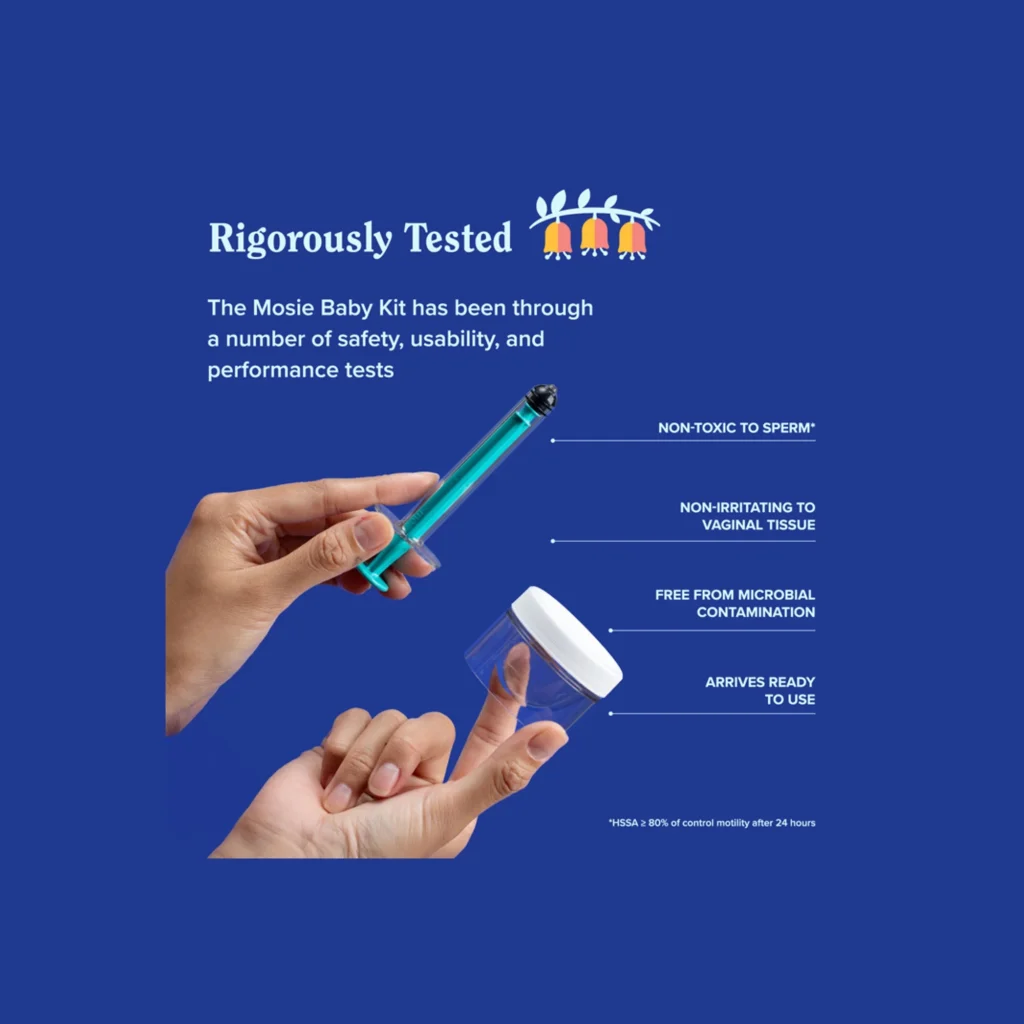
    Mosie Baby Kit features a syringe and container, highlighting safety and usability tests on a blue background.

    Syringe Method for Fertility: How It Works and Why It's Effective

    4. Insert the syringe: Using gentle pressure, the syringe is inserted into the vagina and guided towards the cervix. Once the tip of the syringe reaches the cervix, the plunger is slowly pressed to release the sperm.

    5. Stay in position: After the sperm is deposited, the woman should stay in the same position for 15-20 minutes to allow the sperm to travel towards the uterus and increase the chances of fertilization.

    Why is the Syringe Method Effective?

    The syringe method has proven to be an effective option for couples trying to conceive. Here are some of the reasons why this technique has gained popularity:

    1. Overcomes male infertility: The syringe method allows couples to bypass male infertility issues, such as low sperm count or poor sperm motility, by directly depositing semen into the cervix.

    2. Increases sperm concentration: By depositing the sperm directly into the cervix, the concentration of sperm in the reproductive tract is significantly higher compared to traditional sexual intercourse, increasing the chances of fertilization.

    3. Saves time and money: The syringe method is a simple and affordable option for couples who cannot afford expensive fertility treatments.

    4. Can be done at home: Unlike other assisted reproductive techniques, the syringe method can be performed in the comfort of one’s own home, making it a more convenient option for many couples.

    5. Reduces stress and pressure: For couples facing fertility struggles, sexual intercourse can become a stressful and pressured activity. The syringe method eliminates this pressure, allowing couples to relax and enjoy the process.

    Summary:

    The syringe method for fertility is a simple yet effective technique that involves using a syringe to deposit sperm directly into the cervix. This method is often used by same-sex female couples, single women, or heterosexual couples facing male infertility issues. It is based on the principle of intrauterine insemination and has proven to be an accessible, affordable, and convenient option for couples trying to conceive. By bypassing male infertility issues and increasing sperm concentration, the syringe method has become a popular choice among couples struggling with fertility.

  • Syringe Method for Fertility: What You Need to Know Before Trying It

    Blog Post Title: Syringe Method for Fertility: What You Need to Know Before Trying It

    Introduction:
    Fertility is a topic that is often surrounded by myths, misconceptions, and unproven methods. Couples struggling to conceive may feel overwhelmed and desperate to try anything that promises to increase their chances of having a baby. One such method that has gained popularity in recent years is the syringe method for fertility. This method involves using a syringe to deposit sperm directly into the cervix, bypassing the natural route of intercourse. In this blog post, we will discuss what the syringe method is, how it works, its potential benefits and risks, and what you need to know before trying it.

    What is the Syringe Method for Fertility?
    The syringe method for fertility, also known as the cervical cap insemination, is a technique where sperm is collected into a syringe and then inserted into the cervix. This method is often used by couples who have difficulty conceiving due to issues such as low sperm count, cervical mucus problems, or unexplained infertility. It can also be used by single women or same-sex couples who want to conceive without having intercourse.

    How Does it Work?
    The syringe method involves collecting semen into a sterile syringe and then inserting it into the cervix through the vaginal opening. The sperm is then released near the cervix, increasing the chances of fertilization. This method can be performed at home or in a fertility clinic with the help of a medical professional.

    sperm-ready insemination kit with a syringe and container, featuring a screw top lid and non-tip safety wall

    Syringe Method for Fertility: What You Need to Know Before Trying It

    Potential Benefits of the Syringe Method:
    One of the main benefits of the syringe method is that it increases the chances of sperm reaching the cervix, which can be especially helpful for couples with fertility issues. This method also allows for sperm to be deposited closer to the cervix, bypassing any potential obstacles such as low sperm count or poor quality cervical mucus. Additionally, this method can be used at home, eliminating the need for frequent visits to a fertility clinic.

    Risks and Considerations:
    While the syringe method may seem like a simple and effective solution for couples struggling with fertility, there are some risks and considerations to keep in mind. First and foremost, it is essential to ensure that the syringe and sperm are collected and used in a sterile environment to avoid any potential infections. It is also crucial to use a syringe with a rounded tip to avoid damaging the cervix. Furthermore, this method does not guarantee pregnancy and may not be suitable for everyone, so it is essential to consult with a fertility specialist before trying it.

    What You Need to Know Before Trying the Syringe Method:
    Before trying the syringe method, it is crucial to understand that it is not a replacement for medical fertility treatments. It is best used as a complementary method to increase the chances of conception. It is also essential to have a basic understanding of the female reproductive system and the timing of ovulation to increase the chances of success. Additionally, using a fertility-friendly lubricant is recommended to create a favorable environment for sperm to reach the cervix. Finally, it is important to have realistic expectations and not get discouraged if pregnancy does not occur immediately.

    Conclusion:
    The syringe method for fertility can be a viable option for couples struggling to conceive, but it is not a guaranteed solution. It is important to consult with a medical professional and understand the potential risks and considerations before trying this method. While it may increase the chances of pregnancy, it should not be seen as a replacement for medical treatments. With proper knowledge, preparation, and guidance, the syringe method can be a helpful tool for couples on their journey to parenthood.

    In summary, the syringe method for fertility is a technique where sperm is collected into a syringe and deposited into the cervix, increasing the chances of fertilization. It can be useful for couples with fertility issues, but it is not a replacement for medical treatments. Before trying this method, it is crucial to understand the potential benefits and risks, have a basic understanding of the female reproductive system, and consult with a medical professional. With proper precautions and realistic expectations, the syringe method can be a valuable tool for couples trying to conceive.

  • The Syringe Method for Fertility: Success Stories from Real Couples

    Blog Post Title: The Syringe Method for Fertility: Success Stories from Real Couples

    Parenthood is a beautiful journey that many couples dream of embarking on. However, for some, the road to parenthood can be a difficult one filled with challenges and obstacles. Infertility affects approximately 1 in 8 couples worldwide, making it a common struggle for many. Fortunately, advancements in medical technology and fertility treatments have provided hope for couples facing infertility. One such treatment gaining popularity is the Syringe Method for fertility, a cost-effective and less invasive option. In this blog post, we will explore the Syringe Method and share success stories from real couples who have used this method to achieve their dream of parenthood.

    The Syringe Method, also known as the “at-home insemination” or “turkey baster” method, is a form of assisted reproductive technology (ART) that involves using a syringe to deposit sperm into the vagina. This method is often used by same-sex female couples or heterosexual couples with male partners who have fertility issues. It is a simple and painless procedure that can be performed in the comfort of one’s home.

    So, how does the Syringe Method work? The process begins with the collection of sperm from a donor or the male partner. The sperm is then placed into a sterile syringe and inserted into the vagina near the cervix. The goal is to deposit the sperm as close to the cervix as possible to increase the chances of fertilization. The woman can then lie down for 10-15 minutes to allow the sperm to reach the cervix and increase the chances of conception.

    One of the main advantages of the Syringe Method is its affordability. Fertility treatments can be expensive, and many couples may not have the financial means to pursue them. The Syringe Method eliminates the need for costly procedures and allows couples to try to conceive at home. This method also eliminates the need for frequent visits to a fertility clinic, making it a more convenient option for couples who have busy schedules.

    Informative card introducing the Mosie Baby Kit and its mission for at-home insemination.

    The Syringe Method for Fertility: Success Stories from Real Couples

    Now, let’s take a look at some success stories from real couples who have used the Syringe Method for fertility.

    Samantha and Amanda have been together for five years and have always dreamed of starting a family. As a same-sex couple, they knew their journey to parenthood would not be easy. After researching various fertility options, they decided to try the Syringe Method. They found a donor through a sperm bank and followed the instructions carefully. To their delight, Samantha became pregnant after just two attempts. “We were thrilled to find a cost-effective and less invasive option that allowed us to try for a baby in the comfort of our own home. Thanks to the Syringe Method, we are now proud parents of a beautiful baby girl,” shared Amanda.

    Mark and Sarah had been trying to conceive for over two years with no success. After multiple failed attempts at in vitro fertilization (IVF), they were feeling discouraged and exhausted both emotionally and financially. A friend recommended they try the Syringe Method, and they decided to give it a try. To their surprise, Sarah became pregnant after just one attempt. “We were amazed and overjoyed when we saw the positive pregnancy test. The Syringe Method was a game-changer for us. It was affordable and much less invasive than other fertility treatments we had tried. We are now proud parents of a healthy baby boy,” said Mark.

    The Syringe Method has also been successful for couples with male partners who have fertility issues. Rachel and Chris had been trying to conceive for over a year with no luck. After several tests, they found out that Chris had a low sperm count. They were devastated and worried that they would never be able to have a biological child. After researching alternative options, they came across the Syringe Method and decided to give it a try. To their surprise, Rachel became pregnant after just three attempts. “We couldn’t believe it when we found out we were expecting. We were told that our chances of conceiving naturally were very low, but the Syringe Method proved us wrong. We are now proud parents of a beautiful baby girl,” shared Rachel.

    While the Syringe Method has shown promising results for many couples, it is important to note that it may not work for everyone. Factors such as age, overall health, and underlying fertility issues can affect the success rates of this method. It is always best to consult with a fertility specialist to determine the best course of action for individual circumstances.

    In conclusion, the Syringe Method for fertility has provided hope for many couples facing infertility. Its affordability and convenience make it an attractive option for those seeking alternatives to traditional fertility treatments. The success stories of real couples who have used this method are a testament to its effectiveness. While it may not work for everyone, it has proven to be a viable option for many on their journey to parenthood.

  • Fertility Boosting Foods to Complement the Syringe Method

    Blog Post: Fertility Boosting Foods to Complement the Syringe Method

    Are you and your partner trying to conceive? Are you looking for natural ways to boost your fertility? While there are many medical interventions available, there are also natural methods that can help improve your chances of getting pregnant. One such method is the syringe method, which involves using a syringe to inseminate the sperm directly into the cervix. But did you know that there are also certain foods that can complement this method and increase your fertility? In this blog post, we will discuss some fertility boosting foods that can work hand in hand with the syringe method to help you on your journey to parenthood.

    1. Leafy Greens

    Leafy greens such as spinach, kale, and collard greens are packed with essential vitamins and minerals that are beneficial for fertility. They are rich in folate, which is important for reproductive health and can help prevent birth defects. Leafy greens also contain iron, which helps with the production of healthy eggs and can improve ovulation. Incorporating a variety of leafy greens into your diet can provide a great boost to your fertility.

    2. Avocados

    Avocados are not only delicious but also a great source of healthy fats and vitamin E. Vitamin E is known for its antioxidant properties, which can help protect the eggs from damage and improve their quality. Healthy fats are also crucial for hormone production and regulation, which is essential for fertility. Adding avocados to your daily meals can not only boost your fertility but also provide other health benefits.

    3. Whole Grains

    Whole grains such as quinoa, brown rice, and oats are rich in fiber and important nutrients such as selenium, iron, and zinc. These nutrients are known to improve fertility in both men and women. Selenium, for example, can help with sperm production and motility, while iron and zinc are crucial for a healthy reproductive system in women. Switching to whole grains instead of refined grains can make a significant difference in your fertility journey.

    4. Berries

    Berries such as strawberries, blueberries, and raspberries are not only delicious but also packed with antioxidants and vitamins that can benefit fertility. Antioxidants help fight against free radicals that can damage the eggs and sperm. Berries are also rich in vitamin C, which can help improve sperm quality in men. Including a variety of berries in your diet can be a great addition to your fertility-boosting journey.

    5. Nuts and Seeds

    Nuts and seeds are excellent sources of healthy fats, protein, and important nutrients such as selenium and zinc. Walnuts, in particular, are rich in omega-3 fatty acids, which can help regulate hormones and improve fertility in both men and women. Pumpkin seeds are also high in zinc, which is crucial for sperm production. Adding a handful of nuts and seeds to your daily snacks can provide a boost to your fertility.

    Baby with blue eyes wearing a light blue onesie that says "made with Love" on a soft white background.

    Fertility Boosting Foods to Complement the Syringe Method

    6. Fatty Fish

    Fatty fish such as salmon, sardines, and mackerel are excellent sources of omega-3 fatty acids and vitamin D. Omega-3 fatty acids can help regulate hormones and improve egg quality, while vitamin D is crucial for male and female reproductive health. If you’re not a fan of fish, you can also get your dose of omega-3s and vitamin D from fish oil supplements.

    7. Beans and Legumes

    Beans and legumes such as lentils, chickpeas, and black beans are excellent sources of plant-based protein and fiber. They also contain important nutrients such as folate, iron, and zinc, which can help improve fertility. Folate is essential for healthy ovulation and can also reduce the risk of birth defects. Iron and zinc are also crucial for a healthy reproductive system in women and sperm production in men.

    8. Citrus Fruits

    Citrus fruits such as oranges, grapefruits, and lemons are rich in vitamin C, which can help improve sperm quality and boost fertility. They are also high in folate, which is essential for reproductive health and can help prevent birth defects. Incorporating citrus fruits into your diet can provide a great boost to your fertility.

    9. Dark Chocolate

    Who said you can’t indulge in some chocolate while trying to boost your fertility? Dark chocolate is rich in antioxidants and can help improve blood flow to the reproductive organs. It also contains a compound called L-arginine, which can improve sperm quality and motility. Just make sure to choose dark chocolate with at least 70% cocoa to reap the benefits.

    10. Water

    Last but definitely not least, water is essential for overall health and fertility. It helps with the production of cervical mucus, which is important for sperm survival and transportation. Staying hydrated can also improve egg quality and increase the chances of conception. Make sure to drink at least 8-10 glasses of water a day to keep your body and reproductive system healthy.

    In conclusion, while the syringe method can be an effective way to increase your chances of getting pregnant, it is also important to focus on your diet and nutrition. Incorporating these fertility-boosting foods into your daily meals can complement the syringe method and improve your chances of conceiving. Remember to make healthy and balanced food choices, exercise regularly, and reduce stress to give yourself the best chance at fertility success.

    Summary:

    In this blog post, we discussed 10 fertility boosting foods that can complement the syringe method and improve your chances of conceiving. These foods include leafy greens, avocados, whole grains, berries, nuts and seeds, fatty fish, beans and legumes, citrus fruits, dark chocolate, and water. These foods are rich in essential nutrients such as folate, iron, zinc, and antioxidants, which are crucial for reproductive health and can help improve egg and sperm quality. By incorporating these foods into your diet, you can provide a great boost to your fertility journey.

  • Breaking the Stigma: The Truth About the Syringe Method for Fertility Support

    Blog Post Title: Breaking the Stigma: The Truth About the Syringe Method for Fertility Support

    Summary:

    Infertility affects millions of couples worldwide, yet it is still surrounded by stigma and shame. The traditional methods of fertility support, such as in vitro fertilization (IVF) and intrauterine insemination (IUI), can be expensive and emotionally taxing. However, there is a lesser-known method that has been gaining popularity in recent years – the syringe method.

    The syringe method, also known as “at-home insemination,” involves using a sterile syringe to deposit sperm into the vagina, bypassing the cervix and increasing the chances of fertilization. While it may sound unconventional and even intimidating, the truth is that the syringe method has helped numerous couples achieve their dream of parenthood.

    One of the main reasons why the syringe method is gaining traction is its affordability. IVF and IUI can cost thousands of dollars, making it out of reach for many couples. On the other hand, the syringe method can be done at home, eliminating the need for expensive medical procedures. It also allows couples to have more control over the process, making it a more intimate and personal experience.

    Smiling baby in a blue onesie with "made with Love" text, lying on a light blue crocheted blanket.

    Breaking the Stigma: The Truth About the Syringe Method for Fertility Support

    Another benefit of the syringe method is its convenience. Unlike IVF and IUI, which require multiple visits to a fertility clinic, the syringe method can be done in the comfort of one’s own home. This is especially helpful for couples who live in remote areas or have busy schedules that make it challenging to make regular trips to a clinic.

    Moreover, the syringe method can be used by same-sex couples and single individuals who wish to start a family. It eliminates the need for a male partner or donor, making it a more inclusive option for those who want to conceive.

    But the most significant advantage of the syringe method is that it breaks the stigma surrounding infertility. Many couples feel ashamed and embarrassed about their struggles with fertility and often keep it a secret. However, with the syringe method, couples can maintain their privacy and take control of their journey to parenthood.

    Despite its many benefits, the syringe method is not without its challenges. It requires proper education and preparation, as well as a good understanding of ovulation and fertility. Couples may also face legal and ethical issues, especially if they use a donor other than their partner.

    To ensure the success of the syringe method, it is crucial to seek guidance from a fertility specialist or a reproductive endocrinologist. They can provide essential information on ovulation tracking, sperm quality, and other factors that can affect the success rate of the syringe method.

    In conclusion, the syringe method is a viable and affordable option for couples struggling with fertility. It offers a more intimate and convenient alternative to traditional methods, breaks the stigma surrounding infertility, and provides hope for those who want to start a family. With proper education and guidance, the syringe method can be a game-changer for many couples on their journey to parenthood.