Tag: fertility

  • At-Home Conception and Traditional Gender Roles: Challenging Stereotypes

    At-Home Conception and Traditional Gender Roles: Challenging Stereotypes

    The concept of at-home conception, or the process of conceiving a child without medical intervention, has been practiced by various cultures for centuries. However, in modern times, it has become associated with traditional gender roles and stereotypes. The idea of the man being the breadwinner and the woman being the homemaker has led to the assumption that at-home conception is solely the responsibility of the woman. This has created a dichotomy between men and women in terms of fertility and family planning, perpetuating harmful stereotypes and limiting the options available to couples.

    In this blog post, we will delve into the societal expectations and gender roles surrounding at-home conception, and how they can be challenged to promote gender equality and empowerment.

    Traditional Gender Roles and At-Home Conception

    Traditional gender roles have long been ingrained in society, with men being seen as the providers and women as the caregivers. This mindset has also extended to the realm of family planning and fertility, where at-home conception is often seen as the domain of women. This can be attributed to the assumption that women are more nurturing and have a natural instinct for childbearing, while men are more focused on their careers.

    This stereotype not only limits the potential involvement of men in the conception process but also places the burden of responsibility solely on women. This can be emotionally and physically taxing, as well as financially straining, for women who are trying to conceive at home. It also perpetuates the idea that women are solely responsible for the success or failure of conception, creating unnecessary pressure and guilt.

    Challenging Traditional Gender Roles

    It is essential to challenge these traditional gender roles to create a more equal and empowered society. The first step in doing so is to recognize that fertility and family planning are not solely a woman’s responsibility. Men also play a crucial role in the process, and their involvement should be encouraged and supported.

    Mosie Baby At-Home Insemination Kit instructions and storage guidelines on a blue background.

    At-Home Conception and Traditional Gender Roles: Challenging Stereotypes

    One way to challenge traditional gender roles is by openly discussing at-home conception and fertility with both men and women. This can help break the stigma and open up the conversation about the roles of men and women in the process. Men should be educated about their reproductive health and how they can actively participate in at-home conception. This can include tracking ovulation, taking supplements, and making lifestyle changes to improve sperm health.

    Moreover, couples should be encouraged to make decisions together and support each other in the process. This can help create a more equal partnership and reduce the burden on women. It is also crucial to address any biases or preconceived notions about gender roles and fertility within a relationship. Open and honest communication is key to challenging traditional gender roles and building a strong and equal foundation in a relationship.

    Benefits of Challenging Gender Roles in At-Home Conception

    Challenging traditional gender roles in at-home conception can bring about several benefits for both men and women. For women, it can reduce the stress and pressure of being solely responsible for conception. It can also create a more supportive and equal partnership with their significant other.

    For men, it can help break the stigma surrounding male fertility and encourage them to be more involved in the process. It can also promote a deeper understanding of their partner’s experiences and struggles with fertility, leading to a stronger and more empathetic relationship.

    Challenging traditional gender roles in at-home conception can also have a positive impact on society as a whole. It can promote gender equality and empowerment, breaking down harmful stereotypes and promoting a more inclusive and diverse society.

    In conclusion, at-home conception should not be limited to traditional gender roles and stereotypes. It is a process that involves both men and women, and their roles should be recognized and supported equally. By challenging these stereotypes and promoting open and honest communication between partners, we can create a more equal and empowered society where at-home conception is seen as a shared responsibility rather than a burden on women.

    SEO metadata:

  • At-Home Conception and Your Ovulation Cycle: Understanding Your Body

    At-Home Conception and Your Ovulation Cycle: Understanding Your Body

    Conceiving a child is a big decision and for many, it can be a journey filled with excitement, anticipation, and uncertainty. While some couples are able to conceive quickly and easily, others may face challenges and need to explore various methods and options. One important factor to consider when trying to conceive is a woman’s ovulation cycle. Understanding your body and how it works can greatly increase your chances of successful at-home conception. In this blog post, we will delve into the topic of at-home conception and your ovulation cycle, and provide you with valuable insights to help you on your journey towards parenthood.

    What is Ovulation?

    Before we dive into the connection between ovulation and at-home conception, it is important to understand what exactly ovulation is. Ovulation is the process where a mature egg is released from the ovary and travels down the fallopian tube, ready to be fertilized by a sperm. This usually occurs once a month, around day 14 of a woman’s menstrual cycle. However, every woman’s body is different and ovulation can occur earlier or later in the cycle, depending on the length of her menstrual cycle.

    Tracking Your Ovulation

    Tracking your ovulation is crucial when trying to conceive. There are several methods that can help you determine when you are ovulating. One method is monitoring changes in your cervical mucus. As your body prepares for ovulation, your cervical mucus becomes thin, clear, and slippery, resembling the consistency of egg whites. This is a sign that you are in your fertile window and it is the perfect time to try to conceive.

    Another method is tracking your basal body temperature (BBT). Your BBT is your body’s lowest resting temperature and it rises by a few degrees after ovulation. By tracking your BBT every morning before getting out of bed, you can identify when you have ovulated and plan accordingly.

    Using ovulation predictor kits (OPKs) is also a popular method for tracking ovulation. These kits detect the levels of luteinizing hormone (LH) in your urine, which surges just before ovulation occurs. When the test shows a positive result, it means that ovulation is likely to happen within the next 24-48 hours.

    Colorful promotional image for Mosie Baby, featuring home insemination kit and encouraging text.

    At-Home Conception and Your Ovulation Cycle: Understanding Your Body

    At-Home Conception Methods

    Once you have identified your fertile window, there are various at-home conception methods that you can try. The most common method is timed intercourse, where you have sex during your fertile window in hopes of conceiving. It is important to note that sperm can survive inside the female reproductive tract for up to five days, so it is beneficial to have sex a few days prior to ovulation as well.

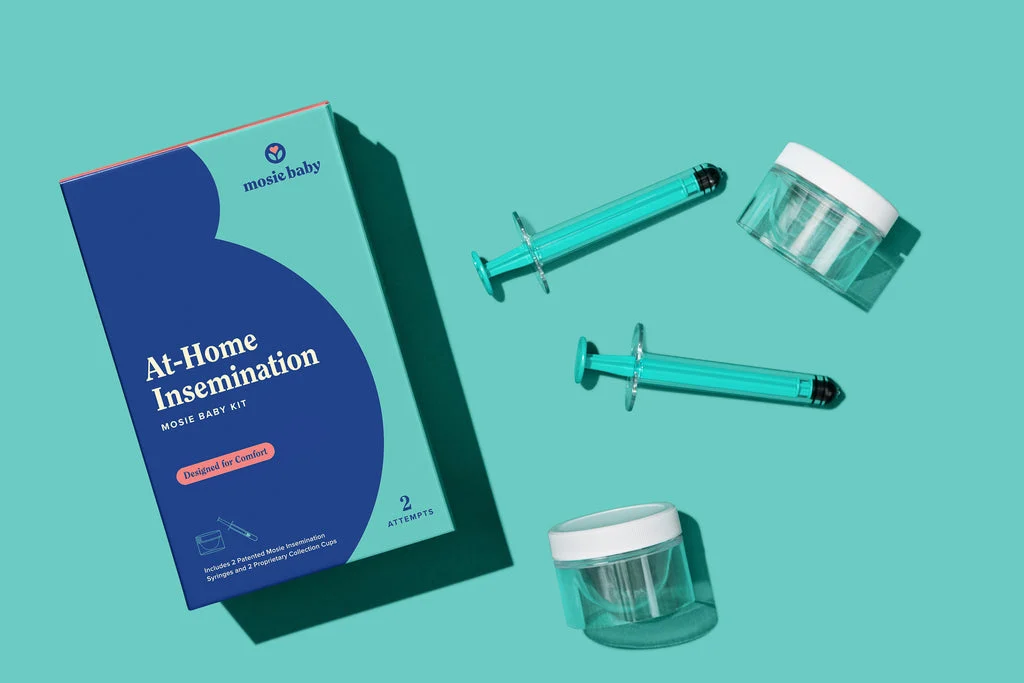
    Another popular method is intrauterine insemination (IUI) where sperm is directly inserted into the uterus during ovulation. This method can be done at home with the help of a special syringe or cup.

    There are also natural methods such as improving your diet, reducing stress, and taking certain supplements that can increase your chances of conception. However, it is important to consult with your doctor before trying any new supplements or making significant changes to your diet.

    Challenges and Considerations

    While at-home conception methods can be convenient and less expensive than seeking medical assistance, it is important to understand that it may not work for everyone. Factors such as age, underlying health conditions, and previous medical history can affect a woman’s fertility. If you have been trying to conceive for over a year (or six months if you are over 35), it is recommended to seek medical help to determine any underlying issues.

    It is also crucial to consider the emotional impact of trying to conceive. The journey can be stressful and overwhelming, especially for those who have been trying for a long time. It is important to communicate openly with your partner, seek support from loved ones, and practice self-care during this time.

    In Summary

    Understanding your body and your ovulation cycle is key when trying to conceive at home. Tracking your ovulation through methods such as monitoring your cervical mucus, tracking your BBT, and using OPKs can greatly increase your chances of successful conception. It is also important to explore different at-home conception methods and consider any challenges or underlying issues that may affect your fertility. Remember to take care of your emotional well-being during this journey and seek medical assistance if needed.

  • At-Home Conception and the Role of Technology: From Apps to Devices

    Blog Post: At-Home Conception and the Role of Technology: From Apps to Devices

    The journey to conception can be an emotional and challenging experience for many individuals and couples. With the advancements in technology, there are now a plethora of tools and resources available to assist in the process of at-home conception. From fertility tracking apps to conception devices, technology has made it easier for individuals to take control of their reproductive health and increase their chances of conceiving. In this blog post, we will explore the different ways in which technology is playing a crucial role in at-home conception and how it is revolutionizing the way we approach fertility.

    Fertility Tracking Apps
    One of the most popular and convenient ways to track and monitor one’s fertility is through the use of fertility tracking apps. These apps use data such as menstrual cycle length, basal body temperature, and cervical mucus consistency to predict ovulation and fertile days. They also allow users to log their daily symptoms, medications, and other relevant information. With the help of these apps, individuals can gain a better understanding of their fertility patterns and identify any potential issues that may be affecting their chances of conceiving.

    Some popular fertility tracking apps include Clue, Flo, and Glow. These apps not only track fertility but also provide educational resources, community support, and personalized insights based on the user’s data. They also offer features like period and ovulation reminders, pregnancy tracking, and partner syncing, making them a comprehensive tool for individuals or couples trying to conceive.

    Conception Devices
    Apart from tracking fertility, technology has also introduced various at-home conception devices that can aid in the process of getting pregnant. These devices aim to mimic natural methods of conception and provide a more controlled and efficient environment for sperm and egg to meet. One such device is the Ava bracelet, which tracks physiological changes in the body to predict the most fertile days. It also monitors sleep, stress, and other factors that can affect fertility.

    Another popular device is the Stork OTC, a cervical cap that is used to collect sperm and deliver it close to the cervix, increasing the chances of conception. It can be used in the comfort of one’s home and does not require any medical assistance. The YO Home Sperm Test is another at-home device that allows men to test their sperm count and motility, providing valuable information about their fertility.

    blue box with "mosie" logo, syringes, and informational pamphlet on a pink background

    At-Home Conception and the Role of Technology: From Apps to Devices

    Telemedicine and Virtual Consultations
    With the rise of telemedicine and virtual consultations, individuals can now seek expert advice and assistance regarding their fertility from the comfort of their homes. This is particularly beneficial for those who live in remote areas or have a busy schedule. Many fertility clinics now offer virtual consultations and even prescribe medication or fertility treatments remotely. This has made it easier for individuals to access fertility care and get personalized treatment plans without having to physically visit a clinic.

    In addition to virtual consultations, telemedicine has also made it possible for individuals to purchase fertility medications online and have them delivered to their doorstep. This not only saves time but also eliminates the need for frequent visits to the pharmacy.

    Genetic Testing
    Another way technology is aiding in at-home conception is through genetic testing. Genetic testing can identify any potential genetic disorders or chromosomal abnormalities that may affect the chances of conception or the health of the baby. With advancements in technology, genetic testing has become more accessible and affordable, allowing individuals to take control of their reproductive health and make informed decisions about their family planning.

    DNA testing kits, such as 23andMe and AncestryDNA, also provide information about potential genetic risks and can help individuals make more informed choices about their fertility journey. These tests can also identify any genetic factors that may affect the success of certain fertility treatments, making them a valuable tool in at-home conception.

    Challenges and Limitations
    While technology has made significant strides in aiding at-home conception, there are still some challenges and limitations that need to be addressed. One of the most significant challenges is the lack of regulation and oversight for fertility tracking apps and devices. As these tools become more popular, it is crucial to ensure that they are accurate, reliable, and backed by scientific research.

    It is also important to note that technology cannot replace medical expertise, and it is always advisable to seek professional help if one is struggling with fertility. Additionally, the cost of some at-home fertility devices and treatments may be a barrier for some individuals, limiting their access to these resources.

    In summary, technology has played a significant role in revolutionizing at-home conception. Fertility tracking apps, conception devices, telemedicine, genetic testing, and other technological advancements have made it easier for individuals to track their fertility, seek expert advice, and make informed decisions about their reproductive health. While there are still challenges and limitations, the future looks promising for those embarking on the journey of at-home conception.

  • At-Home Conception and Adoption: Considering All Paths to Parenthood

    Summary:

    Parenthood is a cherished dream for many individuals and couples. However, the journey to becoming a parent can be complex and challenging, especially for those who are unable to conceive naturally. In recent years, there has been a growing interest in at-home conception and adoption as alternative paths to parenthood. These options offer a range of choices for individuals and couples to welcome a child into their family.

    At-home conception involves using assisted reproductive technology, such as intrauterine insemination (IUI) and in vitro fertilization (IVF), in the comfort and privacy of one’s own home. This option allows individuals and couples to have more control over the conception process and can be particularly beneficial for those who have fertility challenges or who are part of the LGBTQ+ community. It also offers a more affordable alternative to clinic-based procedures and allows for a more intimate and personal experience.

    Adoption, on the other hand, involves legally welcoming a child into one’s family who is not biologically related. While traditional adoption typically involves working with an adoption agency, at-home adoption allows for a more direct and independent process. This option is often favored by those who are seeking to adopt a newborn or infant, as well as those who want more control over the selection process and the ability to form a direct relationship with the birth parents.

    One of the main factors that drive individuals and couples to consider at-home conception and adoption is the desire to have more control over the process. For some, it may be the need for privacy and intimacy, while for others, it may be the desire to have a more active role in selecting the donor or birth parents. Additionally, these options offer an alternative for those who are unable to conceive or adopt through traditional means, such as same-sex couples or single individuals.

    Colorful promotional image for Mosie Baby, featuring home insemination kit and encouraging text.

    At-Home Conception and Adoption: Considering All Paths to Parenthood

    At-home conception and adoption also offer a more affordable option for those who are concerned about the high costs associated with fertility treatments or traditional adoption. While these alternative paths still involve financial investments, individuals and couples have more flexibility in choosing the specific procedures and services they require, allowing them to manage their budget more effectively.

    Another benefit of at-home conception and adoption is the ability to have a more intimate and personal experience. These options allow individuals and couples to create a more meaningful and direct relationship with the donor or birth parents, which can be particularly important for those who want to have a more involved role in their child’s life. It also offers the opportunity to involve family and friends in the process, creating a sense of community and support.

    However, it is important to note that at-home conception and adoption also come with their own set of challenges and considerations. For at-home conception, there may be a lack of medical supervision and guidance, which can increase the risk of complications. It is essential to thoroughly research and consult with medical professionals to ensure the safety and success of the process.

    For at-home adoption, there is a potential for the birth parents to change their minds, which can be emotionally and financially devastating for the adoptive parents. It is crucial to work with a lawyer and follow legal procedures to ensure a smooth and secure adoption process.

    In addition, at-home conception and adoption may not be suitable for everyone. It is essential to carefully consider one’s physical, emotional, and financial readiness before embarking on these paths to parenthood. Seeking support and guidance from professionals and connecting with others who have gone through similar experiences can also be beneficial.

    In conclusion, at-home conception and adoption provide viable options for individuals and couples seeking to become parents. They offer more control, affordability, and personalization in the process, making it a popular choice for many. However, it is crucial to thoroughly research, consult with professionals, and consider all factors before making a decision. Ultimately, the most important aspect is the love and commitment to creating a happy and loving family, regardless of the path chosen.

  • At-Home Conception and Surrogacy: Exploring Options for Parenthood

    Blog Post: At-Home Conception and Surrogacy: Exploring Options for Parenthood

    Parenthood is a deeply personal and fulfilling journey for many individuals and couples. However, for some, the traditional route of conceiving a child through sexual intercourse may not be an option. This can be due to a variety of reasons, such as infertility, same-sex partnerships, or being single and wanting to have a biological child. In these situations, at-home conception and surrogacy are two options that can help individuals and couples achieve their dream of becoming parents. In this blog post, we will explore these two options in detail and discuss how they can provide a path to parenthood.

    At-Home Conception

    At-home conception, also known as self-insemination, is the process of using donor sperm to conceive a child through sexual intercourse. This can be done in the comfort of one’s own home, without the need for medical intervention. This method is particularly popular among single women and same-sex female couples.

    The process of at-home conception involves obtaining donor sperm from a sperm bank or a known donor, such as a friend or family member. The donor sperm is then inserted into the vagina using a syringe or a soft cup during the woman’s ovulation period. This process is similar to how sperm is deposited during sexual intercourse, except it is done manually.

    One of the main advantages of at-home conception is that it allows individuals and couples to have a biological child without the need for expensive fertility treatments. It also gives them control over the process and allows them to choose a donor based on their specific preferences, such as physical characteristics and medical history. Additionally, at-home conception can be a more intimate and natural experience for some individuals and couples, as compared to medical procedures.

    However, there are also some drawbacks to at-home conception. One of the main concerns is the lack of medical screening and testing for the donor sperm. This can increase the risk of genetic disorders or infections being passed on to the child. It is important to thoroughly research and screen any potential donors to minimize these risks.

    At-home insemination kit with syringes and collection cups on a teal background.

    At-Home Conception and Surrogacy: Exploring Options for Parenthood

    Surrogacy

    Surrogacy is another option for individuals and couples who are unable to conceive a child on their own. It is a legal arrangement where a woman carries a pregnancy and gives birth to a child for another individual or couple. There are two types of surrogacy – traditional and gestational.

    In traditional surrogacy, the surrogate’s own egg is fertilized with the intended father’s sperm through artificial insemination. This means that the surrogate is genetically related to the child she carries. On the other hand, gestational surrogacy involves the use of IVF (in vitro fertilization) to implant an embryo created with the intended parents’ or donors’ genetic material into the surrogate’s uterus. This means that the surrogate has no genetic connection to the child.

    Surrogacy can be a highly complex and emotional process for all parties involved. It requires extensive legal agreements and medical procedures, making it a more expensive option compared to at-home conception. However, it also provides individuals and couples with the opportunity to have a child who is genetically related to them. Surrogacy also allows individuals and couples to experience pregnancy and childbirth, which may not be possible otherwise.

    Similar to at-home conception, surrogacy also has its share of ethical and legal concerns. There have been cases of exploitation of surrogates, as well as legal battles over custody and parental rights. It is crucial for all parties involved to thoroughly understand and agree upon all terms and conditions before embarking on a surrogacy journey.

    Final Thoughts

    At-home conception and surrogacy are two options that can help individuals and couples achieve their dream of having a child. Both have their own set of advantages and challenges, and it is essential to carefully consider all factors before making a decision. It is also crucial to seek professional guidance and support throughout the process to ensure a smooth and successful journey to parenthood.

    In conclusion, while traditional methods of conception may not be an option for some individuals and couples, at-home conception and surrogacy provide alternative paths to parenthood. With careful consideration, research, and support, these options can help individuals and couples build the family they have always dreamed of.

  • At-Home Conception and Sperm Donors: What You Need to Know

    At-Home Conception and Sperm Donors: What You Need to Know

    In recent years, there has been a significant increase in the number of individuals and couples turning to at-home conception methods and sperm donors to start or expand their families. This trend is driven by a variety of factors, including the rising cost of fertility treatments and the growing acceptance of non-traditional family structures. However, before embarking on this journey, it is essential to have a thorough understanding of the process, including the legal, ethical, and medical implications. In this blog post, we will discuss everything you need to know about at-home conception and sperm donors.

    What is At-Home Conception?

    At-home conception refers to the process of conceiving a child without the assistance of a medical professional. This can include methods such as self-insemination, which involves using a syringe or cervical cap to introduce sperm into the vagina, or natural insemination, which involves having sex with a sperm donor. At-home conception may also involve the use of fertility tracking apps or kits to determine the most fertile days of a person’s cycle.

    What is a Sperm Donor?

    A sperm donor is an individual who provides their sperm for use in the fertilization of an egg to create a pregnancy. Sperm donors can be known or anonymous, with most at-home conception methods involving the use of known donors, such as a friend or family member. However, there are also sperm banks that provide anonymous donor sperm for use in at-home conception.

    Legal Implications of At-Home Conception and Sperm Donation

    Home insemination kit by Mosie Baby with instructions and colorful packaging.

    At-Home Conception and Sperm Donors: What You Need to Know

    One of the most critical aspects to consider before pursuing at-home conception and sperm donation is the legal implications. The laws surrounding at-home conception and sperm donation vary from state to state, and it is crucial to understand your rights and responsibilities as a donor or recipient. In most cases, the donor may have no legal rights or responsibilities to the child, and the recipient may also have no legal obligation to involve the donor in the child’s life. However, it is essential to consult with a lawyer to ensure that all parties involved understand and agree to the legal implications of the process.

    Ethical Considerations of At-Home Conception and Sperm Donation

    Another crucial aspect to consider is the ethical implications of at-home conception and sperm donation. It is essential to have open and honest communication with all parties involved, including the donor, recipient, and any potential children. It is also crucial to consider the potential emotional impact on all parties, especially the child, who may have questions about their genetic background and identity. Additionally, it is essential to respect the privacy and anonymity of anonymous donors and their families.

    Medical Precautions for At-Home Conception

    While at-home conception may seem like a simple and accessible method, it is essential to take necessary medical precautions to ensure the health and safety of all parties involved. This includes screening the donor for sexually transmitted infections and genetic diseases that could be passed on to the child. It is also recommended to consult with a doctor or fertility specialist to discuss any potential health risks or concerns.

    The Role of Communication and Planning

    Communication and planning play a crucial role in the success and well-being of all parties involved in at-home conception and sperm donation. It is essential to have open and honest communication about expectations, boundaries, and any potential challenges that may arise. It is also vital to have a plan in place for future scenarios, such as if the donor or recipient decides to pursue a legal relationship with the child.

    In conclusion, at-home conception and sperm donation can be a viable option for individuals and couples looking to start or expand their families. However, it is essential to have a thorough understanding of the legal, ethical, and medical implications and to have open and honest communication and planning with all parties involved. With proper precautions and considerations, at-home conception and sperm donation can be a positive and fulfilling experience for all involved.

  • The Role of the Partner in At-Home Conception: How to Support Each Other

    Blog Post:

    The process of trying to conceive a child can be both exciting and challenging for couples. While there are many factors that play a role in conception, such as age, health, and fertility, the support and involvement of both partners can greatly impact the journey. In this blog post, we will discuss the role of the partner in at-home conception and how they can support each other through this process.

    1. Understanding the Importance of Emotional Support

    Conception can be an emotional rollercoaster, and it’s essential for partners to understand the significance of emotional support during this time. Both partners may experience a range of emotions, from excitement to frustration and even disappointment. It’s crucial for partners to communicate openly and honestly with each other, creating a safe space to share their feelings without judgment.

    Partners can support each other by actively listening and being empathetic. This means acknowledging and validating each other’s emotions, even if they may not fully understand them. It’s also essential to be patient with each other and provide reassurance and comfort when needed.

    2. Creating a Healthy and Supportive Environment

    The environment in which a couple is trying to conceive can also play a significant role. It’s essential to create a healthy and supportive environment that promotes fertility. This includes maintaining a nutritious diet, regular exercise, and reducing stress levels.

    Partners can support each other by making healthy lifestyle choices together. This can include cooking healthy meals, exercising together, and finding ways to reduce stress, such as meditating or going for walks. It’s also crucial to avoid unhealthy habits like smoking and excessive alcohol consumption, as they can decrease fertility.

    3. Educating Each Other on Fertility and Reproduction

    Understanding the science behind conception can be beneficial for both partners. Learning about fertility and the reproductive system can help partners understand the process and potential challenges that may arise. It can also help them make informed decisions and take proactive steps to improve their chances of conceiving.

    Partners can support each other by learning about fertility and reproduction together. This can include reading books, attending seminars or workshops, or even consulting with a fertility specialist. By educating themselves, partners can feel more empowered and prepared for the journey ahead.

    logo of mosie baby featuring a heart and leaf design in blue, pink, and green colors

    The Role of the Partner in At-Home Conception: How to Support Each Other

    4. Being Involved in the Process

    While the physical aspect of conception may be primarily the responsibility of the female partner, it’s crucial for both partners to be involved in the process. This includes tracking ovulation, taking fertility supplements, and using at-home fertility kits. It’s also essential for partners to attend doctor appointments together and discuss any concerns or questions they may have.

    Partners can support each other by being actively involved in the process. This can include taking turns tracking ovulation and administering fertility treatments. Being involved can also help partners feel more connected and invested in the journey.

    5. Dealing with Challenges Together

    The road to conception may not always be smooth, and there may be challenges and setbacks along the way. It’s crucial for partners to face these challenges together and support each other through them. This can include dealing with infertility, miscarriage, or other health issues that may affect conception.

    Partners can support each other by being understanding, patient, and compassionate. It’s essential to communicate openly and find ways to cope with challenges together. Seeking professional help or joining support groups can also be beneficial for partners during difficult times.

    6. Celebrating Milestones and Successes

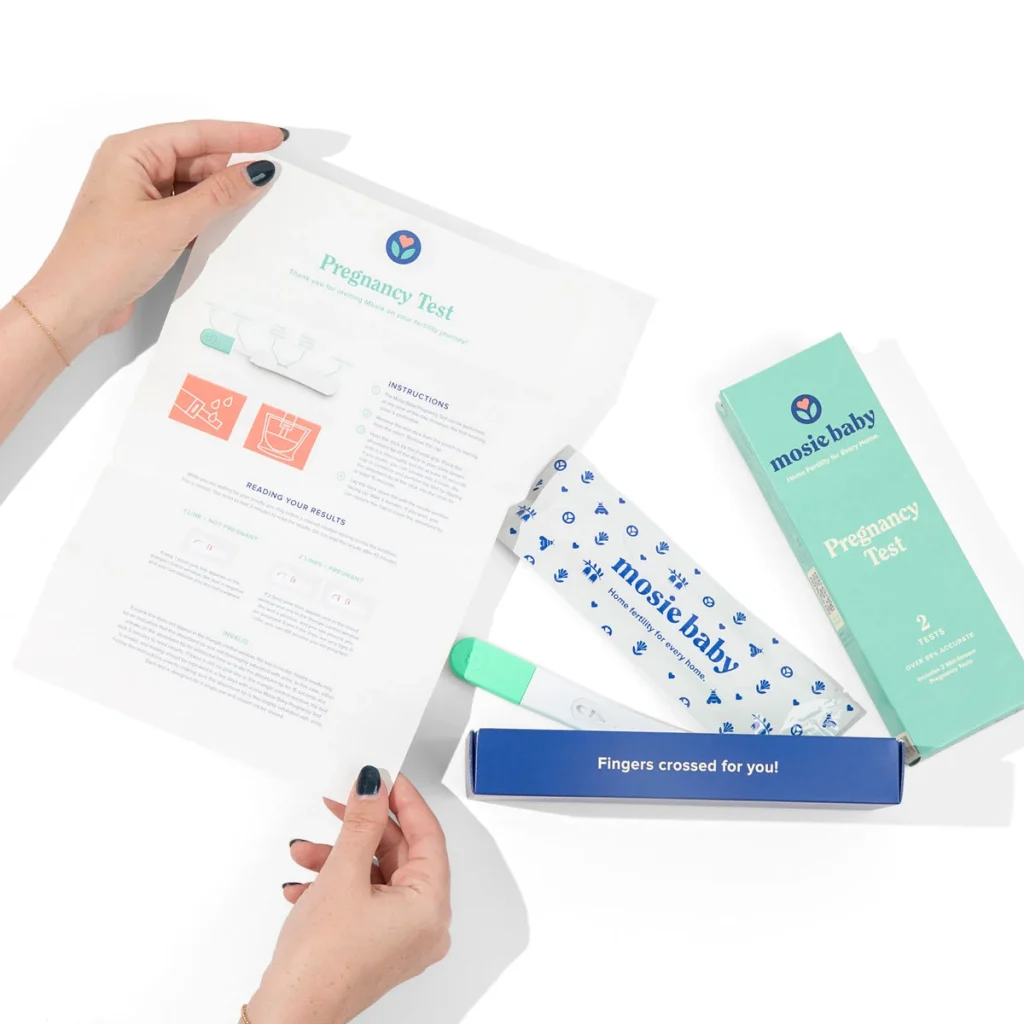
    Finally, it’s essential to celebrate both the small and big milestones and successes during the journey to conception. From tracking ovulation to a positive pregnancy test, these moments are important and should be celebrated as a couple.

    Partners can support each other by acknowledging and celebrating these milestones together. This can include planning special dates or activities, taking time to reflect on the journey, and expressing gratitude for each other’s support.

    In conclusion, the role of the partner in at-home conception is crucial and can greatly impact the journey. By understanding the importance of emotional support, creating a healthy and supportive environment, educating each other on fertility, being involved in the process, dealing with challenges together, and celebrating milestones, partners can support each other through this journey and strengthen their relationship in the process.

    Summary:

    In this blog post, we discussed the role of the partner in at-home conception and how they can support each other through this journey. We highlighted the importance of emotional support, creating a healthy environment, educating each other on fertility, being involved in the process, dealing with challenges together, and celebrating milestones. By understanding and implementing these strategies, partners can strengthen their relationship and increase their chances of conceiving.

  • At-Home Conception and Cultural Perspectives: Breaking Down Barriers

    At-Home Conception and Cultural Perspectives: Breaking Down Barriers

    The topic of fertility and family planning has always been a sensitive and complex issue, especially in different cultural contexts. In many societies, the concept of having children is deeply ingrained in social norms and expectations, and any deviation from the traditional path of conception can be met with skepticism or even disapproval. However, with the advancement of technology and the changing attitudes towards parenthood, at-home conception has become a viable option for many couples. In this blog post, we will explore the cultural perspectives surrounding at-home conception and how breaking down these barriers can lead to a more inclusive and informed approach to reproductive health.

    Understanding At-Home Conception

    At-home conception, also known as natural or home insemination, is the process of trying to conceive a child outside of a clinical setting. This method involves using a donor’s sperm, either from a known or anonymous source, and self-inseminating at home. While this may sound unconventional to some, at-home conception has become a popular choice for many couples and individuals, especially those from the LGBTQ+ community or those who struggle with infertility.

    Breaking Down Cultural Barriers

    In many cultures, the idea of at-home conception is met with resistance and stigma. This is due to various reasons, such as religious beliefs, societal expectations, and lack of education on the topic. In some cultures, the pressure to have children within a certain timeframe or through traditional means can be overwhelming, making at-home conception seem like a taboo or even a forbidden act. This can lead to couples and individuals feeling isolated and judged for their choices, which can have a negative impact on their mental health and well-being.

    However, by breaking down these cultural barriers, we can create a more inclusive and accepting environment for at-home conception. It is essential to challenge the traditional notions of parenthood and recognize that there is no one right way to build a family. By educating ourselves and others, we can promote a more open-minded and respectful attitude towards at-home conception.

    logo of mosie baby featuring a heart and leaf design in blue, pink, and green colors

    At-Home Conception and Cultural Perspectives: Breaking Down Barriers

    Challenging Misconceptions

    One of the biggest barriers to at-home conception is the lack of understanding and knowledge surrounding the process. Many misconceptions and myths surround this method, which can lead to fear and hesitation. For example, some people believe that at-home conception is not as effective as clinical insemination or that it is only for same-sex couples. However, the truth is that at-home conception has a high success rate, and it is a viable option for any individual or couple looking to start a family.

    Furthermore, it is crucial to address the misconception that at-home conception is not as safe or regulated as clinical insemination. While it is true that at-home conception is not subjected to the same strict regulations as clinical settings, there are still safety measures and guidelines in place to ensure the well-being of all parties involved. It is essential to consult with a healthcare professional and follow the recommended safety protocols when considering at-home conception.

    Promoting Informed Decision-Making

    At the core of breaking down cultural barriers towards at-home conception is promoting informed decision-making. This means providing individuals and couples with accurate information and resources to make educated choices about their reproductive health. It is essential to encourage open and honest conversations about at-home conception and to provide a safe space for people to ask questions and voice their concerns.

    Moreover, it is crucial to recognize that at-home conception is not a decision made lightly. It requires careful consideration and planning, and it is not suitable for everyone. By promoting informed decision-making, we can ensure that individuals and couples have all the necessary information to make the best choice for themselves and their families.

    Conclusion

    In conclusion, at-home conception is a viable and increasingly popular option for individuals and couples looking to start a family. However, cultural perspectives and misconceptions surrounding this method can create barriers and lead to stigma and judgment. By breaking down these barriers, challenging misconceptions, and promoting informed decision-making, we can create a more inclusive and accepting environment for at-home conception. It is essential to recognize that there is no one right way to build a family, and everyone deserves the right to make their own choices when it comes to their reproductive health.

  • The Support System for At-Home Conception: Who to Turn to for Help

    Blog Post: The Support System for At-Home Conception: Who to Turn to for Help

    In recent years, the option of at-home conception has become increasingly popular for couples and individuals looking to start a family. With advancements in technology and more information readily available, many people are choosing to take control of their fertility journey from the comfort of their own home. However, this process can also be overwhelming and daunting, especially for those who are new to the idea of at-home conception. Fortunately, there is a strong support system available for those embarking on this journey. In this blog post, we will explore the various individuals and resources that can provide support and guidance for at-home conception.

    Family and Friends

    One of the most crucial sources of support for anyone going through at-home conception is their family and friends. These are the people who know and love you the most, and their emotional support can make a significant difference during this journey. It is essential to have a strong support system in place, especially during the challenging times that may arise during at-home conception. Your loved ones can offer a listening ear, words of encouragement, and practical help when needed.

    Partner

    For couples, the partner plays a vital role in the at-home conception journey. They are not only there for emotional support but also for physical support. From tracking ovulation and administering fertility treatments to providing a shoulder to lean on, having a partner by your side can make the process more manageable. It is crucial to communicate openly and honestly with your partner throughout this journey, as it can be a challenging and emotional process for both parties involved.

    Fertility Specialists

    While at-home conception is a personal journey, it is essential to seek the guidance of a fertility specialist. These professionals have the knowledge and expertise to guide you through the process and ensure that you are taking the necessary steps for a successful conception. They can provide individualized treatment plans, monitor your hormone levels and ovulation, and offer support and advice throughout the journey.

    pregnancy test kit with instructions, test device, and packaging on a white background

    The Support System for At-Home Conception: Who to Turn to for Help

    Online Communities and Support Groups

    In today’s digital age, there are numerous online communities and support groups dedicated to at-home conception. These can be a great resource for connecting with like-minded individuals who are going through a similar journey. These groups provide a safe space for sharing experiences, asking questions, and receiving support and advice from others who have been through the process. They can also be a source of emotional support and understanding during this time.

    Therapists and Counselors

    At-home conception can be a rollercoaster of emotions, and it is essential to take care of your mental health during this time. Therapists and counselors can offer valuable support in navigating the emotional aspects of at-home conception. They can provide guidance on managing stress and anxiety, coping with the challenges of the journey, and maintaining a healthy mindset throughout the process.

    Financial Advisors

    At-home conception can also be a significant financial investment, and it is essential to have a plan in place for managing the costs. Financial advisors can offer advice on budgeting and managing expenses during this time. They can also provide information on financing options, insurance coverage, and any available grants or programs that can help with the costs of at-home conception.

    In Conclusion

    At-home conception may seem like a solitary journey, but it is essential to remember that there is a support system available to help you through it. Whether it is the emotional support of family and friends, the expertise of fertility specialists, or the understanding of online communities, there is no need to go through this process alone. Seeking guidance and support from the various individuals and resources available can make the at-home conception journey more manageable and less overwhelming.

    SEO Metadata:

  • Exploring Different At-Home Conception Methods: Which One is Right for You?

    Bringing a new life into the world is a beautiful and life-changing experience. However, for some couples, conceiving can be a challenging and emotional journey. In recent years, there has been a rise in the popularity of at-home conception methods as an alternative to traditional medical interventions. These methods offer a more natural and holistic approach to fertility, and many couples have found success in using them. In this blog post, we will explore different at-home conception methods and help you determine which one may be right for you.

    1. Fertility Tracking
    One of the most popular at-home conception methods is fertility tracking. This method involves monitoring your menstrual cycle and identifying your most fertile days. This can be done through various methods such as tracking your basal body temperature, cervical mucus, and using ovulation predictor kits. By understanding your cycle and pinpointing your ovulation, you can increase your chances of conceiving naturally.

    2. Home Remedies
    Another at-home conception method that has gained popularity is using natural home remedies. These remedies can include specific foods, herbs, and supplements that are believed to boost fertility. For example, some studies have shown that consuming foods rich in folic acid, such as leafy greens and legumes, can increase fertility. Other remedies like maca root and red raspberry leaf are believed to regulate hormones and promote a healthy reproductive system.

    3. Alternative Methods
    There are also various alternative methods that couples can try at home to improve their chances of conception. These methods include acupuncture, massage therapy, and reflexology. Acupuncture has been shown to improve blood flow to the reproductive organs and regulate hormones, while massage therapy can help reduce stress and promote relaxation, which can positively impact fertility. Reflexology, which involves applying pressure to specific points on the feet and hands, is also believed to improve fertility by stimulating the reproductive organs.

    sperm-ready insemination kit with a syringe and container, featuring a screw top lid and non-tip safety wall

    Exploring Different At-Home Conception Methods: Which One is Right for You?

    4. Natural Conception Techniques
    In addition to tracking your cycle and using home remedies and alternative methods, there are also natural conception techniques that can be done at home. These techniques involve making simple lifestyle changes that can improve fertility, such as maintaining a healthy weight, quitting smoking, reducing alcohol consumption, and managing stress. These changes may seem small, but they can have a significant impact on a couple’s ability to conceive.

    5. Seeking Professional Help
    While at-home conception methods can be effective for many couples, it is important to recognize when it may be time to seek professional help. If you have been trying to conceive for over a year (or six months if you are over 35) without success, it may be time to consult with a fertility specialist. They can provide a thorough evaluation and recommend the best course of action based on your individual needs and circumstances.

    In conclusion, there are various at-home conception methods available for couples who are trying to conceive. These methods offer a more natural and holistic approach to fertility and have been successful for many couples. However, it is essential to remember that every individual is different, and what may work for one couple may not work for another. It is essential to do thorough research and consult with a healthcare professional before trying any at-home conception method. By understanding your body and making healthy lifestyle choices, you can increase your chances of conceiving and bring new life into the world.

    SEO metadata: