Tag: fertility

  • The Role of Healthy Lifestyle Choices in Maximizing Syringe Insemination Success

    The Role of Healthy Lifestyle Choices in Maximizing Syringe Insemination Success

    Syringe insemination, also known as artificial insemination, is a popular method used by many couples and individuals who are struggling with fertility issues. It involves placing semen directly into the cervix or uterus using a syringe, bypassing the need for natural insemination. This method has proven to be effective in helping couples and individuals conceive, and it has become a viable option for those who are unable to conceive through traditional methods. While the success of syringe insemination largely depends on the quality of the sperm used, there is another factor that plays a crucial role in the success of the procedure – healthy lifestyle choices.

    In this blog post, we will discuss the importance of healthy lifestyle choices in maximizing syringe insemination success. We will look at how certain lifestyle factors can affect fertility, and what steps you can take to improve your chances of success.

    The Link Between Lifestyle Choices and Fertility

    It is a well-known fact that certain lifestyle choices can affect overall health and well-being. But what many people may not realize is that these lifestyle choices can also have a significant impact on fertility. In fact, studies have shown that lifestyle factors can contribute to up to 30% of infertility cases. This is why it is crucial for individuals and couples undergoing syringe insemination to pay attention to their lifestyle choices and make necessary changes.

    Smoking and Alcohol Consumption

    One of the most significant lifestyle factors that can affect fertility is smoking. Cigarette smoke contains harmful chemicals that can damage the reproductive system and decrease sperm count and quality. In women, smoking can also lead to early menopause and decrease in egg quality. This makes it more difficult for sperm to fertilize the egg, ultimately reducing the chances of successful syringe insemination.

    Similarly, excessive alcohol consumption can also have a negative impact on fertility. Studies have shown that heavy drinking can disrupt the hormonal balance and decrease sperm count and quality. In women, alcohol consumption can disrupt ovulation and lead to irregular menstrual cycles, making it difficult to track the most fertile days for syringe insemination.

    Maintaining a Healthy Weight

    Obesity and being underweight can both have a detrimental effect on fertility. In men, obesity can lead to a decrease in testosterone levels and sperm production. It can also increase the risk of erectile dysfunction, making it difficult to collect sperm for syringe insemination. On the other hand, being underweight can cause hormonal imbalances and disrupt ovulation in women, making it harder to conceive.

    logo of mosie baby featuring a heart and leaf design in blue, pink, and green colors

    The Role of Healthy Lifestyle Choices in Maximizing Syringe Insemination Success

    Therefore, it is essential to maintain a healthy weight before undergoing syringe insemination. This can be achieved through a balanced diet and regular exercise, which can also improve overall health and well-being.

    Stress Management

    In today’s fast-paced world, stress has become a common part of our daily lives. However, chronic stress can have a significant impact on fertility. It can disrupt hormone levels and interfere with ovulation in women, while in men, it can decrease sperm count and quality. This makes it important for individuals and couples undergoing syringe insemination to find ways to manage stress effectively.

    Some effective stress management techniques include exercise, meditation, yoga, and talking to a therapist or support group. Finding healthy ways to cope with stress can not only improve fertility but also lead to a better overall quality of life.

    Nutrition and Supplementation

    The food we eat plays a crucial role in our overall health and can also affect fertility. A balanced and nutritious diet can help improve fertility by providing essential vitamins and minerals that are necessary for reproductive health. Some important nutrients for fertility include folic acid, iron, zinc, and vitamin C.

    In addition to a healthy diet, certain supplements can also be beneficial in maximizing syringe insemination success. These include Coenzyme Q10, which helps improve sperm quality, and folic acid, which can improve egg quality in women.

    Other Healthy Lifestyle Choices

    Apart from the factors mentioned above, there are other healthy lifestyle choices that can improve fertility and increase the chances of successful syringe insemination. These include getting enough sleep, avoiding exposure to toxins and pollutants, and managing any underlying health conditions that could affect fertility.

    In summary, healthy lifestyle choices play a vital role in maximizing syringe insemination success. By quitting smoking, limiting alcohol consumption, maintaining a healthy weight, managing stress, and following a nutritious diet, individuals and couples can improve their overall fertility and increase their chances of conceiving through syringe insemination.

    In conclusion, while the success of syringe insemination largely depends on the quality of sperm used, making healthy lifestyle choices can greatly improve the chances of success. From quitting smoking to managing stress and following a nutritious diet, there are many steps that individuals and couples can take to maximize syringe insemination success. By making these lifestyle changes, not only can one increase their chances of conceiving, but they can also improve their overall health and well-being.


  • Syringe Insemination vs. IVF: Which is the Better Option?

    Syringe Insemination vs. IVF: Which is the Better Option?

    When it comes to starting a family, couples facing fertility issues often find themselves exploring various medical options to help them conceive. Two common methods that are often considered are syringe insemination and IVF (In Vitro Fertilization). Both methods have their own unique processes and success rates, making it difficult for couples to decide which one is the better option for them. In this blog post, we will discuss the differences between syringe insemination and IVF, as well as the pros and cons of each method, to help you make an informed decision.

    Syringe Insemination:

    Also known as artificial insemination, syringe insemination is a relatively simple and less invasive fertility treatment option. It involves collecting sperm from a male partner or a donor and directly inserting it into the female partner’s uterus using a syringe. This method is often recommended for couples who have unexplained fertility issues, mild male factor infertility, or difficulties with sexual intercourse. It is also commonly used in same-sex female couples or for single women who want to conceive.

    Pros:

    1. Cost-effective: Syringe insemination is a more affordable option compared to IVF, making it accessible to a wider range of couples.

    2. Non-invasive: This method does not require any surgical procedures, making it a less intimidating and less risky option for many couples.

    3. Less medication: Syringe insemination does not require as many medications as IVF, reducing the potential side effects for the female partner.

    4. Shorter process: The process of syringe insemination is relatively quick and can be completed within a few minutes.

    Cons:

    1. Lower success rates: The success rates of syringe insemination are lower compared to IVF, making it a less reliable option for couples with severe fertility issues.

    2. Limited to certain fertility issues: This method is only suitable for couples with specific fertility issues, and may not be effective for those with more complicated conditions.

    IVF (In Vitro Fertilization):

    IVF is a more complex and invasive fertility treatment option that involves fertilizing an egg with sperm outside of the body in a laboratory. Once the embryo is formed, it is then transferred into the female partner’s uterus to continue its development. This method is often recommended for couples with severe fertility issues, such as blocked fallopian tubes, endometriosis, or low sperm count.

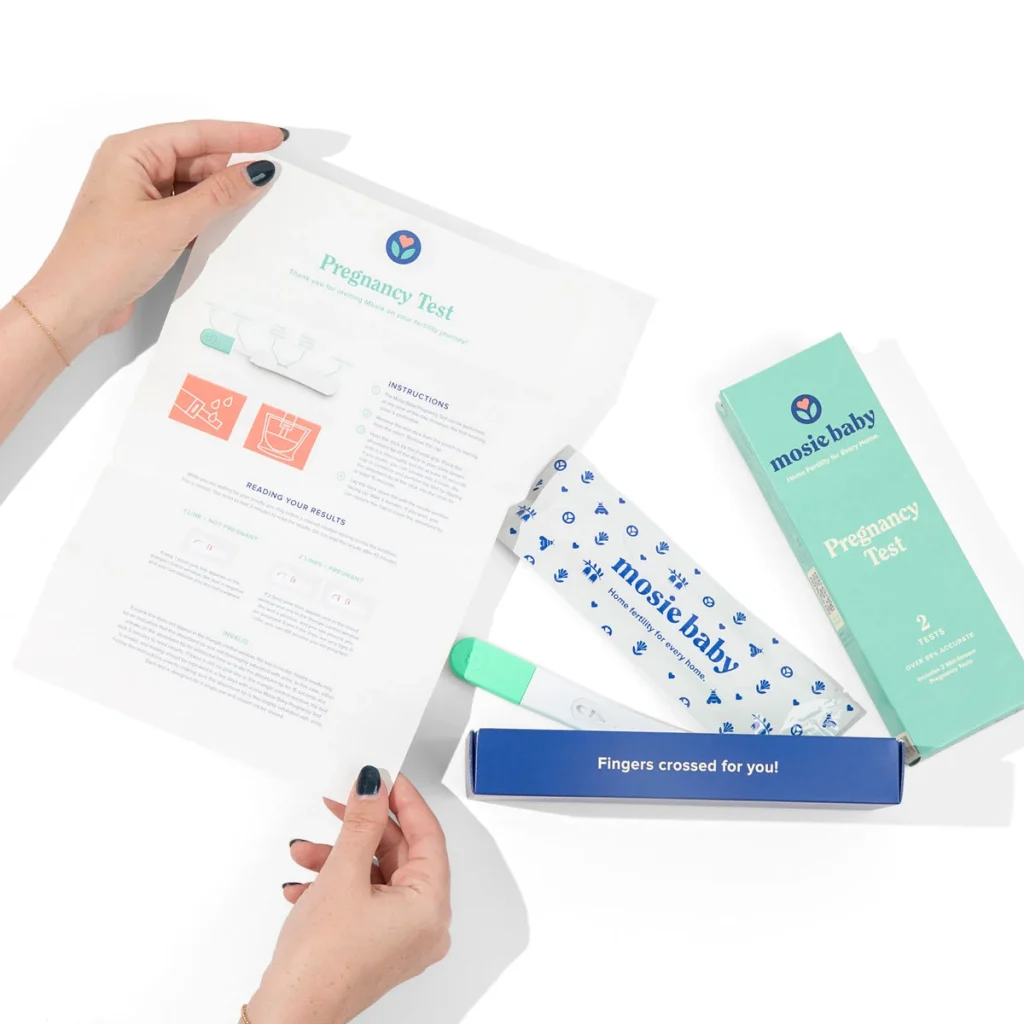
    Instructions for reading pregnancy test results with visual indicators for "Not Pregnant," "Pregnant," and "Invalid.

    Syringe Insemination vs. IVF: Which is the Better Option?

    Pros:

    1. Higher success rates: IVF has a higher success rate compared to syringe insemination, making it a more reliable option for couples with more severe fertility issues.

    2. Suitable for a wider range of fertility issues: IVF can be used to treat a variety of fertility issues, making it a more versatile option for couples.

    3. Genetic testing: IVF allows for genetic testing of embryos, which can help identify any potential genetic disorders or abnormalities before implantation.

    4. Can be combined with other fertility treatments: IVF can be combined with other fertility treatments, such as intracytoplasmic sperm injection (ICSI), to increase the chances of success.

    Cons:

    1. Expensive: IVF is a more costly option compared to syringe insemination, making it less accessible for some couples.

    2. Invasive and time-consuming: This method involves several invasive procedures and can be a long and emotionally taxing process for couples.

    3. Potential side effects: The medications used in IVF can cause side effects such as bloating, headaches, and mood swings.

    4. Risk of multiple pregnancies: Due to the possibility of multiple embryos being transferred, there is a higher risk of multiple pregnancies with IVF.

    So, which is the better option?

    The answer to this question ultimately depends on the individual circumstances and needs of each couple. For couples with mild fertility issues and a limited budget, syringe insemination may be a suitable option. On the other hand, for couples with severe fertility issues and the financial means, IVF may be a more effective option.

    It is essential for couples to consult with a fertility specialist and discuss their medical history, fertility issues, and personal preferences to determine which method is the best fit for them. In some cases, a combination of both methods may be recommended to increase the chances of success.

    Summary:

    When it comes to choosing between syringe insemination and IVF, it is crucial to consider factors such as success rates, cost, invasiveness, and suitability for individual fertility issues. While syringe insemination is a more affordable and less invasive option, IVF has higher success rates and is suitable for a wider range of fertility issues. Ultimately, the best option for each couple will depend on their unique circumstances and personal preferences, and it is essential to seek professional medical advice before making a decision.

  • Syringe Insemination Myths vs. Facts: Separating Truth from Fiction

    Syringe Insemination Myths vs. Facts: Separating Truth from Fiction

    In recent years, there has been a growing interest in alternative methods of insemination, with syringe insemination being one of the most popular options. However, with this increased interest comes a lot of misinformation and myths surrounding the practice. In this blog post, we will explore some of the most common syringe insemination myths and separate them from the facts.

    Myth: Syringe insemination is only for same-sex couples or single women.
    Fact: While syringe insemination is a popular option for same-sex couples and single women, it is not limited to these groups. In fact, many heterosexual couples struggling with fertility issues have also turned to syringe insemination as a less invasive and more affordable option compared to other fertility treatments.

    Myth: Syringe insemination is not as effective as traditional methods of insemination.
    Fact: This is a common misconception, as syringe insemination has been found to have similar success rates as traditional methods of insemination. In fact, a study published in the Journal of Obstetrics and Gynaecology Canada found that syringe insemination had a success rate of 15% per cycle, which is comparable to intrauterine insemination (IUI) with a success rate of 16% per cycle.

    Myth: Syringe insemination is a painful and uncomfortable process.
    Fact: Syringe insemination is a relatively painless and minimally invasive procedure. It involves inserting a syringe into the vagina and depositing the sperm near the cervix. Many women report feeling little to no discomfort during the procedure, and any potential discomfort can be minimized by using a small syringe and a gentle insertion technique.

    Myth: Syringe insemination can only be done at a fertility clinic.
    Fact: While syringe insemination can be done at a fertility clinic, it can also be performed at home with the proper guidance and equipment. Many couples choose to do at-home insemination to increase privacy and comfort. However, it is important to note that at-home insemination should only be done after consulting with a healthcare professional and following proper guidelines to ensure safety and success.

    hands using a blue syringe to extract contents from a clear container for a home insemination kit

    Syringe Insemination Myths vs. Facts: Separating Truth from Fiction

    Myth: Syringe insemination is not a safe method of insemination.
    Fact: When done correctly and with proper precautions, syringe insemination is a safe and effective method of insemination. The sperm used in syringe insemination is either provided by a sperm donor or collected from the male partner and then screened and prepared for use. Additionally, the risk of infection is low as long as sterile equipment and proper hygiene are maintained.

    Myth: Syringe insemination can only be done with fresh sperm.
    Fact: While fresh sperm is often used in syringe insemination, it is not the only option. Frozen sperm can also be used and has been found to have similar success rates to fresh sperm. In fact, frozen sperm can be stored for longer periods, making it a convenient option for those who do not have access to fresh sperm.

    Myth: Syringe insemination guarantees pregnancy.
    Fact: Unfortunately, there is no method of insemination that guarantees pregnancy. Success rates may vary depending on various factors such as the age and health of the woman, the quality of sperm, and timing of insemination. It is important to manage expectations and understand that it may take multiple attempts for syringe insemination to result in pregnancy.

    Myth: Syringe insemination is only for women with fertility issues.
    Fact: While syringe insemination can be a great option for couples struggling with fertility issues, it is not limited to this group. In fact, many couples who are perfectly healthy and fertile choose syringe insemination as a more natural and affordable way to conceive. It can also be a great option for those who want to have a baby without a traditional sexual partner.

    Myth: Syringe insemination is not recognized by medical professionals.
    Fact: Syringe insemination is a recognized and accepted method of insemination by medical professionals. It is even recommended as a first-line treatment for certain fertility issues by organizations such as the American Society for Reproductive Medicine and the European Society of Human Reproduction and Embryology.

    Myth: Syringe insemination is only for women who cannot afford traditional fertility treatments.
    Fact: While syringe insemination may be a more affordable option for some couples, it is not limited to those who cannot afford traditional fertility treatments. In fact, many couples choose syringe insemination as a first-line treatment due to its lower cost and less invasive nature compared to other fertility treatments.

    In summary, syringe insemination is a safe, effective, and affordable method of insemination that is not limited to a specific group of people. It can be done at home or at a fertility clinic, and its success rates are comparable to traditional methods of insemination. It is important to separate the myths from the facts when considering syringe insemination as an option for conceiving a child.

  • Syringe Insemination and the Importance of Timing: When to Use It

    Blog Post Title: The Ins and Outs of Syringe Insemination: Understanding the Importance of Timing

    Syringe insemination, also known as artificial insemination, has become an increasingly popular method for couples struggling with infertility. This technique involves using a syringe to deposit semen into the cervix or uterus, bypassing any potential barriers in the reproductive system. While it may seem like a simple process, the timing of syringe insemination plays a crucial role in its success. In this blog post, we will explore the importance of timing in syringe insemination and when it should be used.

    Understanding Syringe Insemination

    Before diving into the importance of timing, it is essential to have a basic understanding of syringe insemination. This method involves collecting semen from the male partner and then using a syringe to insert it into the female partner’s reproductive tract. This can be done at home or in a medical setting by a fertility specialist.

    Syringe insemination is often recommended for couples who have been trying to conceive for at least a year with no success. It can also be used by same-sex couples or single women who want to start a family. This method is less invasive and less expensive than other fertility treatments, making it an attractive option for many couples.

    The Importance of Timing in Syringe Insemination

    Timing is crucial in syringe insemination for several reasons. First and foremost, it increases the chances of successful conception. The female partner’s body goes through a series of changes throughout the menstrual cycle, and fertility levels vary throughout this time. By understanding these changes and timing the insemination correctly, couples can maximize their chances of getting pregnant.

    The most fertile time for a woman is during ovulation, which occurs when an egg is released from the ovary. This typically happens around day 14 of a 28-day menstrual cycle. However, every woman’s cycle is different, and ovulation may occur earlier or later, depending on various factors such as stress, illness, or hormonal imbalances. Therefore, tracking ovulation is essential for determining the best time for syringe insemination.

    Tracking Ovulation

    At-home insemination kit with ovulation and pregnancy tests, promoting fertility and family planning.

    Syringe Insemination and the Importance of Timing: When to Use It

    Tracking ovulation can be done in various ways, including using ovulation predictor kits (OPKs), basal body temperature (BBT) charting, and monitoring cervical mucus changes. OPKs work by detecting the surge in luteinizing hormone (LH) that occurs just before ovulation. BBT charting involves measuring your body’s resting temperature every morning and looking for a slight increase, indicating ovulation. Monitoring cervical mucus involves tracking changes in the consistency and appearance of cervical mucus throughout the cycle.

    By using one or a combination of these methods, couples can pinpoint the most fertile days in the menstrual cycle and time syringe insemination accordingly. Timing is crucial because sperm can survive in the reproductive tract for up to five days, while an egg is only viable for 12-24 hours after ovulation. Therefore, it is essential to ensure that sperm is present in the reproductive tract when the egg is released.

    When to Use Syringe Insemination

    Syringe insemination is most effective when used during the fertile window, which is the five days leading up to ovulation and the day of ovulation itself. Timing the insemination during this period increases the chances of sperm reaching the egg and fertilizing it.

    However, it is worth noting that the success rates of syringe insemination may vary depending on the individual’s fertility. For example, if the female partner has a history of irregular cycles or ovulation disorders, it may be challenging to determine the best time for insemination. In such cases, seeking guidance from a fertility specialist is recommended to increase the chances of success.

    In addition to timing, other factors may also affect the success of syringe insemination, such as sperm quality and the presence of any underlying fertility issues. Therefore, it is crucial to have a thorough evaluation and discuss any concerns with a healthcare professional before attempting syringe insemination.

    In Conclusion

    Syringe insemination can be a game-changer for couples struggling with infertility. However, understanding the importance of timing is crucial for its success. By tracking ovulation and timing the insemination during the fertile window, couples can increase their chances of getting pregnant. It is also essential to seek guidance from a fertility specialist for a more personalized approach and to address any underlying fertility issues.

    In summary, syringe insemination is a popular and effective method for couples trying to conceive. Timing is crucial in syringe insemination as it can increase the chances of successful conception. Couples can track ovulation using various methods and time the insemination during the fertile window for the best results. Seeking guidance from a fertility specialist is recommended for a more personalized approach and to address any underlying fertility issues.

  • The Role of Sperm Donors in Syringe Insemination: What You Need to Know

    Blog Post:

    In recent years, the use of syringe insemination has become a popular method for individuals and couples who are struggling with fertility issues. This method involves using a syringe to deposit a donor’s sperm directly into the cervix, bypassing the need for intercourse. While there are many factors to consider when choosing to use syringe insemination, one important aspect is the role of sperm donors. In this blog post, we will discuss the role of sperm donors in syringe insemination and what you need to know before making this decision.

    What is a Sperm Donor?

    A sperm donor is an individual who donates their sperm to be used for the purpose of insemination. Donors can be known or anonymous, and can be chosen through a sperm bank or through a personal connection. In the case of syringe insemination, the donor’s sperm is directly deposited into the cervix via a syringe, making it a non-sexual method of conception.

    Legal Considerations

    Before choosing to use a sperm donor for syringe insemination, it is important to understand the legal considerations involved. In most cases, sperm donors are protected by laws that prevent them from being held liable for any resulting children. However, it is crucial to research the laws in your specific location to ensure that you are following all necessary regulations and protecting yourself and your donor.

    Choosing a Sperm Donor

    When choosing a sperm donor for syringe insemination, there are a few key factors to consider. First, you will need to decide if you want to use a known or anonymous donor. Known donors can be a friend or family member, while anonymous donors are typically chosen through a sperm bank. Both options have their own benefits and drawbacks, so it is important to carefully consider which route is best for you.

    Another important consideration is the health and medical history of the donor. It is crucial to choose a donor who is in good health and has a clean medical history, as this can greatly impact the health of any resulting children. If using a donor from a sperm bank, be sure to thoroughly review their medical records and ask any necessary questions.

    pregnancy test kit features labeled for comfort and confidence on a teal background

    The Role of Sperm Donors in Syringe Insemination: What You Need to Know

    The Role of a Sperm Donor in Syringe Insemination

    In syringe insemination, the sperm donor plays a crucial role in the conception process. Due to the direct deposit of sperm into the cervix, the quality and quantity of the donor’s sperm are important factors. It is recommended to use fresh sperm for the highest chance of success, so donors typically need to be available and able to provide sperm on short notice.

    Additionally, it is important for the sperm donor to be aware of and understand the process of syringe insemination. While it is a non-invasive method, it is still a significant decision for the donor to make. Communication and transparency between the donor and recipient are key to a successful and comfortable experience for all parties involved.

    Risks and Benefits of Sperm Donors in Syringe Insemination

    As with any medical procedure, there are both risks and benefits associated with using a sperm donor for syringe insemination. One of the main benefits is the ability to conceive without engaging in sexual intercourse, which can be a relief for individuals or couples who struggle with sexual dysfunction or discomfort.

    On the other hand, there are some potential risks involved. These include the possibility of contracting a sexually transmitted infection, as well as the emotional and legal implications of using a known donor. It is important to thoroughly discuss and understand these risks before making a decision.

    In Conclusion

    Syringe insemination is a viable option for individuals and couples who are struggling with fertility issues. The role of sperm donors in this process is crucial, and careful consideration should be taken when choosing a donor. Legal considerations, choosing a donor, and understanding the risks and benefits are all important factors to keep in mind before embarking on this journey.

    In summary, syringe insemination is a non-invasive and effective method of conception for those struggling with fertility issues. Sperm donors play a crucial role in this process and must be carefully chosen and considered. It is important to understand the legal implications, choose a healthy donor, and weigh the potential risks and benefits before making the decision to use syringe insemination.

  • Syringe Insemination for Single Women: A Viable Option for Motherhood

    Becoming a mother is one of the most fulfilling experiences in a woman’s life. However, for single women, the journey towards motherhood can be a challenging one. With traditional methods of conception limited to heterosexual couples, single women often feel left out of the conversation. But with advancements in reproductive technology, there is now an option for single women to become mothers through syringe insemination.

    Syringe insemination, also known as artificial insemination, is a fertility treatment that involves the direct placement of sperm into a woman’s uterus using a syringe. This procedure has been used for decades to help couples struggling with infertility, but it is now becoming a popular option for single women who want to start a family.

    In this blog post, we will discuss the process of syringe insemination, its success rates, and the pros and cons of this method for single women. We will also address some common concerns and misconceptions surrounding this option and provide resources for those interested in pursuing syringe insemination.

    The Process of Syringe Insemination

    The first step in the syringe insemination process is to consult with a reproductive specialist. The doctor will conduct a thorough examination and run tests to determine the woman’s fertility status. They will also discuss the woman’s medical history and any potential risks or complications that may arise from the procedure.

    Once the doctor confirms that the woman is a good candidate for syringe insemination, the next step is to choose a sperm donor. This can be done through a sperm bank, where potential donors are thoroughly screened for any genetic diseases or health issues. The woman can also choose to use a known donor, such as a friend or family member, but it is important to have a legal agreement in place to protect both parties.

    After selecting a donor, the woman will undergo hormonal treatment to stimulate ovulation. This is done to increase the chances of pregnancy by releasing multiple eggs. The sperm is then collected and washed to remove any impurities or non-motile sperm. The washed sperm is then inserted into the woman’s uterus using a syringe, either by the doctor or the woman herself.

    Success Rates of Syringe Insemination

    The success rates of syringe insemination vary depending on various factors such as the woman’s age, fertility status, and the quality of the sperm used. On average, the success rate for each cycle of syringe insemination ranges from 10-20%, with higher success rates in younger women and those with no fertility issues.

    It is important to note that syringe insemination is not a guarantee of pregnancy, and multiple cycles may be required before achieving a successful pregnancy. However, with proper monitoring and guidance from a reproductive specialist, the chances of success can be increased.

    hand holding a syringe with a blue plunger against a solid blue background

    Syringe Insemination for Single Women: A Viable Option for Motherhood

    Pros and Cons of Syringe Insemination for Single Women

    One of the main advantages of syringe insemination for single women is that it allows them to become mothers without the need for a partner. It also gives them control over the process and allows them to choose a sperm donor that aligns with their preferences and values. Moreover, the procedure is minimally invasive and does not require surgery or anesthesia.

    However, syringe insemination also has its drawbacks. The cost of the procedure can be a significant barrier for many single women, as it is not usually covered by insurance. It also requires a certain level of commitment and dedication, as the woman will need to undergo hormonal treatment and undergo multiple cycles before achieving a successful pregnancy.

    Addressing Concerns and Misconceptions

    One of the most common concerns surrounding syringe insemination is the risk of passing on genetic diseases or disorders to the child. However, with proper screening and selection of a sperm donor, this risk can be significantly reduced. It is crucial for single women to work closely with their doctor and choose a reputable sperm bank to ensure the health and well-being of their future child.

    Another misconception is that children born through syringe insemination will not have a father figure in their life. While this may be true for some cases, many single mothers have a strong support system and raise happy and healthy children. It is also worth noting that not all children born into traditional families have a father figure present in their lives.

    Resources for Women Interested in Syringe Insemination

    For women who are considering syringe insemination as an option for motherhood, there are several resources available to help guide them through the process. Fertility clinics and reproductive specialists can provide information and support, and there are also online communities and support groups for single women pursuing syringe insemination.

    Summary

    Syringe insemination is a viable option for single women who want to become mothers. It involves the direct placement of sperm into the uterus using a syringe and has a success rate of 10-20% per cycle. While it has its pros and cons, with proper guidance and support, many single women have successfully achieved their dream of motherhood through syringe insemination. It is essential to address concerns and misconceptions surrounding this option and to have open and honest communication with a reproductive specialist. With advancements in reproductive technology, single women now have the opportunity to embark on the journey of motherhood and experience the joys of raising a child.

  • Syringe Insemination and the Role of Ovulation Tracking: What You Need to Know

    Syringe Insemination and the Role of Ovulation Tracking: What You Need to Know

    Syringe insemination, also known as artificial insemination, is a method of assisted reproduction that involves inserting sperm directly into the cervix or uterus of a woman in order to facilitate fertilization. This technique has been used for decades and has helped many couples to successfully conceive a child. However, in recent years, there has been a growing interest in using syringe insemination for women who are trying to conceive without a partner or who are part of same-sex relationships. In order to increase the chances of success, many people are also turning to ovulation tracking as a way to optimize the timing of the insemination. In this blog post, we will explore the ins and outs of syringe insemination, the role of ovulation tracking, and what you need to know if you are considering this method for starting or growing your family.

    Understanding Syringe Insemination

    Syringe insemination is a relatively simple and non-invasive procedure that can be performed at home or in a medical setting. The process involves collecting semen from a partner or a sperm donor and using a syringe to insert it into the cervix or uterus of the woman. It is important to note that the semen used for syringe insemination needs to be processed and prepared in a laboratory first, in order to remove any impurities or dead sperm. This process is known as washing the sperm and it helps to increase the chances of fertilization.

    The success rate of syringe insemination varies depending on various factors such as the age and health of the woman, the quality of the sperm, and the timing of the insemination. On average, the success rate is around 20% per cycle, which is slightly lower than other assisted reproductive techniques such as intrauterine insemination (IUI) or in vitro fertilization (IVF). However, this method is still a popular choice for many couples due to its simplicity and affordability.

    Who Can Benefit from Syringe Insemination?

    Syringe insemination is most commonly used by couples who are struggling with male infertility, such as low sperm count or poor sperm motility. It can also be a viable option for single women or same-sex couples who are looking to start a family. For these individuals, syringe insemination can offer a way to conceive without having to go through expensive and invasive fertility treatments.

    Additionally, syringe insemination can also be a good option for women who have irregular or absent ovulation. By inserting the sperm directly into the uterus, it bypasses the need for the sperm to swim through the cervix and increases the chances of fertilization. This makes it a popular choice for women with conditions such as polycystic ovary syndrome (PCOS) or endometriosis.

    The Role of Ovulation Tracking

    Hands holding a syringe and a small container against a blue background.

    Syringe Insemination and the Role of Ovulation Tracking: What You Need to Know

    Ovulation tracking, also known as fertility tracking or ovulation prediction, is the process of monitoring a woman’s menstrual cycle in order to determine the most fertile days for conception. This can be done through various methods such as tracking basal body temperature, monitoring changes in cervical mucus, or using ovulation predictor kits.

    For women who are using syringe insemination, ovulation tracking is crucial in order to optimize the timing of the insemination. Unlike natural conception, where sperm can survive in the reproductive tract for up to 5 days, the lifespan of sperm used in syringe insemination is much shorter. Therefore, it is important to accurately predict ovulation and perform the insemination at the right time for the best chances of success.

    Ovulation tracking can also be beneficial for women who have irregular cycles or who are not sure when they ovulate. By tracking their cycles, they can identify any potential issues or irregularities that may require medical intervention. In some cases, ovulation-inducing medications may be prescribed to help regulate ovulation and increase the chances of successful insemination.

    Things to Consider Before Choosing Syringe Insemination

    While syringe insemination can be a great option for many couples, there are a few things to consider before choosing this method of assisted reproduction. Firstly, it is important to understand that syringe insemination does not guarantee pregnancy and may require multiple attempts before success is achieved. It is also important to have realistic expectations and be prepared for any potential emotional and financial challenges that may arise.

    It is also important to seek professional guidance and support when considering syringe insemination. Consulting with a fertility specialist can help to identify any potential issues and ensure that the process is done safely and effectively. Additionally, seeking emotional support from a therapist or support group can also be beneficial, especially for couples who may be dealing with the stress and emotions of infertility.

    In conclusion, syringe insemination is a viable option for many couples and individuals who are trying to conceive. When combined with ovulation tracking, it can increase the chances of success and offer a less invasive and more affordable alternative to other assisted reproductive techniques. However, it is important to carefully consider all aspects and consult with a medical professional before making a decision. With the right support and guidance, syringe insemination can be a step towards fulfilling the dream of starting or growing a family.

    Summary:

    Syringe insemination, also known as artificial insemination, is a method of assisted reproduction that involves inserting sperm directly into the cervix or uterus of a woman. It is commonly used by couples struggling with male infertility, single women, and same-sex couples. Ovulation tracking is crucial for optimizing the timing of the insemination, and it can also be beneficial for women with irregular cycles. However, there are important factors to consider before choosing syringe insemination, such as success rates, realistic expectations, and seeking professional guidance and emotional support. With the right support, this method can be a viable option for starting or growing a family.

  • Why Syringe Insemination Collection is a Game-Changer for LGBTQ+ Couples

    Blog Post Title: Why Syringe Insemination Collection is a Game-Changer for LGBTQ+ Couples

    Summary:

    In the past, starting a family for LGBTQ+ couples has been a complicated and often expensive process. However, with the advancement of technology, the options for LGBTQ+ couples to conceive a child have expanded. One of these groundbreaking options is syringe insemination collection, a process that allows same-sex couples to conceive a child without the need for traditional sexual intercourse. In this blog post, we will explore the benefits of syringe insemination collection and how it has become a game-changer for LGBTQ+ couples.

    First and foremost, syringe insemination collection allows LGBTQ+ couples to have a biological connection to their child. For many couples, this is a crucial factor in starting a family. In the past, adoption or surrogacy were the only options for same-sex couples to have a biological child. However, these options can be expensive and often have long waiting lists. With syringe insemination collection, couples have the opportunity to have a child that shares their DNA, making the process more personal and fulfilling.

    Another significant advantage of syringe insemination collection is that it eliminates the need for a sperm donor. Many LGBTQ+ couples find it challenging to find a suitable sperm donor, and the process can be emotionally challenging. With syringe insemination collection, couples can use sperm from their partner, eliminating the need to involve a third party. This not only simplifies the process but also strengthens the bond between the couple as they both have a biological connection to their child.

    at-home insemination kit by Mosie Baby, featuring syringes, collection cups, and instructions on a pink background.

    Why Syringe Insemination Collection is a Game-Changer for LGBTQ+ Couples

    Syringe insemination collection also offers more control and privacy for LGBTQ+ couples. Traditional methods of insemination, such as intrauterine insemination (IUI) or in vitro fertilization (IVF), often require multiple visits to a fertility clinic and are more invasive. With syringe insemination collection, couples can collect and inseminate sperm in the comfort of their own home, making the process more discreet and less intrusive. This allows couples to maintain their privacy and control over their family planning journey.

    Moreover, syringe insemination collection is a more affordable option for LGBTQ+ couples. The cost of traditional methods of insemination can add up, with multiple visits to a fertility clinic and expensive procedures. On the other hand, syringe insemination collection is a one-time cost for the necessary equipment and supplies. This makes it a more accessible option for couples who may not have the financial means for other methods of conception.

    Aside from the practical benefits, syringe insemination collection also has emotional benefits for LGBTQ+ couples. For many same-sex couples, starting a family can be a long and challenging process, often fraught with discrimination and stigma. Syringe insemination collection allows couples to take control of their family planning journey and removes some of the barriers that they may face in the traditional methods of conception. This empowering process can help alleviate some of the emotional stress and make the journey to parenthood more positive and inclusive for LGBTQ+ couples.

    In addition, syringe insemination collection offers more flexibility for couples in terms of timing. Traditional methods of insemination often require strict schedules and timing, which can be challenging for same-sex couples who may not have the same fertility cycles as heterosexual couples. With syringe insemination collection, couples have more control over the timing of insemination, allowing them to plan it around their schedules and increase the chances of conception.

    It is also worth noting that syringe insemination collection is not limited to same-sex couples. It is also a viable option for single individuals or heterosexual couples who may struggle with fertility issues or have a genetic disorder. This method provides more inclusivity and opportunity for all individuals and couples to start a family, regardless of their sexual orientation or reproductive challenges.

    In conclusion, syringe insemination collection is a groundbreaking option for LGBTQ+ couples who want to start a family. It offers numerous benefits, including a biological connection to their child, eliminating the need for a sperm donor, more privacy and control, affordability, emotional empowerment, and flexibility in timing. This method has truly been a game-changer for LGBTQ+ couples, providing them with a more accessible and inclusive way to conceive a child.

  • From Start to Finish: A Step-by-Step Guide to Syringe Insemination

    From Start to Finish: A Step-by-Step Guide to Syringe Insemination

    Syringe insemination, also known as artificial insemination, is a process that involves using a syringe to inject semen into the cervix or uterus of a female to facilitate fertilization. This method is commonly used in both human and animal reproduction and has been proven to be effective in achieving pregnancy. In this blog post, we will take you through a step-by-step guide on how to perform syringe insemination, from start to finish.

    Step 1: Prepare the Materials
    The first step in syringe insemination is to gather all the necessary materials. These include a sterile syringe, semen sample, sterile container, sterile gloves, and a speculum (if performing the insemination on yourself). It is important to make sure that all materials are clean and sterile to avoid any contamination.

    Step 2: Collect the Semen Sample
    If you are using semen from a donor, make sure to obtain it from a reputable source. The semen should be collected into a sterile container and kept at room temperature until ready to use. If you are using your partner’s semen, it can be collected directly into the syringe.

    Step 3: Prepare the Syringe
    Before using the syringe, make sure to remove the plunger and place the tip of the syringe into the semen sample. Slowly pull back the plunger to fill the syringe with the desired amount of semen. It is recommended to use 0.5-1 ml of semen for each insemination.

    Step 4: Get into Position
    If you are performing the insemination on yourself, it is best to lay down on your back with your legs elevated. If someone else is assisting you, you can lay on your back with your knees bent and feet flat on the bed. Make sure to relax your pelvic muscles to make the process easier.

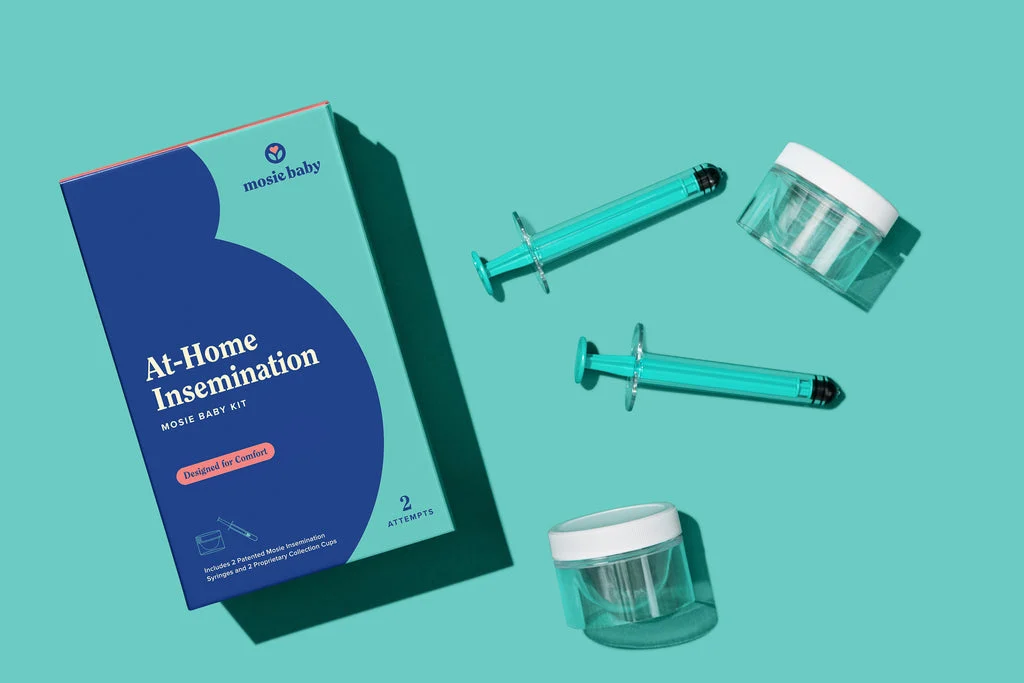
    At-home insemination kit with syringes and collection cups on a teal background.

    From Start to Finish: A Step-by-Step Guide to Syringe Insemination

    Step 5: Insert the Speculum (optional)
    If you are using a speculum, gently insert it into the vagina and open it to provide a clear view of the cervix. If you are not using a speculum, you can skip this step and proceed to the next one.

    Step 6: Insert the Syringe
    Using your dominant hand, gently insert the syringe into the vagina and direct it towards the cervix. Slowly push the plunger to release the semen into the cervix or uterus. You may feel some cramping or discomfort during this process, but it should subside quickly.

    Step 7: Wait and Relax
    After the insemination is complete, it is crucial to remain in a relaxed position for at least 15-30 minutes. This will give the sperm enough time to travel towards the egg for fertilization. It is recommended to elevate your hips slightly during this time to help the sperm move towards the cervix.

    Step 8: Clean Up
    Once the waiting time is over, gently remove the syringe and dispose of it. If using a speculum, remove it carefully and dispose of it as well. You can then clean up and go about your day. It is important to avoid any strenuous activities or intercourse for the next 24 hours to increase the chances of successful fertilization.

    Step 9: Repeat the Process
    If you are not successful in achieving pregnancy after the first insemination, you can repeat the process in your next ovulation cycle. It is recommended to inseminate two to three times during your fertile window for optimal results.

    In conclusion, the process of syringe insemination may seem overwhelming at first, but with proper preparation and following these steps, it can be a simple and effective method for achieving pregnancy. Remember to consult with a healthcare professional if you have any concerns or questions about this process.

    Summary:
    Syringe insemination is a method of facilitating pregnancy by injecting semen into the cervix or uterus using a syringe. This article provides a step-by-step guide on how to perform syringe insemination, from preparing the materials to cleaning up after the process. It is important to ensure all materials are clean and sterile and to relax during and after the insemination for optimal results.

  • Syringe Insemination at Home: A Cost-Effective Option for Conception

    Blog Post Title: Syringe Insemination at Home: A Cost-Effective Option for Conception

    Conceiving a child is a lifelong dream for many couples. However, for some, the journey to parenthood can be a challenging and expensive one. In-vitro fertilization (IVF) and other fertility treatments can cost thousands of dollars, making it unaffordable for many couples. This is where syringe insemination at home comes into the picture. It is a cost-effective and simple option for couples who are trying to conceive. In this blog post, we will discuss everything you need to know about syringe insemination at home and how it can help you in your journey to parenthood.

    What is Syringe Insemination?

    Syringe insemination, also known as intracervical insemination (ICI), is a method of assisted reproduction where the sperm is manually inserted into the cervix using a syringe. It is a simple and non-invasive procedure that can be done at home without the need for medical assistance.

    The Process of Syringe Insemination at Home

    The first step in syringe insemination is to collect the sperm from the male partner. This can be done either through masturbation or by using a special collection condom during intercourse. The sperm is then transferred into a sterile syringe.

    Next, the woman needs to prepare her body for insemination. This involves tracking her ovulation using ovulation predictor kits or tracking her basal body temperature. The best time for insemination is during the woman’s fertile window, which is usually a few days before or after ovulation.

    Once the woman is ready, she can insert the syringe filled with sperm into her vagina and push the plunger to release the sperm into her cervix. It is recommended to lie down for 15-20 minutes after the insemination to allow the sperm to reach the cervix and increase the chances of conception.

    Benefits of Syringe Insemination at Home

    1. Cost-Effective

    The cost of syringe insemination at home is significantly lower compared to other fertility treatments like IVF. The only expenses involved are purchasing the syringe and ovulation tracking tools, which can be done at a fraction of the cost of medical treatments.

    2. Privacy and Comfort

    Syringe insemination can be done in the comfort of your own home, eliminating the need for visits to the doctor’s office. This allows couples to have privacy and perform the procedure at their convenience.

    3. Non-Invasive

    Unlike other fertility treatments, syringe insemination is a non-invasive procedure. It does not require any medication or surgery, making it a safer option for couples who prefer a more natural approach to conception.

    pregnancy test kit with instructions, test device, and packaging on a white background

    Syringe Insemination at Home: A Cost-Effective Option for Conception

    4. Increased Chances of Conception

    Syringe insemination increases the chances of conception by depositing the sperm directly into the cervix, which is the opening of the uterus. This allows the sperm to bypass any potential barriers in the vagina and increases the chances of fertilization.

    5. Shared Experience for Couples

    Syringe insemination at home allows couples to be directly involved in the conception process. This shared experience can bring couples closer and increase bonding between them.

    Things to Consider Before Trying Syringe Insemination at Home

    1. Fertility Evaluation

    Before attempting syringe insemination at home, it is recommended to undergo a fertility evaluation to ensure that there are no underlying issues that may affect the success of the procedure.

    2. Timing and Ovulation Tracking

    Timing is crucial in syringe insemination. It is essential to track ovulation accurately to increase the chances of conception. Tools like ovulation predictor kits or tracking basal body temperature can be used to track ovulation.

    3. Sperm Quality

    The quality of sperm plays a significant role in the success of syringe insemination. It is crucial to ensure that the sperm is healthy and motile for the best chances of fertilization.

    4. Patience and Persistence

    Conceiving through syringe insemination may take time and patience. It is essential to keep trying and not lose hope even if the first few attempts are unsuccessful.

    In conclusion, syringe insemination at home is a cost-effective and simple option for couples who are trying to conceive. It allows couples to take control of their fertility journey and increases the chances of conception. However, it is essential to consult with a doctor and undergo a fertility evaluation before attempting syringe insemination at home. With patience, persistence, and accurate timing, this method can help many couples fulfill their dream of having a child.

    Summary:

    Syringe insemination at home is a cost-effective and non-invasive method of assisted reproduction where the sperm is manually inserted into the cervix using a syringe. It can be done in the comfort of one’s own home and increases the chances of conception. However, it is crucial to undergo a fertility evaluation and track ovulation accurately before attempting this method. With patience and persistence, syringe insemination can help couples fulfill their dream of having a child.