Tag: fertility

  • Maximizing Your Chances: Tips for Successful Insemination with a Syringe Kit

    Maximizing Your Chances: Tips for Successful Insemination with a Syringe Kit

    Insemination with a syringe kit is a popular method for couples or individuals who are trying to conceive. It involves using a syringe to insert semen into the vagina, cervix, or uterus in order to fertilize an egg. While this method may seem simple, there are certain tips and techniques that can greatly increase your chances of a successful insemination. In this blog post, we will discuss some key tips for maximizing your chances of successful insemination with a syringe kit.

    1. Understand Your Cycle

    One of the most important factors for successful insemination is timing. It is essential to have a good understanding of your menstrual cycle and ovulation in order to maximize your chances. Ovulation typically occurs around day 14 of a 28-day cycle, but this can vary from person to person. There are various ways to track your ovulation, such as using ovulation predictor kits or tracking your basal body temperature. By knowing your ovulation window, you can plan for insemination on the most fertile days, increasing your chances of success.

    2. Prepare the Syringe and Semen Correctly

    Before insemination, it is crucial to prepare the syringe and semen correctly. The syringe should be sterile and free of any air bubbles. You can achieve this by flushing the syringe with sterile water or sperm-friendly lubricant before use. The semen should be collected in a clean, sterile container using a semen collection cup or condom. It is important to avoid using any lubricants that are not sperm-friendly, as they can harm the sperm and decrease your chances of success.

    3. Use the Right Position

    mosie baby logo featuring a heart and leaves in blue, pink, and green colors.

    Maximizing Your Chances: Tips for Successful Insemination with a Syringe Kit

    The position you are in during insemination can also play a role in its success. The most recommended position for insemination is the missionary position, with the hips slightly elevated using a pillow or cushion. This allows for gravity to assist the sperm in reaching the cervix. It is also helpful to remain in this position for at least 20-30 minutes after insemination to give the sperm enough time to reach the cervix.

    4. Have Patience and Stay Relaxed

    Insemination with a syringe kit can be a stressful and emotional process. However, it is vital to remain patient and relaxed during the insemination process. Stress and anxiety can negatively impact fertility, so it is crucial to stay calm and positive. You can try practicing relaxation techniques, such as deep breathing or meditation, before and during the insemination to help you stay calm and focused.

    5. Consider Using Fertility Supplements

    There are various fertility supplements available on the market that claim to improve sperm quality and increase chances of conception. While the effectiveness of these supplements may vary, some studies have shown that certain supplements, such as folic acid and Coenzyme Q10, can improve sperm health. It is essential to consult with your doctor before taking any supplements to ensure they are safe for you and will not interfere with any other medications you may be taking.

    6. Be Persistent and Seek Professional Help if Needed

    It is important to remember that insemination with a syringe kit may not be successful on the first try. It can take multiple attempts before achieving a pregnancy. If you have been trying for several months without success, it may be time to seek professional help. A fertility specialist can evaluate your individual situation and provide guidance and assistance to increase your chances of successful insemination.

    In summary, maximizing your chances of successful insemination with a syringe kit involves understanding your cycle, preparing the syringe and semen correctly, using the right position, remaining patient and relaxed, considering fertility supplements, and being persistent. By following these tips, you can increase your chances of a successful insemination and achieve your dream of starting a family.


  • The Top 5 Things You Need to Know Before Using a Syringe Kit for Insemination

    Blog Post Title: The Top 5 Things You Need to Know Before Using a Syringe Kit for Insemination

    Insemination is a common method used by couples struggling with fertility to conceive. It involves the direct placement of sperm into a woman’s reproductive tract, bypassing the need for natural intercourse. While there are various ways to perform insemination, one popular method is using a syringe kit. If you and your partner are considering this method, here are the top 5 things you need to know before using a syringe kit for insemination.

    1. Understand the Process:
    Before using a syringe kit for insemination, it is essential to understand the process. Insemination involves collecting sperm, preparing it, and placing it into the vagina or uterus. The syringe kit is used to collect and transfer the sperm into the reproductive tract. It is crucial to follow the instructions carefully and have a basic understanding of the reproductive system to ensure the process is done correctly.

    2. Choose the Right Kit:
    There are various syringe kits available in the market, and it is essential to choose the right one for your needs. Some kits come with a pre-filled syringe, while others require you to fill it with sperm manually. You should also consider the size of the syringe and the length of the catheter. A smaller syringe may be more comfortable to handle, but a longer catheter may be necessary for proper placement of the sperm.

    Informative card introducing the Mosie Baby Kit and its mission for at-home insemination.

    The Top 5 Things You Need to Know Before Using a Syringe Kit for Insemination

    3. Timing is Key:
    Timing is crucial when it comes to insemination. It is vital to track your ovulation cycle and perform insemination during your fertile window. This increases the chances of the sperm reaching the egg and fertilizing it. You can use an ovulation predictor kit or track your basal body temperature to determine your ovulation day. It is also advisable to have the sperm sample ready before the expected ovulation day to avoid any last-minute stress.

    4. Cleanliness is Essential:
    Insemination is a delicate process, and cleanliness is crucial to avoid any infections or complications. It is essential to wash your hands and any equipment used in the process thoroughly. You should also use a sterile syringe and catheter and avoid touching the tip of the syringe or catheter with your hands. Additionally, it is recommended to use a water-based lubricant to avoid damaging the sperm.

    5. Have Realistic Expectations:
    While using a syringe kit for insemination can increase the chances of pregnancy, it is essential to have realistic expectations. Success rates vary depending on various factors such as age, fertility issues, and timing. It may take multiple attempts before achieving a successful pregnancy, and it is crucial to be patient and not get discouraged.

    In summary, using a syringe kit for insemination can be an effective method for couples struggling with fertility. However, it is essential to have a basic understanding of the process, choose the right kit, time the procedure correctly, maintain cleanliness, and have realistic expectations. Consulting with a fertility specialist can also provide valuable information and guidance on the process.

  • Insemination 2.0: How a Syringe Kit is Changing the Game

    Blog Post:

    Insemination is the process of introducing sperm into a woman’s reproductive tract for the purpose of fertilization. This method has been used for centuries, with advancements in technology and medical procedures making it easier and more accessible. However, the traditional methods of insemination have some limitations and challenges. That’s where Insemination 2.0 comes in – a revolutionary syringe kit that is changing the game of insemination.

    Insemination has been primarily used by couples struggling with fertility issues or same-sex couples wanting to start a family. It is also used by single women who want to become mothers. Traditionally, insemination involved visiting a fertility clinic or a doctor’s office, where the sperm is injected into the uterus using a catheter or syringe. This procedure can be costly and time-consuming, as it involves multiple appointments and medical procedures. It also requires the use of fresh or frozen sperm from a donor, which can be expensive and limited in availability.

    However, with the introduction of the Insemination 2.0 syringe kit, the process of insemination has become more convenient and affordable. This kit allows couples or individuals to perform insemination in the privacy of their own homes, without the need for medical assistance. The kit includes a syringe, a vial for collecting sperm, and a speculum for insertion. It also comes with detailed instructions for proper use.

    So, how does Insemination 2.0 work? First, the user collects the sperm from a donor or partner and deposits it into the vial provided in the kit. Then, the user inserts the speculum into the vagina to expose the cervix, similar to a Pap smear procedure. The syringe is then used to inject the sperm directly into the cervix, allowing it to travel to the uterus and potentially fertilize an egg. This process can be done in the comfort of the user’s home, eliminating the need for multiple trips to a fertility clinic.

    One of the significant advantages of Insemination 2.0 is its cost-effectiveness. Traditional insemination methods can cost thousands of dollars, with additional expenses for sperm donors and medical procedures. In contrast, the Insemination 2.0 kit is much more affordable, making it accessible to a wider range of individuals and couples. It also eliminates the need for costly medical appointments, making it a more convenient option for those looking to start a family.

    Mosie Baby pregnancy test kit with two tests and packaging, featuring a mint green color scheme.

    Insemination 2.0: How a Syringe Kit is Changing the Game

    Another benefit of Insemination 2.0 is its privacy. Traditional insemination methods often involve multiple appointments and procedures, which can be uncomfortable and embarrassing for some individuals. With Insemination 2.0, the process can be done in the privacy of one’s home, without the need for medical professionals. This adds a level of comfort and control for those undergoing the procedure, making it a more desirable option for many.

    Moreover, the Insemination 2.0 syringe kit has a high success rate, with many couples and individuals reporting successful pregnancies after using it. This is due to the direct injection of sperm into the cervix, increasing the chances of fertilization. Additionally, the kit can be used multiple times, making it a cost-effective option for those trying to conceive.

    Insemination 2.0 is also a game-changer for single women who want to become mothers. In the past, single women would have to go through lengthy and expensive procedures to become pregnant. With the Insemination 2.0 kit, single women can easily and affordably perform the insemination process at home, giving them the opportunity to start a family without a partner.

    Furthermore, Insemination 2.0 has also opened up new possibilities for same-sex couples. In the past, these couples would have to go through costly and lengthy procedures to become parents. With the Insemination 2.0 kit, same-sex couples can perform the insemination process at home, giving them more control over their fertility journey.

    Insemination 2.0 has undoubtedly revolutionized the world of insemination, making it more accessible, affordable, and convenient for many. This syringe kit has opened up new possibilities for couples and individuals struggling with fertility issues, single women, and same-sex couples, providing them with a private and cost-effective way to start a family.

    In conclusion, Insemination 2.0 has changed the game of insemination, offering a more affordable, private, and convenient option for those looking to start a family. With its high success rate and accessibility, this syringe kit has opened up new possibilities for individuals and couples, making the journey to parenthood a little bit easier.

  • DIY Insemination: How a Syringe Kit Can Make It Easier

    DIY Insemination: How a Syringe Kit Can Make It Easier

    Insemination is the process of introducing semen into the female reproductive system in order to assist in fertilization and increase the chances of pregnancy. While traditionally done in a medical setting, many people have turned to DIY insemination methods in the comfort of their own homes. Whether this is due to financial reasons, personal preference, or lack of access to medical facilities, DIY insemination has become a popular option for individuals and couples who are trying to conceive. And one tool that has made this process easier and more successful is a syringe kit.

    In this blog post, we will delve into the world of DIY insemination and discuss how a syringe kit can make it easier for individuals and couples who are trying to conceive. From understanding the basics of insemination to the benefits of using a syringe kit, we will provide you with all the information you need to know about this option for conceiving at home.

    Understanding DIY Insemination

    DIY insemination, also known as at-home insemination, is the process of introducing semen into the cervix or uterus without medical assistance. This method can be used by individuals or couples who are trying to get pregnant, including same-sex couples and single individuals.

    The most common DIY insemination methods include using a syringe, a cervical cap, or a menstrual cup to deposit the semen into the vagina. This is typically done during the woman’s fertile window, which is the time during her menstrual cycle when she is most likely to conceive. Tracking ovulation and using ovulation predictor kits can help determine the best time for DIY insemination.

    While DIY insemination may seem like a simple and straightforward process, it is important to understand the risks involved. Without proper precautions and knowledge, the chances of success may be lower, and there is also a risk of infection. It is essential to thoroughly research and understand the process before attempting it at home.

    The Role of a Syringe Kit in DIY Insemination

    One of the most commonly used tools in DIY insemination is a syringe kit. This kit typically includes a syringe, a sterile container, and a sterile needle. The syringe is used to collect and deposit the semen into the cervix or uterus, while the sterile container and needle help ensure a safe and hygienic process.

    A syringe kit can make the process of DIY insemination easier and more successful in several ways:

    1. Accurate Measurement and Placement

    Using a syringe allows for accurate measurement and placement of the semen. This is crucial in increasing the chances of conception, as it ensures that the semen is deposited in the correct location in the reproductive system. Unlike other methods such as using a cervical cap or menstrual cup, a syringe allows for precise placement of the semen, reducing the risk of sperm leaking out or getting lost in the vagina.

    2. Sterile and Hygienic Process

    A syringe kit comes with sterile containers and needles, ensuring a safe and hygienic process. This is especially important in DIY insemination, as improper sterilization can lead to infections and other health complications. With a syringe kit, individuals can rest assured that they are using a clean and safe tool for insemination.

    3. Easy to Use

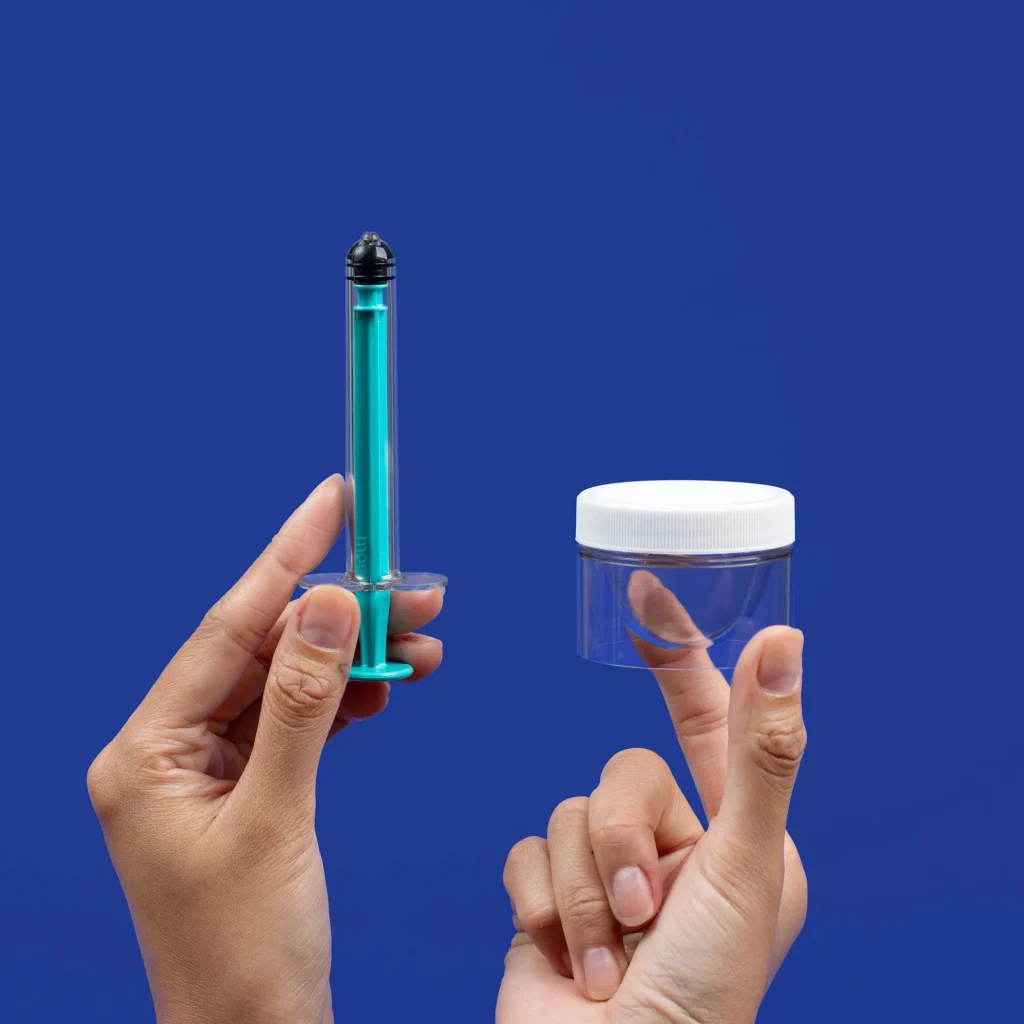
    home insemination kit components: a syringe and a collection container against a blue background.

    DIY Insemination: How a Syringe Kit Can Make It Easier

    Syringes are easy to use and require no special skills or training. The process is simple and can easily be done at home without the need for medical assistance. This makes DIY insemination more convenient and accessible for those who may not have access to medical facilities or prefer to do it in the comfort of their own homes.

    4. Cost-Effective

    Compared to other methods of DIY insemination such as using a cervical cap or menstrual cup, a syringe kit is more cost-effective. This is because these other methods require frequent replacement, while a syringe can be reused multiple times as long as it is properly sterilized. This makes it a more affordable option for those who may have a limited budget for fertility treatments.

    Tips for Using a Syringe Kit in DIY Insemination

    While a syringe kit can make the process of DIY insemination easier and more successful, there are a few tips to keep in mind to maximize its effectiveness:

    1. Choose a High-Quality Syringe Kit

    When purchasing a syringe kit, it is important to choose a high-quality one from a reputable source. This ensures that the syringe is sterile and safe to use, reducing the risk of infection.

    2. Follow Proper Sterilization Procedures

    Before and after each use, the syringe should be properly sterilized. This involves boiling the syringe in water for a few minutes or using a sterilizing solution specifically designed for medical tools. Proper sterilization helps reduce the risk of infection and increases the chances of success.

    3. Time the Insemination Correctly

    Timing is crucial in DIY insemination. It is important to track ovulation and use ovulation predictor kits to determine the best time for insemination. The semen should be deposited as close to ovulation as possible to increase the chances of conception.

    4. Use a Natural Lubricant

    During the process of insemination, a natural lubricant can help the syringe glide smoothly and make the process more comfortable. It is important to avoid using a lubricant that may harm sperm, such as petroleum jelly, as it can decrease the chances of success.

    In conclusion, DIY insemination is a popular option for individuals and couples who are trying to conceive. And a syringe kit can make this process easier and more successful. By understanding the basics of DIY insemination, the benefits of using a syringe kit, and following proper tips and procedures, individuals can increase their chances of success in conceiving at home.

    Summary:

    DIY insemination is the process of introducing semen into the female reproductive system without medical assistance. One tool that has made this process easier and more successful is a syringe kit. A syringe kit can make DIY insemination easier and more successful by providing accurate measurement and placement of the semen, ensuring a sterile and hygienic process, being easy to use and cost-effective. Some tips for using a syringe kit in DIY insemination include choosing a high-quality kit, following proper sterilization procedures, timing the insemination correctly, and using a natural lubricant.

  • Navigating the Emotional Journey of Insemination with a Syringe Kit

    Navigating the Emotional Journey of Insemination with a Syringe Kit

    Insemination is a process that involves placing semen into the reproductive tract of a female, usually with the goal of fertilizing an egg. This method is often used by couples who are struggling with fertility issues or by single individuals who are looking to start a family. While there are various methods of insemination, one popular option is using a syringe kit. This involves using a syringe to inject the semen into the cervix or uterus, bypassing the need for expensive medical procedures.

    While using a syringe kit for insemination can be a cost-effective and convenient option, it is not without its challenges. One of the biggest hurdles that many people face when using a syringe kit for insemination is the emotional journey that comes with it. In this blog post, we will explore the various emotions and challenges that may arise during this process and offer tips on how to navigate them.

    The Excitement of Starting a Family

    For many, the decision to use a syringe kit for insemination is a big step towards starting a family. It can be an exciting time filled with hope and anticipation. However, it is important to also acknowledge that it can also bring about feelings of anxiety and uncertainty. This is especially true for those who have been struggling with fertility issues and have been on a long journey to conceive.

    It is important to take the time to acknowledge and process these emotions. Talking to a therapist or support group can be helpful in navigating these feelings. Additionally, setting realistic expectations and knowing that the process may take multiple attempts can help to manage the emotional rollercoaster that may come with trying to conceive.

    The Discomfort of the Physical Process

    Using a syringe kit for insemination involves a physical process that may be uncomfortable or even painful for some. This can add another layer of stress and anxiety to an already emotionally charged experience. It is important to prepare for the physical discomfort and to have a plan in place to manage it.

    Some tips for managing the physical discomfort of using a syringe kit include using a water-based lubricant, taking over-the-counter pain medication, and using relaxation techniques such as deep breathing or listening to soothing music. It is also important to communicate openly with your partner or support person about any discomfort you may be feeling and to take breaks as needed.

    The Fear of Failure

    logo featuring a pink heart above two teal leaves on a blue circular background

    Navigating the Emotional Journey of Insemination with a Syringe Kit

    One of the biggest emotional challenges that people may face when using a syringe kit for insemination is the fear of failure. The process of trying to conceive can be overwhelming, and the added pressure of using a syringe kit can intensify this fear. It is important to remember that the success rate of using a syringe kit for insemination is lower than that of medical procedures, and it may take multiple attempts to achieve pregnancy.

    It is important to have a support system in place to help navigate this fear of failure. Talking to a therapist, joining a support group, or confiding in a trusted friend or family member can provide emotional support and reassurance during this process. It is also important to remember that failure does not define your worth as a person or your ability to become a parent.

    The Bonding Experience with Your Partner

    Using a syringe kit for insemination can also be a bonding experience for couples. It requires a level of trust, communication, and intimacy between partners. It can also be a time to strengthen your relationship and work together towards a common goal.

    However, it is important to also recognize that this process can also put a strain on a relationship. The pressure to conceive and the emotional ups and downs can cause tension and conflicts. It is important to communicate openly and honestly with your partner, and to take breaks from the process if needed. It may also be helpful to seek couples therapy to work through any issues that may arise during this emotional journey.

    The Joy of a Positive Result

    The emotional journey of using a syringe kit for insemination can be challenging, but it is all worth it when you receive a positive result. The joy and excitement of a successful pregnancy can make all the previous emotions and challenges fade away. It is important to celebrate this moment and to reflect on the journey that led you here.

    However, it is also important to remember that pregnancy and parenthood come with their own set of challenges and emotions. It is important to continue to communicate with your partner and support system throughout this journey and to seek help if needed.

    In conclusion, the emotional journey of insemination with a syringe kit is a complex and challenging experience. It is important to acknowledge and process the various emotions that may arise, from excitement and hope to fear and uncertainty. Having a support system in place and practicing self-care can help to navigate these emotions and make the process more manageable. And when you finally receive a positive result, the joy and happiness will make it all worth it.

    Summary:

    Using a syringe kit for insemination can be a cost-effective and convenient option for those looking to start a family. However, it comes with its own set of emotional challenges, from excitement and hope to fear and uncertainty. It is important to acknowledge and process these emotions, have a support system in place, and practice self-care. The joy of a positive result can make it all worth it in the end.

  • Dispelling the Myths: Common Misconceptions about Syringe Kits for Insemination

    Dispelling the Myths: Common Misconceptions about Syringe Kits for Insemination

    When it comes to trying to conceive, many couples turn to artificial insemination as a viable option. This can be done at a fertility clinic, but it can also be done in the comfort of your own home using a syringe kit. However, there are several misconceptions and myths surrounding the use of syringe kits for insemination. In this blog post, we will dispel these myths and provide accurate information about using syringe kits for insemination.

    Myth #1: Syringe kits are only for same-sex couples or single women.

    One of the most common misconceptions about syringe kits is that they are only used by same-sex couples or single women. While it is true that these groups may use syringe kits for insemination, they are not the only ones who can benefit from them. Many heterosexual couples may also use syringe kits if they are experiencing fertility issues or prefer to try insemination at home. Syringe kits are a convenient and affordable option for anyone looking to conceive, regardless of their sexual orientation or relationship status.

    Myth #2: Syringe kits are not safe to use.

    Some people may be hesitant to use a syringe kit for insemination because they believe it is not safe. However, syringe kits are specifically designed for this purpose and are made with medical-grade materials. They are sterile and come with clear instructions on how to use them safely. As long as you follow the instructions and use the kit as directed, there is no reason to believe that it is not safe to use.

    Myth #3: Syringe kits are not effective.

    There is a common misconception that syringe kits are not as effective as other methods of insemination, such as IUI (intrauterine insemination) or IVF (in vitro fertilization). While these methods may have a higher success rate, syringe kits can also be very effective if used correctly. It is important to note that the success of insemination, whether at home or in a clinic, depends on many factors such as the quality of the sperm, the timing of ovulation, and the overall health of the person trying to conceive.

    two teal and clear syringes positioned on a white background

    Dispelling the Myths: Common Misconceptions about Syringe Kits for Insemination

    Myth #4: Syringe kits are difficult to use.

    Another myth surrounding syringe kits is that they are difficult to use. Some people may believe that they need to have medical knowledge or training to use a syringe kit, but this is not the case. Syringe kits come with clear instructions and are designed to be user-friendly. As long as you follow the instructions carefully, using a syringe kit should not be challenging.

    Myth #5: Syringe kits are expensive.

    Cost is a significant factor for many couples when it comes to fertility treatments. Some may believe that syringe kits are expensive and not worth the investment. However, syringe kits are actually a cost-effective option compared to other methods of insemination. They are significantly less expensive than going to a fertility clinic for IUI or IVF. Additionally, syringe kits can be reused, making them even more cost-effective in the long run.

    Myth #6: Syringe kits are only for women.

    There is a common misconception that syringe kits are only used by women during insemination. However, the reality is that both partners can be involved in the process. The sperm can be collected from the male partner and then inserted into the female partner using the syringe kit. This allows for both partners to be actively involved in the process of conceiving.

    Myth #7: Syringe kits are not romantic.

    Some people may believe that using a syringe kit for insemination takes away from the romantic aspect of trying to conceive. However, this is not necessarily true. Many couples find that the process of using a syringe kit at home can be just as intimate and romantic as any other method. It allows for a more relaxed and comfortable environment, which can lead to a more enjoyable experience for both partners.

    In conclusion, syringe kits are a safe, effective, and affordable option for couples looking to conceive. These common misconceptions often deter people from considering this method, but we hope that this blog post has provided accurate information and dispelled any myths surrounding syringe kits for insemination. Whether you are a same-sex couple, a single woman, or a heterosexual couple, syringe kits can be a valuable tool in your journey to starting a family.

  • The Science Behind Syringe Insemination: How It Works

    Blog Post:

    In the world of assisted reproductive technology, one method that has gained popularity in recent years is syringe insemination. This procedure involves the use of a syringe to inject sperm directly into the uterus, bypassing the cervix. While it may seem like a simple process, there is actually a lot of science behind syringe insemination. In this blog post, we will explore the steps involved in the procedure and the science behind its success.

    Step 1: Sperm Preparation

    Before syringe insemination can take place, the sperm must be prepared. This involves washing and concentrating the sperm sample. The goal is to remove any debris or dead sperm and to increase the concentration of healthy, motile sperm. This is important because only the strongest and healthiest sperm have a chance of fertilizing an egg.

    Step 2: Cervical Mucus Check

    The next step in syringe insemination is a cervical mucus check. This is done to determine the quality and quantity of cervical mucus present in the woman’s body. Cervical mucus plays an important role in fertility as it helps to nourish and protect sperm as they travel through the reproductive tract. A healthy amount of cervical mucus is necessary for the sperm to survive and reach the egg. If there is a lack of cervical mucus, additional lubricant may need to be added during the insemination process.

    Step 3: Ovulation Tracking

    Timing is crucial when it comes to syringe insemination. The procedure must be done during the woman’s fertile window, which is typically around the time of ovulation. This is why ovulation tracking is an important step. It involves monitoring the woman’s menstrual cycle and using tools such as ovulation predictor kits or basal body temperature tracking to determine when she is most likely to ovulate.

    Step 4: Uterine Preparation

    Smiling baby in a blue onesie with "made with Love" text, lying on a light blue crocheted blanket.

    The Science Behind Syringe Insemination: How It Works

    Before the syringe insemination can take place, the uterus must be prepared. This is done by thinning the uterine lining, a process known as endometrial preparation. This is typically done through hormonal medications, such as estrogen and progesterone, to ensure that the uterus is ready for implantation in case fertilization occurs.

    Step 5: The Insemination Process

    Now that all the preparations have been made, it is time for the actual insemination process. The sperm sample is loaded into a sterile syringe, and the woman is positioned on an exam table with her feet in stirrups. A speculum is inserted into the vagina to hold the walls open, and the cervix is cleaned with a sterile solution. The syringe is then inserted through the cervix and into the uterus, and the sperm is injected. After the insemination, the woman is instructed to lie down for a short period to allow the sperm to swim towards the egg.

    The Science Behind Syringe Insemination

    Now that we have gone through the steps involved in syringe insemination, let’s take a closer look at the science behind its success. The main goal of syringe insemination is to increase the chances of sperm reaching the egg and fertilizing it. By bypassing the cervix, the sperm does not have to swim through the acidic environment of the vagina, which can be harmful to sperm. Additionally, syringe insemination allows for a higher concentration of sperm to be delivered directly to the uterus, increasing the chances of fertilization.

    Another key factor in the success of syringe insemination is the timing of the procedure. By tracking ovulation and performing the insemination during the fertile window, the sperm is more likely to encounter the egg at the right time. This is especially important for couples who may have fertility issues, as it increases the chances of a successful pregnancy.

    Furthermore, the preparation of the sperm and uterus plays a crucial role in the success of syringe insemination. By washing and concentrating the sperm, only the healthiest and strongest sperm are used, increasing the chances of fertilization. Thinning the uterine lining also creates a more favorable environment for implantation in case fertilization occurs.

    In summary, syringe insemination is a scientifically-proven method of assisted reproduction that aims to increase the chances of fertilization and pregnancy. By bypassing the cervix, tracking ovulation, and preparing the sperm and uterus, couples have a higher chance of achieving their dream of starting a family.

    In conclusion, syringe insemination may seem like a simple procedure, but there is a lot of science behind its success. By understanding the steps involved and the science behind them, couples can make informed decisions about their fertility journey and increase their chances of a successful pregnancy.

  • Empowering Women: The Benefits of Using a Syringe Kit for Insemination

    Empowering Women: The Benefits of Using a Syringe Kit for Insemination

    In today’s society, there are a multitude of options available for women who are looking to start a family. However, many women face challenges in achieving pregnancy due to various factors such as infertility, financial constraints, or lack of a partner. This is where the use of a syringe kit for insemination comes in as a viable and empowering option for women. In this blog post, we will explore the benefits of using a syringe kit for insemination and how it can empower women in their journey to motherhood.

    What is a Syringe Kit for Insemination?

    A syringe kit for insemination, also known as an at-home insemination kit, is a do-it-yourself (DIY) method of artificial insemination. It typically includes a syringe, a sterile cup for sperm collection, and instructions on how to perform the procedure at home. This method allows women to perform insemination in the comfort and privacy of their own home without the need for medical intervention.

    Empowering Women through Control and Autonomy

    One of the primary benefits of using a syringe kit for insemination is that it empowers women by giving them control and autonomy over their reproductive health. Many women struggle with the pressure of societal norms and expectations to conceive naturally or through traditional medical procedures. By using a syringe kit, women can take matters into their own hands and make informed decisions about their reproductive choices.

    Furthermore, this method allows women to avoid the invasive and often uncomfortable procedures involved in traditional medical insemination. It gives them the freedom to choose the timing, location, and method of insemination, which can greatly reduce stress and anxiety associated with the process.

    Cost-Effective Alternative to Traditional Methods

    Another significant benefit of using a syringe kit for insemination is that it is a cost-effective alternative to traditional methods. Artificial insemination procedures can be expensive, costing thousands of dollars per cycle. This can be a significant barrier for women who are on a tight budget or do not have insurance coverage for fertility treatments.

    at-home insemination kit with syringes, collection cups, and instructions on a pink background

    Empowering Women: The Benefits of Using a Syringe Kit for Insemination

    In contrast, syringe kits are relatively affordable and can be purchased online or at a local pharmacy. This makes it a more accessible option for women who want to start a family but may not have the financial means for traditional medical procedures.

    Promotes Inclusivity and Diversity in Parenthood

    Syringe kits for insemination have also paved the way for greater inclusivity and diversity in parenthood. This method is not limited to heterosexual couples but can be used by single women, same-sex couples, and transgender individuals. It eliminates the need for a male partner or sperm donor, giving women the opportunity to start a family on their own terms.

    Moreover, this method allows for more diversity in the genetic makeup of a child. With traditional insemination methods, there is a limited choice of sperm donors, and often, the process involves strict guidelines and regulations. With syringe kits, women have the flexibility to choose a donor of their choice, which can result in a more diverse and inclusive family.

    Ensures Privacy and Discretion

    For many women, the idea of undergoing medical procedures for insemination can be daunting and uncomfortable. It may involve multiple trips to the doctor’s office and invasive procedures that can be emotionally taxing. The use of a syringe kit for insemination allows women to maintain their privacy and discretion while trying to conceive.

    The procedure can be done in the comfort of one’s home, and there is no need to disclose personal information or medical history to a healthcare provider. This can be especially beneficial for women who prefer to keep their fertility journey private or may not have a supportive network to turn to.

    In Conclusion

    The use of a syringe kit for insemination offers a multitude of benefits for women who are looking to start a family. It empowers women by giving them control and autonomy over their reproductive choices, provides a cost-effective alternative to traditional methods, promotes inclusivity and diversity in parenthood, and ensures privacy and discretion. This method has paved the way for women to take charge of their fertility journey and has opened doors for a more inclusive and diverse definition of parenthood.

    In summary, using a syringe kit for insemination is a viable and empowering option for women who are looking to start a family. It offers control, affordability, inclusivity, diversity, and privacy, making it a desirable choice for many women. With the rise of DIY insemination methods, more women are taking the reins of their reproductive health and embarking on the journey of motherhood on their own terms.

  • From Fertility Struggles to Success: Our Journey with a Syringe Kit

    From Fertility Struggles to Success: Our Journey with a Syringe Kit

    Starting a family is a dream for many couples, but for some, it can be a challenging and emotional journey. Fertility struggles are common, and they can take a toll on a couple’s mental, emotional, and physical wellbeing. My husband and I also went through a similar experience, and our journey with a syringe kit changed our lives in ways we never imagined.

    Our fertility struggles began when we decided to start a family five years into our marriage. My husband and I were both in our early thirties, and we thought it was the perfect time to have a baby. However, after a year of trying, we still weren’t pregnant. We tried everything, from tracking ovulation to taking fertility supplements, but nothing seemed to work.

    Feeling frustrated and defeated, we decided to seek medical help. After numerous tests, we were diagnosed with unexplained infertility. It was a blow to us, as we didn’t have any underlying medical conditions that could be causing our infertility. Our doctor suggested we try intrauterine insemination (IUI) as our first course of treatment.

    At first, we were hesitant about IUI, as we had heard mixed reviews about its success rates. But we were willing to try anything to have a baby. Our doctor explained that IUI involved placing washed and prepared sperm directly into the uterus, increasing the chances of fertilization. However, the process required a syringe kit, which we had to purchase separately.

    We were a bit apprehensive about using a syringe kit at home, but our doctor assured us that it was safe and easy to use. So, we decided to go ahead with the IUI procedure. The first month, we followed the instructions carefully, but unfortunately, it didn’t result in a pregnancy. We were disappointed, but we didn’t give up. We knew it could take a few tries before it worked.

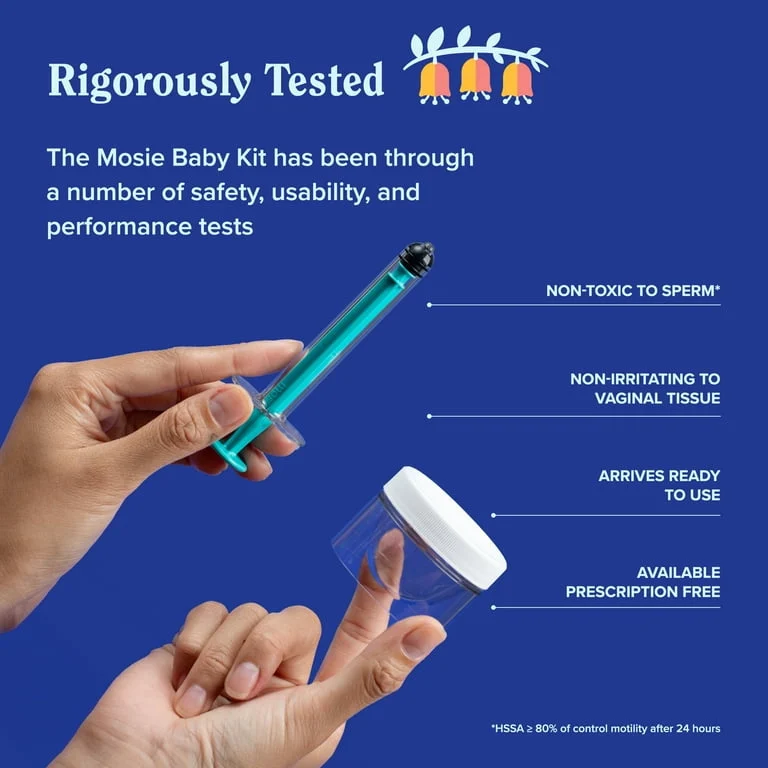
    Mosie Baby Kit with a syringe and container, highlighting safety and usability features on a blue background.

    From Fertility Struggles to Success: Our Journey with a Syringe Kit

    The second month, we followed the same routine, but this time, we decided to use a different syringe kit. The previous month’s kit was a bit complicated and messy to use, and we wanted to try something more user-friendly. We found a syringe kit specifically designed for home insemination, and it was a game-changer for us.

    The syringe kit came with pre-filled, sterile syringes and a step-by-step instruction manual. It was easy to use, and we felt more confident using it. We followed the instructions, and two weeks later, we got the news we had been waiting for – we were pregnant! We couldn’t believe it; we were overjoyed and grateful that our journey with the syringe kit had finally led us to success.

    Our pregnancy was a smooth and healthy one, and nine months later, we welcomed our beautiful baby girl into the world. We were filled with so much love and happiness, and we couldn’t thank the syringe kit enough for helping us achieve our dream of starting a family.

    Looking back, our journey with the syringe kit taught us some valuable lessons. Firstly, never give up, no matter how challenging the journey may seem. We had our doubts and fears, but we persisted, and it paid off in the end. Secondly, don’t be afraid to try new things. We were initially hesitant about using a syringe kit, but it ended up being the key to our success.

    Today, our daughter is two years old, and we couldn’t be happier. She is our little miracle, and we are forever grateful for the syringe kit that helped us bring her into this world. Our journey with the syringe kit may have been filled with struggles and uncertainties, but it ultimately led us to our greatest success – our beautiful family.

    In conclusion, fertility struggles can be a challenging and emotional journey, but it’s important to stay hopeful and open to different options. Our journey with a syringe kit may have been unexpected, but it brought us the greatest joy and happiness we could ever imagine – our daughter.

  • The Pros and Cons of Using a Syringe Kit for Insemination

    Blog Post Title: The Pros and Cons of Using a Syringe Kit for Insemination

    In recent years, there has been a rise in the popularity of at-home insemination methods, and one of the most commonly used tools for this is a syringe kit. These kits allow individuals or couples to perform insemination in the comfort and privacy of their own home, without the need for medical assistance. However, like any medical procedure, there are both pros and cons to using a syringe kit for insemination. In this blog post, we will explore the benefits and drawbacks of using a syringe kit for insemination, and help you determine if it is the right choice for you.

    Pros:

    1. Cost-effective:
    One of the biggest advantages of using a syringe kit for insemination is its affordability. Medical procedures for insemination can be expensive, ranging from hundreds to thousands of dollars. On the other hand, a syringe kit can cost as little as $20, making it a much more budget-friendly option for those trying to conceive.

    2. Convenience:
    Using a syringe kit for insemination allows for more flexibility and convenience in terms of timing. Unlike medical procedures that have to be scheduled in advance, using a syringe kit allows you to inseminate at home whenever it is most convenient for you. This can be especially helpful for individuals or couples with busy schedules or those who live in remote areas with limited access to medical facilities.

    3. Privacy:
    For some individuals or couples, the thought of undergoing a medical procedure for insemination can be uncomfortable or intimidating. Using a syringe kit at home allows for complete privacy and eliminates the need for any external involvement. This can be a huge relief for those who prefer to keep their fertility journey private.

    Hands holding a syringe and a small container against a blue background.

    The Pros and Cons of Using a Syringe Kit for Insemination

    4. Reusability:
    Most syringe kits come with multiple syringes, allowing for multiple insemination attempts. This can be beneficial for those who have a lower sperm count or those who want to increase their chances of success by trying insemination multiple times in one cycle. Additionally, if you are not successful in conceiving, you can continue to use the kit for future attempts, making it a cost-effective choice in the long run.

    Cons:

    1. Increased risk of infection:
    One of the main concerns with using a syringe kit for insemination is the risk of infection. It is crucial to ensure that the syringe and all other equipment used are properly sterilized before use. Failure to do so can lead to serious infections and even impact the success of the insemination. It is recommended to consult with a medical professional on proper sterilization techniques and to always use a new, sterile syringe for each attempt.

    2. Lower success rates:
    Compared to medical procedures for insemination, the success rates of using a syringe kit are relatively low. This is due to the fact that at-home insemination does not involve the precise and controlled environment of a medical facility. Additionally, there is a higher chance of human error when performing the procedure at home, which can also impact the success rate.

    3. Limited access to medical guidance:
    When using a syringe kit for insemination, you do not have access to the guidance and expertise of medical professionals. This can be a disadvantage for those who have underlying health conditions or fertility issues that may impact the success of the insemination. It is important to consult with a doctor before attempting at-home insemination to ensure that it is a safe and viable option for you.

    4. Emotional toll:
    Insemination, whether performed at home or in a medical setting, can be emotionally taxing for individuals or couples struggling with fertility. However, using a syringe kit at home can add an extra layer of stress and pressure, as you are solely responsible for the success of the procedure. This can be overwhelming for some, and it is important to consider the emotional toll it may take before deciding to use a syringe kit for insemination.

    Summary:
    Using a syringe kit for insemination has both pros and cons. On the positive side, it is a cost-effective, convenient, and private option for those trying to conceive. However, it also comes with risks such as increased chances of infection and lower success rates compared to medical procedures. Additionally, the lack of access to medical guidance and the added emotional toll can also be potential drawbacks. It is important to carefully consider these factors and consult with a medical professional before deciding if a syringe kit is the right choice for you.