Tag: fertility

  • Maximizing Your Chances: The Top Components of an At-Home Conception Kit

    Maximizing Your Chances: The Top Components of an At-Home Conception Kit

    For many couples struggling with infertility, the thought of expensive fertility treatments or invasive procedures can be overwhelming. However, there are affordable and convenient options available for those who want to try to conceive at home. One of these options is an at-home conception kit, which contains all the necessary tools and information to maximize your chances of getting pregnant. In this blog post, we will discuss the top components of an at-home conception kit and how they can increase your chances of conception.

    1. Ovulation Predictor Kits (OPKs)

    The first component of an at-home conception kit is ovulation predictor kits (OPKs). These kits contain urine or saliva tests that detect the surge of luteinizing hormone (LH) in your body, which indicates that ovulation is about to occur. By tracking your LH levels, you can determine the best time to try to conceive and maximize your chances of getting pregnant. OPKs are easy to use and are often included in at-home conception kits.

    2. Pregnancy Tests

    Another important component of an at-home conception kit is pregnancy tests. These tests detect the presence of human chorionic gonadotropin (hCG) in your urine, which is produced after a fertilized egg implants in the uterus. By having pregnancy tests on hand, you can quickly and easily confirm if you are pregnant or not. This can help you avoid unnecessary stress and anxiety, and also allow you to start taking proper care of yourself and your growing baby.

    3. Basal Body Temperature (BBT) Thermometer

    Tracking your basal body temperature (BBT) is another crucial aspect of maximizing your chances of conception. BBT is the lowest body temperature in a 24-hour period and typically rises slightly after ovulation. By using a special BBT thermometer, you can track your temperature daily and look for the slight increase that indicates ovulation. This information can help you determine your most fertile days and increase your chances of getting pregnant.

    4. Fertility Supplements

    Many at-home conception kits also include fertility supplements, which can help boost your reproductive health and increase your chances of conception. These supplements often contain vitamins, minerals, and herbs that support hormone balance, egg and sperm health, and overall reproductive function. However, it is important to consult with your doctor before taking any supplements, as they may interact with other medications or have side effects.

    Baby wearing a blue shirt with "made with Love" text, surrounded by colorful floral and butterfly designs.

    Maximizing Your Chances: The Top Components of an At-Home Conception Kit

    5. Educational Resources

    In addition to physical tools, at-home conception kits often include educational resources such as books, DVDs, or online courses. These resources can provide valuable information on fertility, ovulation tracking, and other important factors that can affect your chances of conception. By educating yourself on the process of conception and understanding your body’s reproductive cycle, you can make more informed decisions and increase your chances of getting pregnant.

    6. Fertility Tracking Apps

    In today’s digital age, many at-home conception kits also come with fertility tracking apps. These apps allow you to track your menstrual cycle, ovulation, BBT, and other important fertility indicators on your phone. They can also provide personalized insights and predictions based on your data, making it easier for you to plan and track your conception journey.

    7. Lubricants

    Some at-home conception kits may also include fertility-friendly lubricants. These lubricants are specifically designed to support sperm movement and survival, which can be crucial for couples trying to conceive. Regular lubricants may contain ingredients that can harm sperm, so using a fertility-friendly option can increase your chances of conception.

    8. Support and Guidance

    An often overlooked but important component of an at-home conception kit is the support and guidance it provides. Trying to conceive can be a stressful and emotional journey, and having a kit that offers support and guidance can be incredibly beneficial. This can come in the form of access to fertility experts, online support groups, or even a dedicated customer service team.

    In conclusion, an at-home conception kit can be a valuable tool for couples trying to conceive. By including components such as ovulation predictor kits, pregnancy tests, BBT thermometers, fertility supplements, educational resources, fertility tracking apps, lubricants, and support and guidance, these kits offer a comprehensive solution for maximizing your chances of getting pregnant. However, it is important to remember that every couple’s journey is unique, and it is always best to consult with a healthcare professional for personalized advice and guidance.

    Summary:

    Maximizing your chances of getting pregnant can be made easier and more affordable with an at-home conception kit. These kits contain various components, including ovulation predictor kits, pregnancy tests, BBT thermometers, fertility supplements, educational resources, fertility tracking apps, lubricants, and support and guidance, that can increase your chances of conception. By utilizing these tools and resources, couples can make more informed decisions and track their fertility journey more effectively. However, it is always important to consult with a healthcare professional for personalized advice and guidance.


  • DIY Conception: How an At-Home Support Kit Can Help You Get Pregnant

    Summary:

    DIY conception, or trying to conceive at home, has become a popular option for many couples who are struggling with infertility or simply want to take a more natural approach to starting a family. However, navigating the process of DIY conception can be overwhelming and confusing. This is where an at-home support kit can come in handy. In this blog post, we will discuss what DIY conception is, the benefits of using an at-home support kit, and how to choose the right kit for you.

    DIY conception is the process of trying to get pregnant without medical intervention or assistance. This can include tracking ovulation, using natural supplements or treatments, and making lifestyle changes to improve fertility. Many couples choose this route as it gives them more control over the process and allows them to avoid invasive medical procedures.

    One of the main benefits of using an at-home support kit for DIY conception is that it provides structure and guidance. Trying to get pregnant can be a daunting task, and having a kit that outlines steps and provides resources can make the process less overwhelming. Additionally, these kits often include ovulation predictor tools, supplements, and educational materials to help increase the chances of conception.

    logo featuring a pink heart above two teal leaves on a blue circular background

    DIY Conception: How an At-Home Support Kit Can Help You Get Pregnant

    Another advantage of using an at-home support kit is that it can save time and money. Going to a fertility clinic or specialist can be expensive, and not everyone has the resources to do so. DIY conception kits are typically more affordable and can be used in the comfort of your own home, eliminating the need for costly appointments and procedures.

    When choosing an at-home support kit for DIY conception, it is essential to do your research and choose a reputable brand. Look for kits that include ovulation predictor tools, supplements with safe and effective ingredients, and educational materials. It is also a good idea to read reviews and ask for recommendations from friends or online support groups.

    In addition to using a support kit, there are other steps you can take to increase your chances of conception. Eating a healthy diet, reducing stress, and maintaining a healthy weight can all contribute to fertility. It is also important to communicate openly and honestly with your partner and to seek support from friends and family during the process.

    In conclusion, DIY conception can be a viable option for couples who want to take a more natural approach to starting a family. An at-home support kit can provide structure, guidance, and resources to make the process less overwhelming and more affordable. By doing your research and choosing a reputable kit, and taking care of your overall health, you can increase your chances of successfully conceiving at home.

  • Creating Your Dream Family: The Essential At-Home Conception Kit

    Creating Your Dream Family: The Essential At-Home Conception Kit

    Starting a family is a dream for many people, but for some, it can be a challenging and emotional journey. Fertility treatments and procedures can be expensive and time-consuming, making it difficult for some couples to conceive. However, with advances in technology and a better understanding of fertility, there are now options for creating your dream family at home. One such option is an at-home conception kit, which can help increase your chances of getting pregnant without the need for expensive medical interventions. In this blog post, we will discuss the essential components of an at-home conception kit and how it can help you achieve your dream of starting a family.

    Understanding Fertility and Conception

    Before we dive into the details of an at-home conception kit, it is essential to have a basic understanding of fertility and conception. Fertility is the ability to conceive a child, and it varies from person to person. According to the Centers for Disease Control and Prevention (CDC), about 12% of women aged 15 to 44 in the United States have difficulty getting pregnant or carrying a pregnancy to term. There are various factors that can affect fertility, including age, health, and lifestyle choices. Additionally, conception occurs when a sperm fertilizes an egg, which then implants itself in the lining of the uterus, resulting in pregnancy. This process may seem simple, but it can be quite complex and may require some extra help for some couples.

    What is an At-Home Conception Kit?

    An at-home conception kit is a collection of tools and products designed to help couples increase their chances of getting pregnant. These kits typically include ovulation predictor kits, pregnancy tests, and supplements to support fertility. They are available over-the-counter and do not require a prescription, making them easily accessible for those looking to start a family. The goal of an at-home conception kit is to provide couples with the tools and information they need to track their fertility and optimize their chances of conception.

    Essential Components of an At-Home Conception Kit

    1. Ovulation Predictor Kits

    Ovulation predictor kits (OPKs) are one of the essential components of an at-home conception kit. These kits use urine or saliva samples to detect the presence of luteinizing hormone (LH) in a woman’s body. LH is a hormone released by the pituitary gland that triggers ovulation. OPKs can help women determine when they are most fertile, which is typically around 24 to 36 hours before ovulation. This information is crucial for couples trying to conceive as it helps them time intercourse during the most fertile window, increasing their chances of conception.

    2. Pregnancy Tests

    Another important component of an at-home conception kit is a pregnancy test. These tests use urine samples to detect the presence of human chorionic gonadotropin (hCG), a hormone produced during pregnancy. Pregnancy tests can accurately determine pregnancy as early as 10 days after conception, giving couples an early indication of whether or not they were successful in their attempts to conceive. Having pregnancy tests included in the at-home conception kit saves couples from having to make multiple trips to the pharmacy, adding convenience and privacy to the process.

    3. Fertility Supplements

    Fertility supplements are becoming increasingly popular as they claim to support and improve fertility in both men and women. These supplements usually contain a combination of vitamins, minerals, and herbs that are believed to enhance reproductive health and increase the chances of conception. While there is limited scientific evidence to support the effectiveness of these supplements, some couples may find them helpful in their journey to starting a family. It is essential to consult with a healthcare professional before adding any supplements to your daily routine, as they may interact with other medications or have potential side effects.

    4. Basal Body Temperature Thermometer

    Baby with blue eyes wearing a light blue onesie that says "made with Love" on a soft white background.

    Creating Your Dream Family: The Essential At-Home Conception Kit

    A basal body temperature (BBT) thermometer is a specialized thermometer used to track changes in body temperature throughout a woman’s menstrual cycle. During ovulation, a woman’s BBT will slightly increase, and this change can help identify her most fertile days. Using a BBT thermometer in conjunction with an ovulation predictor kit can provide a more accurate prediction of ovulation and increase the chances of conception. These thermometers are typically included in at-home conception kits, making it easier for couples to track their fertility at home.

    5. Conception Guide and Charting Tools

    Finally, most at-home conception kits come with a conception guide and charting tools to help couples understand the process of conception and track their fertility. The guide usually includes information about ovulation, fertility, and tips for increasing the chances of conception. The charting tools, such as calendars and charts, allow couples to document their ovulation and menstrual cycles, making it easier to identify patterns and determine the best time for intercourse.

    Benefits of Using an At-Home Conception Kit

    There are several benefits to using an at-home conception kit, including cost-effectiveness, convenience, and increased privacy. Fertility treatments and procedures can be expensive, and for some couples, they may not be a viable option. At-home conception kits are much more affordable and can be used in the comfort and privacy of your own home. Additionally, using an at-home conception kit allows couples to become more involved in the process of starting a family, giving them a sense of control and empowerment.

    Tips for Using an At-Home Conception Kit

    While at-home conception kits can be incredibly helpful in achieving your dream of starting a family, it is important to keep in mind that they are not a guarantee of pregnancy. Here are some tips to make the most out of your at-home conception kit:

    1. Follow the instructions carefully: Be sure to read and follow the instructions provided with the kit to ensure accurate results.

    2. Track your cycles: Keep track of your menstrual cycle and use the tools provided in the kit to monitor your fertility accurately.

    3. Be patient: It may take a few cycles to get the hang of using an at-home conception kit and to determine the best time for intercourse.

    4. Consult with a healthcare professional: If you have been trying to conceive for a while without success, it may be beneficial to consult with a healthcare professional for further guidance and support.

    In conclusion, an at-home conception kit can be a helpful tool for couples looking to start a family. It provides them with the necessary tools and information to track their fertility and increase their chances of conception. While it may not be suitable for everyone, it is worth considering for those wanting to take a more natural and cost-effective approach to starting a family.

    Summary:

    Starting a family can be a challenging and emotional journey, but with advances in technology, there are now options for creating your dream family at home. An at-home conception kit is a collection of tools and products designed to help couples increase their chances of getting pregnant. It typically includes ovulation predictor kits, pregnancy tests, fertility supplements, BBT thermometers, and conception guides and charting tools. Using an at-home conception kit can be cost-effective, convenient, and provide increased privacy. However, it is important to follow the instructions carefully, track your cycles, be patient, and consult with a healthcare professional if needed. While it may not be suitable for everyone, an at-home conception kit can be a helpful tool for couples wanting to take a more natural and affordable approach to starting a family.

  • Boosting Fertility at Home: The Ultimate Conception Support Kit

    Are you and your partner trying to conceive but facing challenges? You’re not alone. Infertility affects millions of couples worldwide. While there are various medical treatments available, there are also natural ways to boost fertility at home. In this blog post, we’ll explore the ultimate conception support kit, consisting of various tools and techniques that can help increase your chances of getting pregnant.

    Before we dive into the specifics, it’s important to understand the factors that can affect fertility. These include age, hormonal imbalances, certain medical conditions, and lifestyle factors such as diet and stress. By addressing these factors and incorporating the following items into your daily routine, you can create a powerful fertility support kit to aid in your journey towards conception.

    1. Fertility Tracking Apps
    One of the first steps in boosting fertility is understanding your menstrual cycle. Fertility tracking apps, such as Glow and Clue, can help you keep track of your periods, ovulation, and fertile window. These apps also allow you to log other relevant information, such as your basal body temperature and cervical mucus, to provide a more accurate prediction of ovulation. By knowing your fertile window, you can time intercourse accordingly, increasing your chances of conception.

    2. Ovulation Predictor Kits
    For a more precise determination of ovulation, you can use ovulation predictor kits (OPKs). These kits detect the presence of luteinizing hormone (LH) in your urine, which surges just before ovulation. By testing daily around the time of ovulation, you can pinpoint the exact day you are most likely to conceive.

    3. Essential Oils
    Certain essential oils have been known to support fertility and hormone balance. Examples include clary sage, geranium, and ylang-ylang. These oils can be diffused, added to a bath, or diluted and applied to the skin. They can help reduce stress, regulate hormones, and promote relaxation, creating a favorable environment for conception.

    4. Herbal Teas
    Herbal teas have been used for centuries to support reproductive health. Some popular options for boosting fertility include red raspberry leaf, nettle leaf, and peppermint. These teas are rich in antioxidants and can help regulate hormones and improve overall reproductive function. Just be sure to consult with your doctor before incorporating any new herbal teas into your routine, especially if you are taking any medications.

    5. Supplements
    Certain vitamins and minerals are essential for reproductive health and can be taken as supplements to boost fertility. These include folic acid, zinc, and vitamin D. Folic acid is crucial for fetal development and can help prevent birth defects. Zinc is essential for sperm production and can improve sperm quality. Vitamin D is necessary for hormonal balance and can help regulate menstrual cycles. Be sure to consult with your doctor before taking any new supplements, as they may interact with other medications.

    at-home insemination kit featuring a syringe and container for fresh or donor sperm conception

    Boosting Fertility at Home: The Ultimate Conception Support Kit

    6. Healthy Diet
    Eating a healthy, balanced diet is crucial for fertility. Avoid processed foods and focus on whole, nutrient-dense foods. Incorporate plenty of fruits, vegetables, lean protein, and healthy fats into your meals. Some foods that are particularly beneficial for fertility include leafy greens, avocados, salmon, and eggs. These foods are rich in vitamins, minerals, and antioxidants that can help regulate hormones and improve overall reproductive function.

    7. Regular Exercise
    Regular physical activity not only promotes overall health, but it can also improve fertility. Exercise helps reduce stress, regulate hormones, and maintain a healthy weight, all of which can contribute to a favorable environment for conception. Aim for at least 30 minutes of moderate exercise, such as brisk walking or yoga, most days of the week.

    8. Stress Management
    Stress can have a significant impact on fertility. When we are stressed, our bodies produce high levels of cortisol, which can interfere with reproductive hormones. Finding ways to manage stress, such as meditation, yoga, or counseling, can help reduce cortisol levels and create a more conducive environment for conception.

    9. Acupuncture
    Acupuncture, a traditional Chinese medicine practice, has been shown to be beneficial for fertility. It involves the insertion of thin needles into specific points on the body to stimulate energy flow. This can help regulate hormones, improve blood flow, and reduce stress, all of which can contribute to increased fertility.

    10. Fertility Massage
    Fertility massage is a type of abdominal massage that is specifically designed to support reproductive health. It involves gentle, targeted movements to improve blood flow and stimulate the reproductive organs. Fertility massage can help regulate hormones, improve egg quality, and increase the chances of conception.

    By incorporating these items into your daily routine, you can create a powerful conception support kit to boost fertility and increase your chances of getting pregnant naturally. Remember to consult with your doctor before trying any new methods, and be patient and kind to yourself as you embark on this journey. With the right tools and techniques, you can increase your chances of conceiving and welcome a new addition to your family.

    In summary, boosting fertility at home involves addressing factors that can affect fertility, such as age, hormonal imbalances, and lifestyle. By incorporating fertility tracking apps, ovulation predictor kits, essential oils, herbal teas, supplements, a healthy diet, regular exercise, stress management techniques, acupuncture, and fertility massage into your daily routine, you can create a powerful conception support kit to aid in your journey towards conception.

  • The Role of Non-Invasive Insemination in Family Building for Women Over 30

    Blog Post:

    As women reach their thirties, they may start to feel the pressure of their biological clock ticking. Many women in this age group may also be considering starting a family, but may face challenges when it comes to conceiving naturally. In the past, options for women over 30 who wanted to have a child included adoption or expensive and invasive fertility treatments. However, with advances in technology and medical procedures, non-invasive insemination has become a viable and popular option for family building for women over 30.

    Non-invasive insemination, also known as artificial insemination or intrauterine insemination (IUI), is a fertility treatment that involves placing sperm directly into a woman’s uterus to increase the chances of fertilization. Unlike other fertility treatments, such as in vitro fertilization (IVF), IUI does not require the removal of eggs from the woman’s body. Instead, the sperm is placed directly into the uterus during the woman’s ovulation period, increasing the chances of fertilization and pregnancy.

    While IUI can be used for women of any age, it has become a popular option for women over 30 who are looking to start a family. This is due to a variety of factors, including the decline in fertility as women age and the potential for underlying fertility issues as women get older. Non-invasive insemination offers a less invasive and less expensive option compared to other fertility treatments, making it an attractive choice for many women.

    One of the main benefits of non-invasive insemination for women over 30 is its success rate. According to the American Pregnancy Association, the success rate for IUI is between 10-20%, depending on factors such as age, overall health, and the cause of infertility. While this may seem low, it is still a viable option for many women who may not have had success with natural conception or who may not be ready for more invasive fertility treatments.

    Another advantage of non-invasive insemination is its affordability. Compared to other fertility treatments, IUI is relatively inexpensive. The cost of IUI can range from $300 to $1000 per cycle, which is significantly less than the cost of IVF, which can be upwards of $10,000 per cycle. This makes IUI a more accessible option for women over 30 who may not have the financial means for more expensive treatments.

    At-home insemination kit with syringes and collection cups on a teal background.

    The Role of Non-Invasive Insemination in Family Building for Women Over 30

    Non-invasive insemination also offers a more natural approach to fertility treatment. Unlike IVF, which involves the use of hormones and the removal of eggs from the woman’s body, IUI does not involve any medication or invasive procedures. This can be a more attractive option for women who prefer a more natural approach to family building.

    For women over 30, non-invasive insemination can also address any underlying fertility issues that may be present. As women age, their egg quality and quantity may decrease, which can make it more difficult to conceive naturally. With IUI, the sperm is placed directly into the uterus, increasing the chances of fertilization and potentially bypassing any fertility issues.

    Non-invasive insemination also offers options for single women or LGBTQ+ couples who are looking to start a family. With IUI, donor sperm can be used, allowing for biological parenthood for individuals or couples who may not have other options.

    However, it is important to note that non-invasive insemination may not be the best option for everyone. It is not recommended for women with severe fertility issues or for those with blocked fallopian tubes. It is also important for women to undergo thorough testing and consultation with a fertility specialist before deciding on IUI as a treatment option.

    In conclusion, non-invasive insemination has become a popular and successful option for family building for women over 30. Its affordability, success rate, and more natural approach make it an attractive choice for many women who may be facing challenges with natural conception. While it may not be the best option for everyone, it offers a viable alternative for women who are looking to start a family later in life.

    Summary:

    As women over 30 face challenges with natural conception, non-invasive insemination has become a popular and successful option for family building. This fertility treatment involves placing sperm directly into a woman’s uterus during ovulation, increasing the chances of fertilization. It is a less invasive and more affordable option compared to other treatments, making it an attractive choice for many women. Non-invasive insemination also offers a more natural approach to fertility treatment and can address underlying fertility issues. However, it may not be suitable for women with severe fertility issues or blocked fallopian tubes. Overall, non-invasive insemination provides a viable option for women over 30 who are looking to start a family.

  • and Dealing with PCOS? Non-Invasive Insemination May Be the Solution

    Blog Post:

    Polycystic Ovary Syndrome (PCOS) is a hormonal disorder that affects millions of women worldwide. It is characterized by irregular periods, excess male hormones, and enlarged ovaries with small cysts. The exact cause of PCOS is unknown, but genetics and insulin resistance are believed to play a role. If you have PCOS, you may experience symptoms such as weight gain, excessive hair growth, acne, and difficulty getting pregnant. However, with proper management and treatment, women with PCOS can lead healthy and fulfilling lives. In this blog post, we will discuss the challenges of dealing with PCOS and how non-invasive insemination may be a solution for women struggling to conceive.

    Dealing with PCOS can be a frustrating and emotionally taxing journey. The symptoms of PCOS can vary from person to person, making it difficult to diagnose and treat. Many women with PCOS struggle with weight gain, which can lead to other health issues such as high blood pressure, diabetes, and heart disease. Excess male hormones can also cause unwanted hair growth and acne, which can have a significant impact on a woman’s self-esteem and confidence.

    One of the biggest challenges of PCOS is fertility. Many women with PCOS have difficulty getting pregnant due to irregular ovulation or not ovulating at all. This can be devastating for women who dream of starting a family. Fortunately, there are various treatment options available to help women with PCOS conceive, and one of them is non-invasive insemination.

    Non-invasive insemination, also known as artificial insemination, is a fertility treatment that involves placing sperm directly into a woman’s uterus to increase the chances of pregnancy. This procedure is less invasive and less expensive than other fertility treatments such as in vitro fertilization (IVF). Non-invasive insemination can be an effective option for women with PCOS who are struggling to get pregnant naturally.

    There are two types of non-invasive insemination techniques: intrauterine insemination (IUI) and intracervical insemination (ICI). IUI involves placing sperm into the uterus using a thin, flexible catheter. This procedure is usually done around the time of ovulation to increase the chances of fertilization. ICI, on the other hand, involves placing sperm into the cervix using a syringe. This procedure can be done at home, making it a more convenient option for some women.

    Mosie Baby At-Home Insemination Kit instructions and storage guidelines on a blue background.

    and Dealing with PCOS? Non-Invasive Insemination May Be the Solution

    So, how can non-invasive insemination help women with PCOS? Firstly, it can help bypass the irregular ovulation or lack of ovulation caused by PCOS. By placing sperm directly into the uterus or cervix, the chances of fertilization are significantly increased. Secondly, non-invasive insemination can help with sperm quality issues. In some cases, the male partner may have low sperm count or poor sperm motility, which can make it difficult to conceive. Non-invasive insemination can help by placing a higher concentration of sperm closer to the egg, increasing the chances of fertilization.

    Non-invasive insemination can also be a more affordable option for women with PCOS. As mentioned earlier, treatments like IVF can be expensive, and many insurance companies do not cover them. However, non-invasive insemination can cost significantly less, making it a more accessible option for many couples struggling with infertility.

    It is essential to note that non-invasive insemination may not be suitable for all women with PCOS. It is crucial to consult with a fertility specialist to determine if this treatment is right for you. The success rates of non-invasive insemination can vary depending on factors such as age, overall health, and the cause of infertility. Your doctor will be able to assess your individual situation and recommend the best course of action.

    In addition to non-invasive insemination, there are other ways women with PCOS can improve their chances of getting pregnant. Maintaining a healthy weight and managing insulin levels through diet and exercise can help regulate ovulation and improve fertility. Some women may also benefit from medications that induce ovulation, such as clomiphene citrate or letrozole.

    In conclusion, PCOS can be a challenging condition to deal with, especially for women who are trying to conceive. However, non-invasive insemination can be a viable solution for those struggling with infertility due to PCOS. It is a less invasive and more affordable option compared to other fertility treatments, making it accessible to more women. If you have PCOS and are trying to get pregnant, consult with a fertility specialist to determine if non-invasive insemination is right for you.

    Summary:

    PCOS is a hormonal disorder that affects millions of women worldwide and can be a challenging condition to deal with. It can cause symptoms such as weight gain, excess hair growth, and difficulty getting pregnant. Non-invasive insemination, also known as artificial insemination, may be a solution for women with PCOS struggling to conceive. This procedure involves placing sperm directly into the uterus or cervix, increasing the chances of fertilization. It is a less invasive and more affordable option compared to other fertility treatments such as IVF. However, it is crucial to consult with a fertility specialist to determine if this treatment is right for you. Maintaining a healthy weight and managing insulin levels through diet and exercise can also help improve fertility for women with PCOS.

  • The Non-Invasive Insemination Process: Step-by-Step Guide for Couples in Their 30s

    Summary:

    Couples in their 30s who are struggling with fertility issues may turn to non-invasive insemination as a way to conceive. This process involves using donated sperm to fertilize the woman’s egg without the need for surgery or invasive procedures. In this step-by-step guide, we will walk through the non-invasive insemination process and provide helpful tips for couples in their 30s who are considering this option.

    Step 1: Consultation with a Fertility Specialist

    The first step in the non-invasive insemination process is to schedule a consultation with a fertility specialist. This doctor will review your medical history and perform any necessary tests to determine if you are a good candidate for insemination. They will also discuss the different methods of insemination and help you decide which one is best for you.

    Step 2: Choose a Donor

    Once you have decided to move forward with non-invasive insemination, you will need to choose a sperm donor. This can be done through a sperm bank or through a known donor, such as a friend or family member. It’s important to thoroughly screen the donor for any genetic or health issues, and to ensure that they have been properly tested for sexually transmitted infections.

    Step 3: Ovulation Monitoring

    Before insemination can occur, the woman’s ovulation must be closely monitored. This can be done through at-home ovulation kits or through ultrasounds at the fertility clinic. It’s important to time the insemination correctly to increase the chances of success.

    Step 4: Preparation for Insemination

    On the day of insemination, the woman will need to prepare her body by taking ovulation-inducing medication or receiving hormone injections. This will help to stimulate the production of eggs and increase the chances of conception.

    Step 5: Insemination Procedure

    at-home insemination kit by Mosie Baby, featuring syringes, collection cups, and instructions on a pink background.

    The Non-Invasive Insemination Process: Step-by-Step Guide for Couples in Their 30s

    The actual insemination procedure is a quick and painless process. The sperm is collected and prepared in the clinic, and then inserted into the woman’s uterus using a catheter. The entire procedure takes only a few minutes and can be done in the doctor’s office.

    Step 6: Rest and Recovery

    After the insemination, the woman will need to rest for a short period of time before going home. It’s important to avoid strenuous activity for the rest of the day to allow the sperm to reach the egg and increase the chances of conception.

    Step 7: Pregnancy Testing

    Two weeks after the insemination procedure, a pregnancy test will be taken to determine if the procedure was successful. If the test is positive, the woman will need to schedule a follow-up appointment with her fertility specialist for further monitoring and care.

    Tips for Couples in Their 30s

    1. Be patient: Non-invasive insemination may not be successful on the first try. It’s important to be patient and give your body time to adjust to the process.

    2. Seek emotional support: The process of trying to conceive can be emotionally draining. It’s important for couples to seek emotional support from each other, as well as from friends and family.

    3. Consider other options: If non-invasive insemination is not successful, there are other fertility treatments available, such as in vitro fertilization (IVF) or adoption.

    4. Take care of your health: Eating a healthy diet, exercising regularly, and reducing stress can all help to improve fertility and increase the chances of success with non-invasive insemination.

    5. Be open and honest: Communication is key during this process. Be open and honest with your partner and your fertility specialist about any concerns or questions you may have.

    In conclusion, non-invasive insemination is a viable option for couples in their 30s who are struggling with fertility issues. By following this step-by-step guide and taking care of your emotional and physical health, you can increase your chances of success and start your journey towards parenthood.

  • Maximizing Your Chances of Success with Non-Invasive Insemination in Your 30s

    Blog Post Title: Maximizing Your Chances of Success with Non-Invasive Insemination in Your 30s

    In recent years, there has been a growing trend of women in their 30s choosing to delay starting a family. This decision may be due to various reasons such as career advancement, financial stability, or simply not finding the right partner. However, as women age, their fertility declines, and getting pregnant can become more challenging. As a result, many women in their 30s are turning to non-invasive insemination as a way to increase their chances of conceiving. In this blog post, we will discuss how women in their 30s can maximize their chances of success with non-invasive insemination.

    What is Non-Invasive Insemination?
    Non-invasive insemination is a method of assisted reproduction that involves inserting sperm into a woman’s reproductive tract without the need for surgery. It is a less invasive and more affordable option compared to other assisted reproductive techniques such as in vitro fertilization (IVF). Non-invasive insemination can be done through two methods: intrauterine insemination (IUI) and intracervical insemination (ICI). IUI involves placing sperm directly into the uterus, while ICI involves placing sperm near the cervix.

    Factors Affecting Fertility in Your 30s
    Before we dive into how to maximize your chances of success with non-invasive insemination, it is essential to understand the factors that can affect fertility in your 30s. As women age, the number and quality of their eggs decrease, making it harder to conceive. Other factors that may affect fertility include hormonal imbalances, health conditions, and lifestyle choices such as smoking and excessive alcohol consumption. It is crucial to consult with a fertility specialist to identify any underlying issues that may affect your chances of getting pregnant.

    Steps to Maximize Your Chances of Success with Non-Invasive Insemination
    1. Start Early
    One of the most critical factors in maximizing your chances of success with non-invasive insemination is starting early. As mentioned earlier, fertility declines with age, and the success rates of non-invasive insemination decrease after the age of 35. Therefore, it is advisable to start the process as soon as possible, ideally in your early 30s.

    2. Consult with a Fertility Specialist
    Before undergoing non-invasive insemination, it is crucial to consult with a fertility specialist. They will conduct a series of tests to assess your fertility and identify any underlying issues that may affect the success of the procedure. The specialist will also guide you on the best treatment plan based on your individual circumstances.

    Colorful promotional image for Mosie Baby, featuring home insemination kit and encouraging text.

    Maximizing Your Chances of Success with Non-Invasive Insemination in Your 30s

    3. Optimize Your Health
    Having a healthy body is crucial for increasing your chances of success with non-invasive insemination. It is essential to maintain a healthy weight, eat a balanced diet, and exercise regularly. It is also vital to quit smoking and limit alcohol consumption to improve your overall health and fertility.

    4. Consider Supplements
    Certain supplements can help improve fertility and increase your chances of success with non-invasive insemination. These include folic acid, which can boost egg quality, and Coenzyme Q10, which can improve sperm quality. It is essential to consult with your fertility specialist before taking any supplements.

    5. Choose the Right Sperm Donor
    If you are using donor sperm for non-invasive insemination, it is crucial to choose the right sperm donor. You should consider factors such as the donor’s age, physical characteristics, and medical history. It is also essential to use a reputable sperm bank to ensure that the sperm is of good quality and free from any genetic disorders.

    6. Track Your Ovulation
    Timing is crucial when it comes to non-invasive insemination. It is essential to keep track of your ovulation and schedule the procedure accordingly. This can be done through methods such as tracking your menstrual cycle, using ovulation predictor kits, or monitoring your basal body temperature.

    7. Follow Post-Insemination Guidelines
    After the insemination procedure, it is crucial to follow your fertility specialist’s post-insemination guidelines. This may include avoiding strenuous activities, abstaining from intercourse, and taking prescribed medications. These guidelines can help increase your chances of success and reduce the risk of complications.

    Conclusion
    Non-invasive insemination can be an effective option for women in their 30s who are struggling to conceive. By following the steps mentioned above, you can maximize your chances of success with this procedure. It is also essential to remember that every woman’s fertility journey is unique, and it is essential to consult with a fertility specialist for personalized advice.

    In summary, women in their 30s can maximize their chances of success with non-invasive insemination by starting early, consulting with a fertility specialist, optimizing their health, considering supplements, choosing the right sperm donor, tracking ovulation, and following post-insemination guidelines.

  • and Struggling with Unexplained Infertility? Non-Invasive Insemination May Hold the Answer

    Struggling with infertility can be a heart-wrenching and frustrating experience for many couples. According to the Centers for Disease Control and Prevention, about 12% of women in the United States aged 15 to 44 have difficulty getting pregnant or carrying a pregnancy to term. Infertility can have various causes, and sometimes, even after extensive testing, the cause remains unexplained. This can leave couples feeling helpless and unsure of what options are available to them. However, there is a relatively new and non-invasive treatment option that may hold the answer for those struggling with unexplained infertility – non-invasive insemination.

    Unexplained infertility is a diagnosis given when all standard fertility tests come back normal, yet the couple is still unable to conceive. This can be incredibly frustrating for couples who are eager to start a family and have been trying for months or even years. It can also be emotionally draining, as many couples may feel like they are running out of options and may never have the family they have always dreamed of.

    In the past, when all other fertility treatments had failed, the only option left for couples with unexplained infertility was in-vitro fertilization (IVF). IVF is a costly and invasive procedure that involves retrieving eggs from the woman’s ovaries, fertilizing them with sperm in a laboratory, and then transferring the embryos back into the uterus. While IVF has been successful for many couples, it is not without risks and side effects. It also comes with a hefty price tag, making it inaccessible for many couples.

    This is where non-invasive insemination (NII) comes in as a potential game-changer for couples struggling with unexplained infertility. NII, also known as natural cycle in-vitro fertilization, is a less invasive and more affordable option that can be used before resorting to IVF. It involves monitoring a woman’s natural ovulation cycle and then using a small catheter to place the sperm directly into the uterus, bypassing any potential fertility issues in the cervix or fallopian tubes. This increases the chances of sperm reaching the egg and fertilizing it, thus increasing the chances of conception.

    two teal and clear syringes positioned on a white background

    and Struggling with Unexplained Infertility? Non-Invasive Insemination May Hold the Answer

    One of the major benefits of NII is that it is minimally invasive, making it a less stressful and painful option for couples. The procedure does not require any anesthesia or medications, making it more accessible for women who may have health conditions that prevent them from undergoing more invasive procedures. It also has a lower risk of complications compared to IVF, which involves retrieving eggs from the ovaries.

    Another advantage of NII is that it is more affordable compared to IVF. The cost of NII can be as much as 80% lower than the cost of IVF, making it a more viable option for couples who may not be able to afford IVF or do not have insurance coverage for fertility treatments. This can alleviate some of the financial stress that comes with infertility treatments and allow couples to pursue multiple cycles if needed.

    Additionally, NII can also be used in combination with other fertility treatments, such as intrauterine insemination (IUI), to increase the chances of success. This flexibility in treatment options can provide couples with more hope and a sense of control over their fertility journey.

    However, NII may not be suitable for every couple struggling with unexplained infertility. It is important to consult with a fertility specialist to determine if NII is the right option for you. The success rates of NII can vary depending on factors such as age, overall health, and the cause of infertility. It is also essential to note that NII is not a quick fix and may require multiple cycles to achieve pregnancy.

    In conclusion, struggling with unexplained infertility can be a challenging and emotional experience for couples. However, non-invasive insemination offers a promising alternative to the more invasive and expensive IVF. It is a less invasive and more affordable option that can be used before resorting to IVF, giving couples more hope and control over their fertility journey. While NII may not be suitable for every couple, it is a potential solution that should not be overlooked. With more research and advancements in technology, non-invasive insemination may hold the answer for many couples struggling with unexplained infertility.

  • Non-Invasive Insemination: A Safer and More Natural Alternative to IVF

    Non-invasive insemination, also known as natural insemination or artificial insemination, is a procedure that involves placing sperm directly into the reproductive tract of a woman in order to facilitate fertilization. Unlike In Vitro Fertilization (IVF), which involves the fertilization of eggs outside the body, non-invasive insemination offers a safer and more natural alternative for couples struggling with fertility issues. In this blog post, we will take a closer look at non-invasive insemination, its benefits, and how it compares to IVF.

    Non-invasive insemination has been around for centuries, with the first recorded attempts dating back to the late 18th century. However, advancements in technology and medical procedures have made it a more viable option for couples in recent years. The procedure involves collecting sperm from the male partner and inserting it into the female partner’s reproductive tract, either through the cervix or directly into the uterus. This process can be done at a fertility clinic or at home with the use of a specially designed insemination kit.

    One of the main benefits of non-invasive insemination is that it is a much less invasive procedure compared to IVF. With IVF, a woman must undergo hormone injections and surgical procedures to retrieve and fertilize her eggs. This can be physically and emotionally taxing for the woman, and it also comes with a higher risk of complications. Non-invasive insemination, on the other hand, does not involve any major medical procedures, making it a safer and more comfortable option for women.

    Another advantage of non-invasive insemination is that it is a more affordable option for couples. IVF can cost tens of thousands of dollars, and it is often not covered by insurance. In contrast, non-invasive insemination can cost a few hundred dollars per cycle, making it a more accessible option for couples who may not have the financial means to pursue IVF.

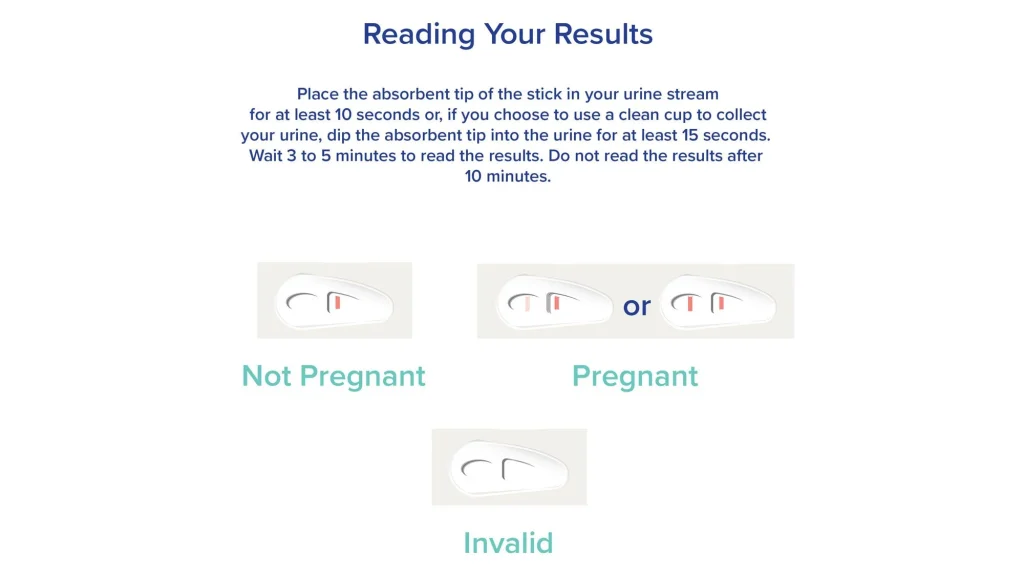
    Instructions for reading pregnancy test results with visual indicators for "Not Pregnant," "Pregnant," and "Invalid.

    Non-Invasive Insemination: A Safer and More Natural Alternative to IVF

    Moreover, non-invasive insemination offers a more natural approach to conception. During IVF, eggs are fertilized and embryos are created in a laboratory setting. This can sometimes feel disconnected from the natural process of conception and pregnancy. Non-invasive insemination, on the other hand, allows for fertilization to occur within the woman’s body, which can feel more organic and intimate for the couple.

    Non-invasive insemination also has a high success rate, with some studies showing a success rate of up to 30% per cycle. This is comparable to the success rate of IVF and can be even higher for couples who have no known fertility issues. Additionally, non-invasive insemination can be used with donor sperm, making it a viable option for same-sex couples or single women who wish to have children.

    Of course, non-invasive insemination is not without its limitations. It may not be suitable for couples with severe fertility issues, such as blocked fallopian tubes or low sperm count. In these cases, IVF may still be the best option. Additionally, non-invasive insemination does not guarantee a successful pregnancy, and multiple cycles may be needed to achieve a pregnancy.

    In conclusion, non-invasive insemination offers a safer, more natural, and more affordable alternative to IVF. It can be a suitable option for couples who want to avoid the more invasive procedures and high costs of IVF. However, it is important for couples to consult with a fertility specialist to determine if non-invasive insemination is the best option for their specific situation.

    In summary, non-invasive insemination is a procedure that involves placing sperm directly into a woman’s reproductive tract to facilitate fertilization. It is a safer, more natural, and more affordable alternative to IVF. Non-invasive insemination offers a more organic approach to conception and can be used with donor sperm. However, it may not be suitable for couples with severe fertility issues, and it is important to consult with a fertility specialist before pursuing this option.