Tag: fertility

  • Age and Cervical Mucus: A Guide for Women

    Age and Cervical Mucus: A Guide for Women

    For many women, cervical mucus is a topic that may not be discussed openly or frequently. However, understanding the changes in cervical mucus throughout the menstrual cycle can be crucial for women of all ages, especially when it comes to fertility and overall reproductive health. In this blog post, we will dive into the relationship between age and cervical mucus and what women should know about this important aspect of their bodies.

    What is Cervical Mucus?

    Cervical mucus, also known as cervical fluid, is a clear or whitish substance produced by the glands in the cervix. It plays a crucial role in the reproductive process as it helps sperm to travel through the cervix and into the uterus, increasing the chances of fertilization. Cervical mucus also helps to protect the uterus and reproductive organs from bacteria and other harmful substances.

    How Does Age Affect Cervical Mucus?

    As women age, their bodies go through various hormonal changes that can affect the quality and quantity of cervical mucus. These changes can also impact a woman’s overall reproductive health and fertility.

    In a woman’s reproductive years, the cervix produces different types of cervical mucus throughout the menstrual cycle. These changes in cervical mucus are influenced by the levels of estrogen and progesterone in the body. During the first half of the menstrual cycle, when estrogen levels are high, the cervical mucus becomes thin, clear, and stretchy, resembling the consistency of egg whites. This type of mucus is often referred to as “fertile mucus” as it helps sperm to reach the egg for fertilization. As a woman approaches ovulation, her cervical mucus becomes more abundant, slippery, and watery, making it easier for sperm to swim through.

    However, as a woman ages, her estrogen levels start to decline, leading to changes in the cervical mucus. This can result in a decrease in the amount of fertile mucus produced, making it more difficult for sperm to reach the egg. As a woman nears menopause, her cervical mucus may become thicker, stickier, and less abundant, making it harder for sperm to travel through the cervix. This can have a significant impact on a woman’s fertility and chances of conception.

    Furthermore, as women age, the quality of their cervical mucus may also be affected. The acidic environment of the vagina, which is necessary for sperm survival, may change due to hormonal fluctuations, making it less sperm-friendly. This can further decrease the chances of fertilization.

    What Can Women Do to Improve Cervical Mucus Quality?

    The good news is that there are steps women can take to improve the quality and quantity of their cervical mucus, regardless of their age. These include:

    At-home insemination kit with syringes and collection cups on a teal background.

    Age and Cervical Mucus: A Guide for Women

    1. Stay hydrated: Drinking enough water and staying hydrated can help to thin out cervical mucus, making it easier for sperm to travel through.

    2. Eat a healthy diet: A diet rich in fruits, vegetables, and whole grains can help to maintain a healthy hormonal balance and improve cervical mucus quality.

    3. Take supplements: Certain supplements, such as vitamin C, can help to improve the quality of cervical mucus. However, it is essential to consult with a healthcare provider before starting any supplements.

    4. Avoid substances that can affect cervical mucus: Smoking, excessive alcohol consumption, and certain medications can all negatively impact cervical mucus production and quality.

    5. Use fertility-friendly lubricants: Some lubricants can be harmful to sperm and may affect cervical mucus. It is best to use fertility-friendly lubricants or avoid them altogether when trying to conceive.

    In addition to these steps, women can also track their cervical mucus changes throughout their menstrual cycle. This can help them to identify any changes or abnormalities that may need medical attention.

    What About Women Who Have Gone Through Menopause?

    For women who have gone through menopause, the production of cervical mucus stops completely. However, this does not mean that the cervix is no longer important. The cervix still plays a crucial role in the reproductive health of post-menopausal women. It is essential to continue regular gynecological check-ups and screenings to ensure the health of the cervix and reproductive organs.

    In some cases, post-menopausal women may experience vaginal dryness due to a decrease in estrogen levels. This can lead to discomfort and pain during sexual intercourse. Using a vaginal moisturizer or lubricant can help to alleviate these symptoms.

    Conclusion

    Cervical mucus is a vital aspect of a woman’s reproductive health, and its changes throughout the menstrual cycle can have a significant impact on fertility. As women age, hormonal changes can affect the quantity and quality of cervical mucus, making it more difficult to conceive. However, there are steps that women can take to improve cervical mucus quality and increase their chances of conception. It is also essential for women to continue to pay attention to their cervical health, even after menopause.

    In summary, age can affect cervical mucus by decreasing its quantity and altering its quality. This can impact a woman’s fertility and overall reproductive health. However, by staying hydrated, eating a healthy diet, and avoiding substances that can affect cervical mucus, women can improve its quality. It is also crucial for women to continue to monitor their cervical health, even after menopause.


  • The Effects of Age on Cervical Mucus and Fertility

    Cervical mucus is a vital component of a woman’s reproductive health. It plays a crucial role in fertility and conception. However, as a woman ages, the quality and quantity of cervical mucus can change, having an impact on her ability to conceive. In this blog post, we will discuss the effects of age on cervical mucus and fertility.

    First, let’s understand what cervical mucus is and its role in fertility. Cervical mucus is a fluid produced by the cervix, the narrow passage that connects the uterus to the vagina. It is a mixture of water, proteins, and electrolytes, and its consistency and texture change throughout a woman’s menstrual cycle. Cervical mucus plays a vital role in aiding sperm survival and transport, providing a medium for sperm to travel through the cervix and into the uterus.

    The consistency of cervical mucus is categorized into four types: dry, sticky, creamy, and egg white. Dry and sticky mucus is not conducive to sperm survival and can make it difficult for sperm to reach the egg. On the other hand, creamy and egg white mucus are considered fertile and are necessary for conception. Egg white mucus is the most fertile type, as it is thin, slippery, and stretchy, making it easier for sperm to swim through and reach the egg.

    Now, let’s delve into how age affects cervical mucus and fertility. As a woman ages, her menstrual cycle becomes irregular, and the quality and quantity of cervical mucus change. In her 20s, a woman’s cervical mucus is at its peak, with the most fertile mucus produced around the time of ovulation. However, as she approaches her 30s, the quality and quantity of cervical mucus start to decline. This decline is due to a decrease in estrogen levels, which is responsible for producing cervical mucus.

    As a woman enters her 40s, her body undergoes significant changes, including menopause. During this stage, the body stops producing estrogen, causing a significant decline in cervical mucus. As a result, women in their 40s may experience dry or sticky mucus throughout their menstrual cycle, making it challenging to conceive.

    at-home insemination kit by Mosie Baby, featuring syringes, collection cups, and instructions on a pink background.

    The Effects of Age on Cervical Mucus and Fertility

    The changes in cervical mucus with age can also affect the success rate of fertility treatments such as intrauterine insemination (IUI) and in vitro fertilization (IVF). These procedures require a specific type of cervical mucus to increase the chances of pregnancy. With age, the quality and quantity of cervical mucus may not be suitable for these procedures, making it more challenging to achieve a successful pregnancy.

    Moreover, as a woman ages, the quality of her eggs also declines, making it difficult to conceive. This decline in egg quality is due to a decrease in ovarian reserve, which refers to the number and quality of eggs a woman has. As a woman reaches her 40s, her ovarian reserve decreases significantly, affecting her fertility.

    In addition to the changes in cervical mucus and egg quality, age also plays a role in the environment of the uterus. The lining of the uterus, known as the endometrium, also undergoes changes with age. As a woman approaches her 40s, the endometrium becomes thinner, making it challenging for a fertilized egg to implant and grow.

    It is essential to understand that age not only affects a woman’s ability to conceive but also increases the risk of pregnancy complications. Women over the age of 35 are more likely to experience complications such as gestational diabetes, preeclampsia, and preterm labor. It is crucial for women to be aware of these risks and make informed decisions about their reproductive health.

    In conclusion, cervical mucus plays a crucial role in a woman’s fertility, and as she ages, its quality and quantity change, affecting her ability to conceive. With the decline in estrogen levels, the production of fertile cervical mucus decreases, making it more challenging for sperm to reach the egg. Moreover, age also affects egg quality, the uterine environment, and increases the risk of pregnancy complications. It is essential for women to be aware of these changes and seek medical advice if they are having trouble conceiving.

    In summary, as a woman ages, the quality and quantity of cervical mucus change, affecting her fertility. This decline is due to a decrease in estrogen levels, which is responsible for producing fertile cervical mucus. Age also affects egg quality and the uterine environment, making it challenging to achieve a successful pregnancy. It is crucial for women to be aware of these changes and seek medical advice if they are having trouble conceiving.

  • The Connection Between Age and Cervical Mucus Changes

    Blog post:

    Cervical mucus is a natural fluid produced by the cervix, the lower part of the uterus. It plays an important role in the reproductive system, particularly in fertility and conception. Cervical mucus changes throughout a woman’s menstrual cycle and can be a helpful indicator of her fertility. In this blog post, we will explore the connection between age and cervical mucus changes and how it can affect a woman’s fertility.

    The menstrual cycle is controlled by various hormones, including estrogen and progesterone. These hormones are responsible for the production and changes in cervical mucus. As women age, their hormone levels and reproductive system also change, which can lead to changes in cervical mucus. Let’s take a closer look at how age affects cervical mucus changes.

    In the teenage years, girls typically experience their first periods and begin to ovulate. During this time, the cervical mucus tends to be thin and stretchy, similar to egg whites. This type of mucus is considered fertile and helps sperm travel through the cervix to the egg. Teenagers have high levels of estrogen, which is responsible for the production of this type of cervical mucus.

    As women enter their 20s and 30s, their hormone levels start to stabilize, and they have more regular menstrual cycles. The cervical mucus during this time is usually creamy and sticky, which is not as conducive to sperm survival. However, as ovulation approaches, the cervical mucus becomes thinner and more stretchy, making it easier for sperm to reach the egg.

    Hands holding a syringe and a small container against a blue background.

    The Connection Between Age and Cervical Mucus Changes

    In the late 30s and 40s, women experience a decline in their fertility due to a decrease in the number and quality of their eggs. This decline is also reflected in changes in cervical mucus. As women approach menopause, their hormone levels, particularly estrogen, decrease significantly. This can result in changes in the consistency and amount of cervical mucus. Women may experience drier and scantier mucus, making it more difficult for sperm to survive and reach the egg.

    Moreover, as women age, their cervical mucus also becomes more acidic, making it less hospitable for sperm. This change in acidity is due to a decrease in the production of alkaline substances in the cervix. As a result, sperm may have a harder time surviving in the acidic environment of the cervix, reducing the chances of fertilization.

    Another factor that affects cervical mucus changes with age is the use of hormonal birth control. Many women in their 20s and 30s use hormonal birth control, such as the pill or IUD, to prevent pregnancy. These methods work by suppressing ovulation and thickening the cervical mucus, making it difficult for sperm to reach the egg. As women age, their use of hormonal birth control can impact their cervical mucus production and quality, making it harder for them to conceive when they stop using birth control.

    In addition to age-related changes in cervical mucus, certain medical conditions and medications can also affect it. For example, women with polycystic ovary syndrome (PCOS) may have an excess of androgens, which can cause changes in cervical mucus. Certain medications, such as antihistamines, can also dry out cervical mucus.

    In conclusion, age plays a significant role in the changes of cervical mucus. As women grow older, their hormone levels, reproductive system, and use of birth control can impact the production and quality of cervical mucus. This can affect their fertility and chances of conceiving. It is essential for women to understand these changes and track their cervical mucus as part of their fertility awareness to optimize their chances of getting pregnant.

    In summary, cervical mucus changes throughout a woman’s life as she ages. Teenagers typically have thin and stretchy mucus, while women in their 20s and 30s may have creamy and sticky mucus. As women approach menopause, their mucus becomes drier and more acidic, making it less hospitable for sperm. The use of hormonal birth control and certain medical conditions and medications can also impact cervical mucus changes. Understanding these changes can help women track their fertility and increase their chances of conception.

  • Cervical Mucus and Aging: What You Need to Know

    Cervical Mucus and Aging: What You Need to Know

    Cervical mucus is a fluid secreted by the cells lining the cervix, the lower part of the uterus. It plays a crucial role in a woman’s reproductive health, as it helps facilitate pregnancy by nourishing and protecting sperm as they travel through the reproductive tract. However, as women age, the amount and quality of cervical mucus can change, affecting their fertility and overall reproductive health. In this blog post, we will explore the relationship between cervical mucus and aging, and what women need to know to maintain optimal reproductive health as they age.

    Understanding Cervical Mucus

    Before we dive into the effects of aging on cervical mucus, let’s first understand what it is and its role in a woman’s reproductive system. Cervical mucus is a clear or white fluid that is secreted by the cells lining the cervix. It can change in consistency and amount throughout a woman’s menstrual cycle, being thickest and most abundant around ovulation. This is because its primary function is to nourish sperm and help them reach the egg for fertilization.

    Cervical mucus also acts as a protective barrier, preventing any harmful bacteria or substances from entering the reproductive tract. It also serves as an indicator of a woman’s fertility, as the quality and quantity of cervical mucus can reflect the hormonal changes happening in the body.

    The Effects of Aging on Cervical Mucus

    As women age, their reproductive system undergoes various changes, including the amount and quality of cervical mucus. These changes are primarily due to declining levels of estrogen, the hormone responsible for regulating the menstrual cycle and maintaining reproductive health. Estrogen plays a crucial role in the production of cervical mucus, and as its levels decrease with age, so does the amount and quality of cervical mucus.

    One of the most significant changes in cervical mucus as women age is its consistency. As estrogen levels decrease, cervical mucus becomes thicker and stickier, making it difficult for sperm to reach the egg. This can lead to difficulties in conception, as sperm may not be able to travel through the reproductive tract as easily. Additionally, the decrease in cervical mucus can also make the vaginal environment less hospitable for sperm, further decreasing the chances of fertilization.

    Another effect of aging on cervical mucus is its quantity. As women age, they may produce less cervical mucus, further reducing their chances of conception. This decrease in quantity can also lead to vaginal dryness, which can cause discomfort and pain during sexual intercourse.

    at-home insemination kit by Mosie Baby, featuring syringes and containers for comfort and convenience.

    Cervical Mucus and Aging: What You Need to Know

    Maintaining Optimal Reproductive Health as You Age

    While the effects of aging on cervical mucus may seem daunting, there are steps women can take to maintain optimal reproductive health as they age. Here are some tips to keep in mind:

    1. Stay hydrated: Drinking plenty of water can help keep cervical mucus thin and fluid. It can also prevent vaginal dryness, making sexual intercourse more comfortable.

    2. Consider using fertility-friendly lubricants: If you experience vaginal dryness, using lubricants specifically designed for fertility can help improve the quality of cervical mucus and increase your chances of conception.

    3. Eat a healthy diet: A balanced and nutritious diet can help maintain hormonal balance and support reproductive health. Including foods rich in omega-3 fatty acids, such as salmon and avocado, can also help improve the quality of cervical mucus.

    4. Consider fertility treatments: If you are struggling with infertility due to changes in cervical mucus, consulting a fertility specialist and considering treatments such as intrauterine insemination (IUI) or in vitro fertilization (IVF) can help you conceive.

    5. Track your menstrual cycle: Monitoring your menstrual cycle and tracking changes in cervical mucus can help you identify the most fertile days in your cycle and increase your chances of conception.

    In conclusion, cervical mucus plays a crucial role in a woman’s reproductive health, and its quantity and quality can be affected by aging. However, by understanding these changes and taking proactive steps to maintain optimal reproductive health, women can increase their chances of conception and have a healthy reproductive system as they age.

    Summary: Cervical mucus is a fluid secreted by the cells lining the cervix that plays a crucial role in a woman’s reproductive health. As women age, the amount and quality of cervical mucus can change due to declining estrogen levels. This can affect fertility and overall reproductive health. To maintain optimal reproductive health, women should stay hydrated, consider using fertility-friendly lubricants, eat a healthy diet, consider fertility treatments, and track their menstrual cycle.

  • Uncovering the Truth About Age and Cervical Mucus

    Uncovering the Truth About Age and Cervical Mucus

    Cervical mucus is a fluid that is produced by the cervix throughout a woman’s menstrual cycle. It plays a crucial role in fertility by providing a hospitable environment for sperm to reach and fertilize an egg. However, as women age, the quality and quantity of cervical mucus can change, leading to difficulties in conception. In this blog post, we will delve into the truth about the impact of age on cervical mucus and its role in fertility.

    The Importance of Cervical Mucus

    Before discussing the effects of age on cervical mucus, it is essential to understand the role it plays in fertility. Cervical mucus is a fluid produced by the cervix, which acts as a protective barrier for sperm, providing a conducive environment for them to survive and reach the egg for fertilization. It also helps to filter out any abnormal sperm and provides nourishment to the sperm cells. In addition, cervical mucus can also act as a guide, directing the sperm towards the fallopian tubes where fertilization occurs.

    Cervical Mucus and the Menstrual Cycle

    The production and quality of cervical mucus vary throughout a woman’s menstrual cycle. During the beginning of the cycle, the mucus is usually thick and sticky, acting as a barrier to prevent bacteria from entering the uterus. As the woman approaches ovulation, the mucus becomes thinner, slippery, and more stretchy, resembling the consistency of egg whites. This type of mucus is known as fertile cervical mucus and is considered the most conducive for sperm survival and movement.

    The Impact of Age on Cervical Mucus

    As women age, their fertility declines, and the quality and quantity of cervical mucus can change. This is because, as women age, their ovaries produce fewer and lower quality eggs, leading to hormonal changes that can affect cervical mucus production. Additionally, the cervical mucus glands can also age, resulting in a decrease in mucus production. As a woman approaches menopause, the cervical mucus becomes less fertile and more acidic, making it difficult for sperm to survive and reach the egg.

    The Role of Cervical Mucus in Conception

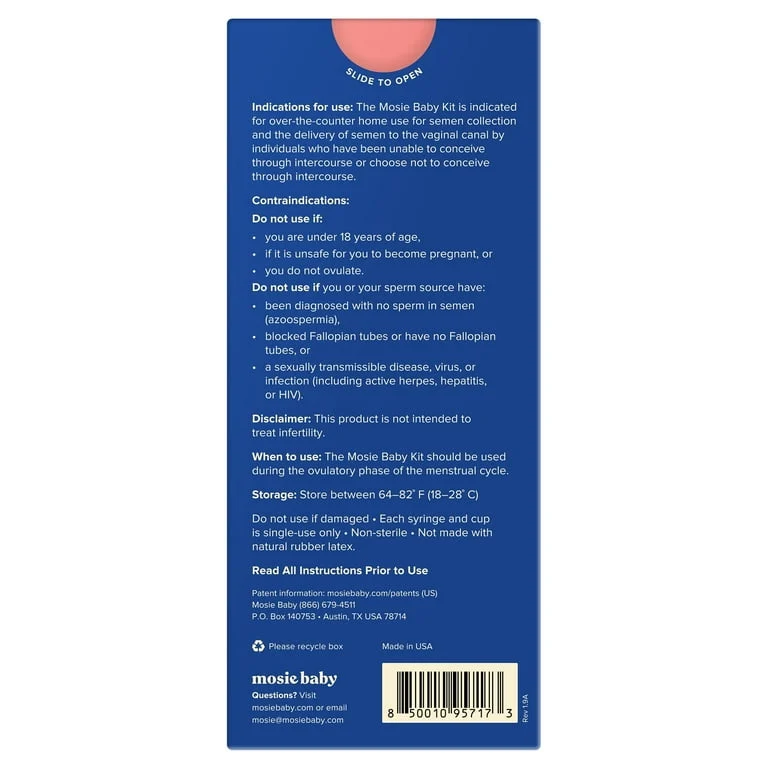
    Mosie Baby At-Home Insemination Kit instructions and storage guidelines on a blue background.

    Uncovering the Truth About Age and Cervical Mucus

    Cervical mucus is a crucial factor in conception, as it provides the necessary environment for sperm to survive and reach the egg. Without fertile cervical mucus, the sperm may not be able to survive long enough to reach the egg, reducing the chances of conception. Additionally, the quality of cervical mucus can also affect the sperm’s ability to swim towards the egg, further decreasing the chances of fertilization.

    The Effect of Age on Cervical Mucus and Fertility

    As mentioned earlier, as women age, the quality and quantity of cervical mucus can decline, which can affect fertility. The decrease in cervical mucus production and its quality can make it more challenging for sperm to reach the egg, reducing the chances of fertilization. Additionally, the acidic nature of cervical mucus as women approach menopause can also hinder sperm movement, further decreasing the chances of conception.

    Improving Cervical Mucus Quality

    While age can have a significant impact on cervical mucus, there are ways to improve its quality to enhance fertility. One way is by staying hydrated, as dehydration can affect the production and consistency of cervical mucus. Additionally, taking fertility supplements that contain ingredients like evening primrose oil and L-arginine can also help improve cervical mucus quality. It is also essential to maintain a healthy diet and lifestyle, as this can positively impact hormonal balance and cervical mucus production.

    Seeking Help

    If you are struggling with infertility, it is crucial to seek help from a medical professional. A fertility specialist can perform tests to determine the quality and quantity of your cervical mucus and provide guidance on improving fertility. They may also suggest fertility treatments, such as intrauterine insemination (IUI) or in vitro fertilization (IVF), to increase the chances of conception.

    In conclusion, cervical mucus plays a vital role in fertility, and as women age, its quality and quantity can change, making it more challenging to conceive. By understanding the impact of age on cervical mucus and taking steps to improve its quality, women can increase their chances of conception. Seeking help from a fertility specialist can also provide valuable insights and assistance in overcoming age-related fertility challenges.

    Summary:

    Cervical mucus is a fluid produced by the cervix that plays a crucial role in fertility. As women age, the quality and quantity of cervical mucus can change, making it more challenging to conceive. This is because aging affects hormonal balance and the production of cervical mucus. The decline in cervical mucus quality and quantity can hinder sperm movement and reduce the chances of fertilization. However, there are ways to improve cervical mucus quality, such as staying hydrated and taking fertility supplements. Seeking help from a fertility specialist can also provide valuable insights and assistance in overcoming age-related fertility challenges.

  • The Effects of Aging on Cervical Mucus Production

    Blog Post: The Effects of Aging on Cervical Mucus Production

    Cervical mucus is a natural fluid produced by the cervix that plays a crucial role in the reproductive system. It helps in sperm transportation, provides nutrients and protection to the sperm, and aids in the conception process. However, as women age, their bodies go through various changes, including a decline in cervical mucus production. This decrease in cervical mucus can have significant effects on a woman’s fertility and overall reproductive health. In this blog post, we will explore the effects of aging on cervical mucus production and how it impacts a woman’s fertility.

    The Role of Cervical Mucus in Fertility

    Before we dive into the effects of aging on cervical mucus, it is important to understand its role in fertility. Cervical mucus is a fluid secreted by the cervix, the lower part of the uterus, and it changes throughout a woman’s menstrual cycle. During the fertile window, which is typically five days before ovulation, the cervical mucus becomes thin, slippery, and stretchy, resembling the consistency of egg whites. This type of mucus is known as fertile cervical mucus and is essential for sperm to swim through and reach the egg for fertilization.

    On the other hand, during the non-fertile phase of the menstrual cycle, the cervical mucus becomes thick, sticky, and impenetrable to sperm. This change in consistency is due to hormonal fluctuations, mainly estrogen and progesterone, which are responsible for regulating cervical mucus production. Therefore, any changes in hormone levels can affect the quality and quantity of cervical mucus, ultimately impacting a woman’s fertility.

    Effects of Aging on Cervical Mucus Production

    As women age, their bodies go through a natural decline in reproductive function, known as menopause. This transition usually occurs between the ages of 45 to 55, with the average age being 51. During menopause, the ovaries stop producing eggs, and the production of estrogen and progesterone declines significantly. As a result, the changes in hormone levels can lead to a decrease in cervical mucus production.

    One of the main effects of aging on cervical mucus is the change in its quality. As women get older, the cervical mucus tends to become thicker, stickier, and less fertile. This is because the decline in estrogen levels affects the consistency of the mucus, making it less conducive for sperm to travel through. As a result, it becomes more challenging for women to get pregnant naturally as they age.

    Moreover, aging can also affect the quantity of cervical mucus. Women in their late thirties and forties may experience a decrease in the amount of cervical mucus produced during their fertile window. This decrease in cervical mucus can make it difficult for sperm to survive and reach the egg, thus reducing the chances of conception.

    Impact on Fertility and Reproductive Health

    Mosie Baby pregnancy test kit with two tests and packaging, featuring a mint green color scheme.

    The Effects of Aging on Cervical Mucus Production

    The decrease in cervical mucus production due to aging can have significant implications for a woman’s fertility and reproductive health. As mentioned earlier, the quality and quantity of cervical mucus play a crucial role in the conception process. Without enough fertile cervical mucus, it becomes difficult for sperm to reach the egg, leading to a reduced chance of pregnancy.

    Moreover, the decline in cervical mucus can also affect the health of the reproductive system. As estrogen levels decrease, the vaginal tissues may become thinner, drier, and more prone to infections. This can lead to discomfort, pain, and an increased risk of infections in the vaginal area. Additionally, the lack of cervical mucus can also affect the pH balance of the vagina, making it more acidic and hostile to sperm, further hindering the chances of conception.

    What Can Be Done?

    While the decline in cervical mucus production due to aging is a natural process, there are ways to improve the quality and quantity of cervical mucus. One way is to maintain a healthy lifestyle, including a balanced diet, regular exercise, and managing stress levels. These factors can help regulate hormone levels and improve overall reproductive health.

    Another option is to use fertility-friendly lubricants during intercourse to mimic the consistency of fertile cervical mucus. These lubricants are specially designed to support sperm survival and mobility, making it easier for them to reach the egg.

    In some cases, women may also consider fertility treatments, such as intrauterine insemination (IUI) or in vitro fertilization (IVF), to bypass the effects of aging on cervical mucus production and increase their chances of pregnancy.

    Conclusion

    Cervical mucus plays a vital role in a woman’s fertility and reproductive health. As women age, their bodies go through various changes, including a decline in cervical mucus production. This decrease in cervical mucus can have significant effects on a woman’s fertility, making it more challenging to conceive naturally. However, with the right lifestyle choices and fertility treatments, women can improve the quality and quantity of cervical mucus and increase their chances of pregnancy.

    Summary:

    Cervical mucus is a fluid produced by the cervix that plays a crucial role in the reproductive system. As women age, their bodies go through a natural decline in reproductive function, leading to a decrease in cervical mucus production. This decrease can affect the quality and quantity of cervical mucus, making it more difficult for sperm to reach the egg for fertilization. As a result, women may experience challenges in getting pregnant naturally. However, with a healthy lifestyle and fertility treatments, women can improve the quality of cervical mucus and increase their chances of conception.

  • Age and Cervical Mucus: What Every Woman Should Know

    Blog Post:

    Age and Cervical Mucus: What Every Woman Should Know

    Cervical mucus, also known as cervical fluid, is a natural and important part of a woman’s reproductive system. It plays a crucial role in fertility and can also indicate potential health issues. As women age, their cervical mucus may change in consistency and quantity, which can have implications for their reproductive health. In this blog post, we will delve into the relationship between age and cervical mucus, and what every woman should know.

    Understanding Cervical Mucus

    Before we discuss the changes in cervical mucus with age, it is important to understand what it is and its role in the body. Cervical mucus is a fluid secreted by the cervix, the opening of the uterus, throughout a woman’s menstrual cycle. Its consistency, color, and quantity can vary depending on different factors, such as hormonal fluctuations, ovulation, and sexual arousal.

    The main function of cervical mucus is to aid in the movement of sperm through the cervix and into the uterus. It also helps to keep the vagina clean and lubricated, and protects the reproductive organs from infection. Cervical mucus is a key sign of a woman’s fertility and can provide valuable information about her reproductive health.

    Cervical Mucus and Age

    As women age, their hormones go through changes, which can affect their cervical mucus. The most significant hormonal change occurs during menopause, when a woman’s body stops producing estrogen and progesterone. This can lead to a decrease in cervical mucus production, resulting in a drier vagina and a thinner, less stretchy cervical mucus.

    In the years leading up to menopause, known as perimenopause, women may experience irregular menstrual cycles and changes in their cervical mucus. This is due to fluctuations in estrogen and progesterone levels. As a woman reaches her late 30s and 40s, her cervical mucus may become less abundant and thicker, making it more difficult for sperm to reach the egg.

    On the other hand, during a woman’s fertile years, her cervical mucus is typically more abundant, thin, and stretchy. This type of mucus, also known as fertile cervical mucus, is ideal for sperm to swim through and survive in, increasing the chances of fertilization.

    Cervical Mucus and Fertility

    at-home insemination kit with syringes, collection cups, and instructions on a pink background

    Age and Cervical Mucus: What Every Woman Should Know

    Changes in cervical mucus with age can have implications for a woman’s fertility. As mentioned, a decrease in cervical mucus production can make it more difficult for sperm to reach the egg, reducing the chances of conception. Additionally, a change in the consistency of cervical mucus can also affect fertility.

    Fertile cervical mucus is necessary for sperm to survive and reach the egg. As women age, their cervical mucus may become less conducive to sperm survival, making it more difficult for them to fertilize the egg. This can result in a longer time to conceive or even difficulty in conception.

    Health Issues and Cervical Mucus

    In addition to fertility, changes in cervical mucus can also indicate potential health issues. For example, a decrease in cervical mucus production can be a sign of hormonal imbalances, such as polycystic ovary syndrome (PCOS). PCOS is a common condition that affects a woman’s hormone levels, leading to irregular menstrual cycles and potential fertility issues.

    Changes in cervical mucus can also be a sign of infections or other health issues. For instance, a change in the color or odor of cervical mucus can indicate an infection, such as bacterial vaginosis or a sexually transmitted infection (STI). It is important for women to pay attention to any changes in their cervical mucus and consult their healthcare provider if they have any concerns.

    Managing Changes in Cervical Mucus

    Although age-related changes in cervical mucus are a natural part of a woman’s reproductive journey, there are ways to manage them. Staying hydrated and maintaining a healthy diet can help improve the quality and quantity of cervical mucus. Additionally, using a fertility-friendly lubricant can help increase sperm survival and improve the chances of conception.

    It is also important for women to track their menstrual cycles and monitor changes in their cervical mucus. This can help them understand their fertility patterns and identify any potential issues. There are various methods for tracking cervical mucus, such as the Billings Ovulation Method and the Creighton Model FertilityCare System.

    In cases where age-related changes in cervical mucus are affecting fertility, women can also explore fertility treatments, such as intrauterine insemination (IUI) or in vitro fertilization (IVF). Consulting a fertility specialist can help women understand their options and make informed decisions about their reproductive health.

    In conclusion, cervical mucus is a vital component of a woman’s reproductive system, and its changes with age can have implications for fertility and overall health. Understanding these changes and managing them can help women make informed decisions about their reproductive journey.

    Summary:

    Cervical mucus is a natural and important part of a woman’s reproductive system, playing a crucial role in fertility and indicating potential health issues. As women age, their cervical mucus may change in consistency and quantity, which can have implications for their reproductive health. Changes in cervical mucus can affect fertility and may also indicate health issues. There are ways to manage age-related changes in cervical mucus, such as staying hydrated, maintaining a healthy diet, and tracking menstrual cycles. Women can also explore fertility treatments if needed. It is important for women to understand these changes and take care of their reproductive health.

  • The Evolution of Cervical Mucus Production with Age

    The Evolution of Cervical Mucus Production with Age: A Comprehensive Guide

    Cervical mucus, also known as cervical fluid, plays a crucial role in a woman’s reproductive health. It is a fluid secreted by the cervix that helps to protect and nourish sperm, as well as facilitate their journey towards the egg. However, the production and quality of cervical mucus can vary greatly depending on a woman’s age. In this blog post, we will explore the evolution of cervical mucus production with age and its impact on fertility.

    Puberty and the Onset of Cervical Mucus

    The production of cervical mucus begins at the onset of puberty, typically between the ages of 9 and 14. Before puberty, the cervix produces very little mucus, and the consistency is usually thick and sticky. This is because the female reproductive system is not yet fully developed, and the hormones responsible for cervical mucus production have not yet been activated.

    As girls enter puberty, their ovaries start to produce estrogen, the primary female sex hormone. Estrogen stimulates the cervix to produce cervical mucus, which is essential for fertility. Initially, the mucus is generally cloudy and sticky, and it may be difficult to notice. As girls progress through puberty, the amount and consistency of cervical mucus increase. It becomes clearer, thinner, and more slippery, creating an ideal environment for sperm to survive and travel towards the egg.

    Reproductive Years: Peak Cervical Mucus Production

    During a woman’s reproductive years, usually between the ages of 15 and 45, the production of cervical mucus reaches its peak. The amount and quality of cervical mucus vary depending on the stage of the menstrual cycle. Just before ovulation, the cervix secretes a large amount of thin, watery mucus, often referred to as “fertile mucus.” This type of mucus is very hospitable to sperm and helps them to survive for up to five days in the female reproductive tract, waiting for an egg to be released.

    As a woman approaches ovulation, the cervical mucus becomes more abundant, clearer, and stretchy, resembling egg whites. This type of mucus is known as “peak mucus” and is a clear indication of high fertility. Women who are trying to conceive can use the presence of peak mucus as a sign to time intercourse, as this is the optimal time for fertilization to occur.

    guide and materials for using Mosie Baby fertility kit on a textured surface

    The Evolution of Cervical Mucus Production with Age

    Perimenopause and Menopause: Decline in Cervical Mucus Production

    As women enter their late 40s and early 50s, they start to transition into perimenopause, the stage before menopause. During this stage, the ovaries start to produce less estrogen, resulting in a decline in cervical mucus production. The mucus becomes thicker, cloudier, and less abundant, making it more difficult for sperm to survive and reach the egg. This decline in cervical mucus production is a natural part of the aging process and is one of the reasons why fertility decreases with age.

    Once a woman reaches menopause, which is defined as 12 consecutive months without a menstrual period, the production of cervical mucus stops altogether. This is because menopause marks the end of a woman’s reproductive years, and her ovaries no longer produce estrogen. Without estrogen, the cervix does not produce any cervical mucus, and the vagina may become dry and less elastic, making intercourse uncomfortable.

    The Impact of Aging on Fertility

    The evolution of cervical mucus production with age has a significant impact on a woman’s fertility. During her peak reproductive years, a woman has the highest chance of getting pregnant due to the presence of fertile and peak mucus. As she approaches perimenopause and menopause, the decline in cervical mucus production makes it more difficult for sperm to survive and fertilize an egg, reducing the chances of conception.

    In addition to the decrease in cervical mucus production, aging also affects the quality of cervical mucus. As women age, the mucus becomes more acidic, making it inhospitable to sperm. This, combined with the decline in mucus production, can significantly impact a woman’s fertility. It is essential for women who are trying to conceive later in life to seek medical advice and assistance if needed.

    In Summary

    Cervical mucus production is an essential aspect of a woman’s reproductive health. It evolves throughout a woman’s life, starting at puberty and peaking during her reproductive years. As women age, the production and quality of cervical mucus decline, making it more difficult to conceive. Understanding the evolution of cervical mucus production with age can help women better understand their fertility and make informed decisions about their reproductive health.

  • Age and Fertility: How Cervical Mucus Production Changes

    Blog Post:

    Age and fertility are two topics that are often closely linked. As people get older, their fertility tends to decrease, making it harder to conceive a child. While there are many factors that contribute to this decline in fertility, one important aspect is the changes in cervical mucus production that occur as a person ages. In this blog post, we will explore the connection between age and cervical mucus production and how it can impact fertility.

    Cervical mucus is a fluid secreted by the cervix that plays a crucial role in the reproductive process. It helps to create a hospitable environment for sperm to survive and travel through the reproductive tract to fertilize an egg. Cervical mucus also serves as a protective barrier, preventing bacteria and other harmful substances from entering the uterus. The amount and quality of cervical mucus can vary throughout a person’s menstrual cycle, and it also changes with age.

    In the early reproductive years, the cervix produces a relatively large amount of cervical mucus. This mucus is thin, clear, and stretchy, making it easier for sperm to swim through. It also helps to nourish the sperm, providing them with the nutrients they need to survive. This fertile mucus is produced in response to rising estrogen levels during the first half of the menstrual cycle.

    As a person ages, their cervical mucus production begins to decrease. This decline typically starts in the late 30s and continues into the 40s and beyond. The amount of mucus produced becomes less, and its quality changes as well. The fertile mucus that is crucial for conception becomes more scarce, and the mucus that is produced is thicker and stickier, making it harder for sperm to survive and reach the egg. This change in cervical mucus production is due to the natural decrease in estrogen levels as a person approaches menopause.

    Not only does cervical mucus production decrease with age, but the timing of its production can also change. In younger individuals, fertile mucus is typically produced before ovulation, providing the sperm with enough time to reach the egg. However, in older individuals, fertile mucus may be produced closer to or even after ovulation, making it more difficult for sperm to reach the egg in time. This can significantly impact a person’s chances of conceiving, as the window of opportunity for fertilization becomes smaller.

    various medical supplies and containers organized in a clear plastic box on a wooden surface

    Age and Fertility: How Cervical Mucus Production Changes

    Furthermore, the quality of cervical mucus can also affect fertility. As a person ages, the cervical mucus becomes more acidic, which can be harmful to sperm. The thicker, stickier mucus also makes it harder for sperm to swim through and can trap them, preventing them from reaching the egg. This decline in cervical mucus quality can make it more challenging for couples to conceive naturally.

    While the changes in cervical mucus production are a natural part of the aging process, there are some steps that individuals can take to improve their fertility. One option is to use fertility-friendly lubricants, which can help to mimic the quality and consistency of fertile cervical mucus. These lubricants are designed to be sperm-friendly and can provide a more hospitable environment for sperm to survive and swim through.

    Another option is to track cervical mucus changes throughout the menstrual cycle. By keeping track of the amount and quality of cervical mucus, individuals can better understand their fertile window and time intercourse accordingly. This can be particularly helpful for older individuals who may have a shorter window of opportunity for conception.

    In addition to these measures, it is crucial for individuals to prioritize their overall health and well-being. Eating a healthy diet, exercising regularly, and managing stress can all help to improve fertility. It is also essential to consult with a healthcare provider if there are any concerns about fertility or if pregnancy has not been achieved after several months of trying.

    In conclusion, age and fertility are closely intertwined, and changes in cervical mucus production are one aspect that can impact a person’s ability to conceive. As individuals age, the amount and quality of cervical mucus decrease, making it harder for sperm to reach the egg and fertilize it. However, with knowledge, awareness, and proper care, individuals can take steps to improve their fertility and increase their chances of conceiving a child.

    Summary:

    Age and fertility are closely linked, and changes in cervical mucus production can significantly impact a person’s ability to conceive. As people age, the amount and quality of cervical mucus decrease, making it harder for sperm to reach the egg. This decline in cervical mucus production is due to the natural decrease in estrogen levels as a person approaches menopause. To improve fertility, individuals can use fertility-friendly lubricants, track cervical mucus changes, and prioritize their overall health and well-being. It is also essential to consult with a healthcare provider if there are any concerns about fertility.

  • Understanding the Role of Age in Cervical Mucus Production

    As women, we are often taught to pay attention to our menstrual cycles for various reasons – pregnancy, fertility, or just overall health. However, one aspect of our cycle that is often overlooked or not fully understood is the role of age in cervical mucus production. Cervical mucus, also known as cervical fluid, is a natural substance produced by the cervix that plays a crucial role in the reproductive process. In this blog post, we will dive deeper into the relationship between age and cervical mucus production, and how it can affect our overall health and fertility.

    What is Cervical Mucus?

    Before we can understand the role of age in cervical mucus production, let’s first understand what cervical mucus is and why it is important. Cervical mucus is a fluid secreted by the cervix, the lower part of the uterus that connects to the vagina. This fluid serves as a protective barrier for the reproductive system, protecting it from bacteria and other harmful substances. It also plays a vital role in the process of conception, as it helps sperm reach the egg and provides a nourishing environment for the sperm to survive.

    The Role of Age in Cervical Mucus Production

    Cervical mucus production is influenced by various factors, including hormonal changes, diet, and overall health. But one factor that can significantly affect cervical mucus production is age. As women age, their bodies go through various changes, including hormonal fluctuations, which can directly impact cervical mucus production. Let’s take a closer look at the different stages of a woman’s life and how age affects cervical mucus production.

    Puberty and Cervical Mucus Production

    During puberty, girls’ bodies go through various changes as they enter into their reproductive years. One of these changes is the production of cervical mucus. As girls hit puberty, their bodies start to produce estrogen, the hormone responsible for cervical mucus production. As a result, girls will start to see an increase in the amount of cervical mucus they produce, which is often clear and stretchy in consistency. This type of mucus is known as fertile cervical mucus and indicates that a girl’s body is preparing for potential pregnancy.

    Reproductive Years and Cervical Mucus Production

    pregnancy test kit with instructions, test device, and packaging on a white background

    Understanding the Role of Age in Cervical Mucus Production

    During a woman’s reproductive years, the amount and consistency of cervical mucus produced can vary throughout her menstrual cycle. After menstruation, the body produces little to no cervical mucus, as the cervix is closed. As a woman approaches ovulation, which occurs around day 14 of a 28-day cycle, her body starts to produce more fertile cervical mucus. This type of mucus is essential for sperm to survive and reach the egg for fertilization. After ovulation, cervical mucus production decreases, and the mucus becomes thicker and less hospitable to sperm. This change is due to a surge in progesterone, the hormone responsible for preparing the uterus for potential pregnancy.

    Perimenopause and Menopause

    As women enter their 40s and 50s, their bodies start to go through perimenopause, the transition period leading up to menopause. During this stage, hormone levels start to fluctuate, and the body produces less estrogen. As a result, cervical mucus production decreases, and the mucus may become thicker and less hospitable to sperm. This change can make it harder for women to conceive during this stage of life.

    Understanding the Changes in Cervical Mucus Production

    Now that we have a better understanding of how age can affect cervical mucus production let’s look at how these changes can impact women’s overall health and fertility. Cervical mucus plays a crucial role in the reproductive process, and any significant changes in its production can affect a woman’s fertility. For example, women in their reproductive years may experience difficulty getting pregnant if they do not produce enough fertile cervical mucus or if the mucus is too thick and not hospitable to sperm. On the other hand, women in perimenopause or menopause may experience changes in their menstrual cycle, including irregular periods, due to changes in cervical mucus production.

    Additionally, cervical mucus can also provide valuable insights into a woman’s overall health. Changes in the amount, color, or consistency of cervical mucus can indicate underlying health issues, such as hormonal imbalances, infections, or even certain health conditions. Therefore, it is essential for women of all ages to pay attention to their cervical mucus and discuss any changes with their healthcare provider.

    In Conclusion

    In conclusion, age plays a significant role in cervical mucus production. As women go through different stages of life, their bodies go through various changes that can impact the amount and quality of cervical mucus produced. Understanding these changes and how they can impact our overall health and fertility is crucial for women’s reproductive health. Whether trying to conceive or simply monitoring our overall health, paying attention to our cervical mucus is an essential aspect of understanding our bodies and taking care of ourselves.

    In summary, cervical mucus is a natural substance produced by the cervix that plays a crucial role in the reproductive process. Age can significantly affect cervical mucus production, with puberty, reproductive years, and perimenopause/menopause being the three main stages where changes are most noticeable. These changes can impact a woman’s fertility and overall health, making it essential for women of all ages to pay attention to their cervical mucus and discuss any concerns with their healthcare provider.