Tag: donor sperm

  • The Importance of Patience in Home Insemination

    Blog Post:

    In recent years, the world of fertility has seen a rise in the popularity of home insemination. This method involves using a donor’s sperm to artificially inseminate oneself at home, without the assistance of a medical professional. While this may seem like a convenient and cost-effective option for those looking to start a family, it is important to understand the importance of patience when it comes to home insemination.

    Patience is defined as the ability to wait calmly in the face of frustration or adversity. In the context of home insemination, this means being able to endure the ups and downs of the process and understanding that it may take time to achieve the desired result. Here are some reasons why patience is crucial when it comes to home insemination.

    1. It Takes Time to Find the Right Donor

    One of the first steps in home insemination is finding a suitable sperm donor. This can be a long and challenging process as you want to make sure the donor has the desired characteristics and medical history. It is important to thoroughly research potential donors and take the time to get to know them before making a decision.

    Furthermore, finding a donor who is willing to participate in home insemination can also be a time-consuming process. It is important to be patient and not rush into a decision, as the donor will play a significant role in the creation of your family.

    2. Timing is Crucial

    Timing is everything when it comes to home insemination. Unlike traditional methods of conception, where a doctor can monitor the ovulation cycle and determine the best time for insemination, in home insemination, it is up to the individual or couple to track their ovulation. This means being patient and diligent in tracking ovulation and waiting for the most optimal time for insemination.

    Additionally, it is important to remember that it may take multiple attempts before conception occurs. It is essential to stay patient and not get discouraged if the first few attempts are unsuccessful. It is recommended to wait at least six months before seeking medical assistance if pregnancy does not occur.

    3. The Emotional Rollercoaster

    pregnancy test kit features labeled for comfort and confidence on a teal background

    The Importance of Patience in Home Insemination

    Home insemination can be an emotional rollercoaster. The anticipation, excitement, and disappointment that come with each attempt can take a toll on one’s emotional well-being. It is crucial to stay patient and have a support system in place to help navigate these emotions. Remember that it is a journey and that patience is key in achieving the desired result.

    4. Preparation is Key

    Preparing for home insemination also requires patience. It is essential to have all the necessary supplies, such as a donor’s sperm, ovulation kits, and syringes, on hand. These items may need to be ordered in advance, and it is important to have them ready before ovulation occurs.

    Additionally, it is crucial to have a thorough understanding of the insemination process and how to properly perform it. Taking the time to research and educate oneself on the process will help ensure a smoother and more successful home insemination.

    5. It’s a Learning Process

    Home insemination is a learning process, and it may take multiple attempts before one becomes comfortable with the process. Each attempt can teach you something new, and it is important to stay patient and not get discouraged. Remember that practice makes perfect, and with each attempt, you are one step closer to achieving your goal.

    In conclusion, patience is of utmost importance when it comes to home insemination. It takes time to find the right donor, track ovulation, and prepare for the insemination process. It is essential to have a support system in place, be emotionally prepared for the ups and downs, and have a thorough understanding of the process. Remember to stay patient, as it may take multiple attempts before achieving the desired result. Home insemination is a journey, and patience is key in making it a successful one.

    Summary:

    Home insemination is a popular method of fertility that involves using a donor’s sperm to artificially inseminate oneself at home. However, it is crucial to understand the importance of patience when it comes to this process. Patience is key in finding the right donor, tracking ovulation, emotionally preparing for the process, and learning how to properly perform home insemination. It is also important to have a support system in place and not get discouraged if pregnancy does not occur after the first few attempts.

    SEO Metadata:

  • Exploring Different Home Insemination Methods

    Exploring Different Home Insemination Methods: A Comprehensive Guide

    In recent years, there has been a growing trend of individuals and couples opting for home insemination as a way to start a family. This method allows for more privacy, control, and convenience compared to traditional medical procedures. However, with the rise of home insemination, there are also various methods and techniques that have emerged. In this blog post, we will explore the different home insemination methods available and their pros and cons.

    1. Intracervical Insemination (ICI)

    ICI is one of the most commonly used methods of home insemination. It involves placing the sperm directly into the cervix using a syringe or a softcup. This method mimics the natural process of intercourse and is relatively simple and inexpensive. However, it does require proper timing and tracking of ovulation, as well as the use of fertility-friendly lubricants.

    2. Intrauterine Insemination (IUI)

    IUI is a more advanced home insemination method that involves placing the sperm directly into the uterus using a catheter. This method has a higher success rate compared to ICI, as the sperm is placed closer to the egg. However, it does require specialized equipment and a more precise technique, which may be challenging for some individuals to perform at home.

    3. Intravaginal Insemination (IVI)

    IVI is a method that involves placing the sperm into the vagina, either using a syringe or a cervical cap. This method is similar to ICI, but the sperm is not placed directly into the cervix. While it is a less invasive method, it has a lower success rate compared to ICI or IUI.

    4. Natural Cycle Insemination (NCI)

    NCI involves using natural methods to track ovulation and time insemination accordingly. This can include tracking basal body temperature, cervical mucus, and using ovulation predictor kits. This method is ideal for those who prefer a more natural approach and do not want to use fertility drugs.

    Baby with blue eyes wearing a light blue onesie that says "made with Love" on a soft white background.

    Exploring Different Home Insemination Methods

    5. Assisted Reproductive Technology (ART)

    ART involves using medical procedures such as in vitro fertilization (IVF) or intrafallopian transfer (IFT) to facilitate conception. While these methods are not typically performed at home, some individuals may choose to use at-home IVF kits or perform self-insemination for IFT. These methods are more invasive and expensive but may be necessary for those with fertility issues.

    Factors to Consider

    Before deciding on a home insemination method, it is crucial to consider certain factors such as cost, success rates, and personal preferences. Some methods may be more affordable but have a lower success rate, while others may require specialized equipment and expertise. It is also vital to research and understand the risks and potential complications associated with each method.

    Tips for Successful Home Insemination

    1. Proper Timing: Timing is crucial for home insemination, as it increases the chances of success. It is essential to track ovulation accurately and inseminate during the most fertile days of the cycle.

    2. Fertility-Friendly Environment: Creating a fertile environment is vital for successful home insemination. This includes using fertility-friendly lubricants, avoiding harmful chemicals, and maintaining a healthy diet and lifestyle.

    3. Proper Technique: It is crucial to follow the correct technique for each method. This may require practice or the help of a healthcare professional.

    4. Donor Sperm Quality: The quality of the donor sperm is also a significant factor in the success of home insemination. It is essential to choose a reputable sperm bank or donor and ensure the sperm is properly screened and stored.

    In summary, home insemination offers a more private, convenient, and affordable option for those looking to start a family. With various methods available, it is essential to research and understand the pros and cons of each method and choose one that best suits your needs and preferences. Proper timing, creating a fertile environment, following the correct technique, and using high-quality donor sperm are key factors for successful home insemination.

  • How to Make Home Insemination More Affordable

    As the cost of fertility treatments continues to rise, many couples and individuals are turning to home insemination as a more affordable option. However, even this method can come with a hefty price tag. In this blog post, we will discuss ways to make home insemination more affordable.

    1. Use Fresh or Frozen Donor Sperm

    The most significant expense in home insemination is often the cost of donor sperm. However, there are ways to make this more affordable. First, consider using fresh donor sperm instead of frozen. Fresh sperm is typically cheaper and has a higher success rate. You can find fresh donor sperm through sperm banks, fertility clinics, or online communities.

    Another option is to use frozen donor sperm, which is often more affordable than fresh. You can purchase frozen donor sperm from sperm banks or through online sperm donation websites. It is essential to research and compare prices from different sources to find the best deal.

    2. Consider Using Known Donors

    Using a known donor, such as a friend or family member, can also be a more affordable option. This eliminates the cost of purchasing donor sperm altogether. However, using a known donor comes with its own set of challenges and considerations, so it is crucial to do thorough research and consult with a fertility specialist before moving forward.

    3. DIY Insemination Kits

    Instead of purchasing expensive home insemination kits, consider creating your own DIY kit. You can purchase sterile syringes and cups from a pharmacy or medical supply store. You can also use a menstrual cup or turkey baster as a substitute for a syringe. DIY kits are a more cost-effective option and allow you to customize the process to your specific needs.

    at-home insemination kit by Mosie Baby, featuring syringes, collection cups, and instructions on a pink background.

    How to Make Home Insemination More Affordable

    4. Track Your Ovulation Cycle

    Timing is key in home insemination, and tracking your ovulation cycle can increase your chances of success and potentially save you money. There are various methods for tracking ovulation, such as using ovulation predictor kits, tracking basal body temperature, or monitoring cervical mucus changes. By understanding your body’s natural fertility cycle, you can time insemination more accurately and potentially reduce the number of attempts needed.

    5. Don’t Overspend on Fertility Supplements

    Fertility supplements can be pricey, and there is little evidence to support their effectiveness. Instead of spending money on expensive supplements, focus on maintaining a healthy lifestyle. Eating a balanced diet, exercising regularly, and managing stress can all contribute to better reproductive health and increase your chances of success with home insemination.

    6. Explore Insurance Coverage and Discounts

    Although it is not common, some insurance plans may cover fertility treatments, including home insemination. It is worth researching your insurance coverage to see if you are eligible for any discounts or reimbursements. Additionally, some fertility clinics and sperm banks offer discounts or payment plans to make treatments more affordable. Be sure to inquire about any available options.

    7. Consider Intrauterine Insemination (IUI)

    If you are struggling with fertility issues, you may want to consider intrauterine insemination (IUI) instead of home insemination. IUI is a more effective method of insemination and is performed by a medical professional in a clinic or doctor’s office. It may be more expensive than home insemination, but it may also increase your chances of success and reduce the number of attempts needed.

    In summary, there are various ways to make home insemination more affordable, including using fresh or frozen donor sperm, considering known donors, creating DIY insemination kits, tracking your ovulation cycle, and exploring insurance coverage and discounts. By researching and considering these options, you can save money and increase your chances of success with home insemination.

  • Insemination Made Easy: The Ultimate Starter Pack for Women with PCOS

    Insemination Made Easy: The Ultimate Starter Pack for Women with PCOS

    Polycystic Ovary Syndrome (PCOS) is a common hormonal disorder that affects many women of reproductive age. One of the challenges women with PCOS face is trying to conceive, as the condition can cause irregular or absent ovulation. Insemination, also known as artificial insemination, is a fertility treatment that can help women with PCOS increase their chances of getting pregnant. In this blog post, we will explore everything you need to know about insemination and how to make the process easier for women with PCOS.

    What is Insemination?

    Insemination is a fertility treatment that involves placing sperm directly into a woman’s uterus to increase the chances of fertilization. It is commonly used for couples experiencing male factor infertility, unexplained infertility, or for single women or same-sex couples who want to conceive. Insemination can be done with the partner’s sperm (intrauterine insemination or IUI) or donor sperm (intrauterine insemination with donor sperm or IUI-D).

    How Does PCOS Affect Insemination?

    PCOS can affect the success of insemination in several ways. One of the main factors is irregular or absent ovulation, which can make it challenging to time the insemination procedure correctly. Additionally, women with PCOS often have higher levels of male hormones, which can result in poor egg quality and reduce the chances of fertilization. PCOS can also cause an increase in the number of follicles, which can lead to multiple pregnancies if not monitored and controlled properly.

    The Ultimate Starter Pack for Insemination with PCOS

    1. Consult with a Fertility Specialist

    The first step in your journey to insemination is to consult with a fertility specialist. They will assess your medical history, perform necessary tests, and create a personalized treatment plan for you. It is essential to choose a specialist who has experience in treating women with PCOS as they will have a better understanding of the challenges you may face.

    2. Manage Your PCOS Symptoms

    Before starting insemination, it is crucial to manage your PCOS symptoms. This includes maintaining a healthy weight, managing insulin resistance, and reducing stress levels. These steps can help improve your overall health and increase your chances of getting pregnant.

    3. Consider Ovulation Induction

    At-home insemination kit with ovulation and pregnancy tests, promoting fertility and family planning.

    Insemination Made Easy: The Ultimate Starter Pack for Women with PCOS

    Ovulation induction is a common treatment for women with PCOS. It involves using medication to stimulate the ovaries to produce more eggs. This can help regulate ovulation and increase the chances of successful insemination. Your fertility specialist will monitor your response to the medication and make necessary adjustments to ensure the best results.

    4. Monitor Follicle Growth

    Women with PCOS often have a higher number of follicles than women without the condition. This can increase the risk of multiple pregnancies if left unchecked. It is crucial to monitor follicle growth through ultrasounds to ensure the correct number of follicles is present before the insemination procedure.

    5. Time the Insemination Procedure Correctly

    Timing is crucial for successful insemination. Women with PCOS may have unpredictable ovulation patterns, making it challenging to time the procedure correctly. Your fertility specialist will monitor your cycle and perform the insemination when you are most likely to ovulate.

    6. Consider Donor Sperm

    In cases where the male partner has fertility issues, or for single women or same-sex couples, donor sperm may be used for insemination. It is essential to choose a reputable sperm bank and discuss any preferences or criteria you may have with your fertility specialist.

    7. Follow Post-Insemination Care

    After the insemination procedure, it is crucial to follow your fertility specialist’s instructions for post-insemination care. This may include avoiding strenuous activities, taking prescribed medication, and monitoring for any early pregnancy symptoms. It is also essential to schedule a follow-up appointment with your specialist to discuss the success of the procedure and any next steps.

    Summary

    Insemination can be an effective fertility treatment for women with PCOS. However, it is essential to consult with a fertility specialist, manage PCOS symptoms, consider ovulation induction, and carefully monitor follicle growth and timing for successful insemination. Donor sperm may also be an option for some women. Following post-insemination care is crucial for the best chances of getting pregnant.

    In conclusion, insemination can be a viable option for women with PCOS who are trying to conceive. With the right information, guidance, and medical care, it can increase the chances of getting pregnant and starting a family. If you have PCOS and are considering insemination, consult with a fertility specialist and follow the steps outlined in this blog post for a successful journey to motherhood.

  • Maximizing Your Fertility Potential with an Insemination Made Easy Starter Pack

    Maximizing Your Fertility Potential with an Insemination Made Easy Starter Pack

    For couples who are struggling to conceive, the journey towards starting a family can be emotionally and physically exhausting. While there are many different fertility treatments available, some couples may prefer a more natural and less invasive approach. This is where an insemination made easy starter pack can be a game-changer. In this blog post, we will explore what an insemination made easy starter pack is, how it works, and how it can help couples maximize their fertility potential.

    What is an Insemination Made Easy Starter Pack?
    An insemination made easy starter pack is a complete kit that contains all the necessary tools and supplies for self-insemination at home. It typically includes a cervical cap, a syringe, a donor sperm sample, and instructions on how to perform the insemination. Some starter packs may also include ovulation predictor kits and pre-seed lubricant, which can further increase the chances of successful conception.

    How Does it Work?
    The concept of self-insemination may seem daunting at first, but with the right tools and guidance, it can be a simple and effective way to boost fertility potential. The first step is to track ovulation using an ovulation predictor kit or by monitoring basal body temperature and cervical mucus. Once ovulation is detected, the cervical cap is placed over the cervix to create a barrier and hold the sperm in place. The syringe is then used to insert the donor sperm through the cervical cap and into the cervix. The couple can then continue with their normal activities while the sperm travels up to the fallopian tubes to fertilize the egg.

    Benefits of Using an Insemination Made Easy Starter Pack
    1. Cost-Effective: Traditional fertility treatments such as in vitro fertilization (IVF) can be quite expensive, making it inaccessible for many couples. An insemination made easy starter pack is a much more affordable option and can save couples thousands of dollars in fertility treatments.

    2. Privacy: For some couples, the thought of undergoing fertility treatments at a clinic can be uncomfortable and invasive. With an insemination made easy starter pack, the entire process can be done in the comfort and privacy of their own home.

    3. More Natural Approach: Insemination made easy starter packs use the couple’s own sperm and do not involve any hormonal treatments or invasive procedures. This makes it a more natural and less intrusive way to boost fertility potential.

    home insemination kit components: a syringe and a collection container against a blue background.

    Maximizing Your Fertility Potential with an Insemination Made Easy Starter Pack

    4. Convenience: With a starter pack, couples have all the necessary tools and instructions at their disposal, eliminating the need to make frequent trips to a clinic. This can be especially beneficial for couples who have busy schedules or live in remote areas.

    5. Increased Chances of Success: By tracking ovulation and using a cervical cap, the insemination made easy starter pack can significantly increase the chances of successful conception. Additionally, some starter packs also include pre-seed lubricant, which mimics natural cervical mucus and can help sperm swim more easily.

    Tips for Maximizing Fertility Potential with an Insemination Made Easy Starter Pack
    1. Follow the Instructions: It is crucial to carefully follow the instructions provided with the starter pack to ensure the best chances of success. This includes tracking ovulation accurately and performing the insemination correctly.

    2. Stay Positive: Trying to conceive can be a rollercoaster of emotions, but it is important to stay positive and have faith in the process. Stress and negativity can impact fertility, so it is essential to maintain a positive mindset.

    3. Consider Consulting a Professional: While an insemination made easy starter pack is designed for home use, some couples may feel more comfortable seeking guidance from a fertility specialist. They can provide additional tips and support to maximize fertility potential.

    4. Be Patient: Conception may not happen right away, and it is essential to be patient and keep trying. It may take a few cycles before achieving a successful pregnancy, so it is important not to lose hope.

    In conclusion, an insemination made easy starter pack can be a valuable tool for couples looking to maximize their fertility potential. It offers a more natural, cost-effective, and private approach to fertility treatments, and with proper use, it can significantly increase the chances of conception. By following the tips mentioned above and staying positive, couples can embark on their journey towards parenthood with confidence and hope.

  • The Future of Conception: Exploring At-Home Insemination Solution Sets

    Blog post:

    The process of conception, or the fertilization of an egg by a sperm, has been a fundamental part of human existence for centuries. However, with advancements in technology and changing societal norms, the way people conceive is also changing. Traditionally, conception has been limited to sexual intercourse between a man and a woman. But with the rise of same-sex couples and single individuals choosing to become parents, the options for conception have also expanded. One such option that is gaining popularity is at-home insemination.

    At-home insemination involves using a donor sperm to fertilize an egg, either through sexual intercourse or artificial insemination. While the process has been around for many years, recent developments in technology have made it a more accessible and convenient choice for many individuals and couples. In this blog post, we will delve into the future of conception and explore the various at-home insemination solution sets that are now available.

    The Rise of At-Home Insemination

    The traditional method of conception through sexual intercourse has always been the go-to for many couples. However, with the advancements in reproductive technology, at-home insemination has become a viable option for those who are unable or unwilling to conceive through intercourse. This includes same-sex couples, single individuals, and heterosexual couples facing fertility issues.

    With the rise of at-home insemination, people no longer have to rely on expensive and time-consuming fertility treatments. They can now take control of their own fertility journey in the comfort and privacy of their own home. This also eliminates the need for multiple visits to a fertility clinic, reducing the financial and emotional burden that often comes with assisted conception.

    The Future of At-Home Insemination

    As technology continues to evolve, the future of at-home insemination looks promising. Currently, the most common method of at-home insemination is through the use of a syringe or a menstrual cup. However, as technology advances, more sophisticated and efficient methods are being developed.

    One such method is the use of an at-home insemination kit. These kits typically include a cervical cap or a soft cup, a syringe, and a collection cup for the sperm. The kit also comes with instructions on how to properly inseminate at home. This method is not only more convenient and less messy, but it also increases the chances of successful conception.

    logo featuring a pink heart above two teal leaves on a blue circular background

    The Future of Conception: Exploring At-Home Insemination Solution Sets

    Another potential method that is being explored is the use of an at-home sperm analyzer. This device measures the sperm count, motility, and morphology, providing accurate and real-time results. With this information, individuals and couples can better time their insemination attempts and increase their chances of success.

    Challenges and Solutions

    While at-home insemination may seem like a straightforward process, there are still some challenges that need to be addressed. One of the biggest challenges is the quality and safety of the donor sperm. In the past, individuals and couples had to rely on sperm banks for donor sperm, which could be expensive and limited in options. However, with the rise of at-home insemination, more affordable and accessible options are becoming available.

    One solution is the use of online sperm banks, which allow individuals and couples to choose from a larger pool of donors and have the sperm delivered directly to their doorstep. These online sperm banks also provide thorough screening and testing of donors to ensure the safety and quality of the sperm.

    Another challenge is the lack of regulation and oversight. At-home insemination is not currently regulated by the FDA, which means that there may be risks involved. However, organizations such as the American Society for Reproductive Medicine (ASRM) have developed guidelines for at-home insemination to ensure the safety and well-being of all parties involved.

    In Conclusion

    The future of conception is constantly evolving, and at-home insemination is quickly becoming a popular choice for many individuals and couples. With advancements in technology and the availability of more affordable and accessible options, at-home insemination is expected to continue to grow in popularity.

    While there are still challenges that need to be addressed, the potential for at-home insemination to provide a convenient and cost-effective solution for conception is vast. As society becomes more accepting and open to different forms of conception, at-home insemination will undoubtedly become a mainstream choice for many individuals and couples.

    Summary:

    The future of conception is changing with the rise of at-home insemination. This method of fertilization, which involves using a donor sperm to fertilize an egg, is becoming a popular choice for many individuals and couples. With advancements in technology, at-home insemination is expected to continue to grow in popularity. Currently, the most common method is through the use of a syringe or menstrual cup, but more sophisticated solutions such as at-home insemination kits and sperm analyzers are being explored. However, there are still challenges that need to be addressed, such as the quality and safety of donor sperm and lack of regulation. But with the availability of online sperm banks and guidelines from organizations like the ASRM, the future of at-home insemination looks promising. As society becomes more accepting and open to different forms of conception, at-home insemination is expected to become a mainstream choice for many individuals and couples.

  • Conceiving on Your Own Terms: Exploring At-Home Insemination Solution Sets

    Blog Post:

    Conceiving on Your Own Terms: Exploring At-Home Insemination Solution Sets

    In today’s society, there is a growing trend of individuals and couples who want to start a family on their own terms. This may include single individuals or same-sex couples who want to conceive without the traditional methods of intercourse. With advancements in technology and medical science, there are now various options for at-home insemination that allow individuals to take control of their reproductive choices. In this blog post, we will explore the different at-home insemination solution sets available and how they work.

    What is At-Home Insemination?

    At-home insemination is a method of achieving pregnancy where the sperm is manually inserted into the female reproductive tract. This can be done through various techniques, including intrauterine insemination (IUI) or intracervical insemination (ICI). Both methods involve the use of a syringe or insemination kit to place the sperm into the cervix or uterus. At-home insemination is a popular choice for those who want to conceive without the need for expensive fertility treatments or invasive medical procedures.

    Why Choose At-Home Insemination?

    There are many reasons why individuals or couples may choose at-home insemination over traditional methods of conception. For some, it may be due to fertility issues, while others may prefer the privacy and comfort of their own home. At-home insemination also allows individuals to have more control over the process, from selecting a donor to timing the insemination at the most fertile time of the month. It is also a more affordable option compared to other fertility treatments, making it accessible to more people.

    Exploring At-Home Insemination Solution Sets

    1. Donor Sperm

    Donor sperm is the most common solution set used for at-home insemination. This involves purchasing sperm from a sperm bank or using a known donor. Sperm banks carefully screen and test donors for any genetic or health issues, ensuring the safety of the recipient and potential child. Known donors can be a friend or family member, but it is important to have a legal agreement in place before proceeding with at-home insemination.

    mosie baby logo featuring a heart and leaves in blue, pink, and green colors.

    Conceiving on Your Own Terms: Exploring At-Home Insemination Solution Sets

    2. Insemination Kits

    Insemination kits are pre-packaged kits that contain all the necessary tools for at-home insemination. These kits typically include a syringe, sperm-friendly lubricant, and instructions for use. Insemination kits are a convenient and affordable option for those who do not want to purchase each item separately.

    3. Fertility Monitors

    Fertility monitors are devices that track a woman’s ovulation cycle to determine the most fertile time of the month. This can be helpful for those who are trying to conceive through at-home insemination as it increases the chances of successful insemination. Fertility monitors use various methods, such as tracking basal body temperature or urine hormone levels, to predict ovulation.

    4. DIY Methods

    Some individuals may choose to create their own at-home insemination solution sets using items found in their household. This may include using a menstrual cup or turkey baster to insert the sperm into the cervix. While these methods may be cost-effective, they do not guarantee the same success rates as other solution sets and require careful preparation and sanitation.

    Tips for Successful At-Home Insemination

    – Choose a reputable sperm bank or known donor with thorough screening and testing processes.
    – Follow the instructions provided in the insemination kit or fertility monitor carefully.
    – Time the insemination during the most fertile time of the month.
    – Use a sperm-friendly lubricant to improve the chances of successful insemination.
    – Consider seeking professional help or guidance if needed.

    In conclusion, at-home insemination offers individuals and couples the opportunity to conceive on their own terms. With various solution sets available, it is important to carefully consider and choose the best option for your needs. Whether you choose to use donor sperm, insemination kits, fertility monitors, or DIY methods, it is essential to follow the instructions and seek professional help if necessary. With the right preparation and timing, at-home insemination can be a successful and empowering option for starting a family.

    Summary:

    At-home insemination is a method of achieving pregnancy without traditional methods of intercourse, and it is becoming increasingly popular for individuals and couples who want to start a family on their own terms. This blog post explores the different at-home insemination solution sets available, including donor sperm, insemination kits, fertility monitors, and DIY methods. It also provides tips for successful at-home insemination, such as choosing reputable sources and timing the insemination during the most fertile time of the month. With advancements in technology and medical science, at-home insemination offers a more affordable and accessible option for those who want to take control of their reproductive choices.

  • The DIY Conception Revolution: How Syringe Kits are Redefining the Path to Parenthood

    Summary:

    In recent years, there has been a DIY conception revolution, with more and more people turning to syringe kits as a way to start their journey to parenthood. These kits, which can be purchased without a prescription, allow individuals and couples to inseminate at home, without the need for expensive medical interventions. This has opened up a whole new world of possibilities for those who may not have previously had access to fertility treatments. In this blog post, we will explore how syringe kits are redefining the path to parenthood, the benefits and challenges of this method, and the potential impact on the traditional fertility industry.

    The Rise of Syringe Kits

    The use of syringe kits for home insemination is not a new concept, but it has gained popularity in recent years. This can be attributed to the growing acceptance and normalization of non-traditional ways of starting a family, as well as the increasing cost of fertility treatments. Syringe kits are a more affordable alternative, with prices ranging from $25 to $200, depending on the brand and contents of the kit.

    How Syringe Kits Work

    Syringe kits typically include a syringe, sperm-friendly lubricant, and a collection cup. The process involves collecting the semen in the cup, adding the lubricant, and then using the syringe to inseminate. Some kits also include ovulation predictor kits to help determine the best time for insemination. The process is similar to that of intrauterine insemination (IUI) done in a fertility clinic, but without the need for a doctor or medical professional.

    Benefits of Syringe Kits

    One of the main benefits of using syringe kits is the privacy and convenience they offer. Many people are uncomfortable with the idea of having a medical professional involved in their intimate reproductive process, and the DIY option allows them to have more control over their journey to parenthood. It also eliminates the need for frequent visits to a fertility clinic, which can be time-consuming and expensive.

    logo featuring a pink heart above two teal leaves on a blue circular background

    The DIY Conception Revolution: How Syringe Kits are Redefining the Path to Parenthood

    Syringe kits also provide a more affordable option for those who cannot afford traditional fertility treatments. The average cost of one cycle of IUI is around $1,000, while a syringe kit can be used for multiple cycles at a fraction of the cost. This opens up the possibility of starting a family to a wider range of people.

    Challenges of Syringe Kits

    While syringe kits offer many benefits, there are also some challenges to consider. The success rates of home insemination are lower compared to IUI done in a clinic. This is because the sperm may not be washed and prepared as it would be in a medical setting, and there is also a higher chance of contamination. It is important to carefully follow the instructions provided in the kit to increase the chances of success.

    There is also the issue of the legality of using syringe kits. In some states, it is illegal to use donor sperm without the involvement of a licensed physician. This means that those who choose to use syringe kits may not have legal protection if any issues arise. It is important to research the laws in your state before using a syringe kit for home insemination.

    Impact on the Traditional Fertility Industry

    The rise of syringe kits has the potential to disrupt the traditional fertility industry, particularly in the area of donor sperm. With more people choosing to use syringe kits and purchase donor sperm online, this could lead to a decrease in demand for sperm from sperm banks. It could also impact the profits of fertility clinics, as more people opt for the DIY option rather than expensive medical procedures.

    However, some experts believe that there will always be a demand for traditional fertility treatments, as they offer a higher success rate and medical expertise. Fertility clinics may also adapt to the changing landscape by offering more affordable options for those who cannot afford traditional treatments.

    In conclusion, the DIY conception revolution brought about by syringe kits is redefining the path to parenthood. It offers a more affordable and private option for starting a family, but also comes with its own set of challenges. While it may have an impact on the traditional fertility industry, there will always be a need for medical interventions for those who require them.

  • Taking Control of Your Fertility: How Syringe Kits Can Help with DIY Conception

    Taking Control of Your Fertility: How Syringe Kits Can Help with DIY Conception

    For many couples, trying to conceive can be a long and emotional journey. It often involves multiple doctor visits, expensive fertility treatments, and a lot of waiting and disappointment. However, with the rise of DIY conception methods, more and more couples are taking control of their fertility and finding success through at-home insemination using syringe kits.

    In this blog post, we will explore the growing trend of DIY conception and how syringe kits can help couples take control of their fertility journey. We will discuss the benefits of using syringe kits, the steps involved in the process, and important considerations to keep in mind.

    The Benefits of Using Syringe Kits for DIY Conception
    One of the primary benefits of using syringe kits for DIY conception is the affordability. Fertility treatments can cost thousands of dollars, making them unattainable for many couples. On the other hand, syringe kits cost a fraction of the price and can be purchased online or at a local pharmacy.

    Another advantage of using syringe kits is the convenience and privacy they offer. Many couples feel uncomfortable with the idea of visiting a clinic for fertility treatments or having to involve a third party in their conception journey. With syringe kits, the insemination process can be done in the comfort and privacy of one’s own home.

    Syringe kits also offer a more natural approach to conception compared to other fertility treatments. They do not involve any medications or invasive procedures, making them a safer and healthier option for both the mother and potential baby.

    The Process of Using Syringe Kits for DIY Conception
    The first step in using syringe kits for DIY conception is to track ovulation. This can be done through various methods, such as tracking basal body temperature, cervical mucus, or using ovulation predictor kits. Once ovulation is confirmed, the next step is to obtain donor sperm, either through a sperm bank or from a known donor.

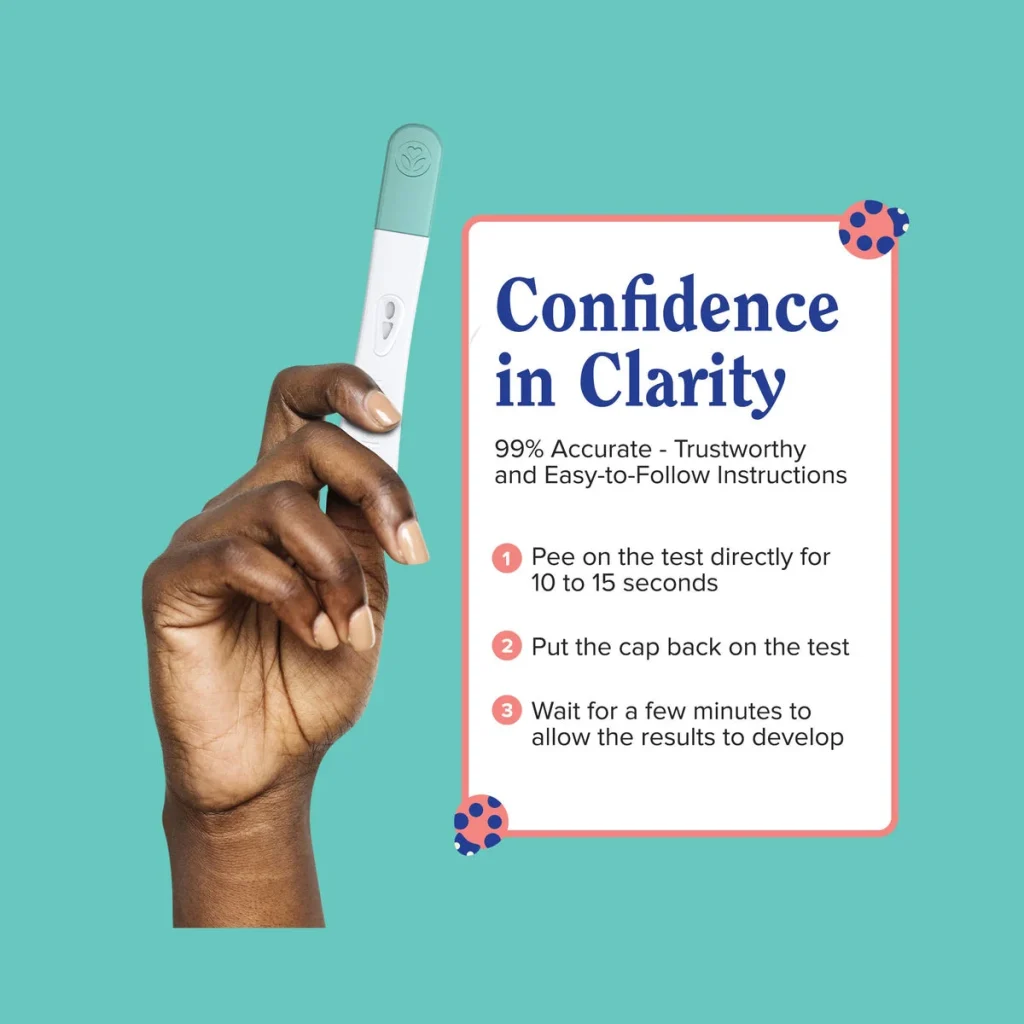
    hand holding a pregnancy test with instructions on a colorful background

    Taking Control of Your Fertility: How Syringe Kits Can Help with DIY Conception

    Next, the sperm is collected and prepared for insemination. This involves placing the sperm in a sterile cup and using a syringe to draw it up. The syringe is then inserted into the vagina and the sperm is injected into the cervix. Some couples may also choose to use a soft cup or cervical cap to keep the sperm close to the cervix for a longer period of time.

    After the insemination process, it is important to stay lying down for 15-20 minutes to allow the sperm to travel towards the egg. It is recommended to repeat the insemination process two or three times during the most fertile days of the ovulation cycle to increase the chances of conception.

    Important Considerations for Using Syringe Kits
    While using syringe kits for DIY conception may seem like a simple and affordable option, there are a few important considerations to keep in mind. Firstly, it is crucial to do thorough research on the donor sperm and ensure it is from a reputable source. It is also recommended to get tested for any sexually transmitted infections before beginning the process.

    Another important consideration is the success rate of DIY conception using syringe kits. While it may work for some couples, it is not a guaranteed method of conception. It is important to have realistic expectations and be prepared for the possibility of multiple attempts before achieving a successful pregnancy.

    Additionally, it is important to have a support system in place during this process. DIY conception can be emotionally taxing, and having a partner, friend, or family member to talk to can make a big difference. It is also recommended to consult with a doctor or fertility specialist for guidance and support throughout the process.

    In conclusion, DIY conception using syringe kits is a growing trend that offers an affordable, convenient, and more natural approach to fertility. It allows couples to take control of their fertility journey and offers a more intimate and private experience. However, it is important to do thorough research, have realistic expectations, and seek support throughout the process.

    Summary:
    DIY conception using syringe kits is a growing trend among couples looking to take control of their fertility journey. It offers affordability, convenience, and a more natural approach to conception. The process involves tracking ovulation, obtaining donor sperm, and using a syringe to inseminate the sperm into the cervix. However, it is important to do thorough research, have realistic expectations, and seek support throughout the process.

  • Home Insemination and Genetics: Understanding Your Family History

    Blog Post:

    Home insemination is a method of artificial insemination that can be done in the comfort of one’s own home. This process involves using a donor’s sperm to fertilize a woman’s egg, either through sexual intercourse or by using a syringe to inject the sperm into the vagina. While this method may seem unconventional to some, it can be a viable option for same-sex couples, single individuals, and those struggling with fertility. However, before embarking on this journey, it is important to understand the role of genetics and your family history in the process of home insemination.

    Genetics play a crucial role in determining the characteristics and traits of an individual. From physical features to predispositions to certain diseases, our genetic makeup is a result of the combination of genes from our biological parents. This makes it essential to have a thorough understanding of your family history before considering home insemination.

    The first step in understanding your family history is to gather information. This can include details about your immediate family, such as parents and siblings, as well as extended family members like grandparents, aunts, and uncles. It is important to note any genetic disorders or conditions that run in the family, as well as any fertility issues that may have occurred.

    Next, it is crucial to understand how genetics and inheritance work. Each person has two copies of each gene, one inherited from their mother and one from their father. These genes can either be dominant or recessive. A dominant gene will always be expressed, while a recessive gene will only be expressed if both copies are recessive. This means that if a parent carries a recessive gene for a certain condition, their child may inherit the condition if the other parent also carries the same recessive gene.

    at-home insemination kit featuring a syringe and container for fresh or donor sperm conception

    Home Insemination and Genetics: Understanding Your Family History

    In the case of home insemination, understanding your family’s genetic history can help determine the risk of passing on any genetic disorders to the child. If you or your partner have a family history of a particular genetic condition, it is important to consult with a genetic counselor before proceeding with home insemination. A genetic counselor can help assess the risk and provide guidance on the best course of action.

    In addition to genetic disorders, it is also important to consider genetic traits and characteristics that may be inherited. These can include physical features such as eye color, hair color, and height. While these traits may seem trivial, they can play a significant role in shaping a child’s identity and sense of belonging within their family. If using a known donor for home insemination, it is important to discuss these potential traits with the donor to ensure that everyone is on the same page.

    Another aspect to consider when it comes to genetics and home insemination is the use of donor sperm. In the case of a known donor, it is important to understand their family history and potential genetic risks. However, if using a donor from a sperm bank, it is crucial to thoroughly research the bank’s policies and procedures for screening donors. This should include screening for genetic disorders and any other potential health risks.

    It is also worth noting that while genetics play a significant role in determining a child’s characteristics, environmental factors also play a part. This means that even if a child is genetically predisposed to a certain trait or condition, it may not necessarily manifest in them. Therefore, it is important not to solely rely on genetics when making decisions about home insemination.

    In summary, home insemination can be a life-changing experience for individuals and couples looking to start a family. However, it is crucial to have a thorough understanding of your family history and genetics before proceeding with this method. Consultation with a genetic counselor and open communication with potential donors can help mitigate any potential risks and ensure a smooth journey towards parenthood.

    In conclusion, home insemination and genetics go hand in hand when it comes to starting a family. By understanding your family history and the role of genetics in the process, you can make informed decisions and ensure the best possible outcome for you and your future child.