Tag: privacy

  • Creating a Safe and Comfortable Environment for Home Insemination: A Starter Pack

    Creating a Safe and Comfortable Environment for Home Insemination: A Starter Pack

    Home insemination is a popular method for couples and individuals trying to conceive. With the convenience and privacy of being able to perform the insemination in the comfort of your own home, it has become a preferred option for many. However, it is important to ensure that the environment is safe and comfortable for both the inseminator and the recipient. In this blog post, we will discuss the key elements of creating a safe and comfortable environment for home insemination, as well as provide a starter pack of essential items for the process.

    1. Cleanliness is Key

    One of the most important factors to consider when preparing for home insemination is cleanliness. This not only includes the physical cleanliness of the room, but also the cleanliness of the instruments and materials used in the process. It is important to thoroughly clean and sanitize all surfaces, instruments, and hands before and during the insemination process. This will help to reduce the risk of infection and ensure a safe environment for both parties involved.

    2. Privacy and Comfort

    Home insemination can be an intimate and personal process, so it is important to create a private and comfortable space for the insemination to take place. Choose a room in your home that is quiet, private, and comfortable. This could be a bedroom, bathroom, or even a dedicated space for home insemination. Make sure to have soft lighting, comfortable seating, and any other items that can help create a relaxing and comfortable environment.

    3. Essential Items for Home Insemination

    at-home insemination kit by Mosie Baby, featuring syringes, collection cups, and instructions on a pink background.

    Creating a Safe and Comfortable Environment for Home Insemination: A Starter Pack

    To get started with home insemination, there are a few essential items that you will need. These include:

    – Insemination kit: This can be purchased online or at a fertility clinic and usually includes a syringe, catheter, and gloves.
    – Sperm collection cup: This is used to collect the sperm sample from the donor.
    – Lubricant: A water-based lubricant is recommended to help with the insertion of the catheter.
    – Timer: This can be used to track the timing of the insemination process.
    – Towels or pads: These can be used to protect surfaces and clean up any spills.
    – Privacy curtain or sheet: This can be used to create a private space and help with the cleanup process.
    – Music or relaxation aids: As mentioned before, creating a comfortable and relaxing environment is important, so having some soothing music or relaxation aids can help with this.

    4. Communication is Key

    During the home insemination process, it is important to have open and honest communication between the inseminator and the recipient. This includes discussing any concerns, asking for consent before proceeding, and checking in with each other throughout the process. This will help to create a safe and comfortable environment for both parties.

    5. Aftercare and Cleanup

    After the insemination process is complete, it is important to properly clean and disinfect all surfaces and instruments used. It is also recommended to lay down for a short period of time to allow the sperm to travel to the cervix. This will increase the chances of a successful insemination. Make sure to also properly dispose of any used materials and wash your hands thoroughly.

    In summary, creating a safe and comfortable environment for home insemination is crucial for a successful and stress-free experience. This includes ensuring cleanliness, privacy, and having the necessary essentials for the process. Communication and aftercare are also important factors to consider. By following these tips, you can create a safe and comfortable environment for home insemination and increase your chances of a successful conception.


  • Fertility at Your Fingertips: The Convenience of the Syringe Kit

    Fertility at Your Fingertips: The Convenience of the Syringe Kit

    Fertility is a topic that affects millions of people worldwide. Whether it’s the desire to start a family or the struggle to conceive, the journey towards parenthood can be both emotional and physically demanding. With advances in medical technology, there are now more options available for couples who are trying to conceive. One such option is the use of a syringe kit, which has become increasingly popular due to its convenience and effectiveness. In this blog post, we will explore the benefits of using a syringe kit for fertility and how it can make the process more manageable and less stressful.

    What is a Syringe Kit?

    A syringe kit is a simple yet effective tool used for fertility procedures, such as intrauterine insemination (IUI) and at-home insemination. The kit typically includes a syringe, a vial of sperm, and a catheter. The sperm is placed into the syringe, and the catheter is used to deposit the sperm into the cervix or uterus. This method is commonly used for couples who are having trouble conceiving due to male factor infertility, same-sex couples, or single women who want to conceive without a partner.

    Convenience at Your Fingertips

    One of the main advantages of using a syringe kit is its convenience. Unlike other fertility procedures that require multiple visits to a doctor’s office, the syringe kit allows couples to perform the insemination in the comfort and privacy of their own home. This eliminates the need for frequent trips to the fertility clinic, which can be time-consuming and expensive.

    Additionally, using a syringe kit allows couples to have more control over the process. They can choose the best time for the insemination, rather than having to schedule appointments with a doctor. This can be especially helpful for couples with busy schedules or those who live in remote areas without easy access to a fertility clinic.

    Reduced Stress and Anxiety

    guide and materials for using Mosie Baby fertility kit on a textured surface

    Fertility at Your Fingertips: The Convenience of the Syringe Kit

    The fertility journey can be stressful and emotionally taxing for couples. The pressure of timing intercourse correctly and the disappointment of unsuccessful attempts can take a toll on a couple’s mental well-being. With a syringe kit, couples can reduce some of this stress and anxiety. Since they can perform the procedure at home, there is no added pressure of performing in a clinical setting. This can lead to a more relaxed and comfortable environment, which can improve the chances of conception.

    Cost-Effective

    Another significant advantage of using a syringe kit is its cost-effectiveness. Fertility treatments can be expensive, and many couples may not be able to afford multiple rounds of treatments. With a syringe kit, the cost is significantly lower compared to other fertility procedures. This makes it a more accessible option for couples who are struggling with the financial burden of fertility treatments.

    Privacy and Discretion

    For some couples, privacy and discretion are essential factors when it comes to fertility treatments. Traditional methods of insemination, such as IUI, require a medical professional to perform the procedure, which can be uncomfortable and invasive for some. With a syringe kit, couples can maintain their privacy and perform the insemination themselves. This can be especially appealing for same-sex couples or single women who may not want to disclose their fertility journey to others.

    Easy to Use

    Using a syringe kit for fertility procedures is relatively simple and easy. The step-by-step instructions provided with the kit make it easy for couples to understand and perform the insemination correctly. This takes away the pressure of having to time intercourse correctly and allows couples to have more control over the process.

    In conclusion, the syringe kit has revolutionized the fertility industry by providing couples with a convenient, cost-effective, and accessible option for fertility treatments. Its ease of use, privacy, and effectiveness make it a popular choice among couples who are trying to conceive. With the syringe kit, fertility is now at your fingertips, giving couples more control over their journey towards parenthood.

  • Reasons Why the Insemination Made Easy Kit Should Be Your First Choice for Conception

    Blog Post:

    Are you and your partner struggling to conceive? Are you tired of expensive and invasive fertility treatments? Look no further than the Insemination Made Easy Kit. This comprehensive kit offers a more natural and affordable approach to conception, making it the first choice for many couples. In this blog post, we will discuss the reasons why the Insemination Made Easy Kit should be your first choice for conception.

    1. Easy to Use

    The Insemination Made Easy Kit is designed to be user-friendly and easy to use. The step-by-step instructions make it simple for couples to follow and perform the insemination process in the comfort of their own home. This eliminates the need for multiple doctor’s appointments and invasive procedures, making the experience less stressful and more intimate for both partners.

    2. Cost-Effective

    Fertility treatments can be incredibly expensive, with some costing thousands of dollars. The Insemination Made Easy Kit is a more affordable option, making it accessible to a wider range of couples. It eliminates the need for costly procedures and medications, making it a budget-friendly option for those struggling with fertility.

    3. Natural Conception

    The Insemination Made Easy Kit uses a more natural approach to conception, using the power of gravity to aid the process. This method is less invasive and has a higher success rate compared to other fertility treatments. It also eliminates the use of synthetic hormones, making it a safer and healthier option for both the mother and baby.

    Baby wearing a blue shirt with "made with Love" text, surrounded by colorful floral and butterfly designs.

    Reasons Why the Insemination Made Easy Kit Should Be Your First Choice for Conception

    4. Privacy and Convenience

    One of the biggest advantages of using the Insemination Made Easy Kit is the privacy and convenience it offers. Many couples feel uncomfortable discussing their fertility struggles with others, and the thought of undergoing invasive procedures in a clinical setting can be daunting. With this kit, couples can perform the insemination process in the comfort and privacy of their own home, making it a more intimate and stress-free experience.

    5. Customizable to Your Needs

    The Insemination Made Easy Kit is designed to be customizable to fit the needs of different couples. Whether you are using donor sperm or trying to conceive with your partner, this kit can accommodate your unique situation. It also offers a variety of options, such as different insemination methods and timing, allowing couples to tailor the process to their specific needs.

    6. Reusable and Environmentally Friendly

    Unlike other fertility treatments that involve disposable equipment, the Insemination Made Easy Kit is reusable and environmentally friendly. This not only saves couples money in the long run but also reduces waste and promotes sustainability. The kit comes with a storage case, making it easy to keep all the components clean and organized for future use.

    7. Positive Reviews and Success Stories

    The Insemination Made Easy Kit has received numerous positive reviews and success stories from couples who have successfully conceived using this method. Many couples have shared their experiences and how this kit has helped them achieve their dream of starting a family. This serves as a testament to the effectiveness and reliability of this kit, making it a top choice for many couples struggling with fertility.

    In summary, the Insemination Made Easy Kit is a user-friendly, cost-effective, and natural option for couples looking to conceive. It offers privacy and convenience, is customizable to fit the needs of different couples, and is environmentally friendly. With its high success rate and positive reviews, it is no surprise that this kit is a top choice for many couples. Say goodbye to expensive and invasive fertility treatments and give the Insemination Made Easy Kit a try.

  • Tips for Maintaining Privacy During At-Home Insemination with the Syringe Method

    Blog Post Title: Tips for Maintaining Privacy During At-Home Insemination with the Syringe Method

    Summary:

    In recent years, more and more couples and individuals have turned to at-home insemination as a way to start or expand their families. This method, which involves using a syringe to insert sperm into the vagina, offers a more affordable and private option for those who may not want to go through traditional fertility treatments or involve a third party. However, with the privacy comes some challenges, such as ensuring the procedure is done safely and discreetly. In this blog post, we will discuss some helpful tips for maintaining privacy during at-home insemination with the syringe method.

    Tip 1: Choose a Suitable Location

    One of the most important things to consider when performing at-home insemination is the location. You want to choose a place that is comfortable, private, and has all the necessary supplies within reach. Many people opt to do the procedure in their bedroom, as it offers the most privacy and comfort. However, you can choose any location that works for you, as long as it meets these criteria.

    Tip 2: Prepare the Supplies in Advance

    To maintain privacy, it is essential to have all the necessary supplies prepared in advance. This includes the sperm sample, syringe, and any other items you may need, such as a speculum or lubricant. Having everything ready beforehand will minimize the need to leave the room or interrupt the procedure, keeping it discreet.

    Tip 3: Use Discreet Packaging for Supplies

    When purchasing sperm samples or other supplies, make sure to choose a company that offers discreet packaging. This will prevent any unwanted attention or questions from neighbors or delivery personnel. Some companies even offer plain packaging with no company name or logo, ensuring complete privacy.

    Tip 4: Time the Procedure Appropriately

    Timing is crucial when it comes to maintaining privacy during at-home insemination. It is best to perform the procedure when you know you will have ample time alone without any interruptions. This could be when your partner is away at work or when you have arranged for your children to be looked after by a trusted caregiver.

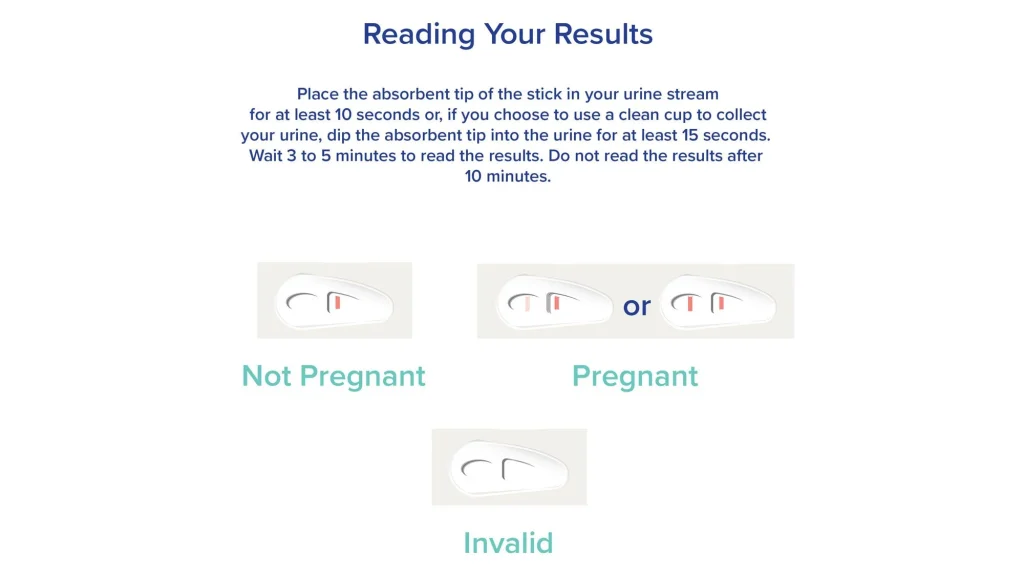
    Instructions for reading pregnancy test results with visual indicators for "Not Pregnant," "Pregnant," and "Invalid.

    Tips for Maintaining Privacy During At-Home Insemination with the Syringe Method

    Tip 5: Communicate with Your Partner

    If you are performing the procedure with a partner, it is essential to communicate and establish a plan beforehand. This could include deciding on a specific time and location, as well as discussing any concerns or preferences. Having open communication will ensure that both parties are comfortable and on the same page, leading to a smooth and discreet process.

    Tip 6: Practice Good Hygiene

    Maintaining good hygiene is crucial during at-home insemination to prevent any infections or complications. Make sure to thoroughly wash your hands before handling any supplies or performing the procedure. You may also want to consider using gloves for added protection. Additionally, make sure to clean and sterilize all supplies before and after use.

    Tip 7: Have a Backup Plan

    Despite your best efforts, there may be times when you are unable to maintain complete privacy during at-home insemination. It is always a good idea to have a backup plan in case of any interruptions. This could include having a signal with your partner to indicate when to pause or having a cover story ready in case someone unexpectedly enters the room.

    Tip 8: Consider Using a Fertility App

    There are many fertility apps available that can help you track your ovulation cycle and determine the best time for insemination. These apps can also be useful in maintaining privacy, as they can help you plan the procedure when you know you will have some time alone.

    Tip 9: Dispose of Supplies Properly

    After the procedure is complete, it is crucial to dispose of all supplies properly. This includes the syringe, any packaging, and any other items used. Make sure to seal everything in a plastic bag and dispose of it in a secure location to avoid any potential privacy breaches.

    In conclusion, at-home insemination with the syringe method can be a great option for those looking to start or expand their family while maintaining privacy. By following these tips, you can ensure a safe and discreet procedure that respects your privacy and personal choices.

  • Unexpected Benefits of Using the Syringe Method for At-Home Insemination

    Blog Post:

    At-home insemination has become a popular option for individuals and couples looking to start a family. While there are various methods for at-home insemination, one method that is gaining attention is the syringe method. This method involves using a sterile syringe to deposit semen into the vagina, bypassing the need for traditional intercourse or expensive medical procedures. While the syringe method may seem unconventional, it offers unexpected benefits that make it a viable option for those considering at-home insemination. In this blog post, we will explore the unexpected benefits of using the syringe method for at-home insemination.

    1. Increased Control and Privacy

    One of the most significant benefits of using the syringe method for at-home insemination is the increased control and privacy it offers. Unlike traditional intercourse or medical procedures, the syringe method allows individuals or couples to have complete control over the insemination process. They can decide when and where to inseminate, providing a level of privacy that may be lacking in other methods. This increased control and privacy can create a more comfortable and relaxed environment, which can be crucial for a successful insemination.

    2. Cost-Effective Option

    In vitro fertilization (IVF) and other medical procedures for insemination can be expensive, making it unattainable for many individuals and couples. The syringe method, on the other hand, is a cost-effective option that can save a significant amount of money. With the syringe method, there are no expensive medical procedures or fertility treatments involved, making it a more accessible option for those on a budget. This benefit can be especially crucial for individuals or couples who have been struggling with infertility and have already spent a significant amount of money on other methods.

    3. Greater Flexibility in Timing

    Timing is crucial when it comes to insemination, and the syringe method offers greater flexibility in this aspect. Unlike traditional intercourse, where timing can be challenging to control, the syringe method allows individuals or couples to inseminate at the most optimal time for conception. This method also eliminates the need for ovulation tracking and can be done on a schedule that works best for the person or couple. This increased flexibility in timing can significantly increase the chances of a successful insemination.

    4. Lower Risk of Sexually Transmitted Infections (STIs)

    two teal and clear syringes positioned on a white background

    Unexpected Benefits of Using the Syringe Method for At-Home Insemination

    One of the most significant concerns with traditional intercourse for insemination is the risk of contracting sexually transmitted infections (STIs). With the syringe method, this risk is significantly lower as there is no direct contact between sexual organs. The use of a sterile syringe also eliminates the risk of introducing bacteria into the reproductive tract, reducing the chances of infection. This benefit can be particularly crucial for individuals or couples who may have concerns about STIs or have a history of infections.

    5. More Intimate Experience

    While traditional intercourse may be seen as the most intimate option for insemination, the syringe method offers a surprisingly intimate experience. The process of insemination can be a bonding experience for couples, and the syringe method allows them to be more involved in the process. This method also allows for more time and attention to be given to each other, creating a deeper sense of intimacy. For individuals who may be attempting at-home insemination on their own, the syringe method can provide a sense of closeness and connection to the experience.

    6. No Pressure to Perform

    For some individuals, the pressure to perform during traditional intercourse for insemination can be overwhelming. This pressure can lead to stress and anxiety, which can negatively impact the chances of conception. With the syringe method, this pressure is eliminated, as there is no need for performance. This can create a more relaxed and stress-free environment, which can be beneficial for the success of the insemination.

    7. Potential for Multiple Attempts

    One of the most significant advantages of the syringe method is the potential for multiple attempts. Unlike other methods, where one attempt can be costly and time-consuming, the syringe method allows for multiple attempts without any additional expenses. This can be particularly beneficial for individuals or couples who may have difficulty conceiving or have a low sperm count. The ability to try multiple times can greatly increase the chances of a successful insemination.

    In conclusion, the syringe method offers unexpected benefits for at-home insemination. It provides increased control and privacy, is a cost-effective option, offers greater flexibility in timing, lowers the risk of STIs, creates a more intimate experience, eliminates pressure to perform, and allows for multiple attempts. While it may not be the most traditional method, the syringe method has proven to be a viable option for many individuals and couples looking to start a family.

    Summary:

    The syringe method for at-home insemination is gaining attention as a viable option for those looking to start a family. This method offers benefits such as increased control and privacy, cost-effectiveness, greater flexibility in timing, lower risk of STIs, a more intimate experience, no pressure to perform, and the potential for multiple attempts. These unexpected benefits make the syringe method a promising option for individuals and couples considering at-home insemination.

  • At-Home Insemination: A Solution for Busy Couples

    Blog Post Title: At-Home Insemination: A Solution for Busy Couples

    Introduction:
    In today’s fast-paced world, many couples are struggling to find the time and energy to start a family. With demanding careers, hectic schedules, and other commitments, it can be challenging to fit in fertility treatments and appointments. That’s where at-home insemination comes in as a viable option for busy couples. This method allows couples to take control of their fertility journey and increase their chances of conception while still managing their busy lives.

    What is At-Home Insemination?
    At-home insemination, also known as self-insemination or intracervical insemination (ICI), is a fertility technique that involves placing sperm into the vagina or cervix without medical assistance. It allows couples to bypass the traditional method of timed intercourse or costly procedures like intrauterine insemination (IUI) or in vitro fertilization (IVF). At-home insemination can be done with a partner’s sperm or through the use of a sperm donor.

    How Does At-Home Insemination Work?
    The process of at-home insemination involves using a syringe or cervical cap to insert sperm into the vagina or cervix. It is essential to use a high-quality, sterile syringe and to follow proper hygiene practices to reduce the risk of infection. The timing of insemination is crucial, as it needs to align with the woman’s ovulation window. This can be determined through ovulation predictor kits, tracking basal body temperature, or monitoring changes in cervical mucus.

    Benefits of At-Home Insemination:
    1. Convenience: One of the most significant advantages of at-home insemination is the convenience it offers. Couples can perform the procedure in the comfort of their own home, without having to schedule appointments or travel to fertility clinics.

    2. Cost-effective: Fertility treatments can be expensive, and for many couples, it may not be a feasible option. At-home insemination eliminates the need for expensive medical procedures, making it a more affordable option for couples trying to conceive.

    3. Privacy: For some couples, the thought of going through fertility treatments in a clinical setting can be intimidating, and they may prefer to keep their journey private. At-home insemination allows couples to maintain their privacy and control over their fertility journey.

    comparison of Mosie syringe opening versus standard syringe opening with text highlighting benefits

    At-Home Insemination: A Solution for Busy Couples

    4. Increased Chances of Conception: By timing insemination with ovulation and using fresh sperm, the chances of conception are higher with at-home insemination compared to timed intercourse. It also allows couples to try multiple attempts in one cycle, further increasing their chances of success.

    Tips for Successful At-Home Insemination:
    1. Understand your ovulation cycle: It is crucial to understand your ovulation cycle to determine the best time for insemination. Tracking your cycle using ovulation predictor kits or other methods can help increase the chances of success.

    2. Use fresh sperm: Using fresh sperm is recommended for at-home insemination as it has a higher concentration of motile sperm, increasing the chances of conception.

    3. Practice proper hygiene: Maintaining proper hygiene during at-home insemination is crucial to avoid any risk of infection. It is essential to clean your hands, the syringe, and the vaginal area thoroughly before and after the procedure.

    4. Consider using a fertility lubricant: Some fertility-friendly lubricants can help sperm swim easier and improve the chances of conception. However, it is essential to choose a lubricant that is sperm-friendly and does not contain any harmful chemicals.

    5. Seek medical advice: While at-home insemination may be a convenient option for busy couples, it is essential to consult with a fertility specialist before starting the process. They can provide valuable insights and advice to increase the chances of success.

    Conclusion:
    At-home insemination can be a lifesaver for busy couples trying to conceive. It offers convenience, privacy, and cost-effectiveness while increasing the chances of conception. However, it is essential to understand the process, follow proper hygiene practices, and seek medical advice to ensure the best possible outcome.

    Summary:
    At-home insemination is a fertility technique that allows couples to place sperm into the vagina or cervix without medical assistance. It offers convenience, privacy, and cost-effectiveness while increasing the chances of conception. To ensure success, couples should understand their ovulation cycle, use fresh sperm, maintain proper hygiene, consider using fertility lubricants, and seek medical advice.

  • At-Home Insemination: A Personalized Approach to Fertility

    At-Home Insemination: A Personalized Approach to Fertility

    Infertility affects millions of couples worldwide, making the dream of starting a family seem impossible for many. While traditional fertility treatments, such as in vitro fertilization, can be costly and invasive, there is another option that allows for a more personalized and intimate approach to conception: at-home insemination.

    At-home insemination involves placing semen into the vagina or cervix in hopes of fertilizing an egg and achieving pregnancy. This method can be done in the comfort and privacy of one’s own home, making it a popular choice for those who may feel uncomfortable with clinical procedures. Additionally, at-home insemination can be a more affordable option compared to other fertility treatments.

    But before we dive into the process of at-home insemination, let’s first understand the basics of fertility and the various factors that can affect it.

    Understanding Fertility
    Fertility refers to a person’s ability to conceive and carry a pregnancy to term. It is influenced by a variety of factors, including age, health conditions, lifestyle habits, and more. For women, fertility is at its peak in their 20s and starts to decline in their 30s, with a more significant decrease after the age of 35. For men, fertility also declines with age, but at a slower rate.

    Health conditions such as polycystic ovary syndrome (PCOS), endometriosis, and hormonal imbalances can also affect fertility in both men and women. Lifestyle habits, such as smoking, excessive alcohol consumption, and a poor diet, can also impact fertility negatively.

    The Process of At-Home Insemination
    At-home insemination involves placing sperm into the reproductive tract through a variety of methods. The most common method is using a syringe or a soft cup to deposit the sperm into the vagina or cervix. This can be done with fresh or frozen sperm, and the sperm can be from a partner or a donor.

    Before starting the process, it is crucial to track ovulation to determine the best time to attempt at-home insemination. Ovulation predictor kits or tracking basal body temperature can help pinpoint the most fertile days.

    Colorful promotional image for Mosie Baby, featuring home insemination kit and encouraging text.

    At-Home Insemination: A Personalized Approach to Fertility

    Next, the sperm should be collected in a sterile cup or condom and kept at room temperature for 15-30 minutes to allow it to liquefy. This process helps increase the chances of sperm survival and motility. Once the sperm is ready, it can be drawn into a syringe or inserted into a soft cup for placement into the vagina or cervix.

    It is recommended to stay lying down for 20-30 minutes after insemination to allow the sperm to travel through the reproductive tract. This can increase the chances of fertilization and conception.

    Benefits of At-Home Insemination
    One of the significant advantages of at-home insemination is the privacy and intimacy it provides. Many couples may feel uncomfortable with the clinical setting of fertility treatments and prefer the option of trying to conceive in the comfort of their own home.

    At-home insemination is also a more affordable option compared to other fertility treatments, such as in vitro fertilization, which can cost thousands of dollars. This makes it a more accessible choice for those who may not have the financial means for other treatments.

    Another benefit of at-home insemination is the ability to choose a sperm donor. This option is especially helpful for same-sex couples or single individuals who want to start a family. There are many sperm banks available that offer a variety of donors, including physical characteristics, medical history, and personal information.

    Risks and Considerations
    While at-home insemination can be a viable option for many couples, it is essential to understand the potential risks and considerations before attempting it. One of the main risks is the possibility of infection if the equipment used is not sterile. It is crucial to follow proper hygiene and sterilization techniques to reduce this risk.

    Another consideration is the possibility of multiple pregnancies. At-home insemination does not involve the monitoring and control of the number of eggs released, increasing the chances of multiple pregnancies, such as twins or triplets.

    It is also essential to manage expectations when attempting at-home insemination. While it can be successful, it may take multiple attempts before achieving pregnancy. Consulting a fertility specialist can be helpful in determining the best course of action for individual situations.

    In summary, at-home insemination offers a more personalized and intimate approach to fertility treatments. It can be a more affordable option compared to traditional treatments and provides the ability to choose a sperm donor. However, it is essential to understand the risks and considerations involved and manage expectations.

  • Behind Closed Doors: The Privacy of At-Home Insemination

    Behind Closed Doors: The Privacy of At-Home Insemination

    In today’s modern world, assisted reproductive technology has opened up new possibilities for individuals and couples to start or expand their families. One of these methods is at-home insemination, which allows couples to perform the insemination process in the privacy of their own home. This method offers a more intimate and comfortable environment for couples, but it also raises questions about privacy and safety. In this blog post, we will explore the concept of at-home insemination and the importance of privacy in this process.

    At-home insemination involves the insertion of sperm into the vagina or cervix using a syringe or other device. This method is typically used by same-sex female couples, single women, or heterosexual couples facing male fertility issues. It is a popular alternative to traditional artificial insemination procedures, which are often performed in a medical setting and can be expensive and invasive.

    One of the main advantages of at-home insemination is the level of privacy it offers. Unlike traditional artificial insemination, which requires visits to a fertility clinic and involves medical professionals, at-home insemination can be done discreetly, behind closed doors. This allows couples to have more control over the process and feel more comfortable with the intimate procedure.

    Privacy is a fundamental human right, and it is especially crucial in the realm of reproductive health. Many individuals and couples prefer to keep their fertility journey private, and at-home insemination allows them to do so. For same-sex couples, this method can also help them avoid potential discrimination or judgment in a medical setting.

    Instructions for reading pregnancy test results with visual indicators for "Not Pregnant," "Pregnant," and "Invalid.

    Behind Closed Doors: The Privacy of At-Home Insemination

    However, as with any medical procedure, there are potential risks and concerns to consider when it comes to at-home insemination. One of the main concerns is the lack of medical supervision and the potential for improper handling or contamination of the sperm. It is crucial for couples to educate themselves on proper hygiene and storage techniques to reduce the risk of infection or other complications. Additionally, couples may want to consider using a sperm donor from a reputable sperm bank to ensure the highest quality and safety standards.

    Another concern is the legal implications of at-home insemination. In some states, at-home insemination is not legally recognized, and the donor may have legal parental rights. It is essential for couples to research and understand their state’s laws regarding donor insemination and consider seeking legal advice to protect their rights and the rights of their future child.

    Aside from privacy and safety concerns, at-home insemination also raises ethical questions. Some argue that this method commodifies the process of conception and undermines the importance of medical professionals in the fertility journey. Others argue that it allows individuals and couples to take control of their reproductive choices and have a more personal and empowering experience.

    Despite these concerns, at-home insemination can be a viable and fulfilling option for those looking to start a family. With proper education, understanding, and precautions, couples can have a positive and private experience with at-home insemination.

    In conclusion, at-home insemination offers an intimate and private way for individuals and couples to conceive a child. It allows them to have more control over the process and avoid potential discrimination or judgment in a medical setting. However, it is essential to consider the potential risks, legal implications, and ethical concerns before embarking on this journey. With proper education and precautions, at-home insemination can be a safe and fulfilling option for those looking to start a family.

  • The Financial and Emotional Benefits of At-Home Insemination

    Blog Post: The Financial and Emotional Benefits of At-Home Insemination

    In recent years, there has been a significant increase in the number of couples and individuals turning to at-home insemination as a means of starting a family. While traditionally, insemination has been performed in a clinical setting, advancements in technology and the growing popularity of home insemination kits have made it a viable and convenient option for many. But aside from the obvious convenience factor, there are also significant financial and emotional benefits to at-home insemination that should not be overlooked. In this blog post, we will delve into these benefits and explore why at-home insemination may be the right choice for you.

    Financial Benefits

    One of the most significant benefits of at-home insemination is the cost savings. Insemination procedures performed in a clinical setting can be expensive, with the average cost ranging from $500 to $5,000 per cycle. This can quickly add up, especially for couples who require multiple cycles to achieve pregnancy. On the other hand, at-home insemination kits can cost as little as $50, making it a much more affordable option for those on a budget.

    Furthermore, at-home insemination eliminates the need for multiple doctor visits and lab tests, which can also be costly. With at-home insemination, you have more control over the process and can choose the most cost-effective options for sperm donation and fertility tracking. This gives you the ability to tailor the process to fit your budget, making it a more accessible option for those who may not have the financial means for clinical insemination.

    Emotional Benefits

    Aside from the financial benefits, at-home insemination also offers significant emotional benefits. For couples struggling with infertility, the traditional clinical setting can often add to the already stressful and emotional journey. The process of scheduling appointments, undergoing invasive procedures, and dealing with the pressure of a clinical environment can take a toll on one’s mental well-being.

    At-home insemination allows couples to take control of their fertility journey in the comfort and privacy of their own home. This can be a more relaxing and less stressful environment, leading to a more positive experience overall. Additionally, at-home insemination can strengthen the bond between partners, as they work together towards their dream of starting a family.

    at-home insemination kit by Mosie Baby, featuring syringes, collection cups, and instructions on a pink background.

    The Financial and Emotional Benefits of At-Home Insemination

    Privacy and Flexibility

    Another advantage of at-home insemination is the level of privacy and flexibility it provides. For many, the thought of undergoing a medical procedure in a clinical setting can be intimidating and uncomfortable. At-home insemination allows individuals to maintain their privacy and carry out the procedure in a familiar and comfortable setting.

    Furthermore, at-home insemination offers more flexibility in terms of timing. In a clinical setting, insemination procedures are often scheduled around the woman’s ovulation cycle. This can be inconvenient and may even require taking time off work. With at-home insemination, you have more control over the timing, making it easier to fit into your schedule.

    Risks to Consider

    While at-home insemination offers several benefits, it is essential to consider the potential risks involved. Without the guidance of a medical professional, there is a higher risk of infections and other complications. It is crucial to follow proper hygiene and safety protocols when performing at-home insemination to minimize these risks.

    Additionally, at-home insemination may not be suitable for everyone. Couples with underlying fertility issues may require more specialized treatment, and at-home insemination may not be effective in these cases. It is always recommended to consult with a fertility specialist before attempting at-home insemination.

    In conclusion, at-home insemination offers significant financial and emotional benefits for couples and individuals looking to start a family. It is a more affordable option that allows for privacy, flexibility, and a more relaxed atmosphere. However, it is essential to consider the potential risks and consult with a medical professional before proceeding with at-home insemination. With proper precautions and guidance, at-home insemination can be a successful and fulfilling journey towards parenthood.

    Summary:

    At-home insemination is a growing trend for couples and individuals looking to start a family. This method offers significant financial benefits, with cost savings compared to traditional clinical insemination. It also provides emotional benefits, as the process can be carried out in the comfort and privacy of one’s own home. At-home insemination offers more flexibility and allows couples to take control of their fertility journey. However, it is crucial to consider the potential risks and consult with a medical professional before attempting at-home insemination.

  • Breaking the Taboo: At-Home Insemination and its Growing Popularity

    Breaking the Taboo: At-Home Insemination and its Growing Popularity

    In recent years, there has been a growing trend towards at-home insemination, where individuals or couples use methods such as insemination kits or self-insemination to try and conceive a child. This practice was once considered taboo and reserved for those struggling with fertility issues, but it is now becoming more mainstream and widely accepted. So, what is at-home insemination and why is it gaining popularity? In this blog post, we will explore the topic of at-home insemination, its history, methods, benefits, and the growing acceptance and popularity of this practice.

    History of At-Home Insemination
    At-home insemination has been around for centuries, with the earliest documented cases of artificial insemination dating back to the 18th century. However, it was primarily used for livestock breeding and only became available for human use in the late 19th century. Initially, at-home insemination was seen as a last resort for couples struggling with fertility issues. But with advancements in technology and a growing understanding of fertility, at-home insemination has become a viable option for those who want to conceive without traditional methods.

    Methods of At-Home Insemination
    There are two main methods of at-home insemination – insemination kits and self-insemination. Insemination kits, also known as home insemination kits, are readily available over-the-counter and come with everything needed for the procedure, including a syringe, sperm-friendly lubricant, and instructions. This method is popular among same-sex couples and single women who want to conceive without the involvement of a male partner.

    Self-insemination, on the other hand, involves using a sperm donor and a DIY approach. This can include methods such as using a turkey baster, a menstrual cup, or a soft cup to insert the sperm into the vagina. This method is often preferred by heterosexual couples who want to conceive at home without the high costs associated with fertility clinics.

    Colorful promotional image for Mosie Baby, featuring home insemination kit and encouraging text.

    Breaking the Taboo: At-Home Insemination and its Growing Popularity

    Benefits of At-Home Insemination
    One of the main benefits of at-home insemination is the privacy and comfort it provides. Many people feel uncomfortable with the idea of undergoing fertility treatments at a clinic and prefer the intimacy and privacy of their own home. At-home insemination also allows individuals or couples to have more control over their fertility journey and choose the method that best suits their needs and preferences.

    Another significant benefit of at-home insemination is the cost. Fertility treatments can be expensive, and at-home insemination offers a more budget-friendly option. Insemination kits can cost anywhere from $20 to $100, while self-insemination methods can be done for almost no cost at all.

    Growing Popularity and Acceptance
    At-home insemination is gaining popularity, and part of the reason for this is the growing acceptance and normalization of non-traditional families. With the rise of same-sex couples and single-parent households, there has been a shift in societal attitudes towards alternative methods of conception. This, coupled with the increasing accessibility of at-home insemination methods, has led to a surge in its popularity.

    Moreover, the COVID-19 pandemic has also played a role in the growing popularity of at-home insemination. With many fertility clinics temporarily closing or limiting their services, more people have turned to at-home methods as a way to continue their journey towards parenthood.

    Breaking the Taboo
    Despite its growing acceptance, at-home insemination still carries a certain level of stigma and is often considered a taboo topic. Many people are not aware of its existence or are misinformed about the process. This can lead to judgment and criticism towards those who choose this method of conception. However, as more people share their stories and experiences, the taboo surrounding at-home insemination is slowly breaking, and it is becoming a more widely accepted and normalized practice.

    In conclusion, at-home insemination is a growing trend that offers individuals and couples an intimate, cost-effective, and accessible way to conceive a child. With its long history, various methods, and numerous benefits, it is no wonder that it is gaining popularity and becoming a more socially accepted option for starting a family. By breaking the taboo surrounding at-home insemination, we can create a more inclusive and understanding society where everyone has the right to choose their path to parenthood.