Tag: fertility

  • The Link Between Cervical Mucus and Orgasmic Potential

    The Link Between Cervical Mucus and Orgasmic Potential

    When it comes to sexual pleasure and satisfaction, there are many factors that can play a role. One that often goes overlooked is cervical mucus, a substance produced by the cervix that serves a crucial function in the reproductive process. However, recent studies have shown that cervical mucus may also have a significant impact on a woman’s orgasmic potential. In this blog post, we will explore the link between cervical mucus and orgasmic potential and how understanding this connection can lead to a more fulfilling sex life.

    What is Cervical Mucus?

    Before delving into the connection between cervical mucus and orgasmic potential, it is essential to understand what cervical mucus is and its function in the body. Cervical mucus is a fluid-like substance produced by the cervix, the lower part of the uterus that connects to the vagina. It serves as a protective barrier for the reproductive organs, preventing harmful bacteria and other substances from entering the uterus. Cervical mucus also plays a crucial role in fertility by helping sperm travel through the cervix and into the uterus to fertilize an egg.

    The Different Types of Cervical Mucus

    Throughout a woman’s menstrual cycle, the consistency and appearance of cervical mucus change, indicating different stages of fertility. The four main types of cervical mucus are:

    1. Dry and Sticky: This type of cervical mucus is usually present after menstruation and is not conducive to sperm survival or fertilization.

    2. Creamy: As a woman approaches her fertile window, cervical mucus becomes creamier and more abundant. It is still not ideal for sperm survival, but it indicates that ovulation is approaching.

    3. Watery: This type of cervical mucus is the most conducive to sperm survival and indicates that a woman is at her most fertile stage.

    4. Egg White: This type of cervical mucus is the most fertile and resembles raw egg whites in texture and appearance. It helps sperm travel quickly and efficiently to the egg for fertilization.

    The Link Between Cervical Mucus and Orgasmic Potential

    Studies have shown that cervical mucus can impact a woman’s orgasmic potential in several ways. Firstly, the presence of fertile cervical mucus can increase sexual arousal and desire, leading to a more intense and satisfying orgasm. This is because fertile cervical mucus contains higher levels of estrogen, a hormone that plays a crucial role in sexual desire and arousal. Additionally, the presence of fertile cervical mucus can also decrease vaginal dryness, making sex more comfortable and pleasurable.

    pregnancy test kit features labeled for comfort and confidence on a teal background

    The Link Between Cervical Mucus and Orgasmic Potential

    Furthermore, cervical mucus can also impact the intensity and duration of an orgasm. During sexual arousal, the cervix produces more mucus, which can create a suction effect in the vagina, leading to stronger and longer-lasting orgasms. This is because the cervix contains sensitive nerve endings that are stimulated during sexual activity, and the presence of mucus can enhance this stimulation.

    Another way that cervical mucus can affect orgasmic potential is by playing a role in the success of conception. Research has shown that women who have more fertile cervical mucus during their fertile window are more likely to conceive. This is because the mucus helps sperm travel through the cervix and into the uterus, increasing the chances of fertilization. Therefore, a woman’s ability to produce fertile cervical mucus can also impact her chances of achieving an orgasm during intercourse.

    How to Improve Cervical Mucus for Better Orgasms

    For women looking to improve their orgasmic potential, there are some steps that can be taken to increase the production of fertile cervical mucus. These include:

    1. Staying hydrated: Drinking plenty of water can help increase the overall production of cervical mucus.

    2. Avoiding certain foods: Consuming too much sugar, caffeine, and processed foods can negatively impact cervical mucus production. It is essential to maintain a healthy, balanced diet to improve mucus quality.

    3. Using a fertility-friendly lubricant: Many lubricants on the market can harm sperm and decrease fertility. Using a fertility-friendly lubricant or natural alternatives such as coconut oil can help maintain a healthy balance of cervical mucus.

    4. Tracking ovulation: Knowing when you are most fertile can help you plan for more frequent sexual activity during your fertile window, increasing the chances of producing fertile cervical mucus.

    5. Seeking medical help: If you are struggling with cervical mucus production, it is essential to consult with a healthcare provider to rule out any underlying health issues that may be affecting it.

    In conclusion, cervical mucus plays a significant role in a woman’s orgasmic potential. Its impact on sexual arousal, vaginal dryness, and conception can all contribute to the intensity and satisfaction of orgasm. By understanding the connection between cervical mucus and orgasmic potential, women can take steps to improve their mucus production and enhance their sexual experiences.

    Summary:

    Cervical mucus, a substance produced by the cervix, has a significant impact on a woman’s orgasmic potential. Its function in the reproductive process and the different types of cervical mucus were discussed. Studies have shown that fertile cervical mucus can increase sexual arousal and desire, decrease vaginal dryness, and enhance the intensity and duration of orgasm. It can also impact the success of conception. Steps to improve cervical mucus for better orgasms include staying hydrated, avoiding certain foods, using fertility-friendly lubricants, tracking ovulation, and seeking medical help if needed. Understanding the link between cervical mucus and orgasmic potential can lead to a more fulfilling sex life.


  • Cervical Mucus: A Key Indicator of Sexual Arousal

    Blog Post:

    Cervical mucus, also known as cervical fluid, is a natural substance produced by the cervix of a woman’s reproductive system. While it may not be a topic that is often discussed, cervical mucus is actually a key indicator of a woman’s sexual arousal. In this blog post, we will explore the importance of cervical mucus and how it can be used as a tool to understand and enhance sexual experiences.

    Understanding Cervical Mucus:

    Before we dive into the connection between cervical mucus and sexual arousal, it is important to understand what cervical mucus is and how it changes throughout a woman’s menstrual cycle. Cervical mucus is a clear or slightly cloudy fluid that is produced by the cells lining the cervix. It serves as a protective barrier for the reproductive organs and plays a crucial role in the fertilization process.

    The consistency and amount of cervical mucus can vary throughout a woman’s cycle due to hormonal changes. During the first half of the menstrual cycle, known as the follicular phase, estrogen levels rise, causing the cervical mucus to become thin, clear, and stretchy. This type of mucus is often referred to as “fertile mucus” as it helps sperm to swim through the cervix and reach the egg for fertilization.

    As a woman approaches ovulation, her cervical mucus reaches its peak in terms of quantity and quality. This is the ideal time for fertilization, as the mucus is at its most fertile state. After ovulation, in the luteal phase, the levels of estrogen decrease, and progesterone increases, causing the cervical mucus to become thicker and less conducive to sperm survival. This marks the end of the fertile window in a woman’s cycle.

    Cervical Mucus and Sexual Arousal:

    Now that we have a basic understanding of cervical mucus and its role in the menstrual cycle, let’s explore how it is connected to sexual arousal. Sexual arousal is a complex physiological response that involves both physical and psychological factors. It is the body’s way of preparing for sexual activity and can be felt as a heightened sense of desire and pleasure.

    One of the physical signs of sexual arousal is an increase in vaginal lubrication, which is produced by the cervix through the release of cervical mucus. As a woman becomes sexually aroused, her body produces more cervical mucus, resulting in a wetter and more slippery sensation in the vagina. This is a natural response that helps to facilitate sexual activity by making penetration more comfortable.

    at-home insemination kit by Mosie Baby, featuring syringes, collection cups, and instructions on a pink background.

    Cervical Mucus: A Key Indicator of Sexual Arousal

    The consistency of cervical mucus during sexual arousal is also important to note. As mentioned earlier, fertile mucus is thin, clear, and stretchy, allowing sperm to swim through it easily. Similarly, during sexual arousal, the cervical mucus becomes thinner and more slippery, making it easier for the penis to enter the vagina. This is a key indicator that a woman is fully aroused and ready for sexual intercourse.

    Using Cervical Mucus as a Tool for Sexual Health:

    In addition to being a physical sign of sexual arousal, cervical mucus can also be used as a tool to track a woman’s fertility and overall sexual health. By observing changes in cervical mucus throughout the menstrual cycle, a woman can determine when she is most fertile and plan or prevent pregnancy accordingly.

    Furthermore, changes in the quality and quantity of cervical mucus can also be an indicator of certain health issues. For example, if a woman experiences a sudden decrease in cervical mucus, it could be a sign of hormonal imbalance or a side effect of certain medications. Similarly, an increase in thick, yellow or foul-smelling mucus could be a sign of infection and should be addressed by a healthcare professional.

    Enhancing Sexual Experiences:

    Understanding the role of cervical mucus in sexual arousal can also help to enhance sexual experiences. By paying attention to changes in cervical mucus, a woman can better communicate her level of arousal to her partner and guide them towards what feels best for her. This can lead to a more pleasurable and satisfying sexual experience for both partners.

    Furthermore, since cervical mucus is linked to fertility, couples trying to conceive can use the changes in mucus to determine the best time for intercourse. By having sex during the fertile window, the chances of fertilization increase, making it a useful tool for those trying to start a family.

    In conclusion, cervical mucus is a key indicator of sexual arousal that is often overlooked. By understanding its role in the menstrual cycle and sexual health, individuals can use it as a tool to enhance their sexual experiences and improve their overall sexual health.

    Summary:

    Cervical mucus, also known as cervical fluid, is a natural substance produced by the cervix that plays a crucial role in the menstrual cycle and sexual arousal. It changes in consistency and amount throughout the cycle and serves as a physical sign of sexual arousal, facilitating sexual intercourse. By understanding the connection between cervical mucus and sexual arousal, individuals can use it as a tool to track fertility and improve sexual experiences. Changes in cervical mucus can also be an indicator of certain health issues, making it important to pay attention to. By utilizing the changes in cervical mucus, couples can increase their chances of conceiving and enhance their sexual experiences.

  • The Intimate Connection: Cervical Mucus and Sexual Arousal

    Blog post:

    The human body is an incredible and complex organism, and one area that often goes overlooked is the connection between cervical mucus and sexual arousal. Cervical mucus is a fluid produced by the cervix that plays a vital role in fertility and overall vaginal health. But what many people don’t realize is that this fluid can also serve as a barometer for sexual arousal and indicate a woman’s readiness for intercourse. In this blog post, we will dive deeper into the intimate connection between cervical mucus and sexual arousal.

    Understanding Cervical Mucus:

    Before we delve into the connection between cervical mucus and sexual arousal, it’s essential to have a basic understanding of what cervical mucus is and its role in the female body. Cervical mucus is a clear or slightly white fluid produced by the cervix, located at the lower end of the uterus. It serves as a protective barrier against bacteria and foreign substances, helps sperm travel to the egg during ovulation, and maintains a healthy pH level in the vagina.

    The consistency and amount of cervical mucus vary throughout a woman’s menstrual cycle. During the first phase, known as the follicular phase, the mucus is usually thick and sticky, making it difficult for sperm to penetrate. As a woman approaches ovulation, the mucus becomes thinner, stretchier, and more abundant, creating a more hospitable environment for sperm to survive and reach the egg.

    During sexual arousal, the cervix produces even more mucus, which can serve as an indicator of a woman’s readiness for intercourse.

    The Role of Cervical Mucus in Sexual Arousal:

    Cervical mucus plays a critical role in sexual arousal for two main reasons. Firstly, as mentioned earlier, during sexual arousal, the cervix produces more mucus, which can serve as a natural lubricant during intercourse. This increased lubrication makes sexual intercourse more comfortable and enjoyable for both partners.

    Secondly, the consistency and amount of cervical mucus can also serve as an indicator of a woman’s sexual arousal. As a woman becomes sexually aroused, her body produces more estrogen, which causes the mucus to become thinner and more slippery. This is known as “spinnbarkeit,” where the mucus can be stretched between two fingers without breaking. This type of mucus is often referred to as “egg white” mucus due to its resemblance to raw egg whites.

    at-home insemination kit featuring a syringe and container for fresh or donor sperm conception

    The Intimate Connection: Cervical Mucus and Sexual Arousal

    The presence of this type of mucus is a sign that the woman is ovulating and is more fertile. However, even when a woman is not ovulating, the presence of this type of mucus can indicate that she is sexually aroused and ready for intercourse. This is because the same hormonal changes that occur during ovulation also happen during sexual arousal, leading to the production of “egg white” mucus.

    The Importance of Communication:

    In a healthy sexual relationship, communication is crucial, and this is especially true when it comes to understanding the connection between cervical mucus and sexual arousal. As a woman’s body responds to sexual stimuli, her cervix will produce more mucus, indicating that she is becoming more aroused. However, this may not be the case for every woman, and it’s essential to communicate with your partner and understand each other’s bodies.

    If you notice that your partner is not producing as much mucus as usual, it doesn’t necessarily mean that she is not aroused. It could be due to factors such as stress, medication, or hormonal imbalances. Similarly, if a woman is producing more mucus than usual, it could be a sign of increased arousal, but it’s always best to communicate and ask your partner how she is feeling.

    Healthy Cervical Mucus and Sexual Health:

    Aside from its role in sexual arousal, cervical mucus also plays a vital role in overall vaginal health. A healthy amount of mucus indicates that the vagina is well lubricated and has a balanced pH level. This can prevent discomfort, pain, and even infections during intercourse. Additionally, having healthy cervical mucus can also improve fertility as it helps sperm travel to the egg and increases the chances of successful fertilization.

    In some cases, women may experience a lack of cervical mucus or an imbalance in the consistency and amount. This could be due to various factors such as hormonal imbalances, certain medications, or a side effect of some birth control methods. If you notice any changes in your cervical mucus, it’s always best to consult with your doctor to determine the underlying cause and find a suitable solution.

    In conclusion, the connection between cervical mucus and sexual arousal is a fascinating and often overlooked aspect of female sexual health. Understanding this connection can not only improve sexual experiences but also promote overall vaginal health and fertility. So next time you notice changes in your cervical mucus, remember that it’s more than just a bodily fluid – it’s an intimate indicator of your arousal and sexual health.

    Summary:

    Cervical mucus is a fluid produced by the cervix that plays a vital role in fertility and overall vaginal health. During sexual arousal, the cervix produces more mucus, which serves as a natural lubricant and can indicate a woman’s readiness for intercourse. The consistency and amount of cervical mucus can also serve as an indicator of sexual arousal. Communication and understanding each other’s bodies are essential for a healthy sexual relationship. Healthy cervical mucus is also crucial for overall vaginal health and fertility. Changes in cervical mucus should be discussed with a doctor to determine the underlying cause.

  • From Wet to Wild: Cervical Mucus and Sexual Arousal

    Blog Post Title: From Wet to Wild: Cervical Mucus and Sexual Arousal

    Cervical mucus, also known as cervical fluid, is a natural and normal part of a woman’s reproductive system. However, many people are unaware of its crucial role in sexual arousal and pleasure. In this blog post, we will explore the connection between cervical mucus and sexual arousal and how understanding this can enhance your sexual experiences.

    Cervical mucus is a fluid produced by the cervix, the lower part of the uterus that opens into the vagina. Its main function is to help sperm travel through the cervix and into the uterus for fertilization. However, the consistency and amount of cervical mucus can also change throughout a woman’s menstrual cycle, and these changes are closely linked to sexual arousal.

    During the early stages of a woman’s menstrual cycle, typically right after her period, cervical mucus is thick and sticky. This type of mucus acts as a barrier to prevent sperm from entering the uterus, as it is not yet the most fertile time of the month. As a woman approaches ovulation, her body starts producing more estrogen, causing the cervical mucus to change in consistency and amount.

    As ovulation approaches, cervical mucus becomes thinner, clearer, and more abundant. This type of mucus, also known as fertile cervical mucus, is essential for sperm to survive and travel through the cervix. But besides its role in fertility, fertile cervical mucus also plays a crucial role in sexual arousal.

    Fertile cervical mucus is not only thinner and clearer but also more slippery and stretchy. This is because it contains higher levels of water, electrolytes, and proteins, which create a more favorable environment for sperm. However, these same properties can also enhance sexual pleasure for both partners.

    Mosie Baby Kit with a syringe and container, highlighting safety and usability features on a blue background.

    From Wet to Wild: Cervical Mucus and Sexual Arousal

    When a woman is sexually aroused, blood flow to the pelvic area increases, causing the cervix to produce more cervical mucus. This additional mucus creates a wet and slippery sensation, which can increase pleasure during sexual activity. The slipperiness of fertile cervical mucus can also reduce friction and discomfort, making intercourse more comfortable and enjoyable.

    Moreover, the stretchiness of fertile cervical mucus can also increase pleasure during sexual activity. The stretching and thinning of the mucus allow for easier penetration and can enhance sensations for both partners. This type of mucus also has a higher pH level, making it less acidic and more conducive to sperm survival. This can also contribute to a more comfortable and pleasurable sexual experience.

    In addition to enhancing pleasure, cervical mucus can also serve as a natural lubricant during sexual activity. Many commercial lubricants can contain harmful chemicals that can disrupt the delicate balance of the vaginal environment. However, the natural lubrication provided by cervical mucus is safe and can even have additional benefits, such as nourishing the vaginal tissues and protecting against infections.

    It is also worth noting that cervical mucus can vary in appearance and consistency throughout a woman’s menstrual cycle. Besides the changes in fertile cervical mucus during ovulation, some women may experience an increase in cervical mucus during their premenstrual phase. This is due to the body preparing for a possible pregnancy and creating a more hospitable environment for sperm.

    Understanding the connection between cervical mucus and sexual arousal can also be helpful for those trying to conceive. Tracking changes in cervical mucus can help women identify their most fertile days and increase the chances of pregnancy. Additionally, using the information to plan sexual activity during the most fertile days can also increase pleasure and intimacy between partners.

    In conclusion, cervical mucus is not just a mundane bodily fluid but a crucial aspect of sexual arousal and pleasure. Its changes throughout the menstrual cycle can enhance sexual experiences and even aid in conception. By understanding the connection between cervical mucus and sexual arousal, individuals can improve their sexual experiences and deepen their understanding of their bodies.

    In summary, cervical mucus is a fluid produced by the cervix that plays a vital role in fertility and sexual arousal. It changes in consistency and amount throughout the menstrual cycle and can enhance pleasure during sexual activity. Understanding the connection between cervical mucus and sexual arousal can improve sexual experiences and aid in conception.

  • The Role of Cervical Mucus in Female Sexual Arousal

    Cervical mucus is a natural and important aspect of female reproductive health, but it also plays a crucial role in sexual arousal. While often overlooked or misunderstood, cervical mucus is a key indicator of a woman’s fertility and can greatly impact her sexual experience. In this blog post, we will delve into the functions and properties of cervical mucus and how it affects female sexual arousal.

    Firstly, let’s understand what cervical mucus is and where it comes from. Cervical mucus is a fluid produced by the cervix, which is the lower part of the uterus that connects to the vagina. It is mainly composed of water, electrolytes, and proteins, and its consistency and volume can change throughout a woman’s menstrual cycle. The cervix produces mucus in response to hormonal changes, primarily estrogen, which plays a vital role in the female reproductive system.

    One of the main functions of cervical mucus is to facilitate and protect sperm during ovulation. During this time, the mucus becomes thin, slippery, and stretchy, creating a hospitable environment for sperm to travel through the cervix and into the uterus. It also acts as a barrier against harmful bacteria and prevents them from entering the uterus. This is essential for a woman to conceive, as sperm can only survive for a limited time in the vagina and need to reach the egg as quickly as possible.

    But what does this have to do with sexual arousal? Well, as the body prepares for ovulation, the increase in estrogen also causes changes in the cervix and its mucus. This results in an increase in blood flow to the pelvic area, causing the cervix to become softer and more sensitive. This sensitivity can be felt during sexual stimulation and contributes to the pleasurable sensations a woman experiences during arousal.

    Furthermore, the presence of cervical mucus can also enhance sexual arousal in various ways. The slippery and lubricating nature of the mucus can make intercourse more comfortable and enjoyable for women. It can also increase the sensation of fullness and pressure in the vagina, which can be a turn-on for many women. Additionally, the visual cues of seeing the mucus during foreplay or intercourse may also be arousing for some women.

    hand holding a pregnancy test with instructions on a colorful background

    The Role of Cervical Mucus in Female Sexual Arousal

    Moreover, cervical mucus can serve as a natural lubricant during sexual activity. Unlike artificial lubricants, cervical mucus is free of harmful chemicals and can provide a more natural and organic option for women who experience vaginal dryness. This is especially beneficial for women who are trying to conceive, as artificial lubricants can interfere with sperm motility and decrease the chances of conception.

    As mentioned earlier, cervical mucus can vary in consistency and volume throughout a woman’s menstrual cycle. This can also affect her level of sexual arousal. For example, during the fertile window, when cervical mucus is at its peak, a woman may experience increased sexual desire and arousal due to the heightened sensitivity and lubrication. On the other hand, during the non-fertile phase, when cervical mucus is thicker and less abundant, a woman may experience a decrease in sexual arousal.

    It is essential to note that the absence of or changes in cervical mucus can also indicate potential issues with a woman’s reproductive health. For instance, a lack of fertile cervical mucus can be a sign of hormonal imbalances, which can affect fertility and sexual arousal. Similarly, changes in the mucus consistency and volume can indicate underlying health conditions such as infections or inflammation in the reproductive organs. Therefore, paying attention to the quality and quantity of cervical mucus can provide valuable insights into a woman’s sexual and reproductive health.

    In conclusion, cervical mucus plays a significant role in female sexual arousal. It serves as a natural lubricant, enhances sensitivity, and can even provide visual cues that contribute to sexual pleasure. Additionally, it is a crucial aspect of fertility and can indicate underlying issues with a woman’s reproductive health. By understanding and paying attention to cervical mucus, women can better understand their bodies and improve their overall sexual experience and reproductive health.

    In summary, cervical mucus is a fluid produced by the cervix that plays a vital role in female sexual arousal. It facilitates sperm travel and protects against harmful bacteria, and its changes during ovulation can increase sensitivity and enhance pleasure. It also serves as a natural lubricant and can provide valuable insights into a woman’s reproductive health. Paying attention to cervical mucus can improve sexual experiences and contribute to overall sexual and reproductive health.

  • Unlocking the Secrets of Cervical Mucus and Sexual Arousal

    Unlocking the Secrets of Cervical Mucus and Sexual Arousal

    Cervical mucus, also known as cervical fluid, is a natural secretion produced by the cervix. While its primary function is to help sperm travel through the reproductive tract, it also plays a crucial role in sexual arousal and pleasure. In this blog post, we will explore the secrets of cervical mucus and its connection to sexual arousal.

    Understanding Cervical Mucus

    Cervical mucus is a clear or whitish fluid that is produced by the cervix. It is a mix of water, proteins, and electrolytes, and its consistency changes throughout a woman’s menstrual cycle. The consistency of cervical mucus is influenced by estrogen and progesterone, which are hormones that regulate ovulation and prepare the uterus for pregnancy.

    During the first half of the menstrual cycle, estrogen levels rise, causing the cervical mucus to become thin, slippery, and stretchy. This type of mucus, known as fertile cervical mucus, is essential for sperm survival and mobility. It also helps sperm travel through the cervix and into the uterus, making it easier for fertilization to occur.

    As ovulation approaches, the levels of estrogen decrease, and progesterone increases. This causes the cervical mucus to become thicker and stickier, making it more difficult for sperm to travel through. After ovulation, the mucus becomes dry and hostile to sperm, as the body prepares for the possibility of pregnancy.

    Cervical Mucus and Sexual Arousal

    In addition to its role in fertility, cervical mucus also plays a significant role in sexual arousal and pleasure. As estrogen levels increase, so does the amount of cervical mucus produced. This increased mucus production can make a woman feel more lubricated and can enhance sexual pleasure.

    Furthermore, fertile cervical mucus, with its thin and slippery consistency, can make sexual intercourse more comfortable and enjoyable. It can also increase sensitivity in the vaginal area, making orgasms more intense.

    Cervical Mucus and Female Sexual Dysfunction

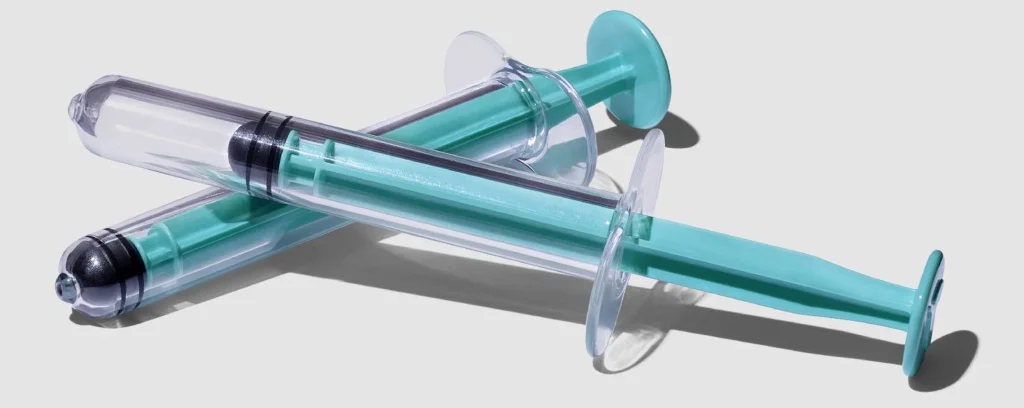
    Two transparent syringes with teal accents positioned diagonally on a light gray background.

    Unlocking the Secrets of Cervical Mucus and Sexual Arousal

    Female sexual dysfunction is a common issue that can affect a woman’s sexual satisfaction and overall well-being. It can manifest in various forms, including low libido, difficulty reaching orgasm, and pain during intercourse. While there are many causes of female sexual dysfunction, one factor that is often overlooked is cervical mucus.

    If a woman is not producing enough fertile cervical mucus, she may experience discomfort and pain during intercourse, making it difficult for her to become aroused and reach orgasm. Additionally, inadequate cervical mucus can make it challenging for sperm to reach the egg, leading to fertility issues.

    How to Improve Cervical Mucus Production

    There are several ways to improve cervical mucus production, which can help with both fertility and sexual arousal. One way is to make lifestyle changes, such as reducing stress, getting enough sleep, and eating a healthy diet. These factors can affect hormone levels and, consequently, cervical mucus production.

    Another way to improve cervical mucus production is by using fertility-friendly lubricants during intercourse. These lubricants are designed to mimic fertile cervical mucus and can help sperm travel through the reproductive tract more easily.

    Additionally, some supplements, such as evening primrose oil and guaifenesin, have been found to improve cervical mucus production. However, it is essential to consult with a healthcare provider before taking any supplements.

    Conclusion

    Cervical mucus is a crucial aspect of a woman’s reproductive health and sexual well-being. It plays a vital role in fertility, sexual arousal, and pleasure. Understanding the changes in cervical mucus throughout the menstrual cycle can help women improve their chances of conceiving and enhance their sexual experiences.

    By making lifestyle changes, using fertility-friendly lubricants, and possibly taking supplements, women can improve their cervical mucus production and, in turn, improve their fertility and sexual satisfaction.

    Summary:

    Cervical mucus is a natural secretion produced by the cervix that plays a crucial role in fertility, sexual arousal, and pleasure. Its consistency changes throughout a woman’s menstrual cycle, with fertile cervical mucus being thin and slippery, making it easier for sperm to travel through the reproductive tract. Adequate cervical mucus production is crucial for both fertility and sexual satisfaction, and it can be improved through lifestyle changes, the use of fertility-friendly lubricants, and supplements. Understanding cervical mucus can help women improve their reproductive and sexual health.

  • Cervical Mucus: The Unsung Hero of Sexual Arousal

    Cervical Mucus: The Unsung Hero of Sexual Arousal

    When it comes to sexual arousal, there are many factors at play – physical, emotional, and psychological. From hormones to pheromones, our bodies are constantly sending signals to initiate and enhance sexual desire. However, there is one often overlooked player in this game of arousal – cervical mucus. While it may not be a topic that is commonly discussed, cervical mucus plays a crucial role in sexual arousal and can even impact fertility. In this blog post, we will explore the unsung hero of sexual arousal – cervical mucus – and how it affects our sexual experiences.

    What is Cervical Mucus?

    Cervical mucus is a natural fluid produced by the cells in the cervix. It is a clear or whitish substance that can range in consistency from thick and sticky to thin and watery. The amount and consistency of cervical mucus can change throughout a woman’s menstrual cycle due to hormonal fluctuations. During ovulation, when an egg is released from the ovaries, cervical mucus becomes thinner and more elastic to allow for easier passage of sperm into the uterus. This is known as fertile cervical mucus and is a vital part of the reproductive process.

    The Role of Cervical Mucus in Sexual Arousal

    While cervical mucus is primarily known for its role in fertility, it also plays a significant role in sexual arousal. In fact, cervical mucus is often referred to as the “gatekeeper” to the uterus. Before and during sexual arousal, the cervix produces more mucus to keep the vagina well lubricated. This lubrication is necessary for comfortable sexual activity and can enhance pleasure and sensation for both partners.

    But cervical mucus does more than just provide lubrication. It also serves as a natural barrier against bacteria and infections. The mucus acts as a filter, keeping harmful bacteria out of the uterus and protecting against potential infections. This is crucial for maintaining vaginal health and preventing discomfort during sexual activity.

    How Cervical Mucus Affects Fertility

    As mentioned earlier, cervical mucus plays a crucial role in fertility. During ovulation, fertile cervical mucus helps sperm travel through the cervix and into the uterus, increasing the chances of fertilization. Without this fertile mucus, sperm may not be able to survive long enough to reach the egg. In addition, the consistency of cervical mucus can also indicate where a woman is in her menstrual cycle. By tracking the changes in cervical mucus, women can better understand their fertility and plan for pregnancy.

    Cervical Mucus and Sexual Health

    The quality and quantity of cervical mucus can also provide valuable insights into a woman’s sexual health. Changes in the amount and consistency of mucus can indicate hormonal imbalances or potential infections. For example, a decrease in fertile cervical mucus can be a sign of low estrogen levels, which can impact fertility and sexual arousal. On the other hand, an increase in thick, white mucus can be a sign of a yeast infection. By paying attention to changes in cervical mucus, women can better monitor their sexual health and seek appropriate treatment if necessary.

    Baby wearing a blue shirt with "made with Love" text, surrounded by colorful floral and butterfly designs.

    Cervical Mucus: The Unsung Hero of Sexual Arousal

    Other Factors that Affect Cervical Mucus

    While hormonal fluctuations are the primary factor that affects cervical mucus, there are other factors that can impact its production. Certain medications, such as antihistamines and some birth control pills, can decrease the amount of mucus produced. Stress, dehydration, and poor diet can also affect cervical mucus production. It is essential to maintain a healthy lifestyle to ensure optimal cervical mucus production and overall sexual health.

    Tips to Improve Cervical Mucus Production

    If you are experiencing changes in cervical mucus or want to improve your fertility, there are some simple steps you can take to enhance cervical mucus production:

    1. Stay hydrated: Drinking plenty of water can help keep cervical mucus thin and watery.

    2. Consume omega-3 fatty acids: Foods rich in omega-3 fatty acids, such as salmon and flaxseeds, can help improve the quality of cervical mucus.

    3. Avoid douching: Douching can disrupt the natural balance of bacteria in the vagina and decrease cervical mucus production.

    4. Try fertility-friendly lubricants: If you are trying to conceive, consider using fertility-friendly lubricants that mimic fertile cervical mucus to aid in sperm transport.

    5. Manage stress: Stress can impact hormone levels and decrease cervical mucus production. Find ways to manage stress, such as meditation or yoga, to improve overall sexual health.

    The Unsung Hero of Sexual Arousal

    In conclusion, cervical mucus may not be the most glamorous topic when it comes to sexual arousal, but it plays a vital role in our sexual experiences. From providing lubrication and protection to impacting fertility and sexual health, cervical mucus is truly the unsung hero of sexual arousal. So the next time you think about what turns you on, remember to give credit to this often overlooked, but essential, bodily fluid.

  • Exploring the Science Behind Cervical Mucus and Sexual Arousal

    Blog Post: Exploring the Science Behind Cervical Mucus and Sexual Arousal

    Sexual arousal is a complex and fascinating topic, with many different factors at play. One of the lesser-known but important components of sexual arousal is cervical mucus. While it may not be a commonly discussed topic, understanding cervical mucus and its role in sexual arousal can provide valuable insights into our bodies and enhance our sexual experiences. In this blog post, we will explore the science behind cervical mucus and its relationship with sexual arousal.

    What is Cervical Mucus?

    Cervical mucus is a fluid secreted by the cervix, the lower part of the uterus, throughout the menstrual cycle. It plays a crucial role in fertility and conception, as it helps sperm travel through the reproductive tract to fertilize an egg. Cervical mucus also provides protection against any harmful bacteria that may enter the vagina.

    Types of Cervical Mucus

    Throughout the menstrual cycle, the consistency and amount of cervical mucus change due to hormonal fluctuations. These changes can be divided into four main categories: dry, sticky, creamy, and egg white.

    Dry cervical mucus is the least fertile type, and it is usually present after menstruation. It is thick and has a low water content, making it difficult for sperm to travel through.

    Sticky cervical mucus is more fertile than dry mucus but still not ideal for conception. It has a thick and tacky consistency, making it difficult for sperm to swim through.

    Creamy cervical mucus is more fertile than sticky mucus and is usually present during the pre-ovulation phase. It has a milky appearance and a creamy consistency, which helps sperm to survive longer.

    Egg white cervical mucus is the most fertile type and is usually present during ovulation. It has a slippery and stretchy consistency, resembling raw egg whites. This type of mucus provides the ideal environment for sperm to swim through and reach the egg.

    Cervical Mucus and Sexual Arousal

    Now that we have a better understanding of cervical mucus, let’s dive into its relationship with sexual arousal. During sexual arousal, the body experiences physiological changes that prepare it for sexual activity. These changes include increased blood flow to the genitals, lubrication of the vagina, and changes in the cervix and cervical mucus.

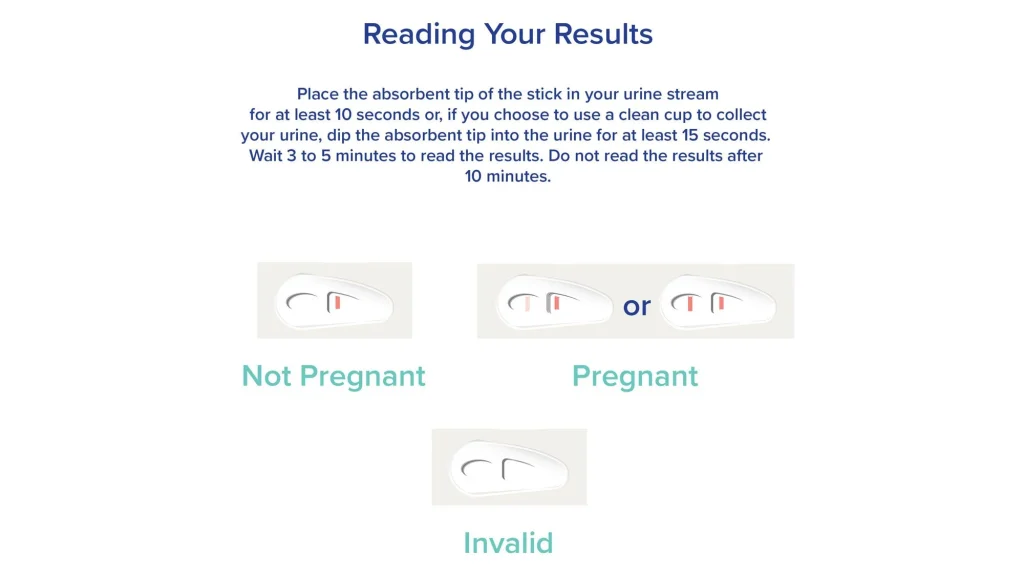
    Instructions for reading pregnancy test results with visual indicators for "Not Pregnant," "Pregnant," and "Invalid.

    Exploring the Science Behind Cervical Mucus and Sexual Arousal

    When a person becomes sexually aroused, the cervix produces more mucus to facilitate sperm travel and provide lubrication for sexual activity. This increase in cervical mucus is due to the release of the hormone estrogen, which peaks during the fertile phase of the menstrual cycle.

    Additionally, sexual arousal also causes the cervix to change its position and shape. It becomes softer and more open, allowing sperm to enter the uterus more easily. This change in the cervix is also linked to the release of oxytocin, a hormone associated with sexual pleasure and bonding.

    The Role of Cervical Mucus in Fertility and Conception

    Cervical mucus is crucial for fertility and conception. Its consistency and amount play a vital role in helping sperm reach the egg for fertilization. As mentioned earlier, egg white cervical mucus is the most fertile type and is present during ovulation. This type of mucus provides the perfect environment for sperm to travel through, increasing the chances of conception.

    Moreover, studies have shown that the presence of cervical mucus during sexual intercourse can increase sperm survival and motility. Without sufficient cervical mucus, sperm may not survive long enough to reach the egg for fertilization.

    Using Cervical Mucus As a Fertility Indicator

    Due to its close relationship with fertility and ovulation, cervical mucus can also be used as a fertility indicator. Tracking changes in cervical mucus can help individuals identify the most fertile days of their menstrual cycle, making it easier to time intercourse for conception.

    Many fertility awareness methods, such as the Billings Ovulation Method and the Creighton Model, rely on tracking cervical mucus to determine a person’s fertile window. By understanding the different types of cervical mucus and the changes that occur throughout the menstrual cycle, individuals can use this information to either avoid or achieve pregnancy.

    Conclusion

    Cervical mucus may not be a commonly discussed topic, but it plays a significant role in sexual arousal, fertility, and conception. Its relationship with hormones, sexual arousal, and fertility makes it a fascinating subject to explore. By understanding the different types of cervical mucus and the changes that occur during sexual arousal, individuals can gain a deeper understanding of their bodies and enhance their sexual experiences.

    So the next time you feel sexually aroused, remember that your cervical mucus is also playing a part in preparing your body for sexual activity. Embrace and celebrate this natural process, and continue to explore the fascinating science behind sexual arousal.

    Summary:

    Cervical mucus is a fluid secreted by the cervix throughout the menstrual cycle. It plays a crucial role in fertility and conception and can be categorized into four types: dry, sticky, creamy, and egg white. During sexual arousal, the cervix produces more mucus to facilitate sperm travel and provide lubrication. This increase in cervical mucus is due to the release of estrogen and oxytocin. Cervical mucus also plays a vital role in fertility and is often used as a fertility indicator. By tracking changes in cervical mucus, individuals can identify their most fertile days for conception. Understanding the science behind cervical mucus can provide valuable insights into our bodies and enhance our sexual experiences.

  • Elevating Pleasure: Understanding Cervical Mucus and Sexual Arousal

    Summary:

    Sexual pleasure is an important aspect of human life, and understanding the mechanisms behind it can greatly enhance our sexual experiences. One often overlooked factor in sexual arousal is cervical mucus, a natural fluid produced by the cervix that plays a crucial role in fertility and sexual pleasure. In this blog post, we will explore the connection between cervical mucus and sexual arousal, and how understanding this bodily function can elevate our sexual experiences.

    We will first delve into the basics of cervical mucus, including its composition and function in the female body. Cervical mucus is a thick, slippery fluid that is produced by the cervix, the lower part of the uterus. Its main function is to help sperm travel through the reproductive tract to fertilize an egg. However, cervical mucus also plays a vital role in sexual arousal. As a woman becomes sexually aroused, her body produces more cervical mucus, which acts as a natural lubricant and enhances pleasure during intercourse.

    Furthermore, the consistency and appearance of cervical mucus can provide valuable insights into a woman’s fertility. By tracking changes in cervical mucus throughout her menstrual cycle, a woman can identify her most fertile days and increase her chances of conceiving. This method, known as the Billings Ovulation Method, has been used by couples trying to conceive for decades and has a high success rate.

    illustration comparing standard and Mosie syringe openings with text highlighting design benefits for home insemination

    Elevating Pleasure: Understanding Cervical Mucus and Sexual Arousal

    But beyond its function in fertility, cervical mucus also has a significant impact on sexual pleasure. As mentioned earlier, it acts as a natural lubricant during sexual activity, reducing friction and discomfort. Moreover, the consistency of cervical mucus can indicate the level of arousal a woman is experiencing. As she becomes more sexually stimulated, her cervical mucus becomes thinner and more slippery, making intercourse more pleasurable.

    It is also worth noting that the presence of cervical mucus can greatly enhance intimacy between partners. This fluid is a natural part of the female body and should not be seen as something dirty or embarrassing. By embracing and understanding cervical mucus, couples can connect on a deeper level and have a more fulfilling sexual experience.

    However, some women may experience issues with their cervical mucus, such as dryness or excessive production. These issues can be caused by hormonal imbalances, certain medications, or underlying health conditions. If you are experiencing any concerns with your cervical mucus, it is essential to consult with your doctor to determine the underlying cause and find appropriate treatment.

    In addition to its role in sexual pleasure and fertility, cervical mucus can also provide valuable information about a woman’s overall reproductive health. Changes in the consistency, color, and smell of cervical mucus can indicate potential issues such as infections or hormonal imbalances. By paying attention to these changes and discussing them with a healthcare provider, women can proactively address any underlying issues and maintain good reproductive health.

    In conclusion, cervical mucus is a crucial and often overlooked aspect of sexual pleasure. Its function in fertility, lubrication, and intimacy makes it an essential component of a woman’s sexual experience. By understanding and embracing this natural bodily function, we can enhance our sexual pleasure and gain valuable insights into our reproductive health. So let’s start paying attention to cervical mucus and elevate our sexual experiences.

  • The Surprising Link Between Cervical Mucus and Sexual Desire

    Blog Post:

    When it comes to sexual desire, we often think of it as a purely psychological experience. However, there is a surprising link between cervical mucus and sexual desire that many people are not aware of. Cervical mucus, also known as cervical fluid, plays a crucial role in a woman’s fertility and reproductive health. But recent research has shown that it also has a significant impact on sexual desire and arousal. In this blog post, we will explore the connection between cervical mucus and sexual desire, and how understanding this link can improve our sexual experiences.

    What is Cervical Mucus?

    Cervical mucus is a fluid secreted by the cervix, the narrow passage that connects the uterus to the vagina. It plays a vital role in the female reproductive system by helping sperm travel through the cervix to reach the egg. Cervical mucus also protects the reproductive organs from bacteria and other foreign substances. The amount and texture of cervical mucus change throughout a woman’s menstrual cycle, and these changes are closely linked to her fertility.

    The Connection Between Cervical Mucus and Sexual Desire

    Recent studies have shown that the changes in cervical mucus during a woman’s menstrual cycle also have a significant impact on her sexual desire and arousal. During the early stages of the menstrual cycle, when a woman is not fertile, the cervical mucus is thick and sticky, making it difficult for sperm to penetrate. This type of mucus can also act as a barrier to sexual arousal, making it challenging to get in the mood.

    However, as a woman approaches her ovulation, her cervical mucus becomes thinner, clearer, and more slippery, which makes it easier for sperm to travel through. This type of mucus is also linked to an increase in sexual desire and arousal. The reason behind this is that the thin, watery cervical mucus allows for easier penetration and creates a more pleasurable sexual experience.

    pregnancy test kit with instructions, test device, and packaging on a white background

    The Surprising Link Between Cervical Mucus and Sexual Desire

    Furthermore, the texture of cervical mucus also affects the pH level of the vagina, which plays a crucial role in vaginal health and sexual desire. When the mucus is thick and sticky, it creates an acidic environment, which can be uncomfortable and even painful during sexual activity. On the other hand, the thinner, watery cervical mucus creates a more alkaline environment, which is more conducive to sexual pleasure.

    How to Use Cervical Mucus to Improve Sexual Experiences

    Now that we understand the connection between cervical mucus and sexual desire, how can we use this knowledge to improve our sexual experiences? The key is to track your cervical mucus changes throughout your menstrual cycle. By doing this, you can identify the days when you are most fertile and most likely to experience an increase in sexual desire and arousal.

    Knowing when you are most fertile can also help you plan for more pleasurable sexual experiences. For example, if you are trying to conceive, having sex during the days when your cervical mucus is thin and watery can increase your chances of getting pregnant. On the other hand, if you are not trying to conceive, avoiding sex during those days can help you avoid unwanted pregnancy.

    Additionally, tracking your cervical mucus can also help you identify any potential issues with your reproductive health. Changes in the amount or texture of cervical mucus can be a sign of hormonal imbalances or infections. By paying attention to these changes, you can address any underlying issues and improve your overall sexual health.

    Conclusion

    Cervical mucus is a crucial factor in a woman’s fertility and reproductive health. However, it also plays a significant role in sexual desire and arousal. By understanding the link between cervical mucus and sexual desire, we can improve our sexual experiences and overall sexual health. Tracking cervical mucus changes can help us identify the most fertile days for conception and plan for more pleasurable sexual experiences. It can also help us identify any potential issues with our reproductive health and address them promptly.

    In summary, cervical mucus and sexual desire are closely connected, and paying attention to changes in cervical mucus can improve our sexual experiences and overall reproductive health.