Tag: fertility

  • DIY Baby-Making: Essential Strategies for Conceiving with PCOS

    Blog post: DIY Baby-Making: Essential Strategies for Conceiving with PCOS

    Polycystic Ovarian Syndrome (PCOS) is a common hormonal disorder that affects many women of reproductive age. One of the main challenges of PCOS is difficulty in conceiving due to irregular ovulation and hormonal imbalances. This can be frustrating for women who are trying to start a family. However, with the right strategies and lifestyle changes, it is possible to conceive naturally even with PCOS. In this blog post, we will discuss essential DIY strategies for conceiving with PCOS.

    1. Understand your cycle and track ovulation

    The first step in trying to conceive with PCOS is to understand your menstrual cycle and track your ovulation. Women with PCOS often have irregular periods, making it difficult to pinpoint ovulation. Keeping track of your cycles and monitoring your basal body temperature can help you identify when you are most likely to ovulate. You can also use ovulation predictor kits to track your ovulation.

    2. Maintain a healthy weight

    Obesity and PCOS often go hand in hand, and excess weight can make it more challenging to conceive. Women with PCOS are at a higher risk of insulin resistance, which can lead to weight gain. Maintaining a healthy weight through a balanced diet and regular exercise can improve insulin sensitivity and help regulate ovulation.

    3. Follow a PCOS-friendly diet

    A PCOS-friendly diet should focus on whole foods, including lean proteins, complex carbohydrates, and healthy fats. Avoiding processed and sugary foods can help manage insulin levels and regulate hormones. Foods rich in antioxidants, such as fruits and vegetables, can also help reduce inflammation in the body and improve fertility.

    4. Consider supplements

    Supplements can be a helpful addition to a healthy diet when trying to conceive with PCOS. Inositol, a B vitamin, has been shown to improve insulin sensitivity and regulate ovulation in women with PCOS. Other supplements that may be beneficial include vitamin D, omega-3 fatty acids, and CoQ10.

    Mosie Baby ovulation test kit with packaging and instructions on a pink background.

    DIY Baby-Making: Essential Strategies for Conceiving with PCOS

    5. Manage stress

    High levels of stress can disrupt hormone balance and make it more difficult to conceive. It is essential to find ways to manage stress, such as practicing relaxation techniques, exercising, and getting enough sleep. Consider incorporating activities like yoga, meditation, or journaling into your daily routine to help reduce stress levels.

    6. Try acupuncture

    Acupuncture has been used for centuries to treat various health conditions, including infertility. Studies have shown that acupuncture can help improve ovulation and regulate menstrual cycles in women with PCOS. It may also reduce stress and improve blood flow to the reproductive organs, increasing the chances of conception.

    7. Discuss medication options with your doctor

    In some cases, lifestyle changes may not be enough to regulate ovulation and achieve pregnancy. Your doctor may prescribe medications such as clomiphene or letrozole to help stimulate ovulation. Metformin, a medication commonly used to treat diabetes, can also help regulate insulin levels and improve ovulation in women with PCOS.

    8. Consider assisted reproductive technologies

    If natural conception does not work, assisted reproductive technologies (ART) may be an option. Intrauterine insemination (IUI) and in vitro fertilization (IVF) are two common ART procedures that can help women with PCOS conceive. These procedures involve fertilizing eggs outside of the body and then transferring them into the uterus for implantation.

    In conclusion, conceiving with PCOS may require a bit more effort and patience, but it is possible. By understanding your cycle, maintaining a healthy lifestyle, and seeking medical help when needed, you can increase your chances of getting pregnant. Remember to be kind to yourself and seek support from loved ones during this journey.

    Summary:

    Conceiving with PCOS can be challenging, but with the right strategies, it is possible to achieve a successful pregnancy. Understanding your cycle, maintaining a healthy weight and diet, managing stress, and considering supplements and alternative therapies can all help regulate hormones and improve ovulation. If natural conception does not work, ART procedures may be an option. Remember to seek support from loved ones and be patient with yourself during this journey.

  • Preparing Your Body for Pregnancy: Essential DIY Baby-Making Techniques

    Preparing Your Body for Pregnancy: Essential DIY Baby-Making Techniques

    Are you and your partner planning to start a family? Congratulations! The journey to parenthood is a beautiful and exciting one, but it also requires some preparation. One crucial aspect of preparing for pregnancy is ensuring that your body is ready for the journey ahead. This means taking care of your physical health, making lifestyle changes, and implementing essential DIY techniques that can boost your chances of conceiving. In this blog post, we will discuss some essential DIY baby-making techniques that you can incorporate into your routine to prepare your body for pregnancy.

    1. Eat a Healthy and Balanced Diet
    The food you eat plays a significant role in your overall health and fertility. It is essential to consume a well-balanced diet that includes a variety of fruits, vegetables, whole grains, lean proteins, and healthy fats. These foods provide essential nutrients that support reproductive health and increase your chances of conceiving. Additionally, maintaining a healthy weight is crucial for fertility, as being underweight or overweight can affect your hormone levels and ovulation.

    2. Exercise Regularly
    Regular exercise is not only beneficial for your physical health but also for your fertility. It helps maintain a healthy weight, reduces stress, and improves blood flow to the reproductive organs. However, it is essential to avoid excessive or intense exercise, as it can have a negative impact on ovulation. It is best to consult with a doctor or fertility specialist to determine a suitable exercise routine for your body.

    3. Quit Unhealthy Habits
    Smoking, excessive alcohol consumption, and recreational drug use can significantly affect your fertility. These habits can lower sperm count, decrease egg quality, and increase the risk of miscarriage. It is crucial to quit these habits before trying to conceive to give your body the best chance of a healthy pregnancy.

    4. Take Prenatal Vitamins
    Prenatal vitamins are specially formulated to provide essential nutrients needed for a healthy pregnancy. They contain folic acid, which is crucial in preventing birth defects in the baby’s brain and spine. It is recommended to start taking prenatal vitamins at least three months before trying to conceive.

    5. Track Your Ovulation
    Knowing when you are ovulating is crucial for pregnancy. Ovulation is the process of releasing an egg from the ovary, which is the most fertile time in a woman’s menstrual cycle. You can track your ovulation using various methods, such as tracking your basal body temperature, cervical mucus, or using ovulation predictor kits. Understanding your ovulation cycle can help you time intercourse and increase your chances of conception.

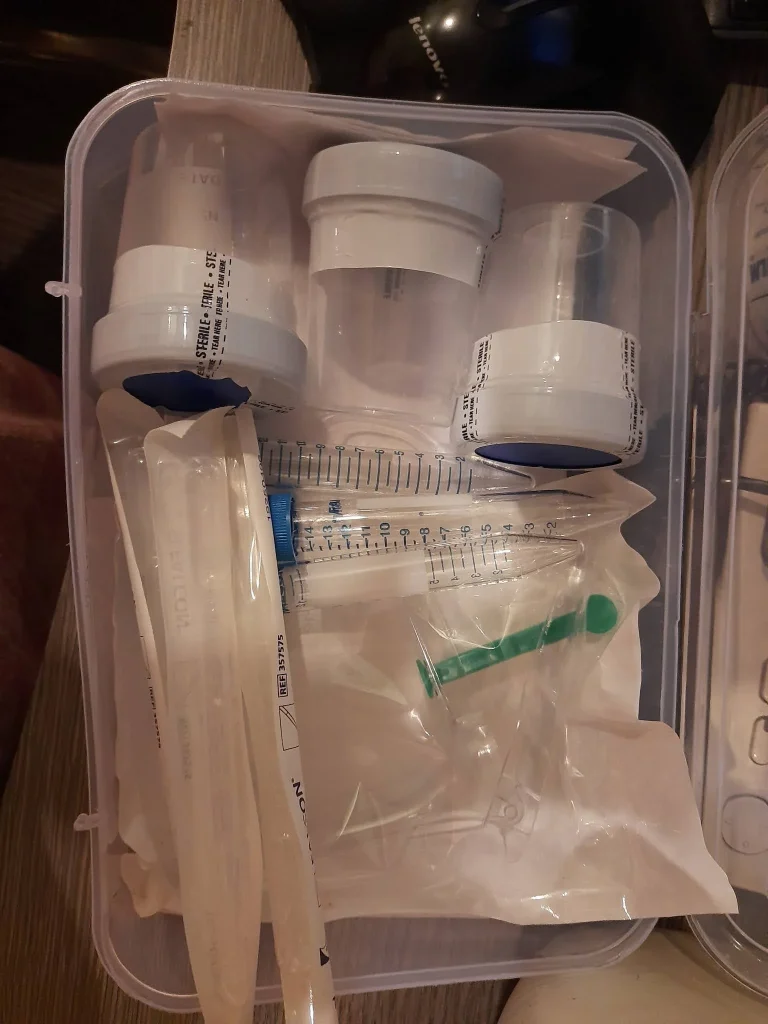
    various medical supplies and containers organized in a clear plastic box on a wooden surface

    Preparing Your Body for Pregnancy: Essential DIY Baby-Making Techniques

    6. Try Natural Fertility Supplements
    Some natural supplements can help improve fertility in both men and women. These include Coenzyme Q10, zinc, vitamin D, and omega-3 fatty acids. However, it is essential to consult with a doctor before taking any supplements to ensure they are safe for you and will not interfere with any medications you may be taking.

    7. Reduce Stress
    Stress can have a significant impact on your reproductive health. It can affect hormone levels, ovulation, and sperm production. Therefore, it is crucial to find ways to reduce stress in your life. This can include practicing relaxation techniques such as yoga or meditation, getting enough sleep, and engaging in activities you enjoy.

    8. Use Natural Lubricants
    Some lubricants can interfere with sperm motility and decrease your chances of conceiving. It is best to use natural lubricants, such as coconut oil, olive oil, or Pre-Seed, which are safe for sperm and can even aid in conception.

    9. Try Acupuncture
    Acupuncture is an ancient Chinese healing technique that involves inserting thin needles into specific points on the body. It has been found to be beneficial in improving fertility by reducing stress, balancing hormones, and increasing blood flow to the reproductive organs.

    10. Have Regular Sex
    The most crucial DIY technique for conceiving is to have regular sex. It is recommended to have intercourse every two to three days throughout your cycle to ensure sperm is present when ovulation occurs. Trying to conceive can sometimes become stressful, but it is essential to keep the spark alive and not make it feel like a chore.

    In conclusion, preparing your body for pregnancy is essential to increase your chances of conceiving and having a healthy pregnancy. Incorporating these DIY baby-making techniques into your routine can help boost your fertility and prepare your body for the journey of motherhood. Remember to consult with a doctor or fertility specialist if you have any concerns or questions about your fertility.

    Summary:
    Preparing your body for pregnancy is crucial for increasing your chances of conceiving and having a healthy pregnancy. Some essential DIY baby-making techniques include eating a healthy and balanced diet, exercising regularly, quitting unhealthy habits, taking prenatal vitamins, tracking ovulation, trying natural fertility supplements, reducing stress, using natural lubricants, trying acupuncture, and having regular sex. These techniques can help boost your fertility and prepare your body for the journey of motherhood. Consult with a doctor or fertility specialist for any concerns or questions about your fertility.

  • DIY Baby-Making for Busy Couples: Essential Tips for Balancing Work and Fertility

    DIY Baby-Making for Busy Couples: Essential Tips for Balancing Work and Fertility

    For many couples, the desire to have a baby is a dream that comes with its fair share of challenges. In today’s fast-paced world, where work and career demands often take center stage, finding the time and energy to focus on starting a family can be overwhelming. However, with the right approach and some essential tips, it is possible for busy couples to balance work and fertility, and make their dream of having a baby a reality. In this blog post, we will discuss DIY baby-making for busy couples, and provide some essential tips to help them navigate this journey.

    Tip #1: Prioritize Your Health and Well-Being
    The first and most crucial step in DIY baby-making for busy couples is prioritizing their health and well-being. With the demands of work and everyday life, it’s easy to neglect self-care and put it on the back burner. However, taking care of your physical and mental health is essential for fertility. Making healthy lifestyle choices, such as eating a balanced diet, exercising regularly, and getting enough rest, can significantly impact your fertility. Couples should also prioritize stress management techniques, such as meditation, yoga, or therapy, to help them cope with the stress of trying to conceive while juggling busy schedules.

    Tip #2: Understand Your Menstrual Cycle
    Understanding your menstrual cycle is crucial for any couple trying to conceive. It is essential to track your ovulation to know when you are most fertile. Many factors can impact the length and regularity of a woman’s menstrual cycle, such as stress, diet, and exercise. Therefore, it’s essential to track your cycle for a few months to get a better understanding of your body’s patterns. Several apps and tools can help with this, making it easier for busy couples to keep track of their fertility window.

    Tip #3: Utilize At-Home Fertility Tests
    For busy couples, finding the time to visit a fertility clinic for tests can be a challenge. However, with the rise of at-home fertility tests, couples can now monitor their fertility from the comfort of their own home. These tests can help identify potential issues that may be impacting fertility, such as low sperm count or ovulation disorders. Having this information can help couples make informed decisions about their next steps and when to seek professional help.

    comparison of Mosie syringe opening versus standard syringe opening with text highlighting benefits

    DIY Baby-Making for Busy Couples: Essential Tips for Balancing Work and Fertility

    Tip #4: Consider Natural Fertility Boosters
    In addition to tracking your cycle and utilizing at-home fertility tests, there are also natural fertility boosters that couples can incorporate into their daily routine. These include dietary supplements, such as folic acid, CoQ10, and omega-3 fatty acids, that have been shown to improve fertility in both men and women. Couples can also explore alternative therapies, such as acupuncture and herbal remedies, which have been known to enhance fertility.

    Tip #5: Plan Intimacy Around Your Fertility Window
    Timing is everything when it comes to trying to conceive. With busy schedules, it can be challenging to find time for intimacy regularly. However, planning intimacy around the woman’s fertile window can significantly increase the chances of conception. As mentioned earlier, tracking your cycle can help determine the best time for intimacy. Additionally, couples can also explore other ways to keep the spark alive and maintain a healthy and fulfilling sex life, such as scheduling date nights and communicating openly about their needs and desires.

    Tip #6: Be Open to Alternative Methods
    While many couples hope to conceive naturally, it’s essential to be open to alternative methods if things don’t go as planned. This can include exploring options like intrauterine insemination (IUI) or in vitro fertilization (IVF) if conception doesn’t happen naturally. These methods may require more time and effort, but they can help couples achieve their dream of starting a family.

    Tip #7: Seek Professional Help When Needed
    Finally, it’s essential to seek professional help when needed. Trying to conceive can be an emotionally and physically draining process, and it’s crucial to have a support system in place. Couples can consult with a fertility specialist who can provide guidance and support throughout their journey. Additionally, seeking therapy or joining support groups can also be beneficial in coping with the challenges of trying to conceive.

    In conclusion, DIY baby-making for busy couples is possible with the right approach and essential tips. Prioritizing health and well-being, understanding the menstrual cycle, utilizing at-home fertility tests, considering natural fertility boosters, planning intimacy around the fertility window, being open to alternative methods, and seeking professional help when needed are all crucial steps in balancing work and fertility. With patience and determination, busy couples can achieve their dream of starting a family.

  • Maximizing Your Chances: DIY Baby-Making Essentials for Timing Intercourse

    Maximizing Your Chances: DIY Baby-Making Essentials for Timing Intercourse

    For couples trying to conceive, timing intercourse correctly is crucial. The window of opportunity for conception is limited, making it important for couples to understand their fertility and optimize their chances of getting pregnant. While there are many factors that can affect fertility, one of the most important is timing intercourse correctly. In this blog post, we will discuss DIY baby-making essentials for timing intercourse, including tracking ovulation, using ovulation prediction kits, incorporating lifestyle changes, and seeking medical advice.

    1. Tracking Ovulation
    The first step in maximizing your chances of conceiving is to understand your menstrual cycle and track ovulation. Ovulation is the process of releasing an egg from the ovary, which typically occurs around day 14 of a 28-day cycle. However, this can vary from woman to woman and even from month to month. To track ovulation, you can use an ovulation calculator or keep track of your basal body temperature (BBT). BBT rises by 0.5-1 degree Fahrenheit after ovulation, making it a reliable indicator of when you are most fertile.

    2. Using Ovulation Prediction Kits
    Another effective method for timing intercourse is using ovulation prediction kits (OPKs). These kits detect the surge of luteinizing hormone (LH) in your urine, which occurs 24-36 hours before ovulation. OPKs are easy to use and can be purchased over the counter. By using these kits, you can pinpoint your most fertile days and time intercourse accordingly.

    at-home insemination kit by Mosie Baby, featuring syringes and containers for comfort and convenience.

    Maximizing Your Chances: DIY Baby-Making Essentials for Timing Intercourse

    3. Incorporating Lifestyle Changes
    Lifestyle factors can also play a significant role in fertility. Maintaining a healthy weight, avoiding excessive alcohol and caffeine consumption, and quitting smoking can all increase your chances of conceiving. Additionally, incorporating stress-reducing activities such as yoga, meditation, or acupuncture can also improve your fertility. It’s essential to create a healthy and balanced lifestyle to optimize your chances of conception.

    4. Seeking Medical Advice
    If you have been trying to conceive for over a year (or six months if you are over 35), it may be time to seek medical advice. A fertility specialist can help identify any underlying issues that may be affecting your ability to conceive and provide appropriate treatment. They may also recommend fertility medications or procedures such as intrauterine insemination (IUI) or in vitro fertilization (IVF) to increase your chances of getting pregnant.

    5. Timing Intercourse
    Once you have tracked your ovulation and identified your most fertile days, it’s essential to time intercourse correctly. While it may seem obvious, having intercourse during your most fertile days significantly increases your chances of conceiving. Additionally, certain sexual positions, such as missionary or doggy style, can also facilitate sperm reaching the egg more efficiently. It’s also recommended to avoid using lubricants during intercourse, as they can hinder sperm movement.

    In summary, maximizing your chances of conceiving requires tracking ovulation, using ovulation prediction kits, incorporating lifestyle changes, and seeking medical advice if needed. By understanding your menstrual cycle and identifying your most fertile days, you can time intercourse correctly and increase your chances of getting pregnant. Additionally, making healthy lifestyle choices and seeking medical assistance can also improve your fertility and help you achieve your dream of starting a family.

  • From Conception to Birth: DIY Baby-Making Essentials for a Smooth Pregnancy Journey

    Blog post:

    From Conception to Birth: DIY Baby-Making Essentials for a Smooth Pregnancy Journey

    Bringing a new life into this world is a beautiful and exciting experience. However, the journey of pregnancy can also be daunting and overwhelming, especially for first-time parents. It is essential to be well-prepared and equipped with the necessary knowledge and tools to ensure a smooth and healthy pregnancy journey. In this blog post, we will discuss all the DIY baby-making essentials from conception to birth that will help you have a stress-free and enjoyable pregnancy experience.

    1. Preconception Care:

    The first step in preparing for a healthy pregnancy journey is taking care of your body before conception. It is crucial to ensure that you and your partner are in good health and have no underlying medical conditions that can affect your pregnancy. Here are some essential preconception care tips:

    – Schedule a preconception check-up with your healthcare provider. This will help identify any potential health issues and get them treated before you conceive.
    – Start taking a prenatal vitamin with folic acid to reduce the risk of birth defects.
    – Quit smoking and avoid alcohol and drugs.
    – Maintain a healthy weight and follow a balanced diet.
    – Exercise regularly and stay physically active.

    2. Tracking Ovulation:

    The key to getting pregnant is knowing when you ovulate. Ovulation is the process of releasing an egg from the ovary, which is the most fertile time of your menstrual cycle. Here are some DIY methods for tracking ovulation:

    – Keep track of your menstrual cycle on a calendar for a few months to determine the average length of your cycle.
    – Use an ovulation predictor kit (OPK) to detect the surge in luteinizing hormone (LH) that occurs 24-48 hours before ovulation.
    – Check your basal body temperature (BBT) daily and look for a slight rise, which indicates ovulation.
    – Monitor your cervical mucus changes. As you approach ovulation, your cervical mucus becomes clear, slippery, and stretchy.

    3. Fertility Boosting Foods:

    Eating a healthy and balanced diet is crucial for a smooth pregnancy journey. Certain foods can also boost your fertility and increase your chances of conceiving. Here are some fertility-boosting foods that you can easily incorporate into your diet:

    – Leafy greens such as spinach, kale, and broccoli are rich in folate, which is essential for a healthy pregnancy.
    – Whole grains like brown rice, quinoa, and oats are a great source of complex carbohydrates, which can help regulate ovulation.
    – Lean protein sources like chicken, fish, and beans are rich in iron and vitamin B12, which are crucial for reproductive health.
    – Healthy fats like avocados, olive oil, and nuts are essential for hormone production.
    – Fruits and vegetables that are rich in antioxidants, such as berries, carrots, and sweet potatoes, can improve egg quality and sperm health.

    4. Stress Management:

    Pregnancy can be a stressful time, and stress can affect your fertility and overall health. It is essential to manage stress and find ways to relax and unwind. Here are some DIY stress management techniques that you can try:

    Mosie Baby pregnancy test kit with two tests and packaging, featuring a mint green color scheme.

    From Conception to Birth: DIY Baby-Making Essentials for a Smooth Pregnancy Journey

    – Practice yoga or meditation.
    – Take a warm bath.
    – Go for a walk or do some light exercises.
    – Listen to soothing music.
    – Write in a journal.
    – Spend time in nature.

    5. DIY Home Pregnancy Tests:

    Once you have tracked ovulation and had intercourse during your fertile window, it’s time to take a pregnancy test. While there are many over-the-counter pregnancy tests available, you can also try some DIY home pregnancy tests that use everyday household items. Here are some popular DIY pregnancy tests:

    – The toothpaste pregnancy test: Put a small amount of toothpaste on a plate and add a few drops of urine. If the toothpaste turns blue or frothy, it’s a positive result.
    – The bleach pregnancy test: Mix equal parts of urine and bleach in a container. If the mixture fizzes or turns foamy, it’s a positive result.
    – The sugar pregnancy test: Mix a tablespoon of sugar with a few drops of urine. If the sugar clumps or dissolves, it’s a negative result. If it forms a slurry, it’s a positive result.

    While these DIY pregnancy tests can be fun to try, it is always best to confirm the results with a reliable medical test.

    6. Prenatal Care:

    Once you have confirmed your pregnancy, it is essential to start prenatal care to ensure a healthy pregnancy and delivery. Prenatal care involves regular check-ups with your healthcare provider, where they will monitor your health and the growth and development of your baby. Here are some essential prenatal care steps:

    – Take prenatal vitamins and supplements as recommended by your healthcare provider.
    – Attend all prenatal appointments and screenings.
    – Maintain a healthy diet and exercise regularly.
    – Avoid smoking, alcohol, and drugs.
    – Get enough rest and sleep.

    7. DIY Baby Essentials:

    As you prepare for your little one’s arrival, you may want to start getting some baby essentials ready. While there are many baby items available in the market, you can also DIY some of them and save money. Here are some DIY baby essentials that you can make at home:

    – Cloth diapers: You can make your own cloth diapers using soft, absorbent fabric.
    – Baby wipes: Cut up old t-shirts or flannel cloth into small squares and use them as reusable baby wipes.
    – Nursing pads: Use soft, absorbent fabric to make your own nursing pads to prevent leaks.
    – Baby carrier: You can make a baby carrier using a long piece of fabric or a bedsheet.

    These homemade baby essentials not only save money but are also environmentally friendly and safe for your baby.

    In conclusion, the journey from conception to birth is an exciting and life-changing experience. With these DIY baby-making essentials, you can prepare yourself for a smooth and healthy pregnancy journey. Remember to take care of your physical and emotional well-being, and consult your healthcare provider for any concerns or questions. Enjoy this beautiful journey of bringing a new life into this world.

    Summary:

    Preparing for a healthy and smooth pregnancy journey involves taking care of your body before conception, tracking ovulation, eating fertility-boosting foods, managing stress, and taking DIY home pregnancy tests. Once you confirm your pregnancy, it is essential to start prenatal care and prepare some DIY baby essentials. These tips will help you have a stress-free and enjoyable pregnancy experience.

  • DIY Baby-Making: Essential Strategies for Conceiving After Miscarriage

    Blog Post Title: DIY Baby-Making: Essential Strategies for Conceiving After Miscarriage

    Summary:

    Experiencing a miscarriage can be a devastating and heartbreaking experience for any couple trying to conceive. The physical and emotional toll it takes can make the thought of trying to conceive again overwhelming. However, with the right strategies and mindset, it is possible to conceive after a miscarriage. In this blog post, we will discuss essential DIY strategies for couples to increase their chances of conceiving after a miscarriage.

    1. Understand the Physical and Emotional Impact of Miscarriage

    Before attempting to conceive again, it is important for couples to understand the physical and emotional impact of a miscarriage. Physically, it may take some time for the body to recover and prepare for another pregnancy. Emotionally, it is essential to allow yourself time to grieve and heal from the loss. Seek support from loved ones or a therapist if needed.

    2. Track Your Menstrual Cycle

    Tracking your menstrual cycle is crucial for determining the best time to conceive. Use a fertility tracking app or a calendar to keep track of your cycle. After a miscarriage, your cycle may be irregular for a few months, so it is important to monitor it closely for changes.

    3. Implement a Healthy Lifestyle

    Maintaining a healthy lifestyle is key for increasing fertility. This includes eating a well-balanced diet, staying physically active, and avoiding harmful substances like alcohol and tobacco. Additionally, certain supplements and vitamins may also aid in fertility, such as folic acid and vitamin D.

    various medical supplies and containers organized in a clear plastic box on a wooden surface

    DIY Baby-Making: Essential Strategies for Conceiving After Miscarriage

    4. Focus on Stress Management

    Stress can greatly impact fertility, so it is important to find ways to manage it. This can include practicing relaxation techniques like yoga or meditation, engaging in a hobby, or seeking counseling. It is also important to communicate openly with your partner and support each other during this stressful time.

    5. Consider Alternative Therapies

    Alternative therapies such as acupuncture, massage, and chiropractic care have been shown to improve fertility and increase the chances of conception. These therapies can help reduce stress, improve blood flow to the reproductive organs, and balance hormones.

    6. Try Natural Fertility Boosters

    There are several natural fertility boosters that can improve your chances of conceiving after a miscarriage. These include herbs like maca root, red raspberry leaf, and chasteberry. It is important to consult with a healthcare professional before trying any new supplements, especially if you are taking any medication.

    7. Consult with a Fertility Specialist

    If you have been trying to conceive for over a year without success, it may be time to consult with a fertility specialist. They can help identify any underlying issues that may be hindering your chances of conception and provide you with personalized treatment options.

    In conclusion, conceiving after a miscarriage can be a challenging and emotional journey. It is important to take care of your physical and emotional well-being and implement these essential DIY strategies to increase your chances of conceiving. Remember to be patient and kind to yourself, and with perseverance and determination, you can achieve your dream of having a baby.

  • The Importance of Self-Care in DIY Baby-Making: Essential Practices for a Healthy Body and Mind

    Summary:

    Bringing a new life into the world is a beautiful and fulfilling experience, but it can also be physically and emotionally demanding. For those who are trying to conceive through DIY baby-making methods, it is essential to prioritize self-care. Taking care of your physical and mental well-being can not only improve your chances of conception but also ensure a healthy pregnancy and postpartum period. In this blog post, we will discuss the importance of self-care in DIY baby-making and essential practices that can help you maintain a healthy body and mind.

    First and foremost, self-care is crucial for fertility. Stress, poor diet, and lack of exercise can all have a negative impact on your fertility. By practicing self-care, you can reduce stress levels, improve your overall health, and increase your chances of conception. This includes incorporating stress-reducing activities such as yoga, meditation, and regular exercise into your daily routine. Eating a well-balanced diet that includes nutrient-rich foods can also support fertility and promote a healthy pregnancy.

    In addition to physical health, self-care also plays a significant role in mental health. Trying to conceive can be emotionally challenging, and it is important to prioritize your mental well-being during this process. This can include seeking therapy or counseling, practicing mindfulness and self-compassion, and surrounding yourself with a supportive and understanding community. Taking care of your mental health not only improves your overall well-being but also prepares you for the emotional demands of pregnancy and parenthood.

    at-home insemination kit featuring a syringe and container for fresh or donor sperm conception

    The Importance of Self-Care in DIY Baby-Making: Essential Practices for a Healthy Body and Mind

    Self-care also includes taking care of your reproductive health. This involves regular visits to your healthcare provider, staying up-to-date on vaccinations, and addressing any underlying reproductive issues. It is essential to communicate openly with your healthcare provider about your plans to conceive and seek their guidance on any necessary steps to ensure a healthy pregnancy.

    Another crucial aspect of self-care in DIY baby-making is maintaining a healthy lifestyle. This includes avoiding harmful substances such as alcohol, tobacco, and drugs, which can have a significant impact on fertility and pregnancy. It is also important to limit exposure to environmental toxins and make healthy lifestyle choices such as getting enough sleep, staying hydrated, and managing stress levels.

    In addition to these practices, it is essential to educate yourself about DIY baby-making methods and make informed decisions. This includes understanding the risks and benefits of different methods and seeking guidance from reputable sources. It is also important to have a support system in place, whether it is a partner, family, or friends, who can offer emotional support and practical help during the process.

    In conclusion, self-care is an essential aspect of DIY baby-making. By prioritizing your physical and mental well-being, you can increase your chances of conception, promote a healthy pregnancy, and prepare yourself for the demands of parenthood. Incorporating practices such as stress-reduction, healthy lifestyle choices, and seeking guidance from healthcare professionals can all contribute to a successful DIY baby-making journey.

  • DIY Baby-Making Essentials for Overcoming Infertility

    Blog Post:

    Infertility is a common issue that many couples struggle with when trying to conceive. It can be a stressful and emotional journey, but there are DIY baby-making essentials that can help overcome this obstacle. With the right approach and tools, you can increase your chances of getting pregnant naturally. In this blog post, we will discuss the top DIY baby-making essentials for overcoming infertility.

    1. Fertility-Boosting Foods and Supplements

    The food we consume plays a vital role in our overall health, including our reproductive health. Including fertility-boosting foods in your diet can help regulate hormones, improve egg quality, and increase sperm count. Some examples of fertility-boosting foods are leafy greens, whole grains, healthy fats, and lean proteins. Additionally, certain supplements such as folic acid, vitamin D, and CoQ10 have been shown to improve fertility in both men and women.

    2. Ovulation Tracking

    Knowing when you are ovulating is crucial when trying to conceive. Ovulation tracking can help pinpoint your fertile window and increase your chances of conception. There are several methods for tracking ovulation, including using ovulation predictor kits, tracking basal body temperature, and monitoring changes in cervical mucus. By tracking your ovulation, you can time intercourse for when you are most likely to get pregnant.

    3. Stress Management

    Stress can have a significant impact on fertility. When our bodies are under stress, the hormone cortisol is released, which can interfere with the production of reproductive hormones. Therefore, it is essential to manage stress levels when trying to conceive. Some effective techniques for stress management include yoga, meditation, acupuncture, and deep breathing exercises.

    4. Exercise Regularly

    Maintaining a healthy weight and being physically active can improve fertility. Regular exercise can help regulate hormones, improve blood flow to the reproductive organs, and reduce stress levels. However, it is essential to find a balance as excessive exercise can have the opposite effect and negatively impact fertility. Aim for 30 minutes of moderate exercise, such as brisk walking, five days a week.

    5. Quit Smoking and Limit Alcohol Intake

    at-home insemination kit by Mosie Baby, featuring syringes and containers for comfort and convenience.

    DIY Baby-Making Essentials for Overcoming Infertility

    Smoking and excessive alcohol consumption have been linked to infertility in both men and women. Smoking can affect sperm count and quality, while alcohol can disrupt hormone levels and interfere with ovulation. If you are trying to conceive, it is best to quit smoking and limit alcohol intake to increase your chances of getting pregnant.

    6. Try Alternative Therapies

    In addition to traditional methods, there are also alternative therapies that can help boost fertility. Acupuncture, for example, has been shown to regulate hormones and improve blood flow to the reproductive organs. Chiropractic care can also help with hormone balance and overall reproductive health.

    7. Use Natural Lubricants

    When trying to conceive, it is essential to use natural lubricants as some commercial lubricants can interfere with sperm motility and survival. Natural lubricants, such as coconut oil or egg whites, can provide a sperm-friendly environment and increase the chances of fertilization.

    8. Consider Trying at-home Insemination

    At-home insemination, also known as the turkey baster method, can be an option for couples struggling with infertility. This method involves collecting semen from the male partner and inserting it into the female partner’s cervix using a syringe or baster. While it may not be as effective as assisted reproductive techniques, it can be a more affordable and less invasive option for some couples.

    9. Seek Professional Help

    If DIY methods do not work, it is essential to seek professional help. A fertility specialist can conduct tests to determine the cause of infertility and recommend the best course of action. They may suggest fertility medications, intrauterine insemination, or in vitro fertilization, depending on your specific situation.

    In conclusion, infertility can be a challenging obstacle for couples trying to conceive, but there are DIY baby-making essentials that can help increase the chances of getting pregnant naturally. From fertility-boosting foods and supplements to alternative therapies and at-home insemination, there are many options to explore. Remember to manage stress levels, exercise regularly, and seek professional help if needed. With patience and perseverance, you can overcome infertility and bring your bundle of joy into the world.

    Summary:

    Infertility can be a challenging obstacle for couples trying to conceive, but there are DIY baby-making essentials that can help increase the chances of getting pregnant naturally. These essentials include fertility-boosting foods and supplements, ovulation tracking, stress management, regular exercise, quitting smoking and limiting alcohol intake, trying alternative therapies, using natural lubricants, and considering at-home insemination. It is also important to seek professional help if these methods do not work. With patience and perseverance, overcoming infertility is possible.

  • Mastering the Art of DIY Baby-Making: Essential Techniques for Conception

    Mastering the Art of DIY Baby-Making: Essential Techniques for Conception

    Bringing a new life into this world is one of the most fulfilling experiences a person can have. However, for many couples, conception may not come as easily as they had hoped. With rising infertility rates and various factors that can affect fertility, it is important to understand the essential techniques for conception. While assisted reproductive technologies are available, many couples still prefer to try conceiving naturally, also known as DIY baby-making. In this blog post, we will discuss the essential techniques for DIY baby-making and how to optimize your chances of conception.

    1. Track Your Menstrual Cycle

    The first step in mastering the art of DIY baby-making is to understand your menstrual cycle. Women usually have a 28-day menstrual cycle, with ovulation occurring around day 14. However, this can vary from woman to woman, and it is important to track your cycle to determine when you are most fertile. This can be done by keeping a record of your menstrual cycle, tracking changes in your cervical mucus, and using ovulation predictor kits. Knowing when you are ovulating can significantly increase your chances of conception.

    2. Maintain a Healthy Weight

    Being underweight or overweight can affect your hormone levels and disrupt your menstrual cycle, making it difficult to conceive. It is important to maintain a healthy weight by following a balanced diet and engaging in regular physical activity. Consult with a healthcare professional to determine your ideal weight and make necessary lifestyle changes to improve your chances of conception.

    3. Have Regular Intercourse

    The key to conception is having intercourse during your fertile window, which is the five days leading up to and including ovulation. Sperm can survive in the female reproductive tract for up to five days, so it is important to have regular intercourse during this time to increase your chances of conception. It is recommended to have intercourse every 1-2 days during your fertile window.

    4. Consider Your Lubricant

    Many couples turn to lubricants to enhance their sexual experience, but not all lubricants are sperm-friendly. Some lubricants can hinder sperm mobility and make it difficult for them to reach the egg. If you are trying to conceive, it is best to avoid using lubricants or opt for fertility-friendly lubricants that do not harm sperm.

    5. Try Different Sexual Positions

    Colorful promotional image for Mosie Baby, featuring home insemination kit and encouraging text.

    Mastering the Art of DIY Baby-Making: Essential Techniques for Conception

    While there is no scientific evidence to support this, some couples believe that certain sexual positions can increase their chances of conception. These positions, such as missionary or with the woman on top, allow for deeper penetration, bringing the sperm closer to the cervix. While it may not make a significant difference, trying different positions can add some fun and excitement to the process.

    6. Reduce Stress

    Stress can have a significant impact on fertility by affecting hormone levels and menstrual cycles. It is important to find ways to manage stress, whether it is through exercise, meditation, or talking to a therapist. Taking care of your mental and emotional well-being can improve your chances of conception.

    7. Quit Smoking and Limit Alcohol Intake

    Smoking and excessive alcohol consumption can negatively impact fertility in both men and women. Smoking can affect sperm quality and reduce egg production in women, while alcohol can disrupt hormone levels and affect ovulation. It is important to quit smoking and limit alcohol intake when trying to conceive.

    8. Consider Supplements

    Certain supplements have been linked to improved fertility in both men and women. These include folic acid, which is important for fetal development, and antioxidants, which can improve sperm quality. Consult with your healthcare professional before taking any supplements to ensure they are safe and appropriate for you.

    9. Be Patient

    Conception may not happen right away, and it is important to be patient and not get discouraged. It can take a healthy couple up to a year to conceive, and for some, it may take longer. Stay positive and continue to follow the essential techniques for DIY baby-making.

    In conclusion, mastering the art of DIY baby-making requires understanding your body, maintaining a healthy lifestyle, and being patient. By tracking your menstrual cycle, maintaining a healthy weight, having regular intercourse during your fertile window, and reducing stress and harmful habits, you can optimize your chances of conception. Remember to consult with your healthcare professional for personalized advice and support throughout your journey. With determination and patience, you can master the art of DIY baby-making and bring a new life into this world.

    Summary:

    Conceiving a child may not come easily for every couple, but by mastering the art of DIY baby-making, you can increase your chances of conception. The essential techniques for DIY baby-making include tracking your menstrual cycle, maintaining a healthy weight, having regular intercourse during your fertile window, avoiding harmful habits, reducing stress, and considering supplements. It is also important to be patient and seek advice from a healthcare professional. By following these techniques, you can optimize your chances of conceiving naturally and bring a new life into this world.

  • DIY Baby-Making: Essential Preconception Care for Both Partners

    DIY Baby-Making: Essential Preconception Care for Both Partners

    For many couples, the journey to starting a family can be both exciting and daunting. While having a baby may seem like a natural process, it is important for both partners to take proactive steps before conception to ensure a healthy pregnancy and a healthy baby. This is where DIY baby-making, or taking matters into your own hands, comes in. By making lifestyle changes and implementing preconception care, couples can increase their chances of conceiving and having a successful pregnancy. In this blog post, we will discuss the essential preconception care for both partners, including the importance of a healthy lifestyle, proper nutrition, and exercise.

    Understanding Preconception Care

    Preconception care is the care and advice given to both partners before conception, with the goal of improving the health of the parents-to-be and the baby. This care is crucial as it helps identify and address any potential health issues that may affect fertility or pregnancy. It also ensures that both partners are in optimal health before embarking on the journey of parenthood.

    Healthy Lifestyle for Fertility

    One of the first steps in DIY baby-making is adopting a healthy lifestyle. This includes quitting unhealthy habits such as smoking, excessive alcohol consumption, and drug use. These habits can affect fertility by reducing sperm quality and quantity in men and disrupting ovulation in women. By eliminating these habits, both partners can improve their overall health and increase their chances of conception.

    Proper Nutrition for Fertility

    Nutrition plays a vital role in preconception care. Both partners should focus on consuming a well-balanced diet with plenty of fruits, vegetables, whole grains, and lean proteins. It is also essential to avoid processed foods and foods high in sugar and unhealthy fats. In addition, certain nutrients and supplements can help improve fertility, such as folic acid, zinc, and vitamin D. It is recommended to speak with a healthcare provider or a registered dietician to determine the appropriate supplements for both partners.

    Mosie Baby pregnancy test kit with two tests and packaging, featuring a mint green color scheme.

    DIY Baby-Making: Essential Preconception Care for Both Partners

    Exercise for Fertility

    Regular exercise is not only beneficial for overall health but also for fertility. It can help maintain a healthy weight, improve blood flow to reproductive organs, and reduce stress, which can all contribute to a healthy pregnancy. However, it is essential to note that excessive exercise or intense workouts may have the opposite effect and negatively impact fertility. It is best to consult with a healthcare provider or a certified trainer to create a suitable exercise plan for both partners.

    Other Factors to Consider

    In addition to a healthy lifestyle, nutrition, and exercise, there are other factors that couples should consider when planning for a baby. These include:

    – Getting regular check-ups: Both partners should have a preconception check-up with their healthcare provider to identify any health issues that may affect fertility or pregnancy.
    – Managing chronic conditions: If either partner has a chronic condition, such as diabetes or high blood pressure, it is crucial to manage it properly before conceiving.
    – Monitoring ovulation: For women, tracking ovulation can help determine the most fertile days, making it easier to time intercourse for conception. There are various methods for tracking ovulation, such as using ovulation predictor kits or monitoring changes in basal body temperature.
    – Reducing exposure to toxins: Both partners should avoid exposure to chemicals and toxins in the environment, such as pesticides, cleaning products, and harmful radiation.
    – Managing stress: Stress can have a significant impact on fertility. Both partners should find healthy ways to cope with stress, such as meditation, yoga, or counseling.

    In Summary

    DIY baby-making is all about taking proactive steps to improve fertility and ensure a healthy pregnancy for both partners. This includes adopting a healthy lifestyle, proper nutrition, and exercise. Other factors to consider include regular check-ups, managing chronic conditions, tracking ovulation, reducing exposure to toxins, and managing stress. By following these essential preconception care steps, couples can increase their chances of conceiving and have a successful pregnancy.

    In conclusion, starting a family is a significant decision, and it is essential to take the necessary steps to ensure a healthy pregnancy and a healthy baby. By following the DIY baby-making tips outlined in this blog post, couples can empower themselves to take control of their fertility and increase their chances of conceiving. Remember, a healthy baby starts with healthy parents.