Tag: fertility

  • The Dynamic Duo: Cervical Mucus and Sexual Arousal

    Blog Post Title: The Dynamic Duo: Cervical Mucus and Sexual Arousal

    Introduction:

    Sexual arousal is a complex and fascinating process that involves both physical and psychological factors. While many people may think of arousal as simply a response to sexual stimuli, there are actually a number of physiological changes that occur in the body to prepare for sexual activity. And one of the often overlooked but crucial players in this process is cervical mucus.

    What is Cervical Mucus?

    Cervical mucus, also known as cervical fluid, is a substance produced by the cervix, the lower part of the uterus. It is a clear or white sticky fluid that is secreted by the cells lining the cervix. Cervical mucus plays a vital role in reproduction by helping sperm reach and fertilize the egg.

    But cervical mucus is not just important for fertility, it also plays a significant role in sexual arousal. And here’s why.

    The Connection between Cervical Mucus and Sexual Arousal:

    Cervical mucus is not just a passive substance that sits in the cervix. It is a dynamic fluid that changes throughout the menstrual cycle in response to hormonal fluctuations. During the ovulation phase of the cycle, when a woman is most fertile, the cervical mucus becomes thinner, clearer, and more slippery. This change in consistency is due to an increase in estrogen levels, which helps create a more hospitable environment for sperm to travel through.

    But what does this have to do with sexual arousal? Well, the same hormones that affect cervical mucus also play a role in sexual desire and arousal. Estrogen, in particular, is known to increase sexual desire and sensitivity to sexual stimulation. So, as the cervical mucus becomes thinner and more slippery, it can also contribute to increased sexual arousal and pleasure.

    In fact, some research suggests that women who experience more cervical mucus during ovulation also report higher levels of sexual desire and arousal. This is because the consistency of the cervical mucus can affect the level of friction during sexual activity, which can enhance pleasure and sensation.

    Cervical Mucus and Lubrication:

    Another way cervical mucus can impact sexual arousal is through lubrication. As mentioned earlier, cervical mucus becomes thinner and more slippery during ovulation, which can help with sperm motility. But this same consistency also makes it easier for penetration during sexual activity. In fact, cervical mucus is often referred to as the body’s natural lubricant.

    For women who struggle with vaginal dryness, cervical mucus can play an even more significant role in sexual arousal. As the body’s natural lubricant, it can provide much-needed moisture and reduce discomfort or pain during sex. So, paying attention to cervical mucus changes and timing sexual activity around ovulation can make a significant difference for women who experience vaginal dryness.
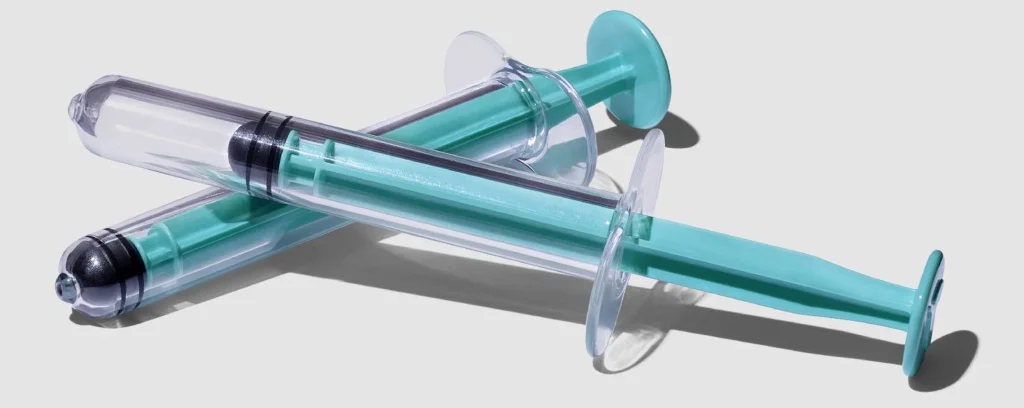
    Two transparent syringes with teal accents positioned diagonally on a light gray background.

    The Dynamic Duo: Cervical Mucus and Sexual Arousal

    The Role of Cervical Mucus in Conception:

    While we have talked about the connection between cervical mucus and sexual arousal, it is important to note that the primary purpose of cervical mucus is to aid in conception. As mentioned earlier, cervical mucus helps sperm reach and fertilize the egg. Without the right consistency and quality of cervical mucus, sperm may not be able to survive and reach the egg.

    So, while cervical mucus can enhance sexual arousal, its primary function is still to facilitate conception. This is why it is crucial for women who are trying to conceive to pay attention to the changes in their cervical mucus and use this as a tool to track their fertility.

    Other Factors that Affect Cervical Mucus and Sexual Arousal:

    Aside from hormonal fluctuations, there are other factors that can affect cervical mucus and, in turn, sexual arousal. These include:

    1. Medications: Certain medications, such as antihistamines and antidepressants, can cause vaginal dryness and decrease cervical mucus production, which can impact sexual arousal.

    2. Stress: Chronic stress can disrupt hormone levels and affect the quality and quantity of cervical mucus. This can lead to decreased sexual arousal and desire.

    3. Diet: A diet high in processed foods and low in nutrients can affect hormone levels and decrease cervical mucus production.

    Conclusion:

    Cervical mucus is a vital component of both sexual arousal and fertility. Its role in facilitating conception is well-known, but its impact on sexual arousal is often overlooked. Understanding the changes in cervical mucus and how they relate to sexual arousal can help individuals have a better understanding of their body and enhance their sexual experience.

    So, the next time you notice changes in your cervical mucus, don’t just dismiss it as a sign of fertility. Pay attention to how it may also be affecting your sexual arousal and pleasure.

    Summary:

    Cervical mucus is a clear or white sticky fluid produced by the cervix. It plays a crucial role in both fertility and sexual arousal. During ovulation, cervical mucus becomes thinner, clearer, and more slippery, which can enhance sexual arousal and pleasure. It also acts as a natural lubricant, making penetration more comfortable. However, factors like medication, stress, and diet can affect the quality and quantity of cervical mucus, which can impact sexual arousal. Paying attention to changes in cervical mucus can help individuals better understand their body and improve their sexual experience.


  • Cervical Mucus: A Telltale Sign of Sexual Arousal and Fertility

    Blog Post: Cervical Mucus: A Telltale Sign of Sexual Arousal and Fertility

    Cervical mucus is a topic that is often shrouded in mystery and discomfort, but it is actually a key indicator of sexual arousal and fertility in women. This natural fluid serves many important functions in the female reproductive system, and understanding its changes can provide valuable insight into a woman’s sexual health and fertility. In this blog post, we will explore the different types of cervical mucus, how it changes throughout the menstrual cycle, and its role in sexual arousal and fertility.

    What is Cervical Mucus?

    Cervical mucus, also known as cervical fluid or vaginal discharge, is a fluid secreted by the cervix. It is made up of water, proteins, electrolytes, and enzymes, and is produced by the glands in the cervix. This fluid plays a crucial role in fertility and helps to protect and nourish sperm as they travel through the female reproductive tract.

    Types of Cervical Mucus

    There are four main types of cervical mucus that a woman may experience throughout her menstrual cycle: dry, sticky, creamy, and egg white. The type of mucus a woman produces is determined by her hormonal levels, particularly estrogen and progesterone, which change throughout the menstrual cycle.

    Dry and Sticky Mucus

    During the first few days of a woman’s menstrual cycle, her estrogen levels are low, and she may experience dry or sticky cervical mucus. This type of mucus is not conducive to sperm survival and can make it difficult for fertilization to occur.

    Creamy Mucus

    As estrogen levels begin to rise, usually around day seven of a woman’s cycle, her cervical mucus may become creamy in texture. This type of mucus is thicker and more moisturizing than dry or sticky mucus, and it can help to nourish and protect sperm.

    Egg White Mucus

    Around the time of ovulation, a woman’s estrogen levels reach their peak, causing a surge of cervical mucus known as egg white mucus. This type of mucus is stretchy, slippery, and resembles raw egg whites. It serves as a fertile and hospitable environment for sperm, helping them to survive and swim towards the egg for fertilization.

    mosie baby logo featuring a heart and leaves in blue, pink, and green colors.

    Cervical Mucus: A Telltale Sign of Sexual Arousal and Fertility

    How Cervical Mucus Changes Throughout the Menstrual Cycle

    The amount and consistency of cervical mucus can change throughout a woman’s menstrual cycle. As mentioned earlier, estrogen levels play a significant role in these changes. As estrogen levels rise, a woman may notice an increase in the amount of cervical mucus she produces, as well as a change in its texture from dry and sticky to creamy and egg white.

    After ovulation, when estrogen levels drop and progesterone levels rise, cervical mucus may become thicker and drier again. This is because progesterone inhibits the production of estrogen and, therefore, decreases the amount of cervical mucus produced. This type of mucus is not conducive to sperm survival, and it signals the end of the fertile window.

    Cervical Mucus and Sexual Arousal

    The presence of fertile cervical mucus can also serve as a telltale sign of sexual arousal in women. As a woman becomes sexually aroused, her body produces more cervical mucus, which helps to lubricate the vagina and make intercourse more comfortable. This is why some women may notice an increase in cervical mucus during sexual activity.

    However, it is important to note that not all women produce egg white mucus during sexual arousal. Some may only experience an increase in creamy or watery mucus. This is due to individual variations in hormonal levels and is completely normal.

    Cervical Mucus and Fertility

    Cervical mucus is a vital component of fertility, as it helps to protect and nourish sperm as they travel through the female reproductive tract. Without fertile cervical mucus, sperm may not survive long enough to reach the egg for fertilization.

    Monitoring changes in cervical mucus can also help women track their fertility and determine their most fertile days. By paying attention to the amount and consistency of their cervical mucus, women can estimate when they are most likely to ovulate and increase their chances of conceiving.

    In addition, certain fertility awareness methods, such as the Billings Ovulation Method and the Creighton Model, use cervical mucus observations as a primary indicator of fertility. These methods can be helpful for women who are trying to conceive or for those who wish to avoid pregnancy naturally.

    In Conclusion

    Cervical mucus is a natural and important part of the female reproductive system. Its changes throughout the menstrual cycle can provide valuable insights into a woman’s sexual arousal and fertility. By understanding the different types of cervical mucus and their role in sexual health and fertility, women can better understand their bodies and take control of their reproductive health.

    In summary, cervical mucus is a fluid secreted by the cervix that changes throughout the menstrual cycle. It serves as a key indicator of sexual arousal and fertility, with different types of mucus appearing at different stages of the menstrual cycle. Monitoring cervical mucus can help women track their fertility and make informed decisions about their sexual health.

  • Navigating the Link Between Cervical Mucus and Sexual Arousal

    Navigating the Link Between Cervical Mucus and Sexual Arousal

    Cervical mucus is a fluid produced by the cervix that plays a crucial role in fertility and sexual health. While its main function is to help sperm travel through the reproductive tract, it also has a significant impact on sexual arousal and pleasure. Understanding the connection between cervical mucus and sexual arousal can help individuals better navigate their sexual experiences and overall reproductive health. In this blog post, we’ll delve deeper into this link and explore ways to optimize sexual arousal through cervical mucus.

    What is Cervical Mucus?

    Before we dive into the link between cervical mucus and sexual arousal, let’s first understand what cervical mucus is. The cervix is the lower part of the uterus that connects to the vagina, and it produces mucus throughout the menstrual cycle. The consistency and amount of mucus produced vary depending on the stage of the cycle. During ovulation, when an egg is released from the ovary, cervical mucus becomes more abundant, thin, and slippery, resembling the consistency of egg whites. This type of mucus is known as fertile mucus and is ideal for sperm to travel through the cervix and fertilize an egg. After ovulation, cervical mucus becomes thicker and less abundant, acting as a barrier to prevent sperm from entering the uterus.

    The Link Between Cervical Mucus and Sexual Arousal

    Now that we have a basic understanding of cervical mucus, let’s explore how it relates to sexual arousal. During sexual arousal, the body produces natural lubrication to make sexual intercourse comfortable and pleasurable. This lubrication is primarily made up of cervical mucus, which is why it’s often referred to as vaginal discharge. When a person is sexually aroused, the cervix produces more mucus, making the vagina wetter and facilitating penetration. Additionally, cervical mucus also contains immune cells that protect the reproductive tract from infections, making it a crucial component of sexual health.

    Optimizing Sexual Arousal Through Cervical Mucus

    The connection between cervical mucus and sexual arousal highlights the importance of understanding and optimizing one’s cervical mucus production. Here are some ways to do so:

    1. Track Your Menstrual Cycle

    As mentioned earlier, the amount and consistency of cervical mucus vary throughout the menstrual cycle. By tracking your cycle and noting the changes in your cervical mucus, you can identify when you’re most fertile and when you’re likely to experience heightened sexual arousal. This can help you plan sexual activities accordingly and increase your chances of conception.

    blue box with "mosie" logo, syringes, and informational pamphlet on a pink background

    Navigating the Link Between Cervical Mucus and Sexual Arousal

    2. Stay Hydrated

    Dehydration can lead to a decrease in cervical mucus production, which can result in discomfort during sexual intercourse. It’s crucial to stay hydrated to maintain a healthy level of cervical mucus and prevent dryness.

    3. Try Different Sexual Positions

    Certain sexual positions can promote deeper penetration and stimulate the cervix, leading to an increase in cervical mucus production. Experimenting with different positions can help individuals discover what works best for them in terms of sexual arousal and pleasure.

    4. Use Lubrication

    If you struggle with producing enough cervical mucus, using a water-based lubricant can help make sexual intercourse more comfortable and enjoyable. Just make sure to avoid petroleum-based or oil-based lubricants, as they can interfere with sperm motility and fertility.

    5. Address Underlying Health Issues

    Some health conditions, such as hormonal imbalances and infections, can affect cervical mucus production and sexual arousal. If you notice any changes in your cervical mucus or experience discomfort during sexual intercourse, it’s essential to address these issues with your healthcare provider.

    In conclusion, cervical mucus and sexual arousal are closely linked, and understanding this connection can help individuals navigate their sexual experiences and reproductive health. By tracking your menstrual cycle, staying hydrated, trying different sexual positions, using lubrication, and addressing any underlying health issues, you can optimize your cervical mucus production and enhance your sexual arousal and pleasure.

    Summary:

    Cervical mucus is a fluid produced by the cervix that has a significant impact on fertility and sexual arousal. During ovulation, cervical mucus becomes more abundant and thin, facilitating sperm travel and increasing sexual arousal. To optimize sexual arousal through cervical mucus, individuals can track their menstrual cycle, stay hydrated, try different sexual positions, use lubrication, and address underlying health issues.

  • Cervical Mucus: A Vital Component of Sexual Arousal

    Cervical mucus is a vital component of sexual arousal, yet it is often overlooked or misunderstood. This slippery substance produced by the cervix plays a crucial role in fertility and sexual pleasure. In this blog post, we will take a closer look at cervical mucus and its importance in sexual arousal.

    First, let’s understand what cervical mucus is. Cervical mucus is a fluid produced by the cervix, the passage between the vagina and the uterus. It is made up of water, proteins, and sugars and can vary in consistency and color throughout the menstrual cycle. Cervical mucus is essential for reproduction as it helps sperm travel through the cervix to fertilize an egg. But, its role in sexual arousal is equally significant.

    During sexual arousal, the body goes through various physiological changes, including an increase in blood flow to the genitals. This increased blood flow causes the vagina to produce more lubrication, which is primarily made up of cervical mucus. The presence of cervical mucus not only makes sexual intercourse more comfortable but also increases pleasure and sensitivity.

    Cervical mucus also acts as a protective barrier for the vagina, preventing friction and irritation during sexual activity. It also helps to maintain a healthy pH balance in the vagina, creating an optimal environment for sperm survival and preventing infections.

    But, cervical mucus is not just a passive lubricant. Research has shown that it plays an active role in sexual arousal and pleasure. The consistency and amount of cervical mucus can vary depending on the stage of the menstrual cycle, and this can affect sexual arousal and pleasure.

    at-home insemination kit by Mosie Baby, featuring syringes, collection cups, and instructions on a pink background.

    Cervical Mucus: A Vital Component of Sexual Arousal

    During ovulation, when a woman is most fertile, cervical mucus becomes thinner and more slippery, resembling the consistency of egg whites. This change in cervical mucus is due to the increase in estrogen levels, which also leads to an increase in sexual desire. The slippery and stretchy texture of cervical mucus during ovulation not only helps sperm travel but also enhances pleasure during intercourse.

    On the other hand, during non-fertile phases of the menstrual cycle, cervical mucus is thicker and less abundant. This type of mucus can make sexual intercourse less comfortable and may decrease sensitivity and pleasure. It is essential to understand these changes in cervical mucus to better understand our bodies and our sexual desires.

    Moreover, cervical mucus can also indicate underlying health issues. Changes in consistency, color, or smell of cervical mucus can be a sign of infection or hormonal imbalances. It is crucial to pay attention to these changes and consult a healthcare provider if necessary.

    Many factors can affect the production and quality of cervical mucus, such as stress, hormonal imbalances, and certain medications. Therefore, it is essential to prioritize self-care and maintain a healthy lifestyle to promote the production of cervical mucus and overall sexual health.

    In addition to its role in sexual arousal and pleasure, cervical mucus also plays a vital role in fertility. Tracking changes in cervical mucus can help women pinpoint their most fertile days and increase their chances of conception. Understanding the relationship between cervical mucus and fertility can also help couples struggling with infertility.

    In conclusion, cervical mucus is a vital component of sexual arousal that often goes unnoticed. This slippery substance not only provides lubrication and protection during sexual activity but also plays an active role in enhancing pleasure. It is also crucial for fertility and can indicate underlying health issues. By understanding the changes in cervical mucus throughout the menstrual cycle, we can better understand our bodies and our sexual desires. So, let’s not overlook this vital component of sexual arousal and prioritize our sexual health.

  • The Impact of Cervical Mucus on Sexual Response and Libido

    Cervical mucus, also known as cervical fluid, is a natural secretion produced by the cells of the cervix. It plays a critical role in female sexual health and fertility. While most people may not give much thought to cervical mucus, it actually has a significant impact on sexual response and libido. In this blog post, we will explore the fascinating connection between cervical mucus and sexual response, and how understanding this connection can enhance your sexual experience.

    To understand the impact of cervical mucus on sexual response and libido, we first need to understand what it is and its purpose. Cervical mucus is a clear or white fluid that is produced by the cervix, the lower part of the uterus that connects to the vagina. Its main function is to protect the reproductive organs from bacteria and other foreign particles, as well as to help sperm travel towards the egg for fertilization. However, cervical mucus also plays a crucial role in sexual response and libido.

    One of the most significant ways cervical mucus affects sexual response is through vaginal lubrication. As a woman becomes sexually aroused, her body produces more cervical mucus, which then mixes with other fluids in the vagina to create natural lubrication. This lubrication makes sexual intercourse more comfortable and enjoyable, reducing any potential discomfort or pain. Without enough cervical mucus, a woman may experience dryness, which can cause discomfort and make sex less pleasurable.

    In addition to lubrication, cervical mucus also affects the sensitivity of the vagina. The consistency and amount of cervical mucus produced can impact the sensation a woman feels during sex. When a woman is highly aroused, her cervix produces more mucus, making the vaginal walls thicker and more sensitive. This heightened sensitivity can increase sexual pleasure and lead to more intense orgasms.

    Informative card introducing the Mosie Baby Kit and its mission for at-home insemination.

    The Impact of Cervical Mucus on Sexual Response and Libido

    Furthermore, the quality and quantity of cervical mucus can also affect a woman’s libido. Cervical mucus is a good indicator of a woman’s hormonal balance, which plays a crucial role in sexual desire. When a woman is ovulating, her body produces more estrogen, which leads to an increase in cervical mucus. This increase in estrogen also stimulates the production of testosterone, a hormone responsible for sexual desire in both men and women. Therefore, when a woman has healthy levels of cervical mucus, it can indicate a healthy balance of hormones and a higher libido.

    On the other hand, if a woman experiences a decrease in cervical mucus, it may be a sign of an imbalance in her hormones. This imbalance can be caused by various factors such as stress, medication, or a hormonal disorder. As a result, a decrease in cervical mucus can lead to a decrease in sexual desire and libido. It is essential to pay attention to changes in cervical mucus and address any hormonal imbalances to maintain a healthy libido.

    Moreover, cervical mucus also has a significant impact on fertility, which can indirectly affect sexual response and libido. As mentioned earlier, cervical mucus helps sperm travel towards the egg for fertilization. It also acts as a barrier to prevent any harmful bacteria from entering the uterus. Therefore, for women trying to conceive, tracking their cervical mucus can help them identify their most fertile days and increase their chances of getting pregnant. This can also lead to a more enjoyable and satisfying sexual experience as trying to conceive can sometimes cause stress and impact libido.

    In summary, cervical mucus plays a crucial role in sexual response and libido. It affects vaginal lubrication, sensitivity, and hormonal balance, all of which contribute to a woman’s sexual pleasure and desire. Additionally, tracking changes in cervical mucus can also help identify any underlying hormonal imbalances that may affect sexual health. It is essential to pay attention to your cervical mucus and address any changes to maintain a healthy sexual response and libido.

    In conclusion, while cervical mucus may seem like a simple bodily function, it has a significant impact on sexual response and libido. By understanding the connection between cervical mucus and sexual health, individuals can improve their sexual experiences and overall well-being. So next time you notice changes in your cervical mucus, pay attention and use it to your advantage for a more satisfying sex life.

  • The Mysterious Relationship Between Cervical Mucus and Sexual Arousal

    Blog Post: The Mysterious Relationship Between Cervical Mucus and Sexual Arousal

    Our bodies are complex and fascinating organisms, and the way they respond to sexual arousal is no exception. While everyone is familiar with the more obvious physical signs of arousal, such as increased heart rate and blood flow, there is one aspect of arousal that often goes unnoticed or misunderstood: cervical mucus. Yes, the same substance that is often associated with menstruation and fertility also plays a crucial role in sexual arousal. In this blog post, we will delve into the mysterious relationship between cervical mucus and sexual arousal, shedding light on this often overlooked aspect of human sexuality.

    To understand the link between cervical mucus and sexual arousal, we must first understand what cervical mucus is and its role in the reproductive cycle. Cervical mucus is a fluid secreted by the cervix, the narrow passage that connects the uterus to the vagina. It is a natural lubricant that helps sperm travel to the egg during ovulation. The consistency and amount of cervical mucus varies throughout the menstrual cycle, with more mucus being produced during ovulation to facilitate pregnancy. However, what many people do not realize is that cervical mucus also changes in response to sexual arousal.

    During sexual arousal, the vagina produces more lubrication, which helps facilitate penetration and reduce friction. But what many people do not realize is that this vaginal lubrication is actually a mixture of cervical mucus and fluid from the Bartholin’s glands, which are located near the opening of the vagina. This combination of mucus and fluid creates a slick and slippery texture, making sexual intercourse more comfortable and enjoyable. Additionally, the amount and consistency of cervical mucus can also indicate the level of sexual arousal. When a person is highly aroused, they may produce more cervical mucus, and the texture may become thinner and more slippery.

    But why does cervical mucus change in response to sexual arousal? The answer lies in the hormone levels in the body. During sexual arousal, the body releases a surge of hormones, including estrogen and testosterone. These hormones not only increase blood flow and sensitivity in the genital area but also stimulate the production of cervical mucus. This increase in mucus production is nature’s way of preparing the body for potential pregnancy by creating a hospitable environment for sperm to travel through the cervix.

    Moreover, cervical mucus also plays a crucial role in sexual pleasure. The mucus contains enzymes that help break down proteins and sugars, making the vagina more acidic. This acidic environment is beneficial for sperm, as it helps protect them from harmful bacteria and provides nourishment. But more importantly, the acidic environment also enhances sexual pleasure. The enzymes in cervical mucus can stimulate nerve endings in the clitoris and other sensitive areas, intensifying sexual pleasure and making orgasm more achievable.

    Smiling baby in a blue onesie with "made with Love" text, lying on a light blue crocheted blanket.

    The Mysterious Relationship Between Cervical Mucus and Sexual Arousal

    On the other hand, a lack of cervical mucus can also indicate a lack of sexual arousal. When a person is not sexually aroused, the cervix produces very little mucus, resulting in a dry and sometimes uncomfortable vaginal environment. This can make sexual intercourse difficult and less enjoyable. In some cases, a lack of cervical mucus can also be a symptom of a hormonal imbalance or other underlying health issues, which can affect sexual arousal and function.

    It is also worth noting that the quality and quantity of cervical mucus can vary from person to person and even from one sexual encounter to another. Factors such as age, hormonal fluctuations, medications, and stress levels can all impact cervical mucus production and consistency. Therefore, it is essential to pay attention to your body and communicate with your partner to ensure that you are both on the same page when it comes to sexual arousal and pleasure.

    In addition to its role in sexual arousal and pleasure, cervical mucus can also serve as an indicator of fertility. As mentioned earlier, cervical mucus changes throughout the menstrual cycle, with the most fertile mucus being produced during ovulation. By tracking changes in cervical mucus, individuals can gain a better understanding of their fertility and plan or prevent pregnancy accordingly. This method, known as the Billings Ovulation Method, has been used for decades as a natural form of birth control and to aid in conception.

    In conclusion, cervical mucus is a complex and fascinating substance that plays a vital role in sexual arousal and pleasure. Its relationship with sexual arousal is often overlooked, but understanding this connection can help individuals better understand their bodies and enhance sexual experiences. So the next time you notice an increase in cervical mucus during sexual activity, remember that it is a natural and essential part of the sexual response cycle.

    Summary:

    Cervical mucus, the same substance associated with menstruation and fertility, also plays a crucial role in sexual arousal. Its production and consistency change in response to sexual arousal, and it contains enzymes that can enhance sexual pleasure. Cervical mucus can also serve as an indicator of fertility and is used in natural birth control and conception methods. Understanding the relationship between cervical mucus and sexual arousal can help individuals better understand their bodies and enhance sexual experiences.

  • Cervical Mucus: An Indicator of Sexual Arousal and Health

    Cervical mucus, also known as vaginal discharge, is a natural bodily fluid that plays a crucial role in reproductive health and sexual arousal. While it may not be the most glamorous topic, understanding cervical mucus and its significance can provide valuable insight into a person’s sexual health and overall well-being. In this blog post, we will delve into the world of cervical mucus, exploring its functions, changes, and how it can serve as an indicator of both sexual arousal and health.

    What is Cervical Mucus?

    Cervical mucus is a fluid secreted by the cells of the cervix, the lower part of the uterus that connects to the vagina. It serves as a natural lubricant and protective barrier for the reproductive organs, helping to keep them clean and free of bacteria. Cervical mucus is a combination of water, electrolytes, proteins, and other substances, and its composition can vary depending on factors such as age, hormonal changes, and sexual activity.

    Fertile vs. Non-Fertile Cervical Mucus

    One of the most important functions of cervical mucus is to create an ideal environment for sperm to survive and travel towards the egg. This is why the consistency and texture of cervical mucus can change throughout a person’s menstrual cycle. During non-fertile times, cervical mucus tends to be thicker and stickier, making it difficult for sperm to pass through. However, as a person approaches ovulation, their cervical mucus becomes thinner, clearer, and more elastic, creating a fertile environment for sperm to thrive.

    The Role of Cervical Mucus in Sexual Arousal

    In addition to its role in fertility, cervical mucus also plays a significant role in sexual arousal. As a person becomes sexually aroused, their body produces more cervical mucus, which serves as a natural lubricant to enhance sexual pleasure and reduce discomfort. This increase in cervical mucus is a normal physiological response to sexual stimulation and can be a useful indicator of sexual arousal.

    Smiling baby in a blue onesie with "made with Love" text, lying on a light blue crocheted blanket.

    Cervical Mucus: An Indicator of Sexual Arousal and Health

    Cervical Mucus and Health

    Apart from its role in reproductive health and sexual arousal, cervical mucus can also serve as an indicator of overall health. Changes in the color, texture, and odor of cervical mucus can be a sign of an underlying health issue. For instance, an increase in yellow or green cervical mucus may indicate an infection, while brown or pink mucus could be a sign of hormonal imbalances. It is essential to pay attention to any changes in cervical mucus and consult a healthcare provider if necessary.

    How to Observe and Track Cervical Mucus

    Observing and tracking cervical mucus can provide valuable insights into a person’s fertility, sexual arousal, and health. To do this, one can use a clean finger to collect a sample of cervical mucus from the opening of the vagina. By examining its color, consistency, and stretchiness, a person can determine whether they are in a fertile or non-fertile phase of their menstrual cycle. Additionally, tracking changes in cervical mucus over time can help identify any potential health issues.

    Cervical Mucus and Contraception

    As mentioned earlier, cervical mucus plays a crucial role in fertility. By tracking changes in cervical mucus, a person can determine their most fertile days and use this information for natural family planning or as a contraceptive method. During fertile days, a person can choose to abstain from intercourse or use alternative birth control methods to prevent pregnancy.

    In summary, cervical mucus is a natural bodily fluid that serves as an indicator of both sexual arousal and health. It plays a vital role in fertility, sexual pleasure, and overall well-being. By understanding and tracking changes in cervical mucus, individuals can gain valuable insights into their reproductive health and make informed decisions about their sexual and contraceptive choices.

  • The Connection Between Cervical Mucus and Sexual Satisfaction

    Blog post: The Connection Between Cervical Mucus and Sexual Satisfaction

    When it comes to sexual satisfaction, there are many factors that can play a role. From physical and emotional connection to communication and trust, there are various elements that contribute to a fulfilling sexual experience. However, one aspect that often goes unnoticed is the role of cervical mucus in sexual satisfaction. Yes, that’s right, cervical mucus – the fluid produced by the cervix that helps sperm travel towards the egg during ovulation. While it may not be the most glamorous topic, understanding the connection between cervical mucus and sexual satisfaction can greatly improve your intimate experiences. So, let’s dive in and explore this often overlooked aspect of sexual health.

    What is Cervical Mucus?

    Before we discuss its role in sexual satisfaction, let’s first understand what cervical mucus is. Cervical mucus is a natural fluid produced by the cervix, the lower part of the uterus, throughout a woman’s menstrual cycle. Its consistency, color, and amount may vary depending on where a woman is in her cycle. During ovulation, the cervical mucus becomes thin, slippery, and elastic, making it easier for sperm to swim through and reach the egg. On the other hand, during the rest of the cycle, the mucus is thicker and acts as a barrier, preventing sperm from entering the uterus.

    The Connection Between Cervical Mucus and Sexual Satisfaction

    Now that we have a basic understanding of cervical mucus, let’s explore its connection to sexual satisfaction. The first and most obvious way cervical mucus affects sexual satisfaction is through fertility. As mentioned earlier, during ovulation, the cervical mucus becomes thin and slippery, creating a more hospitable environment for sperm to travel towards the egg. This means that couples trying to conceive can greatly benefit from being aware of their cervical mucus and tracking its changes throughout the cycle.

    Moreover, the presence of fertile cervical mucus can also enhance sexual pleasure. The slippery and elastic consistency of the mucus can increase lubrication and reduce friction during intercourse, making it more comfortable and pleasurable for both partners. Additionally, fertile cervical mucus can also increase sensitivity and arousal, leading to more intense orgasms.

    On the other hand, the absence of cervical mucus or the presence of thick and dry mucus can make intercourse uncomfortable and even painful for women. This can lead to a decrease in sexual desire and satisfaction, as well as difficulties in achieving orgasm. Therefore, paying attention to the quality and amount of cervical mucus can greatly impact the overall sexual experience.

    Furthermore, cervical mucus also plays a vital role in sperm survival and transportation. The fertile mucus not only helps sperm reach the egg but also nourishes and protects them along the way. This can increase the chances of conception and ultimately lead to a more satisfying sexual experience for couples trying to conceive.

    Mosie Baby Kit with a syringe and container, highlighting safety and usability features on a blue background.

    The Connection Between Cervical Mucus and Sexual Satisfaction

    The Role of Hormones in Cervical Mucus and Sexual Satisfaction

    The production and quality of cervical mucus are greatly influenced by hormones. Estrogen is responsible for the production of fertile cervical mucus, while progesterone is responsible for its thickening and drying up. Therefore, imbalances in these hormones can affect the quality and quantity of cervical mucus, ultimately impacting sexual satisfaction.

    For example, women who have low levels of estrogen may experience a decrease in cervical mucus production, leading to discomfort and dryness during intercourse. On the other hand, women who have high levels of progesterone may have thick and dry mucus throughout their cycle, making it difficult for sperm to reach the egg and decreasing the chances of conception.

    How to Improve Cervical Mucus and Sexual Satisfaction

    If you’re experiencing issues with your cervical mucus and sexual satisfaction, there are a few things you can do to improve the situation. Firstly, maintaining a healthy lifestyle and diet can greatly impact hormone levels and improve the quality of cervical mucus. Eating a balanced diet, staying hydrated, and getting regular exercise can all contribute to hormonal balance and overall sexual health.

    Additionally, using fertility-friendly lubricants during intercourse can also help improve cervical mucus and enhance sexual pleasure. These lubricants mimic the consistency and pH of natural cervical mucus, making it easier for sperm to swim through and nourishing the sperm along the way.

    Moreover, certain supplements and medications can also be used to regulate hormones and improve the quality of cervical mucus. It’s always best to consult with a healthcare professional before starting any new supplements or medications.

    In conclusion, while it may not be the most glamorous topic, cervical mucus plays a significant role in sexual satisfaction. Its effects on fertility, lubrication, sensitivity, and sperm survival make it an essential aspect of a fulfilling sexual experience. By understanding the connection between cervical mucus and sexual satisfaction and taking steps to improve its quality, couples can greatly enhance their intimate experiences and overall sexual health.

    Summary:

    Cervical mucus, the fluid produced by the cervix, plays a significant role in sexual satisfaction. During ovulation, the mucus becomes thin and slippery, creating a more hospitable environment for sperm to travel towards the egg. This can enhance sexual pleasure, increase sensitivity, and improve sperm survival. However, imbalances in hormones can affect the quality and quantity of cervical mucus, leading to discomfort and decreased sexual satisfaction. Maintaining a healthy lifestyle, using fertility-friendly lubricants, and consulting with a healthcare professional can all help improve cervical mucus and ultimately enhance sexual satisfaction.

  • The Influence of Cervical Mucus on Sexual Pleasure

    Cervical mucus is a normal and natural secretion produced by the cervix of the female reproductive system. While it is commonly associated with fertility and pregnancy, cervical mucus also plays a crucial role in sexual pleasure. In this blog post, we will explore the influence of cervical mucus on sexual pleasure and how understanding and embracing this bodily fluid can enhance our sexual experiences.

    Cervical mucus is a clear or white fluid that is produced by the cells lining the cervix. Its consistency, texture, and amount can vary throughout the menstrual cycle, with the most fertile cervical mucus being thin, watery, and clear. This type of mucus helps sperm reach and fertilize the egg, making it essential for fertility. However, cervical mucus also has other important functions when it comes to sexual pleasure.

    First and foremost, cervical mucus acts as a natural lubricant during sexual activity. It helps to reduce friction and discomfort, making penetration easier and more pleasurable. This is especially important for women who may experience vaginal dryness, which can be caused by hormonal changes, certain medications, or menopause. By providing natural lubrication, cervical mucus can enhance sexual pleasure and prevent discomfort or pain during intercourse.

    Moreover, cervical mucus can also contribute to the overall sensation and intensity of orgasms. As a woman becomes sexually aroused, her cervix produces more mucus, which can create a sensation of fullness and increase sensitivity in the vaginal area. This can lead to more intense and pleasurable orgasms. Additionally, the presence of cervical mucus can help to stimulate the G-spot, a highly sensitive area located inside the vagina, which can also enhance sexual pleasure.

    In addition to lubrication and orgasm intensity, cervical mucus also plays a role in sexual desire and attraction. Research has shown that women who are highly aroused and sexually attracted to their partner produce more cervical mucus compared to women who are not as aroused. This suggests that cervical mucus can serve as a physical indicator of sexual desire and can be used as a tool to enhance intimacy and arousal between partners.

    at-home insemination kit featuring a syringe and container for fresh or donor sperm conception

    The Influence of Cervical Mucus on Sexual Pleasure

    Furthermore, cervical mucus can also impact the taste and smell of vaginal secretions. As the cervix produces more mucus during sexual arousal, it can change the pH and chemical composition of vaginal secretions, which can affect their taste and smell. This is particularly relevant for oral sex, as partners may experience a different taste or odor depending on the type of cervical mucus present. Some women may even find that they have a sweeter or more pleasant taste during certain times of their menstrual cycle when their cervical mucus is at its peak.

    Understanding and embracing cervical mucus can also empower women to take control of their sexual health. By paying attention to changes in the amount, consistency, and texture of their cervical mucus, women can track their fertility and ovulation. This is known as the Billings Ovulation Method, which involves observing and recording changes in cervical mucus to determine the most fertile and infertile days of the menstrual cycle. This can be a useful tool for couples trying to conceive or those looking to avoid pregnancy naturally.

    Moreover, being in tune with their cervical mucus can also help women identify potential health issues. Changes in the color, consistency, or smell of cervical mucus can be a sign of infection or other underlying health conditions. By regularly monitoring their cervical mucus, women can detect these changes early on and seek medical attention if necessary.

    In conclusion, cervical mucus is a powerful and important factor in sexual pleasure. It acts as a natural lubricant, enhances orgasm intensity, can indicate sexual desire and attraction, and can even impact the taste and smell of vaginal secretions. By understanding and embracing this bodily fluid, women can enhance their sexual experiences, take control of their sexual health, and strengthen intimacy with their partners.

    In summary, cervical mucus is a normal and natural secretion produced by the cervix that plays a crucial role in sexual pleasure. It acts as a lubricant, enhances orgasm intensity, can indicate sexual desire and attraction, and can even impact the taste and smell of vaginal secretions. By understanding and embracing cervical mucus, women can enhance their sexual experiences, take control of their sexual health, and strengthen intimacy with their partners.

  • Cervical Mucus as a Window into Female Sexual Arousal

    Blog Post:

    Cervical mucus, also known as cervical fluid, is a natural substance produced by the cervix of a woman’s reproductive system. While it may seem like an unimportant bodily fluid, cervical mucus actually serves as a window into a woman’s sexual arousal and overall reproductive health. In this blog post, we will explore the different types of cervical mucus, how it changes throughout a woman’s menstrual cycle, and how it can be used as a tool to understand female sexual arousal.

    Types of Cervical Mucus:

    There are four main types of cervical mucus: dry, sticky, creamy, and egg white. Dry mucus, as the name suggests, is a lack of cervical mucus and is typically found at the beginning and end of a woman’s menstrual cycle. Sticky mucus is slightly thicker and more resilient than dry mucus, but still not conducive to sperm survival. Creamy mucus is a sign of increasing estrogen levels and is often associated with early ovulation. Lastly, egg white mucus, also known as fertile mucus, is the most fertile type of cervical mucus and is clear, stretchy, and slippery – perfect for sperm to travel through to reach the egg.

    Changes in Cervical Mucus Throughout the Menstrual Cycle:

    The changes in cervical mucus throughout a woman’s menstrual cycle are directly related to the levels of estrogen and progesterone in her body. At the beginning of the cycle, estrogen levels are low, resulting in dry or sticky mucus. As estrogen levels rise, the mucus becomes more creamy and eventually egg white, indicating that ovulation is approaching. After ovulation, progesterone levels increase, causing the mucus to become sticky and eventually dry again. By tracking these changes, a woman can better understand her menstrual cycle and pinpoint her most fertile days.

    two teal and clear syringes positioned on a white background

    Cervical Mucus as a Window into Female Sexual Arousal

    Cervical Mucus as a Tool for Understanding Female Sexual Arousal:

    Not only can cervical mucus be used to track fertility, but it can also serve as a window into a woman’s sexual arousal. When a woman is sexually aroused, her body produces more cervical mucus, particularly the egg white type. This is because arousal increases estrogen levels, which in turn, increases the production of fertile cervical mucus. By paying attention to the changes in her cervical mucus, a woman can better understand her own sexual response and communicate her needs to her partner.

    Cervical Mucus and Reproductive Health:

    In addition to its role in fertility and sexual arousal, cervical mucus can also provide insight into a woman’s overall reproductive health. Changes in the color, consistency, or amount of cervical mucus may be a sign of infection or other health issues. For example, a yellow or green tint to the mucus may indicate an infection, while a watery consistency could be a sign of hormonal imbalances. Regularly monitoring cervical mucus can help a woman identify potential issues and seek medical treatment if necessary.

    Using Cervical Mucus to Increase Chances of Conception:

    For couples trying to conceive, understanding and tracking cervical mucus can greatly increase their chances of success. The presence of fertile, egg white mucus indicates that ovulation is approaching, making it the optimal time for intercourse. Additionally, the quality and quantity of cervical mucus can also impact sperm survival and transportation, making it essential to pay attention to these changes when trying to conceive.

    In summary, cervical mucus is a natural and important substance that serves as a window into a woman’s sexual arousal, reproductive health, and fertility. By understanding the different types of cervical mucus and how it changes throughout a woman’s menstrual cycle, women can better understand their own bodies and communicate their needs to their partners. Regularly tracking cervical mucus can also aid in identifying potential health issues and increase the chances of conception for couples trying to conceive.





