Tag: fertility

  • Home Insemination and Genetic Testing: Ensuring a Healthy Baby

    Home insemination and genetic testing are two important factors to consider when trying to ensure a healthy baby. With advancements in technology, these methods have become more accessible and widely used by couples who are trying to conceive. In this blog post, we will discuss the process of home insemination and the importance of genetic testing in creating a healthy and happy family.

    Home insemination, also known as self-insemination or natural insemination, is the process of using a syringe or other device to introduce sperm into the vagina in order to achieve pregnancy. This method is often used by same-sex couples, single women, and heterosexual couples who are struggling with fertility issues. It can be done at home with the use of a donor or in a clinical setting with the help of a doctor.

    The process of home insemination starts with finding a suitable donor. This can be a known donor, such as a friend or family member, or an anonymous donor from a sperm bank. It is important to thoroughly research and screen potential donors to ensure they are healthy and have no genetic or hereditary diseases. Many couples also choose to use a fertility specialist or a sperm bank to ensure the safety and quality of the sperm.

    Once a donor has been chosen, the next step is to prepare the sperm for insemination. The sperm can be collected through ejaculation into a sterile container or by using a sperm extraction device. It is important to handle the sperm with care to maintain its viability. The sperm can then be inserted into the vagina using a syringe or other device. Some couples may choose to use a cervical cap or diaphragm to help keep the sperm in the right place.

    Timing is crucial when it comes to home insemination. It is recommended to track ovulation through methods such as basal body temperature tracking or ovulation predictor kits. This helps to increase the chances of conception by ensuring that the sperm is introduced into the vagina during the most fertile time of the woman’s menstrual cycle.

    While home insemination may seem like a simple and convenient option, it is important to note that it does not come without risks. One of the main concerns with home insemination is the risk of sexually transmitted infections (STIs). It is important to have both the donor and the recipient tested for STIs before proceeding with home insemination to ensure the safety and health of both parties.

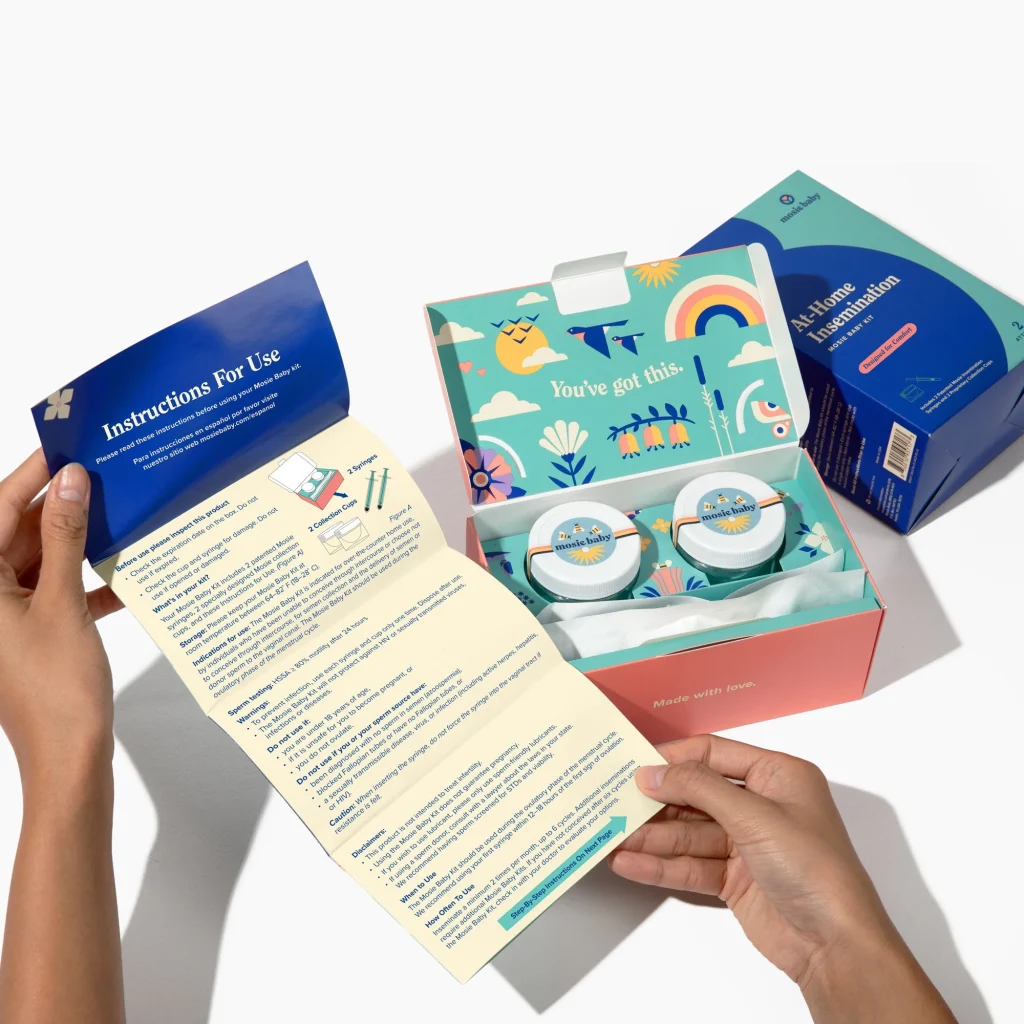
    Mosie Baby At-Home Insemination Kit instructions and storage guidelines on a blue background.

    Home Insemination and Genetic Testing: Ensuring a Healthy Baby

    Another important factor to consider when trying to ensure a healthy baby is genetic testing. Genetic testing involves screening for genetic disorders or diseases that may be passed down from parents to their children. This can include conditions such as cystic fibrosis, sickle cell anemia, and Tay-Sachs disease. Genetic testing can also reveal any potential chromosomal abnormalities, which can result in conditions such as Down syndrome.

    Genetic testing can be done before pregnancy, during pregnancy, or after the baby is born. Preconception genetic testing can help couples determine their risk of passing down certain genetic disorders and make informed decisions about their family planning. During pregnancy, genetic testing can be done through procedures such as amniocentesis or chorionic villus sampling to detect any potential issues with the baby’s genetic makeup. After the baby is born, genetic testing can be done through a simple blood test to screen for a wide range of genetic disorders.

    By undergoing genetic testing, couples can identify any potential risks and make informed decisions about their family planning. In some cases, couples may choose to opt for prenatal testing or even choose not to conceive in order to avoid passing down a hereditary disease. On the other hand, if a genetic disorder is detected, couples can prepare for any potential challenges and seek appropriate medical care for their child.

    In conclusion, home insemination and genetic testing are two important factors to consider when trying to ensure a healthy baby. With the advancement of technology, these methods have become more accessible and can greatly increase the chances of conceiving a healthy baby. It is important to thoroughly research and plan for both home insemination and genetic testing, as they can have a significant impact on the health and well-being of your future child.

    Summary:

    Home insemination is a method of introducing sperm into the vagina in order to achieve pregnancy, often used by same-sex couples, single women, and couples with fertility issues. The process involves finding a suitable donor, preparing the sperm, and timing the insemination with ovulation. However, it is important to consider the risks, such as the potential for STIs, before proceeding with home insemination. Additionally, genetic testing is crucial in ensuring a healthy baby, as it can detect any potential hereditary diseases or chromosomal abnormalities. Couples can make informed decisions about their family planning based on the results of genetic testing.


  • The Impact of Home Insemination on the LGBTQ+ Community

    Blog Post Title: The Impact of Home Insemination on the LGBTQ+ Community

    In recent years, there has been a significant shift in the way people view and understand gender and sexuality. With this shift, there has also been a growing acceptance and celebration of the LGBTQ+ community. As a result, individuals within the community have been able to explore different ways of starting a family and building a sense of belonging. One of these ways is through home insemination, a method that has had a profound impact on the LGBTQ+ community. In this blog post, we will explore the history and process of home insemination, as well as its impact on the LGBTQ+ community.

    Home insemination, also known as at-home insemination or self-insemination, is the process of self-administering sperm to achieve pregnancy. This method has been used for many years by heterosexual couples struggling with fertility issues. However, with advancements in technology and the changing societal attitudes towards gender and sexuality, home insemination has become a popular and accessible option for same-sex couples and individuals within the LGBTQ+ community.

    The origins of home insemination can be traced back to the 1970s, when artificial insemination was first used with donor sperm. However, at that time, the process was only available to heterosexual couples. It wasn’t until the 1980s and 1990s that home insemination became a viable option for the LGBTQ+ community. This was due, in part, to the development of cryopreservation techniques, which allowed sperm to be frozen and stored for later use. This made it possible for individuals or couples to purchase donor sperm and use it at home, without needing a medical professional.

    The process of home insemination involves purchasing donor sperm from a sperm bank, which can be done anonymously or through a known donor. The sperm is then shipped to the individual or couple’s home, where it is used in a similar way to a traditional insemination procedure. This involves placing the sperm into the vagina using a syringe or insemination kit. The individual or couple can then track ovulation and time the insemination accordingly.

    One of the main benefits of home insemination is its accessibility. Unlike other assisted reproduction methods such as in vitro fertilization (IVF), home insemination does not require medical intervention or appointments with a fertility specialist. This makes it a more affordable and convenient option for individuals and couples within the LGBTQ+ community who may face financial barriers or live in areas with limited access to fertility clinics.

    at-home insemination kit featuring a syringe and container for fresh or donor sperm conception

    The Impact of Home Insemination on the LGBTQ+ Community

    Additionally, home insemination allows individuals and couples to have more control over the process. They can choose the donor, the timing of the insemination, and the location of the procedure, which can be done in the comfort and privacy of their own home. This can be especially empowering for LGBTQ+ individuals and couples who may have faced discrimination or judgment in medical settings.

    Furthermore, home insemination provides a sense of inclusivity and allows LGBTQ+ individuals and couples to create a family in a way that is natural and in line with their own identities. It challenges the traditional notion of what a family looks like and allows individuals to take control of their reproductive choices.

    Home insemination has also had a profound impact on the emotional well-being of individuals and couples within the LGBTQ+ community. For many, starting a family is an important aspect of their lives, and not being able to do so can cause stress, anxiety, and feelings of inadequacy. Home insemination offers a way for LGBTQ+ individuals and couples to fulfill their desire for parenthood, which can have a positive impact on their mental health and overall sense of well-being.

    However, it is important to note that home insemination is not without its challenges and risks. The process requires careful research and preparation, as well as a thorough understanding of the legal implications. In some cases, there may also be concerns about the quality and safety of the donor sperm. As such, it is crucial for individuals and couples to seek guidance from healthcare professionals and legal experts before proceeding with home insemination.

    In conclusion, home insemination has had a significant impact on the LGBTQ+ community, providing a way for individuals and couples to create families on their own terms. It has challenged traditional ideas of what constitutes a family and has given individuals more control over their reproductive choices. However, it is important to approach home insemination with caution and seek guidance from professionals to ensure a safe and successful process.

    In summary, home insemination has become a popular and accessible option for individuals and couples within the LGBTQ+ community who desire to start a family. Its history can be traced back to the 1970s, but it wasn’t until the 1980s and 1990s that it became a viable option for the community. Home insemination involves purchasing donor sperm and self-administering it at home, providing individuals and couples with more control, accessibility, and inclusivity in the process. However, it is important to understand the challenges and risks involved and seek professional guidance before proceeding with home insemination.

  • Home Insemination Made Easy: Products and Kits to Help You Get Started

    Mosie Baby ovulation test kit with packaging and instructions on a pink background.

    Home Insemination Made Easy: Products and Kits to Help You Get Started

    Summary: Home insemination is a method of conception that allows individuals or couples to perform the insemination process in the comfort of their own home. It can be a more affordable and private option for those trying to conceive. With the growing popularity of home insemination, there are now many products and kits available to make the process easier and more successful. In this blog post, we will discuss the different types of home insemination products and kits available, their effectiveness, and how to use them properly to increase your chances of success.

  • The Role of Technology in Home Insemination: New Tools and Techniques

    Blog Post:

    The Role of Technology in Home Insemination: New Tools and Techniques

    In recent years, there has been a growing trend of individuals and couples turning to home insemination as a way to start or expand their families. This method, also known as artificial insemination, involves the use of various tools and techniques to deposit sperm into the female reproductive tract. While traditionally done in a clinical setting, advancements in technology have made it possible for individuals to perform home insemination with the help of new tools and techniques. In this blog post, we will explore the role of technology in home insemination and how it has made this method more accessible, affordable and convenient for those looking to conceive.

    Advancements in Technology:

    One of the main reasons for the rise in popularity of home insemination is the advancement in technology. In the past, this method was primarily used by heterosexual couples struggling with infertility. However, with the introduction of new tools and techniques, home insemination has become a viable option for single women, same-sex couples, and couples who prefer a more private and intimate conception process.

    One of the most significant advancements in home insemination technology is the invention of at-home insemination kits. These kits come with all the necessary equipment, including a syringe, specimen cup, and instructions, making it easier for individuals to perform insemination at home. These kits are readily available online and in pharmacies, making it possible for people to access them without a doctor’s prescription.

    Another technology that has revolutionized home insemination is the use of digital apps and tools to track ovulation. These apps use algorithms and data input by the user to predict the most fertile days of the menstrual cycle. This information is crucial for couples trying to conceive through home insemination, as timing is key for a successful outcome. With the help of these apps, individuals can accurately track their fertility window and plan their insemination accordingly.

    Innovative Techniques:

    Mosie Baby At-Home Insemination Kit instructions and storage guidelines on a blue background.

    The Role of Technology in Home Insemination: New Tools and Techniques

    Aside from new tools, there have also been innovative techniques developed to improve the success rates of home insemination. One such technique is the use of intrauterine insemination (IUI) at home. In a clinical setting, IUI involves placing the sperm directly into the uterus using a thin catheter. However, with the help of a special device called an IUI catheter, individuals can now perform this method in the comfort of their own homes. This technique has been proven to be more effective than traditional home insemination methods, with a higher chance of conception.

    Another technique gaining popularity is the use of a cervical cap. This device is similar to a diaphragm and is used to collect and hold the sperm near the cervix for a longer period, increasing the chances of fertilization. The cap can be inserted before intercourse and removed after a few hours, making it a discreet and convenient option for home insemination.

    Challenges and Risks:

    While technology has made home insemination more accessible, it is not without its challenges and risks. One of the main challenges is the lack of regulation and oversight in the use of these tools and techniques. Unlike in a clinical setting, there is no medical professional present to guide and monitor the process, increasing the risk of errors and potential complications.

    There is also a risk of using low-quality or contaminated sperm, as individuals may opt for self-collection or purchase sperm from unregulated sources. This can lead to the transmission of sexually transmitted infections or genetic disorders, highlighting the need for proper screening and testing of sperm donors.

    Summary:

    In summary, technology has played a significant role in the rise of home insemination as a viable method of conception. Advancements in technology have made it more accessible and convenient for individuals and couples, while innovative techniques have improved success rates. However, there are also challenges and risks associated with home insemination, highlighting the importance of proper education, regulation, and oversight in this practice.

    SEO metadata:

  • Home Insemination Success Stories: Inspiring Journeys to Parenthood

    Blog Post Title: Home Insemination Success Stories: Inspiring Journeys to Parenthood

    Parenthood is a unique and fulfilling experience that many individuals and couples dream of. However, for some, it may not come as easily as others. Infertility, financial constraints, or the lack of a partner can make starting a family seem like an impossible feat. But with advancements in technology and medical procedures, there are now more options available for those who are determined to become parents. One such option is home insemination, which has proven to be a successful and empowering journey for many individuals and couples. In this blog post, we will share some inspiring home insemination success stories that highlight the journey to parenthood.

    But first, let’s understand what home insemination is. Home insemination, also known as at-home insemination, is a procedure where sperm is inserted into the reproductive tract of a female in hopes of achieving pregnancy. This can be done with the help of a donor or partner’s sperm, using a syringe or a special device called an insemination kit. Home insemination is often a more affordable and less invasive option compared to other fertility treatments, making it an attractive choice for many.

    Now, let’s dive into some heartwarming and inspiring home insemination success stories.

    1. The Power of Community: Sarah and Kelly’s Journey to Parenthood

    Sarah and Kelly had been together for five years when they decided they wanted to start a family. However, as a same-sex couple, they knew they would face some challenges. After researching their options, they decided to try home insemination using a donor sperm. The couple faced some initial struggles, but they were determined to make it work. They reached out to a community of other LGBTQ+ couples who had successfully conceived through home insemination, and with their support and guidance, Sarah and Kelly finally achieved pregnancy. Today, they are proud parents to a beautiful baby boy, and their journey has inspired many other same-sex couples to pursue their dreams of parenthood.

    2. Overcoming Infertility: The Journey of Kevin and Lisa

    Kevin and Lisa had been trying to conceive for over two years without any success. After several failed attempts with fertility treatments, they were feeling disheartened and almost gave up hope. But then they came across home insemination and decided to give it a try. They purchased a home insemination kit and followed the instructions carefully. To their surprise, Lisa became pregnant after just two cycles of at-home insemination. The couple was overjoyed and grateful for this simple yet effective method that helped them overcome their struggles with infertility.

    blue box with "mosie" logo, syringes, and informational pamphlet on a pink background

    Home Insemination Success Stories: Inspiring Journeys to Parenthood

    3. A Single Mother by Choice: Maria’s Story

    Maria had always dreamed of becoming a mother, but as a single woman, she was unsure if she would ever be able to fulfill her dream. After much contemplation, she decided to take matters into her own hands and pursue home insemination. Maria researched extensively and found a reputable sperm bank, and with the help of a donor sperm and an at-home insemination kit, she became pregnant. Despite facing some judgment and criticism from society, Maria stayed determined and gave birth to a healthy baby girl. She believes that home insemination has given her the gift of motherhood and has encouraged other single individuals to pursue their dreams of starting a family.

    4. The Miracle of Home Insemination: The Story of Mark and Rachel

    Mark and Rachel had been struggling with fertility issues for years and had almost given up on their dream of becoming parents. But then they heard about a couple who had successfully conceived through home insemination, and they decided to give it a try. After a few months of trying, Rachel became pregnant, and they welcomed their first child into the world. The couple was amazed by the simplicity and success of home insemination and have since become advocates for this method, sharing their story and inspiring others to consider it as an option.

    5. A Journey of Hope: The Story of Jess and Tom

    Jess and Tom had been trying to conceive for three years without any luck. After undergoing several fertility treatments, they were feeling defeated and were about to give up. But then they came across home insemination and decided to give it one last try. To their delight, Jess became pregnant, and they welcomed their first child into the world. The couple believes that home insemination not only gave them their long-awaited miracle, but it also brought them closer together as a couple.

    These are just a few of the many home insemination success stories that highlight the journey to parenthood. Each story is unique and inspiring, showing the power of determination, hope, and the support of a community. Home insemination has given individuals and couples an affordable, accessible, and empowering option to start a family, and these success stories serve as a testament to its effectiveness.

    In conclusion, parenthood is a journey that may have its challenges, but it is also a journey filled with love, joy, and fulfillment. Home insemination has made this journey possible for many individuals and couples, and these inspiring success stories serve as a beacon of hope and encouragement for those who are on a similar path. Whether it’s overcoming infertility, starting a family as a same-sex couple, or becoming a single parent by choice, home insemination has proven to be a successful and empowering option on the journey to parenthood.

  • Navigating the Challenges of Home Insemination: What to Expect

    Blog Post:

    Navigating the Challenges of Home Insemination: What to Expect

    For couples or individuals looking to conceive a child, home insemination may be a viable option. This method involves using a donor’s sperm to fertilize the egg at home, without the assistance of a medical professional. While it may seem like a simple process, home insemination comes with its own set of challenges and considerations. In this blog post, we will discuss what to expect when navigating the process of home insemination.

    1. Understanding the Legalities and Risks

    Before embarking on the journey of home insemination, it is crucial to understand the legalities and potential risks involved. Depending on your location, there may be laws and regulations surrounding home insemination, including parental rights and responsibilities. It is essential to consult with a legal professional to fully understand your rights and obligations in this process.

    Additionally, there are risks involved with home insemination, particularly if the sperm donor is not properly screened for potential medical conditions or sexually transmitted infections. It is essential to thoroughly research and vet potential donors to minimize these risks.

    2. Choosing the Right Method for You

    There are several methods of home insemination, and choosing the right one for you is crucial. The most common method involves using a syringe or turkey baster to deposit the sperm into the vagina near the cervix. This method is relatively simple and can be done at home without much preparation.

    Another method is using a menstrual cup or soft cup to insert the sperm directly into the cervix. This method is often preferred by those who have a tilted uterus or difficulty reaching the cervix with a syringe.

    It is essential to research and understand the different methods and choose the one that best fits your needs and comfort level.

    sperm-ready insemination kit with a syringe and container, featuring a screw top lid and non-tip safety wall

    Navigating the Challenges of Home Insemination: What to Expect

    3. Tracking Your Ovulation

    Timing is crucial when it comes to home insemination. For the sperm to successfully fertilize the egg, it needs to be present in the reproductive system during ovulation. Therefore, it is essential to track your ovulation to determine the best time for insemination.

    There are several methods for tracking ovulation, including taking your basal body temperature, monitoring cervical mucus, or using ovulation predictor kits. It is essential to find the method that works best for you and consistently track your ovulation to increase the chances of successful insemination.

    4. Preparing for the Insemination Process

    Once you have chosen your desired method and determined the best time for insemination, it is time to prepare for the process. It is recommended to have a clean and comfortable space for the insemination to take place. Some people prefer to have a partner or friend present for support, while others may prefer to do it alone.

    It is also essential to have all the necessary supplies, such as sperm, syringes, cups, and any other equipment needed for the chosen method. It is crucial to follow proper hygiene and sanitation protocols to minimize the risk of infection.

    5. Managing Expectations and Dealing with Disappointment

    Home insemination, like any fertility method, can come with its fair share of disappointments and challenges. It is essential to manage your expectations and understand that it may take multiple attempts before successfully conceiving. It is also crucial to have a support system in place to help you cope with any disappointment that may arise.

    Additionally, it is essential to prepare for the possibility of not getting pregnant through home insemination. Having backup plans, such as seeking medical assistance or exploring other fertility options, can help alleviate any disappointment and keep you on track towards your goal of starting a family.

    In summary, home insemination can be a challenging and emotionally taxing process. It is crucial to understand the legalities and risks involved, choose the right method, track your ovulation, prepare for the process, and manage expectations. With proper research, preparation, and support, home insemination can be a successful method of conceiving a child.

    SEO metadata:

  • The Future of Fertility: How Home Insemination is Changing the Game

    Title: The Future of Fertility: How Home Insemination is Changing the Game

    As technology continues to advance, it is changing nearly every aspect of our lives, including the way we approach fertility. In the past, couples struggling with infertility had limited options for conceiving a child, often involving invasive and expensive medical procedures. However, with the rise of home insemination, the game is changing. This method of assisted reproduction is becoming increasingly popular and is predicted to have a significant impact on the future of fertility. In this blog post, we will explore the world of home insemination and how it is revolutionizing the way we think about fertility.

    What is Home Insemination?

    Home insemination, also known as self-insemination, is the process of artificially inseminating oneself at home without the assistance of a medical professional. This method involves obtaining sperm from a donor and inserting it into the vagina or cervix in hopes of achieving pregnancy. While it may sound unconventional, home insemination has been used for decades and has become an increasingly popular option for those struggling with fertility.

    The Rise of Home Insemination

    The rise of home insemination can be attributed to a few key factors. Firstly, advancements in technology have made it easier for individuals and couples to access sperm from donors. With the rise of online sperm banks, individuals can browse through profiles of potential donors and choose the one that best fits their preferences. This has eliminated the need for expensive and invasive medical procedures involved in traditional fertility treatments.

    Secondly, the increasing acceptance of non-traditional families has also played a role in the popularity of home insemination. Same-sex couples and single individuals who want to start a family now have a viable option for conceiving a child without the need for a partner. This has opened up a whole new world of possibilities for those who may have previously thought starting a family was not an option for them.

    The Benefits of Home Insemination

    There are several benefits to home insemination that have contributed to its growing popularity. Firstly, it is a less invasive and more affordable option compared to traditional fertility treatments. Many couples struggling with infertility may be hesitant to undergo expensive and invasive procedures, making home insemination a more appealing option.

    illustration of Mosie Baby home insemination kit highlighting seamless transfer and size features

    The Future of Fertility: How Home Insemination is Changing the Game

    Additionally, home insemination allows for more control and privacy in the process. Couples can choose their donor, time and location of insemination, and can do it in the comfort of their own home. This can be especially beneficial for those who may feel uncomfortable with the clinical setting of traditional fertility treatments.

    Challenges and Concerns

    While home insemination may seem like a convenient and accessible option for starting a family, there are also some challenges and concerns to consider. One of the main concerns is the lack of medical supervision. Unlike traditional fertility treatments, home insemination does not involve a medical professional monitoring the process. This can lead to potential risks and complications, such as infections or incorrect insertion of the sperm.

    There is also the issue of legalities and regulations surrounding home insemination. While it is legal in many countries, there are still some areas where it is not allowed or heavily regulated. This can make it difficult for those seeking home insemination to access sperm donors or perform the procedure.

    The Future of Fertility with Home Insemination

    Despite the challenges and concerns, home insemination is steadily becoming a more popular option for those struggling with fertility. As technology continues to advance, it is likely that home insemination will become even more accessible and streamlined, making it a more widely accepted and regulated method of assisted reproduction.

    Moreover, the growing demand for non-traditional families and the increasing acceptance of diverse family structures will also contribute to the continued growth of home insemination. It is predicted that in the future, home insemination will become a more mainstream and accepted method of starting a family.

    Summary:

    As technology advances, the world of fertility is changing. Home insemination, the process of self-insemination at home, is becoming an increasingly popular option for those struggling with infertility. This can be attributed to advancements in technology, increased acceptance of non-traditional families, and the benefits of affordability and privacy. However, there are also challenges and concerns to consider, such as lack of medical supervision and legalities. Despite this, home insemination is predicted to have a significant impact on the future of fertility as it becomes more accessible and accepted.

  • DIY Baby-Making: The Pros and Cons of Home Insemination

    DIY Baby-Making: The Pros and Cons of Home Insemination

    In today’s society, more and more couples are choosing to start their families through non-traditional means. One of these methods is home insemination, also known as DIY baby-making. This process involves using a donor’s sperm to impregnate the female partner at home, without the help of a medical professional. While it may seem like an appealing and budget-friendly option, there are both pros and cons to consider before embarking on this journey. In this blog post, we will delve into the world of DIY baby-making and explore the potential benefits and drawbacks of this method.

    Pros of Home Insemination:

    1. Cost-Effective: One of the major draws of home insemination is the cost. Compared to other assisted reproductive techniques, such as intrauterine insemination (IUI) or in vitro fertilization (IVF), home insemination is significantly cheaper. The only costs involved are purchasing the necessary supplies, such as sperm and ovulation tests, which can be done at a fraction of the cost of medical procedures.

    2. Privacy and Control: For many couples, the idea of undergoing fertility treatments in a clinical setting can be daunting and invasive. Home insemination allows for a more private and intimate experience, giving couples more control over the process. They can choose the timing, location, and the method of insemination that works best for them.

    3. Convenience: Home insemination can be done in the comfort of one’s own home, eliminating the need for multiple visits to a fertility clinic. This can be especially beneficial for couples who live in remote areas or have busy schedules that make it difficult to travel for appointments.

    4. No Medical Intervention: Some couples may prefer to conceive without the use of medical interventions. Home insemination provides a more natural approach to starting a family, without the influence of doctors or medical procedures.

    Cons of Home Insemination:

    1. Lack of Medical Supervision: Unlike other fertility treatments, home insemination does not involve the guidance and support of medical professionals. This can be risky, as there is a higher chance of something going wrong during the process. Without proper medical supervision, there is also a possibility of incorrect insemination techniques, which could lead to unsuccessful attempts or potential health risks.

    logo of mosie baby featuring a heart and leaf design in blue, pink, and green colors

    DIY Baby-Making: The Pros and Cons of Home Insemination

    2. Limited Success Rates: The success rates of home insemination are significantly lower than medical procedures. This is because home insemination relies on the timing and accuracy of ovulation, which can be difficult to predict. It also does not take into account any potential fertility issues that may be present in either partner.

    3. Legal Implications: When using a donor’s sperm for home insemination, there are potential legal implications to consider. If the donor is not known to the couple, there may be concerns about parental rights and responsibilities. It is crucial to have a legal contract in place to protect all parties involved and ensure that everyone understands their roles and responsibilities.

    4. Emotional Challenges: Conceiving a child can be an emotional journey, and DIY baby-making can add an extra layer of stress and pressure. The lack of medical support and lower success rates can be emotionally taxing for couples, especially if they have been struggling with infertility for a long time.

    Tips for Successful Home Insemination:

    – Consult with a doctor: It is essential to consult with a medical professional before attempting home insemination. They can help identify any potential fertility issues and provide guidance on the best approach for your situation.

    – Choose a reliable donor: If using a donor’s sperm, make sure they have undergone proper testing and screening for any genetic or health conditions. It is also crucial to have a legal agreement in place to protect all parties involved.

    – Use accurate ovulation tests: Timing is crucial for home insemination, so make sure to use reliable ovulation tests to track your menstrual cycle accurately.

    – Follow proper insemination techniques: It is essential to understand and follow proper insemination techniques to increase the chances of success. This may involve using a syringe or a cervical cap to deposit the sperm near the cervix.

    – Consider seeking counseling: Home insemination can be a challenging and emotional process, and it may be beneficial to seek counseling to help navigate any difficulties or challenges that may arise.

    In conclusion, DIY baby-making through home insemination has both pros and cons to consider. While it may be a more cost-effective and private option, it also comes with risks and limitations. It is crucial to weigh these factors carefully and consult with a medical professional before embarking on this journey. With proper preparation and understanding, home insemination can be a viable option for starting a family.

  • The Truth About Home Insemination: Dispelling Common Myths and Misconceptions

    Home insemination, also known as at-home insemination, is a method of conception that involves the placement of sperm into the female reproductive tract in order to fertilize an egg. While this method has been around for centuries, it has recently gained more attention and popularity as an alternative to traditional methods of conception. However, there are still many myths and misconceptions surrounding home insemination that can lead to confusion and hesitation for those considering this option. In this blog post, we will explore the truth about home insemination, dispel common myths, and provide information to help you make an informed decision about whether it is the right choice for you.

    Myth 1: Home insemination is only for same-sex couples or single women

    One of the most common myths about home insemination is that it is only for same-sex couples or single women. While it is true that home insemination can be a great option for these individuals, it is not exclusive to them. In fact, home insemination is a viable option for any couple struggling with fertility issues or looking for a more private and intimate conception method. It can also be a great choice for couples who have difficulty with traditional methods of conception, such as those with allergies to semen or physical limitations that make intercourse difficult.

    Myth 2: It is not as effective as traditional methods of conception

    Another misconception about home insemination is that it is not as effective as traditional methods of conception. While it is true that the success rates may vary, studies have shown that home insemination can be just as effective as other methods, such as intrauterine insemination (IUI) or in vitro fertilization (IVF). The key to success with home insemination is proper timing and technique, which we will discuss later in this post. It is important to consult with a fertility specialist and properly prepare for the process to increase your chances of success.

    Myth 3: It is not a safe method of conception

    Some people may be hesitant to try home insemination because they believe it is not a safe method of conception. However, when done properly, home insemination is a safe and low-risk option for conception. It involves collecting sperm from a donor or partner, and then using a sterile device to place the sperm into the vagina or cervix. As long as the sperm is properly screened for any potential diseases or infections, there is no increased risk of harm or complications compared to traditional methods of conception.

    Myth 4: It is an expensive process

    One of the most appealing factors of home insemination is that it can be a much more affordable option compared to traditional methods of conception. While IVF or other fertility treatments can cost thousands of dollars, home insemination can be done with a minimal budget. The cost mainly involves purchasing a sterile insemination kit and potentially paying for sperm from a donor. However, there are also options for using a known donor, such as a friend or family member, which can further reduce the cost.

    Home insemination kit by Mosie Baby with instructions and colorful packaging.

    The Truth About Home Insemination: Dispelling Common Myths and Misconceptions

    Myth 5: It is a complicated and awkward process

    Many people may feel intimidated by the idea of performing a home insemination, thinking it is a complicated and awkward process. However, with proper preparation and guidance, it can be a simple and comfortable experience. There are various resources available, such as online tutorials and at-home insemination kits, that can make the process easier and more familiar. It is also important to communicate with your partner or donor and establish a comfortable and supportive environment.

    Tips for a successful home insemination

    Now that we have dispelled some of the common myths and misconceptions about home insemination, let’s discuss some tips for a successful at-home insemination.

    1. Timing is crucial: In order for home insemination to be successful, it is important to track your ovulation cycle and perform the insemination during your most fertile days. There are various tools available, such as ovulation predictor kits, that can help you determine the best timing for insemination.

    2. Properly prepare the sperm: If you are using a sperm donor, make sure to properly screen the sperm for any potential diseases or infections. If you are using a known donor, discuss and agree upon any necessary testing or precautions. The sperm should also be collected and stored in a sterile container before the insemination.

    3. Follow proper technique: It is important to follow proper technique when performing a home insemination. This includes using a sterile device, such as a syringe or soft cup, to place the sperm into the vagina or cervix. It is also recommended to elevate your hips or lie down for 20-30 minutes after the insemination to increase the chances of sperm reaching the egg.

    4. Consider consulting with a fertility specialist: It can be helpful to consult with a fertility specialist before attempting a home insemination. They can provide guidance and advice, as well as perform any necessary tests or procedures to increase the chances of success.

    In summary, home insemination is a safe, affordable, and effective method of conception that is not limited to same-sex couples or single women. It is important to do your research, consult with a fertility specialist, and properly prepare in order to increase your chances of success. With the right timing, technique, and support, home insemination can be a comfortable and empowering option for those looking to start or expand their family.

  • From Love to Parenthood: Using Home Insemination in a Romantic Relationship

    From Love to Parenthood: Using Home Insemination in a Romantic Relationship

    Love is a beautiful feeling that can lead to many exciting and life-changing moments. For some couples, it may also be the beginning of a journey towards parenthood. While many couples turn to fertility clinics and medical interventions, there are also those who choose to use home insemination as a way to conceive a child in the comfort of their own home. In this blog post, we will explore the process of home insemination and how it can be used in a romantic relationship to start a family.

    What is Home Insemination?

    Home insemination, also known as at-home artificial insemination, is the process of placing sperm into the reproductive tract of a female partner in hopes of fertilizing an egg and achieving pregnancy. This method is typically used by lesbian couples or couples with male infertility issues, but it can also be used by heterosexual couples who want to conceive at home.

    The process of home insemination involves obtaining sperm from a donor and using a syringe or a cervical cap to place it into the vagina. The sperm can either be obtained from a known donor, such as a friend or family member, or from a sperm bank.

    Preparing for Home Insemination

    Before starting the home insemination process, it is crucial to do some research and consult with a healthcare professional. It is essential to understand the risks involved and the proper techniques to ensure the best chance of success. Couples should also discuss their expectations and make sure they are on the same page regarding the use of a donor and the potential outcomes.

    Choosing a Donor

    One of the most critical steps in home insemination is choosing a donor. If using a known donor, it is essential to have open and honest communication about expectations and boundaries. If using a sperm bank, couples can choose from a variety of donors based on physical characteristics, medical history, and personal statements. It is also recommended to consult with a lawyer to ensure all legal aspects are covered.

    The Insemination Process

    Once a donor is chosen and all preparations are made, the home insemination process can begin. The female partner can use an ovulation predictor kit to determine the most fertile days of her cycle. This can help increase the chances of successful insemination.

    On the day of insemination, the sperm can be collected using a sterile cup and then placed into a syringe or cervical cap. The female partner can then insert the sperm into her vagina and remain lying down for about 20 to 30 minutes to allow the sperm to travel towards the cervix.

    illustration comparing standard and Mosie syringe openings with text highlighting design benefits for home insemination

    From Love to Parenthood: Using Home Insemination in a Romantic Relationship

    Success Rates and Potential Challenges

    The success rate of home insemination varies and is dependent on factors such as the quality of sperm, timing, and the fertility of the female partner. It is estimated that the success rate for home insemination ranges from 10-15%, which is comparable to the success rates of other fertility treatments.

    There are also potential challenges that couples may face when using home insemination. These challenges include difficulties with obtaining sperm, timing and tracking ovulation, and the emotional toll of the process. It is essential to have open communication and support during this journey to parenthood.

    The Benefits of Home Insemination in a Romantic Relationship

    Using home insemination in a romantic relationship can offer many benefits. For couples with male infertility issues, it can provide a more intimate and natural way to conceive a child. For lesbian couples, it allows them to both be involved in the conception process and share the experience of starting a family together.

    Home insemination also offers a more affordable alternative to medical treatments, which can be costly and may not be covered by insurance. It also allows couples to have more control over the process and can be done in the comfort and privacy of their own home.

    The Emotional Aspect of Home Insemination

    While home insemination can be a beautiful and intimate process, it can also bring up a range of emotions for both partners. For the female partner, there may be feelings of pressure and responsibility to conceive, as well as the physical and emotional toll of tracking ovulation and going through the insemination process.

    For the male partner, there may be feelings of inadequacy and frustration if they have male infertility issues. It is crucial for both partners to communicate openly and support each other throughout the process. Seeking counseling or joining support groups can also be beneficial in navigating the emotional aspect of home insemination.

    The Journey to Parenthood

    Home insemination can be a rewarding and fulfilling journey for couples looking to start a family. It allows them to take a more active role in the conception process and can bring them closer together as a couple. It also offers a more affordable option for those who may not have access to or prefer not to use medical interventions.

    However, it is essential to keep in mind that the journey to parenthood may not be easy and may require patience and perseverance. It is crucial to have realistic expectations and to be prepared for any challenges that may arise. With open communication, support, and love, couples can navigate the ups and downs of home insemination and hopefully welcome a precious bundle of joy into their lives.

    In conclusion, home insemination can be a viable option for couples in a romantic relationship who are looking to start a family. It is crucial to do thorough research, seek professional advice, and have open communication and support throughout the process. While it may not be the right choice for everyone, home insemination can be a beautiful and intimate way to bring a child into the world and start a new chapter in a couple’s love story.