Tag: fertility

  • The Syringe Method: A Safe and Non-Invasive Solution for Fertility

    The Syringe Method: A Safe and Non-Invasive Solution for Fertility

    When it comes to trying to conceive, couples often face a wide range of challenges and obstacles. Whether it’s due to underlying medical conditions or simply a matter of timing, the journey towards parenthood can be a stressful and emotional one. While there are various fertility treatments available, many couples are turning to a lesser-known method called the syringe method for its safe and non-invasive approach. In this blog post, we will dive into what the syringe method is, how it works, and why it may be a viable option for couples struggling with fertility.

    What is the Syringe Method?

    The syringe method, also known as the “at-home insemination” or “turkey baster” method, is a technique used by couples to increase their chances of conceiving without the need for medical intervention. It involves using a sterile syringe to collect semen from the male partner and then inserting it into the female partner’s vagina, close to the cervix, during her most fertile days.

    How Does it Work?

    The syringe method works by mimicking the natural process of intercourse, where the sperm is deposited close to the cervix. This technique can be used by same-sex couples or those facing male fertility issues, as well as heterosexual couples. The process starts with the male partner collecting his semen into a sterile cup or syringe. The syringe is then inserted into the female partner’s vagina and the semen is released close to the cervix. This allows the sperm to swim towards the egg and potentially fertilize it.

    Why is it a Safe and Non-Invasive Solution?

    Compared to other fertility treatments such as intrauterine insemination (IUI) and in vitro fertilization (IVF), the syringe method is a safe and non-invasive solution. IUI and IVF procedures involve medical procedures, medications, and potential risks, whereas the syringe method is a simple and natural process that can be done at home. It also eliminates the need for expensive medical procedures and can be a more affordable option for couples.

    Benefits of the Syringe Method

    1. More Intimate and Natural Process

    One of the biggest benefits of the syringe method is that it allows couples to have a more intimate and natural process of trying to conceive. Many couples find medical procedures to be stressful and impersonal, whereas the syringe method allows them to have control over the process and share the experience together.

    blue box with "mosie" logo, syringes, and informational pamphlet on a pink background

    The Syringe Method: A Safe and Non-Invasive Solution for Fertility

    2. Increased Chances of Fertilization

    The syringe method has been found to have a higher success rate compared to intercourse alone. By depositing the sperm closer to the cervix, it increases the chances of fertilization as the sperm does not have to travel as far to reach the egg.

    3. Cost-Effective

    As mentioned earlier, the syringe method is a more affordable option compared to other fertility treatments. It eliminates the need for expensive medical procedures and medications, making it a more accessible option for couples.

    4. Can Be Used in Conjunction with Other Treatments

    The syringe method can also be used in conjunction with other fertility treatments. For example, couples undergoing IUI or IVF may use the syringe method during their most fertile days to increase their chances of success.

    5. Can Be Done at Home

    One of the most significant advantages of the syringe method is that it can be done in the comfort of one’s home. This eliminates the need for frequent visits to the doctor’s office and allows couples to have more control over the process.

    Is the Syringe Method Right for You?

    While the syringe method may seem like an attractive and simple solution for fertility, it is essential to consult with a doctor before trying it. Couples should also be aware that the success rates for the syringe method may vary and it may not be suitable for everyone. It is crucial to understand the underlying causes of fertility issues and to seek professional advice before trying any fertility method.

    In conclusion, the syringe method is a safe and non-invasive solution for couples trying to conceive. It offers a more intimate and natural process, increased chances of fertilization, and is a more cost-effective option compared to other fertility treatments. However, it is essential to consult with a doctor and understand the potential risks and success rates before trying it. With its simplicity and convenience, the syringe method may be a viable option for couples on their journey towards parenthood.


  • Fertility on a Budget: How the Syringe Method Can Help

    Blog Post Title: Fertility on a Budget: How the Syringe Method Can Help

    Introduction:
    For many couples struggling with infertility, the cost of fertility treatments can be a major barrier. Traditional methods such as intrauterine insemination (IUI) and in vitro fertilization (IVF) can be extremely expensive and not always covered by insurance. However, there is a more affordable and accessible option – the syringe method. In this blog post, we will explore what the syringe method is and how it can help couples achieve their dream of starting a family without breaking the bank.

    What is the Syringe Method?
    The syringe method, also known as the cervical cap insemination method, is a simple and cost-effective way of inseminating at home. It involves using a sterile syringe to collect semen from the male partner and then inserting it into the female partner’s cervix. This method can be done at home and does not require any medical intervention, making it a popular choice for couples on a budget.

    How Does it Work?
    To start, the male partner will ejaculate into a sterile cup or condom. Then, using a sterile syringe without a needle, the semen is drawn up. The female partner can then lie down with her hips elevated to make insertion easier. The syringe is placed at the opening of the cervix, and the semen is slowly injected. Afterward, the female partner can remain lying down for 10-15 minutes to allow the sperm to travel towards the fallopian tubes.

    Benefits of the Syringe Method:
    One of the main benefits of the syringe method is its affordability. Traditional fertility treatments can cost thousands of dollars, but the syringe method only requires the purchase of a few sterile syringes, which can be found at most pharmacies for a low cost. This makes it a viable option for couples who are on a tight budget or do not have insurance coverage for fertility treatments.

    Another advantage of the syringe method is that it can be done at home, eliminating the need for frequent visits to a fertility clinic. This can save couples time and money, as well as provide them with more privacy and control over the process. Additionally, since the procedure can be done in the comfort of one’s own home, it can help reduce the stress and anxiety that often comes with trying to conceive.

    Is it Effective?
    While the syringe method may not have the same success rates as traditional fertility treatments, it can still be an effective option for many couples. Studies have shown that the success rate of the syringe method can range from 10-20%, which is comparable to the success rates of IUI. However, the success rate can increase with proper timing and tracking of ovulation, as well as using fertility-friendly lubricants.

    Instructions for reading pregnancy test results with visual indicators for "Not Pregnant," "Pregnant," and "Invalid.

    Fertility on a Budget: How the Syringe Method Can Help

    Tips for Using the Syringe Method:
    If you and your partner are considering trying the syringe method, here are some tips to keep in mind:

    1. Use fertility-friendly lubricants: Regular lubricants can harm sperm and make it more difficult for them to reach the egg. Opt for fertility-friendly lubricants or use egg whites as a natural lubricant.

    2. Keep everything sterile: It’s crucial to maintain a sterile environment when performing the syringe method to reduce the risk of infection. Make sure to use sterile syringes and to wash your hands thoroughly before and after the procedure.

    3. Time it right: Timing is essential when it comes to the syringe method. It’s crucial to track ovulation to ensure that the sperm is being inserted at the most fertile time. There are various apps and ovulation predictor kits available to help with this.

    4. Be patient: Like any fertility treatment, it may take several attempts before achieving a successful pregnancy. It’s important to be patient and not get discouraged if it doesn’t work the first time.

    Conclusion:
    Starting a family can be a costly and emotionally taxing journey, especially for those struggling with infertility. However, the syringe method offers a more affordable and accessible option for couples looking to conceive. While it may not be suitable for everyone, it can be a helpful tool for those on a budget. If you and your partner are considering trying the syringe method, make sure to research and consult with a healthcare professional to determine if it’s the right option for you.

    Summary:
    The syringe method, also known as the cervical cap insemination method, is a simple and affordable way of inseminating at home. It involves using a sterile syringe to collect semen from the male partner and then inserting it into the female partner’s cervix. This method can be done at home and does not require any medical intervention, making it a popular choice for couples on a budget. While it may not have the same success rates as traditional fertility treatments, it can still be an effective option for many couples. Overall, the syringe method offers a more accessible and affordable option for couples struggling with infertility.

  • Understanding the Syringe Method for Fertility Support

    Blog Post: Understanding the Syringe Method for Fertility Support

    Infertility is a growing concern for many couples around the world. According to the World Health Organization, approximately 15% of couples worldwide are affected by infertility. This can be a challenging and emotional journey for those struggling to conceive. Fortunately, there are various fertility treatment options available, and one of them is the Syringe Method.

    The Syringe Method is a fertility support technique that has gained popularity in recent years. It involves using a syringe to introduce semen into the vagina during ovulation. This method is also known as the “turkey baster method” or “artificial insemination at home.” In this blog post, we will delve deeper into the Syringe Method and understand how it can help couples struggling with infertility.

    What is the Syringe Method?

    The Syringe Method is a simple and non-invasive fertility support technique that can be done at home. It involves using a syringe to introduce semen into the vagina during the woman’s fertile window. This method can be used for both artificial insemination with donated semen and for couples where the male partner has a low sperm count.

    How does it work?

    Before attempting the Syringe Method, it is essential to track the woman’s menstrual cycle to determine the fertile window accurately. This can be done by using ovulation predictor kits or tracking basal body temperature. The fertile window is the time when a woman is most likely to conceive, and it usually occurs around 12-16 days before the next period.

    Once the fertile window is identified, the next step is to collect semen from the male partner or use donated semen. The semen is then transferred into a sterile syringe, and the air is pushed out to avoid any air bubbles. The woman then lies down with her legs up, and the syringe is inserted into the vagina, aiming towards the cervix. The plunger is pushed slowly to release the semen into the vagina, and the syringe is removed after a few seconds.

    Why choose the Syringe Method?

    The Syringe Method is a popular choice for couples trying to conceive because it is relatively simple, cost-effective, and can be done at home. Unlike other fertility treatments, it does not involve any medical procedures or medications. It also allows couples to be actively involved in the conception process, which can be a significant emotional boost for many.

    Baby wearing a blue shirt with "made with Love" text, surrounded by colorful floral and butterfly designs.

    Understanding the Syringe Method for Fertility Support

    Additionally, the Syringe Method is a viable option for couples where the male partner has a low sperm count or has difficulty ejaculating during intercourse. It also eliminates the need for sperm to travel through the cervix, which can be a barrier for some couples.

    Precautions and tips for using the Syringe Method

    While the Syringe Method is generally considered safe, there are some precautions and tips to keep in mind:

    1. Use a sterile syringe: It is essential to use a new, sterile syringe for each attempt to avoid any risk of infection.

    2. Timing is crucial: It is crucial to time the insemination correctly during the fertile window to increase the chances of conception.

    3. Elevate hips: After insemination, it is recommended to elevate the hips for 15-20 minutes to allow the sperm to travel towards the cervix.

    4. Avoid lubricants: Lubricants can be harmful to sperm, so it is best to avoid using them during the Syringe Method.

    5. Seek medical advice: If you have been trying to conceive for more than a year without success, it is best to seek medical advice for further fertility support options.

    Summarizing the Syringe Method

    The Syringe Method is a simple and effective fertility support technique that can be done at home. It involves using a syringe to introduce semen into the vagina during the woman’s fertile window. This method is suitable for couples where the male partner has a low sperm count or difficulty ejaculating during intercourse. It is also a popular choice because it is non-invasive, cost-effective, and allows couples to be actively involved in the conception process.

    However, it is essential to keep in mind that the Syringe Method may not work for everyone, and seeking medical advice is recommended if you have been trying to conceive for more than a year. With that said, the Syringe Method has helped many couples achieve their dream of starting a family, and it may be the right choice for you.

  • Fertility Support Made Easy with the Syringe Method

    Title: Fertility Support Made Easy with the Syringe Method

    Introduction:
    Struggling with infertility can be a difficult and emotional journey for many couples. It can be overwhelming to navigate through various fertility treatments and options, while also dealing with the stress and disappointment of unsuccessful attempts. However, there is a simple yet effective method that can help increase the chances of conception – the syringe method.

    What is the Syringe Method?
    The syringe method, also known as the cervical insemination method, is a fertility support technique that involves inserting semen directly into the cervix using a syringe. This method is commonly used by couples who are trying to conceive at home or by women undergoing artificial insemination.

    How Does it Work?
    The syringe method works by bypassing the natural barriers and increasing the chances of the sperm reaching the egg. During intercourse, most of the sperm is lost in the vagina or does not make it to the cervix. With the syringe method, the semen is placed directly into the cervix, increasing the chances of sperm reaching the egg and fertilizing it.

    Benefits of Using the Syringe Method:
    1. Increased Chances of Conception: As mentioned earlier, by placing the semen directly into the cervix, the chances of sperm reaching the egg are significantly increased. This can be especially beneficial for couples who have been struggling with fertility issues.

    2. Cost-Effective: The syringe method is a cost-effective alternative to other fertility treatments such as intrauterine insemination (IUI) or in vitro fertilization (IVF). It can be done at home, eliminating the need for expensive medical procedures.

    3. Convenient: Unlike other fertility treatments that require multiple visits to a doctor’s office, the syringe method can be done at home, making it more convenient for couples.

    4. Privacy: Many couples prefer the privacy of their own home when trying to conceive. The syringe method allows for a more intimate and private experience.

    Two transparent syringes with teal accents positioned diagonally on a light gray background.

    Fertility Support Made Easy with the Syringe Method

    5. Reduced Stress: The process of trying to conceive can be emotionally and physically draining for couples. With the syringe method, couples can avoid the added stress of scheduling and traveling to doctor’s appointments.

    How to Use the Syringe Method:
    1. Timing is Key: The best time to perform the syringe method is around the time of ovulation. It is essential to track ovulation using methods such as ovulation predictor kits or basal body temperature charting.

    2. Collecting the Semen: The semen can be collected through intercourse, or it can be obtained through masturbation. If using intercourse, it is important to use a condom to collect the semen and avoid any contamination.

    3. Preparing the Syringe: Before using the syringe, it is crucial to clean it thoroughly with warm, soapy water. Rinse it well and let it dry completely.

    4. Inserting the Semen: Once the semen is collected, it can be transferred into the syringe. The woman can either lie down or stand with one foot elevated to make it easier to insert the syringe into the cervix. Slowly push the plunger to release the semen into the cervix.

    5. Rest Afterward: It is recommended to stay in a reclined position for about 15-20 minutes after the insemination to allow the sperm time to reach the egg.

    Possible Risks and Precautions:
    Like any fertility treatment, there are potential risks and precautions to consider when using the syringe method. It is essential to use a clean and sterile syringe to avoid any infections. It is also crucial to make sure the semen is free from any sexually transmitted diseases or infections. If you have any concerns or underlying health conditions, it is best to consult with a doctor before using this method.

    In conclusion, the syringe method is a simple yet effective way to support fertility. It offers many benefits, such as increased chances of conception, convenience, and privacy, while also being cost-effective. However, it is essential to use this method responsibly and take necessary precautions to avoid any risks.

    Summary:
    The syringe method is a fertility support technique that involves inserting semen directly into the cervix using a syringe. It works by increasing the chances of sperm reaching the egg, making it a popular choice for couples struggling with fertility issues. This method is cost-effective, convenient, and offers privacy, making it an attractive option for couples trying to conceive. It is crucial to take necessary precautions and consult with a doctor if needed before using this method.

  • Breaking Down the Syringe Method: How It Can Help with Fertility

    Breaking Down the Syringe Method: How It Can Help with Fertility

    Infertility affects millions of couples worldwide and can be a challenging and emotional journey. In recent years, there has been a rise in alternative methods to assist with fertility, and one of the most popular is the syringe method. This method involves using a syringe to manually inseminate the vagina with sperm, bypassing the need for traditional intercourse. In this blog post, we will break down the syringe method and how it can help with fertility.

    What is the Syringe Method?

    The syringe method, also known as artificial insemination or home insemination, is a simple and effective way to get sperm into the cervix and increase the chances of conception. It involves using a sterile syringe to collect semen from the male partner and then inserting it into the vagina. This method is often used by couples who have difficulty conceiving due to issues such as low sperm count, hostile cervical mucus, or other fertility problems.

    How to Use the Syringe Method

    The first step in using the syringe method is to ensure that both partners are comfortable and relaxed. The male partner will need to produce a semen sample by masturbating into a sterile cup or container. Once the sample is collected, the syringe is inserted into the semen and pulled back to collect the desired amount. It is essential to use a sterile syringe and avoid touching the tip to prevent any contamination.

    Next, the female partner should lie on her back with her hips slightly elevated. The syringe is then inserted into the vagina and placed near the cervix. Gently push the plunger to release the sperm into the cervix. It is recommended to remain in this position for at least 15-20 minutes to allow the sperm to reach the cervix and increase the chances of conception.

    Benefits of the Syringe Method

    There are several benefits to using the syringe method for fertility. One of the main advantages is that it can help couples who have difficulty with traditional intercourse due to medical conditions, disabilities, or other reasons. It is also a more affordable option compared to other fertility treatments such as intrauterine insemination (IUI) or in vitro fertilization (IVF).

    The syringe method also allows couples to have more control over the timing of insemination, making it easier to track ovulation and increase the chances of conception. It also eliminates the need for a third party, making the process more intimate and personal for the couple.

    Potential Risks and Precautions

    hand holding a syringe with a blue plunger against a solid blue background

    Breaking Down the Syringe Method: How It Can Help with Fertility

    While the syringe method is generally safe and effective, there are some potential risks and precautions to consider. It is crucial to use a sterile syringe and avoid any contamination to prevent infections. It is also essential to ensure that both partners are tested for sexually transmitted infections (STIs) before attempting the syringe method.

    Additionally, it is essential to note that the syringe method does not guarantee conception and may not be suitable for couples with severe fertility issues. It is always recommended to consult with a healthcare professional before trying any alternative fertility methods.

    Tips for a Successful Syringe Method

    To increase the chances of success with the syringe method, here are some helpful tips to keep in mind:

    – Track ovulation: It is essential to track ovulation to determine the best time for insemination. This can be done through ovulation predictor kits or by monitoring basal body temperature.

    – Use fresh semen: It is recommended to use fresh semen for the syringe method rather than frozen sperm, as frozen sperm may not survive the thawing process.

    – Be patient: It may take several attempts before successful conception occurs, so it is essential to be patient and not give up after one try.

    – Consider fertility supplements: There are several fertility supplements available in the market that can help improve sperm quality and increase the chances of conception.

    In conclusion, the syringe method is a simple and affordable option for couples struggling with fertility issues. It allows for more control over the timing of insemination and eliminates the need for traditional intercourse. While there are risks and precautions to consider, with proper preparation and patience, the syringe method can be an effective tool in helping couples achieve their dream of starting a family.

    Summary:

    The syringe method, also known as artificial insemination or home insemination, is a simple and effective way to increase the chances of conception for couples struggling with fertility issues. It involves using a sterile syringe to manually inseminate the vagina with sperm, bypassing the need for traditional intercourse. The process includes collecting a semen sample from the male partner and inserting it into the vagina near the cervix using a syringe. This method has several benefits, including being a more affordable option compared to other fertility treatments and allowing for more control over the timing of insemination. However, there are also potential risks and precautions to consider, such as using a sterile syringe and ensuring both partners are tested for STIs. With proper preparation and patience, the syringe method can be an effective tool in helping couples achieve their dream of starting a family.

  • Syringe Method: A Natural and Effective Way to Support Fertility

    Title: Syringe Method: A Natural and Effective Way to Support Fertility

    Introduction:

    Fertility is a topic that is often discussed in hushed tones, despite it being a natural and essential part of human life. For many couples, struggling with fertility issues can be emotionally and physically draining. While there are medical treatments available, they can be expensive and come with their own set of side effects. However, there is a natural and effective way to support fertility that is gaining popularity – the Syringe Method.

    What is the Syringe Method?

    The Syringe Method, also known as the Mosie Baby Method, is a natural way to support fertility. It involves using a sterile syringe to deposit semen directly into the cervix during ovulation. This method is based on the concept of intrauterine insemination (IUI), a medical procedure commonly used in fertility treatments. However, the Syringe Method can be done at home, making it a more convenient and affordable option for many couples.

    How does it work?

    The Syringe Method works by bypassing any potential barriers in the vagina and depositing the semen closer to the cervix. This increases the chances of the sperm reaching the egg and fertilizing it, leading to pregnancy. The method is most effective when used during ovulation, which can be tracked by monitoring changes in cervical mucus or using an ovulation predictor kit.

    Benefits of the Syringe Method:

    1. Natural and non-invasive: The Syringe Method is a natural way to support fertility without the use of any hormones or invasive procedures. It simply aids in the natural process of conception.

    2. Convenient and affordable: Unlike medical procedures, the Syringe Method can be done at home and does not require any expensive equipment or medications. This makes it a more convenient and affordable option for couples struggling with fertility.

    3. Increased chances of conception: By depositing the semen closer to the cervix, the Syringe Method increases the chances of the sperm reaching the egg and fertilizing it.

    4. Reduces stress and anxiety: For couples struggling with fertility, the process of trying to conceive can be stressful and emotionally draining. The Syringe Method offers a more relaxed and intimate approach, reducing stress and anxiety.

    guide and materials for using Mosie Baby fertility kit on a textured surface

    Syringe Method: A Natural and Effective Way to Support Fertility

    5. Suitable for various fertility issues: The Syringe Method can be beneficial for couples with various fertility issues, such as low sperm count, hostile cervical mucus, or unexplained infertility.

    How to use the Syringe Method:

    1. Purchase a sterile syringe: The first step is to purchase a sterile syringe, which can be found at most pharmacies or online.

    2. Collect semen: The semen can be collected naturally through intercourse or by using a sperm donor. It is important to collect the semen in a clean container and keep it at room temperature until ready to use.

    3. Prepare the syringe: Before using the syringe, make sure to remove any air bubbles by gently pushing the plunger up and down. Then, attach the syringe to the end of the semen container.

    4. Positioning: The person receiving the semen should lie down with their hips elevated, either on a pillow or with their legs against a wall.

    5. Insert the syringe: Gently insert the syringe into the vagina, aiming towards the cervix. Once the syringe is in place, slowly push the plunger to deposit the semen into the cervix.

    6. Remain in position: It is recommended to stay in the elevated position for at least 10-15 minutes after depositing the semen to allow it to reach the cervix.

    7. Repeat if necessary: If using a sperm donor, the process can be repeated every 12-24 hours during the ovulation window.

    Conclusion:

    The Syringe Method is a natural and effective way to support fertility that offers hope to couples struggling with fertility issues. It is a non-invasive, convenient, and affordable option that can increase the chances of conception. However, it is important to consult with a healthcare provider before trying this method and to continue to monitor ovulation to ensure the best chances of success.

    In summary, the Syringe Method, also known as the Mosie Baby Method, is a natural and non-invasive way to support fertility. It involves using a sterile syringe to deposit semen directly into the cervix during ovulation. This method offers numerous benefits, including convenience, affordability, and increased chances of conception. By following the simple steps outlined above, couples can try this method at home and potentially increase their chances of starting a family.

  • Maximizing Your Chances of Conception: The Syringe Method Explained

    Blog Post:

    Maximizing Your Chances of Conception: The Syringe Method Explained

    For couples trying to conceive, the journey can be filled with excitement, hope, and sometimes, disappointment. While there are various methods available to increase the chances of conception, one method that has gained popularity in recent years is the syringe method.

    The syringe method involves using a sterile syringe to insert semen directly into the cervix during the woman’s fertile window. This allows the sperm to bypass the vagina and reach the cervix more efficiently, increasing the chances of fertilization.

    But before we dive into the details of the syringe method, let’s first understand the basics of conception.

    Understanding Conception

    Conception occurs when a sperm fertilizes an egg, leading to the formation of a zygote. For this to happen, the sperm needs to reach the egg, which is usually released from the ovary during ovulation. The egg then travels through the fallopian tubes, where it may or may not meet a sperm for fertilization.

    The chances of conception are highest during ovulation, which usually occurs around day 14 of a woman’s menstrual cycle. However, the sperm can survive in the female reproductive system for up to five days, so having intercourse a few days before ovulation can also lead to conception.

    Factors Affecting Conception

    Several factors can affect a couple’s chances of conception, such as age, overall health, and lifestyle habits. As a woman ages, her fertility declines due to a decrease in the number and quality of eggs. Other factors that can impact fertility include hormonal imbalances, medical conditions, and certain medications.

    In addition, lifestyle habits such as smoking, excessive alcohol consumption, and high levels of stress can also interfere with conception. It is essential to address these factors and make necessary changes to increase the chances of conception.

    How the Syringe Method Can Help

    The syringe method, also known as intracervical insemination (ICI), is a simple and cost-effective way to increase the chances of conception. Unlike traditional methods that rely on sexual intercourse, the syringe method allows for a more targeted approach, delivering the sperm directly to the cervix.

    This method can be beneficial for couples who have difficulty with traditional intercourse, such as those with erectile dysfunction or vaginal dryness. It can also be helpful for same-sex female couples or single women who are trying to conceive using donor sperm.

    How to Use the Syringe Method

    To use the syringe method, you will need a sterile syringe, a collection cup, and sperm. The sperm can be obtained from a sperm bank or collected from a male partner.

    pregnancy test kit features labeled for comfort and confidence on a teal background

    Maximizing Your Chances of Conception: The Syringe Method Explained

    Step 1: Collect the sperm in a sterile cup.

    The sperm can be collected through masturbation or through intercourse using a condom with the end cut off. It is essential to use a sterile cup to prevent any contamination.

    Step 2: Load the syringe with the sperm.

    Once you have the sperm in the cup, use the syringe to draw it up. Make sure to remove any air bubbles by gently pushing the plunger.

    Step 3: Prepare the syringe and lie down.

    Make sure to use a sterile syringe, and lie down on your back with your hips elevated on a pillow for better access to the cervix.

    Step 4: Insert the syringe into the vagina and release the sperm near the cervix.

    Slowly insert the syringe into the vagina, aiming towards the cervix. Once the syringe is near the cervix, slowly release the sperm.

    Step 5: Stay in the same position for 15-20 minutes.

    This will allow the sperm to swim towards the cervix for fertilization.

    Step 6: Repeat for a few days during the fertile window.

    The syringe method can be repeated for a few days during the fertile window to increase the chances of conception. It is essential to track ovulation using methods such as ovulation predictor kits or tracking basal body temperature to ensure the timing is right.

    Tips for Maximizing the Success of the Syringe Method

    – Use a sterile syringe and cup to avoid contamination.
    – Make sure to release the sperm near the cervix for better chances of fertilization.
    – Use the syringe during the fertile window for optimal results.
    – Consider using fertility-friendly lubricants to provide a better environment for the sperm.
    – Seek medical advice if you have been trying to conceive for more than a year without success.

    In conclusion, the syringe method can be a helpful tool for couples trying to conceive. By following the steps mentioned above and making necessary lifestyle changes, you can maximize your chances of conception and start your journey towards parenthood.

    Summary:

    The syringe method, also known as intracervical insemination (ICI), is a simple and cost-effective way to increase the chances of conception. Unlike traditional methods that rely on sexual intercourse, the syringe method allows for a more targeted approach, delivering the sperm directly to the cervix. To use this method, you will need a sterile syringe, a collection cup, and sperm. It is essential to use the syringe during the fertile window and make necessary lifestyle changes to maximize the chances of conception.

  • The Science Behind the Syringe Method for Boosting Fertility

    The Science Behind the Syringe Method for Boosting Fertility

    Infertility affects millions of couples around the world, causing emotional distress and frustration as they struggle to conceive. While there are numerous methods and treatments available to boost fertility, one method that has gained popularity in recent years is the syringe method. This technique involves using a syringe to deposit semen directly into the cervix, bypassing the vaginal canal and increasing the chances of fertilization. But what is the science behind this method? How does it work and is it effective? In this blog post, we will dive into the science behind the syringe method for boosting fertility.

    Understanding Fertility

    Before we dive into the science behind the syringe method, it is important to understand the basics of fertility. Fertility refers to the ability to conceive and carry a child to full term. In women, fertility is dependent on the production and release of a healthy egg each month, while in men, it is dependent on the health and production of sperm. Any issues with the reproductive system in either partner can lead to infertility.

    The Role of Cervical Mucus

    One of the main factors that can affect fertility is the quality and quantity of cervical mucus. Cervical mucus is a fluid produced by the cervix that plays a crucial role in conception. It helps to nourish and protect sperm as they travel through the reproductive tract, and also helps to filter out unhealthy or abnormal sperm. It also serves as a medium for sperm to swim through and reach the egg.

    The syringe method takes advantage of this natural process by bypassing the vaginal canal and depositing the semen directly into the cervix. This ensures that the sperm are not exposed to any potentially harmful substances in the vagina and increases their chances of reaching the egg.

    Timing is Key

    In order for the syringe method to be effective, timing is crucial. The best time to use this method is during the woman’s fertile window, which is typically around the time of ovulation. Ovulation occurs when the ovary releases a mature egg, which then travels down the fallopian tube and is ready to be fertilized. By using the syringe method during this time, the chances of the sperm reaching the egg are significantly increased.

    The Science Behind the Syringe Method

    at-home insemination kit by Mosie Baby, featuring syringes and containers for comfort and convenience.

    The Science Behind the Syringe Method for Boosting Fertility

    Now that we have a basic understanding of fertility and the role of cervical mucus, let’s dive into the science behind the syringe method. The main theory behind this method is that it helps to bypass any potential obstacles in the vaginal canal that could hinder the sperm’s journey to the egg. By depositing the semen directly into the cervix, the sperm are able to swim through the cervical mucus and reach the egg more easily.

    Additionally, the syringe method helps to increase the concentration of sperm in the cervix. This is important because only a small percentage of the sperm will actually reach the egg during natural conception. By increasing the number of sperm present in the cervix, the chances of a successful fertilization are increased.

    Is the Syringe Method Effective?

    While there is limited scientific research on the syringe method, many couples have reported success with this technique. In a study published in the Journal of Assisted Reproduction and Genetics, 65% of the participants reported successfully conceiving using the syringe method. This is a significant increase compared to the 20% success rate of natural conception.

    However, it is important to note that the syringe method may not be suitable for everyone. Couples who have been diagnosed with certain fertility issues such as low sperm count or blocked fallopian tubes may not benefit from this method. It is always recommended to consult with a fertility specialist before trying any new methods or treatments.

    Other Factors to Consider

    While the syringe method can be an effective way to boost fertility, it is important to also consider other factors that may affect conception. Maintaining a healthy lifestyle, including a balanced diet and regular exercise, can greatly improve fertility. Avoiding alcohol, tobacco, and excessive stress can also help to improve the chances of conceiving.

    Additionally, it is important to address any underlying medical conditions that may be affecting fertility. Conditions such as polycystic ovary syndrome (PCOS) and endometriosis can greatly impact a woman’s ability to conceive and should be treated by a medical professional.

    In conclusion, the syringe method is a scientifically sound technique for boosting fertility. By bypassing the vaginal canal and depositing the semen directly into the cervix, it increases the chances of sperm reaching the egg and fertilization. However, it is important to consult with a fertility specialist and consider other lifestyle and medical factors before trying this method.

    Summary:

    The syringe method is a technique for boosting fertility that involves depositing semen directly into the cervix using a syringe. This method takes advantage of the role of cervical mucus in conception and helps to increase the concentration of sperm in the cervix, increasing the chances of successful fertilization. While more research is needed, many couples have reported success with this method. However, it may not be suitable for everyone and it is important to consider lifestyle and medical factors before trying it.

  • At-Home Conception and the Importance of Self-Care: Taking Care of Your Mind and Body

    Blog Post:

    At-home conception, or the process of trying to conceive a child in the comfort of your own home, has become a popular choice for many couples. With the advancements in technology and fertility treatments, it has become more accessible and affordable for couples to try and conceive on their own. However, amidst all the excitement and anticipation, it is important to not overlook the importance of self-care. Taking care of your mind and body is crucial during this journey of trying to conceive. In this blog post, we will discuss the concept of at-home conception and why self-care is essential for both physical and emotional well-being.

    What is At-Home Conception?

    At-home conception refers to the process of trying to conceive a child without medical intervention. This can include various methods such as tracking ovulation, using fertility kits, and making lifestyle changes to improve fertility. It has become a popular choice for couples who want to have more control over their conception journey and avoid the high costs of medical procedures. However, it is important to note that at-home conception may not be suitable for everyone, especially for those with underlying fertility issues. It is always best to consult with a healthcare professional before embarking on this journey.

    The Importance of Self-Care During At-Home Conception

    Trying to conceive can be a rollercoaster of emotions, from excitement and hope to disappointment and frustration. It is a journey that requires patience, perseverance, and most importantly, self-care. Taking care of your mind and body during this time is crucial for your overall well-being and can also increase your chances of conceiving. Here are some reasons why self-care is important during at-home conception:

    1. Reduces Stress and Anxiety

    The process of trying to conceive can be stressful and can also lead to feelings of anxiety and disappointment. This can take a toll on your mental health and impact your overall well-being. Practicing self-care, such as meditation, yoga, or taking a relaxing bath, can help reduce stress and anxiety, and promote a sense of calmness and positivity.

    2. Boosts Fertility

    Studies have shown that high levels of stress can affect fertility in both men and women. This is because stress can disrupt the hormonal balance in the body, making it difficult to conceive. Taking care of your mental health and reducing stress through self-care can, therefore, increase your chances of conception.

    3. Improves Physical Health

    Self-care also involves taking care of your physical health. This includes eating a healthy and balanced diet, staying physically active, and avoiding harmful substances such as alcohol and smoking. These healthy lifestyle choices can not only improve your overall health but also increase your chances of conceiving.

    4. Strengthens the Relationship

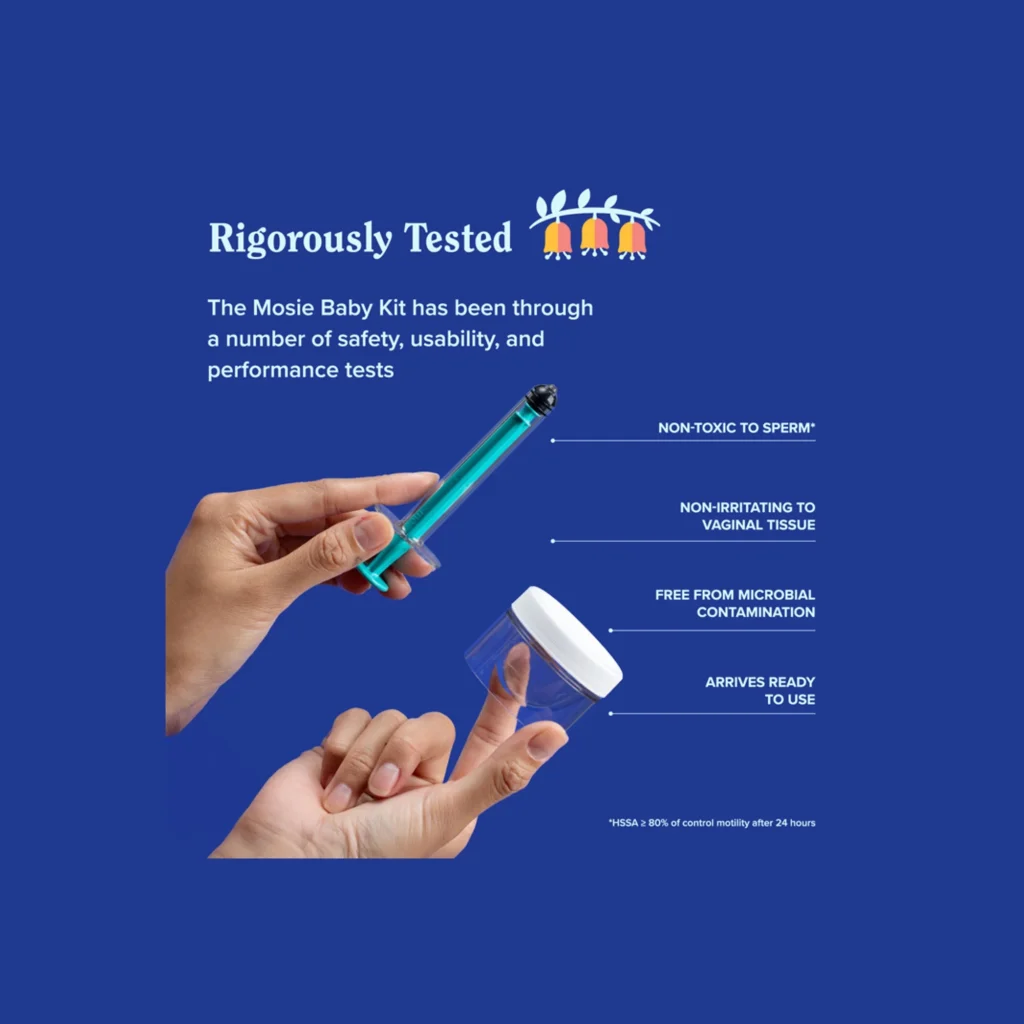
    Mosie Baby Kit features a syringe and container, highlighting safety and usability tests on a blue background.

    At-Home Conception and the Importance of Self-Care: Taking Care of Your Mind and Body

    The process of trying to conceive can put a strain on a relationship, especially when there are difficulties or setbacks. Practicing self-care together as a couple can help strengthen the bond and communication between partners. It can also provide a sense of support and understanding during this journey.

    5. Prepares the Body for Pregnancy

    Taking care of your mind and body during at-home conception can also prepare your body for a healthy pregnancy. This includes getting enough rest, reducing stress, and making healthy lifestyle choices. A well-nourished and healthy body is more likely to support a successful pregnancy.

    Self-Care Practices During At-Home Conception

    Now that we understand the importance of self-care during at-home conception, here are some practices that you can incorporate into your routine:

    1. Practice Mindfulness: Take a few minutes each day to practice mindfulness, whether it is through meditation, deep breathing, or simply being present in the moment. This can help reduce stress and promote a sense of calmness.

    2. Maintain a Healthy Diet: A well-balanced and nutritious diet is crucial for both physical and emotional well-being. Make sure to include plenty of fruits, vegetables, and whole grains in your meals, and limit processed and sugary foods.

    3. Engage in Physical Activity: Staying physically active not only improves overall health but also helps regulate hormones and boost fertility. Find an activity that you enjoy, whether it is going for a walk, practicing yoga, or joining a fitness class.

    4. Seek Support: It is important to have a support system during this journey. Reach out to friends and family, or consider joining a support group for couples trying to conceive. Talking to others who are going through a similar experience can be comforting and provide a sense of understanding.

    5. Take Breaks: It is okay to take a break from trying to conceive if it becomes overwhelming. Give yourself time to relax and rejuvenate, whether it is through a staycation, a weekend getaway, or a hobby that you enjoy.

    In conclusion, at-home conception can be an exciting and rewarding journey, but it is important to not neglect self-care. Taking care of your mind and body is crucial for both physical and emotional well-being, and can also increase your chances of conceiving. Remember to be patient, kind to yourself, and seek support when needed. With the right mindset and self-care practices, you can navigate through this journey and hopefully achieve your dream of starting a family.

    Summary:

    At-home conception, or trying to conceive without medical intervention, has become a popular choice for many couples. However, amidst all the excitement, it is important to not overlook the importance of self-care. Taking care of your mind and body during this journey is crucial for your overall well-being and can also increase your chances of conceiving. Self-care practices such as mindfulness, maintaining a healthy diet, staying physically active, seeking support, and taking breaks can help reduce stress, boost fertility, improve physical health, strengthen relationships, and prepare the body for pregnancy.

  • At-Home Conception and Pregnancy Planning: What to Expect

    Blog post:

    At-home conception and pregnancy planning have become increasingly popular options for couples who are looking to start a family. With the rise of fertility awareness and technology, it is now possible for couples to take control of their own fertility journey from the comfort of their own home. In this blog post, we will discuss what to expect when embarking on an at-home conception and pregnancy planning journey.

    Understanding Your Fertility:
    The first step in at-home conception and pregnancy planning is understanding your fertility. This involves tracking your menstrual cycle, monitoring ovulation, and learning about your fertile window. There are various methods for tracking your cycle such as using a calendar, tracking basal body temperature, or using an ovulation predictor kit. By understanding your cycle, you can determine the best time to try to conceive.

    Making Lifestyle Changes:
    Another important aspect of at-home conception and pregnancy planning is making lifestyle changes. This includes maintaining a healthy diet and weight, reducing stress levels, and avoiding alcohol and smoking. These changes can improve your overall health and increase your chances of conception. It is also recommended to start taking a prenatal vitamin to ensure your body is getting all the necessary nutrients for a healthy pregnancy.

    Using Fertility Apps:
    In addition to tracking your cycle, there are also various fertility apps available to help with at-home conception and pregnancy planning. These apps can help you keep track of your menstrual cycle, ovulation, and fertile window. Some even offer personalized insights and tips based on your individual data. By using a fertility app, you can have all your information in one place and easily share it with your partner or healthcare provider.

    Natural Fertility Methods:
    Many couples who choose at-home conception and pregnancy planning also opt for natural fertility methods. These methods involve using natural techniques such as monitoring cervical mucus, practicing timed intercourse, and using natural herbs and supplements. While these methods may not work for everyone, they can be a great option for couples who want to avoid medical intervention.

    Colorful promotional image for Mosie Baby, featuring home insemination kit and encouraging text.

    At-Home Conception and Pregnancy Planning: What to Expect

    Fertility Testing:
    For couples who have been trying to conceive for over a year without success, it may be time to consider fertility testing. This can be done at home through fertility testing kits or by seeking assistance from a fertility specialist. Fertility testing can help identify any underlying issues that may be preventing conception and provide guidance on the best course of action.

    Insemination at Home:
    Another option for at-home conception is home insemination. This involves using a syringe or cervical cap to insert sperm into the vagina during the fertile window. This method can be used by same-sex female couples or couples who have difficulty with intercourse. It is important to note that home insemination does not guarantee pregnancy and may require multiple attempts.

    The Two-Week Wait:
    After trying to conceive, couples often experience the two-week wait, which is the time between ovulation and the expected period. This can be a stressful time filled with anticipation and anxiety. It is important to stay positive and keep busy during this time. Some couples find it helpful to distract themselves with hobbies or spending time with loved ones.

    Pregnancy Testing:
    Once the two-week wait is over, it is time to take a pregnancy test. At-home pregnancy tests are easily accessible and can be done in the comfort of your own home. It is recommended to wait until the first day of a missed period to take a test for more accurate results. If the test is positive, it is important to schedule an appointment with a healthcare provider to confirm the pregnancy and start prenatal care.

    In conclusion, at-home conception and pregnancy planning can be a great option for couples who want to take control of their fertility journey. By understanding your fertility, making lifestyle changes, using fertility apps, and considering natural fertility methods, you can increase your chances of conception. It is also important to seek medical assistance if needed and stay positive during the two-week wait. With proper planning and preparation, you can expect a smooth and successful at-home conception and pregnancy journey.

    Summary:
    In this blog post, we have discussed the various aspects of at-home conception and pregnancy planning. From understanding your fertility and making lifestyle changes to using fertility apps and natural fertility methods, there are many steps involved in this journey. We also covered the two-week wait and the importance of pregnancy testing. By following these tips, you can expect a successful and rewarding at-home conception and pregnancy experience.