Tag: nutrition

  • The Role of Nutrition in Non-Invasive Insemination Success

    Blog Post Title: The Role of Nutrition in Non-Invasive Insemination Success

    Non-invasive insemination, also known as artificial insemination, is a popular fertility treatment option for couples struggling to conceive. This procedure involves placing the male partner’s or donor’s sperm into the female partner’s uterus, bypassing any potential barriers to fertilization. While the success rates for non-invasive insemination can vary, there are several factors that can impact its success, one of which is nutrition.

    Nutrition plays a crucial role in our overall health and wellbeing, and it can also affect our reproductive health. In this blog post, we will discuss the importance of nutrition in non-invasive insemination success and how you can improve your chances of a successful procedure through healthy eating habits.

    The Link Between Nutrition and Reproductive Health
    Our bodies require a balanced and nutritious diet to function properly. When it comes to reproductive health, a healthy diet is essential for both men and women. For women, proper nutrition is crucial for hormone balance, ovulation, and overall fertility. For men, a nutritious diet can improve sperm quality and quantity, which is a crucial factor in non-invasive insemination success.

    According to a study published in the Journal of Andrology, men who consumed a diet rich in fruits, vegetables, whole grains, and lean proteins had higher sperm counts and better sperm motility compared to those who had a diet high in processed foods and saturated fats. This highlights the importance of a healthy diet in male reproductive health and its impact on non-invasive insemination success.

    The Role of Antioxidants
    Antioxidants are essential nutrients that protect our cells from damage caused by free radicals. These unstable atoms can damage our cells and DNA, leading to various health issues, including infertility. Antioxidants can neutralize free radicals, reducing their harmful effects. Several studies have shown that antioxidants can improve sperm quality and increase fertility in both men and women.

    In terms of non-invasive insemination success, antioxidants can play a crucial role in protecting sperm from oxidative stress during the procedure. Oxidative stress can occur during the handling and processing of sperm, which can damage their DNA and reduce their fertilization potential. By consuming a diet rich in antioxidants, men can improve the quality of their sperm and increase their chances of a successful procedure.

    Key Nutrients for Non-Invasive Insemination Success
    While a balanced diet is crucial for overall health and fertility, there are specific nutrients that can have a significant impact on non-invasive insemination success. These include:

    Colorful promotional image for Mosie Baby, featuring home insemination kit and encouraging text.

    The Role of Nutrition in Non-Invasive Insemination Success

    1. Folic Acid: This B vitamin is essential for women’s reproductive health as it helps prevent birth defects and supports the development of a healthy embryo. It is recommended that women who are trying to conceive take folic acid supplements, along with consuming folic acid-rich foods like leafy greens, lentils, and citrus fruits.

    2. Omega-3 Fatty Acids: These healthy fats are crucial for both male and female reproductive health. Omega-3 fatty acids are responsible for regulating hormone production and can improve sperm quality and uterine lining thickness. Foods rich in omega-3s include fatty fish, flaxseeds, and walnuts.

    3. Vitamin D: This essential nutrient is known as the “sunshine vitamin” as our bodies can produce it when exposed to sunlight. Vitamin D plays a role in hormone regulation and can improve sperm quality and motility in men. Women with vitamin D deficiency may also have a higher risk of infertility. Foods rich in vitamin D include fatty fish, eggs, and fortified dairy products.

    4. Zinc: This mineral is essential for male reproductive health as it plays a crucial role in sperm production and motility. Zinc deficiency has been linked to male infertility, and studies have shown that supplementing with zinc can improve sperm quality and increase fertility. Foods rich in zinc include oysters, beef, and pumpkin seeds.

    5. Coenzyme Q10 (CoQ10): This antioxidant is essential for energy production in our cells and can improve sperm motility and overall sperm quality. As we age, our CoQ10 levels decline, which can affect fertility. Supplementing with CoQ10 can help improve sperm quality and increase the chances of a successful non-invasive insemination. Foods rich in CoQ10 include organ meats, fish, and whole grains.

    In addition to these key nutrients, it is essential to consume a diet rich in fruits, vegetables, whole grains, and lean proteins to support overall health and fertility.

    The Importance of a Healthy Weight
    Maintaining a healthy weight is crucial for both male and female reproductive health. Being overweight or underweight can affect hormone levels and ovulation in women and sperm quality in men. Studies have shown that women with a body mass index (BMI) over 25 have a higher risk of infertility, and obese men have lower sperm quality compared to men with a healthy BMI. Therefore, it is essential to maintain a healthy weight through a balanced diet and regular exercise to improve the chances of a successful non-invasive insemination.

    The Bottom Line
    Nutrition plays a vital role in non-invasive insemination success. A balanced and nutritious diet can improve overall reproductive health, increase fertility, and protect sperm from damage during the procedure. It is essential to consume a variety of fruits, vegetables, whole grains, and lean proteins while also including key nutrients like folic acid, omega-3 fatty acids, vitamin D, zinc, and CoQ10. Maintaining a healthy weight is also crucial for non-invasive insemination success. By making healthy food choices and maintaining a healthy weight, you can increase your chances of a successful non-invasive insemination and bring your dream of starting a family to life.

    In summary, nutrition is a crucial factor in non-invasive insemination success. A balanced and healthy diet, rich in key nutrients and antioxidants, can improve overall reproductive health and increase fertility. Maintaining a healthy weight is also essential for the success of the procedure. By making healthy food choices and taking care of your body, you can improve your chances of a successful non-invasive insemination and achieve your dream of starting a family.

  • Natural Remedies to Boost Fertility in Conjunction with Non-Invasive Insemination

    Natural Remedies to Boost Fertility in Conjunction with Non-Invasive Insemination

    For couples struggling with infertility, the journey to starting a family can be a challenging and emotional one. Traditional methods of conception may not always work for everyone, and some couples may turn to non-invasive insemination as an alternative. Non-invasive insemination, also known as artificial insemination, is a procedure where sperm is placed directly into the uterus, making it easier for the sperm to reach and fertilize the egg. While this method can increase the chances of conception, combining it with natural remedies can further boost fertility and increase the chances of a successful pregnancy. In this blog post, we will explore some natural remedies that can be used in conjunction with non-invasive insemination to enhance fertility.

    1. Acupuncture: This ancient Chinese practice involves the insertion of thin needles into specific points on the body to stimulate energy flow. Acupuncture has been shown to improve reproductive health in both men and women by regulating hormones and increasing blood flow to the reproductive organs. Studies have also shown that acupuncture can improve the success rate of non-invasive insemination by up to 26%.

    2. Herbal Supplements: Certain herbs have been used for centuries to boost fertility and improve overall reproductive health. Some of the most popular herbs for fertility include maca, chasteberry, and red raspberry leaf. These herbs can help regulate hormones, increase sperm count and motility, and improve the health of the uterus. It is essential to consult with a healthcare professional before starting any herbal supplements, as they may interact with other medications or have side effects.

    3. Nutrition: A healthy and balanced diet is crucial for optimal reproductive health. Foods rich in antioxidants, such as fruits and vegetables, can help improve sperm quality and increase egg production. Including whole grains, lean proteins, and healthy fats in your diet can also help regulate hormones and improve overall fertility. It is also important to limit or avoid alcohol, caffeine, and processed foods, as they can negatively impact fertility.

    Hands holding a syringe and a small container against a blue background.

    Natural Remedies to Boost Fertility in Conjunction with Non-Invasive Insemination

    4. Yoga and Meditation: Stress can have a significant impact on fertility, and it is essential to find ways to manage and reduce stress levels. Yoga and meditation are excellent ways to relax the mind and body, which can positively impact fertility. Studies have shown that regular yoga practice can improve sperm quality and increase the chances of conception.

    5. Essential Oils: Aromatherapy using essential oils can be a beneficial tool for couples trying to conceive. Some essential oils, such as clary sage and geranium, can help balance hormones and regulate the menstrual cycle. Others, like sandalwood and lavender, can help reduce stress and promote relaxation. It is important to use high-quality essential oils and dilute them properly before use.

    6. Exercise: Regular physical activity can have a positive impact on fertility. Exercise can help regulate hormones, improve blood flow to the reproductive organs, and reduce stress. It is essential to find a balance, as excessive exercise can also have a negative impact on fertility. Low-impact exercises such as yoga, swimming, and walking are excellent options for those trying to conceive.

    7. Chiropractic Care: Chiropractic adjustments can help improve fertility by ensuring proper alignment of the spine and pelvis. Misalignments in these areas can interfere with the nervous system and disrupt hormone balance. Chiropractic care can also help reduce stress and promote relaxation, which can positively impact fertility.

    In addition to these natural remedies, it is crucial to maintain a healthy weight, avoid smoking and excessive alcohol consumption, and get enough sleep for optimal reproductive health. It is also vital to work closely with a healthcare professional and fertility specialist to determine the best course of action for your specific situation.

    In conclusion, while non-invasive insemination can increase the chances of conception, combining it with natural remedies and lifestyle changes can further boost fertility and increase the chances of a successful pregnancy. Acupuncture, herbal supplements, nutrition, yoga and meditation, essential oils, exercise, and chiropractic care are all natural and safe ways to enhance fertility and improve overall reproductive health. Remember to consult with a healthcare professional before starting any new supplements or treatments and to be patient and persistent on your journey to starting a family.

  • DIY Baby-Making Assistance: The Role of Nutrition and Exercise

    Blog Post: DIY Baby-Making Assistance: The Role of Nutrition and Exercise

    Becoming a parent is one of the greatest joys in life, and for many couples, the journey to parenthood may not come as easily as they had hoped. While there are various medical interventions available to assist with conception, there are also natural methods that can be utilized to increase the chances of getting pregnant. Nutrition and exercise play a crucial role in fertility and can be powerful tools for those looking to conceive. In this blog post, we will explore the role of nutrition and exercise in DIY baby-making assistance and how they can help you on your journey to parenthood.

    The Connection Between Nutrition and Fertility

    It is a well-known fact that a healthy and balanced diet is essential for overall health and well-being. However, when it comes to fertility, the impact of nutrition cannot be overstated. Studies have shown that certain nutrients can affect reproductive health and increase the chances of conception. Let’s take a closer look at some of these nutrients and how they can help with DIY baby-making assistance.

    1. Folic Acid

    Folic acid is a B-vitamin that is crucial for cell growth and development. It is recommended for women who are trying to conceive to take a daily supplement of 400-800 mcg of folic acid. This vitamin is essential for the development of the baby’s neural tube, which forms in the first few weeks of pregnancy. Adequate folic acid intake can also help prevent birth defects such as spina bifida and anencephaly.

    2. Iron

    Iron is another important nutrient for fertility. It helps in the formation of red blood cells and is essential for the transportation of oxygen to the cells in the body. For women who are trying to conceive, it is recommended to consume at least 18 mg of iron daily. Iron can be found in foods such as red meat, beans, leafy greens, and fortified cereals.

    3. Omega-3 Fatty Acids

    Omega-3 fatty acids are healthy fats that are found in fish, nuts, and seeds. These fatty acids help regulate hormones, improve egg quality, and increase blood flow to the reproductive organs. A study published in the Journal of Lipid Research found that women who consumed higher amounts of omega-3 fatty acids had a higher chance of getting pregnant through fertility treatments.

    4. Antioxidants

    Antioxidants are compounds that protect the cells from damage caused by free radicals. Free radicals can cause harm to sperm and eggs, leading to fertility issues. Consuming a diet rich in antioxidants can help reduce this damage and increase the chances of conception. Some foods that are high in antioxidants include berries, dark leafy greens, and nuts.

    The Role of Exercise in Fertility

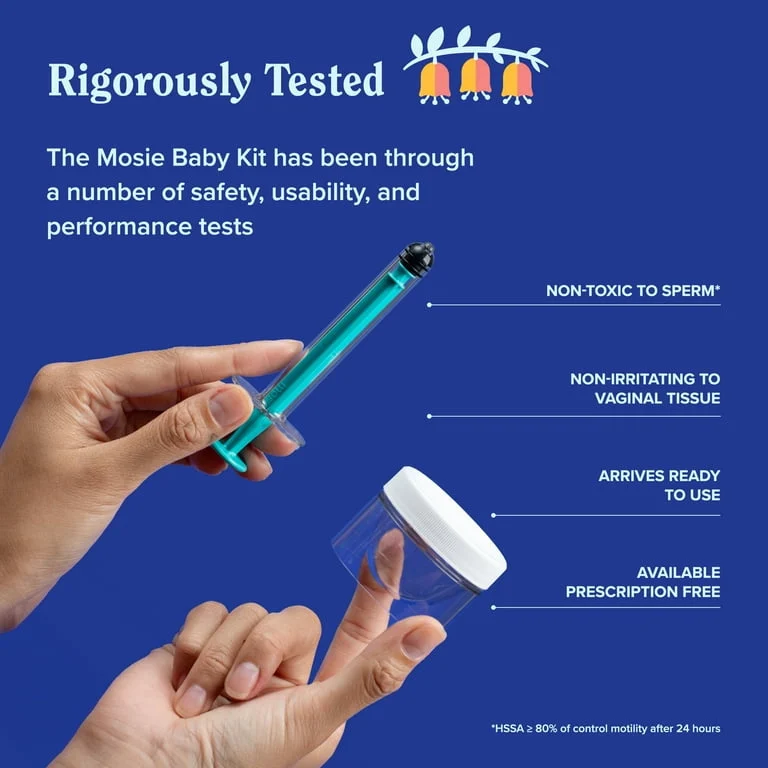
    Mosie Baby Kit with a syringe and container, highlighting safety and usability features on a blue background.

    DIY Baby-Making Assistance: The Role of Nutrition and Exercise

    Exercise is not only beneficial for physical health but can also have a positive impact on fertility. Studies have shown that regular exercise can improve reproductive function, regulate hormones, and help maintain a healthy weight, all of which can assist in DIY baby-making. Let’s take a look at some exercises that can be helpful for fertility.

    1. Yoga

    Yoga is a low-impact exercise that can help reduce stress and improve blood flow to the reproductive organs. Certain yoga poses, such as the cobra pose and the seated forward bend, can specifically target the reproductive organs and help improve their function.

    2. Cardiovascular Exercises

    Regular cardiovascular exercises such as walking, running, or cycling can help maintain a healthy weight and improve blood flow to the reproductive organs. Aim for at least 30 minutes of moderate-intensity exercise, five days a week.

    3. Strength Training

    Incorporating strength training into your exercise routine can help improve muscle mass and regulate hormones. Aim for two to three strength training sessions per week, focusing on all major muscle groups.

    4. Mind-Body Exercises

    Mind-body exercises such as tai chi and qigong have been found to reduce stress and improve overall well-being. These exercises can also help regulate hormones and improve fertility.

    The Importance of a Healthy Lifestyle

    In addition to proper nutrition and exercise, it is essential to maintain a healthy lifestyle when trying to conceive. This includes avoiding smoking, excessive alcohol consumption, and managing stress levels. Smoking has been linked to fertility issues in both men and women, and excessive alcohol consumption has been found to affect sperm quality. Stress can also have a negative impact on fertility by disrupting hormone levels. It is important to find healthy ways to manage stress, such as through exercise, meditation, or talking to a therapist.

    In conclusion, nutrition and exercise play a crucial role in DIY baby-making assistance. By incorporating a healthy and balanced diet and regular exercise into your lifestyle, you can increase your chances of conceiving naturally. It is important to consult with a healthcare professional before making any significant changes to your diet or exercise routine. Remember, every body is different, and what works for one person may not work for another. With patience, perseverance, and a healthy lifestyle, you can increase your chances of achieving your dream of becoming a parent.

    Summary:

    DIY baby-making assistance is a natural and holistic approach to increase the chances of conception. Nutrition and exercise play a crucial role in fertility and can be powerful tools for couples looking to start a family. Adequate intake of nutrients such as folic acid, iron, omega-3 fatty acids, and antioxidants can help improve reproductive health. Regular exercise, including yoga, cardiovascular exercises, strength training, and mind-body exercises, can also enhance fertility. Maintaining a healthy lifestyle by avoiding smoking, excessive alcohol consumption, and managing stress levels is equally important. Consulting with a healthcare professional is recommended before making any significant changes to your diet or exercise routine. With patience, perseverance, and a healthy lifestyle, DIY baby-making assistance can help couples achieve their dream of parenthood.

  • Natural Remedies for Fertility and DIY Baby-Making Assistance

    Blog Post: Natural Remedies for Fertility and DIY Baby-Making Assistance

    Many couples dream of starting a family and having a baby of their own. However, for some, this dream may become a challenge when faced with fertility issues. In today’s world, the use of medical interventions and assisted reproductive technologies has become a common solution for couples struggling to conceive. While these options can be effective, they can also be expensive and come with potential side effects. For those looking for a more natural approach, there are several natural remedies and DIY methods that can help increase fertility and improve the chances of conceiving. In this blog post, we will explore some of these natural remedies and DIY baby-making assistance methods.

    1. Acupuncture:

    Acupuncture is a traditional Chinese medicine practice that involves the insertion of thin needles into specific points on the body. This ancient practice has been used for centuries to treat various health conditions, including fertility issues. Acupuncture is believed to help regulate the body’s energy flow and stimulate blood flow to the reproductive organs, improving their function and increasing the chances of conception. Studies have shown that acupuncture can help improve ovulation and increase the success rates of infertility treatments.

    2. Herbal Remedies:

    Certain herbs have been used for centuries to boost fertility and improve reproductive health. These include red clover, raspberry leaf, maca root, and chasteberry. Red clover is known to contain phytoestrogens, which can help regulate the menstrual cycle and improve fertility. Raspberry leaf is rich in vitamins and minerals, which can help strengthen the uterus and prepare it for pregnancy. Maca root is a superfood that has been used to enhance fertility and libido in both men and women. Chasteberry is believed to help balance hormones and regulate ovulation.

    3. Nutrition:

    A balanced and healthy diet is crucial for overall health, including reproductive health. Certain foods can help improve fertility and increase the chances of conceiving. These include leafy green vegetables, whole grains, healthy fats, and lean proteins. Foods rich in antioxidants, such as berries, can also help improve fertility by protecting the eggs and sperm from damage. Avoiding processed foods, alcohol, and caffeine can also have a positive impact on fertility.

    4. Exercise:

    Regular exercise can help improve fertility by reducing stress and maintaining a healthy weight. High levels of stress can affect hormone levels and interfere with ovulation. Engaging in activities like yoga, Pilates, and walking can help reduce stress and improve overall health, making it easier to conceive. However, it is essential to avoid excessive exercise, which can have the opposite effect and disrupt the menstrual cycle.

    5. Essential Oils:

    Essential oils have gained popularity in recent years for their various health benefits. When it comes to fertility, some essential oils can help regulate hormones, reduce stress, and improve overall reproductive health. These include clary sage, lavender, and rose essential oils. Clary sage is known to help balance estrogen levels, while lavender can help reduce stress and promote relaxation. Rose essential oil is believed to stimulate the reproductive organs and improve fertility.

    at-home insemination kit by Mosie Baby, featuring syringes and containers for comfort and convenience.

    Natural Remedies for Fertility and DIY Baby-Making Assistance

    DIY Baby-Making Assistance:

    Apart from natural remedies, there are also some DIY methods that couples can try to increase their chances of conceiving.

    1. Fertility Massage:

    Fertility massages involve specific techniques and strokes that can help improve blood flow to the reproductive organs, reduce inflammation, and promote hormonal balance. These massages can be done by a professional or at home using a fertility massage oil. The massage should be done around ovulation for maximum effectiveness.

    2. Tracking Ovulation:

    Knowing the most fertile days of your cycle can help increase the chances of conception. This can be done by tracking your basal body temperature, cervical mucus, and using ovulation prediction kits. These methods can help determine the best time to have intercourse to maximize the chances of fertilization.

    3. Using a Fertility-Friendly Lubricant:

    Some lubricants can interfere with sperm motility and make it difficult for them to reach the egg. Using a fertility-friendly lubricant can help create a more conducive environment for sperm and improve the chances of conception.

    4. Elevating Hips After Intercourse:

    Some experts believe that elevating the hips for 15-20 minutes after intercourse can help the sperm swim closer to the cervix, increasing the chances of fertilization.

    Summary:

    In conclusion, while medical interventions may be necessary for some couples struggling with fertility, there are also many natural remedies and DIY methods that can help improve reproductive health and increase the chances of conceiving. Acupuncture, herbal remedies, nutrition, exercise, and essential oils are all natural ways to boost fertility. Additionally, DIY methods such as fertility massages, tracking ovulation, using a fertility-friendly lubricant, and elevating hips after intercourse can also be beneficial. It is essential to consult with a healthcare professional before trying any of these methods and to remember that every person’s body is different, and what may work for one person may not work for another.

  • The Impact of Nutrition on Sperm Quality in Home Insemination

    Summary:

    Nutrition plays a vital role in every aspect of our health, including fertility. When it comes to home insemination, a healthy diet can have a significant impact on sperm quality and increase the chances of a successful pregnancy. In this blog post, we will explore the relationship between nutrition and sperm quality and provide tips on how to improve sperm quality through diet.

    Firstly, let’s understand the importance of sperm quality in home insemination. The quality of sperm refers to its ability to fertilize an egg and result in a healthy pregnancy. Poor sperm quality can lead to difficulties in conceiving and increase the risk of miscarriage. Therefore, it is essential to take steps to improve sperm quality when trying for a baby through home insemination.

    One of the most crucial factors that affect sperm quality is the man’s diet. A healthy and balanced diet can provide the necessary nutrients for sperm production and function. On the other hand, a poor diet lacking in essential nutrients can lead to low sperm count, decreased motility, and abnormal morphology.

    Some key nutrients that are crucial for sperm quality include zinc, folate, vitamin C, and omega-3 fatty acids. Zinc is essential for sperm production and testosterone levels, while folate plays a role in sperm DNA integrity. Vitamin C is a powerful antioxidant that protects sperm from oxidative stress, and omega-3 fatty acids improve sperm motility.

    logo featuring a pink heart above two teal leaves on a blue circular background

    The Impact of Nutrition on Sperm Quality in Home Insemination

    A healthy diet rich in fruits, vegetables, whole grains, lean protein, and healthy fats can provide these essential nutrients. Some foods that are particularly beneficial for sperm quality include oysters, spinach, avocados, salmon, and walnuts. It is also essential to limit processed and sugary foods, as they can negatively impact sperm quality.

    In addition to specific nutrients, it is also crucial to maintain a healthy weight for optimal sperm quality. Obesity has been linked to lower sperm count and quality, while being underweight can lead to hormonal imbalances. Therefore, maintaining a healthy weight through a balanced diet and regular exercise can improve sperm quality.

    Apart from diet, lifestyle factors such as smoking, alcohol consumption, and stress can also affect sperm quality. Smoking has been shown to decrease sperm count and motility, while alcohol can affect sperm production and function. Chronic stress can also lead to hormonal imbalances, which can negatively impact sperm quality. Therefore, it is crucial to adopt healthy lifestyle habits and manage stress to improve sperm quality.

    In addition to a healthy diet, supplements can also be beneficial for improving sperm quality. Men trying to conceive through home insemination can consider taking a daily multivitamin that contains key nutrients for sperm health. Some supplements that have been specifically designed for male fertility include folic acid, zinc, and coenzyme Q10. However, it is essential to consult a healthcare professional before starting any supplements.

    In conclusion, nutrition plays a significant role in sperm quality, and a healthy diet can improve the chances of a successful pregnancy through home insemination. By incorporating nutrient-rich foods, maintaining a healthy weight, and adopting healthy lifestyle habits, men can improve their sperm quality and increase their chances of conception.

    SEO metadata:

  • The Role of Nutrition in Preparing for Home Insemination

    Blog Post:

    The decision to start a family is an exciting and life-changing one. For many couples, one of the first steps in this journey is preparing for home insemination. This process involves using a donor’s sperm to fertilize the partner’s egg, either through self-insemination or with the help of a medical professional. Regardless of the method chosen, proper nutrition plays a crucial role in preparing the body for successful home insemination. In this blog post, we will explore the importance of nutrition in this process and provide tips for creating a healthy and supportive environment for conception.

    Importance of Nutrition in Preparing for Home Insemination:

    Nutrition is the foundation of a healthy body and plays a vital role in the reproductive system. A balanced and nutritious diet can improve fertility and increase the chances of successful home insemination. Here are some reasons why proper nutrition is essential for preparing for home insemination:

    1. Improves Egg Quality:

    Egg quality is crucial for successful conception, and nutrition plays a significant role in this. A diet rich in antioxidants, vitamins, and minerals can help improve the quality of eggs. Antioxidants help protect the eggs from damage caused by free radicals, while vitamins and minerals provide the necessary nutrients for healthy egg development.

    2. Regulates Hormones:

    Hormonal balance is essential for a healthy reproductive system, and nutrition can help achieve this. Foods rich in healthy fats, such as avocados, nuts, and olive oil, can help regulate hormone production. Omega-3 fatty acids, found in fish and flaxseeds, can also help balance hormones and improve fertility.

    3. Boosts Sperm Health:

    For couples using donor sperm for home insemination, the quality of the sperm is crucial. A diet rich in antioxidants, vitamins, and minerals can improve sperm health and increase the chances of successful conception. Foods such as walnuts, dark chocolate, and citrus fruits are known to boost sperm quality and motility.

    4. Supports Overall Health:

    Eating a nutritious and balanced diet can improve overall health and well-being, which is essential for preparing the body for home insemination. A healthy body is better equipped to handle the physical and emotional demands of pregnancy and childbirth.

    Tips for Creating a Nutritious Diet for Home Insemination:

    logo of mosie baby featuring a heart and leaf design in blue, pink, and green colors

    The Role of Nutrition in Preparing for Home Insemination

    Now that we have established the importance of nutrition in preparing for home insemination, here are some tips for creating a healthy and supportive diet:

    1. Focus on Whole Foods:

    Aim to include a variety of whole foods in your diet, such as fruits, vegetables, whole grains, lean proteins, and healthy fats. These foods are rich in essential nutrients and antioxidants, which can improve fertility and overall health.

    2. Include Fertility-Boosting Foods:

    Certain foods are known for their fertility-boosting properties and should be included in your diet. These include leafy greens, berries, nuts, seeds, and fatty fish. These foods provide essential nutrients, antioxidants, and healthy fats that are beneficial for preparing the body for home insemination.

    3. Stay Hydrated:

    Drinking enough water is crucial for maintaining overall health, and it is especially important for fertility. Water helps the body flush out toxins and keeps the reproductive system functioning optimally. Aim for at least 8-10 glasses of water per day.

    4. Limit Processed Foods:

    Processed foods are often high in unhealthy fats, sugar, and preservatives, which can negatively impact fertility. Limiting processed foods and opting for whole, nutrient-dense foods is essential for preparing the body for home insemination.

    5. Consult with a Nutritionist:

    If you are unsure about your nutritional needs or have specific dietary restrictions, consider consulting with a nutritionist. They can help create a personalized plan that meets your nutritional needs and supports your fertility goals.

    Conclusion:

    Home insemination is an intimate and exciting journey, and proper nutrition plays a crucial role in this process. By following a nutritious diet, you can improve egg and sperm quality, regulate hormones, and support overall health, increasing the chances of successful conception. Remember to consult with a medical professional and a nutritionist for personalized advice and support on your journey towards starting a family.

    In summary, proper nutrition is essential for preparing the body for home insemination. A balanced and nutritious diet can improve egg and sperm quality, regulate hormones, and support overall health, increasing the chances of successful conception. Tips for creating a healthy diet include focusing on whole foods, including fertility-boosting foods, staying hydrated, and limiting processed foods. Consulting with a nutritionist can also provide personalized support and guidance.

  • The Role of Nutrition in an Insemination Made Easy Starter Pack

    Blog Post:

    Insemination, also known as artificial insemination, is a method of assisted reproduction that involves placing sperm directly into a woman’s reproductive tract. This process can be used by couples struggling with fertility issues or by single individuals who want to start a family. While the procedure itself may seem straightforward, there are important factors that can affect its success, one of which is nutrition.

    Nutrition plays a crucial role in the overall health and well-being of an individual. It affects not only physical health, but also mental and emotional well-being. When it comes to fertility and conception, nutrition can significantly impact the chances of a successful insemination. In this blog post, we will explore the role of nutrition in an insemination made easy starter pack and how it can increase the chances of a successful pregnancy.

    Importance of a Healthy Diet

    Before diving into the specific nutrients that are important for insemination, it’s essential to understand the importance of a healthy diet as a whole. A balanced and nutritious diet is essential for maintaining a healthy body weight, regulating hormones, and improving overall fertility. A diet rich in whole foods, such as fruits, vegetables, whole grains, and lean proteins, can help provide the necessary vitamins and minerals needed for reproductive health.

    Research has shown that women who are overweight or obese may experience difficulty conceiving due to hormonal imbalances and irregular ovulation. On the other hand, being underweight can also affect fertility, as it can lead to hormonal imbalances and irregular periods. Therefore, maintaining a healthy weight through a balanced diet is crucial for those undergoing insemination.

    Vitamins and Minerals for Insemination

    Vitamins and minerals play a vital role in reproductive health and can significantly impact the success of an insemination. Some of the key vitamins and minerals that should be included in an insemination made easy starter pack are:

    1. Folic Acid – This B vitamin is crucial for the development of a healthy fetus. Adequate folic acid intake before and during pregnancy can reduce the risk of neural tube defects in the baby. It also plays a role in the production of red blood cells, which is essential for a healthy pregnancy.

    2. Iron – Iron is essential for the production of hemoglobin, a protein in red blood cells that carries oxygen to the body’s tissues. During pregnancy, the body needs more iron to support the growing baby and placenta. Iron deficiency can lead to anemia, which can increase the risk of complications during pregnancy and delivery.

    Mosie Baby ovulation test kit with packaging and instructions on a pink background.

    The Role of Nutrition in an Insemination Made Easy Starter Pack

    3. Zinc – This mineral is essential for the development and function of reproductive organs. It also plays a role in hormone production and ovulation. Zinc deficiency has been linked to irregular menstrual cycles and decreased fertility in women.

    4. Calcium – Calcium is crucial for maintaining strong bones and teeth, but it also plays a role in muscle contractions and nerve function. During pregnancy, the baby relies on calcium from the mother for proper bone development. Adequate calcium intake is also essential for preventing conditions such as preeclampsia and gestational diabetes.

    5. Vitamin D – This vitamin is essential for the absorption of calcium and phosphorus, which are crucial for bone health. It also plays a role in regulating hormones and supporting the immune system. Research has shown that women with low levels of vitamin D may have a higher risk of infertility and pregnancy complications.

    Foods to Include in an Insemination Made Easy Starter Pack

    To ensure an adequate intake of these important vitamins and minerals, it’s essential to include a variety of nutrient-dense foods in an insemination made easy starter pack. Some of the foods that should be included are:

    – Leafy greens, such as spinach and kale, for folic acid and iron
    – Lean proteins, such as chicken, fish, and tofu, for zinc and iron
    – Dairy products, such as milk and yogurt, for calcium and vitamin D
    – Whole grains, such as quinoa and brown rice, for folic acid and iron
    – Fruits, such as oranges and strawberries, for folic acid and vitamin C

    It’s also important to note that some foods should be limited or avoided during an insemination process. These include processed foods, sugary drinks, and excessive caffeine, as they can have a negative impact on fertility.

    In addition to a healthy diet, staying hydrated and maintaining a regular exercise routine can also help improve fertility and increase the chances of a successful insemination.

    Summary:

    Insemination is a method of assisted reproduction that can help couples struggling with fertility issues or single individuals start a family. While the procedure itself may seem straightforward, there are important factors that can affect its success, one of which is nutrition. A balanced and nutritious diet, rich in vitamins and minerals such as folic acid, iron, zinc, calcium, and vitamin D, can significantly increase the chances of a successful pregnancy. Including a variety of nutrient-dense foods, staying hydrated, and maintaining a regular exercise routine are crucial in an insemination made easy starter pack.

    SEO metadata:

  • DIY Fertility Boosting: 23 Essential Tools for a Stronger and More Fertile Body

    Summary:

    Fertility is a topic that affects many individuals and couples around the world. While some may struggle with fertility issues due to medical reasons, others may simply want to boost their fertility for a better chance at conceiving. In this blog post, we will explore 23 essential tools for DIY fertility boosting that can help strengthen and prepare your body for pregnancy.

    1. Healthy Diet: A well-balanced and nutritious diet is crucial for fertility. Make sure to include plenty of fruits, vegetables, whole grains, and lean proteins in your meals. Avoid processed foods and excessive sugar and caffeine.

    2. Exercise: Regular physical activity can improve blood flow and hormone balance, both of which are important for fertility. Aim for at least 30 minutes of exercise per day.

    3. Stress Management: Stress can have a negative impact on fertility, so it’s important to find healthy ways to manage it. This can include meditation, yoga, or simply taking time for yourself to relax.

    4. Folate: Folate is a crucial nutrient for fertility and fetal development. Make sure to include foods rich in folate, such as leafy greens, beans, and citrus fruits, in your diet.

    5. Zinc: Zinc is essential for sperm production and ovulation. Foods like oysters, beef, and pumpkin seeds are good sources of zinc.

    6. Omega-3 Fatty Acids: These healthy fats can help improve fertility by reducing inflammation and regulating hormones. Include foods like salmon, chia seeds, and walnuts in your diet.

    7. Vitamin D: Low levels of vitamin D have been linked to infertility. Get some sun exposure or take a vitamin D supplement to ensure adequate levels.

    8. Maca Root: This adaptogenic herb has been used for centuries to boost fertility and improve hormone balance. It can be taken in supplement form or added to smoothies.

    9. Red Raspberry Leaf: This herb is known for its ability to tone the uterus and regulate menstrual cycles, making it helpful for fertility. It can be consumed as a tea or taken in supplement form.

    10. Dong Quai: This traditional Chinese herb has been used for centuries to enhance fertility. It can help improve blood flow to the reproductive organs and regulate hormones.

    11. Ashwagandha: This adaptogenic herb can help reduce stress and regulate hormones, making it beneficial for fertility. It can be taken in supplement form.

    at-home insemination kit featuring a syringe and container for fresh or donor sperm conception

    DIY Fertility Boosting: 23 Essential Tools for a Stronger and More Fertile Body

    12. Acupuncture: This ancient Chinese practice involves the insertion of thin needles into specific points on the body to improve energy flow. It has been shown to help regulate hormones and improve fertility.

    13. Yoga: This mind-body practice can help reduce stress and improve blood flow to the reproductive organs, making it beneficial for fertility.

    14. Meditation: Taking time to quiet the mind and focus on your breathing can help reduce stress and improve fertility.

    15. Chasteberry: This herb has been used for centuries to regulate hormones and improve fertility. It can be taken in supplement form.

    16. Saw Palmetto: This herb is often used to improve prostate health, but it can also help regulate hormones and improve fertility.

    17. Coenzyme Q10: This antioxidant can help improve egg quality and sperm motility. It can be taken in supplement form.

    18. Royal Jelly: This nutrient-rich substance produced by bees can help improve egg quality and regulate hormones. It can be taken in supplement form.

    19. L-arginine: This amino acid can improve blood flow to the reproductive organs and enhance sperm production. It can be taken in supplement form.

    20. Vitex: Also known as chaste tree berry, this herb can help regulate hormones and improve fertility. It can be taken in supplement form.

    21. Fertility Massage: This type of massage focuses on the reproductive organs and can help improve blood flow and hormone balance.

    22. Castor Oil Packs: Applying a castor oil pack to the lower abdomen can help improve blood flow to the reproductive organs and reduce inflammation.

    23. Inositol: This B-vitamin can help improve insulin sensitivity and regulate hormones, making it helpful for fertility. It can be taken in supplement form.

    By incorporating these 23 essential tools into your routine, you can create a DIY fertility boosting plan that is tailored to your needs and preferences. Remember to always consult with your healthcare provider before adding any new supplements or herbs to your routine.

  • DIY Tools for Improving Fertility and Balancing Your Hormones Naturally

    DIY Tools for Improving Fertility and Balancing Your Hormones Naturally

    Fertility and hormone balance are crucial for our overall health and well-being. However, many people struggle with fertility issues and hormonal imbalances, leading to various health problems and difficulties in conceiving. While there are medical treatments available, there are also natural ways to improve fertility and balance hormones through DIY tools. In this blog post, we will explore some of the most effective DIY tools for improving fertility and balancing hormones naturally.

    1. Nutrition and Diet

    One of the most important factors in improving fertility and balancing hormones is nutrition and diet. Our diet plays a significant role in regulating our hormone levels and reproductive health. Therefore, it is essential to focus on a nutrient-dense and balanced diet to support fertility and hormone balance.

    Some key nutrients for fertility and hormone balance include:

    – Healthy fats: Consuming healthy fats like avocado, nuts, and olive oil can help regulate hormone production.
    – Protein: Adequate protein intake is crucial for hormonal balance and fertility. Choose lean sources like fish, chicken, and legumes.
    – Fiber: A diet high in fiber can help regulate estrogen levels and improve fertility.
    – Fruits and vegetables: These are rich in antioxidants and essential vitamins and minerals that support hormone balance and fertility.

    It is also important to avoid processed and sugary foods, as they can disrupt hormone balance and negatively impact fertility. Instead, opt for whole, nutrient-dense foods to support your fertility and hormone health.

    2. Herbal Remedies

    Herbal remedies have been used for centuries to treat various health issues, including fertility and hormone balance. Some herbs are known to have properties that can support fertility and regulate hormone levels. Here are a few herbs to consider incorporating into your routine:

    – Vitex: Also known as chaste tree berry, vitex is an herb that can help regulate menstrual cycles and promote ovulation.
    – Maca root: This root vegetable is known to improve fertility by balancing hormones and increasing libido.
    – Red raspberry leaf: This herbal tea is known to improve fertility and strengthen the uterus, making it an excellent option for women trying to conceive.
    – Ashwagandha: This herb has been used in Ayurvedic medicine for its hormone-balancing properties and can help reduce stress, which is essential for fertility.

    Before incorporating any herbal remedies into your routine, it is best to consult with a healthcare professional to ensure it is safe for you and your specific needs.

    Home insemination kit by Mosie Baby with instructions and colorful packaging.

    DIY Tools for Improving Fertility and Balancing Your Hormones Naturally

    3. Essential Oils

    Essential oils have gained popularity for their many health benefits, including hormone balance and fertility support. Some essential oils can help regulate hormone levels, reduce stress, and improve fertility. Here are a few to consider:

    – Clary sage: This essential oil can help balance estrogen levels and support healthy menstrual cycles.
    – Geranium: Known for its hormone-balancing properties, geranium oil can help regulate the menstrual cycle and improve fertility.
    – Lavender: This oil is known for its calming effects, which can help reduce stress and promote hormone balance.
    – Rose: Rose oil is known for its ability to support reproductive health and regulate menstrual cycles.

    When using essential oils, be sure to dilute them properly and use them as directed. It is also essential to choose high-quality, pure oils to ensure safety and effectiveness.

    4. Acupuncture

    Acupuncture is an ancient Chinese practice that involves inserting thin needles into specific points on the body to promote healing and balance. It has been used to treat various health issues, including fertility and hormone imbalances. According to traditional Chinese medicine, acupuncture can help regulate the flow of energy, or qi, in the body, which can have a positive impact on fertility and hormone balance.

    Studies have shown that acupuncture can improve fertility by increasing blood flow to the reproductive organs, regulating hormones, and reducing stress. If you are considering acupuncture, be sure to seek a licensed and experienced practitioner.

    5. Exercise and Stress Management

    Physical activity and stress management are crucial factors in improving fertility and balancing hormones naturally. Regular exercise can help regulate hormone levels, improve blood flow to the reproductive organs, and reduce stress. It is essential to find a form of exercise that you enjoy and can incorporate into your routine consistently.

    Stress can significantly impact hormone levels and fertility. Therefore, it is crucial to find ways to manage stress effectively. Some options include meditation, yoga, deep breathing, and spending time in nature.

    In summary, there are various DIY tools available to improve fertility and balance hormones naturally. These include nutrition and diet, herbal remedies, essential oils, acupuncture, and exercise and stress management. It is essential to consult with a healthcare professional before incorporating any new practices or remedies into your routine. By taking a holistic approach and making lifestyle changes, you can support your fertility and hormone health naturally.

  • Surprising DIY Methods to Enhance Your Fertility

    Blog Post Title: Surprising DIY Methods to Enhance Your Fertility

    Summary:
    Fertility is a topic that is often discussed when it comes to starting a family, but many people may not realize that there are DIY methods that can help enhance fertility. In this blog post, we will explore some surprising DIY methods that can help improve fertility for both men and women. From nutrition and lifestyle changes to natural remedies and relaxation techniques, these methods can help increase the chances of conception and promote overall reproductive health.

    Body:
    1. Nutrition for Fertility
    It’s no secret that nutrition plays a crucial role in our overall health, and it also has a significant impact on fertility. A balanced and nutritious diet can help regulate hormones, improve egg and sperm quality, and increase fertility. Some key nutrients for fertility include folic acid, iron, zinc, and vitamins C, D, and E. Incorporating fertility-boosting foods such as leafy greens, avocados, nuts, and seeds into your diet can make a significant difference in your reproductive health. Additionally, reducing your intake of processed and sugary foods can also help improve fertility.

    2. Acupuncture
    Acupuncture is an ancient Chinese practice that involves inserting thin needles into specific points on the body to stimulate energy flow. Studies have shown that acupuncture can help improve fertility by increasing blood flow to the reproductive organs, regulating hormones, and reducing stress and anxiety. It can also be beneficial for men as it can improve sperm quality and count. Many fertility clinics now offer acupuncture as a complementary therapy for couples trying to conceive.

    3. Yoga and Meditation
    In today’s fast-paced world, stress has become a common factor that can affect fertility. Yoga and meditation are powerful tools that can help reduce stress and promote relaxation, which can have a positive impact on fertility. Certain yoga poses like the butterfly pose, cobra pose, and child’s pose can help increase blood flow to the pelvic area, which can improve reproductive health. Meditation can also help balance hormones and reduce stress, making it an effective DIY method for enhancing fertility.

    Baby with blue eyes wearing a light blue onesie that says "made with Love" on a soft white background.

    Surprising DIY Methods to Enhance Your Fertility

    4. Herbal Remedies
    There are many herbs that are known for their fertility-boosting properties. Red raspberry leaf, for example, is a popular herb that can help regulate menstrual cycles and improve the quality of cervical mucus. Maca root is another herb that has been used for centuries to boost fertility in both men and women. It can help regulate hormones, increase libido, and improve sperm quality. However, it is essential to consult with a healthcare professional before trying any herbal remedies to ensure they are safe for you.

    5. Essential Oils
    Essential oils have been used for their medicinal properties for centuries. When it comes to fertility, certain essential oils can help balance hormones, reduce stress, and increase libido. Clary sage is especially beneficial for women as it can help regulate menstrual cycles and improve the quality of cervical mucus. Ylang-ylang and sandalwood are also known for their aphrodisiac properties and can help increase libido in both men and women. It is important to note that essential oils should be used with caution and diluted properly before use.

    6. Exercise and Weight Management
    Regular exercise and maintaining a healthy weight can also have a significant impact on fertility. Being overweight or underweight can affect hormone levels and ovulation in women and sperm quality in men. Engaging in moderate exercise and following a balanced diet can help regulate hormones, improve blood flow to the reproductive organs, and increase fertility. It is essential to find a form of exercise that you enjoy and avoid overexercising, which can also have a negative impact on fertility.

    7. Detoxification
    Toxins from our environment and diet can also affect fertility. It is essential to detoxify the body and eliminate harmful substances that can interfere with reproductive health. A gentle detox can help remove toxins from the body and improve the body’s ability to absorb essential nutrients. Some ways to detoxify include drinking plenty of water, eating a diet rich in fruits and vegetables, and avoiding processed and unhealthy foods. It is important to consult with a healthcare professional before attempting a detox, especially if you are trying to conceive.

    Conclusion:
    Incorporating these DIY methods into your daily routine can help enhance fertility and improve your chances of conceiving. However, it is important to keep in mind that everyone’s body is different, and what works for one person may not work for another. It is always best to consult with a healthcare professional before making any significant changes to your diet or lifestyle, especially if you are trying to conceive.

    SEO metadata:






