Blog Post:
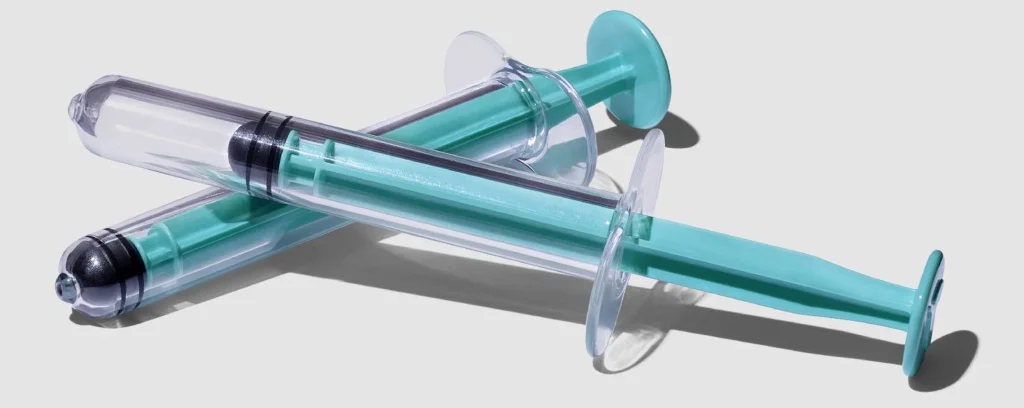
Syringe insemination, also known as intracervical insemination (ICI), is a form of artificial insemination that can be used by women with irregular menstrual cycles to increase their chances of becoming pregnant. This method involves injecting sperm directly into the cervix using a syringe, making it a more affordable and less invasive option compared to other fertility treatments. In this blog post, we will discuss everything you need to know about syringe insemination for women with irregular cycles.
What is Syringe Insemination?
Syringe insemination is a relatively simple and cost-effective fertility treatment that involves placing sperm directly into the cervix using a syringe. This method is often used by women who have irregular menstrual cycles or by same-sex couples who are trying to conceive. It can also be used by single women who want to become pregnant without a partner.
How Does Syringe Insemination Work?
Syringe insemination is typically performed at home. The first step is to purchase a sterile syringe and a vial of sperm from a sperm bank. The sperm can either be fresh or frozen and is usually tested for quality and screened for any infectious diseases. The next step is to prepare the sperm for insemination. If the sperm is frozen, it must be thawed according to the instructions provided by the sperm bank.
Once the sperm is ready, the woman needs to insert it into her vagina using the syringe. The best time to do this is during ovulation, which is when the woman is most fertile. The sperm is then injected into the cervix, just like a regular pap smear. After the insemination, it is recommended to stay lying down for 10-15 minutes to increase the chances of the sperm reaching the egg.
Who Can Benefit from Syringe Insemination?
Syringe insemination is an excellent option for women who have irregular menstrual cycles and are having difficulties getting pregnant. Irregular cycles can make it challenging to track ovulation and time intercourse correctly, making it harder to conceive. Syringe insemination bypasses this issue by placing the sperm directly into the cervix, increasing the chances of fertilization.
This method can also be beneficial for same-sex couples who are trying to conceive. It allows them to use donor sperm and perform the insemination at home, making the process more intimate and less clinical. Additionally, single women who wish to become pregnant without a partner can also benefit from syringe insemination.
Risks and Success Rates

Syringe Insemination for Women with Irregular Cycles: What You Need to Know
Syringe insemination carries minimal risks, making it a safe and non-invasive option for fertility treatment. The most common side effect is cramping, which is similar to menstrual cramps. In rare cases, there may be a risk of infection or allergic reaction to the sperm. However, these risks can be minimized by using sterile equipment and following the instructions provided by the sperm bank.
The success rates of syringe insemination vary, depending on factors such as the quality of the sperm, the timing of insemination, and the age of the woman. On average, the success rate is around 10-15% per cycle, which is comparable to natural conception rates. However, it may take several cycles of insemination to achieve pregnancy, so patience and perseverance are key.
Tips for Syringe Insemination
Here are some tips to increase the chances of success with syringe insemination:
1. Track your ovulation: Knowing when you ovulate is crucial for timing the insemination correctly. There are various methods to track ovulation, such as using ovulation predictor kits, tracking basal body temperature, or monitoring changes in cervical mucus.
2. Use fresh sperm: Fresh sperm has a higher chance of fertilizing an egg compared to frozen sperm. If possible, try to use fresh sperm for the insemination.
3. Stay relaxed: Stress can affect hormone levels and interfere with ovulation, making it harder to conceive. Try to stay relaxed during the insemination process, and avoid putting too much pressure on yourself.
4. Consider using supplements: Some supplements, such as folic acid, can improve fertility in women. Consult with your doctor to see if there are any supplements that may be beneficial for you.
5. Be patient: It may take several cycles of insemination to achieve pregnancy, so don’t get discouraged if it doesn’t happen right away. Remember to stay positive and keep trying.
In conclusion, syringe insemination is a viable option for women with irregular menstrual cycles who are trying to conceive. It is a safe, affordable, and less invasive method compared to other fertility treatments. By following the tips mentioned above and consulting with your doctor, you can increase your chances of success with syringe insemination.
Summary:
Syringe insemination, also known as intracervical insemination (ICI), is a form of artificial insemination that involves injecting sperm directly into the cervix using a syringe. It is a simple and cost-effective option for women with irregular cycles who are trying to conceive. The sperm is usually purchased from a sperm bank and is injected into the cervix during ovulation. Syringe insemination is also beneficial for same-sex couples and single women. It carries minimal risks and has a success rate of around 10-15% per cycle. Some tips for successful syringe insemination include tracking ovulation, using fresh sperm, staying relaxed, and being patient.