Tag: pregnancy

  • The Ultimate Guide to Using a Home Insemination Starter Kit

    Blog Post:

    In recent years, more and more couples and individuals have turned to home insemination as a way to start or expand their families. This method involves using a home insemination starter kit, which provides all the necessary tools and instructions for successful insemination at home. If you are considering this option, you may have some questions or concerns about how to use a home insemination starter kit. In this comprehensive guide, we will cover everything you need to know about using a home insemination starter kit to help you on your journey to parenthood.

    What is a Home Insemination Starter Kit?

    A home insemination starter kit is a package that contains all the necessary tools for performing an artificial insemination at home. These kits typically include a sterile syringe, a catheter, a semen collection cup, and sometimes a speculum. They may also come with instructions or educational materials to guide you through the process. These kits are designed to make the process of insemination as easy and safe as possible for individuals or couples who are trying to conceive.

    Why Use a Home Insemination Starter Kit?

    There are several reasons why someone may choose to use a home insemination starter kit. For some, it may be a more affordable option compared to medical procedures such as intrauterine insemination (IUI) or in vitro fertilization (IVF). Others may prefer the comfort and privacy of performing the insemination in the comfort of their own home. Additionally, using a home insemination starter kit can be a good option for individuals or couples who live far away from fertility clinics or have limited access to medical services.

    How to Choose the Right Home Insemination Starter Kit

    When it comes to choosing the right home insemination starter kit, there are a few factors to consider. First and foremost, make sure to purchase a kit from a reputable and trusted source. Look for kits that are FDA-approved and have good reviews from other users. It’s also important to consider the cost and the number of supplies included in the kit. Some kits may come with a single-use syringe and catheter, while others may have multiple supplies for multiple attempts. It’s also a good idea to check if the kit comes with any educational materials or instructions to help you with the process.

    Preparing for Insemination

    sperm-ready insemination kit with a syringe and container, featuring a screw top lid and non-tip safety wall

    The Ultimate Guide to Using a Home Insemination Starter Kit

    Before using a home insemination starter kit, it’s important to prepare yourself physically and mentally. If you are using donor sperm, make sure to have it delivered or picked up from a reputable sperm bank. If you are using your partner’s sperm, make sure to collect it in a sterile cup and follow the instructions on how to properly store and transport it. It’s also important to track your ovulation using ovulation predictor kits or fertility tracking apps to determine the best time for insemination. Lastly, make sure to create a clean and comfortable environment for the procedure.

    Performing the Insemination

    Once you have everything you need and have prepared yourself, it’s time to perform the insemination. Start by carefully reading the instructions that come with your home insemination starter kit. It’s important to follow them step by step to ensure the best chances of success. Make sure to use clean and sterile techniques when handling the supplies and to properly dispose of any single-use items after use. It’s also important to remain relaxed and calm during the procedure to avoid any discomfort or complications.

    Post-Insemination Care

    After performing the insemination, it’s important to take care of yourself and your body. Some people may experience mild cramping or spotting, which is normal. It’s also recommended to rest for a while after the procedure and to avoid any strenuous activities. If you are using a speculum, make sure to remove it after a few minutes. It’s also a good idea to continue tracking your ovulation and to take a pregnancy test in about two weeks to see if the insemination was successful.

    Possible Challenges and Risks

    While home insemination can be a successful method for conceiving, there are some potential challenges and risks to be aware of. One of the biggest challenges is the timing of insemination. Unlike in a medical setting, there is no ultrasound or monitoring to determine the exact time of ovulation. This can increase the chances of missing the fertile window and not successfully conceiving. Additionally, there is a risk of infection if proper sterile techniques are not followed during the procedure. It’s also important to keep in mind that home insemination does not guarantee pregnancy and may require multiple attempts before being successful.

    In conclusion, home insemination starter kits can be a convenient and affordable option for individuals or couples trying to conceive. By following the instructions carefully and preparing yourself physically and mentally, you can increase your chances of success. However, it’s important to keep in mind the possible challenges and risks and to consider seeking medical advice if you encounter any difficulties or have concerns. With the right home insemination starter kit and proper preparation, you can take a step closer to achieving your dream of starting or expanding your family.

    Summary:

    Home insemination starter kits are packages that contain all the necessary tools for performing an artificial insemination at home. They provide a more affordable and private option for individuals or couples trying to conceive. When choosing a kit, it’s important to consider the source, cost, and supplies included. Before performing the insemination, it’s important to prepare yourself physically and mentally and to create a clean and comfortable environment. The procedure should be done following the instructions carefully, and post-insemination care is important. However, there are some possible challenges and risks to be aware of, such as timing and risk of infection. With proper preparation, home insemination can be a successful method for conceiving.


  • Maximizing Your Chances of Success: The Home Insemination Starter Kit

    Blog Post:

    When it comes to starting a family, there are many different paths that people choose to take. One option that has become increasingly popular in recent years is home insemination. This can be a great alternative for those who may face barriers or challenges in traditional conception methods, such as cost or accessibility to fertility clinics. However, just like any other method of conceiving, there are steps that can be taken to maximize your chances of success. In this blog post, we will discuss how to do just that with the help of a home insemination starter kit.

    What is a Home Insemination Starter Kit?

    A home insemination starter kit is a package that contains all the necessary tools and supplies for at-home insemination. It typically includes items such as ovulation tests, pregnancy tests, sperm friendly lubricant, and an insemination syringe. These kits can be purchased online or at some pharmacies, and they are designed to make the process of at-home insemination easier and more effective.

    Maximizing Your Chances of Success with a Home Insemination Starter Kit

    1. Understand Your Menstrual Cycle

    The first step in maximizing your chances of success with a home insemination starter kit is to have a thorough understanding of your menstrual cycle. This includes tracking your ovulation and knowing when your most fertile days are. Ovulation predictor kits, which are often included in home insemination starter kits, can be helpful in determining when you are ovulating. It’s also important to have a general understanding of your menstrual cycle and how the body prepares for pregnancy, so you can better time your insemination attempts.

    2. Choose the Right Sperm

    The success of home insemination greatly depends on the quality of the sperm used. If you are using a sperm donor, it’s essential to choose a reputable and reliable donor from a licensed sperm bank. If you are using a known donor, it’s important to ensure that they undergo proper testing for sexually transmitted infections and have a high sperm count. In either case, it’s best to consult with a medical professional to ensure that the sperm used is safe and viable for conception.

    Hands holding a syringe and a small container against a blue background.

    Maximizing Your Chances of Success: The Home Insemination Starter Kit

    3. Prepare Your Body

    Preparing your body for insemination can also increase your chances of success. This includes maintaining a healthy lifestyle, eating a balanced diet, and avoiding substances that can negatively affect fertility, such as tobacco and excess alcohol. Some studies have also shown that taking a daily multivitamin can improve fertility in both men and women.

    4. Follow the Instructions Carefully

    When using a home insemination starter kit, it’s crucial to follow the instructions carefully. This includes using the ovulation tests at the right time, preparing the sperm according to the instructions, and using the insemination syringe properly. Skipping any steps or not following the instructions correctly can decrease your chances of success. If you have any questions or concerns, it’s always best to consult with a medical professional.

    5. Practice Good Hygiene

    Maintaining good hygiene is vital when it comes to home insemination. It’s essential to keep all the tools and supplies in the kit clean and sterile to avoid any contamination. This includes thoroughly washing your hands before handling the sperm or any other items in the kit. It’s also recommended to clean the insemination syringe with warm soapy water before and after use.

    6. Be Patient and Persistent

    Lastly, it’s important to remember that conceiving through home insemination may take time and patience. It’s not uncommon for it to take a few tries before a successful pregnancy occurs. Be persistent and try not to get discouraged if it doesn’t work the first time. Keep track of your ovulation and continue to follow the instructions carefully, and with time, you may achieve your goal.

    In summary, maximizing your chances of success with a home insemination starter kit involves understanding your menstrual cycle, choosing the right sperm, preparing your body, following the instructions carefully, practicing good hygiene, and being patient and persistent. By following these steps, you can increase your chances of conceiving through home insemination and start your journey towards parenthood.

    SEO Metadata:

  • Navigating the World of Fertility: The Home Insemination Starter Kit

    Navigating the World of Fertility: The Home Insemination Starter Kit

    Trying to conceive can be an exciting and daunting journey for many couples. While some are lucky enough to get pregnant easily, others may face challenges and need to explore alternative methods. One such method is home insemination, which involves manually placing sperm into the vagina in order to fertilize an egg. This process can be done without the help of a medical professional, making it a convenient and private option for many couples. However, navigating the world of fertility and home insemination can be overwhelming, which is why a home insemination starter kit can be a helpful tool for those just starting their journey.

    What is a Home Insemination Starter Kit?

    A home insemination starter kit is a package that contains all the necessary items for couples who are looking to conceive through home insemination. These kits can be purchased online or at a fertility clinic and typically contain items such as ovulation tests, pregnancy tests, collection cups, syringes, and instructions for use. They are designed to make the process easier and more streamlined for couples who are new to home insemination.

    Benefits of Using a Home Insemination Starter Kit

    1. Convenience

    One of the biggest benefits of using a home insemination starter kit is the convenience it offers. All the necessary items are included in one package, making it easy for couples to get started without having to do extensive research or purchase items separately. This saves time and effort, especially for those who are busy or have a limited understanding of the home insemination process.

    2. Cost-Effective

    Another advantage of using a home insemination starter kit is the cost-effectiveness. Purchasing all the necessary items separately can add up quickly, especially if fertility treatments are already putting a strain on your budget. These kits are designed to be affordable, making it a more cost-effective option for couples who are trying to conceive.

    3. Accurate Ovulation and Pregnancy Tests

    Home insemination starter kits often come with ovulation and pregnancy tests, which can be helpful in tracking your fertility and increasing your chances of success. These tests are designed to be accurate and can help you determine the most fertile days in your cycle, making it easier to time your insemination correctly.

    4. Privacy

    For many couples, the desire for privacy is a significant factor in choosing home insemination. With a home insemination starter kit, you can perform the process in the comfort and privacy of your own home, eliminating the need to visit a clinic or doctor’s office.

    5. Educational Resources

    Most home insemination starter kits come with detailed instructions for use, which can be beneficial for couples who are new to the process. These kits also often include educational resources such as books or DVDs that provide more information about fertility, ovulation, and home insemination. This can be helpful for couples looking to learn more about the process and increase their chances of success.

    Two transparent syringes with teal accents positioned diagonally on a light gray background.

    Navigating the World of Fertility: The Home Insemination Starter Kit

    6. Peace of Mind

    Conceiving can be a stressful and emotional journey, especially if you have been trying for an extended period. Using a home insemination starter kit can provide couples with peace of mind, knowing that they have all the necessary tools and resources to start their journey towards parenthood.

    What to Look for in a Home Insemination Starter Kit

    When choosing a home insemination starter kit, there are a few things to keep in mind to ensure you get the best one for your needs.

    1. Quality and Safety of Equipment

    It is essential to choose a kit that contains high-quality and safe equipment. Look for kits that use medical-grade syringes and collection cups to avoid any potential health risks.

    2. Comprehensive Instructions

    Make sure the kit comes with detailed and easy-to-follow instructions. These should cover everything from how to use the equipment to tips for increasing your chances of success.

    3. Accurate Ovulation and Pregnancy Tests

    Choose a kit that includes ovulation and pregnancy tests from reputable brands to ensure accuracy.

    4. Educational Resources

    Consider kits that offer educational resources such as books or DVDs to help you learn more about the home insemination process.

    5. Positive Reviews

    Do your research and read reviews from other couples who have used the kit. This can give you an idea of its effectiveness and help you make an informed decision.

    In conclusion, navigating the world of fertility and home insemination can be overwhelming, but a home insemination starter kit can make the process easier and more convenient. These kits offer a range of benefits, including convenience, cost-effectiveness, privacy, and educational resources. When choosing a kit, it is essential to consider the quality and safety of the equipment, comprehensive instructions, accurate tests, educational resources, and positive reviews. With the right home insemination starter kit, you can take the first step towards your dream of starting a family.

  • A Journey to Parenthood: Using a Home Insemination Starter Kit

    A Journey to Parenthood: Using a Home Insemination Starter Kit

    Parenthood is a journey that many people embark on, and for some, it can be a challenging and emotional one. For those who are unable to conceive naturally, there are various options available, including fertility treatments and adoption. However, there is another option that is gaining popularity – home insemination using a starter kit.

    In this blog post, we will explore the journey to parenthood using a home insemination starter kit. We will discuss what a home insemination starter kit is, how it works, and the benefits and challenges of using this method. Additionally, we will provide tips and advice for those considering this option for their journey to parenthood.

    What is a Home Insemination Starter Kit?

    A home insemination starter kit is a package that includes all the necessary tools and supplies for performing artificial insemination at home. These kits typically consist of a syringe, sperm-friendly lubricant, ovulation predictor kits, and sometimes a pregnancy test. Some kits may also include instructions on how to use the supplies and a chart for tracking ovulation.

    How Does it Work?

    Home insemination involves placing sperm directly into the cervix or vagina in hopes of fertilizing an egg. It is a method commonly used by same-sex couples, single individuals, and heterosexual couples who want to conceive at home. The process usually begins with tracking ovulation using ovulation predictor kits or charting basal body temperature. Once ovulation is detected, the sperm is collected and inserted into the vagina or cervix using the syringe provided in the kit.

    Benefits of Using a Home Insemination Starter Kit

    One of the main benefits of using a home insemination starter kit is the convenience and privacy it offers. Couples can perform the insemination in the comfort of their own home, without the need for medical visits or procedures. This method also allows for more control over the timing and frequency of inseminations, which can increase the chances of conception.

    Another advantage of using a starter kit is the cost. Fertility treatments can be expensive, and not everyone has the financial means to pursue them. Home insemination kits are more affordable and can be a viable option for those who cannot afford other fertility treatments.

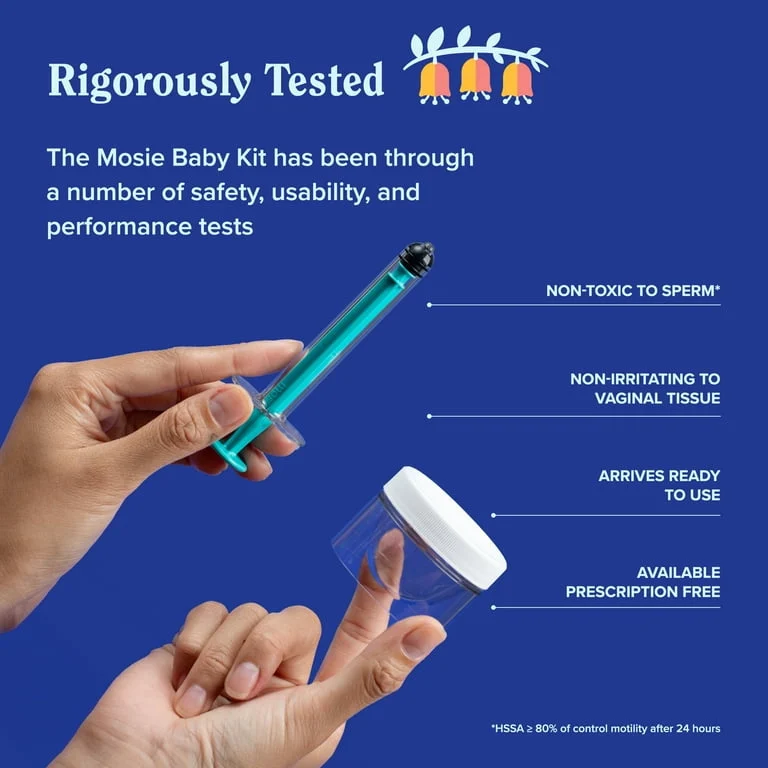
    Mosie Baby Kit with a syringe and container, highlighting safety and usability features on a blue background.

    A Journey to Parenthood: Using a Home Insemination Starter Kit

    Challenges of Using a Home Insemination Starter Kit

    While home insemination may seem like an easy and straightforward process, there are some challenges that couples may face. One of the main challenges is the success rate, which can vary depending on factors such as sperm quality and timing of insemination. It is essential to have realistic expectations and understand that it may take multiple attempts before achieving a successful pregnancy.

    Another challenge is obtaining sperm from a donor. While some individuals may have a known donor, others may need to seek assistance from a sperm bank. This can be a lengthy and expensive process, and there is always the risk of not finding a suitable donor.

    Tips and Advice for Using a Home Insemination Starter Kit

    If you are considering using a home insemination starter kit, here are some tips and advice to help you along your journey:

    1. Consult with a fertility specialist: It is always a good idea to consult with a fertility specialist before trying any fertility method. They can provide guidance and advice specific to your individual situation.

    2. Choose a reputable kit: When selecting a home insemination starter kit, be sure to choose one from a reputable company. Look for reviews and recommendations from other couples who have used the kit.

    3. Be patient and persistent: As mentioned earlier, it may take multiple attempts to achieve a successful pregnancy. It is essential to be patient and persistent, keeping in mind that it may take time to conceive.

    4. Consider additional support: The journey to parenthood can be emotional and challenging, and it is essential to have a support system in place. This can include friends, family, or a support group for those using home insemination.

    In conclusion, embarking on the journey to parenthood using a home insemination starter kit can be a viable and convenient option for many couples. It is essential to understand the process, its benefits and challenges, and to seek advice and support along the way. With patience, persistence, and the right tools, couples can increase their chances of successfully conceiving and starting their journey to parenthood.

  • Taking the First Step: How a Home Insemination Starter Kit Can Help You Conceive

    Blog Post: Taking the First Step: How a Home Insemination Starter Kit Can Help You Conceive

    For many people, starting a family is a dream that they have been holding onto for a long time. It’s a journey that can be filled with excitement, anticipation, and sometimes, disappointment. When traditional methods of conception don’t work, many individuals and couples turn to alternative options such as home insemination. But where do you start? How do you ensure that you’re doing it right? This is where a home insemination starter kit can be a valuable tool in helping you take the first step towards conceiving.

    What is a Home Insemination Starter Kit?

    A home insemination starter kit is a comprehensive package that contains everything you need to successfully perform a home insemination. It typically includes items such as ovulation prediction kits, pregnancy tests, sperm-friendly lubricant, a cervical cap, and instructions on how to perform the procedure. These kits are designed to make the process of home insemination easier and more accessible for those who are trying to conceive.

    Why Choose a Home Insemination Starter Kit?

    There are several reasons why a home insemination starter kit can be a beneficial tool for those who are trying to conceive. Here are some of the top reasons why you should consider investing in one:

    1. Convenience and Accessibility

    One of the primary reasons why people opt for home insemination is the convenience and accessibility it offers. Unlike other methods, home insemination can be done in the comfort and privacy of your own home, making it a more comfortable and less stressful experience. With a starter kit, you have all the necessary items in one place, saving you time and effort in trying to gather everything you need.

    2. Cost-Effective

    Home insemination starter kits are often more cost-effective than other methods of conception. Intrauterine insemination (IUI) or in vitro fertilization (IVF) can be expensive and not always covered by insurance. By opting for a home insemination starter kit, you can save thousands of dollars while still having a high chance of conception.

    3. Increased Success Rates

    Home insemination can be a successful method of conception for many individuals and couples. By using a starter kit, you have access to quality products and step-by-step instructions on how to perform the procedure correctly. This can increase your chances of success, especially if you are new to the process and may be unsure about how to do it on your own.

    4. Take Control of Your Fertility Journey

    hands using a blue syringe to extract contents from a clear container for a home insemination kit

    Taking the First Step: How a Home Insemination Starter Kit Can Help You Conceive

    For those who have been struggling with infertility, home insemination can give them a sense of control over their fertility journey. By performing the procedure at home, individuals and couples can take an active role in the process and feel more empowered on their journey towards conception.

    5. Privacy and Discretion

    Home insemination offers privacy and discretion that other methods may not. For some individuals and couples, the process of trying to conceive can be a sensitive and intimate matter. By using a home insemination starter kit, you can avoid the potential embarrassment or discomfort of going to a fertility clinic or using other methods.

    How to Use a Home Insemination Starter Kit

    Using a home insemination starter kit is relatively simple and can be done in a few easy steps. Here’s a general guide on how to use a home insemination starter kit:

    1. Determine your ovulation window – The first step is to determine your ovulation window, which is when you are most likely to conceive. Ovulation prediction kits included in the starter kit can help you determine this.

    2. Prepare the sperm – If you are using donated sperm, you will need to thaw it according to the instructions provided. You can also use fresh sperm from your partner or a sperm donor.

    3. Use the sperm-friendly lubricant – A sperm-friendly lubricant helps create an environment that is conducive to sperm survival and mobility. Apply the lubricant to the cervical cap provided in the kit.

    4. Insert the cervical cap – The cervical cap is a small silicone cup that is inserted into the vagina and placed over the cervix. This helps to keep the sperm near the cervix, increasing the chances of fertilization.

    5. Perform the insemination – Once the cervical cap is in place, use a syringe to insert the sperm into the cap.

    6. Wait for the recommended time – The sperm should be left inside the cap for the recommended amount of time, usually 4-6 hours, to allow for fertilization to occur.

    7. Test for pregnancy – Use the pregnancy tests included in the kit to determine if the insemination was successful.

    Summary:

    For individuals and couples trying to conceive, a home insemination starter kit can be a valuable tool in helping them take the first step towards starting a family. These kits offer convenience, accessibility, cost-effectiveness, and increased success rates. They also allow individuals and couples to take control of their fertility journey, offer privacy and discretion, and can be used in the comfort of their own home. The process of using a home insemination starter kit is relatively simple, making it an accessible option for many.

  • Maximizing Your Chances of Conceiving: The Home Insemination Starter Kit

    Maximizing Your Chances of Conceiving: The Home Insemination Starter Kit

    Conceiving a child is a precious and life-changing experience for any couple. However, for some couples, it may not come as easily as they expected. This can be a frustrating and emotional journey, but with the right tools and techniques, you can increase your chances of conceiving. One method that has gained popularity among couples trying to conceive is home insemination. In this blog post, we will discuss the home insemination starter kit and how it can help maximize your chances of conceiving.

    What is Home Insemination?

    Home insemination is a method of artificial insemination that can be done in the comfort of your own home. It involves placing sperm into the female reproductive system in hopes of fertilization and pregnancy. This can be done using a variety of techniques such as a syringe, cervical cap, or a home insemination kit.

    Why Choose Home Insemination?

    There are several reasons why couples may choose home insemination as their method of conception. For some, it may be due to fertility issues or a medical condition that prevents them from conceiving naturally. Others may choose home insemination for personal or religious reasons. No matter the reason, home insemination can offer a more intimate and private experience for couples trying to conceive.

    Maximizing Your Chances of Conceiving

    For couples using home insemination as their method of conception, there are a few key factors to keep in mind to maximize their chances of conceiving. These include timing, sperm quality, and technique. Let’s explore each of these factors in more detail.

    Timing: Timing is crucial when it comes to home insemination. It is important to track your ovulation cycle and have intercourse or insemination during your fertile window. This will increase the chances of sperm reaching the egg and fertilizing it. There are various methods for tracking ovulation, such as using ovulation predictor kits or monitoring your basal body temperature.

    Sperm Quality: The quality of sperm used in home insemination is also a crucial factor in conception. It is essential to ensure that the sperm is healthy, motile, and has a high enough sperm count. This can be done by obtaining sperm from a sperm donor or using a sperm bank. It is recommended to have the sperm tested and frozen to ensure its quality and viability.

    Technique: The technique used for home insemination is also vital in maximizing your chances of conceiving. It is essential to follow the instructions provided by the home insemination kit carefully. This may include using a syringe or cervical cap to place the sperm near the cervix or using a specially designed syringe to inject the sperm into the uterus. Proper technique will help ensure that the sperm reaches the egg for fertilization.

    Introducing the Home Insemination Starter Kit

    For couples who are new to home insemination, the process may seem daunting and overwhelming. This is where the home insemination starter kit comes in. This kit contains all the essential tools and instructions needed for a successful home insemination. Here are some of the key components of a home insemination starter kit:

    1. Syringe: A syringe is one of the most common tools used for home insemination. It is a small plastic tube with a plunger at one end and a nozzle at the other. The syringe is used to collect and insert the sperm into the female reproductive system.

    hands using a blue syringe to extract contents from a clear container for a home insemination kit

    Maximizing Your Chances of Conceiving: The Home Insemination Starter Kit

    2. Cervical Cap: A cervical cap is a small silicone cup that is placed over the cervix to hold the sperm in place. This can be a useful tool for couples who have a hard time keeping the sperm near the cervix during home insemination.

    3. Sperm Collection Cup: This cup is used to collect the sperm from the donor or sperm bank. It is essential to use a clean and sterile cup to ensure the quality of the sperm.

    4. Instructions: A home insemination starter kit usually comes with detailed instructions on how to use the kit properly. It is crucial to follow these instructions carefully to maximize your chances of conceiving.

    5. Lubricant: Using a sperm-friendly lubricant can also help increase the chances of sperm reaching the egg. It is important to avoid lubricants that may harm sperm, such as those with spermicidal properties.

    6. Pregnancy Tests: Some home insemination starter kits also include pregnancy tests to help you track your progress and confirm if conception has occurred.

    Tips for Using the Home Insemination Starter Kit

    While the home insemination starter kit comes with everything you need, there are a few additional tips to keep in mind to increase your chances of conceiving:

    1. Keep the sperm at room temperature: Before using the sperm, it is important to let it reach room temperature. This helps maintain the viability of the sperm.

    2. Use a comfortable position: Finding a comfortable position for home insemination can help reduce discomfort and increase the chances of sperm reaching the cervix.

    3. Stay relaxed: Stress and tension can hinder the success of home insemination. It is important to stay relaxed and calm during the process.

    4. Consider seeking professional help: If you have been trying to conceive for a while without success, it may be beneficial to seek help from a fertility specialist. They can provide guidance and assistance on home insemination and other fertility treatments.

    Conclusion

    Home insemination can be an effective and intimate method of conception for couples trying to conceive. By carefully tracking ovulation, using high-quality sperm, and following proper technique and using the home insemination starter kit, couples can maximize their chances of conceiving. Remember to stay relaxed and seek professional help if needed, and with patience and perseverance, you may just achieve your dream of starting a family.

    In summary, home insemination is a method of artificial insemination that can be done in the comfort of your own home. It offers a more intimate and private experience for couples trying to conceive and can be a great option for those with fertility issues or personal reasons. To maximize your chances of conceiving, it is essential to track ovulation, use high-quality sperm, and follow proper technique. The home insemination starter kit is a helpful tool that contains all the necessary components for a successful home insemination. By keeping these tips in mind and staying relaxed, you can increase your chances of conceiving and starting your journey to parenthood.

  • The Top 10 Must-Haves in a Home Insemination Starter Kit

    Blog Post Title: The Top 10 Must-Haves in a Home Insemination Starter Kit

    Summary: Home insemination is a popular option for individuals or couples looking to start or expand their family. It offers a more affordable and private alternative to traditional fertility treatments. However, to ensure a successful insemination, it is important to have the right tools. In this blog post, we will discuss the top 10 must-haves in a home insemination starter kit, including everything from ovulation predictor kits to sperm-friendly lubricants, to help you prepare for your journey to parenthood.

    1. Ovulation Predictor Kit (OPK): The first step in home insemination is to determine your ovulation window. An OPK is a simple and effective way to track your ovulation by detecting the surge of luteinizing hormone (LH) in your urine. This surge indicates that ovulation is about to occur, making it the optimal time for insemination.

    2. Basal Body Thermometer: Another tool for tracking ovulation is a basal body thermometer. This thermometer is more sensitive than a regular one and can detect small changes in your body temperature. Tracking your basal body temperature can help pinpoint your ovulation window more accurately.

    3. Syringes or Speculum: Depending on the method of insemination you choose, you will need either syringes or a speculum. Syringes are used for intracervical insemination (ICI), where the sperm is inserted into the cervical opening. A speculum is needed for intrauterine insemination (IUI), where the sperm is placed directly into the uterus.

    4. Collection Cup: A clean and sterile collection cup is necessary for collecting the semen sample. It is important to use a sterile cup to avoid any contamination that may affect the sperm’s quality.

    guide and materials for using Mosie Baby fertility kit on a textured surface

    The Top 10 Must-Haves in a Home Insemination Starter Kit

    5. Sperm-Friendly Lubricant: Regular lubricants can be harmful to sperm and decrease their motility. It is essential to use a sperm-friendly lubricant to provide a conducive environment for the sperm to travel through the cervix and reach the egg.

    6. Conception-Friendly Vitamins: While not necessary, taking conception-friendly vitamins can help improve your overall fertility and increase your chances of conception. These vitamins usually contain folic acid, which is essential for the development of a healthy baby.

    7. Sterile Gloves: It is crucial to maintain a sterile environment during the insemination process. Sterile gloves can help prevent any contamination and ensure the sperm’s safety and effectiveness.

    8. Collection Cup Warmer: Sperm samples need to be kept at body temperature to maintain their viability. A collection cup warmer can help keep the sperm at the optimal temperature until it is ready to be used.

    9. Pregnancy Test: Once the insemination is done, the waiting game begins. Having a pregnancy test on hand can help you determine if the insemination was successful or not. It is recommended to wait at least two weeks after insemination before taking a pregnancy test.

    10. Emotional Support: Insemination, whether done at home or in a medical setting, can be a stressful and emotional journey. It is essential to have emotional support from a partner, friend, or therapist to help you cope with any challenges and stay positive throughout the process.

    In summary, a home insemination starter kit should include an ovulation predictor kit, basal body thermometer, syringes or speculum, collection cup, sperm-friendly lubricant, conception-friendly vitamins, sterile gloves, collection cup warmer, pregnancy test, and emotional support. These essential items will help you track your ovulation, collect and insert the sperm, and provide a conducive environment for conception to occur.

  • Everything You Need to Know About Home Insemination Starter Kits

    Summary:

    Home insemination starter kits have become increasingly popular among couples who are trying to conceive. These kits provide a convenient and cost-effective option for at-home insemination, eliminating the need for expensive fertility treatments or visits to a fertility clinic. However, with so many different options available, it can be overwhelming to know which kit is the best fit for you and your partner. In this blog post, we will discuss everything you need to know about home insemination starter kits, including what they are, how they work, the different types available, and tips for choosing the right one for you.

    What is a Home Insemination Starter Kit?

    A home insemination starter kit is a collection of supplies and equipment that are necessary for performing insemination at home. These kits typically include items such as ovulation tests, pregnancy tests, sperm-friendly lubricant, syringes or cups for collecting and inserting sperm, and instructions for use. Some kits may also include additional items such as fertility supplements, basal body thermometers, and sperm-friendly vitamins.

    How Does Home Insemination Work?

    Home insemination involves placing sperm inside the woman’s reproductive tract in order to increase the chances of fertilization. This can be done using a variety of methods, such as cervical insemination, intracervical insemination, or intrauterine insemination. Home insemination kits typically provide the necessary tools for performing cervical or intracervical insemination, which involves placing the sperm near the cervix using a syringe or cup. Intrauterine insemination requires a more specialized procedure and should be performed by a medical professional.

    Types of Home Insemination Starter Kits

    There are several types of home insemination starter kits available on the market. Some kits are designed specifically for lesbian couples, while others are suitable for heterosexual couples. Some kits may also cater to single women who are trying to conceive. Additionally, there are kits available for couples who are using donor sperm, as well as those who are using the male partner’s sperm. It is important to carefully read the product description and ensure that the kit is suitable for your specific situation before making a purchase.

    blue box with "mosie" logo, syringes, and informational pamphlet on a pink background

    Everything You Need to Know About Home Insemination Starter Kits

    Tips for Choosing the Right Home Insemination Starter Kit

    1. Consider Your Specific Needs: As mentioned, there are different types of home insemination starter kits available, so it is important to consider your specific needs before making a purchase. Are you a lesbian couple? Using donor sperm? Trying to conceive with your male partner? Make sure the kit you choose is suitable for your situation.

    2. Read Reviews: Before purchasing a home insemination kit, take the time to read reviews from other couples who have used the product. This will give you a better idea of the kit’s effectiveness and ease of use.

    3. Check the Expiration Date: Home insemination kits typically have an expiration date, so make sure to check this before purchasing. Using an expired kit can affect the success of your insemination.

    4. Look for FDA Approval: While home insemination kits are not regulated by the FDA, some kits may have individual products that are FDA approved. This can provide an extra level of assurance for the safety and effectiveness of the kit.

    5. Consider Your Budget: Home insemination kits can range in price from around $50 to over $200. Consider your budget and choose a kit that fits within your means. However, keep in mind that cheaper kits may not always be as effective.

    In Conclusion

    Home insemination starter kits can provide a convenient and affordable option for couples who are trying to conceive. By understanding what these kits are, how they work, and the different types available, you can make an informed decision on which kit is the best fit for you and your partner. Remember to carefully consider your specific needs, read reviews, check expiration dates, and consider FDA approval when choosing a home insemination kit. With the right kit and proper use, you and your partner may be one step closer to achieving your dream of starting a family.

  • Creating Your Own Path to Parenthood: The Home Insemination Starter Kit

    Creating Your Own Path to Parenthood: The Home Insemination Starter Kit

    Parenthood is a journey that many people dream of, but for some, it may not come as easily as they hoped. Whether you are a single individual or a same-sex couple, there are many ways to create your own path to parenthood. One option that has become increasingly popular in recent years is home insemination. This method allows individuals or couples to take control of their own fertility and start their journey to parenthood in the comfort of their own home. In this blog post, we will discuss the basics of home insemination and how to create your own home insemination starter kit to help you on your path to parenthood.

    What is Home Insemination?

    Home insemination, also known as at-home insemination, is a method of artificial insemination that can be done in the privacy of your own home. It involves depositing sperm into the vagina or cervix in order to fertilize an egg and initiate pregnancy. This method is often used by same-sex couples or single individuals who want to become parents, as well as by couples who are struggling with fertility issues. It is a simple and cost-effective option compared to other fertility treatments, and it can be done without the involvement of a medical professional.

    Creating Your Home Insemination Starter Kit

    Before starting the home insemination process, it is important to gather all the necessary supplies. Here is a list of items that should be included in your home insemination starter kit:

    1. Sperm

    The most important component of a home insemination starter kit is, of course, sperm. You can obtain sperm from a sperm bank, a known donor, or a friend. If using a sperm bank, you can choose from a variety of donors based on physical characteristics, medical history, and other criteria. If using a known donor or a friend, it is important to have them tested for sexually transmitted infections and to have a legal agreement in place. It is also recommended to have the sperm frozen and tested for quality before use.

    2. Ovulation Predictor Kit

    In order to increase the chances of a successful insemination, it is important to track ovulation. An ovulation predictor kit can help you determine when you are ovulating by detecting the surge in luteinizing hormone (LH) in your urine. This surge usually occurs 24-36 hours before ovulation, giving you the optimal time frame for insemination.

    3. Syringe or Turkey Baster

    A syringe or turkey baster can be used to deposit the sperm into the vagina or cervix. It is important to use a clean and sterile syringe or turkey baster to avoid any risk of infection. It is also recommended to use a soft-tipped syringe or baster to prevent any damage to the cervix.

    4. Speculum

    A speculum is a tool used to hold open the walls of the vagina in order to access the cervix. It is not necessary for home insemination, but it can make the process easier and more comfortable.

    5. Soft Cup or Instead Softcup

    A soft cup or Instead Softcup is a flexible, disposable cup that is placed in the vagina to collect and hold sperm close to the cervix. It can increase the chances of conception by keeping sperm near the cervix for a longer period of time.

    6. Lubricant

    Using a lubricant during insemination can make the process more comfortable and less painful. However, it is important to choose a fertility-friendly lubricant, as some lubricants can harm sperm and decrease their chances of reaching the egg.

    two teal and clear syringes positioned on a white background

    Creating Your Own Path to Parenthood: The Home Insemination Starter Kit

    7. Pregnancy Test

    After insemination, you will have to wait for about two weeks to take a pregnancy test. It is important to have a pregnancy test on hand to check for pregnancy and to avoid any unnecessary stress or anxiety.

    The Process of Home Insemination

    Now that you have gathered all the necessary supplies, it is time to start the home insemination process. Here are the basic steps to follow:

    1. Determine when you are ovulating using an ovulation predictor kit.

    2. Collect the sperm in a sterile container.

    3. Use a syringe or turkey baster to deposit the sperm into the vagina or cervix. If using a soft cup or Instead Softcup, place it in the vagina after depositing the sperm.

    4. Keep your hips elevated for 15-20 minutes to allow the sperm to reach the cervix.

    5. Remove the soft cup or Instead Softcup after 4-6 hours.

    6. Wait for about two weeks before taking a pregnancy test.

    It is important to note that home insemination may not be successful on the first try. It may take several attempts before achieving pregnancy, so it is important to be patient and keep trying.

    Important Considerations

    Before embarking on the home insemination journey, it is important to consider a few important factors.

    1. Consult with a healthcare professional: It is always a good idea to consult with a healthcare professional before starting any fertility treatments. They can provide valuable advice and make sure that you are physically and emotionally ready for the process.

    2. Have realistic expectations: While home insemination can be a successful method of achieving pregnancy, it is important to have realistic expectations. Pregnancy may not happen right away, and it may take several attempts before achieving success.

    3. Seek support: Starting the journey to parenthood can be an emotionally challenging experience. It is important to seek support from your partner, family, friends, or a support group to help you through the process.

    Summary

    Creating your own path to parenthood through home insemination can be a rewarding and empowering experience. By gathering the necessary supplies and following the basic steps, you can take control of your fertility journey and increase your chances of achieving pregnancy. However, it is important to consider the important factors and seek support along the way.

  • DIY Baby Making: The Benefits of a Home Insemination Starter Kit

    Blog Post Title: DIY Baby Making: The Benefits of a Home Insemination Starter Kit

    Introduction:
    Bringing a new life into this world is a beautiful and exciting journey. For some couples, the process of conceiving a baby is not as easy as they had hoped. This can lead to feelings of frustration and disappointment. However, with advancements in medical technology, there are now various options available for couples to help them achieve their dream of having a baby. One such option is home insemination, which can be done using a home insemination starter kit. In this blog post, we will discuss the benefits of using a home insemination starter kit and how it can make the journey of conceiving a baby a little easier.

    What is a Home Insemination Starter Kit?
    A home insemination starter kit is a set of tools and supplies that are used to perform artificial insemination at home. It typically includes a syringe or bulb, a collection cup, and a sample of sperm. These kits are easily available online and can be purchased without a prescription. They are designed to be user-friendly, convenient, and affordable, making it a popular choice among couples trying to conceive.

    Benefits of Using a Home Insemination Starter Kit:
    1. Cost-Effective:
    One of the major benefits of using a home insemination starter kit is that it is cost-effective. Insemination procedures in a medical setting can be quite expensive, and not all insurance plans cover them. Home insemination kits, on the other hand, are relatively affordable and can save couples a significant amount of money.

    2. Privacy:
    For some couples, the idea of going through a medical procedure can be intimidating and uncomfortable. With a home insemination starter kit, the entire process can be done in the comfort and privacy of one’s home. This allows couples to feel more relaxed and at ease, which can have a positive impact on the success of the insemination.

    3. Convenient:
    Using a home insemination starter kit is also a convenient option for couples trying to conceive. It eliminates the need for repeated visits to a medical facility and allows couples to perform the procedure at their own convenience. This can be especially beneficial for couples with busy schedules or those who live far from a fertility clinic.

    4. Increased Chances of Success:
    Studies have shown that home insemination can be just as effective as medical insemination when done correctly. In fact, some couples have reported a higher success rate with home insemination as it allows them to time the procedure based on ovulation, increasing the chances of conception.

    pregnancy test kit with instructions, test device, and packaging on a white background

    DIY Baby Making: The Benefits of a Home Insemination Starter Kit

    5. Control Over the Process:
    Having control over the insemination process can be empowering for couples. With a home insemination starter kit, couples can take charge of their journey and feel more involved in the process. This can be particularly beneficial for those who have had negative experiences with medical procedures in the past.

    Tips for Using a Home Insemination Starter Kit:
    1. Read the Instructions Carefully:
    Before using a home insemination starter kit, it is crucial to read the instructions carefully. Each kit may have different specifications, and it is important to follow them accurately to ensure the best chances of success.

    2. Time it Right:
    Timing is crucial when it comes to insemination. It is essential to track ovulation and perform the procedure during the most fertile days of the menstrual cycle. This increases the chances of the sperm successfully fertilizing the egg.

    3. Consider Using a Fertility Lubricant:
    Some home insemination kits come with a fertility lubricant, which can help the sperm reach the egg more easily. If the kit does not include one, it is recommended to use a fertility-friendly lubricant to avoid any hindrances in the process.

    4. Seek Medical Advice:
    While home insemination can be a convenient and cost-effective option, it is always advisable to seek medical advice before attempting it. A fertility specialist can provide guidance and answer any questions or concerns that couples may have.

    Conclusion:
    The journey of conceiving a baby can be challenging for some couples. Home insemination starter kits offer a convenient, affordable, and private option for those struggling with fertility. With its numerous benefits and success rates, it is definitely worth considering for couples trying to start a family.

    Summary:
    DIY Baby Making: The Benefits of a Home Insemination Starter Kit
    – Home insemination starter kits are tools and supplies used for artificial insemination at home.
    – They are cost-effective, private, and convenient, making them a popular choice for couples trying to conceive.
    – Using a home insemination kit can increase the chances of success, give couples control over the process, and save them from repeated medical visits.
    – It is important to read the instructions carefully, time the procedure correctly, and consider using a fertility lubricant for better results.
    – Seek medical advice before attempting home insemination.