Tag: alternative methods

  • Breaking the Taboo: Home Insemination for Same-Sex Couples

    Breaking the Taboo: Home Insemination for Same-Sex Couples

    In recent years, there has been a significant increase in the number of same-sex couples who are starting families through alternative methods such as adoption, surrogacy, and home insemination. While adoption and surrogacy may be more commonly known, home insemination is a method that is often overlooked and stigmatized. However, with advancements in technology and a growing acceptance of non-traditional families, home insemination is becoming a more viable and popular option for same-sex couples. In this blog post, we will discuss the taboo surrounding home insemination for same-sex couples, its benefits, and how to navigate the process.

    The Taboo Surrounding Home Insemination for Same-Sex Couples

    One of the main reasons why home insemination for same-sex couples is considered taboo is the lack of understanding and education surrounding the topic. Many people are unaware that it is even possible for same-sex couples to conceive a child at home without the help of a medical professional. As a result, there is a lot of misinformation and stigma surrounding the topic.

    Another reason for the taboo is the misconception that home insemination is only for desperate couples who cannot afford other methods of conception. This could not be further from the truth. Home insemination is a well thought out and planned method of conception that many same-sex couples choose due to its affordability, privacy, and convenience.

    Benefits of Home Insemination for Same-Sex Couples

    Privacy is a significant benefit of home insemination for same-sex couples. Unlike other methods such as IVF or surrogacy, home insemination allows couples to conceive in the comfort and privacy of their own home. This is especially appealing for same-sex couples who may not feel comfortable in a clinical setting or may want to keep their journey to parenthood more private.

    Two transparent syringes with teal accents positioned diagonally on a light gray background.

    Breaking the Taboo: Home Insemination for Same-Sex Couples

    Another benefit is the cost. Home insemination is significantly less expensive than other methods of conception, making it more accessible for many same-sex couples. The cost of sperm donation and insemination kits is much lower than the costs associated with adoption or surrogacy. This can be a huge relief for couples who may be struggling with the financial burden of starting a family.

    Additionally, home insemination allows for more control over the process. Unlike other methods where couples may have to wait for a donor or surrogate, home insemination allows them to choose the timing and frequency of insemination. This can be especially beneficial for couples who have busy schedules or may have difficulty coordinating with a third party.

    Navigating the Process of Home Insemination

    While home insemination may seem like a straightforward process, there are still important steps to follow to ensure a safe and successful conception. The first step is to determine the method of insemination, whether it be through a known donor or a sperm bank. It is essential to thoroughly research and understand the legal implications and risks involved with each option.

    Next, couples should consult with a medical professional to discuss any potential health concerns and ensure that they are physically ready for the process. It is also crucial to seek legal advice to understand the legal rights and responsibilities of each partner and the donor.

    Once the necessary considerations have been made, couples can then purchase an insemination kit and follow the instructions carefully. It is important to note that home insemination does not guarantee pregnancy, and it may take multiple attempts before success is achieved.

    Breaking the taboo surrounding home insemination for same-sex couples is crucial in creating a more inclusive and accepting society. By educating ourselves and others about this option, we can help remove the stigma and provide support for those who choose this path to parenthood.

    In conclusion, home insemination is a valid and increasingly popular method of conception for same-sex couples. Its benefits of privacy, affordability, and control make it an appealing option for many. As society continues to progress towards acceptance and understanding of non-traditional families, it is essential to break the taboo surrounding home insemination and support all individuals in their journey to parenthood.


  • Exploring Alternative Methods: How a Syringe Kit Can Aid in Natural Conception

    Exploring Alternative Methods: How a Syringe Kit Can Aid in Natural Conception

    In recent years, there has been an increasing interest in alternative methods for achieving pregnancy. Many couples facing fertility challenges are turning to natural conception methods, such as home insemination, as a more affordable and less invasive option compared to assisted reproductive techniques. One tool that has gained attention in this journey is the syringe kit. In this blog post, we will explore how a syringe kit can aid in natural conception and its benefits for couples trying to conceive.

    What is a Syringe Kit?

    A syringe kit, also known as an insemination kit, is a set of tools designed specifically for at-home insemination. It typically includes a sterile syringe, a catheter, and a collection cup. The syringe is used to collect the sperm sample, while the catheter is used to insert the sperm into the cervix. The collection cup is used to hold the sperm sample during the insemination process.

    How Does a Syringe Kit Aid in Natural Conception?

    1. Increases Sperm Survival Rate

    When using a syringe kit for home insemination, the sperm is placed directly into the cervix, increasing its chances of reaching the fallopian tubes. This method bypasses the acidic environment of the vagina, which can be harmful to sperm. By increasing the sperm’s survival rate, couples are more likely to achieve pregnancy.

    2. Allows for Timing Control

    Timing is crucial in natural conception. With a syringe kit, couples have more control over when they insert the sperm into the cervix, ensuring that it is done at the most optimal time during the woman’s fertile window. This is especially helpful for couples with irregular ovulation or those using fertility tracking methods to determine the best time for insemination.

    3. Cost-Effective

    hands using a blue syringe to extract contents from a clear container for a home insemination kit

    Exploring Alternative Methods: How a Syringe Kit Can Aid in Natural Conception

    Assisted reproductive techniques, such as intrauterine insemination (IUI) or in vitro fertilization (IVF), can be expensive and not always covered by insurance. A syringe kit, on the other hand, can be purchased for a fraction of the cost and used in the comfort of one’s home. This makes it a more affordable option for couples trying to conceive.

    4. Less Invasive

    Compared to other assisted reproductive techniques, using a syringe kit for home insemination is relatively non-invasive. There are no necessary medical procedures or medications involved, making it a more comfortable and less intimidating option for couples.

    5. Easy to Use

    Syringe kits are designed to be user-friendly, with clear instructions on how to collect and insert the sperm. Couples can perform the insemination in the privacy of their own home, eliminating any potential embarrassment or discomfort that may come with medical procedures.

    6. Can Be Used by Same-Sex Couples and Single Women

    One of the significant benefits of using a syringe kit for natural conception is that it can be used by same-sex couples and single women. These individuals may not have access to sperm donation through a clinic, making home insemination with a syringe kit a viable option for starting a family.

    7. Can Be Used Alongside Other Fertility Treatments

    For couples undergoing fertility treatments, such as IUI or IVF, using a syringe kit can be a complementary method to increase their chances of success. It can also be used alongside natural conception methods, such as tracking ovulation, to boost the chances of pregnancy.

    In conclusion, a syringe kit can be a valuable tool for couples trying to conceive through natural methods. It offers several benefits, including increased sperm survival rate, timing control, cost-effectiveness, and ease of use. Whether used alone or in combination with other fertility treatments, a syringe kit can aid in natural conception and help couples achieve their dream of starting a family.

  • Creating a Family from Scratch: DIY Baby-Making Essentials Set

    Creating a Family from Scratch: DIY Baby-Making Essentials Set

    Starting a family is one of the most exciting and life-changing experiences a couple can go through. However, for some, the process of conceiving a child may not be as straightforward as they had hoped. This is where the concept of DIY baby-making essentials comes in. With the right tools and techniques, couples can increase their chances of conceiving and have more control over their journey to parenthood. In this blog post, we will guide you through the process of creating a DIY baby-making essentials set, from ovulation tracking to fertility-boosting supplements.

    Ovulation Tracking

    The first step in creating a DIY baby-making essentials set is to track ovulation. Ovulation is the process in which a mature egg is released from the ovary, ready to be fertilized by sperm. It is crucial to track ovulation as it is the most fertile time of the woman’s menstrual cycle. Many tools and methods can help in tracking ovulation, such as ovulation predictor kits, basal body temperature charting, and cervical mucus monitoring.

    Ovulation predictor kits (OPKs) are a popular choice as they are easy to use and readily available. They work by detecting the surge in luteinizing hormone (LH), which occurs 24-48 hours before ovulation. This surge indicates that ovulation is about to occur, giving couples a window of opportunity to try to conceive. Basal body temperature charting involves taking your temperature every morning before getting out of bed and recording it on a chart. A slight rise in temperature indicates that ovulation has occurred. Cervical mucus monitoring involves observing changes in the consistency and color of cervical mucus throughout the menstrual cycle. As ovulation approaches, the mucus becomes clearer, stretchier, and more abundant, creating a more hospitable environment for sperm.

    Fertility-Boosting Supplements

    In addition to tracking ovulation, there are also certain supplements that can help boost fertility. These supplements are not meant to replace a healthy diet, but rather to complement it. Some of the most commonly used fertility-boosting supplements include folic acid, zinc, and Coenzyme Q10. Folic acid is essential for fetal development and can help prevent birth defects. Zinc is crucial for healthy sperm production and can improve sperm quality and motility. Coenzyme Q10 is a powerful antioxidant that can help protect the eggs from damage and improve overall reproductive health.

    Fertility-friendly Diet

    Mosie Baby At-Home Insemination Kit instructions and storage guidelines on a blue background.

    Creating a Family from Scratch: DIY Baby-Making Essentials Set

    A healthy and balanced diet is crucial for overall well-being, but it can also play a significant role in fertility. A fertility-friendly diet should include plenty of fruits, vegetables, whole grains, and lean proteins. It is also essential to limit or avoid processed foods, trans fats, and excessive caffeine and alcohol consumption. Some foods that are known to boost fertility include avocados, leafy greens, berries, and nuts. It is also recommended to incorporate fertility-boosting herbs such as maca root, red raspberry leaf, and chasteberry into your diet.

    Stress Management

    Stress can have a significant impact on fertility by disrupting hormone balance and ovulation. Therefore, it is essential to find ways to manage stress when trying to conceive. This can include practicing relaxation techniques such as yoga, meditation, or deep breathing exercises. It is also vital to communicate openly with your partner and find support from friends and family during this time.

    Alternative Methods

    Apart from the traditional methods mentioned above, there are also alternative methods that some couples may choose to try. These include acupuncture, massage therapy, and herbal supplements. Acupuncture can improve blood flow to the reproductive organs, balance hormones, and reduce stress. Massage therapy can also help improve blood flow and reduce stress levels. However, it is essential to consult with a qualified professional before trying any alternative methods.

    In conclusion, creating a DIY baby-making essentials set can be a fun and empowering way for couples to take control of their journey to parenthood. By tracking ovulation, incorporating fertility-boosting supplements and a healthy diet, managing stress, and considering alternative methods, couples can increase their chances of conceiving and create a loving family from scratch.

    Summary:

    Creating a family from scratch can be an exciting and life-changing experience, but for some, the process of conceiving may not be as straightforward as they had hoped. That’s where the concept of DIY baby-making essentials comes in. By tracking ovulation, incorporating fertility-boosting supplements and a healthy diet, managing stress, and considering alternative methods, couples can increase their chances of conceiving and create a loving family from scratch.

  • DIY Conception: Essential Tools for Making a Baby at Home

    DIY Conception: Essential Tools for Making a Baby at Home

    The journey to parenthood is a beautiful and exciting one, but for some couples, it may not come as easily as expected. With the rise of medical advancements, assisted reproductive technology has become a popular option for couples struggling with infertility. However, for those who prefer a more natural approach or have financial constraints, DIY conception at home has become a viable alternative. In this blog post, we will discuss the essential tools and techniques for making a baby at home through DIY conception.

    Understanding Your Fertility

    The first step towards DIY conception is understanding your fertility. Tracking your menstrual cycle, ovulation, and basal body temperature can help determine your most fertile days. Several tools and methods can assist in this process, such as ovulation predictor kits, fertility apps, and fertility monitors. These tools can accurately predict the best time to try for a baby, increasing your chances of success.

    Improving Sperm Quality

    For DIY conception, it takes two to tango, and sperm quality plays a crucial role in the process. Factors such as diet, lifestyle, and age can affect sperm quality. To increase the chances of conception, men should maintain a healthy diet, exercise regularly, and avoid harmful substances like alcohol and tobacco. Supplements like zinc, selenium, and vitamin C have shown to improve sperm count, motility, and morphology.

    Natural Fertility Supplements

    In addition to improving sperm quality, women can also take natural fertility supplements to boost their chances of conception. Some popular supplements include folic acid, vitamin D, and Coenzyme Q10. These supplements can help regulate hormones, improve egg quality, and increase the chances of implantation. However, it is essential to consult with a healthcare provider before starting any new supplements, especially if you have underlying medical conditions or take other medications.

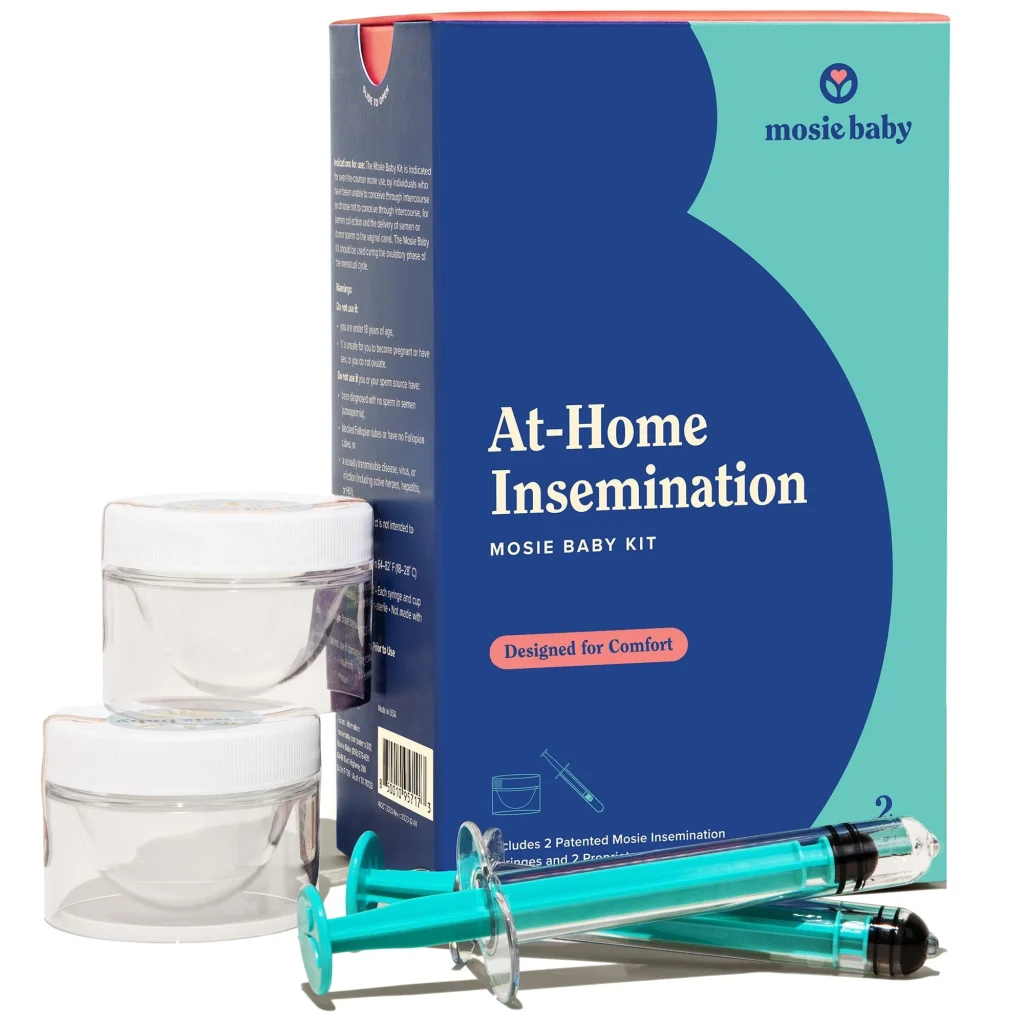
    at-home insemination kit by Mosie Baby, featuring syringes and containers for comfort and convenience.

    DIY Conception: Essential Tools for Making a Baby at Home

    DIY Conception Techniques

    There are several DIY conception techniques that couples can try at home. These include timed intercourse, cervical mucus monitoring, and the sperm meets egg plan. Timed intercourse involves having sex during the woman’s most fertile days. Cervical mucus monitoring involves tracking changes in the cervical mucus, which can indicate ovulation. The sperm meets egg plan is a method where couples have sex every other day during the woman’s most fertile window.

    Alternative Conception Methods

    Aside from traditional DIY conception techniques, there are also alternative methods that couples can try at home. These include using a cervical cap or soft cup to collect and insert sperm near the cervix, using a turkey baster or needleless syringe to deposit sperm near the cervix, and using a menstrual cup to collect sperm and insert it near the cervix. These methods may be helpful for couples with male factor infertility or women with hostile cervical mucus.

    Maintaining a Healthy Lifestyle

    In addition to using various tools and techniques, maintaining a healthy lifestyle is crucial for DIY conception. Eating a nutritious and balanced diet, exercising regularly, managing stress, and avoiding harmful substances can all contribute to a healthy reproductive system. It is also essential to maintain a healthy weight, as being overweight or underweight can affect fertility.

    Seeking Professional Help

    Although DIY conception can be a viable option for some couples, it is crucial to seek professional help if you are struggling to conceive. A fertility specialist can help identify any underlying issues and provide guidance and treatment options. They can also monitor your progress and provide support throughout the process.

    In conclusion, DIY conception is a natural and inexpensive alternative for couples who want to start a family at home. By understanding your fertility, improving sperm quality, taking natural supplements, and using various techniques, you can increase your chances of conception. Maintaining a healthy lifestyle and seeking professional help when needed is also crucial for a successful DIY conception journey. Remember to be patient and stay positive, as it may take a few cycles to achieve a successful pregnancy. With the right tools, techniques, and mindset, you can make your dream of starting a family a reality.

  • and Beyond: Syringe Kits for Continued Fertility Support

    Blog Post Title: Beyond Syringe Kits: Navigating Fertility Support Beyond Traditional Methods

    Summary:

    Fertility struggles can be a challenging and emotional journey for many couples and individuals. While traditional methods such as in vitro fertilization (IVF) have been successful for some, they may not work for everyone. This is where alternative methods like at-home insemination and syringe kits come into play.

    Syringe kits have become increasingly popular in the fertility community due to their ease and convenience. These kits typically include a syringe, a needle, and a vial of sperm, making it possible for couples to inseminate at home without the assistance of a medical professional. However, there is a lack of information and resources available for those who are considering or currently using syringe kits for fertility support.

    In this blog post, we will dive deeper into the world of syringe kits for continued fertility support. We will discuss the benefits and drawbacks of using syringe kits, how to properly use them, and the importance of seeking professional guidance throughout the process. We will also explore alternative methods and resources for those who are looking for additional support on their fertility journey.

    Benefits of Syringe Kits:

    One of the main benefits of syringe kits is the convenience they offer. Inseminating at home can save couples time and money, as opposed to going to a fertility clinic for each insemination attempt. It also allows for more privacy and comfort, which can be crucial for some individuals who may feel uncomfortable with the medical setting of a clinic.

    Syringe kits also provide a sense of control and empowerment for couples, as they are able to take an active role in the fertility process. This can be especially important for those who have felt a lack of control or agency during their fertility journey.

    Drawbacks of Syringe Kits:

    While the convenience and control of syringe kits may seem appealing, there are some drawbacks to consider. One of the main concerns is the lack of medical supervision. Inseminating at home without the guidance of a medical professional can be risky, as there is a higher chance of infection or injury if proper precautions are not taken.

    pregnancy test kit features labeled for comfort and confidence on a teal background

    and Beyond: Syringe Kits for Continued Fertility Support

    Another drawback is the potential for inaccurate or expired sperm. Syringe kits may not always come from a reliable source, and it is crucial to ensure the sperm is safe and viable before using it for insemination. Additionally, there is a lack of regulation and quality control for syringe kits, which can lead to inconsistent results.

    Proper Usage of Syringe Kits:

    If you do decide to use a syringe kit for fertility support, it is important to follow proper usage guidelines. This includes using sterile equipment, following a strict insemination schedule, and seeking guidance from a medical professional throughout the process.

    It is also crucial to understand the fertility cycle and ovulation timing, as using a syringe kit at the wrong time can significantly decrease the chances of successful insemination. Seeking help from a fertility specialist or using ovulation predictor kits can help increase the chances of success.

    Beyond Syringe Kits: Alternative Methods and Resources:

    While syringe kits may work for some, they are not the only option for continued fertility support. Some individuals may find success with other at-home insemination methods such as the cervical cap method or soft cups. These methods involve using a barrier device to keep the sperm close to the cervix and increase the chances of fertilization.

    There are also resources available to those who are considering or currently using syringe kits. Online forums and support groups can provide a sense of community and offer advice and support from others who have gone through similar experiences. It is important to have a support system in place, both online and in-person, to navigate the emotional and physical challenges of fertility struggles.

    Final Thoughts:

    Fertility struggles can be a long and difficult journey, and it is important to have access to reliable information and resources for continued support. While syringe kits may offer convenience and control, it is crucial to consider the potential risks and seek guidance from a medical professional throughout the process. Additionally, exploring alternative methods and finding a supportive community can help individuals and couples navigate the challenges of fertility struggles.

    In conclusion, syringe kits can be a useful tool in the fertility journey, but they should not be the only method used. By understanding the benefits and drawbacks of syringe kits, properly using them, and seeking additional resources and support, individuals can take control of their fertility journey and increase their chances of success.

  • Find Your Fertility with 42: The Benefits of Syringe Starter Kits

    Blog Post: Find Your Fertility with 42: The Benefits of Syringe Starter Kits

    When it comes to trying to conceive, there are a lot of different methods and tools that couples can use to increase their chances of success. One such tool that has gained popularity in recent years is the syringe starter kit. These kits contain everything a couple needs to get started with at-home insemination, and they have quickly become a go-to option for many couples looking to start or expand their families. In this blog post, we will explore the benefits of syringe starter kits and how they can help you on your journey to parenthood.

    1. Convenience and Privacy

    One of the biggest benefits of using a syringe starter kit is the convenience and privacy it offers. Unlike other fertility treatments that may require multiple appointments at a clinic, syringe starter kits allow you to perform insemination in the comfort of your own home. This can be especially beneficial for couples who live in rural areas or have busy schedules that make it difficult to visit a fertility clinic regularly. Additionally, using a syringe starter kit allows for complete privacy, which can be a major factor for those who wish to keep their fertility journey private.

    2. Cost-Effective

    Fertility treatments can be expensive, and for many couples, cost is a major barrier to seeking help. However, syringe starter kits are a cost-effective option for couples looking to conceive. These kits typically cost a fraction of what a single visit to a fertility clinic would cost, making them more accessible to a wider range of people. Additionally, using a syringe starter kit eliminates the need for expensive fertility drugs, making it a more affordable option for many couples.

    3. Easy to Use

    Syringe starter kits are designed to be user-friendly, making them easy for anyone to use. The kit typically includes a syringe, catheter, and instructions on how to use them. The instructions are easy to follow, and most kits also come with online tutorials and support, making the process even more straightforward. This eliminates the need for medical training or expertise, making it a viable option for those who may not have access to a fertility specialist.

    4. Greater Control

    Using a syringe starter kit also gives couples greater control over the insemination process. They can choose the timing and frequency of insemination, which can be crucial for those with irregular ovulation cycles or other fertility issues. This control can also help to reduce the stress and anxiety that often comes with trying to conceive, as couples know exactly when and how the insemination is taking place.

    5. Safe and Sterile

    Syringe starter kits are designed to be safe and sterile, ensuring that the insemination process is as risk-free as possible. The syringe and catheter are made of medical-grade materials and are sterile, eliminating the risk of contamination or infection. Additionally, the kits are single-use, meaning that they are disposed of after each use, further reducing the risk of any complications.

    guide and materials for using Mosie Baby fertility kit on a textured surface

    Find Your Fertility with 42: The Benefits of Syringe Starter Kits

    6. Wide Availability

    Another major benefit of syringe starter kits is their wide availability. They can be purchased online or in many pharmacies, making them easily accessible to anyone who needs them. This is especially beneficial for those who may live in remote areas or have limited access to fertility clinics or specialists.

    7. Alternative to Traditional Insemination Methods

    For some couples, traditional insemination methods may not be an option. This could be due to medical reasons, financial constraints, or personal preference. Using a syringe starter kit offers an alternative to traditional methods, giving couples more options when it comes to starting or expanding their families.

    8. Greater Emotional Connection

    One of the most significant benefits of using a syringe starter kit is the potential for a greater emotional connection between partners. Unlike traditional insemination methods, using a syringe starter kit allows for couples to perform the insemination together. This can be a bonding experience for partners and can help to strengthen their relationship during the often-stressful process of trying to conceive.

    9. Can Be Used for Single Parents or Same-Sex Couples

    Syringe starter kits are not just limited to heterosexual couples. They can also be used by single parents or same-sex couples looking to start a family. This inclusivity makes syringe starter kits a valuable tool for all types of families.

    10. Can Be Used with Donor Sperm

    For those who need to use donor sperm, syringe starter kits offer a simple and straightforward way of inseminating at home. This eliminates the need for expensive and often complicated procedures at a fertility clinic, making the process more accessible for those who may not have the means to visit a specialist.

    In conclusion, syringe starter kits offer numerous benefits for couples looking to start or expand their families. From convenience and cost-effectiveness to greater control and inclusivity, these kits provide a viable alternative to traditional insemination methods. So, if you are looking to find your fertility with 42, consider giving a syringe starter kit a try.

    Summary:

    Syringe starter kits are a popular and convenient tool for couples trying to conceive. They offer privacy, affordability, and ease of use, making them a go-to option for many. These kits also provide greater control, safety, and inclusivity, making them an excellent alternative to traditional insemination methods. Whether you are a heterosexual couple, single parent, or same-sex couple, syringe starter kits offer numerous benefits in your journey to parenthood.

  • The DIY Approach to Conception: Home Insemination Explained

    Blog Post:

    Deciding to start a family is an exciting and monumental decision, and for some couples, the journey to conception may require a little extra effort. If you and your partner have been trying to conceive without success, you may be considering alternative methods like home insemination. This DIY approach to conception has gained popularity in recent years, offering a more affordable and intimate option for couples who are ready to start a family. In this blog post, we will explain the ins and outs of home insemination and provide a step-by-step guide to help you navigate this process.

    Home insemination, also known as at-home insemination, is a method of achieving pregnancy by placing sperm directly into the vagina or cervix without the use of medical equipment or procedures. This method can be used by same-sex couples, single individuals, or heterosexual couples who are experiencing fertility issues. While it may sound intimidating, home insemination can be a safe and effective way to conceive if done correctly.

    Before beginning the home insemination process, it’s important to understand the basics of fertility and ovulation. Ovulation typically occurs around day 14 of a woman’s menstrual cycle, but this can vary from person to person. It’s crucial to track your ovulation using methods like ovulation predictor kits or tracking your basal body temperature to determine the best time for insemination.

    The next step is to find a sperm donor. This can be a known donor, such as a friend or family member, or you can purchase donor sperm from a sperm bank. If using a known donor, it’s important to have a legal agreement in place to protect all parties involved. When purchasing donor sperm, you will have the option to choose between fresh or frozen sperm. Fresh sperm must be used within a few hours of collection, while frozen sperm can be stored for longer periods of time. It’s important to follow the instructions provided by the sperm bank when handling and thawing frozen sperm.

    Once you have determined the best time for insemination and have obtained the sperm, it’s time to prepare for the insemination process. The first step is to create a comfortable and sterile environment. This can be done by thoroughly washing your hands, sterilizing any equipment that will be used, and laying out all necessary supplies.

    pregnancy test kit with instructions, test device, and packaging on a white background

    The DIY Approach to Conception: Home Insemination Explained

    Next, you will need to use a syringe to collect the sperm. If using fresh sperm, the donor can ejaculate directly into the syringe. If using frozen sperm, you will need to thaw the sperm according to the instructions provided by the sperm bank. Once the sperm is collected, remove any air bubbles from the syringe and gently insert it into the vagina, aiming towards the cervix. Slowly inject the sperm into the cervix and remove the syringe. It’s important to remain laying down for at least 20 minutes after insemination to allow the sperm to travel towards the egg.

    After the insemination process, there are a few things you can do to increase your chances of pregnancy. Elevating your hips using a pillow or placing your legs against a wall can help the sperm reach the cervix more easily. It’s also recommended to avoid using the bathroom for at least 30 minutes after insemination to prevent any sperm from being expelled.

    It’s important to note that home insemination does not guarantee pregnancy and may require multiple attempts. It’s also essential to have open communication with your partner and to seek medical advice if you have been trying to conceive for an extended period of time without success.

    In conclusion, home insemination can be a safe and intimate way to conceive, and with proper preparation and understanding, it can be an effective method for starting a family. Remember to track your ovulation, use sterile techniques, and remain patient throughout the process. With perseverance and determination, you can achieve your dream of becoming a parent.

    Summary:

    Home insemination, also known as at-home insemination, is a method of achieving pregnancy by placing sperm directly into the vagina or cervix without the use of medical equipment or procedures. This DIY approach to conception can be used by same-sex couples, single individuals, or heterosexual couples experiencing fertility issues. Tracking ovulation, finding a sperm donor, and creating a sterile environment are essential steps in the home insemination process. After insemination, it’s important to elevate your hips and avoid using the bathroom to increase chances of pregnancy. It’s essential to have open communication with your partner and seek medical advice if needed. With perseverance and determination, home insemination can be an effective and intimate way to start a family.

  • The Syringe Method and Egg Quality: Improving Fertility Potential

    Blog Post: The Syringe Method and Egg Quality: Improving Fertility Potential

    In recent years, there has been a growing interest in alternative methods for improving fertility potential. One such method that has gained attention is the Syringe Method, also known as the “push and pull” method. This technique involves injecting a small amount of air into the uterus before and after insemination, with the goal of increasing the chances of fertilization and improving egg quality. In this blog post, we will delve deeper into the Syringe Method and its potential benefits for improving egg quality and fertility.

    Understanding Egg Quality and Fertility Potential

    Before we dive into the Syringe Method, it’s essential to understand the concept of egg quality and its relationship to fertility potential. Egg quality refers to the health and viability of a woman’s eggs, which is a crucial factor in determining her chances of conceiving and carrying a healthy pregnancy. Poor egg quality can result in difficulties with fertilization, implantation, and ultimately, miscarriage.

    There are several factors that can affect egg quality, including age, lifestyle habits, and underlying health conditions. As women age, the number and quality of their eggs decline, making it more challenging to conceive. However, other factors, such as smoking, excessive alcohol consumption, and stress, can also impact egg quality and fertility potential.

    The Syringe Method and Its Potential Benefits

    The Syringe Method was first introduced by Dr. Geoffrey Sher, a renowned fertility specialist, in the late 1990s. This technique involves injecting a small amount of air into the uterus before and after insemination, with the aim of increasing the chances of fertilization and improving egg quality. The air acts as a cushion, creating a gentle pressure on the uterine lining, which may help the sperm to reach the eggs more easily.

    Additionally, the air bubbles created by the Syringe Method may also help to flush out any debris or mucus in the uterus, making it a more favorable environment for fertilization. It is believed that this method can also improve the quality of the uterine lining, which is crucial for implantation and supporting a healthy pregnancy.

    Research on the Syringe Method

    There is limited scientific research on the Syringe Method, with most of the evidence being anecdotal. However, a study published in the Journal of Assisted Reproduction and Genetics in 2005 showed promising results. The study found that the Syringe Method significantly increased the pregnancy rate in women undergoing intrauterine insemination (IUI) compared to those who did not use the technique.

    Another study published in the Journal of Reproductive Medicine in 2009 also reported a higher pregnancy rate in women who used the Syringe Method before and after embryo transfer during in vitro fertilization (IVF) treatment.

    How to Perform the Syringe Method

    If you’re interested in trying the Syringe Method, here’s how you can perform it:

    mosie baby logo featuring a heart and leaves in blue, pink, and green colors.

    The Syringe Method and Egg Quality: Improving Fertility Potential

    1. Purchase a sterile syringe from a pharmacy. It’s recommended to use a 5 mL syringe with a 16-gauge needle.

    2. On the day of insemination or embryo transfer, fill the syringe with air, leaving a small amount of space at the top.

    3. Lie down on your back with your knees bent and your feet flat on the bed.

    4. Gently insert the syringe into your vagina, aiming towards the cervix. Do not push the syringe in too far.

    5. Slowly push the air into the uterus by slowly pressing the plunger. You may feel some pressure, but it should not be painful.

    6. After insemination or embryo transfer, repeat the process by injecting another small amount of air into the uterus.

    7. After the syringe is removed, it’s essential to remain lying down for at least 10-15 minutes to allow the air to settle.

    It’s crucial to note that the Syringe Method should only be performed under the guidance of a fertility specialist.

    Other Ways to Improve Egg Quality and Fertility Potential

    While the Syringe Method may show promising results, it’s essential to remember that there is no guaranteed way to improve egg quality and fertility potential. However, there are steps you can take to optimize your chances of conceiving, such as maintaining a healthy weight, quitting smoking, reducing alcohol consumption, managing stress, and following a balanced diet.

    Additionally, supplements like folic acid, CoQ10, and prenatal vitamins may also help to improve egg quality and overall reproductive health.

    In conclusion, the Syringe Method is a promising technique for improving egg quality and fertility potential. While more research is needed to fully understand its effects, it can be a helpful tool for couples struggling with infertility. However, it’s crucial to consult with a fertility specialist and follow their guidance before trying the Syringe Method or any other alternative methods for improving fertility.

    Summary:

    The Syringe Method, also known as the “push and pull” method, is a technique that involves injecting a small amount of air into the uterus before and after insemination to improve egg quality and fertility potential. This method is believed to create a cushion for the sperm to reach the eggs more easily and flush out any debris in the uterus. Limited research has shown promising results, but it’s essential to consult with a fertility specialist before trying this method. Other ways to improve egg quality and fertility potential include maintaining a healthy lifestyle and taking supplements.

  • Syringe Method for Fertility Boosting: A Non-Invasive Option for Conception

    Infertility is a common issue that affects many couples around the world. In fact, according to the World Health Organization, approximately 10% of couples worldwide experience infertility. While there are various causes of infertility, such as hormonal imbalances, structural abnormalities, and genetic factors, many couples turn to assisted reproductive technology (ART) for help in conceiving. However, ART can be expensive, invasive, and emotionally draining. This is where alternative methods, such as the Syringe Method, come into play.

    What is the Syringe Method?

    The Syringe Method, also known as the “turkey baster method,” is a non-invasive and low-cost option for boosting fertility. It involves using a syringe to insert semen directly into the cervix during the woman’s fertile window. This method is often used by same-sex couples, single women, and couples who are trying to conceive at home without the help of a medical professional.

    How Does the Syringe Method Work?

    The Syringe Method works by bypassing the cervical mucus and depositing the sperm directly into the cervix. This increases the chances of the sperm reaching the egg and fertilizing it. It also allows for a higher concentration of sperm to be placed near the cervix, increasing the likelihood of conception.

    To use the Syringe Method, couples can either collect the semen through masturbation or purchase donor semen from a sperm bank. The semen is then drawn into a sterile syringe and inserted into the woman’s cervix. It is important to time the insemination correctly, ideally during the woman’s ovulation period, for the best chances of success.

    Why Choose the Syringe Method?

    There are several reasons why couples may choose the Syringe Method over other fertility treatments. Firstly, it is a non-invasive option that can be done at home without the need for medical supervision. This can be a more comfortable and intimate experience for couples, rather than undergoing invasive procedures in a clinical setting.

    Secondly, the Syringe Method is a more affordable option compared to other fertility treatments such as in vitro fertilization (IVF). IVF can cost thousands of dollars, whereas the Syringe Method only requires the purchase of a sterile syringe and possibly donor semen if needed.

    Additionally, the Syringe Method can be used as a natural and holistic approach to fertility. Unlike ART, it does not involve the use of hormones or drugs that may have side effects. It also allows couples to have more control over the process and can be repeated multiple times without any harm to the body.

    Is the Syringe Method Effective?

    Smiling baby in a blue onesie with "made with Love" text, lying on a light blue crocheted blanket.

    Syringe Method for Fertility Boosting: A Non-Invasive Option for Conception

    While there is limited scientific research on the effectiveness of the Syringe Method, many couples have reported success in using this method to conceive. However, it is important to note that the success rate may vary depending on various factors, such as the woman’s age, overall health, and timing of ovulation.

    It is also crucial to consider any underlying fertility issues that may be causing infertility. In such cases, it is recommended to consult with a fertility specialist to determine the best course of action.

    Tips for Using the Syringe Method

    If you and your partner are considering using the Syringe Method, here are a few tips to keep in mind:

    1. Timing is key: It is crucial to time the insemination correctly, ideally during the woman’s ovulation period, for the best chances of success.

    2. Practice good hygiene: It is essential to maintain good hygiene when using the Syringe Method. Make sure to wash your hands and the syringe thoroughly before and after use.

    3. Be patient: Conceiving through the Syringe Method may take multiple attempts, so it is essential to be patient and not get discouraged.

    4. Consider fertility supplements: To boost the chances of conception, consider taking fertility supplements, such as folic acid, omega-3 fatty acids, and CoQ10.

    5. Seek medical advice if needed: If you have been trying to conceive for a while with no success, it is recommended to seek medical advice to rule out any underlying fertility issues.

    In conclusion, the Syringe Method is a non-invasive and affordable option for boosting fertility and can be a viable alternative to ART for couples trying to conceive. However, it is essential to keep in mind that each individual’s body is different, and what may work for one couple may not work for another. It is always best to consult with a medical professional before trying any fertility treatment.

    Metadata:

  • DIY Fertility: Tools for Managing Fertility-Related Expenses

    Blog Post Title: DIY Fertility: Tools for Managing Fertility-Related Expenses

    Summary:

    Fertility treatments can be expensive, and for those struggling to conceive, the financial burden can add to the already emotional and physical toll. However, there are ways to manage and even reduce fertility-related expenses through DIY methods. In this blog post, we will discuss some tools and strategies that can help you save money while trying to conceive.

    Firstly, it is important to understand the different types of fertility treatments available and their associated costs. Traditional methods such as in-vitro fertilization (IVF) can cost thousands of dollars per cycle, while less invasive options such as intrauterine insemination (IUI) may be more affordable. By researching and understanding the options, you can make an informed decision on the best treatment for your situation.

    One DIY tool for managing fertility-related expenses is tracking your ovulation cycle. This can be done through various methods such as using ovulation predictor kits, tracking basal body temperature, or monitoring cervical mucus changes. By accurately predicting ovulation, you can time intercourse for maximum chances of conception, reducing the need for expensive fertility treatments.

    Mosie Baby pregnancy test kit with two tests and packaging, featuring a mint green color scheme.

    DIY Fertility: Tools for Managing Fertility-Related Expenses

    Another way to save on fertility expenses is by making lifestyle changes. Smoking, excessive alcohol consumption, and being overweight can all negatively impact fertility. By quitting smoking, limiting alcohol intake, and maintaining a healthy weight, you can increase your chances of conception and potentially avoid costly fertility treatments.

    Some couples also choose to explore alternative or natural methods for boosting fertility. These may include acupuncture, herbal supplements, and dietary changes. While the effectiveness of these methods may vary, they can be a more affordable option for those looking to avoid expensive fertility treatments.

    Additionally, many insurance plans do not cover fertility treatments, but some may cover diagnostic testing or medications. It is important to review your insurance coverage and consider switching to a plan that offers more fertility benefits. You can also negotiate with your employer for fertility coverage as part of your benefits package.

    Crowdfunding has become a popular option for those struggling with fertility expenses. There are various platforms available, such as GoFundMe, that allow individuals to create a campaign and seek financial support from friends, family, and even strangers. While this may not be a viable option for everyone, it has helped many couples cover the costs of fertility treatments.

    Finally, budgeting and saving can also play a crucial role in managing fertility-related expenses. By setting aside a specific amount each month and cutting back on non-essential expenses, you can save up for fertility treatments without going into debt. Some fertility clinics also offer financing options, so it is worth researching and comparing different clinics to find the most affordable option.

    In summary, fertility treatments can be expensive, but there are DIY tools and strategies that can help manage and reduce these costs. By understanding your options, making lifestyle changes, exploring alternative methods, reviewing insurance coverage, crowdfunding, and budgeting, you can increase your chances of conception without breaking the bank.