Trying to conceive is a deeply personal journey for many couples. While some may have no problem getting pregnant, others may face difficulties and challenges along the way. For those who have been trying to conceive for some time with no success, the idea of turning to assisted reproductive technology (ART) can be daunting and overwhelming. However, there is one method that may offer a more natural and cost-effective approach – the syringe method.
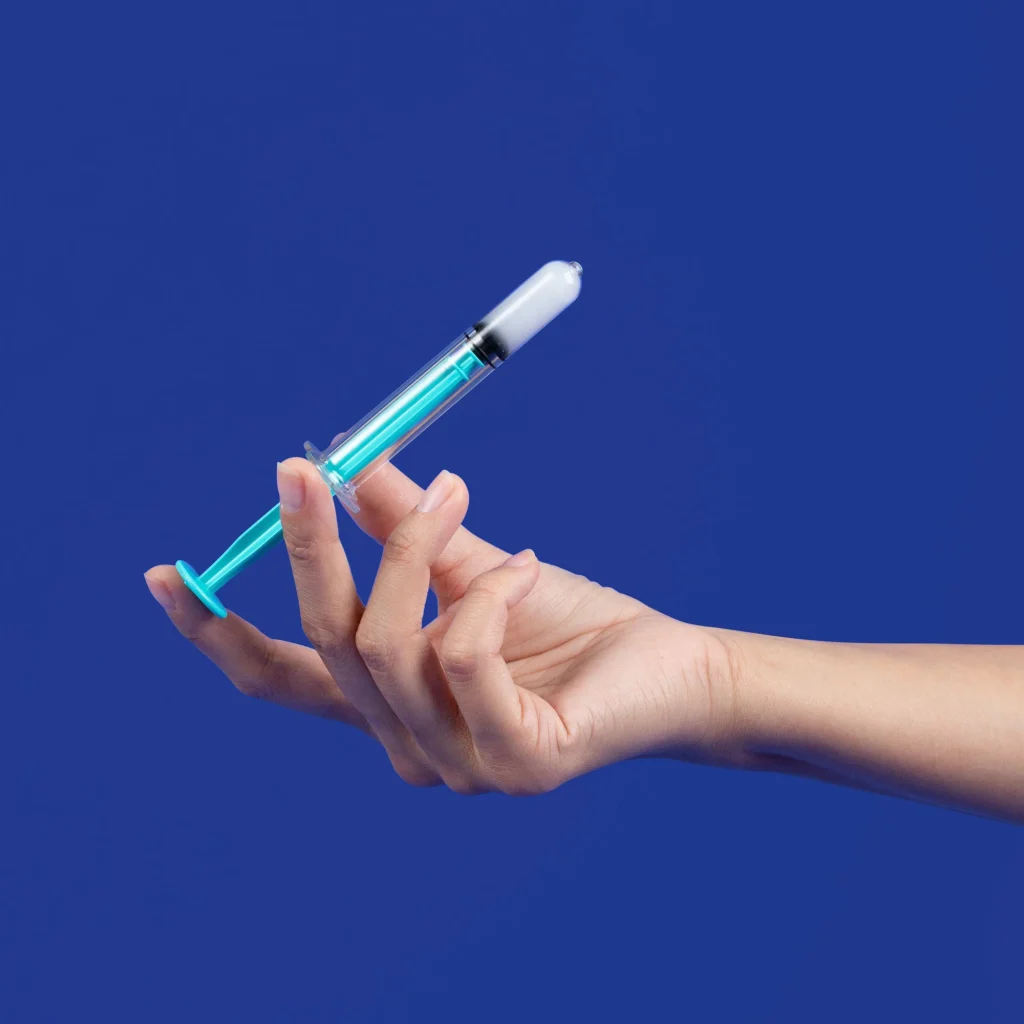
The syringe method, also known as the “turkey baster method,” involves using a sterile syringe to deposit semen directly into the vagina during ovulation. This method has gained popularity among couples who are trying to conceive naturally, and it has shown promising results. In this blog post, we will discuss what the syringe method is, how it works, and its potential benefits and risks.
What is the Syringe Method?
The syringe method is a fertility technique that involves using a sterile syringe to deposit sperm directly into the vagina during ovulation. It is a simple and inexpensive method that can be done at home without the need for medical assistance. This method is often used by lesbian couples who are trying to conceive at home, but it can also be used by heterosexual couples who are struggling with male infertility.
How Does it Work?
The syringe method works by placing the semen into the vagina as close to the cervix as possible. The idea behind this method is to mimic the natural process of sperm traveling through the cervix and into the uterus. By placing the semen directly into the vagina, the sperm has a shorter distance to travel, increasing the chances of fertilization.
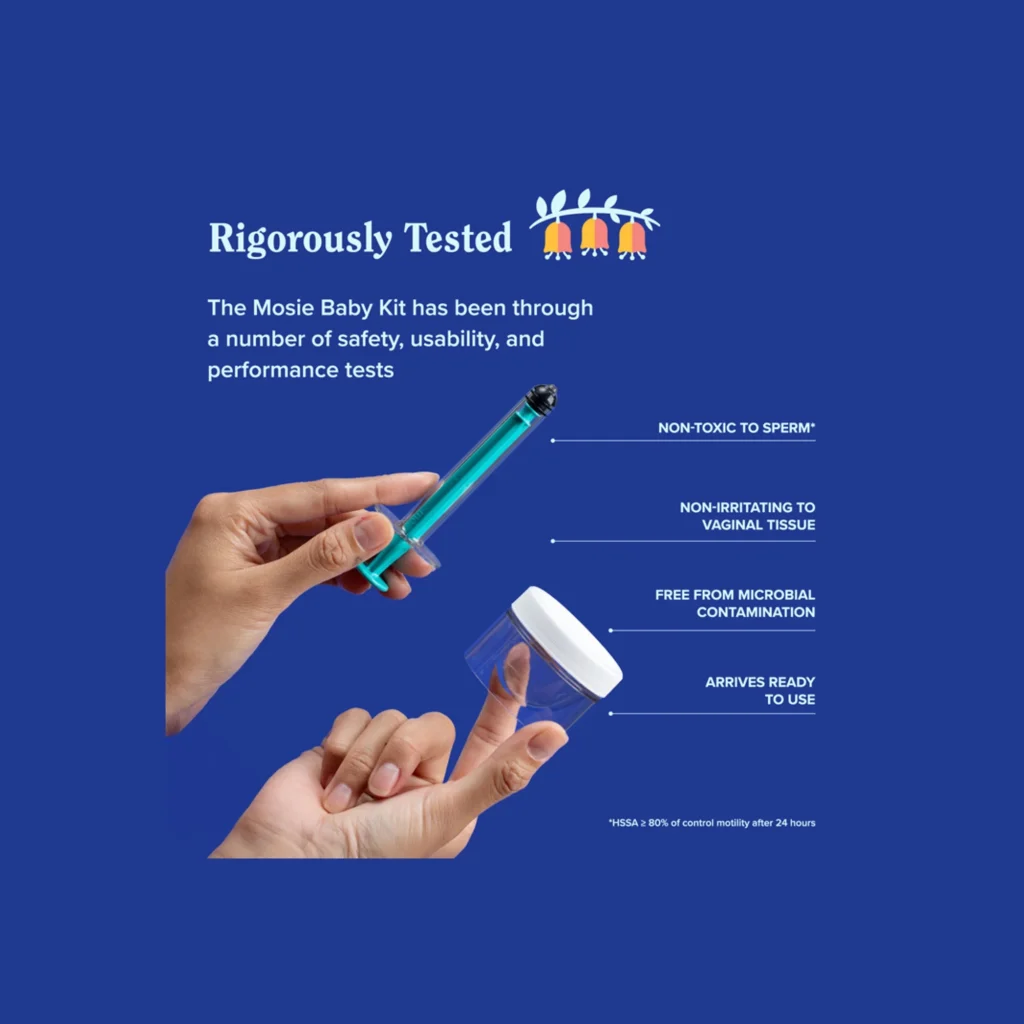
To perform the syringe method, the couple will need a sterile syringe, a collection cup, and a clean container to collect the semen. The man will ejaculate into the collection cup, and the couple will use the syringe to suck the semen into the syringe. Then, the woman will insert the syringe into her vagina and slowly release the sperm near the cervix. It is essential to keep the syringe sterile and avoid touching the tip to prevent any contamination.
Benefits of the Syringe Method

Trying to Conceive Naturally? The Syringe Method May Help
One of the most significant benefits of the syringe method is its cost-effectiveness. Unlike other assisted reproductive technologies, such as intrauterine insemination (IUI) or in vitro fertilization (IVF), which can be expensive and may require multiple visits to a fertility clinic, the syringe method can be done at home with minimal cost.
Another benefit of the syringe method is that it allows couples to have more control over the process. They can time the insemination according to the woman’s ovulation, and they can perform the procedure in the comfort of their own home. This can be particularly appealing to couples who may feel uncomfortable with the clinical environment of a fertility clinic.
Risks of the Syringe Method
While the syringe method may seem like a simple and safe option, there are some risks involved. One of the main risks is the potential for infection. It is crucial to ensure that all equipment used is sterile and that proper hygiene measures are followed to prevent any contamination. It is also essential to note that the syringe method does not offer any protection against sexually transmitted infections (STIs), so couples should make sure that both partners are tested before attempting this method.
Another risk is the possibility of air bubbles being introduced into the vagina during the procedure. This can cause discomfort or even lead to air embolism, which is a potentially life-threatening condition. To prevent this, it is crucial to make sure that the syringe is free of air bubbles before inserting it into the vagina.
Success Rates of the Syringe Method
The success rates of the syringe method vary, and it may not work for everyone. According to a study published in the journal Fertility and Sterility, the syringe method has a success rate of 22.5% per cycle, which is comparable to the success rates of IUI. However, it is essential to keep in mind that success rates may be affected by various factors, such as the quality of the sperm and the timing of the insemination.
Summary:
While trying to conceive naturally can be a challenging and emotional journey, the syringe method offers a simple, cost-effective, and more natural approach. By mimicking the natural process of sperm traveling through the cervix and into the uterus, this method may increase the chances of fertilization. However, it is essential to consider the potential risks and success rates of the syringe method before trying it. If you are struggling with infertility, it is always best to consult with a fertility specialist for personalized advice and guidance.