Tag: Insemination

  • Planning for a Baby: How an Insemination Syringe System Can Help You Achieve Your Goals

    Planning for a Baby: How an Insemination Syringe System Can Help You Achieve Your Goals

    Becoming a parent is one of the most life-changing experiences a person can go through. Whether you’re trying to conceive naturally or through assisted reproductive technology, the journey to parenthood can be a rollercoaster of emotions and decisions. For those who are considering insemination, the process can be overwhelming and confusing. That’s where an insemination syringe system comes in – a simple and effective tool that can help you achieve your goals of starting a family.

    Insemination is the process of placing sperm into the reproductive tract of a woman in order to facilitate fertilization. This can be done through various methods, such as intrauterine insemination (IUI) or intracervical insemination (ICI). Both of these methods require a specialized device to deliver the sperm to the correct location. This is where the insemination syringe system comes into play.

    What is an Insemination Syringe System?

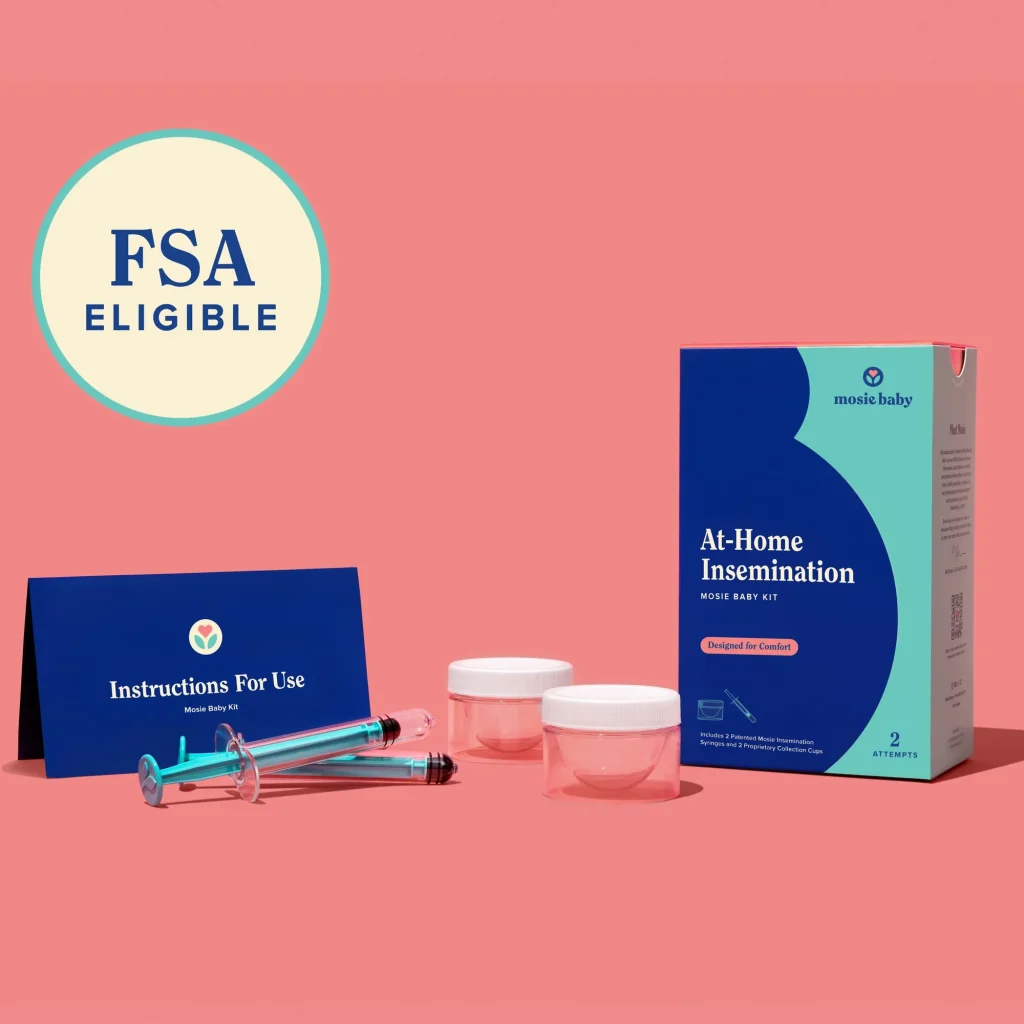
    An insemination syringe system is a kit that includes everything you need for insemination – from collection to delivery of sperm. It typically includes a syringe, a catheter, a collection cup, and sometimes a speculum. These components work together to make the insemination process easier and more efficient.

    How Does an Insemination Syringe System Work?

    The process of using an insemination syringe system is relatively simple. First, the sperm is collected in the collection cup. This can be done through sexual intercourse, masturbation, or using a sperm donor. Next, the sperm is drawn up into the syringe. The catheter is then attached to the syringe and the sperm is gently pushed through the catheter and into the reproductive tract.

    Benefits of Using an Insemination Syringe System

    1. Cost-Effective

    Compared to other assisted reproductive technology methods, such as in vitro fertilization (IVF), insemination is a more affordable option. And by using an insemination syringe system, you can save even more money as it eliminates the need for expensive medical procedures or equipment.

    2. Convenient

    Insemination syringe systems can be used in the comfort of your own home, making the process more convenient and private. You no longer have to schedule appointments at a doctor’s office or fertility clinic, which can be stressful and time-consuming.

    3. Increased Chance of Success

    Using an insemination syringe system allows for the sperm to be placed directly into the reproductive tract, giving it a better chance of reaching and fertilizing the egg. This can increase the chances of success, especially for those who have been struggling with fertility issues.

    4. Easy to Use

    Insemination syringe systems are designed to be user-friendly, making it easier for individuals or couples to perform the procedure without the help of a medical professional. The instructions are straightforward, and the components are designed to work together seamlessly.

    Mosie Baby At-Home Insemination Kit instructions and storage guidelines on a blue background.

    Planning for a Baby: How an Insemination Syringe System Can Help You Achieve Your Goals

    5. Reusable

    Unlike other methods of insemination, an insemination syringe system is reusable. After each use, the components can be cleaned and sterilized, making it a more environmentally-friendly and cost-effective option.

    6. Can Be Used for Various Types of Insemination

    Insemination syringe systems can be used for both IUI and ICI procedures, making it a versatile option for those looking to conceive. It can also be used for self-insemination, providing a more intimate experience for couples.

    How to Choose the Right Insemination Syringe System

    With so many options available in the market, it can be overwhelming to choose the right insemination syringe system. Here are some factors to consider when making your decision:

    1. Material

    Make sure to choose a syringe that is made of medical-grade materials to ensure safety and effectiveness.

    2. Size

    Insemination syringe systems come in different sizes, so make sure to choose one that is suitable for your needs. For example, if you are using a donor, a larger syringe may be needed.

    3. Compatibility

    If you are planning to use a specific type of catheter, make sure to choose a syringe that is compatible with it. Some syringes come with a specific catheter, while others allow for interchangeable options.

    4. Brand Reputation

    Do your research and choose a reputable brand that has positive reviews and feedback from other users.

    Conclusion

    Insemination can be a daunting process, but with the help of an insemination syringe system, it can be made easier and more effective. Not only does it increase the chances of success, but it also offers convenience, affordability, and versatility. Before making your decision, make sure to do your research and choose the right insemination syringe system that fits your needs and preferences.

    In summary, an insemination syringe system is a kit that includes everything needed for insemination, making the process more convenient, affordable, and effective. It can be used for various types of insemination and is reusable, making it a popular choice among individuals and couples trying to conceive. When choosing the right insemination syringe system, consider factors such as material, size, compatibility, and brand reputation.

  • Maximizing Your Chances of Success: Tips for Using an Insemination Syringe System

    Maximizing Your Chances of Success: Tips for Using an Insemination Syringe System

    Insemination syringe systems have become a popular choice for couples trying to conceive, as well as individuals seeking alternative methods of fertility treatment. These systems offer a less invasive and more affordable option compared to traditional fertility treatments. However, like any other medical procedure, there are certain steps and precautions that need to be taken to maximize the chances of success. In this blog post, we will discuss tips for using an insemination syringe system to increase your chances of success.

    1. Understand the Process

    Before using an insemination syringe system, it is important to have a thorough understanding of the process. This includes knowing when and how to use the syringe, as well as the best time for insemination. Generally, the best time for insemination is during the woman’s ovulation period. This is when the egg is released from the ovary and is ready to be fertilized. It is recommended to track ovulation using an ovulation predictor kit or by monitoring your basal body temperature.

    2. Choose the Right Syringe

    When it comes to insemination syringe systems, there are different types available in the market. It is important to choose the right syringe for your needs. Some syringes are designed for intrauterine insemination (IUI) while others are meant for intracervical insemination (ICI). IUI syringes have a longer and thinner tip, making it easier to reach the cervix, while ICI syringes have a shorter and thicker tip, making it easier to deposit the semen near the cervix. Make sure to choose the syringe that is suitable for your chosen method of insemination.

    3. Follow Proper Hygiene

    hand holding a syringe with a blue plunger against a solid blue background

    Maximizing Your Chances of Success: Tips for Using an Insemination Syringe System

    Maintaining proper hygiene is crucial when using an insemination syringe system. Make sure to wash your hands thoroughly before handling the syringe. It is also important to sterilize the syringe before use. Boiling the syringe in hot water for 5-10 minutes is the most effective way to sterilize it. Avoid using any chemicals or sterilizing agents as they may interfere with the semen and reduce the chances of conception.

    4. Use High-Quality Semen

    The success of insemination using a syringe system largely depends on the quality of the semen used. It is important to use fresh, high-quality semen from a reliable source. If you are using semen from a donor, make sure to get it from a licensed sperm bank. Using semen from a trusted source will not only increase your chances of success but also reduce the risk of transmitting any sexually transmitted infections.

    5. Position Matters

    The position in which the woman is inseminated can also impact the chances of success. It is recommended to lie down with your hips slightly elevated after insemination. This will help the semen to reach the cervix and increase the chances of conception. You can use pillows or rolled-up towels to elevate your hips. Avoid getting up or moving around immediately after insemination to give the sperm enough time to reach the cervix.

    6. Be Patient and Positive

    Insemination using a syringe system may not always result in pregnancy on the first try. It is important to be patient and positive throughout the process. It may take a few attempts before you are successful, so do not get discouraged. Stay positive and keep trying. Stress and anxiety can have a negative impact on fertility, so try to stay relaxed and calm during the process.

    In summary, using an insemination syringe system can be an effective and affordable option for those trying to conceive. To maximize your chances of success, it is important to understand the process, choose the right syringe, maintain proper hygiene, use high-quality semen, pay attention to positioning, and stay positive and patient. Remember to consult with your healthcare provider for any specific instructions or concerns.

  • The Emotional Journey of Pregnancy Planning with an Insemination Syringe System

    The Emotional Journey of Pregnancy Planning with an Insemination Syringe System

    Pregnancy planning can be an emotional rollercoaster for any couple. However, for same-sex couples or individuals trying to conceive without a partner, the journey can be even more challenging. In recent years, the use of insemination syringe systems has become a popular option for those looking to conceive at home. This method offers privacy, convenience, and affordability, but it also comes with its own set of emotional challenges. In this blog post, we will explore the emotional journey of pregnancy planning with an insemination syringe system, from the initial decision to use this method to the moment of finding out if it was successful.

    The Decision to Use an Insemination Syringe System

    Deciding to use an insemination syringe system is a big step for any couple or individual. It may come after months or even years of trying to conceive through other methods. For same-sex couples or individuals, it may be the only available option. This decision can bring a mix of emotions, including excitement, hope, and anxiety. The realization that this is the method that will potentially bring a child into their lives can be overwhelming and nerve-wracking.

    Preparing for the Process

    Once the decision has been made, the next step is to prepare for the process. This may include purchasing the necessary equipment, such as an insemination syringe and fertility-friendly lubricant. Many couples or individuals also opt to use ovulation predictor kits or fertility tracking apps to increase their chances of success. As they gather all the supplies and start tracking their cycles, emotions may range from anticipation to impatience. It’s a waiting game, and the uncertainty of when the right time will come can be emotionally taxing.

    The Actual Insemination Process

    At-home insemination kit with syringes and collection cups on a teal background.

    The Emotional Journey of Pregnancy Planning with an Insemination Syringe System

    The insemination process itself can be a mix of emotions. For some, it can be a bonding experience with their partner, as they work together towards their goal of conceiving a child. For others, it may be a solo journey, which can bring up feelings of loneliness and isolation. The process can also be uncomfortable and awkward, as it involves inserting a syringe into the vagina. But for those who have been trying to conceive for a while, it can also bring a sense of hope and excitement, as they take their first step towards parenthood.

    The Two-Week Wait

    After the insemination, the two-week wait begins. This is the time between the insemination and the expected date of the next period or a pregnancy test. This wait can be emotionally draining, as every twinge or change in the body is scrutinized for any signs of pregnancy. The anticipation and hope during this time can turn into disappointment and sadness if the desired outcome is not achieved. It can also lead to a rollercoaster of emotions, as thoughts of “what if it worked?” and “what if it didn’t?” constantly swirl in the mind.

    The Emotional Highs and Lows of the Pregnancy Test

    The moment of taking the pregnancy test can be nerve-wracking, regardless of the method used for conception. However, for those using an insemination syringe system, the emotional stakes can be higher. The test result can bring a range of emotions, from elation and joy to disappointment and heartbreak. For those who have been trying to conceive for a long time, it can be a moment of relief and validation. On the other hand, a negative result can be devastating, and it may trigger feelings of failure and self-doubt.

    The Need for Support and Understanding

    Going through the emotional journey of pregnancy planning with an insemination syringe system can be overwhelming, and it is essential to have a support system in place. This can be a partner, family member, friend, or a support group of individuals going through a similar experience. Having someone to talk to, vent to, or simply share the ups and downs of the journey can make a significant difference in coping with the emotional challenges.

    In conclusion, the emotional journey of pregnancy planning with an insemination syringe system can be a rollercoaster ride. From the initial decision to the insemination process and the two-week wait, it can bring a range of emotions, from excitement and hope to disappointment and anxiety. It is crucial to have a support system in place and to acknowledge and address these emotions throughout the journey. Ultimately, the end goal of bringing a child into the world makes it all worth it, no matter the method used to achieve it.

  • Creating Your Own Path to Parenthood: The Role of Insemination Syringe Systems

    Creating Your Own Path to Parenthood: The Role of Insemination Syringe Systems

    Parenthood is a journey that many individuals and couples aspire to embark on. However, for some, it may not be as simple as just deciding to have a child. Whether due to fertility issues, financial constraints, or personal preferences, many people are turning to alternative methods of conception, such as insemination. Insemination is the process of introducing sperm directly into the reproductive tract, bypassing the natural process of intercourse. In recent years, the use of insemination syringe systems has gained popularity as a convenient and cost-effective method for those looking to create their own path to parenthood.

    Insemination syringe systems, also known as artificial insemination or at-home insemination kits, are designed to mimic the process of natural insemination. The kit typically includes a syringe, a specimen cup or vial for the sperm, and instructions for use. These systems come in various forms, such as pre-filled syringes or reusable syringes with detachable tips. They are also available in different sizes and volumes to accommodate varying needs and preferences.

    One of the main advantages of using an insemination syringe system is the convenience it offers. Unlike traditional methods of insemination, which require a visit to a fertility clinic or a healthcare provider’s office, these systems allow individuals and couples to perform the insemination in the comfort and privacy of their own home. This can be particularly beneficial for those who live in remote areas or have busy schedules, making it difficult to make frequent trips to a clinic.

    pregnancy test kit with instructions, test device, and packaging on a white background

    Creating Your Own Path to Parenthood: The Role of Insemination Syringe Systems

    Moreover, insemination syringe systems are often more cost-effective than other methods of insemination. Fertility treatments can be expensive, and for many, it may not be a feasible option. In contrast, these systems are relatively affordable, making them more accessible to a wider range of individuals and couples. Additionally, since the process can be done at home, there are no additional costs associated with clinic visits or medical procedures.

    Another significant advantage of using an insemination syringe system is the level of control it provides. Unlike traditional methods of insemination, where the timing and frequency of insemination are dependent on the availability of a healthcare provider or fertility clinic, these systems allow individuals and couples to plan and perform the insemination at their convenience. This can be particularly beneficial for those with irregular menstrual cycles or other fertility issues.

    In addition to their convenience and affordability, insemination syringe systems also offer a sense of intimacy and connection for couples. Many individuals and couples who choose to use these systems feel a greater sense of involvement and control over the process, which can be empowering and strengthen their bond as a couple. The process of using an insemination syringe system can also be more intimate and less clinical, making it a more comfortable and enjoyable experience for both partners.

    Despite the numerous advantages, it is essential to note that insemination syringe systems may not be suitable for everyone. It is crucial to consult with a healthcare provider or fertility specialist to determine if this method is the right choice for you. Additionally, it is essential to carefully follow the instructions provided with the kit to ensure the best chances of success.

    In conclusion, creating your own path to parenthood can be a challenging and emotional journey. Insemination syringe systems offer a convenient, affordable, and intimate option for individuals and couples looking to conceive. With their increasing popularity, it is essential to educate yourself on the process and consult with a healthcare provider to determine if this method is the right choice for you. With the right information and support, these systems can be a valuable tool in helping you achieve your dream of parenthood.

  • Insemination Syringe Systems and IUI: Understanding the Key Differences

    Blog Post: Insemination Syringe Systems and IUI: Understanding the Key Differences

    Insemination is a popular method used to help couples or individuals conceive a child. It involves the introduction of sperm into the reproductive tract in order to fertilize an egg. There are two main types of insemination methods: Insemination Syringe Systems and Intrauterine Insemination (IUI). While both methods involve the use of a syringe to introduce sperm into the reproductive tract, there are key differences between them. In this blog post, we will explore the differences between Insemination Syringe Systems and IUI, and help you understand which method may be best for you.

    Insemination Syringe Systems:

    Insemination Syringe Systems, also known as at-home insemination, is a method that can be done in the comfort of your own home. This method involves using a syringe to inject sperm into the vagina or cervix. The sperm can either be from a sperm donor or from a partner. It is a simple, non-invasive method that has been used for many years by couples trying to conceive.

    One of the main benefits of Insemination Syringe Systems is that it is a cost-effective option for those who cannot afford the more expensive fertility treatments. It also gives couples the flexibility to try insemination at any time during the woman’s fertile window, without having to schedule appointments with a doctor. This method also allows for a more intimate and personal experience for the couple, as they can perform the insemination themselves in the comfort of their own home.

    However, there are some drawbacks to Insemination Syringe Systems. One of the main concerns is the lack of medical supervision. Without a doctor or fertility specialist present, it can be difficult to determine the exact timing and placement of the sperm. This can decrease the chances of successful fertilization. Additionally, there is a risk of contamination if the syringe is not properly sanitized, which can also decrease the chances of conception.

    Intrauterine Insemination (IUI):

    Intrauterine Insemination (IUI) is a more advanced method of insemination that is typically performed in a doctor’s office or fertility clinic. It involves a doctor inserting a thin catheter through the cervix and into the uterus to inject the sperm directly into the uterus. The sperm used in IUI is typically washed and prepared in a lab to increase the chances of fertilization.

    One of the main benefits of IUI is the higher success rates compared to Insemination Syringe Systems. Since the sperm is placed directly into the uterus, it has a better chance of reaching and fertilizing the egg. This method is also more closely monitored by a doctor, who can ensure that the timing and placement of the sperm are optimal for conception.

    However, IUI can be a more expensive option compared to at-home insemination. It also requires multiple visits to a doctor’s office, which can be inconvenient for some couples. Additionally, it may not be suitable for those with certain fertility issues, such as blocked fallopian tubes.

    comparison of Mosie syringe opening versus standard syringe opening with text highlighting benefits

    Insemination Syringe Systems and IUI: Understanding the Key Differences

    Key Differences between Insemination Syringe Systems and IUI:

    1. Location: Insemination Syringe Systems can be done at home, while IUI is typically performed in a doctor’s office or fertility clinic.

    2. Cost: Insemination Syringe Systems are a more cost-effective option compared to IUI.

    3. Medical supervision: Insemination Syringe Systems lack medical supervision, while IUI is performed by a doctor.

    4. Success rates: IUI has higher success rates compared to Insemination Syringe Systems.

    5. Timing and placement: IUI allows for more precise timing and placement of the sperm, increasing the chances of fertilization.

    Which method is right for you?

    The choice between Insemination Syringe Systems and IUI ultimately depends on your individual circumstances and preferences. If cost is a concern and you are comfortable with performing the insemination at home, Insemination Syringe Systems may be the better option. However, if you have fertility issues or are looking for a more closely monitored and successful method, IUI may be the better choice.

    In summary, Insemination Syringe Systems and IUI are two different methods of insemination with their own benefits and drawbacks. It is important to consult with a doctor or fertility specialist to determine which method is best for you based on your individual needs and circumstances. With the right method, you can increase your chances of successfully conceiving and starting a family.

    SEO metadata:

  • The Importance of Timing: Using an Insemination Syringe for Optimal Pregnancy Planning

    Timing is everything, especially when it comes to pregnancy planning. For couples who are trying to conceive, understanding and tracking ovulation is crucial. While there are various methods and tools available to aid in this process, one lesser-known yet highly effective tool is the insemination syringe. This simple device allows for precise timing and placement of sperm, increasing the chances of successful conception. In this blog post, we will discuss the importance of timing and how using an insemination syringe can greatly improve pregnancy planning.

    Understanding Ovulation and its Role in Pregnancy Planning

    Before we delve into the specifics of using an insemination syringe, it is important to understand the role of ovulation in pregnancy planning. Ovulation is the process in which a mature egg is released from the ovary, making it available for fertilization. This typically occurs once a month, around the middle of a woman’s menstrual cycle.

    For couples trying to conceive, timing intercourse around ovulation is crucial. Sperm can survive in the reproductive tract for up to five days, while an egg can only survive for 12-24 hours after ovulation. Therefore, having intercourse in the days leading up to ovulation can greatly increase the chances of fertilization.

    The Challenges of Timing Intercourse Without an Insemination Syringe

    Determining the exact time of ovulation can be challenging, as it can vary from woman to woman and even from cycle to cycle. This is where using an insemination syringe can be incredibly beneficial. Without this tool, couples may rely on methods such as tracking basal body temperature, cervical mucus, or using ovulation predictor kits. While these methods can be helpful, they are not always accurate and can be time-consuming.

    Another challenge is the actual timing of intercourse. While a woman may be ovulating, the sperm may not be present in the reproductive tract at that time. This can happen if the couple has intercourse too early or too late in relation to ovulation. Additionally, sperm may not reach the egg if there is a blockage in the cervix or if the sperm are not able to swim efficiently.

    The Role of an Insemination Syringe in Pregnancy Planning

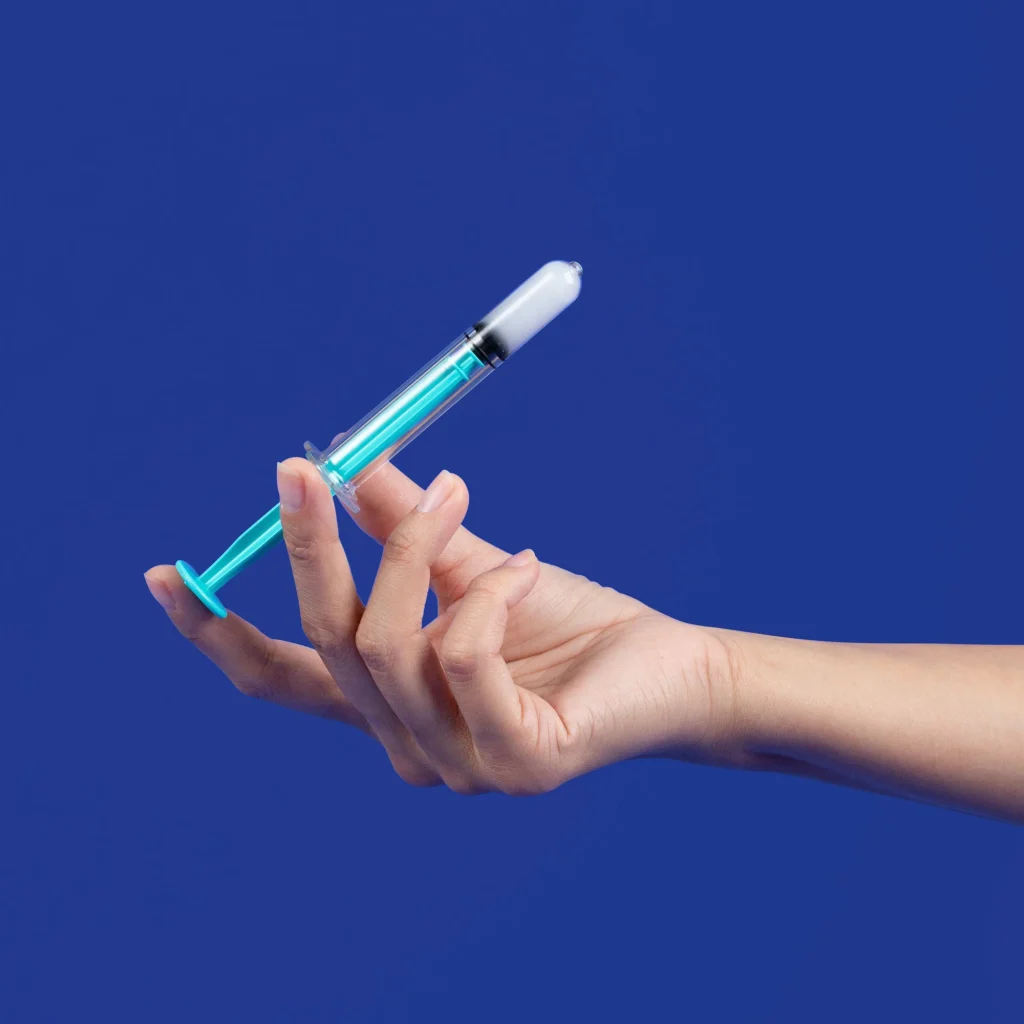
    An insemination syringe is a small, flexible device with a long, narrow tube at one end and a bulb or plunger at the other end. It is designed to deposit sperm directly into the cervix, bypassing any potential obstacles and increasing the chances of fertilization. This method is often referred to as intracervical insemination (ICI).

    Using an insemination syringe allows for precise timing of sperm insemination, eliminating the need to rely solely on tracking ovulation. It also ensures that the sperm are placed as close to the cervix as possible, increasing the chances of reaching the egg.

    Benefits of Using an Insemination Syringe for Pregnancy Planning

    1. Increased Chances of Conception: As mentioned earlier, an insemination syringe allows for precise timing and placement of sperm, increasing the chances of successful fertilization.

    at-home insemination kit by Mosie Baby, featuring syringes, collection cups, and instructions on a pink background.

    The Importance of Timing: Using an Insemination Syringe for Optimal Pregnancy Planning

    2. Cost-Effective: Insemination syringes are relatively inexpensive compared to other fertility methods, making them a cost-effective option for couples trying to conceive.

    3. Discreet: Insemination syringes can be used in the privacy of one’s home, making it a discreet option for couples who may not want to seek medical assistance or interventions.

    4. Easy to Use: Insemination syringes are easy to use and can be done at home without any medical training or assistance.

    5. Reduces Stress and Anxiety: For couples struggling with fertility, timing intercourse and tracking ovulation can be a stressful and anxiety-inducing process. Using an insemination syringe can help alleviate some of this stress and anxiety by providing a more reliable method for pregnancy planning.

    How to Use an Insemination Syringe for Optimal Pregnancy Planning

    1. Determine Ovulation: It is important to accurately determine the time of ovulation. This can be done through various methods such as tracking basal body temperature or using ovulation predictor kits.

    2. Collect Sperm: The sperm can be collected through intercourse or through masturbation. It is important to collect the sperm in a clean container to avoid any contamination.

    3. Prepare the Insemination Syringe: Fill the syringe with the collected sperm using the bulb or plunger.

    4. Insert the Syringe: While lying down with the hips elevated, gently insert the syringe into the vagina and push the sperm into the cervix.

    5. Stay Lying Down: It is recommended to stay lying down for at least 20-30 minutes after insemination to allow the sperm to reach the cervix and increase the chances of fertilization.

    6. Repeat if Needed: If the first attempt is unsuccessful, the process can be repeated in the following days until ovulation is confirmed.

    In conclusion, timing is crucial when it comes to pregnancy planning. Using an insemination syringe can greatly improve the chances of successful conception by allowing for precise timing and placement of sperm. It is a cost-effective, discreet, and easy-to-use option for couples struggling with fertility. By understanding ovulation and utilizing an insemination syringe, couples can take control of their fertility journey and increase their chances of starting a family.

    In summary, using an insemination syringe for pregnancy planning is a highly effective method that allows for precise timing and placement of sperm, increasing the chances of successful conception. By understanding ovulation and utilizing an insemination syringe, couples can take control of their fertility journey and increase their chances of starting a family.

  • Navigating the World of Insemination: Tips and Tricks for Successful Pregnancy Planning

    Navigating the World of Insemination: Tips and Tricks for Successful Pregnancy Planning

    Insemination, also known as artificial insemination, is a method of achieving pregnancy by introducing sperm into a woman’s reproductive tract. While it is a commonly used method for couples struggling with fertility, it can also be a viable option for single individuals or same-sex couples looking to start a family. However, navigating the world of insemination can be overwhelming and confusing, especially for first-timers. In this blog post, we will discuss the process of insemination, the different types, and provide tips and tricks for successful pregnancy planning.

    The Process of Insemination

    The first step in insemination is to visit a fertility specialist or a reproductive endocrinologist. They will conduct a series of tests to determine the best course of action for achieving pregnancy. These tests may include blood work, ultrasounds, and a semen analysis for the male partner or donor.

    Once the fertility specialist has determined that insemination is the best option for you, they will discuss the different types of insemination available. The two most common types are intrauterine insemination (IUI) and intracervical insemination (ICI). IUI involves placing the sperm directly into the uterus, while ICI involves placing the sperm at the opening of the cervix.

    Depending on your specific situation, your fertility specialist may recommend using fertility drugs to stimulate ovulation. This can increase the chances of a successful pregnancy. It is important to follow your doctor’s instructions carefully when taking these medications.

    Choosing a Donor

    If you are a single individual or a same-sex couple, you will need to choose a sperm donor for the insemination process. There are several options for selecting a donor, including using a known donor (such as a friend or family member) or using a sperm bank.

    If you choose to use a known donor, it is important to have a legal agreement in place to protect all parties involved. This agreement should outline the rights and responsibilities of each party, including parental rights.

    Using a sperm bank allows you to select a donor based on specific criteria, such as physical characteristics, educational background, and medical history. It is important to thoroughly research the sperm bank and their screening process before making a decision.

    Timing is Key

    logo of mosie baby featuring a heart and leaf design in blue, pink, and green colors

    Navigating the World of Insemination: Tips and Tricks for Successful Pregnancy Planning

    Timing is crucial when it comes to insemination. The sperm needs to be placed in the woman’s reproductive tract at the right time for pregnancy to occur. This is typically determined by tracking ovulation, either through at-home ovulation kits or ultrasounds at the fertility clinic.

    It is important to have sex or undergo insemination during the woman’s fertile window, which is typically the five days leading up to ovulation and the day of ovulation itself. This can increase the chances of the sperm fertilizing the egg.

    Lifestyle Factors

    Maintaining a healthy lifestyle can also increase the chances of a successful pregnancy through insemination. This includes eating a balanced and nutritious diet, exercising regularly, and avoiding unhealthy habits such as smoking and excessive alcohol consumption.

    It is also recommended to avoid using lubricants during the insemination process, as they can interfere with the sperm’s journey to the egg. If necessary, use a fertility-friendly lubricant recommended by your fertility specialist.

    Managing Stress

    Trying to conceive can be a stressful and emotional journey, and it is important to manage this stress during the insemination process. Consider seeking support from a therapist or joining a support group for individuals or couples going through the same experience.

    Practicing relaxation techniques, such as meditation or yoga, can also help reduce stress and increase chances of conception. It is also important to communicate openly with your partner or support system about your feelings and concerns.

    Insemination can be an effective method for achieving pregnancy, but it is not a guarantee. It may take multiple attempts before a successful pregnancy occurs, and it is important to be patient and stay positive throughout the process.

    In conclusion, navigating the world of insemination can be a daunting task. However, by understanding the process, choosing the right donor, timing intercourse or insemination correctly, maintaining a healthy lifestyle, and managing stress, you can increase the chances of a successful pregnancy. Remember to consult with your fertility specialist for personalized advice and support throughout the journey.

    Summary:

    Insemination is a method of achieving pregnancy by introducing sperm into a woman’s reproductive tract. It is commonly used for couples struggling with fertility and can also be an option for single individuals or same-sex couples. The process involves visiting a fertility specialist, choosing a donor, timing intercourse or insemination correctly, and maintaining a healthy lifestyle. Managing stress and seeking support are also important. It may take multiple attempts before a successful pregnancy occurs, so patience and positivity are key.

  • Making Your Dream of Parenthood a Reality: The Power of Insemination Syringe Systems

    Parenthood is a dream for many individuals and couples. However, for some, conceiving a child may not be as easy as they had hoped. Insemination syringe systems have become a popular and effective method for making parenthood a reality. In this blog post, we will explore the power of insemination syringe systems and how they can help individuals and couples achieve their dream of parenthood.

    First, let’s understand what an insemination syringe system is. It is a simple and non-invasive method of artificial insemination that can be done at home. The system consists of a syringe, a catheter, and a vial of sperm. The sperm is placed into the syringe, and the catheter is used to insert the sperm into the cervix. This method can be used for both intrauterine insemination (IUI) and intracervical insemination (ICI).

    One of the main benefits of using an insemination syringe system is that it can be done at home, eliminating the need for expensive and time-consuming visits to a fertility clinic. This is particularly beneficial for those who live in remote areas or have busy schedules. It also allows for a more intimate and comfortable environment for the insemination process, which can be a significant factor for some individuals and couples.

    Insemination syringe systems are also a cost-effective option compared to other fertility treatments. Fertility treatments such as in vitro fertilization (IVF) can cost tens of thousands of dollars, while an insemination syringe system typically costs a few hundred dollars. This makes it a more accessible option for those who may not have the financial means to pursue other fertility treatments.

    Another advantage of using an insemination syringe system is that it can be used with donor sperm. This is particularly useful for same-sex couples or single individuals who wish to have a biological child. With the increasing acceptance of non-traditional families, the use of donor sperm has become more widespread, and insemination syringe systems provide a convenient and discreet way to use donor sperm.

    Insemination syringe systems also offer a higher success rate compared to other at-home insemination methods, such as using a turkey baster or a menstrual cup. The syringe allows for more precise and controlled placement of sperm, increasing the chances of conception. It also eliminates the risk of air bubbles, which can damage the sperm, and ensures that the sperm is inserted directly into the cervix, where it has the best chance of reaching the egg.

    guide and materials for using Mosie Baby fertility kit on a textured surface

    Making Your Dream of Parenthood a Reality: The Power of Insemination Syringe Systems

    It is important to note that insemination syringe systems should only be used after consulting with a doctor or fertility specialist. They can provide guidance on the best timing for insemination based on ovulation cycles and can also conduct tests to ensure that the sperm used is of good quality.

    Insemination syringe systems have also been found to be particularly effective for individuals and couples with certain fertility issues. For example, those with low sperm count or motility may benefit from using an insemination syringe system, as it can increase the chances of sperm reaching the egg compared to natural conception.

    Furthermore, using an insemination syringe system can also be a more emotionally fulfilling experience for individuals and couples. It allows them to take a more active role in the conception process and feel more connected to their journey towards parenthood. This can be especially important for those who may feel a sense of loss of control or disconnection when going through fertility treatments.

    Insemination syringe systems have also been praised for their simplicity and ease of use. The system typically comes with clear instructions, and the process can be done in the comfort of one’s own home. This can alleviate some of the stress and anxiety that may come with fertility treatments, as individuals and couples have more control over the process.

    In conclusion, insemination syringe systems have been a game-changer for many individuals and couples struggling with fertility issues. They offer a convenient, cost-effective, and effective option for achieving the dream of parenthood. With their increasing popularity and success rates, insemination syringe systems are proving to be a powerful tool in helping individuals and couples make their dream of parenthood a reality.

    In summary, insemination syringe systems are a non-invasive and cost-effective method of artificial insemination that can be done at home. They offer many benefits such as a higher success rate, the use of donor sperm, and a more intimate and comfortable environment for the insemination process. However, it is important to consult with a doctor or fertility specialist before using an insemination syringe system. With their simplicity and effectiveness, these systems are providing hope and making the dream of parenthood a reality for many.

  • Overcoming Infertility: The Role of Insemination Syringe Systems

    Blog Post:

    Infertility is a common and heartbreaking struggle for many couples around the world. It affects approximately 1 in 8 couples, and the emotional, physical, and financial toll can be overwhelming. However, with advancements in technology and medical procedures, there are now more options available for couples struggling with infertility. One such option is the use of insemination syringe systems, which have been proven to be an effective method for overcoming infertility.

    Insemination syringe systems, also known as artificial insemination or intrauterine insemination, involve the direct insertion of sperm into the cervix or uterus of a woman. This method is often used by couples who have been trying to conceive for a significant amount of time without success, or for those with certain fertility issues such as low sperm count or cervical mucus problems. It is also a popular choice for same-sex couples and single women who want to become pregnant.

    The Role of Insemination Syringe Systems in Overcoming Infertility

    Insemination syringe systems play a crucial role in overcoming infertility by increasing the chances of fertilization. The process begins with the collection of semen from the male partner or a donor. The semen is then processed in a laboratory to separate the sperm from the rest of the seminal fluid. This process, known as sperm washing, helps to eliminate any potential toxins or bacteria that may be present in the semen.

    Once the sperm is washed and prepared, it is then loaded into a sterile syringe and inserted into the cervix or uterus of the woman. The timing of the insemination is crucial, and it is usually done around the time of ovulation to increase the chances of fertilization. In some cases, fertility medications may be prescribed to stimulate ovulation and increase the number of eggs released, further improving the chances of successful insemination.

    The Benefits of Insemination Syringe Systems

    Insemination syringe systems offer several benefits for couples struggling with infertility. One of the main advantages is that it is a relatively simple and non-invasive procedure compared to other fertility treatments such as in vitro fertilization (IVF). It does not require any surgical procedures or anesthesia, making it a more comfortable option for many couples.

    Another significant benefit is that it is a cost-effective approach to fertility treatment. IVF can be very expensive, and many insurance plans do not cover the procedure. Insemination syringe systems, on the other hand, are much more affordable and can be done in a doctor’s office without the need for hospitalization.

    At-home insemination kit with ovulation and pregnancy tests, promoting fertility and family planning.

    Overcoming Infertility: The Role of Insemination Syringe Systems

    Additionally, insemination syringe systems also have a higher success rate compared to other methods such as timed intercourse or using fertility medications alone. The direct placement of sperm into the reproductive tract increases the chances of fertilization, bypassing any potential obstacles that may prevent natural conception.

    Factors to Consider When Choosing an Insemination Syringe System

    Before undergoing insemination with a syringe system, it is essential to consider certain factors to ensure the best possible outcome. Firstly, it is crucial to choose a reputable and experienced doctor or fertility clinic that specializes in this procedure. They will be able to guide you through the process and provide you with all the necessary information and support.

    It is also important to discuss and understand the potential risks and side effects of the procedure. While insemination syringe systems are generally safe, there is a small risk of infection or damage to the reproductive organs. Your doctor will discuss these risks with you and monitor your progress throughout the treatment.

    Another factor to consider is the source of the sperm. If using a donor, it is essential to follow all the necessary legal and medical protocols to ensure the safety and health of both the recipient and the donor. If using the male partner’s sperm, a thorough evaluation of his fertility will be necessary to determine the success of the procedure.

    Final Thoughts

    Infertility can be a challenging and emotional journey for couples, but with the help of modern technology and medical advancements, there is hope for those struggling to conceive. Insemination syringe systems offer a simple, cost-effective, and successful approach to overcoming infertility. With the right support and guidance from a reputable fertility specialist, many couples have been able to start or expand their families through this method.

    Summary:

    Infertility is a common and difficult struggle for many couples, but advancements in technology have provided new options for overcoming it. Insemination syringe systems, also known as artificial insemination, involve the direct insertion of sperm into the cervix or uterus of a woman. This method has been proven to be effective in increasing the chances of fertilization and offers several benefits, including being non-invasive, cost-effective, and having a higher success rate compared to other treatments. Factors to consider when choosing this method include finding a reputable doctor, understanding the potential risks, and evaluating the source of the sperm. With the right support and guidance, many couples have been able to overcome their infertility and start or expand their families through insemination syringe systems.

  • Insemination Syringe Systems: A Natural and Effective Approach to Pregnancy Planning

    Insemination Syringe Systems: A Natural and Effective Approach to Pregnancy Planning

    Pregnancy is a beautiful and life-changing experience for many women and couples. However, for some, conceiving a child can be a challenging and frustrating journey. In today’s world, there are many options available for couples struggling with fertility, such as in vitro fertilization (IVF) and artificial insemination. While these methods can be effective, they can also be expensive, invasive, and come with potential side effects. For those looking for a more natural and affordable approach to pregnancy planning, insemination syringe systems may be the answer.

    What is an Insemination Syringe System?

    An insemination syringe system, also known as a cervical cap insemination system, is a natural and effective method of pregnancy planning. It involves using a syringe to deposit sperm directly into the cervix, bypassing the vagina and increasing the chances of fertilization. This method is similar to the traditional turkey baster method, but with a more precise and controlled approach.

    How Does it Work?

    Insemination syringe systems work by placing the sperm at the entrance of the cervix, where it can easily travel to the fallopian tubes and fertilize the egg. This method is ideal for couples who are trying to conceive at home, as it can be done in the comfort and privacy of their own home.

    The Process

    The process of using an insemination syringe system is simple and can be done in a few easy steps. First, the woman needs to track her ovulation using methods such as ovulation predictor kits or tracking her basal body temperature. Once she knows she is ovulating, the couple can collect semen from the male partner using a sterile cup or condom. Next, the semen is drawn into the syringe and inserted into the cervix using the applicator. The woman then remains lying down for 10-15 minutes to allow the sperm to reach the cervix and increase the chances of conception.

    Benefits of Insemination Syringe Systems

    There are several benefits to using an insemination syringe system for pregnancy planning. First and foremost, it is a natural and non-invasive method that does not involve any medication or medical procedures. This makes it a safe and gentle approach for those who may have concerns about using fertility treatments.

    Additionally, insemination syringe systems are affordable and can be done at home, eliminating the need for expensive doctor visits and procedures. This makes it a more accessible option for couples who may not have the financial means to pursue other fertility treatments.

    at-home insemination kit featuring a syringe and container for fresh or donor sperm conception

    Insemination Syringe Systems: A Natural and Effective Approach to Pregnancy Planning

    Moreover, using an insemination syringe system can also help couples with male fertility issues. As the sperm is placed directly into the cervix, it bypasses any potential barriers in the vagina and increases the chances of fertilization. This can be especially beneficial for couples struggling with male factor infertility.

    The Connection to Natural Family Planning

    Insemination syringe systems also have a strong connection to natural family planning. This method allows couples to plan and time their pregnancies without the use of artificial birth control methods. By tracking ovulation and using an insemination syringe system during the most fertile days, couples can increase their chances of conceiving while still following natural family planning methods.

    In addition, using an insemination syringe system can also be a helpful tool for couples practicing natural family planning for religious or personal reasons. It allows them to still follow their beliefs while also increasing their chances of pregnancy.

    Success Rates and Tips for Using Insemination Syringe Systems

    Studies have shown that insemination syringe systems have a success rate of 10-20% per cycle, which is comparable to other natural fertility methods. However, the success rate can increase with proper timing, tracking of ovulation, and using the system for multiple cycles.

    It is essential to note that insemination syringe systems may not be suitable for everyone. It is crucial to consult with a healthcare provider before trying this method, especially for those with certain medical conditions or fertility issues.

    In terms of tips for using an insemination syringe system, it is essential to follow the instructions carefully and use sterile equipment to avoid any potential infections. It is also recommended to remain lying down for 10-15 minutes after the procedure to allow the sperm to reach the cervix and increase the chances of conception.

    Insemination Syringe Systems: A Natural and Effective Approach for Pregnancy Planning

    Insemination syringe systems offer a natural, affordable, and effective approach for couples looking to plan their pregnancy. This method has several benefits, including its non-invasive nature, affordability, and connection to natural family planning. With proper timing and usage, it can be a helpful tool for couples struggling with fertility and wanting to avoid more invasive and expensive treatments.

    In summary, insemination syringe systems are a natural and effective method of pregnancy planning that involves using a syringe to deposit sperm directly into the cervix. This method is non-invasive, affordable, and has a strong connection to natural family planning. With proper timing and usage, it can be a helpful tool for couples looking to conceive while avoiding more invasive and expensive fertility treatments.