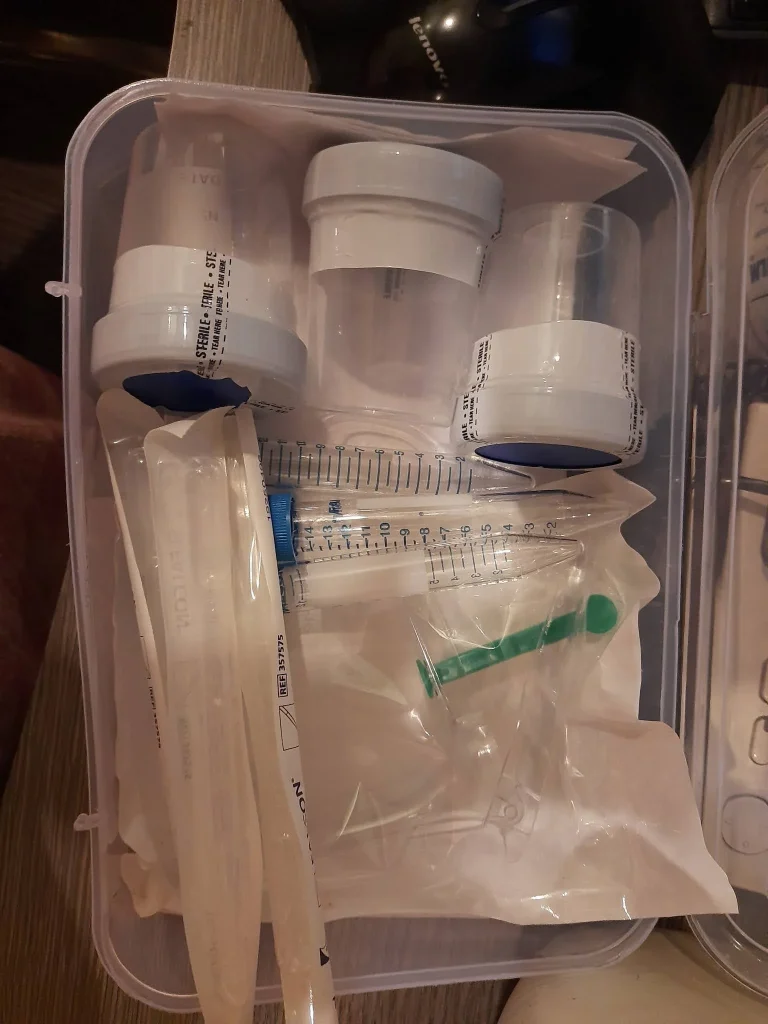
Fertility is a topic that has been surrounded by myths and misconceptions for centuries. With the rise of alternative methods and DIY approaches to baby-making, it’s important to separate fact from fiction when it comes to fertility and reproductive health. In this blog post, we’ll debunk some of the most common myths about fertility and DIY baby-making assistance.
Myth #1: Fertility is solely a woman’s responsibility
One of the most pervasive myths about fertility is that it is solely a woman’s responsibility. While women are often portrayed as the ones solely responsible for conceiving and carrying a child, the truth is that fertility is a shared responsibility between both partners. In fact, studies have shown that male infertility is a contributing factor in about 40% of all infertility cases. It’s important for both partners to take care of their reproductive health and seek medical assistance if needed.
Myth #2: You can only get pregnant during ovulation
Another common myth is that women can only get pregnant during ovulation. While ovulation is the most fertile time of the menstrual cycle, it is still possible to conceive at other times. Sperm can survive in the female reproductive tract for up to five days, so if you have sex a few days before ovulation, the sperm can still be present when the egg is released. Additionally, some women may experience irregular ovulation, making it difficult to predict the most fertile time.
Myth #3: Age doesn’t affect male fertility
Many people believe that age only affects a woman’s fertility, but the truth is that age can also have an impact on male fertility. As men age, their sperm count and quality may decrease, making it more difficult to conceive. In fact, studies have shown that the probability of a couple conceiving decreases with the age of the male partner, particularly after the age of 40. It’s important for men to also be mindful of their age and reproductive health when trying to conceive.
Myth #4: Eating certain foods can increase fertility

Myths About Fertility and DIY Baby-Making Assistance
There are many myths surrounding fertility-boosting foods, from eating pineapple to consuming oysters. However, there is no scientific evidence to support these claims. While a healthy diet is important for overall reproductive health, there is no specific food or diet that can guarantee increased fertility. It’s important to focus on a well-balanced diet with plenty of fruits, vegetables, and lean proteins, rather than relying on specific “fertility foods.”
Myth #5: Drinking alcohol can improve fertility
Contrary to popular belief, alcohol consumption can actually decrease fertility in both men and women. Excessive alcohol intake has been linked to lower sperm count and quality in men, and can also disrupt a woman’s menstrual cycle and make it more difficult to conceive. It’s important to limit alcohol consumption when trying to conceive and to avoid it altogether during pregnancy.
Myth #6: DIY baby-making methods are just as effective as medical assistance
With the rise of at-home insemination kits and other DIY methods, many people may believe that these methods are just as effective as medical assistance. However, the truth is that fertility treatments and procedures, such as in vitro fertilization (IVF), have a much higher success rate. It’s important to consult with a medical professional when trying to conceive and to explore all options that may be available to you.
Myth #7: Stress can prevent pregnancy
While stress can have a negative impact on overall health and well-being, there is no scientific evidence to support the claim that it can prevent pregnancy. In fact, trying to conceive can often be a stressful and emotional process, and stressing about stress can only add to the pressure. It’s important to find healthy ways to manage stress and to remember that everyone’s fertility journey is different.
In summary, fertility and DIY baby-making assistance are topics that are often surrounded by myths and misconceptions. It’s important to remember that fertility is a shared responsibility between both partners and to seek medical assistance if needed. While there are certainly steps you can take to improve your chances of conceiving, it’s important to separate fact from fiction and to consult with a medical professional for personalized advice.
SEO metadata: