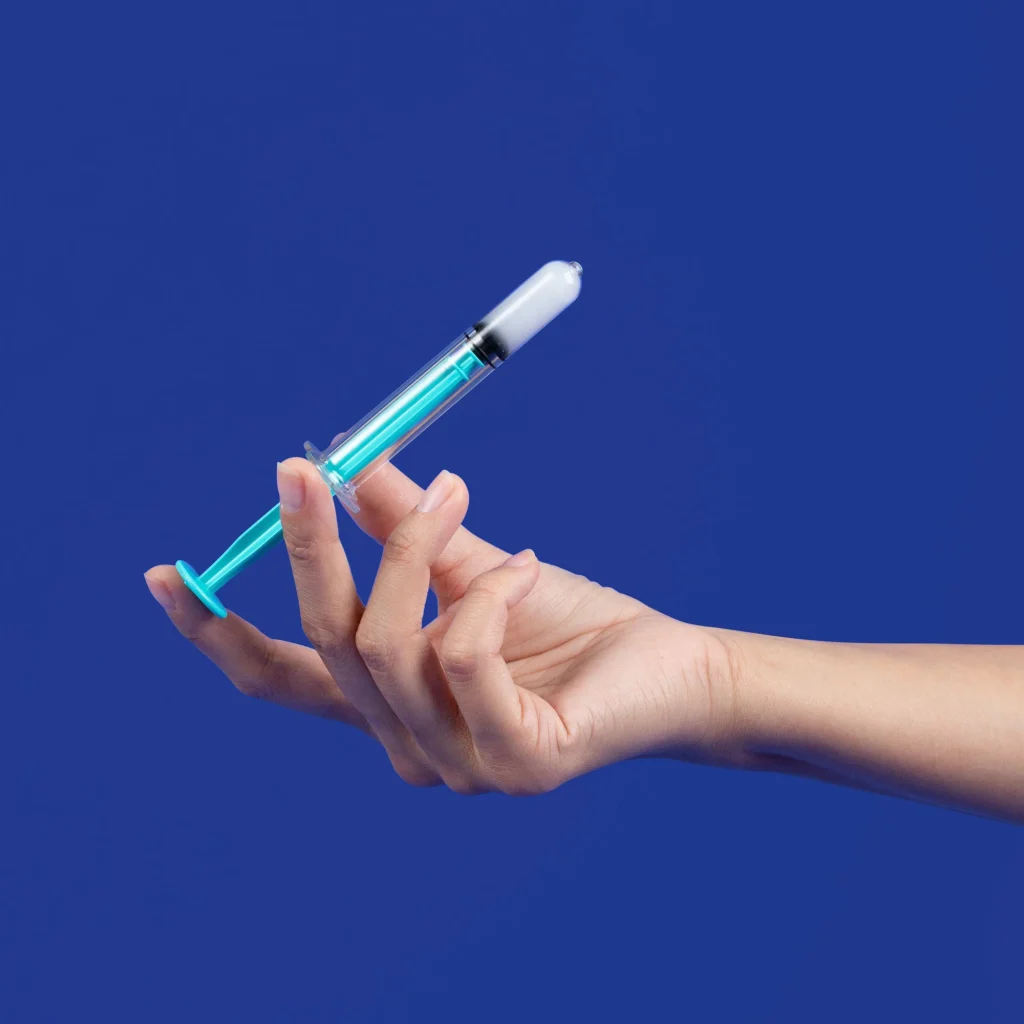
From Infertility to Pregnancy: How the Syringe Method Can Help
Infertility is a difficult and emotional journey for many couples. The desire to start a family and the disappointment of unsuccessful attempts can take a toll on both physical and mental health. However, with advancements in medical technology, there are now several options available for couples struggling with infertility. One such method is the syringe method, which has gained popularity in recent years for its effectiveness in helping couples achieve pregnancy. In this blog post, we will explore what the syringe method is, how it works, and its success rate in helping couples overcome infertility.
What is the Syringe Method?
The syringe method, also known as intrauterine insemination (IUI), is a form of assisted reproductive technology (ART) that involves placing sperm directly into the uterus. This method is commonly used as a first-line treatment for couples with unexplained infertility or mild male factor infertility. It can also be used in conjunction with fertility drugs to increase the chances of pregnancy.
How Does it Work?
The first step in the syringe method is to collect a semen sample from the male partner. The sample is then washed and prepared in a lab to separate the healthy and motile sperm from the other components. This process, known as sperm washing, helps to increase the concentration of sperm and remove any potentially harmful substances.
Next, the prepared sperm is loaded into a thin, flexible tube and inserted into the woman’s uterus through the cervix. This process is done during ovulation, which is determined through various methods such as tracking ovulation symptoms, taking ovulation predictor kits, or monitoring hormone levels.
The placement of sperm directly into the uterus through the syringe increases the chances of fertilization by bringing the sperm closer to the egg. It also bypasses any potential barriers that the sperm may face in the cervix, such as thick cervical mucus.

From Infertility to Pregnancy: How the Syringe Method Can Help
Success Rates of the Syringe Method
The success rate of the syringe method varies depending on several factors, such as the age of the woman, the cause of infertility, and the use of fertility drugs. On average, the success rate is around 10-20% per cycle, with higher success rates for women under 35 years old. However, with multiple cycles, the success rate can increase up to 80%.
Advantages of the Syringe Method
One of the main advantages of the syringe method is that it is a less invasive and more affordable option compared to other ART treatments such as in vitro fertilization (IVF). It also has a lower risk of multiple pregnancies, as the number of embryos transferred can be controlled. The procedure is quick and relatively painless, and women can resume their daily activities immediately after the procedure.
Moreover, the syringe method can also be used by same-sex couples or single women who want to have a child. This method allows them to use either donor sperm or the sperm of a male friend or family member.
Tips for a Successful Syringe Method
To increase the chances of success with the syringe method, there are a few things that couples can do. Firstly, it is essential to maintain a healthy lifestyle, including a balanced diet, regular exercise, and avoiding alcohol and smoking. It is also crucial to follow the doctor’s instructions and take any prescribed fertility drugs as directed.
Additionally, tracking ovulation accurately is crucial for the success of the syringe method. Couples can use various methods such as ovulation predictor kits, tracking basal body temperature, or monitoring cervical mucus to determine the most fertile days.
In conclusion, the syringe method is a viable option for couples struggling with infertility. It is a less invasive, more affordable, and effective treatment that has helped many couples achieve their dream of starting a family. With proper preparation, tracking ovulation, and following the doctor’s instructions, the syringe method can significantly increase the chances of pregnancy and bring hope to couples facing infertility.