Tag: artificial insemination

  • Advancing Reproductive Technology: The Syringe Insemination System and Beyond

    Advancing Reproductive Technology: The Syringe Insemination System and Beyond

    Reproductive technology has come a long way in the past few decades, opening up new possibilities for individuals and couples struggling with infertility. In the past, traditional methods of artificial insemination involved using a catheter to deposit sperm into the cervix or uterus. However, advancements in technology have led to the development of a more efficient and effective method known as the syringe insemination system. This system, along with other emerging technologies, has revolutionized the field of reproductive medicine and offers hope to many who dream of starting a family. In this blog post, we will explore the syringe insemination system and other advancements in reproductive technology that are changing the landscape of fertility treatment.

    The Syringe Insemination System: A Game-Changer in Reproductive Technology

    The syringe insemination system, also known as intrauterine insemination (IUI), involves placing washed and concentrated sperm directly into the uterus using a syringe. This method is less invasive and more affordable than traditional insemination techniques, making it a popular choice for couples seeking fertility treatment. The procedure is typically performed in a doctor’s office and does not require anesthesia, making it a quick and painless process.

    One of the main advantages of the syringe insemination system is that it bypasses the cervix, which can act as a barrier for sperm and make it difficult for them to reach the egg. By placing the sperm directly into the uterus, this method increases the chances of fertilization and pregnancy. It is also a more controlled process, as the sperm is carefully selected and prepared before being injected, reducing the risk of infection or other complications.

    The syringe insemination system is often used in conjunction with fertility drugs to stimulate ovulation and increase the number of eggs produced. This combination has shown great success in treating infertility caused by issues such as low sperm count, endometriosis, and ovulatory disorders. It is also a viable option for same-sex couples and single individuals who wish to become parents.

    Other Advancements in Reproductive Technology

    While the syringe insemination system has proved to be a game-changer in the field of reproductive technology, there are other advancements that are making a significant impact as well. Here are a few examples:

    comparison of Mosie syringe opening versus standard syringe opening with text highlighting benefits

    Advancing Reproductive Technology: The Syringe Insemination System and Beyond

    1. In Vitro Fertilization (IVF): IVF involves combining eggs and sperm in a laboratory and then transferring the resulting embryo into the uterus. This method is often used for couples with severe male factor infertility, blocked or damaged fallopian tubes, or unexplained infertility. IVF has a higher success rate than other fertility treatments and has helped many couples achieve their dream of having a child.

    2. Egg and Sperm Freezing: Egg and sperm freezing, also known as cryopreservation, is a process that involves preserving eggs or sperm for future use. This method is especially useful for individuals who wish to delay starting a family due to personal or medical reasons. It is also a great option for cancer patients who may become infertile due to chemotherapy or radiation treatment.

    3. Preimplantation Genetic Testing (PGT): PGT is a technique that allows for the screening of embryos for genetic disorders before they are implanted into the uterus. This method can help reduce the risk of passing on inherited diseases to the child and increase the chances of a successful pregnancy.

    The Future of Reproductive Technology

    As technology continues to advance, the possibilities for reproductive technology are endless. One area that is currently being explored is the use of artificial intelligence (AI) in fertility treatment. AI can analyze large amounts of data and help identify patterns that may improve fertility outcomes. It can also assist in embryo selection, making the process more efficient and accurate.

    Another potential advancement is the use of stem cells to create sperm and eggs for individuals who are unable to produce them on their own. This technology, known as in vitro gametogenesis (IVG), is still in its early stages, but has the potential to revolutionize the field of reproductive medicine in the future.

    Summary

    Advancements in reproductive technology, such as the syringe insemination system, have made it possible for many couples and individuals to overcome infertility and achieve their dream of starting a family. Along with other techniques like IVF, egg and sperm freezing, and PGT, these advancements have significantly improved the success rates of fertility treatments. As technology continues to progress, the future of reproductive technology looks even more promising, offering hope to those struggling with infertility.


  • From Concept to Reality: The Invention and Evolution of the Syringe Insemination System

    From Concept to Reality: The Invention and Evolution of the Syringe Insemination System

    The syringe insemination system has been a crucial tool in the field of reproductive medicine, allowing for the successful fertilization of eggs in both humans and animals. However, this innovative device was not always as we know it today. In this blog post, we will delve into the history of the syringe insemination system, from its early concept to its current form, and explore its evolution over the years.

    The concept of artificial insemination dates back to ancient civilizations such as the Egyptians, who used a primitive form of insemination by inserting semen into the female genitalia with a plant stem. However, it was not until the 19th century that scientists began experimenting with different methods of artificial insemination. Initially, the process involved a catheter or a pipette to transfer the semen into the female reproductive tract. However, this method was not very successful and often led to infections and other complications.

    It was not until the late 19th century that the first syringe insemination system was developed by the German physician, Wilhelm Roux. This device consisted of a glass syringe attached to a catheter, allowing for the transfer of semen directly into the uterus. This method proved to be more effective than the previous methods and was widely used in the early 20th century.

    In the 1920s, the French physician, Jacques de Cyon, further improved the syringe insemination system by introducing a rubber bulb attached to the syringe, providing better control over the amount of semen being injected. This innovation was a significant step towards the modern-day syringe insemination system as we know it.

    However, it was not until the 1940s that the syringe insemination system underwent a significant transformation, thanks to the work of Dr. John Rock, a pioneer in the field of reproductive medicine. Dr. Rock’s invention was a disposable plastic syringe with a Luer-Lok tip, which allowed for a more secure connection between the syringe and the catheter. This innovation not only improved the success rate of artificial insemination but also reduced the risk of infections and other complications.

    hands using a blue syringe to extract contents from a clear container for a home insemination kit

    From Concept to Reality: The Invention and Evolution of the Syringe Insemination System

    The 1950s saw the introduction of the first commercial syringe insemination system by the Danish company, Becton Dickinson. This system consisted of a disposable plastic syringe, a Luer-Lok tip, and a metal cannula, making it more convenient and safe to use. This development led to a significant increase in the use of artificial insemination in both human and animal reproduction.

    In the 1960s, with the advancement of technology, the syringe insemination system underwent another transformation with the introduction of the plastic plunger. This new feature allowed for a more precise and controlled release of the semen, further improving the success rates of the procedure.

    The 1970s saw the introduction of the first commercially available syringe insemination system with a plastic Luer-Lok tip, making it completely disposable and eliminating the risk of contamination. This innovation marked a significant milestone in the history of the syringe insemination system, making it more convenient, safe, and cost-effective.

    In the 21st century, the syringe insemination system has undergone further improvements with the introduction of disposable and pre-filled syringes, reducing the risk of contamination and making it easier for healthcare professionals to administer the procedure. The latest advancements also include the use of computer-assisted technology, such as ultrasound guidance, for more precise and accurate placement of the catheter.

    Today, the syringe insemination system is an integral part of the field of reproductive medicine, with its evolution over the years making it a safer, more convenient, and more effective method of artificial insemination. From its early concept to its current form, the syringe insemination system has come a long way, thanks to the dedication and innovation of scientists and healthcare professionals.

    In conclusion, the syringe insemination system has been a vital tool in the field of reproductive medicine, undergoing significant transformations over the years to become the modern-day device we know today. Its evolution has not only improved the success rates of artificial insemination but also made the procedure safer and more convenient for both patients and healthcare professionals.

  • Beyond Fertility: Other Uses of the Syringe Insemination System

    Beyond Fertility: Other Uses of the Syringe Insemination System

    When we think of the Syringe Insemination System, the first thing that comes to mind is its use in fertility treatments for couples struggling to conceive. But did you know that this versatile tool has many other uses beyond fertility? In this blog post, we will explore some of the alternative uses of the Syringe Insemination System and how it is revolutionizing various fields.

    What is the Syringe Insemination System?

    Before we dive into the various uses of the Syringe Insemination System, let’s first understand what it is. The Syringe Insemination System is a sterile, disposable syringe with a soft and flexible catheter attached to it. It is used to inject semen into the cervix, increasing the chances of fertilization during artificial insemination. This system is easy to use, cost-effective, and has a high success rate, making it a popular choice for fertility treatments.

    Alternative Uses of the Syringe Insemination System

    1. Intrauterine Insemination

    While the Syringe Insemination System is commonly used for artificial insemination, it can also be used for intrauterine insemination (IUI). IUI is a fertility treatment where washed and concentrated sperm is placed directly into the uterus, increasing the chances of fertilization. The Syringe Insemination System is an ideal tool for IUI as it allows for precise and controlled placement of the sperm.

    2. Cervical Cancer Treatment

    Cervical cancer is the fourth most common cancer in women worldwide. One of the treatment options for cervical cancer is intracavitary brachytherapy, where a radioactive source is placed inside the cervix to kill cancer cells. The Syringe Insemination System is used to insert the radioactive source safely and accurately into the cervix, reducing the risk of damaging surrounding tissues.

    3. Diagnostic Procedures

    The Syringe Insemination System is also used in various diagnostic procedures, such as hysterosalpingography (HSG) and endometrial biopsy. HSG is a procedure that uses X-rays and a contrast dye to examine the uterus and fallopian tubes for any abnormalities, while an endometrial biopsy is used to collect a sample of tissue from the lining of the uterus for further examination. The Syringe Insemination System allows for the precise placement of the contrast dye and biopsy tool, making these procedures more accurate.

    4. Liposuction

    comparison of Mosie syringe opening versus standard syringe opening with text highlighting benefits

    Beyond Fertility: Other Uses of the Syringe Insemination System

    Liposuction is a cosmetic procedure that removes excess fat from different parts of the body. The Syringe Insemination System is used in liposuction procedures to inject tumescent fluid into the targeted areas before the fat is removed. This fluid helps to numb the area and reduce blood loss, making the procedure safer and more comfortable for the patient.

    5. Animal Breeding

    The Syringe Insemination System is not just limited to human use; it is also widely used in animal breeding. It is a common tool for artificial insemination in livestock, such as cows, horses, and pigs. The soft and flexible catheter allows for easy insertion into the animal’s reproductive tract, increasing the chances of successful fertilization.

    6. Drug Delivery

    The Syringe Insemination System is also being used in drug delivery systems. Its precise and controlled method of injecting fluids makes it an ideal tool for delivering medication to targeted areas in the body. This method is particularly useful for treating conditions such as arthritis, where medication needs to be injected directly into the affected joint.

    7. Vaginal Rejuvenation

    Vaginal rejuvenation is a popular cosmetic procedure that aims to restore the appearance and function of the vagina. The Syringe Insemination System is used in this procedure to inject fillers or platelet-rich plasma (PRP) into the vaginal walls, promoting collagen production and improving vaginal tightness and lubrication.

    Benefits of Using the Syringe Insemination System

    The Syringe Insemination System offers many benefits, making it a popular choice in various fields. It is a cost-effective and easy-to-use tool that ensures precise and controlled placement of fluids. Its sterile, disposable nature also reduces the risk of infection. Moreover, its soft and flexible catheter makes it easy to use in sensitive areas, such as the cervix and reproductive tract.

    In conclusion, the Syringe Insemination System is not just limited to fertility treatments but has various other uses in different fields. Its versatility, accuracy, and ease of use make it a valuable tool for medical professionals in various procedures. As technology continues to advance, we can expect to see even more innovative uses of the Syringe Insemination System in the future.

    Summary:

    The Syringe Insemination System is commonly used for fertility treatments, but it has many other uses beyond that. These include intrauterine insemination, cervical cancer treatment, diagnostic procedures, liposuction, animal breeding, drug delivery, and vaginal rejuvenation. The system offers benefits such as cost-effectiveness, precise placement, and flexibility, making it a valuable tool in various fields.

  • The Syringe Insemination System and Unexplained Infertility: A Viable Option

    Blog Post Title: The Syringe Insemination System and Unexplained Infertility: A Viable Option

    Summary:

    Dealing with infertility can be a challenging and emotional journey for couples trying to conceive. Many couples may turn to various fertility treatments, such as in vitro fertilization (IVF) or intrauterine insemination (IUI), but these options can be expensive and may not work for everyone. For couples facing unexplained infertility, the Syringe Insemination System (SIS) may be a viable and cost-effective option worth considering.

    The SIS is a relatively new method of insemination that involves using a syringe to inject sperm directly into a woman’s cervix. This technique has gained popularity in recent years due to its simplicity, affordability, and success rates for couples struggling with unexplained infertility. In this blog post, we will explore the SIS in more detail and discuss why it may be a viable option for couples facing unexplained infertility.

    Understanding Unexplained Infertility

    Infertility is defined as the inability to conceive after one year of trying for couples under the age of 35 and after six months for couples over the age of 35. It affects approximately 10-15% of couples worldwide and can be caused by a variety of factors such as hormonal imbalances, ovulation disorders, sperm quality issues, and structural problems in the reproductive organs.

    However, in about 20% of infertility cases, the cause remains unexplained. This can be frustrating for couples, as they may not know why they are having difficulty conceiving. In these cases, traditional fertility treatments like IVF or IUI may not be effective, and the cause of infertility may never be identified.

    What is the Syringe Insemination System?

    The Syringe Insemination System (SIS) is a simple, non-invasive technique for artificial insemination that can be performed at home. It involves using a syringe to inject the sperm into the cervix, bypassing the need for the sperm to travel through the vagina and cervix to reach the egg. This method is often referred to as intracervical insemination (ICI).

    illustration comparing standard and Mosie syringe openings with text highlighting design benefits for home insemination

    The Syringe Insemination System and Unexplained Infertility: A Viable Option

    The SIS was developed to mimic the natural process of conception, where sperm is directly deposited into the uterus by the penis during intercourse. It can be done with fresh or frozen sperm and can be performed at home or in a clinical setting. The process is relatively painless and can be done without the need for expensive medical procedures.

    How Does the SIS Work?

    The SIS is a straightforward and easy process that can be done in the comfort of your own home. First, the male partner needs to provide a semen sample, which can be collected through masturbation. The sample can then be inserted into the syringe and kept at body temperature until it is ready to be used.

    Next, the female partner needs to lie on her back with her hips elevated. The syringe is then inserted into the vagina and gently pushed through the cervix into the uterus. The sperm is then injected into the uterus, and the syringe is removed. The process is quick, taking only a few minutes to complete.

    Why is the SIS a Viable Option for Unexplained Infertility?

    The SIS has several advantages over traditional fertility treatments, making it a viable option for couples facing unexplained infertility. Firstly, it is a more affordable option, with a single cycle of ICI costing significantly less than a cycle of IVF or IUI. This makes it a more accessible treatment for couples who may not be able to afford more expensive options.

    Secondly, the SIS is a less invasive procedure, making it a more comfortable experience for both partners. Unlike IVF or IUI, there are no injections or medications involved, and the process is relatively painless. It can also be done at home, eliminating the need for multiple clinic visits and reducing the stress and inconvenience associated with fertility treatments.

    Additionally, the SIS has been shown to have higher success rates compared to IUI. A study published in the Journal of Obstetrics and Gynecology Canada found that the pregnancy rate for ICI was 22.8%, while the pregnancy rate for IUI was only 15.5%. This may be due to the fact that the sperm is injected directly into the uterus, bypassing any potential barriers in the cervix.

    Conclusion

    Dealing with unexplained infertility can be a frustrating and emotional experience for couples. The Syringe Insemination System (SIS) offers a simple, affordable, and effective alternative to traditional fertility treatments for couples who may not have success with other methods. While it may not be suitable for everyone, the SIS has shown promising results for many couples struggling to conceive. If you are facing unexplained infertility, it may be worth considering the SIS as a viable option for starting or expanding your family.

  • The Syringe Insemination System as a Tool for Empowerment and Autonomy

    Blog Post:

    In today’s world, there is a growing demand for reproductive autonomy and empowerment, especially for women. Many women face challenges in accessing fertility treatments due to various socioeconomic barriers, making it difficult for them to exercise control over their reproductive health. However, with the advancement of technology, there is a new tool that is revolutionizing the field of reproductive health – the Syringe Insemination System (SIS). This innovative system not only provides a safe and effective method for insemination but also empowers individuals to take control of their fertility journey.

    What is the Syringe Insemination System?

    The Syringe Insemination System, also known as the “turkey baster method,” is a simple and affordable way to perform artificial insemination at home. It involves using a sterile syringe to deposit the semen into the cervix, allowing the sperm to reach the egg and fertilize it. This method has been used by many couples and single individuals who are trying to conceive without the need for expensive medical procedures.

    Why is the Syringe Insemination System Empowering?

    The SIS empowers individuals in many ways, including:

    1. Accessibility and Affordability

    One of the most significant barriers to accessing fertility treatments is the high cost involved. Many people cannot afford expensive procedures such as in-vitro fertilization (IVF), making it challenging to exercise control over their reproductive health. The SIS, on the other hand, is a cost-effective solution that can be easily accessed and used at home without the need for medical supervision. This makes it an empowering option for individuals who may not have the financial means to pursue other fertility treatments.

    various medical supplies and containers organized in a clear plastic box on a wooden surface

    The Syringe Insemination System as a Tool for Empowerment and Autonomy

    2. Privacy and Autonomy

    For many people, undergoing fertility treatments can be an invasive and emotionally challenging experience. The SIS allows individuals to perform insemination in the privacy of their own home, giving them a sense of control and autonomy over their fertility journey. This can be especially empowering for single individuals or same-sex couples who may face discrimination or judgment in medical settings.

    3. Easy to Use

    The SIS is designed to be user-friendly, making it accessible to a wide range of individuals. It does not require any specialized training or medical expertise, and the instructions are straightforward. This allows individuals to take charge of their fertility journey without the need for a medical professional, further promoting autonomy and self-empowerment.

    4. Inclusivity

    The SIS is a tool that is inclusive of all individuals regardless of their sexual orientation or gender identity. It allows for same-sex couples and single individuals to have a chance at conceiving a child, without the need for a sperm donor or complicated medical procedures.

    5. Timing and Control

    Unlike other fertility treatments that require strict timing and scheduling, the SIS allows individuals to inseminate at a time that is convenient for them. This control over the timing can be empowering for individuals who may have busy schedules or other commitments. It also removes the need for frequent visits to a medical facility, giving individuals more control over their fertility journey.

    In summary, the Syringe Insemination System is an innovative tool that is empowering individuals to take control of their reproductive health. It provides a low-cost, accessible, and inclusive method for artificial insemination, promoting autonomy, privacy, and control over one’s fertility journey. With the SIS, individuals no longer have to rely solely on expensive medical procedures, but instead have a tool that they can use in the comfort and privacy of their own home.

  • Side Effects and Risks of Using the Syringe Insemination System

    Blog Post:

    Syringe insemination is a widely used method for artificial insemination in both humans and animals. It involves the use of a syringe to deposit semen into the cervix or uterus, bypassing the vagina and increasing the chances of conception. While this method is considered safe and effective, it is important to understand the potential side effects and risks associated with its use.

    Side Effects of Syringe Insemination:

    1. Vaginal Irritation and Infection:

    One of the most common side effects of syringe insemination is vaginal irritation and infection. The use of a syringe can cause damage to the delicate tissues in the vagina, leading to pain, itching, and discomfort. This can also increase the risk of bacterial or yeast infections, which can further complicate the process of conception.

    2. Cramping and Spotting:

    Many women experience cramping and spotting after undergoing syringe insemination. This is due to the manipulation of the cervix and uterus, which can cause temporary discomfort and bleeding. While this is usually a normal side effect, it is important to consult a doctor if the cramping or spotting becomes severe or lasts for an extended period of time.

    3. Allergic Reactions:

    Some people may have allergic reactions to the materials used in the syringe, such as latex or silicone. This can lead to symptoms like itching, swelling, and redness in the vaginal area. It is important to inform your doctor if you have any known allergies before undergoing syringe insemination.

    4. Increased Risk of Ectopic Pregnancy:

    various medical supplies and containers organized in a clear plastic box on a wooden surface

    Side Effects and Risks of Using the Syringe Insemination System

    Ectopic pregnancy occurs when the fertilized egg implants outside of the uterus, usually in the fallopian tube. Syringe insemination can increase the risk of ectopic pregnancy, as the sperm is directly deposited into the uterus, bypassing the natural process of fertilization. This is a serious condition that requires immediate medical attention.

    Risks of Syringe Insemination:

    1. Transmission of Infections:

    Syringe insemination involves the handling of semen, which can carry sexually transmitted infections (STIs). If proper precautions are not taken, there is a risk of transmitting STIs from the donor to the recipient. It is important to ensure that the donor has been tested for STIs and to use sterile equipment during the insemination process.

    2. Multiple Pregnancies:

    Syringe insemination can lead to multiple pregnancies, as multiple eggs may be fertilized by the deposited sperm. While this may be desirable for some, it can also increase the risk of complications during pregnancy, such as preterm labor and low birth weight. It is important to discuss the potential risks and benefits of multiple pregnancies with your doctor before undergoing syringe insemination.

    3. Psychological Implications:

    Undergoing syringe insemination can have psychological implications, especially for those who have been struggling with infertility. The process can be emotionally taxing and may lead to feelings of disappointment, frustration, and stress. It is important to seek support from a therapist or support group if needed.

    4. Cost and Availability:

    Syringe insemination can be a costly procedure, especially if it requires multiple attempts. It may also not be readily available in all areas, making it difficult for some individuals and couples to access this method of artificial insemination. It is important to consider the financial and logistical implications before deciding to undergo syringe insemination.

    In summary, while syringe insemination is a commonly used method of artificial insemination, it is important to be aware of the potential side effects and risks associated with its use. Vaginal irritation and infection, cramping and spotting, allergic reactions, and an increased risk of ectopic pregnancy are some of the side effects to watch out for. Risks include the transmission of infections, multiple pregnancies, psychological implications, and the cost and availability of the procedure. It is important to discuss these factors with your doctor and make an informed decision about whether syringe insemination is the right option for you.

  • Syringe Insemination System 101: Everything You Need to Know

    Blog Post:

    Syringe Insemination System 101: Everything You Need to Know

    For many couples struggling with infertility, artificial insemination is a common and effective method of conceiving a child. One type of artificial insemination that has gained popularity in recent years is the syringe insemination system. This method offers a more affordable and convenient option for those looking to get pregnant. In this blog post, we will discuss everything you need to know about syringe insemination, including what it is, how it works, and the potential benefits and risks.

    What is Syringe Insemination?

    Syringe insemination, also known as intracervical insemination (ICI), is a form of artificial insemination that involves the use of a syringe to deposit sperm into the cervix. This method can be done at home or in a fertility clinic and is often used by couples who have trouble conceiving due to issues such as low sperm count or motility, or by same-sex female couples.

    How does it Work?

    The process of syringe insemination is relatively simple and can be done in a few easy steps. First, a semen sample is collected either from a partner or a sperm donor. The sperm is then placed into a sterile syringe, which is inserted into the vagina and directed towards the cervix. The sperm is then released into the cervix, where it can travel towards the fallopian tubes to fertilize the egg.

    Benefits of Syringe Insemination

    One of the main benefits of syringe insemination is its affordability. Compared to other types of fertility treatments such as in vitro fertilization (IVF), syringe insemination is a much more budget-friendly option, making it accessible to a wider range of couples. Additionally, because it can be done at home, it eliminates the need for frequent visits to a fertility clinic, which can be both time-consuming and expensive.

    Another advantage of syringe insemination is that it is a less invasive procedure compared to other forms of artificial insemination. This can be appealing to couples who are uncomfortable with more invasive methods or who prefer to have more control over the insemination process.

    Risks and Considerations

    sperm-ready insemination kit with a syringe and container, featuring a screw top lid and non-tip safety wall

    Syringe Insemination System 101: Everything You Need to Know

    While syringe insemination may seem like a simple and easy option, it is important to understand that it is not without its risks. One of the main risks is the potential for infection. It is crucial to ensure that all equipment used in the process is sterile and that proper hygiene is maintained to avoid any potential infections.

    Another factor to consider is the success rate of syringe insemination. While it can be successful for some couples, it may not work for others. Factors such as age, overall health, and fertility issues can all impact the success of syringe insemination. It is essential to consult with a fertility specialist to determine if this method is the right option for you.

    In addition, syringe insemination may not be suitable for couples dealing with severe fertility issues, such as blocked fallopian tubes or severe sperm abnormalities. In these cases, other forms of fertility treatments may be more effective.

    Tips for Successful Syringe Insemination

    If you and your partner have decided to try syringe insemination, here are some tips to increase your chances of success:

    1. Consult with a fertility specialist: Before attempting syringe insemination, it is crucial to consult with a fertility specialist. They can evaluate your overall health and fertility issues and determine if this method is suitable for you.

    2. Track ovulation: Timing is crucial in syringe insemination. Be sure to track your ovulation using methods such as ovulation predictor kits or basal body temperature tracking to determine the most fertile days.

    3. Use sterile equipment: As mentioned earlier, using sterile equipment is essential to avoid any infections. Be sure to carefully follow the instructions for preparing and handling the syringe and sperm sample.

    4. Consider using fertility supplements: Some couples may choose to boost their chances of success by taking fertility supplements. These can include vitamins and minerals that support reproductive health.

    5. Stay relaxed: Stress can have a significant impact on fertility, so it is essential to stay relaxed during the insemination process. Consider practicing relaxation techniques such as meditation or deep breathing to help you stay calm.

    Summary:

    Syringe insemination, or intracervical insemination, is a form of artificial insemination that involves depositing sperm into the cervix using a sterile syringe. It is a more affordable and less invasive option compared to other fertility treatments and can be done at home or in a fertility clinic. However, it is crucial to consult with a fertility specialist and follow proper hygiene practices to avoid any potential risks. While syringe insemination may not be suitable for all couples, it can be a successful option for those dealing with certain fertility issues.

  • A Game-Changer for Infertility: The Syringe Insemination System

    Blog Post:

    Infertility affects millions of couples worldwide, and it can be a painful and emotional journey for those struggling to conceive. For many, the traditional methods of fertility treatments such as in vitro fertilization (IVF) or intrauterine insemination (IUI) may not be accessible or successful. But thanks to advancements in medical technology, a new game-changer has emerged in the field of infertility treatments – the Syringe Insemination System.

    What is the Syringe Insemination System?

    The Syringe Insemination System, also known as SIS, is a revolutionary method of artificial insemination that uses a simple syringe to transfer sperm directly into the uterus. This eliminates the need for expensive medical procedures and allows couples to perform the insemination process in the comfort of their own home. The system is designed to be easy to use, affordable, and has shown promising results in increasing the chances of pregnancy.

    How does it work?

    The SIS is a simple and straightforward process that can be done without the need for any medical supervision. It involves using a specially designed syringe to inject sperm directly into the cervix, bypassing any potential blockages or abnormalities in the reproductive system. The process is similar to that of IUI, but instead of using a catheter, the sperm is directly injected into the uterus using the syringe.

    Why is it a game-changer?

    The Syringe Insemination System has several advantages over traditional fertility treatments, making it a game-changer in the field of infertility. Here are some of the reasons why it is considered a breakthrough in fertility treatments:

    1. Cost-effective

    One of the biggest advantages of the SIS is its affordability. Traditional fertility treatments like IVF or IUI can cost thousands of dollars, making it out of reach for many couples. On the other hand, the Syringe Insemination System is relatively inexpensive and can be done at home, eliminating the need for expensive medical procedures.

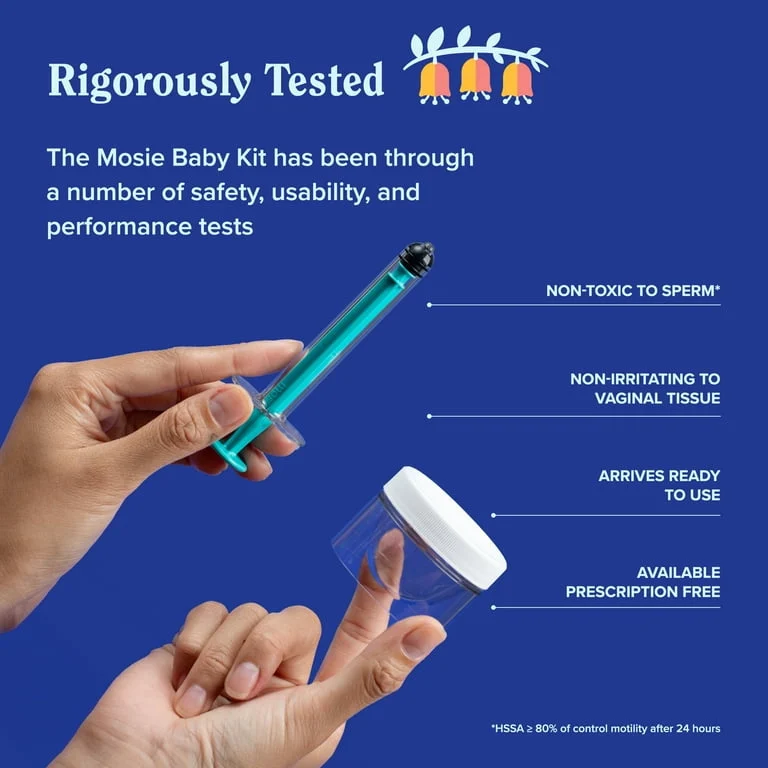
    Mosie Baby Kit with a syringe and container, highlighting safety and usability features on a blue background.

    A Game-Changer for Infertility: The Syringe Insemination System

    2. Convenient and discreet

    The SIS is designed to be used at home, making it a convenient and discreet option for couples. This eliminates the need for frequent visits to the doctor’s office, which can be time-consuming and emotionally taxing. With the SIS, couples can perform the insemination process in the privacy of their own home, reducing the stress and anxiety associated with traditional fertility treatments.

    3. Higher success rates

    Several studies have shown that the SIS has higher success rates compared to traditional fertility treatments. This is due to the fact that the sperm is directly injected into the uterus, increasing the chances of fertilization. Additionally, since the procedure is done at home, couples can time the insemination process with the ovulation cycle, further increasing the chances of pregnancy.

    4. Non-invasive

    Unlike traditional fertility treatments, the SIS is a non-invasive procedure that does not require any medication, injections, or surgery. This makes it a safer and more comfortable option for couples, especially for those who may have a fear of needles or medical procedures.

    5. Suitable for various fertility issues

    The Syringe Insemination System is suitable for couples dealing with various fertility issues, including low sperm count, endometriosis, and unexplained infertility. It is also a viable option for same-sex couples and single women who wish to conceive.

    In summary, the Syringe Insemination System is a game-changer in the world of infertility treatments. Its affordability, convenience, and high success rates make it a promising option for couples struggling to conceive. With its non-invasive nature and wide range of applications, it has the potential to help millions of people fulfill their dream of parenthood.

    SEO Metadata:

  • Frequently Asked Questions About the Syringe Insemination System

    Frequently Asked Questions About the Syringe Insemination System

    The Syringe Insemination System is a method used for artificial insemination in various animal species, including pigs, cows, horses, and sheep. It involves using a syringe to inject semen into the cervix of the female animal, allowing for a more controlled and efficient breeding process. As this method gains popularity among farmers and breeders, there are many questions that arise about its use and effectiveness. In this blog post, we will answer some of the most frequently asked questions about the Syringe Insemination System.

    1. How does the Syringe Insemination System work?

    The Syringe Insemination System works by using a syringe to deposit semen directly into the cervix of a female animal. This method allows for a more targeted and precise delivery of semen, increasing the chances of successful fertilization. It also eliminates the need for physical contact between the male and female animals, reducing the risk of injuries or infections.

    2. What are the benefits of using the Syringe Insemination System?

    There are several benefits to using the Syringe Insemination System. Firstly, it allows for a more controlled and efficient breeding process. Farmers and breeders can choose the best semen for their animals and deposit it directly into the cervix, reducing the risk of contamination or wastage. It also eliminates the need for a male animal to be present during the insemination process, making it safer for both the animals and the handlers. Additionally, this method can save time and labor as it can be done by one person and does not require the use of specialized equipment.

    3. Can any animal species be inseminated using this method?

    The Syringe Insemination System is primarily used in pigs, cows, horses, and sheep, but it can also be used in other animal species such as goats, deer, and even dogs. However, the success rate may vary depending on the species and the experience of the person performing the insemination.

    4. How is the semen collected and stored for use in the Syringe Insemination System?

    Semen can be collected from a male animal through various methods, including artificial vagina, electroejaculation, or manual stimulation. Once collected, it is evaluated for quality and stored in a specialized container at a temperature of 5-10°C until it is ready to be used. The semen must be used within 24-48 hours of collection to ensure the best chances of fertilization.

    5. Is the Syringe Insemination System difficult to perform?

    logo featuring a pink heart above two teal leaves on a blue circular background

    Frequently Asked Questions About the Syringe Insemination System

    The Syringe Insemination System may seem daunting at first, but with proper training and practice, it can be easily performed by farmers and breeders. It is essential to follow the correct technique and use sterile equipment to ensure the best results. Many companies also offer training and support for those who are new to using this method.

    6. What is the success rate of the Syringe Insemination System?

    The success rate of the Syringe Insemination System depends on various factors, including the quality of semen, the experience of the person performing the procedure, and the timing of insemination in relation to the animal’s ovulation cycle. On average, the success rate can range from 50-80%, making it a highly effective method of artificial insemination.

    7. How does the Syringe Insemination System compare to other methods of artificial insemination?

    Compared to other methods of artificial insemination, such as natural mating or using an insemination gun, the Syringe Insemination System offers several advantages. It allows for a more targeted and precise delivery of semen, eliminates the need for physical contact between the animals, and can be done by one person. It also has a higher success rate and reduces the risk of injuries or infections.

    8. Can the Syringe Insemination System be used for frozen semen?

    Yes, the Syringe Insemination System can be used for both fresh and frozen semen. However, it is essential to follow the correct thawing and handling procedures for frozen semen to ensure its viability and effectiveness.

    9. Are there any risks associated with the Syringe Insemination System?

    As with any medical procedure, there are some risks associated with the Syringe Insemination System. These include the risk of infection if sterile equipment is not used, the risk of injury to the animal if the procedure is not performed correctly, and the risk of unsuccessful fertilization. However, with proper training and following the correct procedures, these risks can be minimized.

    10. What are the costs associated with using the Syringe Insemination System?

    The costs associated with using the Syringe Insemination System may vary depending on the type of equipment and semen used, the number of animals being inseminated, and the experience of the person performing the procedure. However, in the long run, this method can save money and time by reducing the need for multiple attempts and eliminating the need for a male animal to be present during the insemination process.

    In summary, the Syringe Insemination System is a highly effective method of artificial insemination that offers many benefits to farmers and breeders. It involves using a syringe to deposit semen directly into the cervix of the female animal, increasing the chances of successful fertilization and reducing the risks associated with natural mating. With proper training and following the correct procedures, this method can be easily performed and can save time, labor, and money in the long run.

  • The Science Behind the Syringe Insemination System: How It Works

    The Syringe Insemination System (SIS) is a medical technology that has revolutionized the field of reproductive science. This system allows for artificial insemination to be done efficiently and effectively, with a high success rate. In this blog post, we will delve into the science behind the Syringe Insemination System, exploring how it works and the various factors that contribute to its success.

    Artificial insemination is a process where sperm is introduced into the female reproductive system in order to achieve fertilization. Traditionally, this was done through a process known as intrauterine insemination (IUI), where a catheter is used to deposit the sperm directly into the uterus. However, with advancements in medical technology, the Syringe Insemination System has emerged as a more effective and convenient method.

    The Syringe Insemination System consists of a sterile syringe, a catheter and a speculum. The process starts by preparing the sperm sample, which can either come from a partner or a donor. The sample is then placed into the syringe, which has a special tip designed to fit the catheter. The speculum is then inserted into the vagina to provide a clear view of the cervix. The catheter, connected to the syringe, is then inserted through the cervix and into the uterus, allowing for the precise placement of the sperm.

    One of the key factors that contribute to the success of the Syringe Insemination System is the use of a sterile syringe. This ensures that the sperm sample remains uncontaminated, reducing the risk of infection. Additionally, the use of a syringe allows for better control and accuracy, ensuring that the sperm is deposited into the optimal location for fertilization.

    Another important aspect of the Syringe Insemination System is the use of a catheter. The catheter is a thin, flexible tube that is inserted into the vagina and into the cervix. It not only serves as a conduit for the sperm, but also helps to guide and position the sperm into the uterus. The size and shape of the catheter are carefully designed to allow for a smooth and comfortable insertion, minimizing any discomfort for the patient.

    The speculum, a device used to hold the vaginal walls apart, allows for a clear view of the cervix and makes the process easier for the medical professional performing the insemination. It also helps to ensure that the catheter is inserted into the correct location.

    Mosie Baby Kit with a syringe and container, highlighting safety and usability features on a blue background.

    The Science Behind the Syringe Insemination System: How It Works

    One of the biggest advantages of the Syringe Insemination System is the ability to control the timing of the insemination. In traditional IUI, the sperm is deposited into the uterus and is then left to travel to the fallopian tubes, where fertilization takes place. However, with the SIS, the sperm is placed directly into the fallopian tubes, bypassing the need for it to travel. This allows for a higher concentration of sperm in the tubes, increasing the chances of fertilization.

    The timing of the insemination is also crucial for its success. The Syringe Insemination System allows for the sperm to be deposited at the most optimal time, which is determined by tracking the ovulation cycle of the female partner. This increases the chances of fertilization and pregnancy.

    Another key factor that contributes to the success of the Syringe Insemination System is the use of washed sperm. The sperm sample is washed in a lab prior to the insemination, which removes any debris or dead sperm, leaving behind only the healthiest and most viable sperm. This increases the chances of successful fertilization and reduces the risk of complications.

    In addition to its high success rate, the Syringe Insemination System also offers several other benefits. It is a minimally invasive procedure, which means that it is less uncomfortable and has a shorter recovery time compared to other methods of artificial insemination. It is also a more affordable option, making it accessible to a wider population.

    In conclusion, the Syringe Insemination System is a highly effective and efficient method of artificial insemination. Its success is attributed to its use of sterile equipment, precise placement of sperm, and the ability to control the timing of the insemination. With its many advantages, it has become a popular choice for couples struggling with fertility issues.

    Summary:

    The Syringe Insemination System (SIS) is a medical technology used for artificial insemination. It consists of a sterile syringe, catheter, and speculum, and allows for precise placement of sperm into the uterus. Factors such as the use of sterile equipment, accurate timing, and washed sperm contribute to its high success rate. The SIS is a minimally invasive and more affordable option, making it a popular choice for couples struggling with fertility issues.