Tag: Menopause

  • The Evolution of Cervical Mucus: How It Changes as You Age

    The Evolution of Cervical Mucus: How It Changes as You Age

    Cervical mucus, also known as cervical fluid, is a vital part of a woman’s reproductive system. It plays a crucial role in fertility, as it helps sperm to travel through the cervix and into the uterus towards the egg. But what many women may not know is that cervical mucus changes in consistency and appearance as they age. In this blog post, we will explore the evolution of cervical mucus and how it changes throughout a woman’s life.

    Puberty and Adolescence

    The journey of cervical mucus begins during puberty, when a girl’s body starts to produce hormones that prepare her for fertility. During this stage, cervical mucus is typically thick, sticky, and may have a milky or cloudy appearance. This type of mucus helps to protect the cervix from bacteria and other harmful substances.

    As a girl enters adolescence, her cervical mucus continues to change. This is when the body starts to produce estrogen, which helps to thicken the cervical mucus. The mucus also becomes more elastic and stretchy, resembling the consistency of egg whites. This type of mucus is known as “fertile mucus” and is a sign that ovulation is approaching.

    Reproductive Years

    Once a woman reaches her reproductive years, her cervical mucus continues to change in response to her menstrual cycle. Before ovulation, the cervix produces more estrogen, causing the mucus to become even more stretchy and transparent. This type of mucus is ideal for sperm to travel through and helps to nourish and protect them on their journey to the egg.
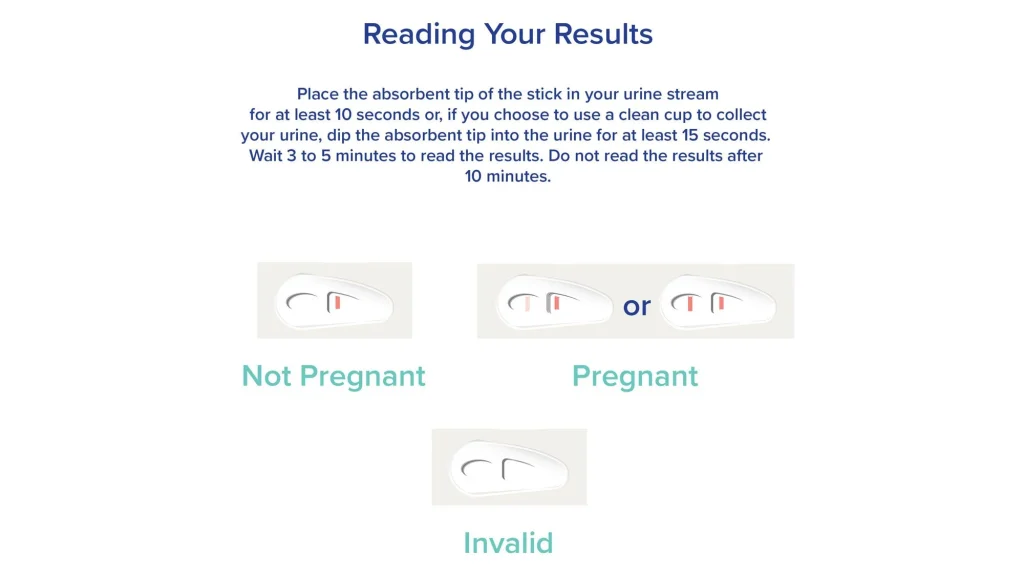
    Instructions for reading pregnancy test results with visual indicators for "Not Pregnant," "Pregnant," and "Invalid.

    The Evolution of Cervical Mucus: How It Changes as You Age

    During ovulation, cervical mucus is at its peak in terms of quantity and quality. It is clear, slippery, and has a consistency similar to raw egg whites. This type of mucus is designed to provide an optimal environment for sperm to swim through and reach the egg. It also helps to filter out weaker sperm, ensuring that only the strongest ones can make it to the egg.

    After ovulation, cervical mucus starts to change again. The body produces less estrogen and more progesterone, causing the mucus to become thicker and stickier. This type of mucus is known as “infertile mucus” as it creates a barrier that makes it difficult for sperm to travel through. This helps to prevent pregnancy from occurring during this time.

    Perimenopause and Menopause

    As a woman enters her late 30s and early 40s, her body starts to produce less estrogen, which can have an impact on cervical mucus. This can lead to a decrease in the amount of fertile mucus produced, making it more difficult for sperm to reach the egg. As a result, this may make it more challenging for women to get pregnant naturally during this stage.

    During perimenopause, which typically occurs in a woman’s late 40s, cervical mucus continues to change. Estrogen levels fluctuate, causing the mucus to become inconsistent in its appearance and quantity. Some women may experience dryness, while others may have an increase in discharge. This stage can last for several years until menopause, which marks the end of a woman’s reproductive years.

    Summary:

    Cervical mucus plays a crucial role in fertility and changes throughout a woman’s life. During puberty and adolescence, it is thick and sticky, protecting the cervix. In the reproductive years, it becomes more stretchy and transparent, aiding sperm in their journey to the egg. After ovulation, it becomes thicker and less conducive to sperm, preventing pregnancy. During perimenopause and menopause, it becomes more inconsistent and can impact fertility. Understanding these changes can help women track their fertility and plan for pregnancy.


  • Debunking the Myths: Hormonal Birth Control and Cervical Mucus Changes in Menopause

    Summary:

    Hormonal birth control has been a popular and effective method of preventing pregnancy for decades. However, there are many myths surrounding its use, especially in relation to menopause and changes in cervical mucus. In this blog post, we will debunk these myths and provide evidence-based information about the effects of hormonal birth control on cervical mucus in menopause.

    Firstly, it is important to understand the role of cervical mucus in the menstrual cycle. Cervical mucus is a fluid produced by the cervix that helps sperm to travel through the reproductive tract and fertilize an egg. It also plays a crucial role in preventing infections in the reproductive organs. During menopause, the production of cervical mucus decreases due to the decline in hormone levels, leading to changes in its consistency and volume.

    One of the most common myths about hormonal birth control and menopause is that it can cause changes in cervical mucus. Some believe that birth control pills can dry up cervical mucus, making it difficult for sperm to reach the egg. However, research has shown that hormonal birth control does not affect the production or quality of cervical mucus in menopausal women. In fact, studies have found that women on birth control pills have similar levels of cervical mucus as women who are not taking any form of contraception.

    hand holding a pregnancy test with instructions on a colorful background

    Debunking the Myths: Hormonal Birth Control and Cervical Mucus Changes in Menopause

    Another myth is that hormonal birth control can increase the risk of infections in menopausal women by altering the pH balance of the vagina. While it is true that hormonal birth control can slightly change the pH of the vagina, it does not increase the risk of infections. In fact, birth control pills have been found to lower the risk of bacterial vaginosis, a common vaginal infection, in menopausal women.

    Some also believe that hormonal birth control can worsen menopausal symptoms, such as hot flashes and mood swings. However, studies have shown that birth control pills can actually improve these symptoms in menopausal women. This is because birth control pills contain hormones that can help regulate hormone levels and alleviate menopausal symptoms. Additionally, hormonal birth control can also help prevent osteoporosis, a common condition in menopause, by maintaining bone density.

    It is also a common misconception that women in menopause do not need birth control since they are no longer fertile. However, menopause is a gradual process and women can still become pregnant during perimenopause, the stage leading up to menopause. Additionally, hormonal birth control has other benefits for menopausal women, such as reducing the risk of certain cancers, including ovarian and endometrial cancers.

    Lastly, there is a myth that women who have been on birth control for a long time may have difficulty conceiving after stopping it. However, research has shown that hormonal birth control does not have a long-term effect on fertility. Studies have found that women who have been on birth control pills for many years are just as likely to get pregnant as women who have never used birth control.

    In conclusion, there are many myths surrounding the use of hormonal birth control in menopause, particularly its effects on cervical mucus. However, these myths have been debunked by scientific evidence. Hormonal birth control does not dry up cervical mucus, increase the risk of infections, worsen menopausal symptoms, or have long-term effects on fertility. In fact, it can have numerous benefits for menopausal women, including preventing pregnancy and reducing the risk of certain health conditions.

  • Cervical Mucus and Menopause: Changes and Challenges

    Blog Post:

    Cervical mucus is a natural and important part of a woman’s reproductive system. It serves as a protective barrier, nourishes and transports sperm, and helps to maintain the balance of bacteria in the vagina. However, as women age and enter menopause, the production and quality of cervical mucus can change, leading to a variety of challenges and concerns. In this blog post, we will explore the changes that occur in cervical mucus during menopause and the challenges that women may face as a result.

    Menopause is a natural and inevitable part of a woman’s life, marking the end of her reproductive years. It is defined as the permanent cessation of menstruation for 12 consecutive months and is typically accompanied by a decline in hormone levels, specifically estrogen and progesterone. These hormonal changes can have a significant impact on the production and quality of cervical mucus.

    One of the main changes that occur in cervical mucus during menopause is a decrease in production. This is due to the decline in estrogen levels, which play a crucial role in stimulating the production of cervical mucus. As a result, women may notice a decrease in the amount of mucus present, which can make it more difficult to conceive if they are trying to get pregnant.

    In addition to a decrease in production, menopause can also affect the quality of cervical mucus. Estrogen helps to keep the mucus thin, slippery, and stretchy, which allows sperm to swim through it more easily. As estrogen levels decline during menopause, the mucus can become thicker, stickier, and less stretchy, making it harder for sperm to reach the egg. This can also make it more difficult for women to identify their most fertile days, as the changes in cervical mucus may not be as noticeable.

    Another challenge that women may face with cervical mucus during menopause is an increased risk of vaginal dryness. Estrogen is also responsible for keeping the vaginal tissues moist and lubricated, and as its levels decline, the vagina may become drier. This can cause discomfort, irritation, and even pain during sexual intercourse. It can also make it more difficult for women to produce enough cervical mucus, which can further hinder fertility and make sexual activity less enjoyable.

    Mosie Baby ovulation test kit with packaging and instructions on a pink background.

    Cervical Mucus and Menopause: Changes and Challenges

    Aside from the changes in production and quality, menopause can also affect the pH balance of cervical mucus. Normally, cervical mucus is slightly acidic to help protect against harmful bacteria and infections. However, as estrogen levels decrease, the pH balance can become more alkaline, making it easier for bacteria to thrive. This can increase the risk of bacterial infections, such as bacterial vaginosis and urinary tract infections.

    Furthermore, the changes in cervical mucus can also impact the overall health of the vagina. Estrogen helps to maintain the delicate balance of bacteria in the vagina, known as the vaginal microbiome. As estrogen levels decline, this balance can be disrupted, leading to an overgrowth of harmful bacteria and an increased risk of infections. This can also cause changes in vaginal odor and discharge, which can be uncomfortable and embarrassing for women.

    There are several ways to manage the changes in cervical mucus during menopause. One option is to use over-the-counter vaginal lubricants or moisturizers to help alleviate vaginal dryness and discomfort. These products can also help to improve sexual pleasure and make intercourse more enjoyable. Additionally, some women may benefit from hormone replacement therapy (HRT), which can help to replenish estrogen levels and improve the production and quality of cervical mucus. However, HRT may not be suitable for everyone and should be discussed with a healthcare provider.

    In conclusion, menopause can bring about significant changes in cervical mucus, including a decrease in production, changes in quality and pH balance, and an increased risk of vaginal dryness and infections. These changes can have a significant impact on fertility, sexual health, and overall well-being. However, there are ways to manage these changes and improve symptoms, such as using lubricants and moisturizers, or considering hormone replacement therapy. It is important for women to be aware of these changes and to discuss any concerns with their healthcare provider.

    Summary:

    Cervical mucus is an essential part of a woman’s reproductive system, but as women enter menopause, changes in hormone levels can affect its production and quality. With a decrease in estrogen, there is a decrease in mucus production, which can make it more difficult to conceive. The quality of mucus can also change, becoming thicker and stickier, making it harder for sperm to reach the egg. Menopause can also lead to vaginal dryness, an altered pH balance, and disruptions in the vaginal microbiome, which can increase the risk of infections. Ways to manage these changes include using lubricants and moisturizers, or considering hormone replacement therapy. It is important for women to discuss any concerns with their healthcare provider.

  • Cervical Mucus and Age: How It Changes as You Get Older

    Cervical mucus is a natural fluid produced by the cervix that plays an important role in fertility and overall reproductive health. It serves as a protective barrier for the reproductive organs and helps to facilitate the movement of sperm towards the egg. However, as women age, the composition and quantity of cervical mucus can change, which can have a significant impact on their ability to conceive and maintain a healthy pregnancy. In this blog post, we will explore how cervical mucus changes as a woman gets older, and what implications these changes may have on fertility and overall reproductive health.

    Cervical mucus is produced by the cells lining the cervix and is influenced by hormones, particularly estrogen and progesterone. The consistency, color, and amount of cervical mucus can vary throughout a woman’s menstrual cycle, and these changes are closely linked to fertility. In general, cervical mucus can be classified into four main types: dry, sticky, creamy, and egg white.

    In the early stages of a woman’s reproductive years, typically from puberty to her late 20s, cervical mucus is usually abundant, thin, and stretchy, resembling raw egg whites. This type of mucus is known as fertile cervical mucus and is considered optimal for sperm survival and movement. It also helps to create a favorable environment for fertilization by providing the sperm with a pathway to reach the egg.

    As a woman enters her 30s and 40s, her fertility begins to decline, and this is reflected in changes in cervical mucus. The levels of estrogen and progesterone decline, leading to less fertile mucus. This is because the cervix produces less mucus during this time, and the quality of mucus changes. It may become thicker, stickier, and less stretchy, making it difficult for sperm to survive and reach the egg.

    Furthermore, as women enter perimenopause and eventually menopause, the production of cervical mucus decreases significantly. This is due to a decline in estrogen levels, which is a natural part of the aging process. As a result, women in this stage may experience a dry or sticky sensation in the vaginal area, and there may be little to no cervical mucus present.

    at-home insemination kit by Mosie Baby, featuring syringes, collection cups, and instructions on a pink background.

    Cervical Mucus and Age: How It Changes as You Get Older

    These changes in cervical mucus can have a significant impact on a woman’s fertility. Fertile cervical mucus is crucial for conception as it helps to keep sperm alive and facilitate their journey to the egg. Without this fertile mucus, the chances of sperm survival and fertilization decrease. Therefore, as a woman ages and enters perimenopause and menopause, her fertility declines due in part to changes in cervical mucus.

    In addition to fertility, cervical mucus also plays a role in overall reproductive health. It serves as a protective barrier against bacteria and infections, and its consistency can provide valuable insights into a woman’s menstrual cycle and health. Changes in cervical mucus, such as an increase in discharge or a foul odor, may indicate an underlying issue that requires medical attention.

    While it is natural for cervical mucus to change as a woman ages, there are ways to support and maintain healthy cervical mucus. Staying hydrated and maintaining a well-balanced diet can help to keep cervical mucus at optimal levels. Additionally, certain supplements, such as vitamin B6 and evening primrose oil, may also help to improve the quality and quantity of cervical mucus.

    In conclusion, cervical mucus is an essential aspect of a woman’s reproductive health that can change significantly as she ages. From the abundance of fertile mucus in her early reproductive years to the decline in production during perimenopause and menopause, these changes can have a significant impact on fertility and overall reproductive health. It is essential for women to be aware of these changes and take steps to support and maintain healthy cervical mucus as they age.

    Summary:

    Cervical mucus is a natural fluid produced by the cervix that plays a crucial role in fertility and overall reproductive health. As women age, the composition and quantity of cervical mucus can change, which can have a significant impact on their ability to conceive and maintain a healthy pregnancy. In the early reproductive years, cervical mucus is usually abundant, thin, and stretchy, but as a woman enters her 30s and 40s, the levels of estrogen and progesterone decline, leading to less fertile mucus. This decline continues into perimenopause and menopause, where the production of cervical mucus decreases significantly. These changes can have a significant impact on fertility and overall reproductive health, making it essential for women to be aware of these changes and take steps to support and maintain healthy cervical mucus as they age.

  • The On Your Own Terms Kit: Empowering Women to Take Control of Their Reproductive Health

    Blog Post:

    In today’s society, there is a pressing need for women to have control over their reproductive health. From access to birth control and abortion services to navigating menopause and fertility issues, women face numerous challenges when it comes to their reproductive well-being. That’s where the On Your Own Terms Kit comes in – a comprehensive resource designed to empower women to take control of their reproductive health and make informed decisions about their bodies.

    What is the On Your Own Terms Kit?

    The On Your Own Terms Kit is a comprehensive toolkit that provides women with the resources, knowledge, and support they need to make informed decisions about their reproductive health. It was created by Dr. Aisha Wagner, a board-certified OB/GYN, and founder of the website On Your Own Terms, which is dedicated to providing women with accurate and reliable information about reproductive health.

    The kit includes a variety of resources, including a guidebook, worksheets, and online courses, all designed to help women better understand their bodies and take control of their reproductive health. It covers a wide range of topics, from birth control methods and fertility tracking to menopause and sexual health.

    Empowering Women to Take Control

    One of the primary goals of the On Your Own Terms Kit is to empower women to take control of their reproductive health. This means providing them with the information and tools they need to make informed decisions about their bodies. The kit includes a comprehensive guidebook that covers everything from basic anatomy to common reproductive health issues. It also includes worksheets and exercises that help women track their menstrual cycles, understand their fertility patterns, and identify potential issues.

    In addition to the physical resources, the On Your Own Terms Kit also offers online courses to help women expand their knowledge and understanding of reproductive health. These courses cover a variety of topics such as birth control options, fertility awareness, and menopause management. They are designed to be accessible and informative, giving women the tools they need to make informed decisions about their reproductive health.

    Mosie Baby kit with two jars, a syringe, and a supportive message card inside a colorful box.

    The On Your Own Terms Kit: Empowering Women to Take Control of Their Reproductive Health

    Navigating Different Stages of Reproductive Health

    One of the unique aspects of the On Your Own Terms Kit is its focus on all stages of reproductive health. It provides resources for women in their reproductive years, as well as those approaching menopause or dealing with fertility issues. This comprehensive approach recognizes that women’s reproductive health needs change throughout their lives and that they need different resources and support at different stages.

    For women in their reproductive years, the kit offers information on birth control methods, menstrual cycle tracking, and understanding fertility. It also includes resources for women who are trying to conceive, providing guidance on fertility charting, ovulation tracking, and more.

    For women approaching menopause, the kit covers options for managing symptoms and maintaining sexual health. It includes information on hormone therapy, alternative treatments, and self-care practices to help women navigate this stage of life with confidence.

    Supporting Women’s Health and Well-being

    The On Your Own Terms Kit is not just about providing information; it is also about supporting women’s health and well-being. The kit recognizes that reproductive health is not just physical but also emotional and mental. It includes exercises and worksheets that help women reflect on their values, beliefs, and goals when it comes to their reproductive health. It also offers resources for managing stress, improving communication with healthcare providers, and building a supportive community.

    Moreover, the On Your Own Terms Kit is dedicated to providing inclusive and diverse resources for women of all backgrounds. It recognizes that reproductive health is a complex and personal issue, and there is no one-size-fits-all solution. The kit strives to provide a safe and supportive space for all women to learn and make decisions about their reproductive health.

    In Summary

    The On Your Own Terms Kit is a comprehensive resource designed to empower women to take control of their reproductive health. It includes a guidebook, worksheets, and online courses to help women understand their bodies and make informed decisions about their reproductive well-being. The kit covers a wide range of topics, including birth control, fertility, and menopause, and is dedicated to supporting women’s health and well-being. It is a valuable resource for women of all ages and backgrounds, providing them with the tools and knowledge they need to make decisions on their own terms.

