Tag: Natural Remedies

  • Get Creative: DIY Fertility Support Tools You Haven’t Tried

    Trying to conceive can be a challenging and emotional journey for many couples. While there are various medical treatments and procedures available, some couples may prefer to try more natural and DIY approaches to support their fertility. In this blog post, we will explore some lesser-known DIY fertility support tools that you may not have tried yet.

    1. Fertility Yoga
    Yoga has been known to have numerous health benefits, including improved flexibility and stress relief. But did you know that it can also support fertility? Fertility yoga involves specific poses and breathing techniques that can help stimulate blood flow to the reproductive organs, balance hormones, and reduce stress. You can even find online classes and tutorials specifically designed for fertility support.

    2. Acupressure and Acupuncture
    Acupressure and acupuncture are ancient Chinese healing practices that involve applying pressure or needles to specific points on the body. These techniques are believed to help balance the body’s energy flow and promote overall wellness. When it comes to fertility, acupressure and acupuncture can help regulate hormones, improve blood flow to the reproductive organs, and reduce stress. You can try self-acupressure at home or visit a licensed acupuncturist for personalized treatment.

    3. Fertility Massage
    Similar to acupressure, fertility massage focuses on specific areas of the body to improve blood flow and promote hormonal balance. This type of massage can be done at home, using techniques such as abdominal massage to stimulate the ovaries and uterus. It can also be beneficial for men as it can improve sperm quality and motility. You can find instructional videos and books to guide you through fertility massage techniques.

    4. Seed Cycling
    Seed cycling involves incorporating specific seeds into your diet during different phases of your menstrual cycle. For example, during the first half of your cycle, you would consume pumpkin and flax seeds to support estrogen production. In the second half of your cycle, you would switch to sesame and sunflower seeds, which are believed to support progesterone production. While there is limited scientific research on the effectiveness of seed cycling, many women have reported positive results in regulating their menstrual cycles and supporting fertility.

    home insemination kit components: a syringe and a collection container against a blue background.

    Get Creative: DIY Fertility Support Tools You Haven't Tried

    5. Essential Oils
    Essential oils have gained popularity in recent years for their therapeutic benefits. Some essential oils, such as clary sage and geranium, are believed to support hormonal balance and improve fertility. You can use them in a diffuser, add them to a warm bath, or dilute them with a carrier oil and apply them topically to certain areas of the body.

    6. Castor Oil Packs
    Castor oil packs have been used for centuries to support various health issues, including fertility. These packs involve applying a cloth soaked in castor oil to the lower abdomen for a designated period. It is believed that the oil can help stimulate circulation and detoxify the reproductive organs, making them more receptive to conception.

    7. Herbal Supplements
    There are various herbal supplements available that claim to support fertility. Some of the popular ones include maca root, vitex, and evening primrose oil. It is essential to do thorough research and consult with a healthcare professional before incorporating any herbal supplements into your routine, as they can have potential side effects and interactions with medications.

    8. Mind-Body Techniques
    The mind and body are closely connected, and stress can be a significant factor in fertility issues. Therefore, incorporating mind-body techniques such as meditation, deep breathing, and visualization can be beneficial in reducing stress levels and promoting relaxation. You can find guided meditations and relaxation techniques specifically designed for fertility online.

    Trying to conceive can be a challenging and emotional journey, but by incorporating some of these DIY fertility support tools, you may find some relief and support along the way. However, it is essential to remember that every person’s body is different, and what may work for one may not work for another. It is crucial to listen to your body, be patient, and seek professional medical advice if needed.

    In conclusion, there are various DIY fertility support tools that you may not have tried yet, such as fertility yoga, acupressure, massage, seed cycling, essential oils, castor oil packs, herbal supplements, and mind-body techniques. These tools may help improve blood flow, balance hormones, reduce stress, and support overall fertility. Remember to always do your research, listen to your body, and seek medical advice if necessary.

  • DIY Fertility Support: Building Your Own Toolbox

    DIY Fertility Support: Building Your Own Toolbox

    Struggling with fertility can be a frustrating and emotional journey for many couples. While seeking medical assistance is always an option, there are also many natural and DIY fertility support methods that can be used to increase your chances of conception. Building your own toolbox of fertility support techniques can not only help you feel more in control of your fertility journey, but it can also save you money and potentially lead to a healthier pregnancy. In this blog post, we will discuss various DIY fertility support methods and how you can create your own toolbox to support your fertility journey.

    1. Understanding Your Cycle

    The first step in building your own fertility toolbox is to understand your menstrual cycle. Tracking your cycle can help you determine when you are most likely to ovulate, making it easier to time intercourse for conception. There are many free apps and websites that can help you track your cycle, or you can use a traditional calendar or ovulation predictor kits. By understanding your cycle, you can also identify any irregularities that may require medical attention.

    2. Nutrition and Supplements

    Eating a healthy, balanced diet is crucial for overall health, but it can also play a significant role in fertility. Incorporating foods rich in vitamins and minerals such as folic acid, iron, and zinc can improve egg quality and increase sperm count. Some fertility-friendly foods to add to your diet include leafy greens, berries, avocados, and lean proteins. In addition to a healthy diet, certain supplements can also support fertility. Popular supplements for fertility include prenatal vitamins, omega-3 fatty acids, and CoQ10.

    3. Stress Management

    Stress can have a significant impact on fertility, making it essential to manage stress levels while trying to conceive. High levels of stress can interfere with ovulation and sperm production, making it more challenging to conceive. Finding healthy ways to manage stress, such as yoga, meditation, or journaling, can help create a more relaxed and fertile environment for conception.

    4. Acupuncture

    Acupuncture has been used for centuries to treat various health conditions, including infertility. This ancient Chinese practice involves inserting thin needles into specific points on the body to stimulate energy flow. Studies have shown that acupuncture can improve fertility by regulating hormone levels, increasing blood flow to the reproductive organs, and reducing stress and anxiety.

    5. Herbal Remedies

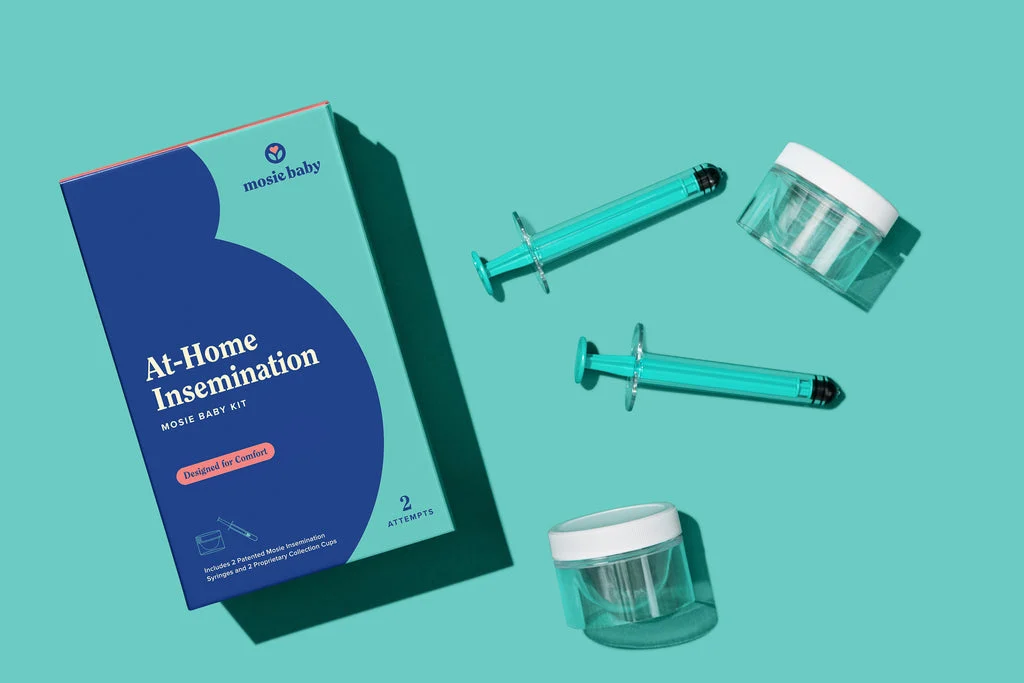
    At-home insemination kit with syringes and collection cups on a teal background.

    DIY Fertility Support: Building Your Own Toolbox

    Herbal remedies have been used for centuries to support fertility and reproductive health. Some of the most popular herbs for fertility include red clover, maca root, and chasteberry. These herbs can help regulate hormones, increase blood flow to the reproductive organs, and improve the quality and quantity of cervical mucus.

    6. Exercise

    Regular exercise is essential for overall health and can also support fertility. Exercise can help maintain a healthy weight, which is crucial for fertility, and also reduce stress levels. However, it is essential to find a balance as excessive exercise can have a negative impact on fertility. Some recommended exercises for fertility include walking, yoga, and swimming.

    7. Essential Oils

    Essential oils have gained popularity in recent years for their various health benefits, including supporting fertility. Some essential oils that can help with fertility include clary sage, geranium, and ylang-ylang. These oils can help regulate hormones, reduce stress, and improve mood, all of which can support fertility.

    8. Massage

    Fertility massage is a type of therapy specifically designed to support reproductive health. This type of massage involves applying gentle pressure to the abdomen and lower back to improve blood flow to the reproductive organs, balance hormones, and reduce stress. Fertility massage can be done at home or by a trained therapist.

    9. Mind-Body Techniques

    Mind-body techniques, such as visualization, can be a powerful tool for fertility support. Visualization involves creating a mental image of your fertility journey and your desired outcome. This technique can help reduce stress, increase positive emotions, and create a more receptive environment for conception.

    10. Chiropractic Care

    Chiropractic care involves manipulating the spine to promote healing and improve overall health. It has been found to be beneficial for fertility by helping to balance hormones and improve blood flow to the reproductive organs. Chiropractic care can also help with stress management, as many people hold tension in their spine.

    In summary, there are numerous DIY fertility support methods that can be used to increase your chances of conception, and building your own toolbox can help you feel more in control of your fertility journey. By understanding your cycle, incorporating a healthy diet and supplements, managing stress, and using various techniques such as acupuncture, herbal remedies, and massage, you can create a comprehensive and personalized approach to support your fertility. Remember, every person’s fertility journey is unique, so it may take some trial and error to determine which methods work best for you. Don’t be afraid to seek advice from a healthcare professional, and most importantly, be patient and kind to yourself during this process.

  • Boosting Fertility at Home: The Ultimate Conception Support Kit

    Are you and your partner trying to conceive but facing challenges? You’re not alone. Infertility affects millions of couples worldwide. While there are various medical treatments available, there are also natural ways to boost fertility at home. In this blog post, we’ll explore the ultimate conception support kit, consisting of various tools and techniques that can help increase your chances of getting pregnant.

    Before we dive into the specifics, it’s important to understand the factors that can affect fertility. These include age, hormonal imbalances, certain medical conditions, and lifestyle factors such as diet and stress. By addressing these factors and incorporating the following items into your daily routine, you can create a powerful fertility support kit to aid in your journey towards conception.

    1. Fertility Tracking Apps
    One of the first steps in boosting fertility is understanding your menstrual cycle. Fertility tracking apps, such as Glow and Clue, can help you keep track of your periods, ovulation, and fertile window. These apps also allow you to log other relevant information, such as your basal body temperature and cervical mucus, to provide a more accurate prediction of ovulation. By knowing your fertile window, you can time intercourse accordingly, increasing your chances of conception.

    2. Ovulation Predictor Kits
    For a more precise determination of ovulation, you can use ovulation predictor kits (OPKs). These kits detect the presence of luteinizing hormone (LH) in your urine, which surges just before ovulation. By testing daily around the time of ovulation, you can pinpoint the exact day you are most likely to conceive.

    3. Essential Oils
    Certain essential oils have been known to support fertility and hormone balance. Examples include clary sage, geranium, and ylang-ylang. These oils can be diffused, added to a bath, or diluted and applied to the skin. They can help reduce stress, regulate hormones, and promote relaxation, creating a favorable environment for conception.

    4. Herbal Teas
    Herbal teas have been used for centuries to support reproductive health. Some popular options for boosting fertility include red raspberry leaf, nettle leaf, and peppermint. These teas are rich in antioxidants and can help regulate hormones and improve overall reproductive function. Just be sure to consult with your doctor before incorporating any new herbal teas into your routine, especially if you are taking any medications.

    5. Supplements
    Certain vitamins and minerals are essential for reproductive health and can be taken as supplements to boost fertility. These include folic acid, zinc, and vitamin D. Folic acid is crucial for fetal development and can help prevent birth defects. Zinc is essential for sperm production and can improve sperm quality. Vitamin D is necessary for hormonal balance and can help regulate menstrual cycles. Be sure to consult with your doctor before taking any new supplements, as they may interact with other medications.

    at-home insemination kit featuring a syringe and container for fresh or donor sperm conception

    Boosting Fertility at Home: The Ultimate Conception Support Kit

    6. Healthy Diet
    Eating a healthy, balanced diet is crucial for fertility. Avoid processed foods and focus on whole, nutrient-dense foods. Incorporate plenty of fruits, vegetables, lean protein, and healthy fats into your meals. Some foods that are particularly beneficial for fertility include leafy greens, avocados, salmon, and eggs. These foods are rich in vitamins, minerals, and antioxidants that can help regulate hormones and improve overall reproductive function.

    7. Regular Exercise
    Regular physical activity not only promotes overall health, but it can also improve fertility. Exercise helps reduce stress, regulate hormones, and maintain a healthy weight, all of which can contribute to a favorable environment for conception. Aim for at least 30 minutes of moderate exercise, such as brisk walking or yoga, most days of the week.

    8. Stress Management
    Stress can have a significant impact on fertility. When we are stressed, our bodies produce high levels of cortisol, which can interfere with reproductive hormones. Finding ways to manage stress, such as meditation, yoga, or counseling, can help reduce cortisol levels and create a more conducive environment for conception.

    9. Acupuncture
    Acupuncture, a traditional Chinese medicine practice, has been shown to be beneficial for fertility. It involves the insertion of thin needles into specific points on the body to stimulate energy flow. This can help regulate hormones, improve blood flow, and reduce stress, all of which can contribute to increased fertility.

    10. Fertility Massage
    Fertility massage is a type of abdominal massage that is specifically designed to support reproductive health. It involves gentle, targeted movements to improve blood flow and stimulate the reproductive organs. Fertility massage can help regulate hormones, improve egg quality, and increase the chances of conception.

    By incorporating these items into your daily routine, you can create a powerful conception support kit to boost fertility and increase your chances of getting pregnant naturally. Remember to consult with your doctor before trying any new methods, and be patient and kind to yourself as you embark on this journey. With the right tools and techniques, you can increase your chances of conceiving and welcome a new addition to your family.

    In summary, boosting fertility at home involves addressing factors that can affect fertility, such as age, hormonal imbalances, and lifestyle. By incorporating fertility tracking apps, ovulation predictor kits, essential oils, herbal teas, supplements, a healthy diet, regular exercise, stress management techniques, acupuncture, and fertility massage into your daily routine, you can create a powerful conception support kit to aid in your journey towards conception.

  • Natural Remedies to Boost Fertility in Conjunction with Non-Invasive Insemination

    Natural Remedies to Boost Fertility in Conjunction with Non-Invasive Insemination

    For couples struggling with infertility, the journey to starting a family can be a challenging and emotional one. Traditional methods of conception may not always work for everyone, and some couples may turn to non-invasive insemination as an alternative. Non-invasive insemination, also known as artificial insemination, is a procedure where sperm is placed directly into the uterus, making it easier for the sperm to reach and fertilize the egg. While this method can increase the chances of conception, combining it with natural remedies can further boost fertility and increase the chances of a successful pregnancy. In this blog post, we will explore some natural remedies that can be used in conjunction with non-invasive insemination to enhance fertility.

    1. Acupuncture: This ancient Chinese practice involves the insertion of thin needles into specific points on the body to stimulate energy flow. Acupuncture has been shown to improve reproductive health in both men and women by regulating hormones and increasing blood flow to the reproductive organs. Studies have also shown that acupuncture can improve the success rate of non-invasive insemination by up to 26%.

    2. Herbal Supplements: Certain herbs have been used for centuries to boost fertility and improve overall reproductive health. Some of the most popular herbs for fertility include maca, chasteberry, and red raspberry leaf. These herbs can help regulate hormones, increase sperm count and motility, and improve the health of the uterus. It is essential to consult with a healthcare professional before starting any herbal supplements, as they may interact with other medications or have side effects.

    3. Nutrition: A healthy and balanced diet is crucial for optimal reproductive health. Foods rich in antioxidants, such as fruits and vegetables, can help improve sperm quality and increase egg production. Including whole grains, lean proteins, and healthy fats in your diet can also help regulate hormones and improve overall fertility. It is also important to limit or avoid alcohol, caffeine, and processed foods, as they can negatively impact fertility.

    Hands holding a syringe and a small container against a blue background.

    Natural Remedies to Boost Fertility in Conjunction with Non-Invasive Insemination

    4. Yoga and Meditation: Stress can have a significant impact on fertility, and it is essential to find ways to manage and reduce stress levels. Yoga and meditation are excellent ways to relax the mind and body, which can positively impact fertility. Studies have shown that regular yoga practice can improve sperm quality and increase the chances of conception.

    5. Essential Oils: Aromatherapy using essential oils can be a beneficial tool for couples trying to conceive. Some essential oils, such as clary sage and geranium, can help balance hormones and regulate the menstrual cycle. Others, like sandalwood and lavender, can help reduce stress and promote relaxation. It is important to use high-quality essential oils and dilute them properly before use.

    6. Exercise: Regular physical activity can have a positive impact on fertility. Exercise can help regulate hormones, improve blood flow to the reproductive organs, and reduce stress. It is essential to find a balance, as excessive exercise can also have a negative impact on fertility. Low-impact exercises such as yoga, swimming, and walking are excellent options for those trying to conceive.

    7. Chiropractic Care: Chiropractic adjustments can help improve fertility by ensuring proper alignment of the spine and pelvis. Misalignments in these areas can interfere with the nervous system and disrupt hormone balance. Chiropractic care can also help reduce stress and promote relaxation, which can positively impact fertility.

    In addition to these natural remedies, it is crucial to maintain a healthy weight, avoid smoking and excessive alcohol consumption, and get enough sleep for optimal reproductive health. It is also vital to work closely with a healthcare professional and fertility specialist to determine the best course of action for your specific situation.

    In conclusion, while non-invasive insemination can increase the chances of conception, combining it with natural remedies and lifestyle changes can further boost fertility and increase the chances of a successful pregnancy. Acupuncture, herbal supplements, nutrition, yoga and meditation, essential oils, exercise, and chiropractic care are all natural and safe ways to enhance fertility and improve overall reproductive health. Remember to consult with a healthcare professional before starting any new supplements or treatments and to be patient and persistent on your journey to starting a family.

  • Tips for Maintaining a Healthy Pregnancy Using DIY Baby-Making Assistance

    Blog Post:

    Pregnancy is a beautiful and transformative experience for any woman. However, for some, the journey towards motherhood may not be as effortless as others. Many couples struggle with fertility issues and may require assistance in conceiving a child. While medical interventions such as in vitro fertilization (IVF) and artificial insemination are available, they can be costly and may not be suitable for everyone. DIY baby-making assistance methods have gained popularity as a more affordable and natural alternative. In this blog post, we will discuss tips for maintaining a healthy pregnancy using DIY baby-making assistance.

    1. Track Your Ovulation:
    The first step towards DIY baby-making assistance is to track your ovulation. This is crucial as it helps you determine the most fertile days of your cycle. You can use ovulation predictor kits or track your basal body temperature to determine when you are ovulating. Knowing your ovulation window will increase your chances of getting pregnant.

    2. Eat a Healthy Diet:
    Maintaining a healthy and balanced diet is essential for a healthy pregnancy. This is even more critical when trying to conceive. Make sure your diet includes a variety of fruits, vegetables, whole grains, and lean proteins. Avoid processed foods and limit your intake of caffeine and alcohol. Incorporate fertility-boosting foods such as leafy greens, avocados, and nuts into your diet.

    3. Take Supplements:
    Certain vitamins and supplements can aid in boosting fertility and maintaining a healthy pregnancy. Folic acid is essential for preventing birth defects and should be taken before and during pregnancy. Vitamin D and Omega-3 fatty acids have also been linked to fertility and a healthy pregnancy. Consult with your doctor to determine which supplements are best for you.

    4. Practice Stress-Management Techniques:
    Stress can have a significant impact on fertility and pregnancy. It is essential to find ways to manage stress and relax during the baby-making process. Some helpful techniques include yoga, meditation, deep breathing, and journaling. You can also try acupuncture, as it has been known to improve fertility and promote relaxation.

    5. Try Natural Remedies:
    There are various natural remedies that have been used for centuries to boost fertility and maintain a healthy pregnancy. Some of these include herbal teas, essential oils, and acupuncture. However, it is crucial to consult with a healthcare professional before trying any natural remedies to ensure they are safe for you and your baby.

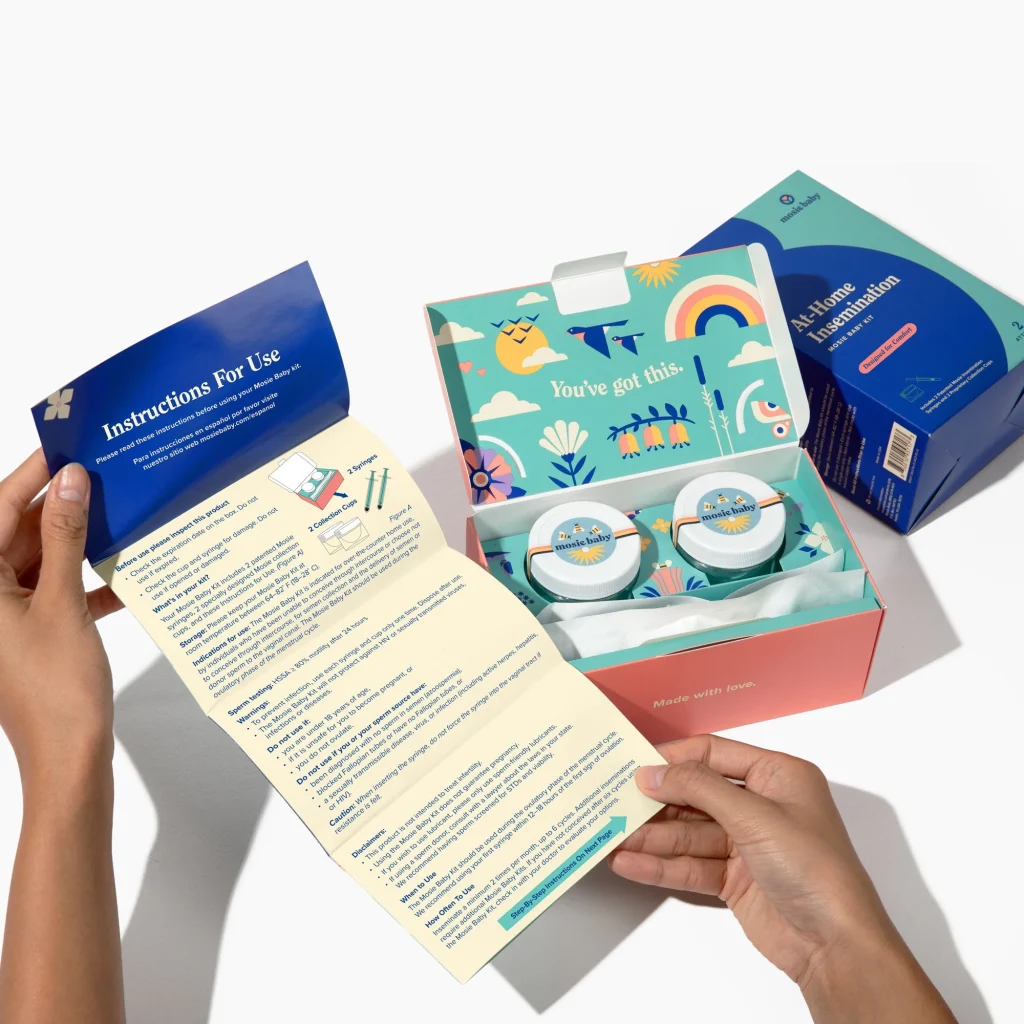
    Home insemination kit by Mosie Baby with instructions and colorful packaging.

    Tips for Maintaining a Healthy Pregnancy Using DIY Baby-Making Assistance

    6. Exercise Regularly:
    Staying active is vital for a healthy pregnancy and can also aid in fertility. Regular exercise helps maintain a healthy weight, reduces stress, and improves overall physical and mental well-being. However, avoid high-impact and strenuous exercises, especially during the ovulation window, as it may affect fertility.

    7. Keep a Positive Mindset:
    The journey towards pregnancy can be emotionally taxing, especially when experiencing fertility challenges. It is crucial to maintain a positive mindset and have a supportive network of family and friends. Seek out support groups or a therapist if needed. Positivity and a healthy mental state can have a significant impact on your fertility journey.

    8. Consider Alternative Methods:
    In addition to DIY baby-making assistance, there are alternative methods that can aid in conceiving a child. These include intrauterine insemination (IUI), fertility drugs, and using a donor. Discuss these options with your healthcare provider to determine which is best for you.

    9. Consult with a Healthcare Provider:
    It is essential to consult with a healthcare provider before embarking on any DIY baby-making assistance methods. They can provide you with personalized advice and ensure that you are in good health to conceive and maintain a pregnancy. They can also monitor your progress and make any necessary adjustments to your plan.

    10. Be Patient:
    It is essential to remember that pregnancy takes time, and it may not happen overnight. Be patient with yourself and your body. Do not lose hope and continue to follow the tips mentioned above. With determination and patience, you can achieve your dream of having a healthy pregnancy and a beautiful baby.

    In summary, DIY baby-making assistance methods can be a viable and affordable option for couples struggling with fertility issues. By tracking your ovulation, maintaining a healthy diet and lifestyle, managing stress, and seeking the advice of a healthcare professional, you can increase your chances of conceiving and maintaining a healthy pregnancy. Remember to stay positive, be patient, and never lose hope.

    SEO metadata:

  • Ways to Boost Male Fertility and DIY Baby-Making Assistance

    Blog Post Title: Ways to Boost Male Fertility and DIY Baby-Making Assistance

    Summary:

    Infertility is a common problem that affects many couples worldwide. While there are various factors that can contribute to infertility, male infertility is a major concern as it accounts for approximately 40% of all cases. The good news is that there are several ways to boost male fertility and DIY baby-making assistance that can increase the chances of conceiving. In this blog post, we will explore some effective ways to boost male fertility and DIY baby-making assistance, including lifestyle changes, dietary modifications, and natural remedies.

    1. Maintain a Healthy Weight

    Being overweight or underweight can have a significant impact on male fertility. Obesity can lead to hormonal imbalances, decreased sperm count, and poor sperm quality, while being underweight can cause a decrease in testosterone levels. Therefore, it is important for men to maintain a healthy weight by following a balanced diet and regular exercise routine.

    2. Quit Smoking and Limit Alcohol Consumption

    Smoking and excessive alcohol consumption can have a negative effect on male fertility. Studies have shown that smoking can reduce sperm count, motility, and quality, while heavy alcohol intake can decrease testosterone levels and lead to erectile dysfunction. Quitting smoking and limiting alcohol consumption can significantly improve male fertility and increase the chances of conception.

    3. Reduce Stress Levels

    High levels of stress can lead to hormonal imbalances and affect sperm production. Find ways to reduce stress, such as practicing relaxation techniques like yoga or meditation, exercising regularly, and getting enough sleep. These simple lifestyle changes can help improve male fertility and overall well-being.

    4. Incorporate Fertility-Boosting Foods into Your Diet

    Certain foods are known to boost male fertility, such as oysters, pumpkin seeds, walnuts, and dark chocolate. These foods are rich in zinc, which is essential for sperm production. Other foods that can improve male fertility include tomatoes, broccoli, spinach, and other leafy greens, which are rich in antioxidants that can protect sperm from damage.

    Colorful promotional image for Mosie Baby, featuring home insemination kit and encouraging text.

    Ways to Boost Male Fertility and DIY Baby-Making Assistance

    5. Consider Taking Supplements

    In addition to a healthy diet, certain supplements can also help boost male fertility. These include CoQ10, vitamin D, and omega-3 fatty acids. These supplements can improve sperm count, motility, and quality.

    6. Try Natural Remedies

    Some natural remedies have been found to be effective in boosting male fertility. These include ashwagandha, maca root, and ginseng. These herbs have been used for centuries to improve male fertility and have shown promising results in recent studies.

    7. Avoid Exposure to Harmful Chemicals

    Exposure to certain chemicals can have a negative effect on male fertility. These include pesticides, herbicides, and industrial chemicals. Men who work in industries that involve exposure to these chemicals should take precautions to protect themselves. It is also important to avoid using products that contain harmful chemicals, such as certain types of plastics, to reduce exposure.

    8. Try DIY Baby-Making Assistance

    For couples struggling with male infertility, there are various DIY baby-making techniques that can increase the chances of conception. One popular method is the “fertility window” method, which involves tracking ovulation and having intercourse during the most fertile days of a woman’s menstrual cycle. Other techniques include using ovulation predictor kits, trying different sexual positions, and using fertility-friendly lubricants.

    9. Seek Professional Help

    If natural remedies and DIY methods do not work, it is important to seek professional help. A doctor can perform tests to identify any underlying medical conditions that may be causing male infertility. They can also recommend assisted reproductive techniques, such as intrauterine insemination (IUI) or in vitro fertilization (IVF), to increase the chances of conception.

    In conclusion, male fertility can be improved by making simple lifestyle changes, incorporating fertility-boosting foods and supplements into the diet, and trying natural remedies. DIY baby-making assistance techniques can also increase the chances of conception. However, if these methods do not work, it is important to seek professional help. With the right approach, male fertility can be boosted, and couples can increase their chances of starting a family.

  • DIY Baby-Making Assistance: A Journey of Hope and Determination

    Blog Post Title: DIY Baby-Making Assistance: A Journey of Hope and Determination

    Summary:

    For many couples who are struggling with fertility issues, the journey to parenthood can be a long and challenging one. The high costs of infertility treatments, the emotional toll of multiple failed attempts, and the pressure from society to have children can all make the process even more difficult.

    This is where DIY baby-making assistance comes in. More and more couples are turning to at-home methods and natural remedies to increase their chances of conceiving. In this blog post, we will explore the world of DIY baby-making assistance and how it has given hope to many couples on their journey to parenthood.

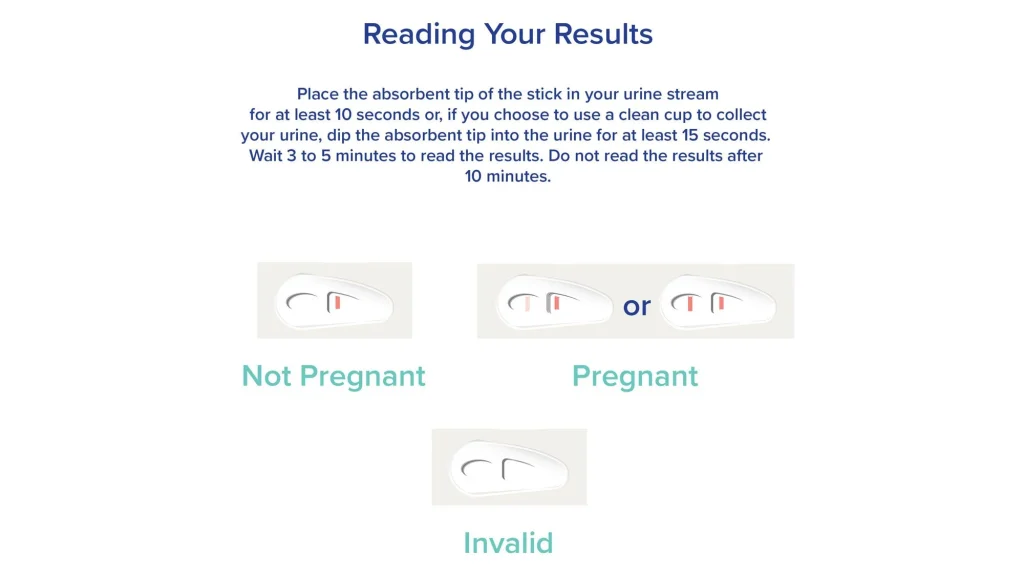
    Instructions for reading pregnancy test results with visual indicators for "Not Pregnant," "Pregnant," and "Invalid.

    DIY Baby-Making Assistance: A Journey of Hope and Determination

    We will start by discussing the reasons why couples may opt for DIY methods, including financial constraints and a desire for a more natural approach. We will then delve into the various DIY methods available, such as tracking ovulation, using fertility-friendly lubricants, and trying alternative therapies like acupuncture and herbal supplements.

    Next, we will hear from couples who have successfully conceived through DIY methods and how it has changed their lives. They will share their struggles with infertility, the decision to try DIY methods, and the joy of finally becoming parents.

    However, as with any medical issue, it is essential to consult with a healthcare professional before trying any DIY baby-making assistance. We will discuss the importance of seeking medical advice and the potential risks involved in using at-home methods.

    Lastly, we will address the stigma surrounding DIY baby-making assistance and how it is often seen as a last resort for couples who cannot afford traditional fertility treatments. We will challenge this perception and highlight the empowering aspect of taking control of one’s fertility journey.

    In conclusion, DIY baby-making assistance is a viable option for couples who are trying to conceive. It provides a sense of hope and determination for those who are facing fertility challenges and allows them to take an active role in their journey to parenthood.

  • The Intersection of Science and Nature: DIY Baby-Making Assistance

    The Intersection of Science and Nature: DIY Baby-Making Assistance

    The desire to have a child is a natural and instinctual urge for many people. However, for some, conceiving a child may not come easily. In today’s world, there are countless options available for couples and individuals struggling with fertility, including medically assisted procedures such as in vitro fertilization (IVF) and artificial insemination. While these methods have proven to be successful for many, they can also be costly and invasive. As a result, there has been an increase in interest in DIY baby-making assistance, where individuals turn to natural and holistic approaches to improve their chances of conceiving. In this blog post, we will explore the intersection of science and nature in the realm of DIY baby-making assistance and discuss some of the most popular methods and their effectiveness.

    The concept of using natural methods to increase fertility is not a new one. For centuries, traditional medicine systems such as Ayurveda and Traditional Chinese Medicine have offered natural remedies and practices to improve reproductive health. However, with the advancement of modern science and technology, these traditional methods have also evolved and integrated with scientific research. This has led to the emergence of new DIY baby-making assistance techniques that combine the best of both worlds.

    One of the most widely used methods is the fertility diet. This approach focuses on consuming a nutrient-dense diet that supports reproductive health. The diet includes foods that are rich in vitamins, minerals, and antioxidants, such as leafy greens, whole grains, fruits, and healthy fats. Studies have shown that following a fertility diet can improve ovulation and increase the chances of conception. Additionally, a healthy diet can also help regulate hormones and improve overall health, which is crucial for fertility.

    Another popular method is acupuncture. This ancient Chinese practice involves inserting thin needles into specific points on the body to stimulate blood flow and energy. Research has shown that acupuncture can help regulate hormones, reduce stress, and improve blood flow to the reproductive organs, all of which are essential for fertility. Many couples have reported success with acupuncture in combination with other fertility treatments.

    Mosie Baby pregnancy test kit with two tests and packaging, featuring a mint green color scheme.

    The Intersection of Science and Nature: DIY Baby-Making Assistance

    In recent years, there has also been a rise in interest in herbal remedies for fertility. Certain herbs and supplements, such as maca root, chasteberry, and evening primrose oil, have been used for centuries to boost fertility. These herbs are believed to balance hormones, improve egg quality, and regulate menstrual cycles. While there is limited scientific research on the effectiveness of these herbs, many people swear by their results.

    Another natural approach to DIY baby-making assistance is yoga. This ancient practice combines physical postures, breathing techniques, and meditation to improve overall health and well-being. Studies have shown that yoga can help reduce stress and improve hormonal balance, which can aid in fertility. Certain yoga poses, such as those that target the pelvic region, can also help increase blood flow to the reproductive organs and improve their function.

    Aside from these natural methods, there are also some DIY techniques that involve using at-home tools and devices. One such method is cervical cap insemination, where a small device is used to insert semen into the cervix. This technique has gained popularity as an alternative to expensive medical procedures and has shown promising results in some cases. However, it is essential to consult a healthcare professional before attempting this method.

    While these DIY baby-making assistance methods may seem promising, it is crucial to note that they may not work for everyone. Factors such as age, underlying health conditions, and medical history can play a significant role in fertility. It is always best to consult with a healthcare professional before trying any DIY techniques, especially if you have been struggling with fertility for a long time.

    In conclusion, the intersection of science and nature in DIY baby-making assistance offers a holistic and natural approach to fertility. While some methods have been backed by scientific research, others are based on traditional beliefs and anecdotal evidence. It is essential to approach these methods with caution and consult a healthcare professional before trying them. Ultimately, the journey to parenthood is a unique and personal one, and individuals should choose the method that feels right for them.

  • Taking Control of Your Fertility: DIY Baby-Making Assistance Techniques

    Blog Post Title: Taking Control of Your Fertility: DIY Baby-Making Assistance Techniques

    Summary:

    Having a baby is often seen as one of life’s greatest blessings. However, for many couples, conceiving a child can be a long and challenging journey. Factors such as age, health, and lifestyle can all affect a person’s fertility, making it difficult to conceive naturally. Fortunately, there are various medical treatments and procedures available to assist in conception. But for those who prefer a more natural and holistic approach, there are also several DIY baby-making assistance techniques that can be utilized. In this blog post, we will discuss some of these techniques and how they can help individuals take control of their fertility journey.

    The Importance of Knowing Your Fertility Window

    Before diving into the DIY baby-making assistance techniques, it is crucial to understand the concept of the fertility window. The fertility window refers to the period in a woman’s menstrual cycle when she is most fertile and has the highest chance of conceiving. This window typically lasts for about six days, starting five days before ovulation and ending on the day of ovulation. Knowing and tracking your fertility window is crucial in maximizing your chances of conceiving, especially for couples who are trying to get pregnant naturally.

    DIY Baby-Making Assistance Techniques

    1. Tracking Ovulation: One of the most effective DIY techniques for increasing chances of conception is tracking ovulation. This can be done through various methods such as using an ovulation predictor kit, tracking basal body temperature, and monitoring changes in cervical mucus. By knowing when ovulation occurs, couples can time intercourse during the most fertile days, increasing their chances of getting pregnant.

    2. Fertility-Boosting Diet: What we eat can also have a significant impact on our fertility. Including fertility-boosting foods in your diet, such as leafy greens, whole grains, and healthy fats, can help regulate hormones and improve overall reproductive health. On the other hand, avoiding unhealthy foods, such as processed and sugary foods, can also help improve fertility.

    logo featuring a pink heart above two teal leaves on a blue circular background

    Taking Control of Your Fertility: DIY Baby-Making Assistance Techniques

    3. Stress Management: Stress can have a significant impact on fertility, as it can disrupt the hormonal balance in the body. Therefore, learning how to manage stress is crucial in improving fertility. Techniques such as yoga, meditation, and deep breathing exercises can help reduce stress and promote relaxation, increasing the chances of conception.

    4. Acupuncture: Acupuncture is an ancient Chinese technique that involves the insertion of small needles into specific points on the body to improve energy flow. Studies have shown that acupuncture can help regulate hormones, reduce stress, and improve blood flow to the reproductive organs, all of which can contribute to increased fertility.

    5. Herbal Supplements: There are various herbal supplements that claim to boost fertility, such as maca root, red raspberry leaf, and chasteberry. While there is limited scientific evidence to support these claims, some couples have reported success in using these supplements to improve their fertility.

    6. Exercise: Regular exercise can help improve overall health, including reproductive health. It can help regulate hormones, improve blood flow, and manage stress, all of which can contribute to increased fertility. However, it is essential to note that excessive exercise can have the opposite effect, so it is crucial to find a balance and not overdo it.

    7. Sex Positions: While there is no scientific evidence to support this, some couples believe that certain sex positions can increase their chances of conceiving. These positions are thought to help the sperm travel closer to the cervix, making it easier for them to reach the egg. Some positions to try include the missionary position, the doggy style, and the side-by-side position.

    Incorporating these DIY baby-making assistance techniques into your daily routine can help take control of your fertility journey and increase your chances of conceiving.

    In Conclusion

    Conceiving a child may not always be easy, but by taking control of your fertility and utilizing these DIY baby-making assistance techniques, you can improve your chances of getting pregnant. It is also essential to consult with a healthcare professional if you are facing any fertility issues, as they can provide personalized advice and guidance. Remember to stay positive and patient, as it may take time, but with determination and the right tools, you can achieve your dream of starting a family.

  • Natural Remedies for Fertility and DIY Baby-Making Assistance

    Blog Post: Natural Remedies for Fertility and DIY Baby-Making Assistance

    Many couples dream of starting a family and having a baby of their own. However, for some, this dream may become a challenge when faced with fertility issues. In today’s world, the use of medical interventions and assisted reproductive technologies has become a common solution for couples struggling to conceive. While these options can be effective, they can also be expensive and come with potential side effects. For those looking for a more natural approach, there are several natural remedies and DIY methods that can help increase fertility and improve the chances of conceiving. In this blog post, we will explore some of these natural remedies and DIY baby-making assistance methods.

    1. Acupuncture:

    Acupuncture is a traditional Chinese medicine practice that involves the insertion of thin needles into specific points on the body. This ancient practice has been used for centuries to treat various health conditions, including fertility issues. Acupuncture is believed to help regulate the body’s energy flow and stimulate blood flow to the reproductive organs, improving their function and increasing the chances of conception. Studies have shown that acupuncture can help improve ovulation and increase the success rates of infertility treatments.

    2. Herbal Remedies:

    Certain herbs have been used for centuries to boost fertility and improve reproductive health. These include red clover, raspberry leaf, maca root, and chasteberry. Red clover is known to contain phytoestrogens, which can help regulate the menstrual cycle and improve fertility. Raspberry leaf is rich in vitamins and minerals, which can help strengthen the uterus and prepare it for pregnancy. Maca root is a superfood that has been used to enhance fertility and libido in both men and women. Chasteberry is believed to help balance hormones and regulate ovulation.

    3. Nutrition:

    A balanced and healthy diet is crucial for overall health, including reproductive health. Certain foods can help improve fertility and increase the chances of conceiving. These include leafy green vegetables, whole grains, healthy fats, and lean proteins. Foods rich in antioxidants, such as berries, can also help improve fertility by protecting the eggs and sperm from damage. Avoiding processed foods, alcohol, and caffeine can also have a positive impact on fertility.

    4. Exercise:

    Regular exercise can help improve fertility by reducing stress and maintaining a healthy weight. High levels of stress can affect hormone levels and interfere with ovulation. Engaging in activities like yoga, Pilates, and walking can help reduce stress and improve overall health, making it easier to conceive. However, it is essential to avoid excessive exercise, which can have the opposite effect and disrupt the menstrual cycle.

    5. Essential Oils:

    Essential oils have gained popularity in recent years for their various health benefits. When it comes to fertility, some essential oils can help regulate hormones, reduce stress, and improve overall reproductive health. These include clary sage, lavender, and rose essential oils. Clary sage is known to help balance estrogen levels, while lavender can help reduce stress and promote relaxation. Rose essential oil is believed to stimulate the reproductive organs and improve fertility.

    at-home insemination kit by Mosie Baby, featuring syringes and containers for comfort and convenience.

    Natural Remedies for Fertility and DIY Baby-Making Assistance

    DIY Baby-Making Assistance:

    Apart from natural remedies, there are also some DIY methods that couples can try to increase their chances of conceiving.

    1. Fertility Massage:

    Fertility massages involve specific techniques and strokes that can help improve blood flow to the reproductive organs, reduce inflammation, and promote hormonal balance. These massages can be done by a professional or at home using a fertility massage oil. The massage should be done around ovulation for maximum effectiveness.

    2. Tracking Ovulation:

    Knowing the most fertile days of your cycle can help increase the chances of conception. This can be done by tracking your basal body temperature, cervical mucus, and using ovulation prediction kits. These methods can help determine the best time to have intercourse to maximize the chances of fertilization.

    3. Using a Fertility-Friendly Lubricant:

    Some lubricants can interfere with sperm motility and make it difficult for them to reach the egg. Using a fertility-friendly lubricant can help create a more conducive environment for sperm and improve the chances of conception.

    4. Elevating Hips After Intercourse:

    Some experts believe that elevating the hips for 15-20 minutes after intercourse can help the sperm swim closer to the cervix, increasing the chances of fertilization.

    Summary:

    In conclusion, while medical interventions may be necessary for some couples struggling with fertility, there are also many natural remedies and DIY methods that can help improve reproductive health and increase the chances of conceiving. Acupuncture, herbal remedies, nutrition, exercise, and essential oils are all natural ways to boost fertility. Additionally, DIY methods such as fertility massages, tracking ovulation, using a fertility-friendly lubricant, and elevating hips after intercourse can also be beneficial. It is essential to consult with a healthcare professional before trying any of these methods and to remember that every person’s body is different, and what may work for one person may not work for another.