Tag: healthy lifestyle

  • DIY Fertility: Mastering Home Insemination

    Blog Post:

    Fertility is a topic that affects many individuals and couples, and for those struggling to conceive, it can be a difficult and emotional journey. While assisted reproductive technologies, such as in vitro fertilization, can be effective, they can also be expensive and invasive. As a result, many people are turning to DIY fertility methods, including home insemination, as a more affordable and private option. In this blog post, we will discuss everything you need to know about mastering home insemination as a DIY fertility method.

    First, let’s start with the basics. Home insemination, also known as artificial insemination, is the process of placing sperm into the female reproductive tract to facilitate fertilization. This can be done using a variety of methods, including using a syringe, a cervical cap, or a soft cup. The goal of home insemination is to simulate natural intercourse and increase the chances of fertilization.

    Now that we understand what home insemination is, let’s discuss the steps to mastering this DIY fertility method. The first step is to track your ovulation. Timing is crucial when it comes to home insemination, as sperm can only survive for a few days in the female reproductive tract. Therefore, it’s essential to know when you are ovulating to ensure that the sperm is present when the egg is released. There are various ways to track ovulation, including using ovulation predictor kits, tracking your basal body temperature, or monitoring changes in your cervical mucus.

    Next, you will need to collect the sperm. You can either use a sperm donor or collect the sperm from a partner. If using a sperm donor, it’s essential to ensure that the sperm has been tested for infections and diseases and is screened for genetic abnormalities. If using sperm from a partner, it’s vital to collect the sperm in a sterile container and use it within an hour for maximum effectiveness.

    Once you have collected the sperm, you will need to prepare for the home insemination process. It’s crucial to have a comfortable and private space to perform the insemination. You will also need to have a clean and sterile syringe, cervical cap, or soft cup, depending on your chosen method. It’s also recommended to have a mirror to help guide the placement of the sperm.

    comparison of Mosie syringe opening versus standard syringe opening with text highlighting benefits

    DIY Fertility: Mastering Home Insemination

    Now, it’s time for the actual home insemination process. The first step is to insert the sperm into the chosen device. If using a syringe, you will need to remove the needle and attach a catheter tip to the syringe. If using a cervical cap or soft cup, you will need to insert the sperm into the device using a clean finger. Next, you will need to insert the device into the vagina and place it near the cervix. For better placement, you can use a mirror to guide you. Once the device is correctly positioned, you can release the sperm into the cervix.

    After the insemination process, it’s essential to remain lying down for 15-20 minutes to allow the sperm to travel to the fallopian tubes. If using a cervical cap or soft cup, it’s recommended to keep it in place for at least six hours to increase the chances of fertilization.

    Now that you have completed the home insemination process, the waiting game begins. It’s essential to take a pregnancy test in about two weeks to see if the insemination was successful. If the test is positive, congratulations! If not, don’t be discouraged. Home insemination may take a few attempts before success, just like natural intercourse.

    In addition to following these steps, there are a few other tips to keep in mind when mastering home insemination. Firstly, it’s essential to maintain a healthy lifestyle, including a balanced diet and regular exercise. This will not only improve your overall health but also increase your chances of conception. It’s also recommended to reduce stress and anxiety, as they can negatively impact fertility. Additionally, some supplements, such as folic acid and zinc, have been shown to improve fertility in both men and women.

    In conclusion, DIY fertility methods, such as home insemination, can be an effective and affordable option for those struggling to conceive. By tracking ovulation, preparing for the process, and following the steps mentioned above, you can master home insemination as a DIY fertility method. Remember to stay positive and patient, and don’t hesitate to seek professional help if needed. With determination and proper knowledge, you can increase your chances of having a successful home insemination and achieving your dream of starting a family.

    Summary:

    DIY fertility methods, such as home insemination, are becoming a popular choice for individuals and couples struggling to conceive due to its affordability and privacy. First and foremost, it’s crucial to track ovulation to ensure that sperm is present when the egg is released. Next, the sperm can be collected from a donor or partner and inserted using a syringe, cervical cap, or soft cup. It’s essential to have a comfortable and private space for the insemination process and to remain lying down for 15-20 minutes afterward. A healthy lifestyle, reduced stress, and certain supplements can also improve fertility. Lastly, it’s essential to stay positive and patient and seek professional help if needed.

  • The Ultimate Guide to Home Insemination: Simplified

    Blog Post: The Ultimate Guide to Home Insemination: Simplified

    In recent years, many couples have turned to home insemination as an alternative method for conceiving. Whether it’s due to fertility issues, financial constraints, or personal preferences, home insemination has become a popular choice for those looking to start a family.

    Despite its growing popularity, the process of home insemination can seem daunting and overwhelming. However, with the right knowledge and preparation, it can be a simple and effective way to conceive. In this comprehensive guide, we will break down the steps of home insemination and provide tips and information to help simplify the process for you.

    Understanding Home Insemination

    Home insemination, also known as artificial insemination, is a method of fertility treatment that involves placing sperm into a woman’s reproductive tract in order to achieve pregnancy. It can be done using a variety of methods, including intracervical insemination (ICI), intrauterine insemination (IUI), and intravaginal insemination (IVI).

    ICI involves placing sperm near the cervix, while IUI involves placing sperm directly into the uterus. IVI, on the other hand, involves placing sperm inside the vagina. The method you choose will depend on your personal preferences and any fertility issues you may have.

    Preparing for Home Insemination

    Before you begin the process of home insemination, it’s important to prepare yourself physically and mentally. This includes understanding your ovulation cycle, maintaining a healthy lifestyle, and discussing the process with your partner.

    Tracking your ovulation cycle is crucial as it will help you determine the best time to inseminate. This can be done by using ovulation predictor kits or tracking your basal body temperature. It’s also important to maintain a healthy lifestyle, as this can increase your chances of conceiving. This includes eating a nutritious diet, exercising regularly, and avoiding unhealthy habits such as smoking and excessive alcohol consumption.

    Discussing the process with your partner is also essential, as it requires both of your commitment and cooperation. It’s important to have open and honest communication about your expectations and any concerns you may have.

    Supplies Needed for Home Insemination

    The supplies needed for home insemination are relatively simple and can be easily obtained at a fertility clinic or online. These include a sterile specimen cup, a sterile syringe or catheter, and a sterile collection cup. You may also want to have a mirror or flashlight on hand to help with the insemination process.

    If you’re using frozen sperm from a sperm bank, they will provide you with a thawing kit and instructions. However, if you’re using fresh sperm from a known donor, it’s important to have them tested for any sexually transmitted infections (STIs) beforehand.

    The Home Insemination Process

    Step 1: Prepare the sperm

    If you’re using frozen sperm, it will need to be thawed according to the instructions provided by the sperm bank. If you’re using fresh sperm, make sure it has been recently collected and kept at room temperature for at least 30 minutes.

    Step 2: Prepare the insemination syringe or catheter

    Instructions for reading pregnancy test results with visual indicators for "Not Pregnant," "Pregnant," and "Invalid.

    The Ultimate Guide to Home Insemination: Simplified

    If you’re using a syringe, attach a sterile catheter to the end. If you’re using a catheter, make sure it’s lubricated with sterile, water-based lubricant.

    Step 3: Collect the sperm

    Collect the sperm in the sterile specimen cup, either from the thawed vial or from the fresh sample.

    Step 4: Load the syringe or catheter

    Use the syringe or catheter to draw up the sperm, making sure to remove any air bubbles.

    Step 5: Insert the syringe or catheter

    If you’re using a syringe, insert the catheter into the vagina and push the syringe plunger to release the sperm near the cervix. If you’re using a catheter, insert it into the cervix and slowly release the sperm.

    Step 6: Stay in position

    After the sperm has been inserted, it’s important to stay in a lying position with your hips elevated for at least 15-20 minutes to allow the sperm to reach the cervix and increase the chances of conception.

    Step 7: Clean up and rest

    After the insemination, clean up any supplies and try to relax and rest for the next few hours. Some couples even choose to take a nap or cuddle together to increase intimacy and relaxation.

    Possible Risks and Complications

    As with any medical procedure, there are potential risks and complications associated with home insemination. These may include infection, allergic reactions, and damage to the reproductive organs. It’s important to follow all instructions carefully and consult with a medical professional if you experience any concerning symptoms.

    In addition, home insemination may not be as effective as other fertility treatments, such as in vitro fertilization (IVF). It’s important to discuss all options with your doctor and consider factors such as age, fertility issues, and success rates.

    In conclusion, home insemination can be a simple and effective method for couples looking to conceive. By preparing yourself physically and mentally, obtaining the necessary supplies, and following the proper steps, you can increase your chances of success. However, it’s important to consult with a medical professional and be aware of any potential risks or complications.

    Summary:

    Home insemination is a popular method for couples looking to conceive. It involves placing sperm into a woman’s reproductive tract to achieve pregnancy. To prepare for home insemination, it’s important to track your ovulation cycle, maintain a healthy lifestyle, and communicate with your partner. The supplies needed for home insemination are simple and include a sterile specimen cup, syringe or catheter, and collection cup. The process involves preparing the sperm, loading the syringe or catheter, and inserting it into the vagina or cervix. Risks and complications may include infections and lower success rates compared to other fertility treatments. It’s important to follow all instructions carefully and consult with a medical professional.

  • DIY Fertility Solutions: The Importance of a Healthy Lifestyle

    Blog Post Title: DIY Fertility Solutions: The Importance of a Healthy Lifestyle

    Summary:

    Fertility is a topic that affects many individuals and couples around the world. While there are medical treatments available for fertility issues, there are also natural and DIY solutions that can greatly improve fertility. One of the most important factors in improving fertility is maintaining a healthy lifestyle. In this blog post, we will discuss the importance of a healthy lifestyle for fertility and provide DIY solutions that can help improve fertility.

    The first step in improving fertility is to maintain a healthy weight. Being overweight or underweight can have a negative impact on fertility. Excess body fat can disrupt hormone levels and ovulation, while being underweight can lead to irregular or absent periods. By maintaining a healthy weight through a balanced diet and regular exercise, individuals can greatly improve their chances of conceiving.

    Another important aspect of a healthy lifestyle for fertility is managing stress. Stress can have a significant impact on fertility by disrupting hormone levels and causing irregular ovulation. It is important to find ways to manage and reduce stress, such as practicing relaxation techniques, exercising, and talking to a therapist or support group. By reducing stress, individuals can improve their fertility and overall well-being.

    In addition to managing stress, it is important to maintain a healthy diet for fertility. A diet rich in whole, unprocessed foods can provide the essential nutrients needed for reproductive health. This includes foods high in antioxidants, such as fruits and vegetables, as well as healthy fats, protein, and complex carbohydrates. Avoiding processed foods, sugary drinks, and excessive caffeine can also benefit fertility.

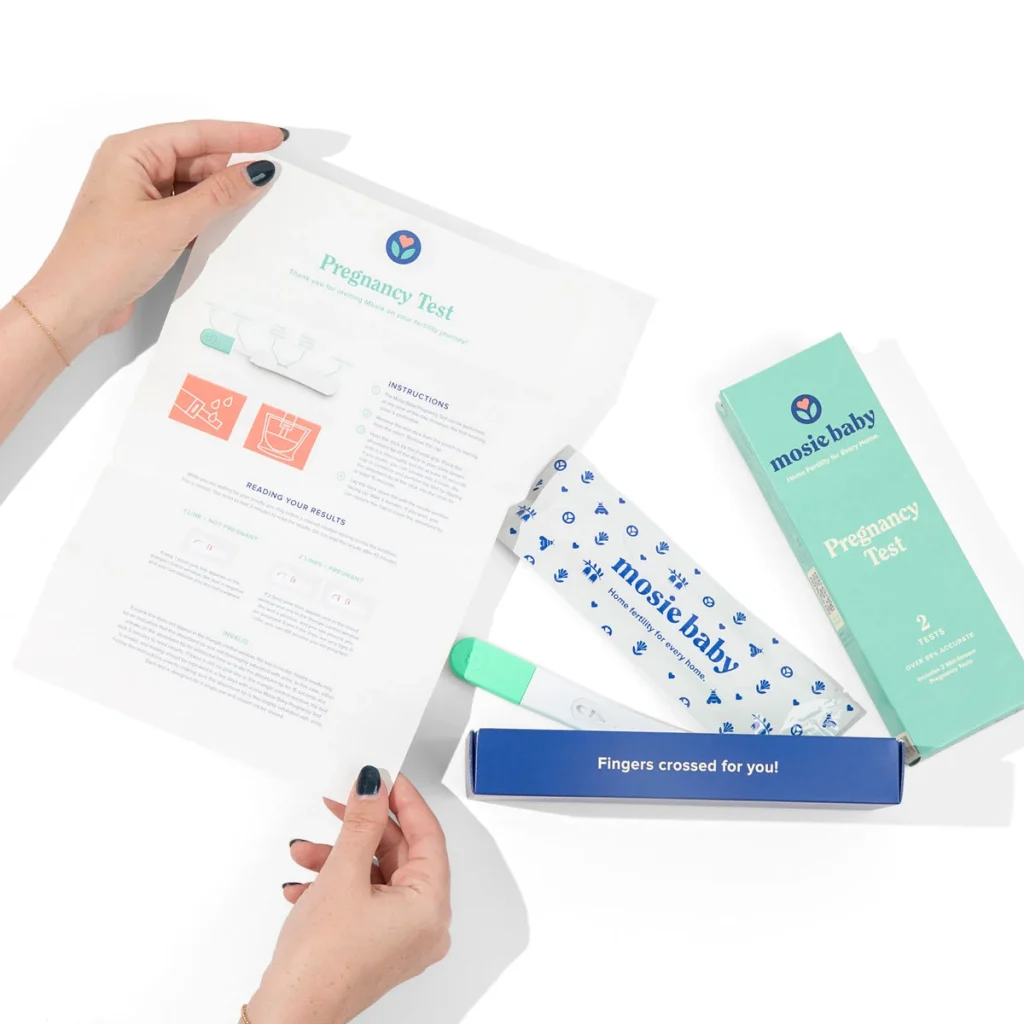
    pregnancy test kit with instructions, test device, and packaging on a white background

    DIY Fertility Solutions: The Importance of a Healthy Lifestyle

    Exercise is another crucial aspect of a healthy lifestyle for fertility. Regular physical activity can help maintain a healthy weight, reduce stress, and improve overall health. Engaging in moderate exercise, such as walking, swimming, or yoga, can also improve blood flow to the reproductive organs and support hormonal balance. However, it is important to avoid excessive or intense exercise, as this can have a negative impact on fertility.

    In addition to these lifestyle factors, there are also DIY solutions that can be implemented to improve fertility. One of the most popular DIY fertility solutions is tracking ovulation. This can be done through various methods, such as monitoring basal body temperature, using ovulation predictor kits, or tracking changes in cervical mucus. By tracking ovulation, individuals can determine the most fertile days of their cycle and increase their chances of conceiving.

    Another DIY solution for fertility is using herbal supplements. Certain herbs, such as maca root, chasteberry, and red raspberry leaf, have been used for centuries to support reproductive health. These herbs can help balance hormones, regulate menstrual cycles, and improve overall fertility. However, it is important to consult with a healthcare provider before using any herbal supplements, as they may interact with medications or have side effects.

    In addition to herbal supplements, there are also lifestyle changes that can be made to improve fertility. Quitting smoking and limiting alcohol consumption are two important changes that can greatly benefit fertility. Smoking can decrease fertility in both men and women, while excessive alcohol consumption can disrupt hormone levels and decrease sperm quality. By quitting smoking and limiting alcohol intake, individuals can improve their chances of conceiving.

    Lastly, it is important to address any underlying health conditions that may be impacting fertility. Conditions such as polycystic ovary syndrome (PCOS), endometriosis, and thyroid disorders can greatly affect fertility. By working with a healthcare provider to manage these conditions, individuals can improve their reproductive health and increase their chances of conceiving.

    In conclusion, a healthy lifestyle is crucial for fertility. By maintaining a healthy weight, managing stress, eating a balanced diet, exercising regularly, and addressing any underlying health conditions, individuals can greatly improve their fertility. DIY solutions, such as tracking ovulation, using herbal supplements, and making lifestyle changes, can also support fertility. By incorporating these strategies into daily life, individuals can increase their chances of conceiving and achieving a healthy pregnancy.

  • Conceiving Naturally: DIY Fertility Solutions That Work

    Blog Post Title: Conceiving Naturally: DIY Fertility Solutions That Work

    Summary:

    The journey to parenthood is a deeply personal and emotional one. For many couples, the desire to conceive a child naturally is strong, but they may face challenges along the way. In the face of infertility, many turn to costly medical treatments and procedures, but there are also DIY fertility solutions that can be effective and empowering. In this blog post, we will explore some of these natural options for increasing fertility and improving the chances of conceiving a child.

    First, it’s important to understand the factors that can impact fertility. Age, diet, lifestyle, and underlying health conditions can all play a role in a couple’s ability to conceive. By addressing these factors and making positive changes, couples can improve their overall fertility and increase their chances of conceiving naturally.

    One of the most effective DIY fertility solutions is to focus on nutrition and a healthy diet. Eating a balanced diet that includes plenty of fruits, vegetables, whole grains, and lean proteins can provide the body with the necessary nutrients for reproductive health. Some specific foods that have been linked to improved fertility include avocado, leafy greens, nuts and seeds, and fatty fish such as salmon.

    In addition to a healthy diet, regular exercise can also have a positive impact on fertility. Exercise not only helps to maintain a healthy weight, but it also reduces stress and improves blood flow to the reproductive organs. Yoga, in particular, has been shown to be beneficial for fertility as it combines physical movement with stress-relieving techniques.

    pregnancy test kit features labeled for comfort and confidence on a teal background

    Conceiving Naturally: DIY Fertility Solutions That Work

    Stress is a major contributing factor to infertility for many couples. High levels of stress can disrupt hormone levels and interfere with ovulation and sperm production. To reduce stress, couples can incorporate relaxation techniques such as meditation, deep breathing, or acupuncture into their daily routines. Taking time for self-care and prioritizing mental health can greatly improve fertility.

    Herbal remedies and supplements are another popular DIY fertility solution. Some herbs, such as chasteberry and maca root, have been used for centuries to improve fertility. Supplements such as folic acid, vitamin D, and omega-3 fatty acids have also been linked to increased fertility. However, it’s important to consult with a healthcare provider before taking any supplements, as they may interact with other medications or have adverse effects on certain health conditions.

    Tracking ovulation is a crucial step in conceiving naturally. There are many methods for tracking ovulation, including using ovulation predictor kits, tracking basal body temperature, and monitoring cervical mucus. By understanding their body’s natural cycles, couples can time intercourse to coincide with ovulation and increase their chances of conception.

    In addition to these DIY solutions, there are other lifestyle changes that can improve fertility. Quitting smoking and reducing alcohol and caffeine consumption have been linked to increased fertility. It’s also important to maintain a healthy weight, as being underweight or overweight can negatively impact fertility. Couples may also want to consider reducing exposure to toxins and chemicals, such as in household cleaning products and personal care items, as these can disrupt hormone levels and affect fertility.

    Finally, it’s essential to have open and honest communication with a partner when trying to conceive naturally. This journey can be emotionally challenging, and it’s important to support and lean on each other throughout the process. Couples may also consider seeking the support of a therapist or joining a support group to navigate the emotional aspects of infertility.

    In conclusion, while there are many medical treatments available for infertility, there are also effective and empowering DIY fertility solutions that couples can try. By making positive changes to diet and lifestyle, managing stress, and tracking ovulation, couples can increase their chances of conceiving naturally. It’s also important to have open communication and support from a partner and seek professional help if needed. With determination and patience, couples can take control of their fertility journey and work towards their dream of starting a family.

  • DIY Fertility Solutions: The Power of Self-Education

    Blog Post:

    Fertility issues can be a difficult and emotionally taxing topic for many individuals and couples. The desire to start a family and have children is a strong one, and when faced with obstacles such as infertility, it can feel like a hopeless and overwhelming situation. However, there are many DIY fertility solutions that individuals can implement in their own lives to increase their chances of conception. One of the most powerful tools in this process is self-education.

    The Power of Self-Education:
    The first step in any DIY fertility journey is to educate yourself on the topic. This includes understanding the basics of fertility, common causes of infertility, and the various treatment options available. By taking the time to educate yourself, you can gain a better understanding of your own body and potential fertility issues. This knowledge can also help you make informed decisions about your fertility journey and give you a sense of control over the process.

    Tracking Your Menstrual Cycle:
    One of the simplest and most effective DIY fertility solutions is to track your menstrual cycle. This involves keeping track of the length of your cycle, the first day of your period, and any changes in your cervical mucus. By doing this, you can identify your most fertile days and time intercourse accordingly. There are many apps and online tools available to help with this process, making it easy and convenient.

    Healthy Lifestyle Choices:
    Maintaining a healthy lifestyle is crucial for both overall health and fertility. This includes eating a balanced diet, exercising regularly, and avoiding harmful substances such as tobacco and excessive alcohol consumption. In addition, certain foods and supplements have been shown to improve fertility, such as folic acid, zinc, and omega-3 fatty acids. By making these lifestyle changes, you can improve your overall health and increase your chances of conception.

    mosie baby logo featuring a heart and leaves in blue, pink, and green colors.

    DIY Fertility Solutions: The Power of Self-Education

    Stress Management:
    Stress can have a significant impact on fertility. When the body is under stress, it produces cortisol, a hormone that can interfere with the production of other hormones necessary for ovulation. Therefore, it is important to find ways to manage stress in your life. This can include exercise, meditation, yoga, or therapy. Whatever method works best for you, make sure to prioritize stress management in your DIY fertility journey.

    Acupuncture and Traditional Chinese Medicine:
    Many individuals have found success in using acupuncture and traditional Chinese medicine as a DIY fertility solution. These practices focus on balancing the body’s energy and improving overall health, which can have a positive impact on fertility. Acupuncture has been shown to improve blood flow to the reproductive organs and regulate hormone levels, while traditional Chinese medicine can help address specific fertility issues such as PCOS or endometriosis.

    Alternative Therapies:
    In addition to acupuncture and traditional Chinese medicine, there are many other alternative therapies that can be helpful in promoting fertility. These include herbal supplements, naturopathic remedies, and chiropractic care. It is important to do thorough research and consult with a healthcare professional before trying any alternative therapies, as they may not be suitable for everyone.

    Building a Support System:
    Going through a DIY fertility journey can be a challenging and emotional experience. It is essential to have a support system in place to help you through the ups and downs. This can include your partner, family and friends, or even online support groups. Having people to talk to and lean on can make a significant difference in your overall well-being and mindset during this process.

    In conclusion, the power of self-education in DIY fertility solutions cannot be underestimated. By educating yourself on the topic, tracking your menstrual cycle, making healthy lifestyle choices, managing stress, and exploring alternative therapies, you can increase your chances of conception and take control of your fertility journey. Remember to also build a support system and stay positive throughout the process. With determination and knowledge, you can overcome fertility challenges and achieve your dream of starting a family.

    Summary:
    Fertility issues can be overwhelming, but there are many DIY solutions that individuals can implement in their own lives to improve their chances of conception. The power of self-education is crucial, as it allows individuals to understand their own bodies and make informed decisions. Other DIY solutions include tracking your menstrual cycle, making healthy lifestyle choices, managing stress, and exploring alternative therapies. It is also important to have a support system in place and stay positive throughout the process.

  • The Role of the Partner in At-Home Conception: How to Support Each Other

    Blog Post:

    The process of trying to conceive a child can be both exciting and challenging for couples. While there are many factors that play a role in conception, such as age, health, and fertility, the support and involvement of both partners can greatly impact the journey. In this blog post, we will discuss the role of the partner in at-home conception and how they can support each other through this process.

    1. Understanding the Importance of Emotional Support

    Conception can be an emotional rollercoaster, and it’s essential for partners to understand the significance of emotional support during this time. Both partners may experience a range of emotions, from excitement to frustration and even disappointment. It’s crucial for partners to communicate openly and honestly with each other, creating a safe space to share their feelings without judgment.

    Partners can support each other by actively listening and being empathetic. This means acknowledging and validating each other’s emotions, even if they may not fully understand them. It’s also essential to be patient with each other and provide reassurance and comfort when needed.

    2. Creating a Healthy and Supportive Environment

    The environment in which a couple is trying to conceive can also play a significant role. It’s essential to create a healthy and supportive environment that promotes fertility. This includes maintaining a nutritious diet, regular exercise, and reducing stress levels.

    Partners can support each other by making healthy lifestyle choices together. This can include cooking healthy meals, exercising together, and finding ways to reduce stress, such as meditating or going for walks. It’s also crucial to avoid unhealthy habits like smoking and excessive alcohol consumption, as they can decrease fertility.

    3. Educating Each Other on Fertility and Reproduction

    Understanding the science behind conception can be beneficial for both partners. Learning about fertility and the reproductive system can help partners understand the process and potential challenges that may arise. It can also help them make informed decisions and take proactive steps to improve their chances of conceiving.

    Partners can support each other by learning about fertility and reproduction together. This can include reading books, attending seminars or workshops, or even consulting with a fertility specialist. By educating themselves, partners can feel more empowered and prepared for the journey ahead.

    logo of mosie baby featuring a heart and leaf design in blue, pink, and green colors

    The Role of the Partner in At-Home Conception: How to Support Each Other

    4. Being Involved in the Process

    While the physical aspect of conception may be primarily the responsibility of the female partner, it’s crucial for both partners to be involved in the process. This includes tracking ovulation, taking fertility supplements, and using at-home fertility kits. It’s also essential for partners to attend doctor appointments together and discuss any concerns or questions they may have.

    Partners can support each other by being actively involved in the process. This can include taking turns tracking ovulation and administering fertility treatments. Being involved can also help partners feel more connected and invested in the journey.

    5. Dealing with Challenges Together

    The road to conception may not always be smooth, and there may be challenges and setbacks along the way. It’s crucial for partners to face these challenges together and support each other through them. This can include dealing with infertility, miscarriage, or other health issues that may affect conception.

    Partners can support each other by being understanding, patient, and compassionate. It’s essential to communicate openly and find ways to cope with challenges together. Seeking professional help or joining support groups can also be beneficial for partners during difficult times.

    6. Celebrating Milestones and Successes

    Finally, it’s essential to celebrate both the small and big milestones and successes during the journey to conception. From tracking ovulation to a positive pregnancy test, these moments are important and should be celebrated as a couple.

    Partners can support each other by acknowledging and celebrating these milestones together. This can include planning special dates or activities, taking time to reflect on the journey, and expressing gratitude for each other’s support.

    In conclusion, the role of the partner in at-home conception is crucial and can greatly impact the journey. By understanding the importance of emotional support, creating a healthy and supportive environment, educating each other on fertility, being involved in the process, dealing with challenges together, and celebrating milestones, partners can support each other through this journey and strengthen their relationship in the process.

    Summary:

    In this blog post, we discussed the role of the partner in at-home conception and how they can support each other through this journey. We highlighted the importance of emotional support, creating a healthy environment, educating each other on fertility, being involved in the process, dealing with challenges together, and celebrating milestones. By understanding and implementing these strategies, partners can strengthen their relationship and increase their chances of conceiving.

  • At-Home Conception and Age: What You Need to Know

    Summary:

    Conceiving a child at home has become an increasingly popular option for many couples, especially as fertility treatments can be costly and time-consuming. However, age plays a crucial role in the success of at-home conception, and it’s important for couples to understand the potential risks and challenges they may face.

    First and foremost, it’s essential to acknowledge that fertility declines with age, particularly for women. The chances of conceiving naturally decrease as a woman gets older, and this decline becomes steeper after the age of 35. This is because women are born with a limited number of eggs, and as they age, the quality and quantity of these eggs decrease.

    For couples trying to conceive at home, it’s crucial to track ovulation accurately. Ovulation occurs when a mature egg is released from the ovary, and it’s the most fertile time in a woman’s menstrual cycle. Tracking ovulation can be done through various methods, such as using ovulation predictor kits, monitoring basal body temperature, and tracking changes in cervical mucus. It’s essential to have intercourse during this time to maximize the chances of conception.

    Another important factor to consider is the health of both partners. Both men and women need to be in good physical health for successful conception. Women should make sure they are taking prenatal vitamins and maintaining a healthy weight, while men should avoid substances like alcohol, tobacco, and drugs, which can affect sperm quality.

    Mosie Baby At-Home Insemination Kit instructions and storage guidelines on a blue background.

    At-Home Conception and Age: What You Need to Know

    Age can also impact the quality of sperm, with a decline in sperm count and motility occurring as men age. Thus, it’s crucial for men to maintain a healthy lifestyle and avoid environmental factors that can affect sperm production.

    It’s also essential to manage any underlying conditions that may affect fertility. For women, conditions such as polycystic ovary syndrome (PCOS) or endometriosis can impact ovulation and increase the risk of complications during pregnancy. Similarly, men with conditions such as diabetes or high blood pressure may have a lower sperm count and quality.

    In addition to age, there are other factors that can affect the success of at-home conception, such as stress, diet, and environmental factors. Stress can interfere with ovulation and sperm production, so it’s crucial for couples to manage stress levels and find ways to relax. A healthy diet, rich in fruits, vegetables, and whole grains, can also improve fertility for both men and women. Couples should also be mindful of environmental factors, such as exposure to toxins and chemicals, which can affect fertility.

    In some cases, at-home conception may not be successful, and couples may need to seek medical assistance. It’s vital to consult with a fertility specialist if you’ve been trying to conceive for over a year without success, or if you have any underlying medical conditions that may affect fertility.

    In conclusion, age plays a significant role in at-home conception, and couples need to be aware of the potential challenges and risks. Tracking ovulation accurately, maintaining a healthy lifestyle, and addressing any underlying conditions can improve the chances of successful at-home conception. However, it’s essential to consult with a fertility specialist if needed, and be open to alternative options if at-home conception is not successful.

  • Fertility Supplements and At-Home Conception: Do They Really Work?

    Fertility Supplements and At-Home Conception: Do They Really Work?

    Fertility is a complex and deeply personal topic for many individuals and couples. The desire to conceive a child and start a family is a natural and universal one, but for some, it can be a challenging and emotional journey. As a result, many people turn to various methods and techniques, including fertility supplements and at-home conception kits, in hopes of increasing their chances of getting pregnant. However, the question remains, do these methods really work?

    In this blog post, we will delve into the world of fertility supplements and at-home conception kits to explore their effectiveness and whether they can truly help individuals and couples in their journey towards parenthood.

    Fertility Supplements: The Promise of Natural Boosts

    Fertility supplements are a popular choice for those looking to improve their chances of conception. These supplements often contain a combination of vitamins, minerals, and herbs that claim to enhance fertility in both men and women. Some of the most commonly used ingredients in these supplements include folic acid, vitamin D, and chasteberry.

    The idea behind fertility supplements is that they help to balance hormones, improve egg quality and sperm count, and increase overall fertility. However, the effectiveness of these supplements is still a topic of debate in the medical community.

    A study published in the Journal of Dietary Supplements found that while some ingredients in fertility supplements, such as folic acid and vitamin B12, have been scientifically proven to aid in fertility, there is a lack of evidence for the effectiveness of other ingredients, such as chasteberry and maca root. Additionally, the study also noted that there is a lack of standardization and regulation in the supplement industry, making it difficult to determine the exact contents and dosages of these supplements.

    Furthermore, it’s important to note that fertility supplements are not a magic solution and cannot overcome underlying fertility issues. If you are struggling with infertility, it’s essential to consult with a medical professional to address any underlying conditions and create a personalized treatment plan.

    illustration comparing standard and Mosie syringe openings with text highlighting design benefits for home insemination

    Fertility Supplements and At-Home Conception: Do They Really Work?

    At-Home Conception Kits: Convenience vs. Accuracy

    In recent years, at-home conception kits have become increasingly popular, promising a convenient and private way to track ovulation and increase the chances of pregnancy. These kits often include ovulation tests, fertility monitors, and sperm-friendly lubricants.

    While these kits may seem like a convenient solution, there are some limitations to their effectiveness. Ovulation tests, for example, measure the levels of luteinizing hormone (LH) in urine, which typically surges 24-36 hours before ovulation. However, LH levels can also fluctuate for other reasons, leading to false positives or negatives. Additionally, fertility monitors, which track hormonal changes throughout a woman’s cycle, can also be affected by various factors, such as stress and illness.

    Sperm-friendly lubricants, on the other hand, claim to mimic the natural cervical mucus to help sperm reach the egg. However, a study published in the Journal of Assisted Reproduction and Genetics found that some of these lubricants may actually decrease sperm motility and lead to a decrease in fertility.

    While at-home conception kits can provide some insight into ovulation and fertility, they should not be relied upon as the sole method for tracking fertility. It’s essential to combine these kits with other methods, such as tracking basal body temperature and cervical mucus, to get a more accurate picture of ovulation and fertility.

    The Importance of a Healthy Lifestyle

    While fertility supplements and at-home conception kits may offer some benefits, it’s crucial to remember that they are not a replacement for a healthy lifestyle. Maintaining a healthy weight, eating a balanced diet, and reducing stress are all essential factors in increasing fertility. Additionally, quitting smoking and limiting alcohol and caffeine intake can also improve fertility.

    Studies have shown that individuals who follow a healthy lifestyle have a higher chance of conceiving naturally and have a lower risk of fertility problems. Therefore, it’s essential to prioritize overall health and well-being when trying to conceive.

    In summary, fertility supplements and at-home conception kits may offer some benefits, but their effectiveness is still a topic of debate. It’s important to approach these methods with caution and not rely on them as the sole solution for fertility issues. Consulting with a medical professional and maintaining a healthy lifestyle are still the most crucial factors in increasing fertility and achieving a successful pregnancy.

  • At-Home Conception on a Budget: Tips and Tricks

    Blog post:

    Conceiving a child is a joyous and exciting experience, but it can also come with a hefty price tag. Between fertility treatments, prenatal care, and childbirth expenses, the cost of having a baby can quickly add up. However, with some careful planning and budgeting, it is possible to conceive at home on a budget. In this blog post, we will discuss some tips and tricks for at-home conception on a budget.

    1. Track your ovulation

    The first step in conceiving on a budget is to track your ovulation. Knowing when you are most fertile can increase your chances of getting pregnant without having to spend any money. There are several methods for tracking ovulation, including using ovulation predictor kits, tracking your basal body temperature, and monitoring your cervical mucus. By understanding your body’s natural rhythms, you can time intercourse to increase your chances of conception.

    2. Focus on a healthy diet and lifestyle

    A healthy diet and lifestyle are essential for both partners when trying to conceive. Eating a balanced diet rich in fruits, vegetables, and lean proteins can improve fertility and increase the chances of conception. Additionally, avoiding alcohol, smoking, and excessive caffeine can also improve fertility and overall health. By focusing on a healthy lifestyle, you can increase your chances of conceiving without spending any extra money.

    3. Consider natural supplements

    There are many natural supplements that claim to boost fertility and increase the chances of conception. Some of the most popular supplements include folic acid, vitamin D, and omega-3 fatty acids. While these supplements are not a guarantee, they can help support a healthy reproductive system. It is always important to consult with a healthcare professional before taking any supplements, especially if you are currently taking any medications.

    4. Utilize free resources

    hand holding a syringe with a blue plunger against a solid blue background

    At-Home Conception on a Budget: Tips and Tricks

    When trying to conceive on a budget, it is essential to take advantage of free resources. Many websites and apps offer free ovulation tracking tools, which can be a great help when trying to time intercourse. Additionally, there are numerous forums and online communities where you can connect with other couples trying to conceive and share tips and advice. These resources are not only free but can also provide emotional support during the conception journey.

    5. Look into at-home insemination kits

    If you are struggling with fertility and want to try at-home insemination, there are affordable options available. At-home insemination kits, such as Mosie Baby, provide a cheaper alternative to expensive fertility treatments. These kits come with everything you need to perform insemination at home, including syringes, sperm-friendly lubricant, and detailed instructions. While not a guarantee for conception, these kits can significantly reduce the cost of trying to conceive at home.

    6. Try natural family planning methods

    Natural family planning methods, such as the Fertility Awareness Method (FAM), can be an effective way to conceive on a budget. FAM involves tracking your menstrual cycle and fertility signs to determine when you are most fertile. This method can be used in conjunction with ovulation tracking to increase your chances of conception. Many women have had success using FAM to conceive without having to spend any money on fertility treatments.

    7. Don’t be afraid to seek professional help

    If you have been trying to conceive for a while with no success, it may be time to seek professional help. Many fertility clinics offer affordable treatment options, such as intrauterine insemination (IUI) or low-cost IVF. Additionally, some fertility clinics may offer discounts or payment plans for those on a budget. It is essential to research and compare different fertility clinics to find one that fits your needs and budget.

    Summary:

    Conceiving at home on a budget is possible with the right strategies and resources. By tracking ovulation, focusing on a healthy diet and lifestyle, utilizing free resources, and considering at-home insemination kits, you can increase your chances of conception without spending a lot of money. Additionally, trying natural family planning methods and seeking professional help if needed can also be beneficial. With these tips and tricks in mind, you can embark on the journey of growing your family without breaking the bank.

  • Overcoming Male Infertility: DIY Baby-Making Essentials for Men

    Blog Post Title: Overcoming Male Infertility: DIY Baby-Making Essentials for Men

    Summary:

    Infertility is a common issue that affects both men and women. However, there is often a lack of information and resources available for men who are struggling with infertility. In this blog post, we will discuss male infertility and provide essential DIY tips for men to improve their fertility and increase their chances of conceiving.

    Firstly, it is important to understand the causes of male infertility. This can include low sperm count, poor sperm motility, and structural abnormalities in the reproductive organs. Other factors such as age, lifestyle habits, and underlying medical conditions can also contribute to male infertility.

    The good news is that there are many natural and DIY methods that men can incorporate into their daily routine to improve their fertility. These methods are cost-effective, non-invasive, and can be easily done at home.

    1. Healthy Diet and Lifestyle Habits

    A healthy diet and lifestyle are crucial for improving male fertility. A diet rich in antioxidants, vitamins, and minerals can help improve sperm quality and motility. Foods such as leafy greens, nuts, seeds, and fruits are all excellent sources of these essential nutrients.

    In addition, avoiding harmful substances such as alcohol, tobacco, and drugs can significantly improve sperm health and fertility. Regular exercise, managing stress levels, and getting enough sleep are also important lifestyle habits that can positively impact male fertility.

    2. Supplements and Herbs

    Supplements and herbs can also be beneficial for men struggling with infertility. Zinc, folic acid, and vitamin C are known to improve sperm quality and quantity. Other herbs such as maca root, ginseng, and ashwagandha have also been shown to increase sperm count and motility.

    Before incorporating any supplements or herbs into your routine, it is crucial to consult with a healthcare professional to ensure they are safe and appropriate for you.

    3. Avoiding Heat Exposure

    Colorful promotional image for Mosie Baby, featuring home insemination kit and encouraging text.

    Overcoming Male Infertility: DIY Baby-Making Essentials for Men

    The testicles function best when they are at a slightly lower temperature than the rest of the body. Exposing the testicles to high temperatures for extended periods can negatively impact sperm production. This can be avoided by wearing loose-fitting underwear, avoiding hot tubs and saunas, and not placing laptops or mobile phones directly on the lap.

    4. Exercise and Yoga

    Regular exercise and yoga can also be beneficial for male fertility. Exercise helps to regulate hormone levels, improve blood flow, and reduce stress, all of which can impact fertility. Yoga, in particular, has been shown to improve sperm quality and quantity.

    5. Mind-Body Techniques

    Stress and anxiety can have a significant impact on male fertility. Mind-body techniques such as meditation, mindfulness, and deep breathing can help reduce stress levels and promote relaxation. These techniques can also improve overall well-being and increase the chances of conception.

    6. Acupuncture

    Acupuncture is an ancient Chinese practice that involves inserting thin needles into specific points on the body. It has been used for centuries to treat various health conditions, including male infertility. Studies have shown that acupuncture can improve sperm quality and increase sperm count in men.

    7. Ayurvedic Medicine

    Ayurveda is a traditional Indian system of medicine that uses natural remedies to promote overall health and well-being. Ayurvedic herbs and treatments have been used for centuries to improve fertility in both men and women. Some popular herbs used in Ayurvedic medicine for male infertility include shatavari, gokshura, and ashwagandha.

    In addition to these DIY methods, it is also essential for men struggling with infertility to seek professional help. A fertility specialist can help identify the underlying cause of infertility and provide appropriate treatment options.

    In conclusion, male infertility is a common issue that can be challenging and emotionally distressing for men. However, by incorporating these DIY essentials into their daily routine, men can improve their fertility and increase their chances of conceiving. Remember, every individual is unique, and what works for one may not work for another. It is crucial to consult with a healthcare professional before trying any new methods to improve fertility.

    SEO metadata:





