Tag: Sperm

  • The Dos and Don’ts of Using a Fertility Boosting Insemination Set

    As more and more couples struggle with infertility, fertility treatments have become increasingly popular. One such method is using a fertility boosting insemination set, which can help increase the chances of successful conception. However, like any medical treatment, there are certain dos and don’ts that should be followed for safe and effective use. In this blog post, we will discuss the dos and don’ts of using a fertility boosting insemination set.

    Dos:

    1. Consult with a fertility specialist: Before using a fertility boosting insemination set, it is important to consult with a fertility specialist. They can help determine if this method is suitable for you and provide guidance on how to properly use the set.

    2. Understand the process: It is essential to understand the process of using a fertility boosting insemination set. This includes knowing when and how to use the set, as well as being aware of any potential side effects or risks.

    3. Follow the instructions carefully: Each fertility boosting insemination set may have slightly different instructions, so it is crucial to read and follow them carefully. This will ensure that the set is used correctly and increase the chances of success.

    4. Use fresh, high-quality sperm: The success of insemination largely depends on the quality of the sperm used. It is recommended to use fresh sperm from a healthy donor or partner.

    5. Maintain proper hygiene: It is essential to maintain proper hygiene during the process of insemination. This includes washing hands, sterilizing the equipment, and following sterile techniques.

    6. Monitor ovulation: Timing is crucial when using a fertility boosting insemination set. It is recommended to monitor ovulation using ovulation predictor kits or tracking changes in cervical mucus to determine the best time for insemination.

    7. Consider additional support: While using a fertility boosting insemination set, it is essential to take care of both physical and emotional well-being. Consider seeking support from a therapist, support group, or loved ones to help cope with any challenges that may arise.

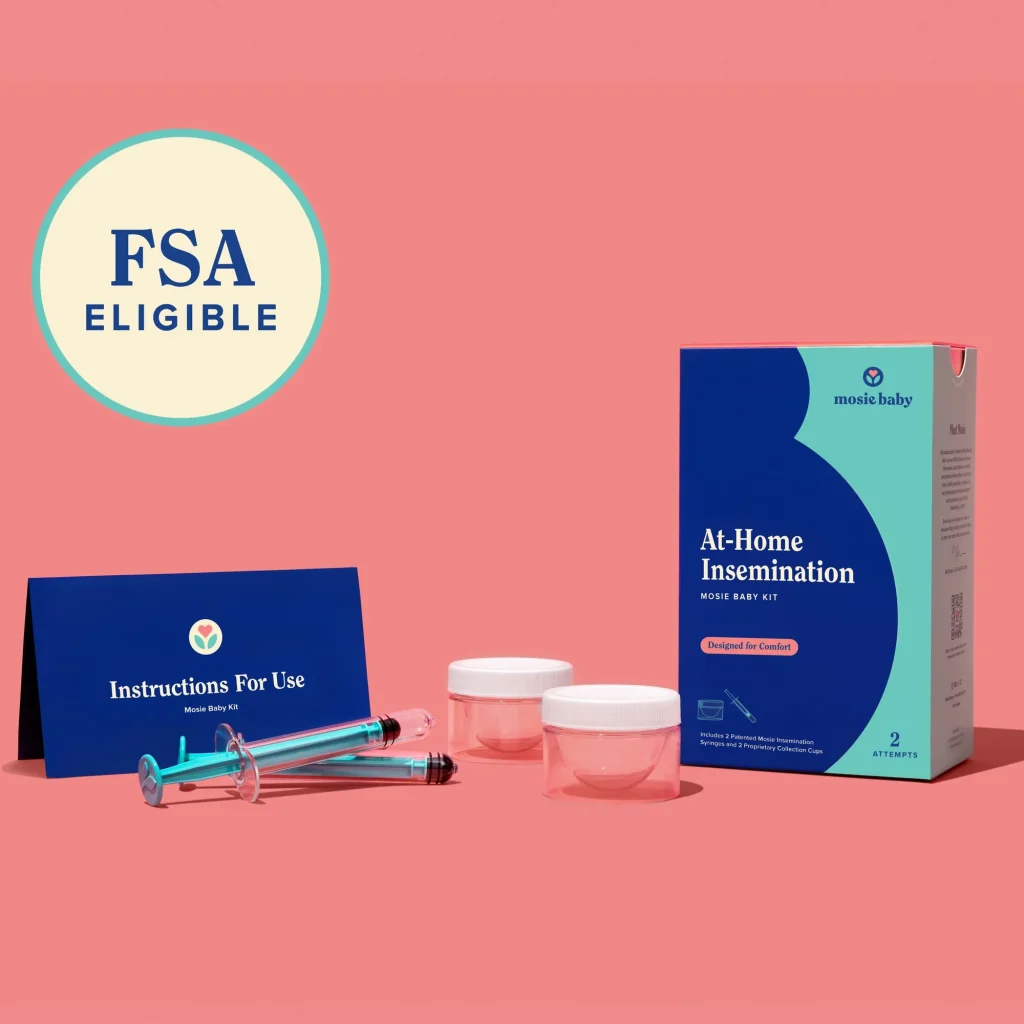
    At-home insemination kit with syringes and collection cups on a teal background.

    The Dos and Don'ts of Using a Fertility Boosting Insemination Set

    Don’ts:

    1. Don’t use expired or damaged equipment: It is crucial to use a fertility boosting insemination set that is not expired or damaged. Expired equipment may not be as effective, and damaged equipment can cause harm or increase the risk of infection.

    2. Don’t use sperm from an unknown or untrusted source: Using sperm from an unknown or untrusted source can increase the risk of contracting sexually transmitted infections or diseases. It is important to use sperm from a reliable source.

    3. Don’t use lubricants: Lubricants can interfere with the quality and motility of sperm, making it difficult for them to reach the egg. It is best to avoid using lubricants during the process of insemination.

    4. Don’t use the same insemination set more than once: Fertility boosting insemination sets are designed for single-use only. Reusing the set can increase the risk of infection and decrease its effectiveness.

    5. Don’t stress: Stress can have a negative impact on fertility, so it is important to try and stay relaxed during the process of insemination. Consider incorporating stress-relieving activities such as yoga, meditation, or taking walks.

    6. Don’t give up after one try: It is common for insemination to take multiple attempts before successful conception. Don’t get discouraged if the first try is unsuccessful. Stay positive and keep trying.

    7. Don’t forget to follow up with a doctor: After using a fertility boosting insemination set, it is important to follow up with a fertility specialist. They can monitor the progress and offer guidance on future steps.

    In summary, using a fertility boosting insemination set can be a helpful tool for couples struggling with infertility. However, it is crucial to follow the dos and don’ts mentioned above for safe and effective use. Consulting with a fertility specialist, understanding the process, using fresh sperm, maintaining hygiene, and seeking support are some of the important dos. On the other hand, avoiding expired or damaged equipment, untrusted sperm sources, and lubricants, as well as not stressing, reusing the set, or giving up after one try are some of the things to avoid. With proper usage and guidance, a fertility boosting insemination set can increase the chances of successful conception and help couples start a family of their own.


  • The Top Fertility Boosting Insemination Sets on the Market

    Blog Post Title: The Best Fertility Boosting Insemination Sets on the Market

    Introduction:

    Many couples struggle with fertility issues and turn to insemination as a way to conceive. Insemination is a process in which sperm is introduced into the female reproductive system in order to fertilize an egg. While there are various methods of insemination, using a fertility boosting insemination set is a popular option for couples trying to conceive.

    These sets typically include everything needed for a successful insemination, such as ovulation tests, sperm-friendly lubricant, and insemination devices. With so many options on the market, it can be overwhelming for couples to choose the right set for their needs. In this blog post, we will discuss the top fertility boosting insemination sets on the market, their features, and how they can help increase the chances of conception.

    1. The Conception Kit

    The Conception Kit is a comprehensive fertility boosting insemination set that includes a variety of tools to help couples conceive. This set includes ovulation predictors, sperm-friendly lubricant, and a cervical cap that holds the sperm in place for up to six hours after insemination. The Conception Kit also comes with a training DVD and a personal conception journal to help couples track their progress and stay organized.

    What sets the Conception Kit apart is its patented Conception Cap, which is designed to deliver sperm directly to the cervix, increasing the chances of conception. This set is also FDA-cleared and has a success rate of over 60%. The Conception Kit is available for purchase online and at select pharmacies.

    2. The Mosie Baby Insemination Kit

    The Mosie Baby Insemination Kit is another popular fertility boosting set that is designed specifically for at-home insemination. This set includes a syringe and a lubricant, both of which are designed to improve the chances of sperm reaching the cervix. The syringe is designed to be easy to use and allows for a more controlled and comfortable insemination process.

    What makes the Mosie Baby Insemination Kit unique is its focus on providing an inclusive and comfortable experience for all couples, regardless of sexual orientation or gender identity. The kit comes with a step-by-step guide and is available for purchase online.

    3. The Stork OTC Conception Aid

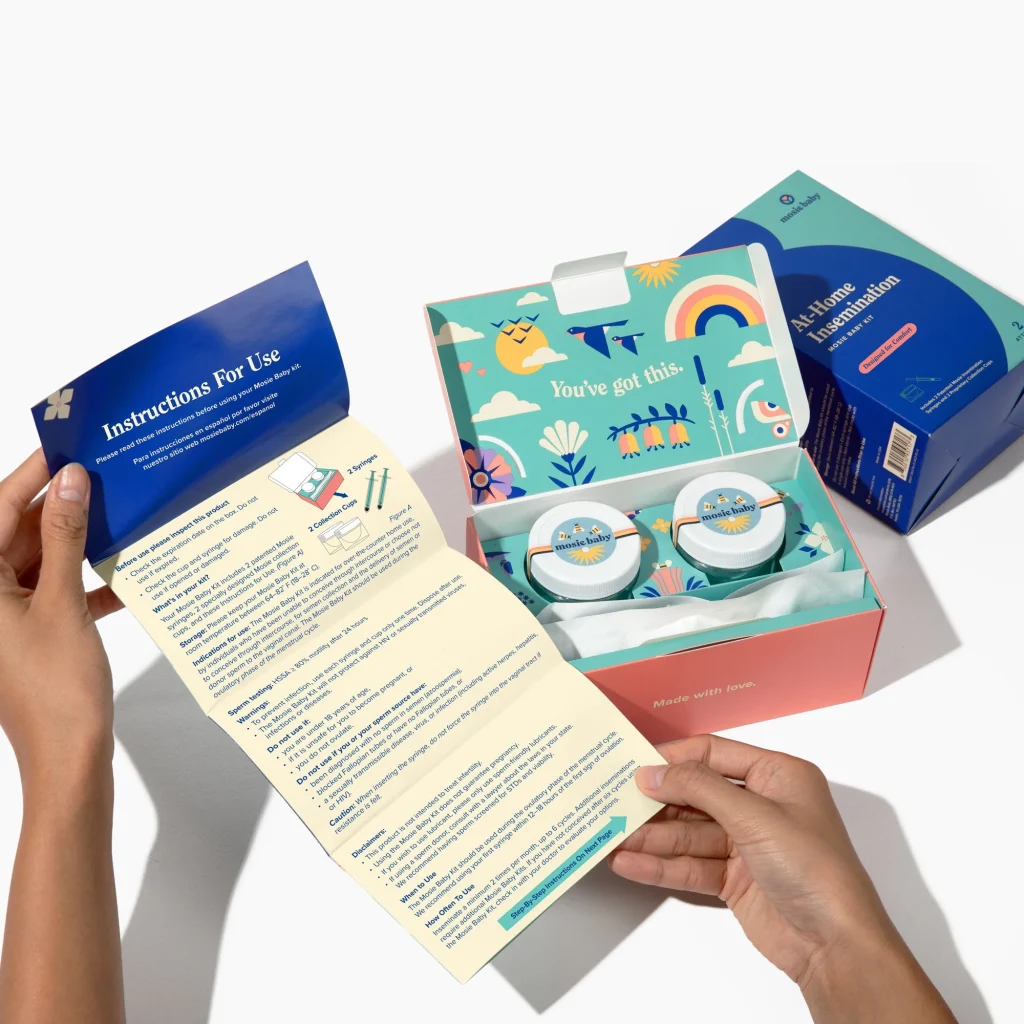
    Informative card introducing the Mosie Baby Kit and its mission for at-home insemination.

    The Top Fertility Boosting Insemination Sets on the Market

    The Stork OTC Conception Aid is a popular fertility boosting set that is designed for at-home use. This set includes a cervical cap and an applicator, which delivers the sperm as close to the cervix as possible. The Stork OTC Conception Aid is FDA-cleared and has a success rate of up to 20% in the first month of use.

    One of the key features of this set is that it is designed for use by both heterosexual and same-sex couples. It is also a more affordable option compared to other fertility boosting sets on the market. The Stork OTC Conception Aid is available for purchase online and at select pharmacies.

    4. The Intrarosa Intravaginal Insemination Kit

    The Intrarosa Intravaginal Insemination Kit is a unique fertility boosting set that is designed for use in a clinical setting. This set includes a device that is inserted into the vagina and delivers sperm directly to the cervix. The Intrarosa Intravaginal Insemination Kit is FDA-cleared and has a success rate of up to 40%.

    What sets this set apart is that it is designed to be used by healthcare professionals, making it a more controlled and precise option for couples who prefer a clinical setting for insemination. This set is available for purchase online and at select fertility clinics.

    5. The Conceivex Conception Kit

    The Conceivex Conception Kit is another popular fertility boosting set that includes a variety of tools to aid in the insemination process. This set includes ovulation predictors, sperm-friendly lubricant, and a soft cup for holding the sperm in place after insemination. The Conceivex Conception Kit also comes with a training DVD and a personal conception journal.

    One of the unique features of this set is its focus on natural and holistic methods for increasing fertility. The set also includes a relaxation CD to help couples de-stress and improve their chances of conception. The Conceivex Conception Kit is available for purchase online.

    Conclusion:

    Insemination is a popular method for couples struggling with fertility issues, and using a fertility boosting insemination set can greatly increase the chances of conception. These sets offer a variety of tools and techniques to aid in the insemination process and make it more comfortable and effective for couples. From at-home kits to clinical options, there is a fertility boosting insemination set for every couple’s needs and preferences.

    Summary:

    Insemination is a popular method for couples trying to conceive, and using a fertility boosting insemination set can greatly increase the chances of success. These sets include tools such as ovulation predictors, sperm-friendly lubricant, and devices for delivering sperm directly to the cervix. Some popular options on the market include the Conception Kit, the Mosie Baby Insemination Kit, and the Stork OTC Conception Aid. The Intrarosa Intravaginal Insemination Kit and the Conceivex Conception Kit are also effective options for couples. Each set offers unique features and benefits, making it easier for couples to choose the right one for their needs.

  • The Science Behind DIY Baby-Making with a Syringe Kit

    The decision to start a family can be an exciting and emotional one, but for some couples, getting pregnant may not come as easily as they had hoped. In these situations, many couples turn to fertility treatments or medical interventions, but there is another option that is gaining popularity among hopeful parents: DIY baby-making with a syringe kit.

    In this blog post, we will explore the science behind DIY baby-making with a syringe kit, including the benefits and risks, the process itself, and the success rates. We will also discuss some important considerations to keep in mind before embarking on this journey.

    The Science Behind DIY Baby-Making
    Before diving into the specifics of DIY baby-making, it’s important to understand the science behind it. The process involves using a syringe to insert sperm into the vagina, either during ovulation or near the time of ovulation, with the goal of achieving pregnancy.

    The key to success with this method lies in the timing. Sperm can survive in the female reproductive tract for up to five days, so it’s important to time the insemination correctly to increase the chances of fertilization. This is where tracking ovulation and understanding the menstrual cycle becomes crucial.

    Benefits of DIY Baby-Making
    One of the main benefits of DIY baby-making is the cost. Fertility treatments and medical interventions can be expensive, and for some couples, it may not be a feasible option. DIY baby-making can be a more affordable alternative, as it only requires purchasing a syringe kit and possibly some ovulation tracking tools.

    Additionally, DIY baby-making can be a more intimate and personal experience for couples. It allows them to be in control of the process and can strengthen their bond as they work towards a shared goal. This method also allows for more privacy, as couples can perform the insemination in the comfort of their own home.

    Risks and Considerations
    While DIY baby-making may seem like a simple and cost-effective option, there are some risks and considerations to keep in mind. First and foremost, it’s important to consult with a healthcare professional before attempting this method. They can provide guidance and ensure that there are no underlying fertility issues that need to be addressed.

    Mosie Baby kit with two jars, a syringe, and a supportive message card inside a colorful box.

    The Science Behind DIY Baby-Making with a Syringe Kit

    There is also a risk of infection if proper hygiene is not followed during the process. It’s crucial to use sterile equipment and follow sterile techniques to minimize the risk of infection. Additionally, there is a small chance of damaging the cervix if the syringe is inserted too forcefully. This can increase the risk of infection and potentially affect fertility in the long run.

    Success Rates
    The success rates of DIY baby-making vary, as there are many factors that can affect the outcome. Timing, sperm quality, and overall fertility health are just a few of the factors that can influence the success of this method.

    Some studies have shown success rates of up to 40% for couples who use this method correctly and have no underlying fertility issues. However, it’s important to note that these success rates are lower than those of medical interventions, such as intrauterine insemination (IUI) or in vitro fertilization (IVF).

    Tips for Success
    For those considering DIY baby-making, there are some tips that can help increase the chances of success. Firstly, it’s important to track ovulation accurately and have a good understanding of the menstrual cycle. This can be done through methods such as tracking basal body temperature or using ovulation predictor kits.

    It’s also crucial to use high-quality sperm from a known and trusted donor. This can increase the chances of fertilization and reduce the risk of any potential genetic or health issues.

    In conclusion, DIY baby-making with a syringe kit is a viable option for couples looking to start a family. While it may not be suitable for everyone, it can be a more affordable and intimate alternative to medical interventions. It’s important to consult with a healthcare professional, understand the process and success rates, and follow proper hygiene and techniques to increase the chances of success.

    SEO metadata:

  • The Science Behind Non-Invasive Insemination: How It Works

    Blog Post:

    Insemination, or the introduction of sperm into the female reproductive tract, is a crucial step in the process of fertilization and pregnancy. In the past, insemination was primarily done through invasive procedures such as intrauterine insemination (IUI) or in vitro fertilization (IVF). However, with advancements in technology, non-invasive insemination options have become increasingly popular. In this blog post, we will explore the science behind non-invasive insemination and how it works.

    What is Non-Invasive Insemination?

    Non-invasive insemination, also known as external insemination, is a method of introducing sperm into the female reproductive tract without the need for invasive procedures. This can include methods such as intracervical insemination (ICI), intravaginal insemination (IVI), and intratubal insemination (ITI). These methods involve depositing sperm into the vagina, cervix, or fallopian tubes, respectively, using a syringe or other device.

    The Science Behind Non-Invasive Insemination:

    Non-invasive insemination works by mimicking the natural process of sperm travel in the female reproductive tract. When a man ejaculates, the sperm travels through the vagina, cervix, and into the uterus, eventually reaching the fallopian tubes where fertilization occurs. In non-invasive insemination, the sperm is manually introduced into the reproductive tract, bypassing the need for it to travel through the cervix.

    The Success Rates:

    Studies have shown that the success rates of non-invasive insemination are comparable to those of invasive methods such as IUI. However, the success rates can vary depending on factors such as the age of the woman, the quality of the sperm, and the timing of the insemination in relation to ovulation.

    Factors Affecting Success Rates:

    Age: As with any method of conception, age plays a significant role in the success rates of non-invasive insemination. Women over the age of 35 may have a lower chance of success due to decreased fertility and the increased risk of chromosomal abnormalities in their eggs.

    Sperm Quality: The quality of the sperm used in non-invasive insemination is crucial for its success. Sperm must be healthy, motile, and have the ability to fertilize an egg. If the sperm is of poor quality, it may not be able to survive long enough to reach the egg and fertilize it.

    Timing: Timing is key when it comes to non-invasive insemination. The sperm must be deposited into the reproductive tract at the optimal time, which is typically around the time of ovulation. This increases the chances of the sperm reaching the egg and fertilizing it.

    Smiling baby in a blue onesie with "made with Love" text, lying on a light blue crocheted blanket.

    The Science Behind Non-Invasive Insemination: How It Works

    Advantages of Non-Invasive Insemination:

    1. Less Invasive: As the name suggests, non-invasive insemination does not require any invasive procedures, making it a more comfortable and less stressful option for couples.

    2. Cost-Effective: Non-invasive insemination is generally more affordable than invasive methods such as IVF, making it a more accessible option for couples seeking fertility treatments.

    3. Can be Done at Home: Some non-invasive insemination methods, such as IVI, can be done at home, eliminating the need for frequent visits to a fertility clinic.

    4. Can be Used by Same-Sex Couples and Single Women: Non-invasive insemination is a viable option for same-sex couples and single women who wish to conceive.

    5. Low-Risk of Complications: As there are no invasive procedures involved, the risk of complications is significantly lower with non-invasive insemination.

    Disadvantages of Non-Invasive Insemination:

    1. Lower Success Rates in Some Cases: Non-invasive insemination may not be as successful as invasive methods for certain fertility issues, such as blocked fallopian tubes or severe male factor infertility.

    2. Requires Monitoring: To increase the chances of success, non-invasive insemination may require monitoring of ovulation through methods such as ultrasounds or ovulation predictor kits.

    3. May Require Multiple Attempts: Like any fertility treatment, non-invasive insemination may require multiple attempts before a successful pregnancy occurs.

    Conclusion:

    Non-invasive insemination is a scientifically proven method of introducing sperm into the female reproductive tract without the need for invasive procedures. It can be a viable option for couples seeking fertility treatments and offers several advantages over invasive methods. However, it is essential to consider individual factors such as age and sperm quality when choosing this method, and it may not be suitable for everyone.

    In summary, non-invasive insemination is a scientifically sound and effective method of conception that mimics the natural process of sperm travel in the female reproductive tract. It offers several advantages over invasive methods, but success rates may be affected by factors such as age, sperm quality, and timing. It is crucial to discuss the options with a fertility specialist to determine if non-invasive insemination is the right choice for you.

  • Breaking Down the Basics of Home Insemination

    Blog Title: Breaking Down the Basics of Home Insemination

    Home insemination is becoming an increasingly popular option for couples and individuals who are trying to conceive. Whether it’s due to fertility issues, financial constraints, or simply a desire for privacy and control, many people are turning to this method as an alternative to traditional medical procedures. However, the concept of home insemination may seem daunting and overwhelming to those who are unfamiliar with it. In this blog post, we will break down the basics of home insemination and provide you with all the information you need to know.

    What is Home Insemination?

    Home insemination, also known as self-insemination, is the process of placing sperm into the vagina or cervix in order to achieve pregnancy. This can be done without the assistance of a medical professional, making it a more affordable and private option for couples and individuals who are trying to conceive. It can be used by same-sex couples, single individuals, and heterosexual couples who are experiencing fertility issues.

    Preparation for Home Insemination

    Before starting the home insemination process, it is important to prepare yourself and your partner, if applicable. This includes tracking ovulation and determining the best time for insemination, as well as discussing any potential risks or concerns with your doctor. It is also recommended to get tested for sexually transmitted infections (STIs) and have a full fertility evaluation to ensure that there are no underlying issues that could affect the success of home insemination.

    Sperm Collection and Preparation

    The first step in the home insemination process is obtaining sperm. This can be done through a sperm bank, a known donor, or a friend who is willing to donate. If using a sperm bank, the sperm will already be tested and prepared for insemination. However, if using a known donor or friend, it is important to have them tested for STIs and to have their sperm washed and prepared by a professional to increase the chances of success.

    Mosie Baby At-Home Insemination Kit instructions and storage guidelines on a blue background.

    Breaking Down the Basics of Home Insemination

    The Insemination Process

    Once the sperm is collected and prepared, it is time to begin the insemination process. This can be done in a variety of ways, including using a syringe, a menstrual cup, or a special kit designed for home insemination. The most important thing is to ensure that the sperm is placed as close to the cervix as possible, as this increases the chances of conception.

    Tips for Success

    While home insemination can be an effective method for achieving pregnancy, there are some tips that can increase the chances of success. These include:

    – Timing is crucial: It is important to track ovulation and inseminate around the time of ovulation for the best chances of success.
    – Relax and stay positive: Stress and anxiety can affect hormone levels and decrease the chances of conception. It is important to relax and stay positive during the insemination process.
    – Consider using fertility-friendly lubricants: Regular lubricants can hinder sperm mobility, so it is recommended to use a fertility-friendly lubricant during insemination.
    – Follow up with a pregnancy test: It is important to follow up with a pregnancy test after insemination to confirm pregnancy and seek medical care if needed.

    Possible Risks and Considerations

    While home insemination is generally considered safe, there are some potential risks and considerations to keep in mind. These include:

    – The risk of STIs: If using a known donor or friend, it is important to have them tested for STIs to reduce the risk of transmission.
    – The risk of incorrect placement: It is important to ensure that the sperm is placed as close to the cervix as possible for the best chances of success.
    – The risk of emotional attachment: If using a known donor or friend, it is important to consider the potential emotional attachment that may occur and have open and honest communication about expectations.

    In conclusion, home insemination is a viable option for couples and individuals who are trying to conceive. It is important to prepare yourself, follow the proper steps, and consider potential risks and tips for success. With the right information and preparation, home insemination can be a safe and effective way to achieve pregnancy.

  • Insemination Made Easy: A Beginner’s Guide to Your Starter Pack

    Insemination Made Easy: A Beginner’s Guide to Your Starter Pack

    Insemination, also known as artificial insemination, is a process where sperm is placed into a woman’s reproductive tract in order to facilitate fertilization and pregnancy. It is a method commonly used by couples struggling with infertility or same-sex couples who want to start a family. While the idea of insemination may seem intimidating at first, it is actually a simple and safe procedure that can be done at home with the right tools and knowledge. In this blog post, we will provide a beginner’s guide to insemination and introduce you to the essential starter pack for this process.

    Understanding Insemination

    Before we dive into the specifics of insemination, it is important to understand the basics of how pregnancy occurs. In natural conception, a man’s sperm fertilizes a woman’s egg inside her body. However, in insemination, the sperm is placed directly into the woman’s reproductive tract, bypassing the need for sexual intercourse.

    There are two types of insemination: intrauterine insemination (IUI) and intracervical insemination (ICI). IUI involves placing the sperm directly into the woman’s uterus, while ICI involves placing the sperm near the cervix. IUI is usually performed by a doctor in a medical setting, while ICI can be done at home by the couple.

    Why Use a Starter Pack?

    While insemination can be done at home, it is important to have the right tools and resources to ensure a successful and safe process. This is where a starter pack comes in. A starter pack contains all the necessary items for insemination, making the process easier and more efficient for beginners.

    Insemination Starter Pack Essentials

    1. Ovulation Predictor Kits (OPKs) – These kits help track ovulation, which is crucial for insemination. OPKs detect the surge of luteinizing hormone (LH) in a woman’s body, indicating that ovulation is about to occur.

    2. Pre-filled Syringes – Pre-filled syringes are used to collect and deposit the sperm into the woman’s reproductive tract. They are pre-sterilized, making them safe and convenient to use.

    3. Sperm Collection Cups – These cups are used to collect the sperm sample from the donor. They are specifically designed for insemination and are sterile to ensure the safety of the process.

    4. Speculum – A speculum is a tool used to open the vagina and provide better access to the cervix. It is necessary for IUI and can be purchased in a starter pack or separately.

    comparison of Mosie syringe opening versus standard syringe opening with text highlighting benefits

    Insemination Made Easy: A Beginner's Guide to Your Starter Pack

    5. Lubricant – A fertility-friendly lubricant can help improve the chances of conception by providing a more favorable environment for the sperm.

    6. Instruction Manual – A detailed instruction manual is included in most starter packs to guide beginners through the process. It usually includes step-by-step instructions and tips for a successful insemination.

    Other Optional Items

    – Pregnancy Test Strips – These strips can be used to confirm pregnancy at home after insemination.
    – Fertility Supplements – Some couples may choose to include fertility supplements in their insemination journey to increase their chances of conception.
    – Heating Pad – A heating pad can help relax the muscles in the pelvic area, making it easier for the sperm to travel to the egg.
    – Comfortable Pillows – Placing a pillow under the woman’s hips after insemination can help keep the sperm near the cervix for a longer period of time.

    Tips for a Successful Insemination

    1. Track Ovulation – Timing is crucial in insemination. It is recommended to perform the process within 12-24 hours of detecting a positive OPK.

    2. Prepare the Sperm Sample – The sperm sample should be collected in a sterile cup and kept at room temperature until ready to use. Avoid exposing it to extreme temperatures or sunlight.

    3. Relax – Stress and tension can interfere with the process, so it is important to stay relaxed and calm during insemination.

    4. Follow Instructions – Make sure to carefully follow the instructions provided in the starter pack. This will ensure that the process is done correctly and safely.

    5. Consider Multiple Attempts – Insemination may not be successful on the first try, so it is important to be prepared for multiple attempts. Most starter packs come with enough supplies for multiple tries.

    Summary:

    Insemination is a simple and safe method of facilitating pregnancy that can be done at home with the right tools and knowledge. A starter pack is a convenient option for beginners as it contains all the necessary items for the process. Some essential items in a starter pack include ovulation predictor kits, pre-filled syringes, sperm collection cups, and a speculum. Other optional items that can improve the chances of conception include pregnancy test strips, fertility supplements, heating pad, and comfortable pillows. It is important to follow instructions and track ovulation for a successful insemination.

  • The Science Behind the Syringe Method for Natural Conception

    Blog Post: The Science Behind the Syringe Method for Natural Conception

    Conception is the beginning of all human life, and for many couples, it is a journey filled with hope, excitement, and sometimes, disappointment. While some couples may be able to easily conceive, others may face challenges and turn to medical interventions such as in vitro fertilization (IVF) or artificial insemination. However, for those looking for a more natural and cost-effective method, the syringe method for conception has gained popularity in recent years. But what exactly is the syringe method and why is it considered a viable option for natural conception? In this blog post, we will delve into the science behind the syringe method and its effectiveness in helping couples conceive.

    The syringe method, also known as intracervical insemination (ICI), involves the insertion of sperm into the cervix using a syringe, bypassing the need for intercourse. This method can be performed at home or in a medical setting, and it is often used by couples who have difficulty conceiving through traditional methods. But how does the syringe method work and what makes it a potential option for natural conception?

    To understand the science behind the syringe method, we must first understand the process of natural conception. During intercourse, sperm is released into the vagina and travels through the cervical mucus towards the fallopian tubes where fertilization occurs. However, in some cases, the sperm may not reach the fallopian tubes due to factors such as low sperm count, hostile cervical mucus, or structural abnormalities in the reproductive organs. This is where the syringe method comes into play.

    By using a syringe to deposit sperm directly into the cervix, the sperm has a better chance of reaching the fallopian tubes and fertilizing the egg. This method also allows for the use of washed and prepared sperm, which has a higher concentration of healthy sperm compared to ejaculated sperm. The washed sperm is also free of any seminal fluid, which may contain substances that can be harmful to the cervix and decrease the chances of conception.

    Moreover, the syringe method can be combined with other natural methods such as tracking ovulation and using fertility-friendly lubricants, which can further increase the chances of conception. By tracking ovulation, couples can time the insemination to coincide with the most fertile days of the woman’s menstrual cycle, increasing the likelihood of fertilization. Fertility-friendly lubricants, on the other hand, provide a sperm-friendly environment and can help sperm reach the egg more easily.

    at-home insemination kit by Mosie Baby, featuring syringes, collection cups, and instructions on a pink background.

    The Science Behind the Syringe Method for Natural Conception

    But what about the scientific evidence behind the syringe method? A study published in the Journal of Assisted Reproduction and Genetics found that the pregnancy success rate for the syringe method was comparable to that of traditional intrauterine insemination (IUI) methods, which involve inserting sperm into the uterus. Another study published in the Journal of Human Reproductive Sciences showed that the syringe method had a pregnancy success rate of 23.5%, which is similar to the success rates of IUI and timed intercourse.

    One of the main advantages of the syringe method is its cost-effectiveness. Compared to other medical interventions, the syringe method is relatively inexpensive and can be performed at home, reducing the need for costly medical procedures. It also allows couples to have more control over the process and can be a less stressful option for those who may feel uncomfortable with medical interventions.

    However, it is important to note that the syringe method may not be suitable for everyone. It is not recommended for couples with severe male factor infertility or those with blocked fallopian tubes. It is also important to consult with a healthcare provider before attempting the syringe method to ensure that there are no underlying medical issues that may hinder conception.

    In conclusion, the syringe method for natural conception may be a viable option for couples who are struggling to conceive through traditional methods. By understanding the science behind this method and its effectiveness in helping sperm reach the fallopian tubes, couples can make an informed decision about whether it is the right option for them. With its cost-effectiveness and potential for success, the syringe method offers hope to those on their journey towards parenthood.

    Summary:

    The syringe method for natural conception, also known as intracervical insemination (ICI), involves the insertion of sperm into the cervix using a syringe. This method has gained popularity in recent years as a more natural and cost-effective option for couples struggling to conceive. By bypassing the need for intercourse, the syringe method increases the chances of sperm reaching the fallopian tubes and fertilizing the egg. Scientific evidence shows that the pregnancy success rate for the syringe method is comparable to traditional methods such as intrauterine insemination (IUI). Its cost-effectiveness and potential for success make it a promising option for couples on their journey towards parenthood. However, it may not be suitable for couples with severe male factor infertility or blocked fallopian tubes, and it is important to consult with a healthcare provider before attempting this method.

  • Syringe Method for Natural Conception: Overcoming Infertility Naturally

    Blog Post:

    Infertility is a common issue that affects many couples around the world. While there are various medical treatments available, some couples prefer a more natural approach to conception. One such method is the Syringe Method for Natural Conception, which has been gaining popularity in recent years. This method involves using a syringe to place sperm directly into the cervix, bypassing the vaginal route and increasing the chances of conception. In this blog post, we will explore the Syringe Method in detail and how it can help couples overcome infertility naturally.

    Understanding the Syringe Method:

    The Syringe Method for Natural Conception, also known as the “Turkey Baster Method,” involves placing sperm directly into the cervix using a syringe. This method is based on the concept of intrauterine insemination (IUI), where sperm is placed directly into the uterus through a catheter. However, the Syringe Method is a simple and cost-effective alternative to IUI that can be done at home.

    The Process of Syringe Method:

    The first step in the Syringe Method is to collect sperm from the male partner. This can be done through masturbation or by using a special condom that collects sperm after ejaculation. Next, the female partner lies down with her hips elevated, allowing the cervix to tilt downwards. The sperm is then drawn into a sterile syringe and gently inserted into the cervix. The syringe is slowly pushed, releasing the sperm into the cervix. The female partner may then lie down for 20-30 minutes to allow the sperm to travel towards the egg.

    Advantages of Syringe Method:

    One of the main advantages of the Syringe Method is that it allows sperm to bypass the acidic environment of the vagina, which can sometimes be hostile to sperm. By placing the sperm directly into the cervix, it increases the chances of the sperm reaching and fertilizing the egg. This method is also beneficial for couples who have issues with vaginal penetration, such as vaginismus or erectile dysfunction. Additionally, the Syringe Method can be done at home, making it a more private and comfortable option for many couples.

    Effectiveness of Syringe Method:

    The effectiveness of the Syringe Method for Natural Conception varies from couple to couple. Some studies have shown a success rate of up to 20%, while others have reported a success rate of only 5%. The success of this method depends on various factors, such as the age and health of the partners, the quality and quantity of sperm, and the timing of the insemination in relation to ovulation. It is essential to consult with a healthcare provider before trying this method and to track ovulation carefully to increase the chances of success.

    Colorful promotional image for Mosie Baby, featuring home insemination kit and encouraging text.

    Syringe Method for Natural Conception: Overcoming Infertility Naturally

    Tips for Successful Syringe Method:

    To increase the chances of success with the Syringe Method, here are some tips to keep in mind:

    1. Track ovulation: It is crucial to track ovulation accurately to ensure that the sperm is inseminated at the right time. This can be done through various methods, such as using an ovulation predictor kit or tracking basal body temperature.

    2. Use fresh sperm: It is recommended to use fresh sperm for the Syringe Method, as frozen sperm may have a lower success rate. If using frozen sperm, make sure to thaw it properly before insemination.

    3. Maintain hygiene: It is essential to maintain proper hygiene during the Syringe Method to prevent any infections. Make sure to use a sterile syringe and to wash your hands before the procedure.

    4. Consider supplements: Certain supplements, such as folic acid and zinc, have been shown to improve sperm quality and increase the chances of conception. Consult with a healthcare provider before taking any supplements.

    5. Be patient: It is essential to be patient and not get discouraged if the Syringe Method does not work immediately. Keep trying for a few cycles before considering other options.

    Possible Risks and Side Effects:

    While the Syringe Method is generally considered safe, there are some risks and side effects to be aware of. These include infections, discomfort or pain during the procedure, and possible damage to the cervix if not done correctly. It is crucial to follow proper hygiene and technique to minimize these risks. If any pain or discomfort persists, it is essential to consult with a healthcare provider.

    Summary:

    The Syringe Method for Natural Conception is a simple and cost-effective alternative to medical treatments for infertility. It involves placing sperm directly into the cervix using a syringe and can be done at home. This method has advantages such as bypassing the acidic environment of the vagina and being beneficial for couples with penetration issues. However, its effectiveness varies and depends on various factors. It is essential to consult with a healthcare provider and track ovulation carefully while trying this method. With proper hygiene and patience, the Syringe Method can be a successful and natural way to overcome infertility.

  • Breaking Down the Syringe Method for Natural Conception: How It Works

    Blog Post:

    When it comes to trying to conceive naturally, there are many methods that couples can explore. One popular method that has gained attention in recent years is the Syringe Method. This method involves using a syringe to deposit semen directly into the cervix, bypassing the vaginal canal and increasing the chances of fertilization. In this blog post, we will break down the Syringe Method and how it works for natural conception.

    What is the Syringe Method?

    The Syringe Method, also known as the Intra-Cervical Insemination (ICI) method, is a technique used to deliver sperm directly into the cervix. It involves using a sterile syringe to collect semen and then inserting it into the cervix through the opening of the vagina. This method is often used by couples who are trying to conceive naturally, as well as by same-sex female couples and single women who are using donor sperm.

    How Does It Work?

    The Syringe Method works by depositing semen directly into the cervix, which is the opening to the uterus. This bypasses the vaginal canal, where sperm can be affected by the acidic environment, and increases the chances of fertilization. The semen is collected in a sterile syringe and then inserted into the cervix through the opening of the vagina. The sperm is then able to swim directly into the uterus and potentially fertilize an egg.

    Preparing for the Syringe Method

    Before attempting the Syringe Method, it is important to prepare both physically and emotionally. The first step is to track your ovulation using methods such as ovulation predictor kits or tracking your basal body temperature. This will help you determine the best time to use the syringe method, as it is most effective when done around the time of ovulation.

    It is also important to ensure that both partners are in good physical health. This includes maintaining a healthy diet, exercising regularly, and avoiding alcohol and tobacco. If there are any underlying fertility issues, it is recommended to consult with a doctor before attempting the Syringe Method.

    Using the Syringe Method

    Home insemination kit by Mosie Baby with instructions and colorful packaging.

    Breaking Down the Syringe Method for Natural Conception: How It Works

    The first step in using the Syringe Method is to collect the semen. This can be done through masturbation or by using a special collection condom during intercourse. The semen is then drawn up into a syringe, which should be sterile and have a wide enough opening to allow the sperm to pass through easily.

    The next step is to insert the syringe into the vagina and push the plunger slowly to deposit the sperm into the cervix. It is important to insert the syringe as far into the cervix as possible to ensure that the sperm reaches the uterus. After the sperm has been deposited, it is recommended to lie down for about 20 minutes to allow the sperm to swim towards the uterus.

    It is also important to note that the Syringe Method should only be used with fresh semen. Frozen or thawed semen should not be used, as it can decrease the chances of fertilization.

    Success Rates of the Syringe Method

    The success rates of the Syringe Method vary, depending on factors such as the quality of the sperm, timing, and overall health of the individuals involved. On average, the success rate is around 10-15% per cycle, which is similar to the success rates of natural intercourse. However, with proper timing and preparation, the success rate can increase.

    It is also important to keep in mind that the Syringe Method may not be effective for everyone. If after several attempts, conception does not occur, it may be necessary to explore other options such as artificial insemination or in vitro fertilization.

    Benefits of the Syringe Method

    One of the main benefits of the Syringe Method is that it is a natural and non-invasive way to conceive. It also allows for direct placement of sperm into the cervix, increasing the chances of fertilization. This method can also be done at home, making it more convenient and less expensive compared to other fertility treatments.

    Additionally, the Syringe Method can be a great option for same-sex female couples or single women who are using donor sperm. It allows them to have a more intimate and personal experience compared to other methods such as artificial insemination.

    Summarization:

    The Syringe Method, also known as Intra-Cervical Insemination, is a natural and non-invasive technique used for natural conception. It involves using a syringe to deposit semen directly into the cervix, bypassing the vaginal canal and increasing the chances of fertilization. Before attempting this method, it is important to track ovulation and ensure both partners are in good physical health. The success rates of the Syringe Method vary, but with proper timing and preparation, it can be a successful option for couples trying to conceive. This method also has the added benefit of being a more intimate and personal experience for same-sex female couples or single women using donor sperm.

  • The Future of Conception: Exploring At-Home Insemination Solution Sets

    Blog post:

    The process of conception, or the fertilization of an egg by a sperm, has been a fundamental part of human existence for centuries. However, with advancements in technology and changing societal norms, the way people conceive is also changing. Traditionally, conception has been limited to sexual intercourse between a man and a woman. But with the rise of same-sex couples and single individuals choosing to become parents, the options for conception have also expanded. One such option that is gaining popularity is at-home insemination.

    At-home insemination involves using a donor sperm to fertilize an egg, either through sexual intercourse or artificial insemination. While the process has been around for many years, recent developments in technology have made it a more accessible and convenient choice for many individuals and couples. In this blog post, we will delve into the future of conception and explore the various at-home insemination solution sets that are now available.

    The Rise of At-Home Insemination

    The traditional method of conception through sexual intercourse has always been the go-to for many couples. However, with the advancements in reproductive technology, at-home insemination has become a viable option for those who are unable or unwilling to conceive through intercourse. This includes same-sex couples, single individuals, and heterosexual couples facing fertility issues.

    With the rise of at-home insemination, people no longer have to rely on expensive and time-consuming fertility treatments. They can now take control of their own fertility journey in the comfort and privacy of their own home. This also eliminates the need for multiple visits to a fertility clinic, reducing the financial and emotional burden that often comes with assisted conception.

    The Future of At-Home Insemination

    As technology continues to evolve, the future of at-home insemination looks promising. Currently, the most common method of at-home insemination is through the use of a syringe or a menstrual cup. However, as technology advances, more sophisticated and efficient methods are being developed.

    One such method is the use of an at-home insemination kit. These kits typically include a cervical cap or a soft cup, a syringe, and a collection cup for the sperm. The kit also comes with instructions on how to properly inseminate at home. This method is not only more convenient and less messy, but it also increases the chances of successful conception.

    logo featuring a pink heart above two teal leaves on a blue circular background

    The Future of Conception: Exploring At-Home Insemination Solution Sets

    Another potential method that is being explored is the use of an at-home sperm analyzer. This device measures the sperm count, motility, and morphology, providing accurate and real-time results. With this information, individuals and couples can better time their insemination attempts and increase their chances of success.

    Challenges and Solutions

    While at-home insemination may seem like a straightforward process, there are still some challenges that need to be addressed. One of the biggest challenges is the quality and safety of the donor sperm. In the past, individuals and couples had to rely on sperm banks for donor sperm, which could be expensive and limited in options. However, with the rise of at-home insemination, more affordable and accessible options are becoming available.

    One solution is the use of online sperm banks, which allow individuals and couples to choose from a larger pool of donors and have the sperm delivered directly to their doorstep. These online sperm banks also provide thorough screening and testing of donors to ensure the safety and quality of the sperm.

    Another challenge is the lack of regulation and oversight. At-home insemination is not currently regulated by the FDA, which means that there may be risks involved. However, organizations such as the American Society for Reproductive Medicine (ASRM) have developed guidelines for at-home insemination to ensure the safety and well-being of all parties involved.

    In Conclusion

    The future of conception is constantly evolving, and at-home insemination is quickly becoming a popular choice for many individuals and couples. With advancements in technology and the availability of more affordable and accessible options, at-home insemination is expected to continue to grow in popularity.

    While there are still challenges that need to be addressed, the potential for at-home insemination to provide a convenient and cost-effective solution for conception is vast. As society becomes more accepting and open to different forms of conception, at-home insemination will undoubtedly become a mainstream choice for many individuals and couples.

    Summary:

    The future of conception is changing with the rise of at-home insemination. This method of fertilization, which involves using a donor sperm to fertilize an egg, is becoming a popular choice for many individuals and couples. With advancements in technology, at-home insemination is expected to continue to grow in popularity. Currently, the most common method is through the use of a syringe or menstrual cup, but more sophisticated solutions such as at-home insemination kits and sperm analyzers are being explored. However, there are still challenges that need to be addressed, such as the quality and safety of donor sperm and lack of regulation. But with the availability of online sperm banks and guidelines from organizations like the ASRM, the future of at-home insemination looks promising. As society becomes more accepting and open to different forms of conception, at-home insemination is expected to become a mainstream choice for many individuals and couples.