Tag: Reproductive Health

  • The Role of Estrogen in Cervical Mucus Production

    Blog Post: The Role of Estrogen in Cervical Mucus Production

    Cervical mucus is a fluid secreted by the cervix, the lower part of the uterus, throughout the menstrual cycle. It plays a vital role in the reproductive system as it helps sperm travel through the female reproductive tract to reach the egg for fertilization. The amount and quality of cervical mucus produced can also indicate a woman’s fertility. But what exactly influences the production of cervical mucus? One of the key hormones responsible for cervical mucus production is estrogen. In this blog post, we will delve into the role of estrogen in cervical mucus production and its impact on fertility.

    The menstrual cycle is regulated by a complex interplay of hormones, including estrogen and progesterone. Estrogen is the primary female sex hormone responsible for the development and maintenance of female reproductive organs and secondary sexual characteristics. It is produced mainly by the ovaries, but also by the adrenal glands and fat cells.

    During the menstrual cycle, estrogen levels fluctuate, with the highest levels during the follicular phase, which is the first half of the cycle. During this phase, estrogen stimulates the production of cervical mucus. Cervical mucus production is influenced by the presence of estrogen receptors in the cervix. These receptors respond to the rising levels of estrogen, causing the cervix to produce mucus.

    The consistency and quality of cervical mucus also change throughout the menstrual cycle. During the follicular phase, when estrogen levels are high, cervical mucus becomes thin, watery, and stretchy, resembling raw egg whites. This type of mucus facilitates sperm travel and provides a nourishing environment for them to survive. As ovulation approaches, estrogen levels peak, and so does the production of cervical mucus. This fertile-type mucus is essential for sperm to reach the egg for fertilization.

    After ovulation, the body enters the luteal phase, where progesterone becomes the dominant hormone. Progesterone thickens the cervical mucus, making it impenetrable to sperm. This change in cervical mucus consistency helps prevent sperm from reaching the egg and ensures that only the strongest and healthiest sperm can fertilize the egg during ovulation.

    sperm-ready insemination kit with a syringe and container, featuring a screw top lid and non-tip safety wall

    The Role of Estrogen in Cervical Mucus Production

    Estrogen also plays a crucial role in maintaining a healthy vaginal environment. It promotes the growth of lactobacilli, beneficial bacteria that keep the vagina acidic and prevent the overgrowth of harmful bacteria. This acidic environment is essential for sperm survival and helps protect the vagina from infections.

    The production of cervical mucus is not only influenced by estrogen levels but also by other factors such as age, stress, and certain medications. As women age, the production of estrogen decreases, leading to thinner and less fertile cervical mucus. Stress can also disrupt hormonal balance and decrease estrogen levels, resulting in less cervical mucus. Certain medications, such as antihistamines and hormonal birth control, can also affect cervical mucus production.

    The role of estrogen in cervical mucus production has a significant impact on a woman’s fertility. The presence of fertile-type cervical mucus is crucial for sperm to reach the egg and for successful fertilization to occur. In addition, the quality of cervical mucus can also indicate a woman’s fertility. If a woman has low levels of estrogen or is not producing enough fertile-type mucus, it can make it difficult for sperm to survive and reach the egg, leading to fertility issues.

    Tracking cervical mucus changes can also be a helpful tool for women trying to conceive. By understanding the changes in cervical mucus throughout the menstrual cycle, women can determine their most fertile days and increase their chances of getting pregnant. Women can use various methods such as observing changes in the texture and consistency of their cervical mucus, using ovulation predictor kits, or tracking their basal body temperature to identify their fertile window.

    In conclusion, estrogen plays a crucial role in cervical mucus production and has a significant impact on female fertility. With its ability to stimulate the production of fertile-type cervical mucus and maintain a healthy vaginal environment, estrogen is an essential hormone for reproductive health. By understanding the role of estrogen in cervical mucus production, women can gain valuable insights into their menstrual cycle and fertility, ultimately helping them in their journey towards conception.

    Summary:

    Cervical mucus is a fluid secreted by the cervix that plays a vital role in the reproductive system. One of the key hormones responsible for cervical mucus production is estrogen. During the follicular phase of the menstrual cycle, estrogen levels rise, stimulating the cervix to produce thin, watery, and stretchy mucus that facilitates sperm travel. After ovulation, progesterone becomes the dominant hormone, thickening the cervical mucus to prevent sperm from reaching the egg. Estrogen also helps maintain a healthy vaginal environment and promotes the growth of beneficial bacteria. Factors such as age, stress, and certain medications can affect estrogen levels and, in turn, cervical mucus production. Tracking changes in cervical mucus can also be a useful tool for women trying to conceive. Understanding the role of estrogen in cervical mucus production can provide valuable insights into a woman’s menstrual cycle and fertility.

  • Natural Ways to Boost Cervical Mucus Production

    Blog Post Title: Natural Ways to Boost Cervical Mucus Production

    Cervical mucus, also known as cervical fluid, plays a crucial role in a woman’s reproductive health. It serves as a natural lubricant and helps sperm reach the egg for fertilization. However, some women may experience low cervical mucus production, which can make it difficult to conceive. While there are medical treatments available, there are also natural ways to boost cervical mucus production. In this blog post, we will discuss these natural methods and how they can help increase cervical mucus for improved fertility.

    1. Stay Hydrated

    One of the simplest ways to boost cervical mucus production is by staying hydrated. When the body is dehydrated, it reduces the amount of fluid available to produce cervical mucus. This can result in thicker and stickier mucus, making it harder for sperm to swim through. It is recommended to drink at least eight glasses of water a day to maintain proper hydration levels and promote the production of healthy cervical mucus.

    2. Consume Foods Rich in Vitamin C

    Vitamin C is known to improve the production and quality of cervical mucus. This essential vitamin helps to increase the production of estrogen, which is responsible for thickening the cervical mucus. Foods such as oranges, strawberries, kiwi, and broccoli are excellent sources of vitamin C and can help to boost cervical mucus production.

    3. Include Healthy Fats in Your Diet

    Healthy fats, such as omega-3 fatty acids, are essential for hormone production and can help to increase cervical mucus production. These fats can be found in foods such as salmon, avocado, olive oil, and nuts. Including these healthy fats in your diet can help to regulate hormone levels, which in turn will improve cervical mucus production.

    4. Try Herbal Supplements

    There are several herbal supplements that can help to increase cervical mucus production. These include evening primrose oil, red raspberry leaf, and chasteberry. Evening primrose oil is known to improve the quality of cervical mucus by making it more alkaline and less acidic, which is conducive to sperm survival. Red raspberry leaf is rich in vitamins and minerals that help to regulate hormones and improve cervical mucus production. Chasteberry, also known as Vitex, helps to promote ovulation and increase cervical mucus production.

    5. Avoid Caffeine and Alcohol

    blue box with "mosie" logo, syringes, and informational pamphlet on a pink background

    Natural Ways to Boost Cervical Mucus Production

    Both caffeine and alcohol can have a negative effect on cervical mucus production. Caffeine can dehydrate the body and make cervical mucus thicker, while alcohol can disrupt hormone levels and reduce cervical mucus production. It is best to limit or avoid these substances if you are trying to boost cervical mucus for fertility.

    6. Consider Acupuncture

    Acupuncture has been used for centuries to treat various health conditions, including fertility issues. Studies have shown that acupuncture can help to regulate hormones and increase cervical mucus production. It is believed that acupuncture helps to improve blood flow to the reproductive organs, which can enhance cervical mucus production.

    7. Use a Humidifier

    Dry air can contribute to low cervical mucus production. Using a humidifier in your bedroom while you sleep can help to keep the air moist and promote the production of cervical mucus. This is especially helpful during the colder months when the air tends to be drier.

    8. Practice Good Timing

    Timing is crucial when trying to conceive. It is recommended to have intercourse around the time of ovulation, which is when cervical mucus production is at its peak. By tracking your menstrual cycle and monitoring changes in your cervical mucus, you can determine the best time to have intercourse for optimal fertility.

    9. Reduce Stress

    Stress can have a significant impact on hormone levels and fertility. When the body is under stress, it produces cortisol, which can disrupt the production of estrogen and progesterone, two hormones essential for cervical mucus production. Finding ways to manage stress, such as yoga, meditation, or deep breathing exercises, can help to regulate hormone levels and improve cervical mucus production.

    10. Consider Fertility Massage

    Fertility massage is a technique that involves massaging the abdomen and reproductive organs to improve fertility. This type of massage can help to increase blood flow to the reproductive organs, regulate hormone levels, and promote cervical mucus production. It is recommended to seek a certified fertility massage therapist for optimal results.

    In conclusion, there are several natural ways to boost cervical mucus production, which can improve fertility and increase the chances of conception. By staying hydrated, consuming foods rich in vitamin C and healthy fats, trying herbal supplements, avoiding caffeine and alcohol, considering acupuncture and fertility massage, and managing stress, women can improve their cervical mucus production and enhance their reproductive health.

  • Cervical Mucus and Infertility: Causes and Solutions

    Cervical mucus is a vital part of a woman’s reproductive health. It is a natural fluid produced by the cervix that helps sperm travel through the reproductive tract to reach the egg. However, when it comes to fertility, the quality and quantity of cervical mucus play a crucial role. In this blog post, we will dive into the topic of cervical mucus and its connection to infertility. We will explore the various causes of abnormal cervical mucus and discuss ways to improve its quality to increase the chances of conception.

    Infertility affects approximately 15% of couples worldwide. It is a complex issue that can be caused by various factors, one of which is cervical mucus abnormalities. Cervical mucus abnormalities can be characterized by either too little or too much mucus, or mucus that is too thick or too thin. These abnormalities can make it difficult for sperm to reach and fertilize the egg, leading to infertility.

    So, what are the causes of abnormal cervical mucus? Let’s take a closer look at some of the common factors that can affect the quality and quantity of cervical mucus.

    1. Hormonal Imbalances: Hormones play a significant role in the production of cervical mucus. Any hormonal imbalances, such as those seen in conditions like polycystic ovary syndrome (PCOS), can affect the quality and quantity of cervical mucus.

    2. Medications: Certain medications, such as antihistamines and antidepressants, can cause dryness in the cervical mucus, making it difficult for sperm to survive and reach the egg.

    3. Age: As a woman ages, her cervical mucus production decreases, making it more difficult for sperm to travel to the egg.

    4. Infections: Infections in the reproductive tract, such as sexually transmitted diseases or yeast infections, can alter the pH levels of the cervical mucus, making it hostile to sperm.

    5. Lifestyle Factors: Factors like smoking, excessive alcohol consumption, and a poor diet can also affect the quality and quantity of cervical mucus.

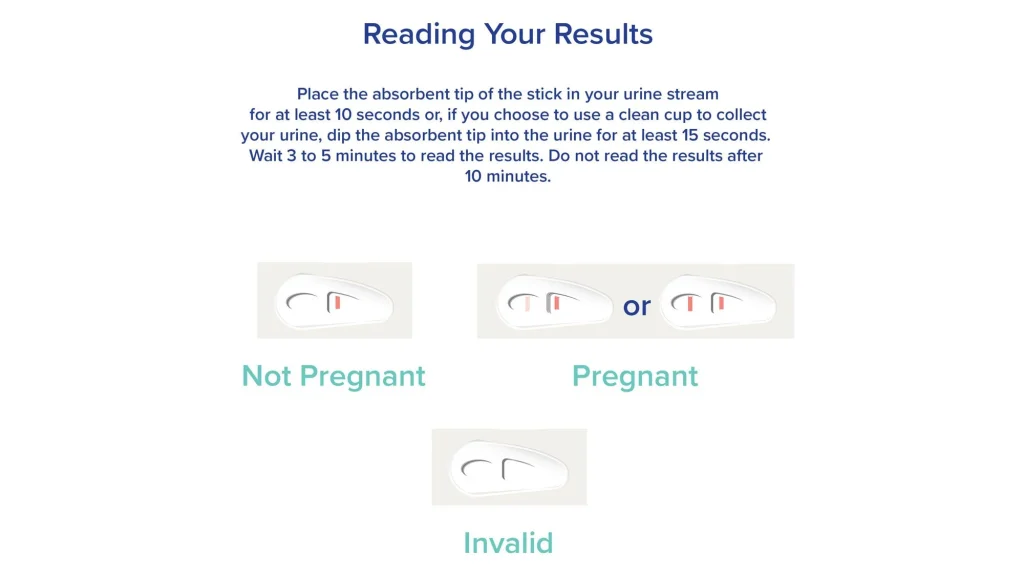
    Instructions for reading pregnancy test results with visual indicators for "Not Pregnant," "Pregnant," and "Invalid.

    Cervical Mucus and Infertility: Causes and Solutions

    Now that we have discussed the causes of abnormal cervical mucus, let’s explore some solutions to improve its quality.

    1. Stay Hydrated: Drinking plenty of water can help thin out thick cervical mucus, making it easier for sperm to travel through the reproductive tract.

    2. Monitor Your Cervical Mucus: Keeping track of your cervical mucus can help you identify any abnormalities and time intercourse accordingly. Using an ovulation tracker or monitoring your cervical mucus manually can help you determine the best time for conception.

    3. Use Fertility-Friendly Lubricants: Some lubricants can be harmful to sperm, so it’s essential to choose a fertility-friendly option when trying to conceive. Look for lubricants that are specifically labeled as “sperm-friendly” or “fertility-friendly.”

    4. Address Hormonal Imbalances: If you have a hormonal imbalance, it’s crucial to seek medical treatment to regulate your hormones. This can help improve the quality and quantity of your cervical mucus.

    5. Maintain a Healthy Lifestyle: Making healthy lifestyle choices, such as quitting smoking, reducing alcohol consumption, and eating a balanced diet, can improve your overall reproductive health, including the quality of your cervical mucus.

    In conclusion, cervical mucus is a vital component of a woman’s reproductive health, and any abnormalities can significantly impact fertility. Understanding the causes of abnormal cervical mucus and taking steps to improve its quality can increase the chances of conception. If you are struggling with infertility, it’s essential to consult with a fertility specialist who can help identify and address any underlying issues.

    In summary, cervical mucus plays a crucial role in fertility, and abnormalities can make it difficult for sperm to reach and fertilize the egg. Hormonal imbalances, medications, age, infections, and lifestyle factors can all affect the quality and quantity of cervical mucus. To improve its quality, it’s essential to stay hydrated, monitor cervical mucus, use fertility-friendly lubricants, address hormonal imbalances, and maintain a healthy lifestyle. If you are struggling with infertility, consult with a fertility specialist for proper diagnosis and treatment.

  • Cervical Mucus Changes Throughout the Menstrual Cycle: What’s Normal?

    Blog Post:

    Cervical mucus may not be a topic that is commonly discussed, but it is an important aspect of a woman’s menstrual cycle. Throughout the menstrual cycle, the cervix produces different types of mucus that can indicate where a woman is in her cycle and whether or not she is fertile. Understanding these changes in cervical mucus can help women better understand their bodies and their fertility. In this blog post, we will explore the normal changes in cervical mucus throughout the menstrual cycle and what they mean.

    The menstrual cycle is divided into three phases: the follicular phase, ovulation, and the luteal phase. Each phase is characterized by different levels of hormones, which in turn, affect the type and amount of cervical mucus produced.

    Follicular Phase: Days 1-14
    The follicular phase begins on the first day of the menstrual cycle and lasts until ovulation. During this phase, the hormone estrogen increases and causes the cervix to produce a thick, sticky, and opaque mucus. This mucus is not conducive to sperm survival and acts as a barrier to prevent sperm from entering the uterus. This is known as the infertile phase.

    As the follicular phase progresses and estrogen levels continue to rise, the cervical mucus changes. It becomes thinner, clearer, and more watery. This type of mucus is known as fertile cervical mucus and is essential for sperm survival and transportation. It provides a hospitable environment for sperm to swim through the cervix and into the uterus.

    Ovulation: Day 14
    Ovulation occurs in the middle of the menstrual cycle when an egg is released from the ovary. As ovulation approaches, estrogen levels reach their peak, and the amount of fertile cervical mucus increases. This is the most fertile time of the menstrual cycle, as the mucus is at its most watery and provides the best environment for sperm to reach the egg.

    During ovulation, the cervix produces a type of cervical mucus called “spinnbarkeit.” This mucus is stretchy and can be compared to raw egg whites. It is the most fertile type of cervical mucus and indicates that ovulation is imminent.

    Luteal Phase: Days 15-28
    After ovulation, the body begins to prepare for pregnancy. The hormone progesterone increases and causes the cervix to produce a thick, sticky, and opaque mucus once again. This mucus acts as a barrier to prevent sperm from entering the uterus and is known as the infertile phase.

    Mosie Baby pregnancy test kit with two tests and packaging, featuring a mint green color scheme.

    Cervical Mucus Changes Throughout the Menstrual Cycle: What's Normal?

    If fertilization does not occur, estrogen and progesterone levels decrease, and the lining of the uterus sheds, resulting in menstruation. The cervical mucus also changes, becoming thicker and clumpier until it is eventually expelled from the body along with the uterine lining.

    What’s Normal?
    It is essential to understand that every woman’s body is unique, and therefore, cervical mucus patterns may vary slightly from person to person. However, there are some general guidelines to determine what is considered normal and healthy.

    During the infertile phase (thick, sticky, and opaque mucus), there should be very little to no mucus present. If there is a small amount, it should not be stretchy or clear.

    During the fertile phase (thin, clear, and watery mucus), there should be a noticeable increase in the amount of mucus present. It should be thin, clear, and stretchy, and may appear on underwear or toilet paper.

    During ovulation, there should be a significant increase in the amount of mucus present, and it should be at its most stretchy and clear, resembling raw egg whites.

    During the luteal phase (thick, sticky, and opaque mucus), there should be little to no mucus present. If there is a small amount, it should be thick and clumpy.

    Any changes in the amount, texture, or color of cervical mucus can be an indicator of a potential issue. If you notice any abnormalities, it is essential to speak with your healthcare provider.

    In summary, cervical mucus changes throughout the menstrual cycle are entirely normal and play a crucial role in fertility. Understanding these changes and paying attention to any irregularities can help women better understand their bodies and their menstrual cycles.

  • How to Improve the Consistency of Your Cervical Mucus

    How to Improve the Consistency of Your Cervical Mucus: A Comprehensive Guide to Ovulation and Fertility

    Cervical mucus is a vital part of a woman’s reproductive cycle. It is the fluid secreted by the cervix that helps to keep the vagina clean and lubricated. However, its consistency and changes can also provide valuable information about a woman’s fertility and ovulation. Understanding and effectively monitoring the consistency of your cervical mucus can greatly improve your chances of conceiving. In this blog post, we will discuss the importance of cervical mucus, how it changes throughout the menstrual cycle, and ways to improve its consistency for optimal fertility.

    The Importance of Cervical Mucus:

    Cervical mucus plays a crucial role in the reproductive process. It creates a hospitable environment for sperm to survive and swim towards the egg for fertilization. It also acts as a barrier against bacteria and other harmful substances, protecting the reproductive organs. Moreover, cervical mucus can also indicate the presence of certain infections or hormonal imbalances in the body. By paying attention to the changes in the consistency of your cervical mucus, you can gather valuable insight into your fertility and overall reproductive health.

    Understanding the Changes in Cervical Mucus throughout the Menstrual Cycle:

    The menstrual cycle consists of three phases – the follicular phase, ovulatory phase, and luteal phase. Each phase is characterized by different levels of hormones and cervical mucus consistency.

    – Follicular Phase:

    The follicular phase begins on the first day of menstruation and lasts until ovulation. During this phase, estrogen levels gradually rise, causing the cervical mucus to become wetter, clearer, and more stretchy. This type of mucus is known as fertile cervical mucus and is ideal for sperm survival and transportation.

    – Ovulatory Phase:

    The ovulatory phase is the shortest phase of the menstrual cycle, lasting only 24-48 hours. It is triggered by a surge in luteinizing hormone (LH) and is characterized by a sudden change in cervical mucus consistency. The fertile cervical mucus becomes even more wet and stretchy, resembling raw egg whites. This type of mucus is known as peak cervical mucus and indicates the most fertile days of the cycle.

    – Luteal Phase:

    The luteal phase begins after ovulation and lasts until the start of the next menstrual cycle. During this phase, the body produces progesterone, which causes the cervical mucus to become thicker, cloudier, and less stretchy. This type of mucus is known as non-fertile cervical mucus and indicates the end of the fertile window.

    pregnancy test kit features labeled for comfort and confidence on a teal background

    How to Improve the Consistency of Your Cervical Mucus

    How to Improve Cervical Mucus Consistency:

    Now that we understand the changes in cervical mucus throughout the menstrual cycle, let’s discuss ways to improve its consistency for optimal fertility:

    1. Stay Hydrated:

    Drinking enough water is crucial for maintaining good cervical mucus consistency. Dehydration can lead to a decrease in cervical mucus production, making it thicker and less hospitable for sperm. Aim to drink at least 8-10 glasses of water per day to keep your cervical mucus hydrated and healthy.

    2. Avoid Certain Medications:

    Some medications, such as antihistamines and non-steroidal anti-inflammatory drugs (NSAIDs), can dry out cervical mucus. If you are trying to conceive, it is best to avoid these medications or speak to your doctor about alternative options.

    3. Take Fertility Supplements:

    Certain supplements, such as evening primrose oil, can help to improve cervical mucus consistency. Evening primrose oil contains essential fatty acids that can help to thin and increase the amount of cervical mucus. However, it is important to consult with a healthcare provider before starting any new supplement.

    4. Use Fertility-Friendly Lubricants:

    Many couples use lubricants during intercourse to enhance pleasure. However, most commercial lubricants can be harmful to sperm and affect cervical mucus consistency. If you need to use lubricants, opt for fertility-friendly options that mimic the natural consistency of cervical mucus, such as Pre-Seed or Conceive Plus.

    5. Track Your Ovulation:

    The most effective way to improve cervical mucus consistency is to track your ovulation and have intercourse during your most fertile days. This can be done through various methods, such as tracking basal body temperature, using ovulation prediction kits, or observing changes in cervical mucus.

    In summary, cervical mucus plays a crucial role in fertility and can provide valuable insight into a woman’s reproductive health. Understanding the changes in cervical mucus throughout the menstrual cycle and implementing the above tips can greatly improve its consistency and increase the chances of conception. Remember to stay hydrated, avoid certain medications, take fertility supplements, use fertility-friendly lubricants, and track your ovulation for optimal cervical mucus and fertility.

  • Demystifying Cervical Mucus: Facts vs. Myths

    Blog Post Title: Demystifying Cervical Mucus: Facts vs. Myths

    Cervical mucus, also known as cervical fluid, is a vital part of a woman’s reproductive health. It plays a crucial role in fertility, as well as overall vaginal health. However, there are many myths and misconceptions surrounding cervical mucus that can cause confusion and misunderstandings. In this blog post, we will demystify cervical mucus by separating fact from fiction.

    First, let’s understand what cervical mucus is and its purpose. Cervical mucus is a fluid produced by the cervix, the narrow passage between the vagina and the uterus. The consistency and amount of cervical mucus change throughout a woman’s menstrual cycle due to hormonal fluctuations. Its primary function is to protect and nourish sperm, helping them reach and fertilize an egg. It also acts as a barrier to prevent bacteria and other harmful substances from entering the uterus.

    Now, let’s address some common myths and misconceptions about cervical mucus.

    Myth #1: Cervical mucus is the same as vaginal discharge.

    Fact: While cervical mucus and vaginal discharge both come from the vagina, they serve different purposes and have distinct characteristics. Vaginal discharge is produced by the walls of the vagina and helps keep it clean and lubricated. It can vary in color, texture, and odor, depending on factors such as hormonal fluctuations, sexual activity, and hygiene. On the other hand, cervical mucus is produced by the cervix and is only present during certain times of the menstrual cycle. It is clear and stretchy, similar to raw egg whites, and its purpose is to aid in fertility.

    Myth #2: Women only produce cervical mucus when they are ovulating.

    Fact: While cervical mucus is most abundant and fertile around the time of ovulation, it is present throughout the menstrual cycle. After menstruation, the vagina is usually dry, but as a woman’s body prepares for ovulation, cervical mucus starts to increase in quantity and changes in consistency. As ovulation approaches, the cervical mucus becomes clear, slippery, and stretchy, making it easier for sperm to swim through. After ovulation, the cervical mucus becomes thicker and less abundant, acting as a barrier to prevent sperm from entering the uterus.

    Myth #3: Cervical mucus can only be observed internally.

    Mosie Baby Kit features a syringe and container, highlighting safety and usability tests on a blue background.

    Demystifying Cervical Mucus: Facts vs. Myths

    Fact: While cervical mucus is produced inside the cervix, it can also be observed externally. Many women track their cervical mucus as a method of natural family planning and fertility awareness. By checking the color, texture, and amount of cervical mucus on a daily basis, women can gain insight into their fertility and ovulation patterns. This method is known as the “cervical mucus method” and is widely used by women who are trying to conceive or avoid pregnancy.

    Myth #4: Discolored cervical mucus is a sign of infection.

    Fact: The color of cervical mucus can vary from clear to white or yellowish, depending on the phase of the menstrual cycle. Some women may experience brown or pink cervical mucus towards the end of their period, which is perfectly normal. However, if the cervical mucus is green, gray, or foul-smelling, it may be a sign of infection and should be evaluated by a healthcare provider.

    Myth #5: Cervical mucus can only be observed by women with a regular menstrual cycle.

    Fact: While women with a regular menstrual cycle may have a more predictable pattern of cervical mucus, women with irregular cycles can also observe and track their cervical mucus. In fact, monitoring cervical mucus can be especially helpful for women with irregular cycles as it can provide insight into when ovulation may occur.

    Myth #6: Using lubricants during intercourse can replace cervical mucus.

    Fact: Many couples use lubricants during intercourse to enhance pleasure and reduce discomfort. However, lubricants should not be used as a substitute for cervical mucus. Most lubricants contain ingredients that can harm sperm and decrease their motility, reducing the chances of fertilization. If needed, opt for fertility-friendly lubricants or other natural alternatives such as coconut oil.

    Myth #7: Cervical mucus is only important for fertility.

    Fact: While cervical mucus plays a critical role in fertility, its presence and characteristics can also indicate overall vaginal health. Changes in the amount, color, or texture of cervical mucus can be a sign of hormonal imbalances, infections, or other underlying health issues. Paying attention to cervical mucus can help women identify and address potential health concerns.

    In summary, cervical mucus is a vital and natural part of a woman’s reproductive system. It serves multiple functions, including aiding in fertility and maintaining vaginal health. By understanding the facts and dispelling the myths, women can have a better understanding of their bodies and make informed decisions about their reproductive health.

  • The Impact of Diet and Lifestyle on Cervical Mucus Quality

    Blog Post Title: The Impact of Diet and Lifestyle on Cervical Mucus Quality

    Cervical mucus is a crucial component of female fertility. It plays a vital role in the reproductive process by helping sperm reach and fertilize the egg. However, many women struggle with poor quality cervical mucus, which can significantly affect their chances of conceiving. In this blog post, we will explore the impact of diet and lifestyle on cervical mucus quality and provide tips on how to improve it.

    Understanding Cervical Mucus

    Before delving into the impact of diet and lifestyle on cervical mucus, it is essential to understand what it is and its role in the female reproductive system. Cervical mucus is a fluid produced by the cervix, the narrow passage that connects the uterus to the vagina. Its consistency and thickness vary throughout the menstrual cycle, depending on hormonal changes.

    During ovulation, when a woman is most fertile, cervical mucus becomes thin, slippery, and stretchy. This type of mucus, known as fertile cervical mucus, helps sperm swim through the cervix and towards the egg. On the other hand, during non-fertile times of the cycle, the mucus is thicker and forms a barrier, preventing sperm from reaching the egg.

    The Impact of Diet on Cervical Mucus Quality

    The food we eat has a significant impact on our overall health, including our reproductive health. A poor diet can lead to hormonal imbalances and nutritional deficiencies, both of which can affect cervical mucus quality.

    One of the most crucial nutrients for cervical mucus is vitamin C. This powerful antioxidant helps to protect the cervical mucus from damage and maintain its elasticity. Foods rich in vitamin C include citrus fruits, berries, kiwi, and dark leafy greens.

    Another essential nutrient for cervical mucus is vitamin E. This vitamin helps to thin the mucus, making it easier for sperm to swim through. Vitamin E can be found in foods such as avocados, nuts, and seeds.

    Omega-3 fatty acids are also crucial for cervical mucus quality. These healthy fats help to maintain the mucus’s consistency and support hormonal balance. Sources of omega-3s include fatty fish, flaxseeds, and chia seeds.

    On the other hand, a diet high in processed and sugary foods can lead to inflammation and hormonal imbalances, which can negatively impact cervical mucus quality. It is essential to focus on a diet rich in whole, nutrient-dense foods to support optimal cervical mucus production.

    The Impact of Lifestyle on Cervical Mucus Quality

    Aside from diet, lifestyle factors also play a significant role in cervical mucus quality. Here are some lifestyle habits that can affect the mucus:

    1. Smoking: Cigarette smoke contains toxins that can damage the cervical mucus, making it less effective in supporting fertility.

    logo of mosie baby featuring a heart and leaf design in blue, pink, and green colors

    The Impact of Diet and Lifestyle on Cervical Mucus Quality

    2. Alcohol consumption: Excessive alcohol consumption can disrupt hormonal balance and affect cervical mucus production.

    3. Stress: Chronic stress can lead to hormonal imbalances, which can affect cervical mucus quality. It is crucial to find ways to manage stress, such as through exercise, meditation, or therapy.

    4. Lack of sleep: Getting enough quality sleep is crucial for hormonal balance. Lack of sleep can lead to imbalances that can affect cervical mucus production.

    5. Medications: Certain medications, such as antihistamines and decongestants, can dry out cervical mucus, making it less fertile.

    How to Improve Cervical Mucus Quality

    If you are struggling with poor cervical mucus quality, there are steps you can take to improve it. Here are some tips to help you:

    1. Stay hydrated: Drinking enough water is essential for maintaining optimal cervical mucus production. Aim for at least eight glasses of water per day.

    2. Quit smoking: If you smoke, consider quitting to improve your cervical mucus quality and overall fertility.

    3. Limit alcohol and caffeine: Both alcohol and caffeine can affect hormonal balance and cervical mucus quality. It is best to limit your intake or avoid them altogether.

    4. Eat a healthy diet: As mentioned earlier, a diet rich in whole, nutrient-dense foods is crucial for cervical mucus quality. Make sure to include plenty of fruits, vegetables, healthy fats, and lean proteins in your diet.

    5. Consider supplements: If you are deficient in any of the essential nutrients for cervical mucus, consider taking supplements to support your body’s needs.

    6. Practice stress management: Find ways to manage stress, such as through exercise, meditation, or therapy, to support hormonal balance and cervical mucus production.

    Conclusion

    Cervical mucus quality is a crucial factor in female fertility. Diet and lifestyle play a significant role in maintaining optimal cervical mucus production. By making healthy choices and taking steps to improve your overall health, you can boost your chances of conceiving.

    Summary: In this blog post, we discussed the impact of diet and lifestyle on cervical mucus quality. Cervical mucus is a crucial component of female fertility, and its quality can significantly affect a woman’s chances of conceiving. We explored the role of essential nutrients such as vitamin C, vitamin E, and omega-3 fatty acids in maintaining optimal cervical mucus production. We also discussed lifestyle factors such as smoking, alcohol consumption, stress, lack of sleep, and certain medications that can affect cervical mucus quality. Finally, we provided tips on how to improve cervical mucus quality, such as staying hydrated, quitting smoking, eating a healthy diet, and managing stress. By following these tips, women can support their reproductive health and increase their chances of conceiving.

  • Cervical Mucus and Your Sexual Health: The Importance of Self-Care

    Blog Post:

    Cervical mucus is a natural fluid produced by the cervix that plays a vital role in both sexual health and fertility. It is often overlooked and misunderstood, but understanding its function and paying attention to changes in its consistency and color can help individuals take charge of their sexual health and well-being. In this blog post, we will delve into the importance of cervical mucus and how it can be a valuable tool for self-care.

    What is Cervical Mucus?

    Cervical mucus, also known as cervical fluid, is a clear or white fluid produced by the cells of the cervix. The cervix is the lower part of the uterus that connects to the vagina. The mucus is present in the cervix throughout a woman’s menstrual cycle and serves various purposes.

    During the first phase of the menstrual cycle, the follicular phase, the cervical mucus is thicker and less abundant. This type of mucus acts as a barrier to sperm, preventing them from reaching the egg. However, as a woman approaches ovulation, the mucus changes in consistency and becomes more slippery and stretchy. This type of mucus is known as fertile cervical mucus and helps sperm to swim easily towards the egg for fertilization.

    After ovulation, the cervical mucus becomes thicker again, forming a plug to prevent any other sperm from entering the uterus and potentially fertilizing the egg. If fertilization does occur, the cervical mucus will thicken even more, forming a protective barrier for the developing embryo.

    The Importance of Cervical Mucus for Sexual Health

    Cervical mucus plays a crucial role in sexual health and fertility. It serves as a natural lubricant during sexual intercourse, making sex more comfortable and enjoyable. It also provides a protective barrier against bacteria and other harmful substances that may enter the vagina.

    at-home insemination kit with syringes, collection cups, and instructions on a pink background

    Cervical Mucus and Your Sexual Health: The Importance of Self-Care

    Moreover, cervical mucus is an essential indicator of hormonal balance and overall health. Changes in the consistency, color, and amount of cervical mucus can be a sign of hormonal imbalances, infections, or other underlying health issues. For example, a sudden increase in thin, watery cervical mucus may indicate an infection, whereas a decrease in cervical mucus may be a sign of low estrogen levels.

    Paying attention to changes in cervical mucus can help individuals identify potential health concerns and seek appropriate treatment. It can also be a useful tool for tracking ovulation and planning for pregnancy.

    Self-Care and Cervical Mucus

    Taking care of your reproductive health is an essential aspect of self-care, and monitoring cervical mucus is a simple and effective way to do so. By tracking changes in your cervical mucus, you can gain insight into your menstrual cycle and fertility. This knowledge can help you make informed decisions about your sexual health and plan for pregnancy if desired.

    One way to track cervical mucus is by using the Billings Ovulation Method. This method involves observing and recording changes in cervical mucus throughout the menstrual cycle to determine the most fertile days. It is a natural and reliable way to achieve or avoid pregnancy without the use of artificial birth control methods.

    In addition to tracking cervical mucus, it is essential to maintain good overall health for optimal cervical mucus production. This includes staying hydrated, eating a balanced diet, and managing stress levels. Certain foods, such as leafy greens, healthy fats, and probiotic-rich foods, can also promote healthy cervical mucus production.

    It is also crucial to practice safe sex and maintain good hygiene to prevent infections and maintain a healthy balance of bacteria in the vagina. Avoid using scented products and opt for a pH-balanced, gentle cleanser for the genital area.

    In summary, cervical mucus is a crucial aspect of sexual health and fertility. It serves various purposes, including acting as a natural lubricant and indicator of overall health. By paying attention to changes in cervical mucus and practicing self-care, individuals can take control of their sexual health and well-being.

    SEO metadata:

  • The Connection Between Cervical Mucus and Stress Levels

    The human body is a complex system that is constantly affected by various external and internal factors. One of the most important aspects of our health is the reproductive system, which plays a crucial role in our overall well-being. In recent years, there has been a growing interest in the relationship between cervical mucus and stress levels, and how they can impact our fertility and overall health. In this blog post, we will explore the connection between cervical mucus and stress levels, and how understanding this relationship can help us improve our reproductive health and overall quality of life.

    Cervical mucus is a fluid produced by the cells in the cervix, the lower part of the uterus. It plays a vital role in the process of conception, as it helps in transporting and nourishing sperm, creating a favorable environment for fertilization to occur. The quantity and quality of cervical mucus are influenced by various factors such as hormones, medications, diet, and stress levels.

    Stress is a natural response to any kind of physical or emotional demand, and it is a normal part of our daily lives. However, chronic or prolonged stress can have a significant impact on our health, including our reproductive health. Studies have shown that stress can affect the menstrual cycle, ovulation, and cervical mucus production, which can ultimately lead to fertility issues.

    One of the main ways in which stress affects cervical mucus is by disrupting the hormonal balance in the body. When we are stressed, our body produces higher levels of cortisol, also known as the stress hormone. This increase in cortisol can affect the production of other hormones, such as estrogen and progesterone, which play a crucial role in the menstrual cycle and cervical mucus production. As a result, the quality and quantity of cervical mucus can be affected, making it difficult for sperm to reach the egg and fertilize it.

    Moreover, stress can also impact the pH levels of the cervical mucus. The ideal pH for cervical mucus is slightly alkaline, which creates a favorable environment for sperm to survive and swim towards the egg. However, stress can make the cervical mucus more acidic, which can be harmful to sperm and affect their ability to fertilize the egg.

    In addition to hormonal and pH levels, stress can also affect the consistency of cervical mucus. Cervical mucus goes through different phases during the menstrual cycle, with the most fertile mucus being clear, watery, and stretchy, often referred to as “egg white” mucus. This type of mucus is crucial for sperm to survive and reach the egg. However, stress can cause the mucus to become thicker and stickier, making it difficult for sperm to swim through.

    illustration comparing standard and Mosie syringe openings with text highlighting design benefits for home insemination

    The Connection Between Cervical Mucus and Stress Levels

    Furthermore, stress can also affect the timing of ovulation, which can have a direct impact on the quality and quantity of cervical mucus. Ovulation is a critical part of the menstrual cycle, and any delay or disruption in ovulation can affect the production of cervical mucus. This can result in a shorter fertile window and decrease the chances of conception.

    It is important to note that the impact of stress on cervical mucus is not limited to women. Stress can also affect male fertility by reducing sperm count, motility, and quality. This can make it difficult for sperm to reach and fertilize the egg, leading to fertility issues.

    So, how can we manage stress to improve our cervical mucus and overall reproductive health? The first step is to identify the sources of stress in our lives and find ways to cope with them. This can include practicing relaxation techniques such as meditation, yoga, or deep breathing, getting regular exercise, and maintaining a healthy diet. It is also important to prioritize self-care and take breaks when needed to avoid burnout.

    In addition, seeking support from a therapist or joining a support group can also help in managing stress levels. Talking about our feelings and concerns can help reduce stress and improve our mental and emotional well-being.

    Finally, tracking our menstrual cycle and monitoring changes in cervical mucus can also give us valuable insights into how stress may be affecting our reproductive health. This can help us make informed decisions about our lifestyle and seek medical advice if needed.

    In conclusion, there is a strong connection between cervical mucus and stress levels, and it is essential to understand and manage this relationship for our overall health and fertility. By taking steps to reduce stress and prioritize self-care, we can improve the quality and quantity of cervical mucus, increase our chances of conception, and lead a healthier and happier life.

  • Cervical Mucus and Hormonal Imbalance: What You Need to Know

    Summary:

    Cervical mucus is a natural fluid produced by the cervix that plays a crucial role in a woman’s reproductive health. It provides important clues about ovulation, fertility, and overall hormonal balance. However, many women may not pay much attention to their cervical mucus or may not even know what it is. In this blog post, we will dive into the topic of cervical mucus and its connection to hormonal imbalance. We will discuss what cervical mucus is, how it changes throughout a woman’s menstrual cycle, and how hormonal imbalance can affect it. We will also explore the various causes of hormonal imbalance and how it can be managed to promote healthy cervical mucus and overall reproductive health.

    What is Cervical Mucus?

    Cervical mucus is a fluid produced by the cervix, the narrow passage that connects the uterus to the vagina. It is a mixture of water, glycoproteins, electrolytes, and other compounds that are secreted by the glands in the cervix. The amount, consistency, and appearance of cervical mucus can vary throughout a woman’s menstrual cycle, depending on the levels of hormones in her body.

    Role of Cervical Mucus in Reproductive Health

    Cervical mucus plays a vital role in a woman’s reproductive health. It acts as a protective barrier, keeping the cervix and uterus safe from bacteria and other harmful substances. It also helps sperm travel through the cervix and into the uterus, increasing the chances of fertilization. Additionally, cervical mucus provides important clues about a woman’s fertility and ovulation.

    Changes in Cervical Mucus Throughout the Menstrual Cycle

    logo featuring a pink heart above two teal leaves on a blue circular background

    Cervical Mucus and Hormonal Imbalance: What You Need to Know

    The amount, consistency, and appearance of cervical mucus change throughout a woman’s menstrual cycle, mainly due to the fluctuations in estrogen and progesterone levels. During the beginning of the cycle, just after menstruation, there is very little cervical mucus present. As ovulation approaches, estrogen levels rise, causing the cervical mucus to become more abundant, thin, and stretchy. This type of mucus, called fertile cervical mucus, is ideal for sperm survival and transport. After ovulation, progesterone levels increase, causing the cervical mucus to become thick and sticky, making it difficult for sperm to reach the egg.

    Hormonal Imbalance and Cervical Mucus

    Hormonal imbalance can significantly affect the quality and quantity of cervical mucus. When there is an imbalance in estrogen and progesterone levels, it can lead to a lack of fertile cervical mucus or an overproduction of thick, hostile mucus. This can make it challenging for sperm to reach the egg, causing fertility issues. In some cases, hormonal imbalance can also cause a complete absence of cervical mucus, making it difficult for sperm to survive and travel through the cervix.

    Causes of Hormonal Imbalance

    There are various factors that can contribute to hormonal imbalance, including stress, poor diet, lack of exercise, certain medications, and underlying health conditions. Additionally, hormonal imbalance can be caused by certain lifestyle habits, such as smoking and excessive alcohol consumption. It can also be a result of certain medical conditions, such as polycystic ovary syndrome (PCOS) or thyroid disorders.

    Managing Hormonal Imbalance for Healthy Cervical Mucus

    If you suspect that you may have a hormonal imbalance, it is essential to seek medical advice for proper diagnosis and treatment. Hormonal imbalance can be managed through lifestyle changes, such as reducing stress, eating a healthy diet, and exercising regularly. In some cases, hormone replacement therapy or other medications may be prescribed to regulate hormone levels. Additionally, natural remedies, such as herbal supplements and acupuncture, may also help in restoring hormonal balance.

    In conclusion, cervical mucus is an essential aspect of a woman’s reproductive health and can provide valuable information about fertility and ovulation. Hormonal imbalance can significantly affect the quality and quantity of cervical mucus, leading to fertility issues. Therefore, it is crucial to pay attention to changes in cervical mucus and seek medical advice if you suspect a hormonal imbalance. With proper management and treatment, it is possible to maintain healthy cervical mucus and promote overall reproductive health.